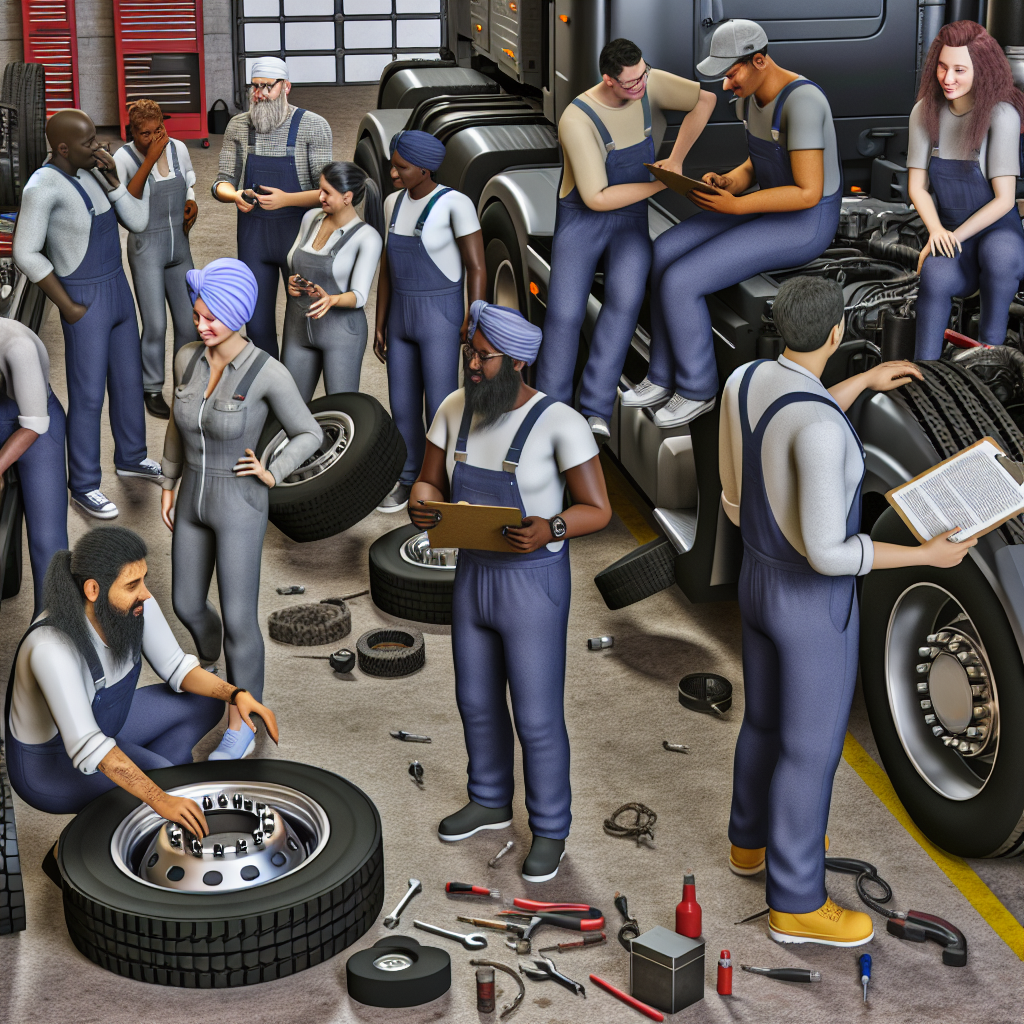
Managing fleet safety and driver turnover has become essential in today’s changing transportation industry. As logistics costs rise and the need for dependable deliveries increases, private fleets are proving their importance in optimizing performance. These fleets are enhancing safety and efficiency by increasing driver pay, speeding up equipment trade cycles, and reducing annual mileage.
Fleet managers must prioritize not just maintaining safety standards but also creating a workplace that supports driver retention and satisfaction. By understanding the dynamics of private fleets, organizations can remain competitive and turn challenges into opportunities for growth.

The Growth of Private Fleets
The landscape of private fleets is undergoing a significant transformation as businesses adapt to evolving supply chain demands and driver shortages. Recent trends reveal a nuanced growth pattern distinguished by reductions in annual mileage, competitive driver pay, and improved turnover rates, collectively enhancing fleet efficiency and operational control.
Annual Mileage
In 2024, private fleet operators reported an average annual mileage of 80,400 miles per heavy-duty unit, down from previous years. This reduction of nearly 5,000 miles signals a strategic shift toward regional operations and more localized deliveries, minimizing long-haul requirements as companies expand their distribution centers closer to customer bases. This approach not only optimizes travel distances but also aims to elevate customer service levels.
Driver Compensation
As the industry grapples with driver shortages, private fleets have stepped up to offer competitive compensation packages. Average driver pay has soared to approximately $91,081, with top-tier drivers earning up to $135,000 annually. This increase underscores the industry’s commitment to attracting and retaining skilled drivers by addressing wage pressures and enhancing job satisfaction, ultimately leading to improved service levels across the supply chain.
Turnover Rates
Improvements in driver turnover rates indicate that private fleets are becoming more adept at retaining their personnel. The turnover rate, which peaked at nearly 23% in 2022, has seen a positive shift, decreasing to 18.4% in 2024. This suggests that implemented strategies for driver engagement and retention are yielding fruitful results, thereby stabilizing the workforce and enhancing operational consistency.
Market Dynamics
A critical effect of these trends is the assertion of greater control over supply chains by private fleets. As industry stakeholders declare, “Private fleets are capturing enhanced control over the supply chain.” With private fleets now managing over 70% of outbound shipments and witnessing an 11.7% growth in shipment volumes in 2025, it is clear they are solidifying their position as pivotal players within logistics networks. Moreover, the adoption of better maintenance strategies, such as outsourcing specialized services, is helping these fleets maintain equipment reliability while minimizing operational downtime.
The evolution of private fleets showcases a multi-faceted approach to tackling modern logistics challenges. By focusing on driver pay, operational efficiency, and localized delivery strategies, private fleets are not only surviving but thriving, setting new benchmarks for performance and control within the supply chain.
| Category | Private Fleets | Industry Averages |
|---|---|---|
| Average Driver Pay | $91,081 | $73,000 |
| Expected Annual Mileage | 80,400 miles | 100,000 miles |
| Turnover Rate | 18.4% | 24% |
The Importance of Safety Benchmarks in Fleet Management
Safety benchmarks play a critical role in fleet management, influencing driver retention, operational efficiency, and the frequency of accidents. The statistic of DOT recordable accidents at 0.49 per million miles illustrates the importance of safety protocols in reducing incidents on the road.
Impact on Driver Retention
Implementing stringent safety standards fosters a secure working environment, which is essential for retaining drivers. Companies that prioritize safety demonstrate their commitment to the well-being of their employees, leading to higher job satisfaction and reduced turnover rates. For instance, adherence to Hours of Service (HOS) regulations helps prevent driver fatigue, a significant issue affecting driver retention. When drivers feel safe and valued, they are more likely to stay with the company long-term.
Enhancing Operational Efficiency
Adhering to safety benchmarks also contributes to operational efficiency by minimizing accidents and unexpected vehicle downtime. Regular maintenance and compliance with safety protocols ensure that vehicles remain in optimal condition, significantly reducing the likelihood of breakdowns and delays in deliveries. The trucking industry invests substantial resources into safety initiatives, including training and technology, to improve overall operational efficiency, clearly emphasizing that a safe fleet is also a productive one.
Importance of Safety Standards
As the quote states, “If [the fleet] is not safe, it’s not going to be efficient, and none of the other metrics really matter that much.” This highlights the interconnectedness of safety and efficiency in fleet management. By continuously investing in safety initiatives and adhering to evolving standards, fleets not only protect their drivers but also ensure smoother operations and better service delivery to customers.
In summary, establishing and maintaining safety benchmarks in fleet management is vital for capturing and retaining drivers, enhancing operational efficiency, and minimizing the occurrence of DOT recordable accidents. Continuous investments in safety protocols are imperative for the trucking industry’s commitment to safety and operational excellence.

Digital Innovation in Fleet Management
Integrating digital tools with comprehensive employee support and training is crucial for the success of fleet management operations. While technological advancements like artificial intelligence and automation streamline processes, the human element remains indispensable. Industry executives emphasize that a balanced approach—investing in both technology and people—is essential for thriving in a rapidly evolving industry.
David Kelly, president of Innocon, highlighted the limitations of an all-digital approach. His company introduced an online ordering platform, yet over 30 percent of customers preferred traditional phone calls. This experience underscores the necessity of accommodating diverse preferences and ensuring that technology complements rather than replaces human interaction [Truck News].
Kristen Fess, executive vice-president at TFI, discussed the role of AI in enhancing training programs. By developing AI-driven standard operating procedures, TFI accelerated onboarding processes and reduced the dependency on senior staff for extensive in-person training. This approach not only streamlines training but also empowers employees to adapt quickly to new roles [Truck News].
Jason Belgrave, director of operations at Purolator, addressed challenges related to absenteeism and inconsistent peer-to-peer training. The company implemented automation tools like smart sorting and dynamic routing, which significantly reduced training times from weeks to hours. Additionally, virtual reality headsets allowed new hires to experience specialized tasks virtually before engaging in real-world operations, enhancing both safety and efficiency [Truck News].
Beyond technological integration, fostering a supportive and collaborative culture is vital. Effective communication channels, regular feedback, and a willingness to listen to employee suggestions facilitate smoother adaptation to digital tools. This approach not only enhances employee satisfaction but also drives innovation and operational efficiency [PSPP Journals].
In summary, while digital tools offer significant advantages in fleet management, their successful implementation hinges on parallel investments in employee training and support. By equipping staff with the necessary skills and fostering an inclusive culture, organizations can fully leverage technological advancements to achieve optimal operational outcomes.
Digital Innovation in Fleet Management
Integrating digital tools with comprehensive employee support and training is crucial for the success of fleet management operations. While technological advancements like artificial intelligence and automation streamline processes, the human element remains indispensable. Industry executives emphasize that a balanced approach—investing in both technology and people—is essential for thriving in a rapidly evolving industry.
David Kelly, president of Innocon, highlighted the limitations of an all-digital approach. His company introduced an online ordering platform, yet over 30 percent of customers preferred traditional phone calls. This experience underscores the necessity of accommodating diverse preferences and ensuring that technology complements rather than replaces human interaction [Truck News].
Kristen Fess, executive vice-president at TFI, discussed the role of AI in enhancing training programs. By developing AI-driven standard operating procedures, TFI accelerated onboarding processes and reduced the dependency on senior staff for extensive in-person training. This approach not only streamlines training but also empowers employees to adapt quickly to new roles [Truck News].
Jason Belgrave, director of operations at Purolator, addressed challenges related to absenteeism and inconsistent peer-to-peer training. The company implemented automation tools like smart sorting and dynamic routing, which significantly reduced training times from weeks to hours. Additionally, virtual reality headsets allowed new hires to experience specialized tasks virtually before engaging in real-world operations, enhancing both safety and efficiency [Truck News].
Beyond technological integration, fostering a supportive and collaborative culture is vital. Effective communication channels, regular feedback, and a willingness to listen to employee suggestions facilitate smoother adaptation to digital tools. This approach not only enhances employee satisfaction but also drives innovation and operational efficiency [PSPP Journals].
Additionally, innovations in fleet management are demonstrating significant improvements driven by technologies such as:
- Artificial Intelligence (AI) in Fleet Management: AI technologies are revolutionizing fleet operations by enabling predictive maintenance, route optimization, and automated scheduling. For instance, AI algorithms analyze vast amounts of data to predict vehicle maintenance needs, thereby reducing downtime and maintenance costs. The AI in transportation market is anticipated to hit $23.11 billion by 2032, underscoring the increasing significance of AI in fleet management. [insite.training]
- Telematics and Internet of Things (IoT) Integration: The integration of IoT devices and telematics systems provides real-time data on vehicle location, driver behavior, and vehicle health. For example, a logistics firm with a fleet of 200 heavy goods vehicles (HGVs) implemented a comprehensive telematics system, resulting in a 15% reduction in fuel consumption and a 20% decrease in maintenance costs. [insite.training]
- Augmented Reality (AR) for Training and Operations: AR technologies are enhancing training programs and operational efficiency. AR devices provide workers with real-time data overlays, guiding them through optimized routes for order picking. This leads to increased accuracy and reduced processing times while AR training programs offer immersive simulations for employees to practice complex tasks. [infiniticube.com]
- Cloud-Based Fleet Management Systems: Cloud technology enables centralized control of fleet operations. Companies using cloud systems report a 20% improvement in operational efficiency and a 30% faster response to disruptions. [technmagazine.com]
- Employee Upskilling and Reskilling Initiatives: As digital technologies become integral to fleet operations, companies are increasingly investing in employee training to ensure effective utilization. In 2023, a significant percentage of fleet companies reported increased investment in upskilling programs, emphasizing the essential nature of digital literacy for driver and operational roles. [wifitalents.com]
In summary, while digital tools offer significant advantages in fleet management, their successful implementation hinges on parallel investments in employee training and support. By equipping staff with the necessary skills and fostering an inclusive culture, organizations can fully leverage technological advancements to achieve optimal operational outcomes.
Current Trends in Driver Turnover and Retention
Driver turnover remains a critical focus in the fleet industry, as workforce stability is essential for maintaining efficient operations. Recent data indicates a significant improvement in turnover rates, with an overall decrease to 18.4%. This figure highlights a positive trend in retention strategies among private fleets, suggesting that companies are becoming more effective in keeping their drivers engaged and satisfied.
Role of Higher Pay
One of the most significant factors contributing to improved driver retention is increased compensation. With average driver pay climbing to approximately $91,081, private fleets are emphasizing the importance of competitive salaries to attract and retain high-quality personnel. The financial incentives provided by fleets not only elevate job satisfaction but also mitigate the turnover challenges faced by the industry in recent years. Pay increases have been instrumental in addressing the longstanding issue of driver shortages, as more professionals are drawn to positions that offer better financial security.
Effective Retention Strategies
To combat driver turnover, numerous companies have successfully implemented innovative retention strategies:
- Custom Driver Applications: Central Oregon Truck Company partnered with Eleos to develop a custom driver app, leading to an 18% improvement in driver retention. The app streamlined non-driving tasks, provided trip-planning tools, and offered easy access to training materials, enhancing driver satisfaction and operational efficiency (Eleos).
- Focus on Culture and Relationships: Stokes Trucking, known for addressing high driver turnover, concentrated on improving driver relationships and workplace culture. Their strategies aimed to create a balanced environment that emphasizes safety while fostering strong interpersonal connections (Commercial Carrier Journal).
- Predictive Analytics and Career Development: Schneider National reduced driver turnover from 94% to 61% by implementing a comprehensive retention program that includes predictive analytics, personalized career development paths, and performance-based compensation structures. This approach reportedly saved the company approximately $20 million annually (Movex Group).
- Utilizing Feedback Platforms: PS Logistics leveraged WorkHound’s anonymous feedback platform to gain insights into driver concerns, resulting in reducing turnover from 85% to 32%. By enhancing pay structures, upgrading equipment, and fostering a culture of trust through feedback, they successfully improved driver retention (WorkHound).
- Targeted Recruiting: A small carrier in Memphis utilized AI-driven recruiting focused on identifying candidates with high retention probabilities. This data-driven approach was instrumental in reducing annual turnover from 127% to 31%, allowing the company to achieve fleet growth and capture significant revenue increases (LastMileDr).
These strategies underscore the effectiveness of tailored technological solutions, cultural focus, data-driven retention programs, and proactive feedback mechanisms in reducing turnover within trucking fleets. As the industry faces ongoing workforce challenges, resolving retention issues through such strategies remains immensely beneficial for companies aiming to enhance operational stability and driver satisfaction.
Conclusion
With continuous investments in these strategies, private fleets not only improve their turnover rates but also create a more engaged and satisfied workforce, ensuring smoother operations for the entire logistics sector.
In conclusion, the transformations within the private fleet sector highlight a proactive approach to addressing the complexities of modern logistics. As the industry navigates significant shifts in driver turnover and operational strategies, it is evident that safety remains paramount. With driver pay reaching record levels and turnover rates improving to 18.4%, private fleets are not just enhancing their workforce stability but are also reinforcing the critical connection between safety and operational efficiency. The data illustrates that investing in safety protocols not only reduces workplace incidents, with an impressive record of 0.49 DOT recordable accidents per million miles but also fosters a culture of trust and satisfaction among drivers.
Looking ahead, the combination of digital innovation and a strong emphasis on employee welfare positions the fleet industry for a promising future. By prioritizing both safety and performance, organizations can ensure that they are not only adapting to changes but are also thriving in an evolving landscape, creating a sustainable trajectory towards excellence in fleet management.
Key Takeaways
- Enhanced Control Over Supply Chains: Private fleets are increasingly managing over 70% of outbound shipments, showing a significant shift in operational dynamics.
- Competitive Driver Pay: Average annual driver salaries have reached approximately $91,081, attracting and retaining quality personnel.
- Improved Turnover Rates: The driver turnover rate has decreased to 18.4%, indicating successful retention strategies within private fleets.
- Safety First: A recorded 0.49 DOT accidents per million miles emphasizes the importance of safety protocols in reducing incidents and enhancing operational efficiency.
- Digital Integration: The successful implementation of digital tools must be paired with employee support and training to maximize operational benefits.
Digital Innovation in Fleet Management
Integrating digital tools with comprehensive employee support and training is crucial for the success of fleet management operations. While technological advancements like artificial intelligence and automation streamline processes, the human element remains indispensable. Industry executives emphasize that a balanced approach—investing in both technology and people—is essential for thriving in a rapidly evolving industry.
David Kelly, president of Innocon, highlighted the limitations of an all-digital approach. His company introduced an online ordering platform, yet over 30 percent of customers preferred traditional phone calls. This experience underscores the necessity of accommodating diverse preferences and ensuring that technology complements rather than replaces human interaction [Truck News].
Kristen Fess, executive vice-president at TFI, discussed the role of AI in enhancing training programs. By developing AI-driven standard operating procedures, TFI accelerated onboarding processes and reduced the dependency on senior staff for extensive in-person training. This approach not only streamlines training but also empowers employees to adapt quickly to new roles [Truck News].
Jason Belgrave, director of operations at Purolator, addressed challenges related to absenteeism and inconsistent peer-to-peer training. The company implemented automation tools like smart sorting and dynamic routing, which significantly reduced training times from weeks to hours. Additionally, virtual reality headsets allowed new hires to experience specialized tasks virtually before engaging in real-world operations, enhancing both safety and efficiency [Truck News].
Beyond technological integration, fostering a supportive and collaborative culture is vital. Effective communication channels, regular feedback, and a willingness to listen to employee suggestions facilitate smoother adaptation to digital tools. This approach not only enhances employee satisfaction but also drives innovation and operational efficiency [PSPP Journals].
As fleets adopt these digital innovations, they are simultaneously cultivating better working environments that prioritize driver welfare. By bridging technological enhancements with a focus on driver satisfaction and support, companies are laying the groundwork for improved retention rates.
In summary, while digital tools offer significant advantages in fleet management, their successful implementation hinges on parallel investments in employee training and support. By equipping staff with the necessary skills and fostering an inclusive culture, organizations can fully leverage technological advancements to achieve optimal operational outcomes.
Current Trends in Driver Turnover and Retention
Driver turnover remains a critical focus in the fleet industry, as workforce stability is essential for maintaining efficient operations. Recent data indicates a significant improvement in turnover rates, with an overall decrease to 18.4%. This figure highlights a positive trend in retention strategies among private fleets, suggesting that companies are becoming more effective in keeping their drivers engaged and satisfied.
Role of Higher Pay
One of the most significant factors contributing to improved driver retention is increased compensation. With average driver pay climbing to approximately $91,081, private fleets are emphasizing the importance of competitive salaries to attract and retain high-quality personnel. The financial incentives provided by fleets not only elevate job satisfaction but also mitigate the turnover challenges faced by the industry in recent years. Pay increases have been instrumental in addressing the longstanding issue of driver shortages, as more professionals are drawn to positions that offer better financial security.
Effective Retention Strategies
To combat driver turnover, numerous companies have successfully implemented innovative retention strategies:
- Custom Driver Applications: Central Oregon Truck Company partnered with Eleos to develop a custom driver app, leading to an 18% improvement in driver retention. The app streamlined non-driving tasks, provided trip-planning tools, and offered easy access to training materials, enhancing driver satisfaction and operational efficiency [Eleos].
- Focus on Culture and Relationships: Stokes Trucking, known for addressing high driver turnover, concentrated on improving driver relationships and workplace culture. Their strategies aimed to create a balanced environment that emphasizes safety while fostering strong interpersonal connections [Commercial Carrier Journal].
- Predictive Analytics and Career Development: Schneider National reduced driver turnover from 94% to 61% by implementing a comprehensive retention program that includes predictive analytics, personalized career development paths, and performance-based compensation structures. This approach reportedly saved the company approximately $20 million annually [Movex Group].
- Utilizing Feedback Platforms: PS Logistics leveraged WorkHound’s anonymous feedback platform to gain insights into driver concerns, resulting in reducing turnover from 85% to 32%. By enhancing pay structures, upgrading equipment, and fostering a culture of trust through feedback, they successfully improved driver retention [WorkHound].
- Targeted Recruiting: A small carrier in Memphis utilized AI-driven recruiting focused on identifying candidates with high retention probabilities. This data-driven approach was instrumental in reducing annual turnover from 127% to 31%, allowing the company to achieve fleet growth and capture significant revenue increases [LastMileDr].
These strategies underscore the effectiveness of tailored technological solutions, cultural focus, data-driven retention programs, and proactive feedback mechanisms in reducing turnover within trucking fleets. As the industry faces ongoing workforce challenges, resolving retention issues through such strategies remains immensely beneficial for companies aiming to enhance operational stability and driver satisfaction.