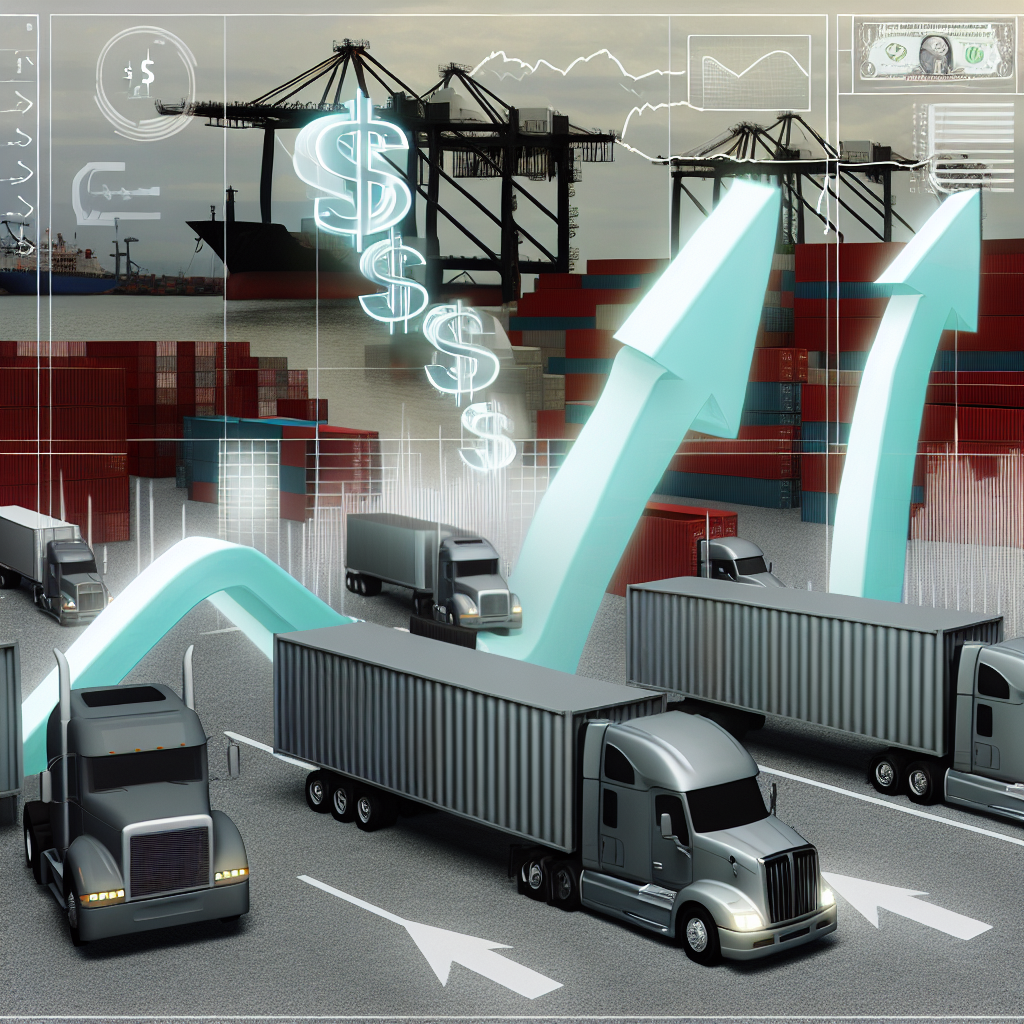
The electrification of the medium-duty truck market is not just a fleeting trend; it represents a seismic shift toward sustainable transportation that is capturing the industry’s attention. As companies navigate this transformation, the recent merger between Workhorse Group and Motiv Electric Trucks emerges as a pivotal event in this landscape of electric truck adoption. This strategic alliance not only aims to bolster the financial stability and efficiency of the combined entity but also illustrates the growing momentum behind zero-emission vehicles.
The implications of this merger are far-reaching, hinting at a future where innovation and sustainability can coalesce, reshaping how fleets operate across North America and advancing the use of medium-duty electric trucks. Their combined efforts will undoubtedly accelerate the transition to zero-emission fleets, enhancing the appeal and viability of electric trucks within the industry.

Industry Trends in Medium-Duty and Electric Trucks
The medium-duty and electric truck industries are witnessing transformative trends that signal a shift towards sustainable mobility solutions. Current market dynamics suggest robust growth, particularly in the realm of zero-emission vehicles. In 2023, sales of electric trucks worldwide surged by 35%, highlighting an increasing commitment to electrification. For instance, the U.S. saw electric truck sales increasing threefold, although they still represented less than 0.1% of total truck sales. Conversely, the global market, led by China, continues to expand, with projections indicating a zero-emission trucks market reaching USD 60.78 billion by 2032, at a CAGR of 29.50%. [precedenceresearch.com]
The recent merger between Workhorse Group and Motiv Electric Trucks serves as a strategic response to these trends. By merging, these two companies aim to create a stronger platform within the $23 billion medium-duty truck market, enhancing their product portfolio with a broader range of Class 4-6 electric trucks. This consolidation is expected to generate a minimum of $20 million in cost synergies by 2026, which will further bolster their competitive stance. Moreover, the merger is anticipated to foster innovative solutions aimed at lowering costs, ultimately encouraging more fleets to transition to zero-emission vehicles. [ir.workhorse.com]
As environmental regulations tighten and consumer demand for sustainable logistics solutions intensifies, the future for medium-duty electric trucks appears promising, fueled by strategic alliances that enhance operational capabilities and drive technological advancement.
Current Electric Truck Technologies and Comparisons with Traditional Trucks
The electric truck sector is undergoing a rapid evolution as innovations in technology reshape the industry landscape. Key advancements in battery technology and charging infrastructure are making electric trucks increasingly competitive with traditional diesel models.
Advancements in Battery Technology
Battery technology is at the forefront of electric truck innovation. The latest lithium-ion batteries have improved not only in energy density but also in charging speed and lifespan. These enhancements enable electric trucks to cover greater distances on a single charge and reduce downtime associated with recharging. For instance, recent reports from the International Energy Agency (IEA) indicate that battery electric trucks are approximately 55% more energy-efficient than their diesel counterparts. This efficiency translates to significantly lower fuel costs, with electric trucks operating around 70% cheaper in regions like China due to lower electricity prices [IEA].
Charging Infrastructure Improvements
Infrastructure plays a vital role in the widespread adoption of electric trucks. Investment in charging stations has surged, addressing the challenge of limited refueling options. The development of fast-charging stations capable of delivering upwards of 350 kilowatts allows for quicker turnaround times. This flexibility encourages fleet operators to consider electric trucks viable, addressing range anxiety concerns. Reports indicate that increasing the utilization rates of chargers can significantly reduce the costs associated with infrastructure [NREL].
Performance Metrics Compared to Diesel
Electric trucks are increasingly proving their worth regarding performance metrics. They convert around 95% of electrical energy to motion, substantially surpassing the 42-45% efficiency of diesel engines. This heightened efficiency is particularly beneficial in stop-and-go conditions commonly faced in urban settings. For example, while electric trucks achieve an efficiency of approximately 2.1 kWh/mile in city driving, diesel trucks average six miles per gallon. This performance gap makes electric trucks not only an environmental choice but also a financially sound one for fleet operators [FleetRabbit].
User Adoption Trends
The transition from diesel to electric trucks is gaining traction, as evidenced by the growing adoption rates. In China, electric truck sales in 2025 surged by 175% compared to the previous year, with government subsidies propelling this growth and drawing in more companies to greener technologies [Reuters]. In the United States, the market for zero-emission medium-duty trucks is growing, albeit more gradually, highlighted by a year-on-year increase of 73% in registrations, signaling a shift in fleet operators’ preferences (International Council on Clean Transportation).
Cost Comparisons
From a cost perspective, fleet owners are increasingly recognizing the long-term savings associated with electric trucks. Although the initial purchase price remains higher than that of diesel trucks, the overall total cost of ownership (TCO), which includes maintenance and fuel expenses, can be considerably lower for electric vehicles. The anticipated cost reductions due to scaling production and advancing technology are likely to tip the balance even further [Associated Press].
Conclusion
As battery technology advances, charging infrastructure expands, and performance metrics improve, electric trucks are rapidly gaining ground against traditional diesel models. The ability to operate more efficiently and cost-effectively positions electric trucks as a compelling choice for fleet operators prioritizing sustainability and economic viability in their logistics strategies.
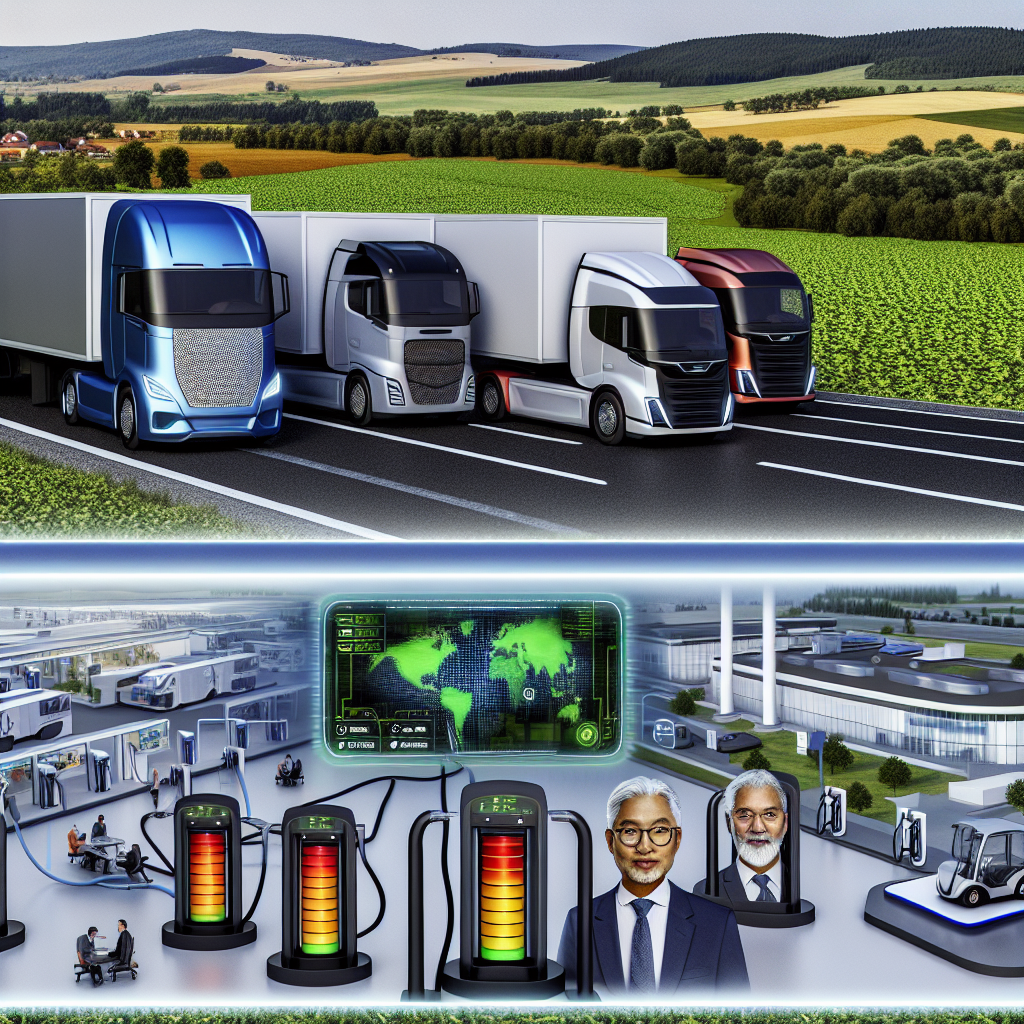
A visual representation of current electric truck technologies including battery technology, charging infrastructure, and electric trucks in action.
The merger between Workhorse Group and Motiv Electric Trucks carries significant strategic implications for the medium-duty electric vehicle sector. This analysis discusses the main reasons for the merger, the expected synergies, and comparisons with other electric vehicle industry mergers.
Strategic Motivations for the Merger
- Market Opportunity: The medium-duty truck segment is valued at approximately $23 billion, and there is a growing demand for electric solutions due to stricter environmental regulations.
- Resource Consolidation: By merging, Workhorse and Motiv aim to enhance their operational capabilities and improve their product offerings. This alignment intends to capture a larger market share in the burgeoning medium-duty electric truck market.
- Cost Reductions: The merger is expected to streamline operations and leverage Motiv’s strong administrative frameworks and dealership networks, allowing Workhorse to benefit from established fleet relationships.
Expected Synergies
Several synergies are anticipated from the merger:
- Technology Integration: Combining Motiv’s innovative electric powertrain technology with Workhorse’s manufacturing expertise is expected to improve product performance.
- Research and Development: The merger will consolidate R&D efforts, which is crucial for developing next-generation electric vehicle technologies.
- Market Penetration: Motiv’s established fleet relationships, along with Workhorse’s dealer networks, will improve market reach across different customer segments.
Comparisons with Other EV Mergers
This merger is part of a broader trend in the electric vehicle market:
- Example of Collaboration: Other companies, like Honda and Nissan, are also exploring mergers to enhance competitiveness against major players like Tesla and BYD.
- Common Goals: Similar to Workhorse and Motiv, these strategic alignments reveal the industry’s emphasis on resource-sharing and collaboration to overcome challenges in transitioning to electric vehicles.
Conclusion
In summary, the Workhorse and Motiv merger is a strategic move that enhances both companies’ capabilities, improves cost structures, and fosters innovation in the electric truck market. Collaborating in this way reflects a growing necessity within the electric vehicle industry, setting the stage for future consolidations aimed at creating a sustainable and profitable future in transportation.
User Adoption Data for Electric Trucks
The electric truck market, particularly in the medium-duty segment, is experiencing notable growth, albeit at a measured pace. According to recent statistics, global sales of electric trucks surged by nearly 80% in 2024, reaching over 90,000 units, primarily driven by advancements in China, which constituted more than 80% of these sales. This growth can be attributed to factors such as vehicle scrappage schemes, declining battery prices, and stricter emission regulations implemented in mid-2023, which have spurred adoption by providing financial incentives for fleets to transition to zero-emission vehicles. International Energy Agency (IEA).
In the United States, the adoption of zero-emission medium-duty trucks also reflects a growing trend, with a 73% year-on-year increase in registrations, totaling 373 units in 2024. However, electric medium-duty trucks accounted for only approximately 0.24% of total truck registrations. Daimler emerged as the market leader in this segment with a 77% share. International Council on Clean Transportation (ICCT).
Despite these positive indicators, the pace of adoption remains cautious. A survey revealed that only 16.3% of fleet operators have invested in Class 3-5 medium-duty electric vehicles, citing high costs and slower advancements in battery technology as significant barriers to wider adoption. This underscores the challenges still facing the medium-duty electric truck segment, indicating a need for continued innovation and support to drive future growth. Electrada.
| Synergy Type | Projected Financial Impact by 2026 |
|---|---|
| Cost | $20 million |
| Revenue | To be determined |
| Operational | To be determined |
Implications for Zero-Emission Fleets
The recent merger between Workhorse Group and Motiv Electric Trucks carries significant implications for driving the growth of zero-emission fleets in the medium-duty truck market. By pooling their resources, the combined entity is strategically positioned to accelerate market penetration, enhance sustainability practices, and navigate the evolving regulatory landscape.
Accelerated Deployment
Mergers like this one enable the consolidation of resources, which can expedite the production and distribution of electric trucks. It allows the companies to leverage economies of scale, ultimately leading to improved manufacturing efficiency. This collaboration is crucial for addressing the current challenges of limited vehicle availability and high initial costs that many fleets face when considering the transition to zero-emission vehicles.
Enhanced Infrastructure Investments
Another advantage of the merger is the potential investment in charging and refueling infrastructures, which are critical to the widespread adoption of electric trucks. The combined entity could allocate resources to develop a robust charging network, alleviating the “chicken-and-egg” problem where insufficient infrastructure deters fleet operators from making the switch. This joint focus on enhancing infrastructure will not only facilitate easier access to zero-emission vehicles but also boost consumer confidence in deploying electric solutions.
Market Strategies for Cost Competitiveness
As the merger progresses, it can lead to the creation of more cost-competitive electric trucks. The collaborative effort will likely yield significant cost reductions and enhanced performance features. With decreasing battery prices and greater manufacturing efficiencies, electric trucks can match or even surpass traditional diesel vehicles in total cost of ownership (TCO), encouraging more fleet operators to consider zero-emission options.
Navigating Regulatory Context
The merger positions the new entity favorably within the intricate regulatory framework governing emissions. Stricter environmental regulations and incentives for zero-emission vehicle adoption create a favorable context for rapidly scaling electric truck production. By consolidating their strengths, Workhorse and Motiv can navigate these regulations more effectively, leveraging shared expertise to ensure compliance while capitalizing on potential government incentives.
Sustainability Goals
The commitment to sustainability is central to the merger’s implications. As environmental concerns grow, aligning business practices with sustainability goals can enhance a company’s market reputation and stakeholder trust. The combined entity will be able to lead initiatives toward reducing greenhouse gas emissions and promoting cleaner technologies, thus positioning itself as a leader in the zero-emission vehicle sector.
In conclusion, the merger between Workhorse Group and Motiv Electric Trucks not only strengthens their financial position but also positions the combined entity as a catalyst for advancing zero-emission fleets. By leveraging collaborative strategies, navigating regulatory landscapes effectively, and pursuing sustainability goals, the newly formed company will play a pivotal role in shaping the future of the medium-duty electric truck market, ultimately contributing to a more sustainable transportation ecosystem.
The merger between Workhorse Group and Motiv Electric Trucks signifies a major milestone in the evolution of the medium-duty electric truck market. By consolidating resources, these two companies are not only enhancing their operational efficiencies but are also positioning themselves to tackle the burgeoning demand for zero-emission vehicles. With the medium-duty truck segment projected to reach a market value of $23 billion, this strategic alliance is poised to innovate and streamline the adoption of electric trucks within fleets across North America.
The anticipated cost synergies of at least $20 million by 2026 further amplify the potential for impactful growth, encouraging more businesses to embrace electric solutions as a viable alternative to traditional diesel vehicles. Moreover, as the industry grapples with stringent environmental regulations and heightened consumer demand for sustainable logistics, the merger provides a framework for accelerated electrification.
As the landscape of logistics continues to evolve, the significance of this merger extends beyond mere corporate strategy; it reflects a broader commitment to sustainability and technological advancement within the transportation sector. Readers are encouraged to understand and support these shifts towards electrification, recognizing the critical role it plays in fostering environmentally responsible logistics solutions that are vital for our future.
Quotes from Industry Leaders
In light of the recent merger between Workhorse Group and Motiv Electric Trucks, industry leaders Scott Griffith and Rick Dauch shared their perspectives:
- Scott Griffith, CEO of Motiv Electric Trucks, noted, “We believe this is a coming-of-age moment—not just for Motiv and Workhorse, but for the industry as a whole. The widespread adoption of medium-duty electric trucks will come from achieving cost parity with internal combustion engines and diesel trucks, while also offering compelling long-term value.” This highlights the transformative potential they see in the industry due to this merger.
- Rick Dauch, CEO of Workhorse Group, expressed enthusiasm by stating, “This transaction represents a significant milestone for Workhorse, our customers, our stakeholders, and our shareholders. We are confident we will be even better positioned to win the commercial EV transition and create value for shareholders.”
These statements reveal a collective vision that emphasizes innovation, collaboration, and the creation of sustainable solutions in the evolving electric vehicle market.
This merger not only strengthens the companies involved but also aligns with the broader goals of the transportation sector to embrace electrification and sustainability.
As companies strategize and form alliances in the electric vehicle sector
The merger between Workhorse Group and Motiv Electric Trucks represents more than just a consolidation of resources; it also stands as a critical catalyst for influencing user adoption of electric trucks in the medium-duty market. The implications of this merger are poised to reshape consumer perceptions and pave the way for more widespread acceptance of zero-emission vehicles, transitioning us seamlessly into the user adoption data for electric trucks which illustrates these changing dynamics.
User Adoption Data for Electric Trucks
The electric truck market, particularly in the medium-duty segment, is experiencing notable growth, albeit at a measured pace. According to recent statistics, global sales of electric trucks surged by nearly 80% in 2024, reaching over 90,000 units, primarily driven by advancements in China, which constituted more than 80% of these sales. This growth can be attributed to factors such as vehicle scrappage schemes, declining battery prices, and stricter emission regulations implemented in mid-2023, which have spurred adoption by providing financial incentives for fleets to transition to zero-emission vehicles. International Energy Agency (IEA).
In the United States, the adoption of zero-emission medium-duty trucks also reflects a growing trend, with a 73% year-on-year increase in registrations, totaling 373 units in 2024. However, electric medium-duty trucks accounted for only approximately 0.24% of total truck registrations. Daimler emerged as the market leader in this segment with a 77% share. International Council on Clean Transportation (ICCT).
Despite these positive indicators, the pace of adoption remains cautious. A survey revealed that only 16.3% of fleet operators have invested in Class 3-5 medium-duty electric vehicles, citing high costs and slower advancements in battery technology as significant barriers to wider adoption. This underscores the challenges still facing the medium-duty electric truck segment, indicating a need for continued innovation and support to drive future growth. Electrada.