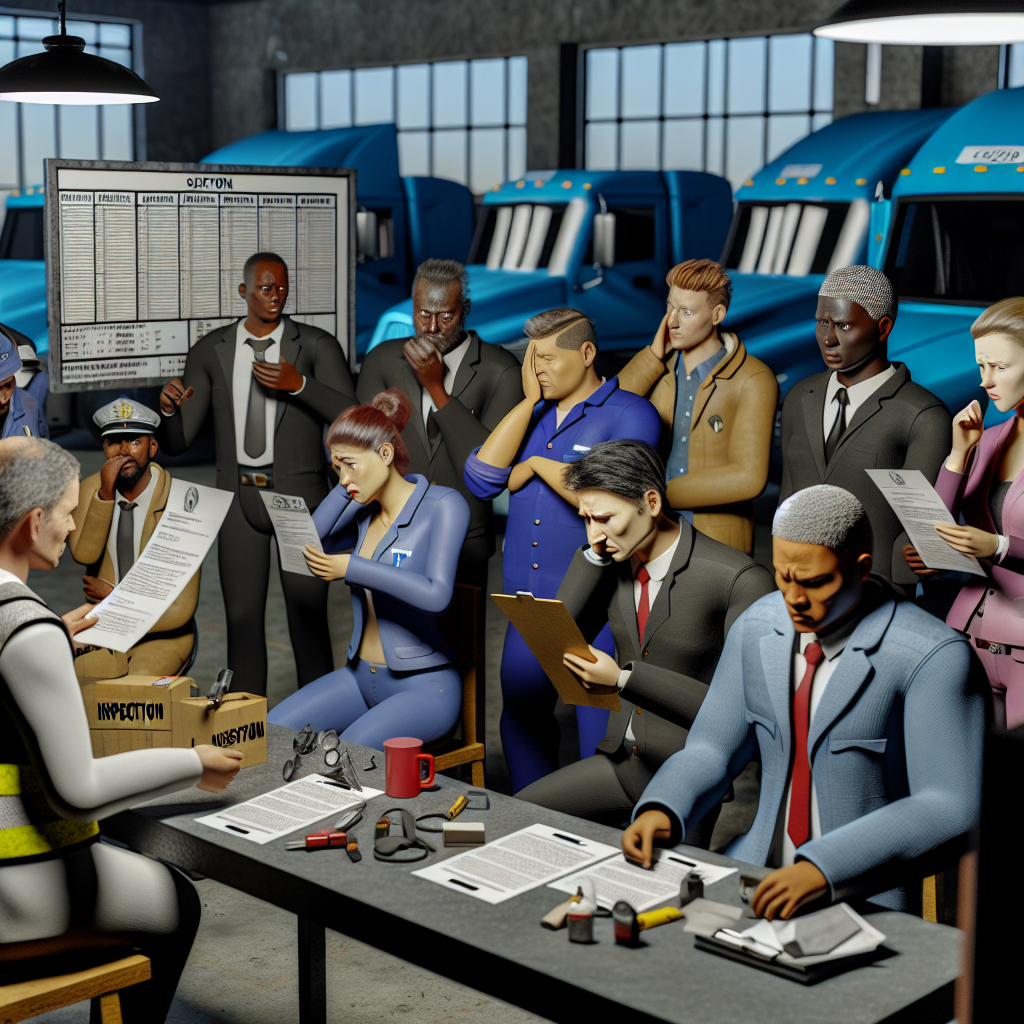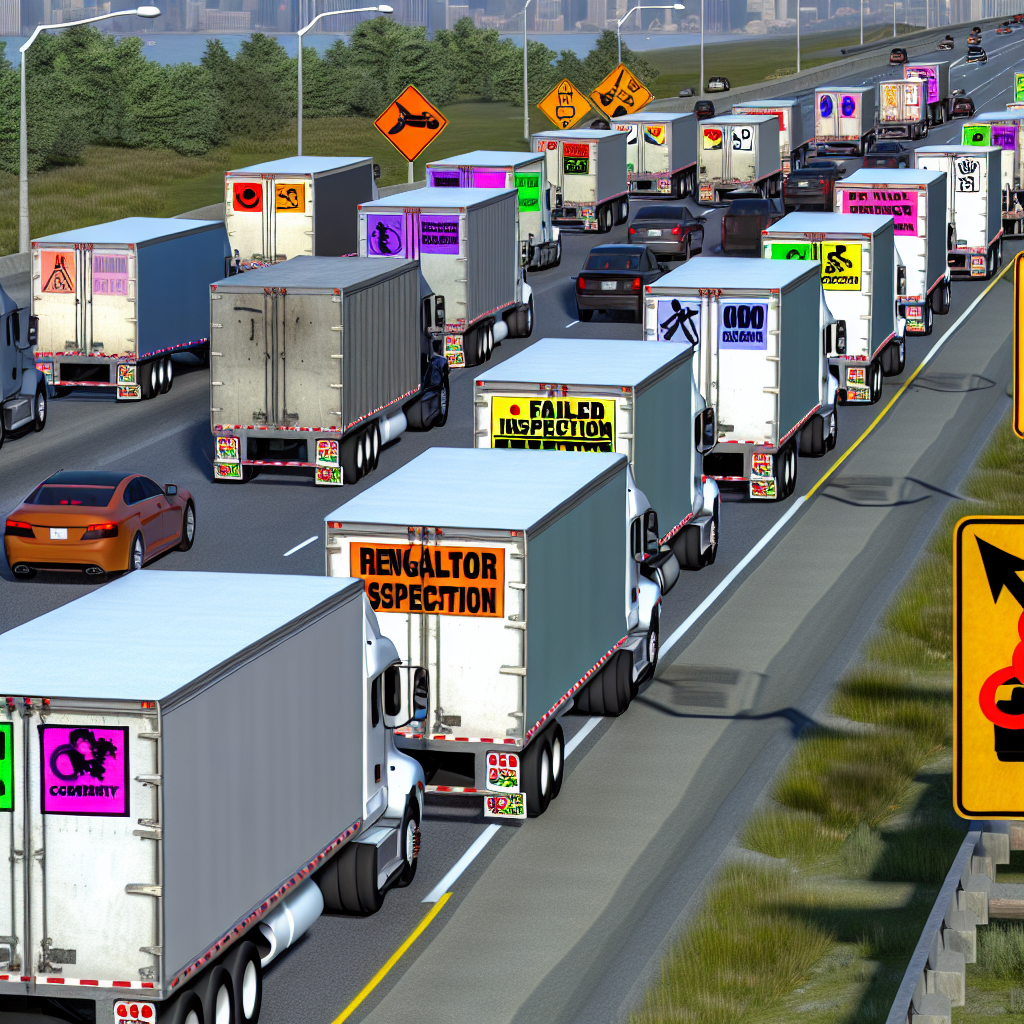
In today’s interconnected world, cross-border laws and emissions standards are becoming increasingly intricate, posing significant challenges for manufacturers and fleet operators alike. The rapid evolution of emissions regulation demands a keen understanding of diverse requirements across different jurisdictions, which can lead to compliance headaches and operational uncertainties. With over four million vehicles traversing the Canada-U.S. border, both Original Equipment Manufacturers (OEMs) and fleet operators find themselves navigating a complex landscape that calls for clarity and consistency. As new regulations loom, the implications stretch beyond profitability; they touch on environmental responsibility and sustainability. Amidst this shifting terrain, stakeholders are advocating for clearer, harmonized rules that not only reflect technological advancements but also foster a cooperative regulatory environment.
Understanding emissions regulation in this context is essential for ensuring compliance while enhancing environmental performance. The necessity for clarity is not just a preference; it is a crucial requirement for the future of transportation.

Challenges in Cross-Border Logistics
In the context of cross-border logistics, fleets face significant challenges adhering to emissions regulations due to increased complexities between Canadian and U.S. standards. Key challenges include:
- Strict NOx Standards: Meeting the stringent 2027 NOx standards, which mandate a reduction to 0.035 grams per horsepower hour.
- Compliance Uncertainties: Unclear compliance timelines create gaps that could disrupt operations.
- Cross-Border Operations: The high volume of over four million vehicles crossing the Canada-U.S. border annually complicates fleet compliance.
- Navigating Multiple Regulations: Fleets must comply with federal and stricter provincial regulations, particularly in states like California.
To address these challenges, OEMs and fleets are advocating for clearer regulations and are investing significantly in advanced aftertreatment technologies to adapt to the new standards. Krista Toenjes emphasizes that clarity in regulations is critical to alleviate compliance burdens, highlighting the need for harmonization to ensure operational viability and competitiveness within the trucking industry.
| Aspect | Canada | U.S. |
|---|---|---|
| 2027 NOx Standards | Reduction to 0.035 grams per horsepower hour | Stricter norms under the EPA with no specific gram limit yet defined for this category |
| Zero-Emission Vehicles | OEMs must sell a specific percentage by 2027 | Varies by state; federal targets are being developed |
| Compliance Deadline | Aligns with U.S. regulations | States may have different enforcement timelines |
| Impact on Fleets | Potential increased operational costs | Varies by region; some states impose additional fees |
| Harmonization Efforts | Advocated by OEMs for clearer norms | Ongoing discussions, but with slow progress |
OEMs’ Perspectives on Emissions Regulations
Original Equipment Manufacturers (OEMs) are experiencing a complex regulatory environment regarding emissions standards, particularly with the evolving landscape as they gear up for the 2027 NOx standards. They express a unified concern over the lack of harmonization between the United States and Canadian regulations, which they believe exacerbates compliance challenges and raises operational costs. As vehicles cross the Canada-U.S. border in significant numbers—over four million annually—OEMs are calling for greater regulatory consistency to streamline operations and reduce the costs associated with compliance.
Krista Toenjes, the Vice President of Regulatory Affairs at a major truck OEM, succinctly captured this sentiment:
“We just want a decision one way or another. We need clarity on that.”
This highlights the urgency OEMs feel for defined guidelines that not only assist in compliance but also foster a more predictable environment for development and investment.
As Rick Mihelic, director of future technology studies at NACFE, points out, the divergence in regulations poses significant operational hurdles:
“To us, it was probably a good thing… the regulations were getting further ahead of the technology.”
His insight underscores the delicate balance OEMs must maintain between adhering to compliance and continuing their technological advancements without losing market competitiveness.
Moreover, the emphasis on harmonization is not merely an operational preference but a critical economic necessity. OEMs face the daunting challenge of managing increased production costs, which experts estimate have surged by 15-20% due to stringent emissions mandates. As Krista Toenjes elaborates, the disparities in regulatory approaches can increase development costs by as much as 30-40% when manufacturers are required to create different engineering solutions for different jurisdictions.
The implications of such regulatory pressures make it imperative for OEMs to advocate for a cohesive regulatory approach that allows them to innovate effectively while remaining compliant with environmental goals. The push for unified emissions standards represents more than a regulatory desire; it reflects the industry’s proactive stance toward creating a sustainable future for transportation, benefiting both OEMs and the communities they serve.
In summary, the consensus among OEMs is clear: without harmonized regulations, achieving operational efficiency and technological progress will be increasingly difficult, posing long-term challenges for compliance and competitiveness in the global market.
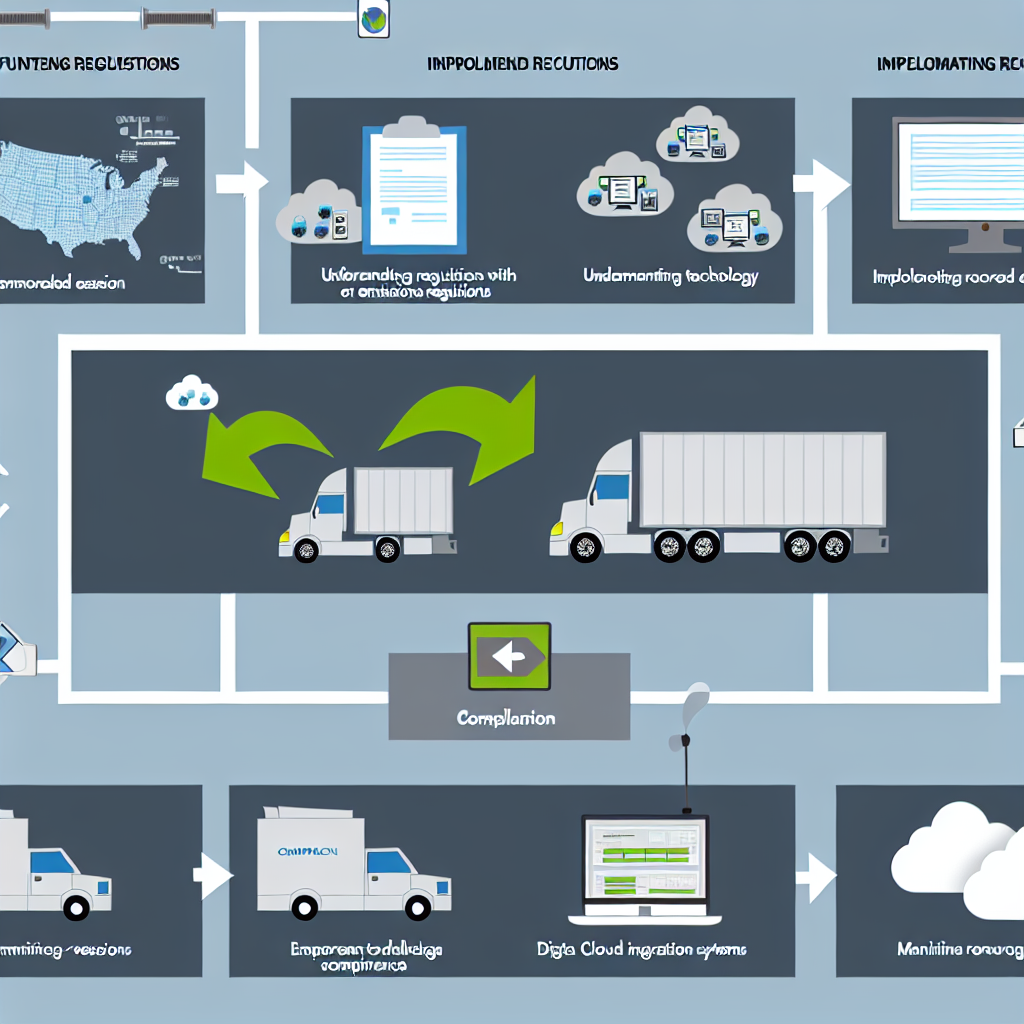
Zero-Emission Vehicle Adoption Projections by 2027
In light of increasing regulations and market pressures surrounding emissions, user adoption data for zero-emission vehicles (ZEVs) is set to rise dramatically by 2027, with various organizations presenting compelling projections that signal a pivotal shift in the automotive industry.
The International Energy Agency (IEA) projects that by 2027, electric vehicles (including both battery electric and plug-in hybrids) will constitute over 35% of all new car sales globally, a significant leap from just 14% in 2022. This noteworthy growth is expected to be driven by supportive governmental policies, decreasing battery costs, advancements in green vehicle technology, and improved availability of EV models.
Furthermore, BloombergNEF reports that Original Equipment Manufacturers (OEMs) are collectively targeting an average of 40% zero-emission vehicle sales by 2027. Notably, European automakers are expected to lead this charge, setting even more ambitious targets of 50-60% sales shares. This increase is largely in response to the rigorous emissions regulations being enforced in the EU, including the ambitious goal for the complete ban of internal combustion engine (ICE) vehicles by 2035.
Compounding these trends, a Reuters analysis indicates that the world’s top ten automakers have committed to achieving an average of 42% zero-emission vehicle sales by 2027, with Volkswagen and Mercedes-Benz aiming for targets exceeding 50%. Such commitments are being made in a regulatory environment that imposes heavy penalties for non-compliance, making adherence economically prudent.
Additionally, findings from the International Council on Clean Transportation (ICCT) illustrate that regulations established in regions like California and the EU will push OEMs to secure 30-35% of zero-emission vehicle sales by 2027 to comply with legislative mandates. This regulatory pressure is not negligible; it is stimulating over $500 billion in investments directed toward EV development and battery manufacturing, fundamentally reshaping supply chains to support this electrification movement.
In conclusion, the expectation for significant zero-emission vehicle adoption by 2027 aligns closely with the broader implications of emissions regulations and the urgency of sustainability in transportation. OEMs are increasingly committing to substantial production targets, driven not only by market opportunity but also by compliance with evolving regulatory frameworks. These shifts underscore the critical necessity for the automotive industry to adapt rapidly, ensuring not just compliance but also a sustainable future for transportation.
In conclusion, navigating the emissions regulations landscape presents distinct challenges for both Original Equipment Manufacturers (OEMs) and fleet operators in the cross-border context of Canada and the United States. The evolving regulations, particularly the 2027 NOx standards, demand significant reductions which create uncertainty and operational hurdles. OEMs are under pressure to produce compliant vehicles that can seamlessly traverse the Canada-U.S. border, while fleet operators face the dual challenge of heightened operational costs and the complexity of understanding differing local and federal regulations.
The lack of clarity in regulatory expectations exacerbates these challenges, underscoring the urgent need for harmonization between the two nations. As Krista Toenjes pointedly remarked, the call for definitive decisions on emissions standards is crucial; without this clarity, both OEMs and fleet operators risk increased compliance costs and disrupted operations. The importance of a cohesive regulatory framework cannot be overstated, as it directly influences operational viability, technological innovation, and ultimately, the sustainability efforts of the transportation sector.
As emphasized by a recent testimony before the U.S. Senate Committee on Energy and Natural Resources, “The economic and environmental stakes of non-aligned emissions regulations are too high to ignore. Without harmonized standards, we risk creating perverse incentives that push emissions-intensive activities to the jurisdiction with weaker rules. This undermines both countries’ climate policies and delays the transition to a net-zero economy.”
Moreover, a policy expert from the Center for Climate and Energy Solutions stated, “The urgency of harmonizing emissions standards cannot be overstated. As both countries implement ambitious climate plans, regulatory misalignment could trigger trade disputes and slow down the pace of emissions reductions across the continent.”
As such, the coming years will require all stakeholders to engage actively in advocacy for consistent regulations. This proactive approach will not only benefit their businesses but also support a sustainable future for transportation that aligns with the broader environmental goals of both nations.
Supporting Studies
To enhance the credibility of the content discussed, here are some relevant studies from the International Energy Agency and BloombergNEF:
International Energy Agency Reports:
-
Global Methane Tracker 2025
This report highlights the underreporting of methane emissions and the potential to reduce fossil fuel-related methane emissions by 50% by 2030. -
Global CO2 Emissions 2025
This assessment details trends in energy-related carbon dioxide emissions and discusses the role of policy frameworks in reducing emissions. -
Global Methane Tracker 2024
A report stressing the importance of stronger policies and technological adoption to cut emissions significantly by 2030.
BloombergNEF Publications:
-
2024 New Energy Market Long-Term Outlook Report
This report outlines scenarios for achieving net-zero emissions, including the phase-out of internal combustion engine vehicle sales. -
New Energy Outlook 2025 Executive Summary
This report features an updated Economic Transition Scenario and emphasizes the importance of policy support for achieving energy goals. -
BNEF: ETS Scenario to Add 6.9TW of Solar Power
This forecast underlines the need for policy interventions to achieve substantial growth in solar and wind capacity amidst climate goals. -
BloombergNEF’s New Energy Market Long-Term Outlook: China
A report modeling a path to net-zero energy emissions by 2050 in China, embracing zero-emission vehicles under stringent regulations.