
In today’s logistics environment, effective telematics is crucial for fleet management. Telematics Data Management provides valuable insights into vehicle performance, driver behavior, and fleet operations. This technology boosts operational efficiency while enhancing safety protocols and managing fleet liability.
By leveraging this data, fleet managers can spot risk patterns, implement training programs, and develop strategies to reduce safety risks significantly. In an industry where even minor incidents can lead to litigation, understanding and utilizing telematics is essential for decreasing liability exposure and promoting a safer driving culture.
In this article, we will explore how telematics can significantly impact safety and liability in fleet operations.
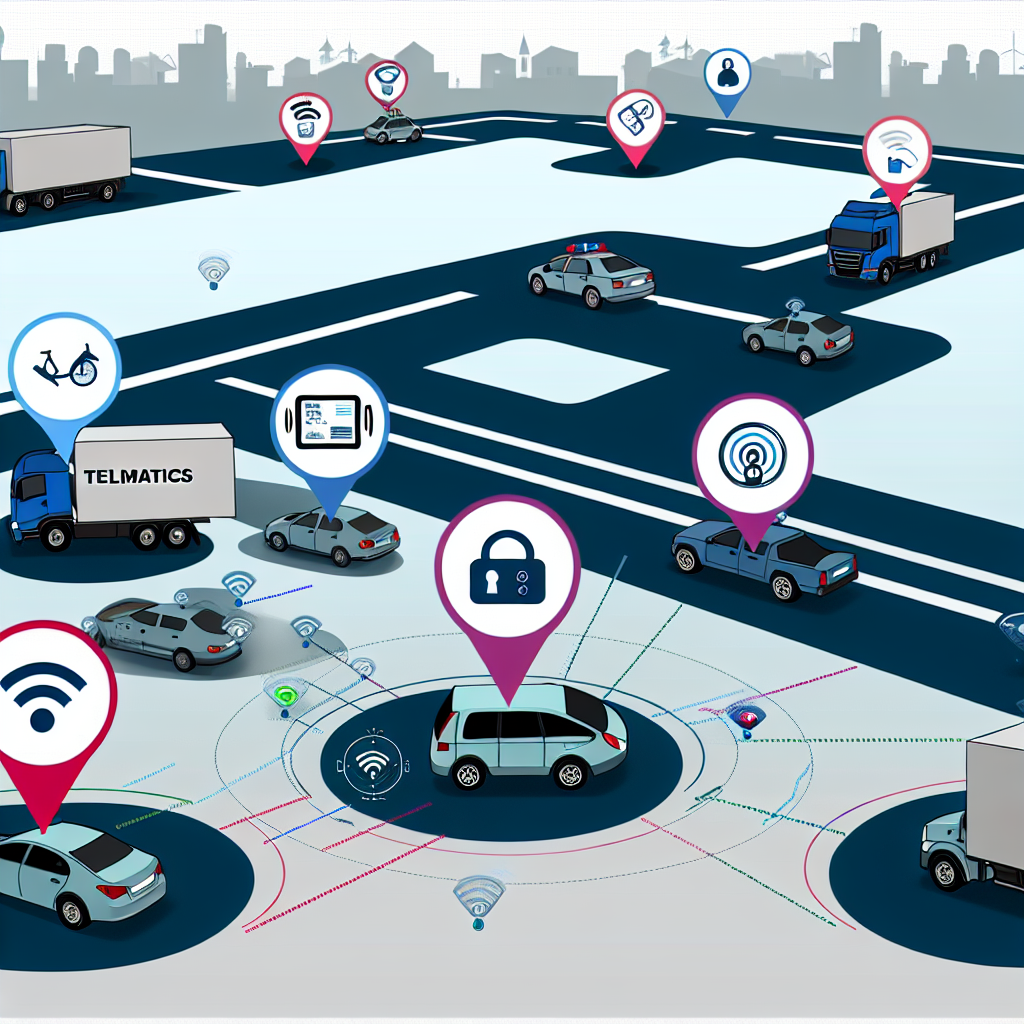
Telematics data has proven to be invaluable in enhancing fleet safety by identifying and mitigating risky driver behaviors such as speeding and phone use. By equipping vehicles with telematics devices, fleet managers can monitor real-time data regarding driver performance and vehicle locations. This data serves as a basis for analyzing patterns and pinpointing unsafe driving habits.
For instance, a fleet that implements telematics can quickly identify drivers who frequently exceed speed limits. Research indicates that speed is a major factor in a significant percentage of road accidents. By knowing which drivers are at risk, fleet managers can take proactive steps such as introducing targeted coaching, implementing speed monitoring alerts, or revising routes to minimize risk.
Additionally, telematics systems can track instances of phone use while driving, a behavior that greatly increases the risk of accidents. By reviewing data logs, managers can identify instances of distracted driving and enforce policies that promote safe driving practices, which can include training sessions that emphasize the importance of maintaining focus on the road.
According to experts, fleets that utilize telematics data not only improve their safety metrics but also cultivate a culture of accountability among drivers. Doug Marcello states, “Properly analyzed and managed data can be our best tool for defending a case.” This signifies the dual role of telematics—not only as a management tool for enhancing safety but also as a legal safeguard that can protect fleet companies in incidents of litigation.
In summary, embracing telematics technology allows fleets to identify risky driving behaviors, implement corrective measures, improve driver accountability, and ultimately enhance overall safety, thereby significantly reducing potential liabilities. As we embrace more data-driven strategies, it becomes evident that telematics is integral to advancing safety standards in fleet operations.
Data Retention Recommendations
One of the key expert recommendations in the realm of telematics is to limit data retention to no longer than three months. This practice is crucial for managing fleet liability and reducing potential litigation exposure. Here’s why adhering to a strict data retention policy is important for fleets:
Minimizing Litigation Exposure
In the event of an accident or dispute, the data stored by telematics systems can become pivotal evidence in legal proceedings. However, retaining excessive data can inadvertently expose fleets to higher litigation risks. Long-term storage of telematics data may lead to unwanted scrutiny and potential claims regarding driver behavior. By limiting retention to three months, fleets reduce the volume of data that could be examined in court, thereby minimizing liability.
Avoiding Data Overload
Keeping data for an extended period often leads to the integration of irrelevant information that might complicate legal defenses. With too much data, it is easier for opposing counsel to selectively highlight negative trends or behaviors, painting a less favorable picture of the fleet’s safety culture. By limiting telematics data retention, fleets streamline their information management, focusing on the most relevant and actionable insights that pertain to recent activities.
Enhancing Compliance and Transparency
A structured data retention policy also facilitates compliance with various regulatory and industry standards, further emphasizing transparency and accountability. Fleets that adopt a proactive stance towards data management demonstrate a commitment to safety and responsible use of telematics technology. This proactive approach not only protects their interests but also enhances their reputation in the industry.
In conclusion, limiting telematics data retention to three months is not just a best practice; it is a strategic approach that empowers fleets to effectively manage liability while reducing litigation exposure. By implementing this guideline, fleet managers are better equipped to foster a safer driving environment while simultaneously shielding their organizations from unnecessary legal challenges.
| Telemetrics Vendor | Safety Features | Data Management Capabilities | Retention Policies |
|---|---|---|---|
| Vendor A | Collision detection alerts | Real-time data monitoring | 3 months |
| Vendor B | Driver behavior analytics | Cloud-based data storage | 1 month |
| Vendor C | Speeding alerts | Advanced reporting and analytics | 6 months |
| Vendor D | Lane departure warnings | Automated data collection and analysis | 1 month |
| Vendor E | Fatigue monitoring | Customizable dashboards | 3 months |
Expert Insights on Telematics Data Management
Understanding and effectively managing telematics data is crucial for boosting safety and managing liabilities in fleet operations. According to Doug Marcello, a veteran fleet consultant, he emphasizes the transformative potential of telematics, stating, “Properly managed telematics data can reduce fuel consumption by 10-15%, lower maintenance costs through predictive analytics, and improve driver safety by identifying risky behaviors.” This insight highlights that telematics is not just about tracking vehicles but serves as a strategic asset that can yield substantial operational savings and safety enhancements.
Complementing Marcello’s perspective, Ted Perryman, VP of Fleet Solutions at a leading logistics technology firm, underscores the value of integrating telematics data into other operational systems. He notes, “Isolated telematics data has limited value. The real power comes from correlating vehicle performance data with maintenance records, driver schedules, and route planning.” Perryman’s statement points to the importance of centralized data platforms, which can lead to improved efficiency and reduced idle time for fleets.
Both experts agree on the pressing need for high-quality data management. During a recent panel discussion, Marcello pointed out that, “garbage in, garbage out” applies strongly to telematics, meaning that without clean and properly managed data, any insights gained will be flawed. Perryman also stresses the importance of data integrity, noting that real-time data on driver behaviors can proactively coach drivers to reduce accidents by up to 35%.
These expert insights emphasize the critical role of effective telematics data management not only in enhancing fleet safety but also in mitigating liabilities effectively. As fleets continue to adopt telematics solutions, understanding and implementing strategies for quality data management remains essential in driving operational success and compliance.
In conclusion, the integration of telematics into fleet management represents a significant step towards enhancing safety while effectively managing liability. Telemetrics provide insights that help identify potentially hazardous driving behaviors, enabling fleet managers to implement corrective measures that promote a culture of safety and accountability among drivers. The data-driven strategies facilitated by telematics not only enhance operational efficiency but also serve as a safeguard against litigation, providing fleets with substantial legal protection.
As we navigate an increasingly complex transportation landscape, it is imperative for fleet operators to embrace these transformative technologies. By understanding and utilizing telematics, fleets can defend against potential liabilities while ensuring the safety of their drivers and the public. Therefore, it is time to harness the power of telematics—and initiate a proactive approach to fleet safety that aligns with today’s best practices.
Actionable Tips for Fleet Managers
- Invest in Comprehensive Training: Provide ongoing training for your fleet staff and drivers on how to effectively utilize telematics tools. Ensure that everyone understands the capabilities of the technology and how to interpret the data collected. This investment pays off by empowering employees to make informed decisions based on real-time data.
- Set Clear Safety Policies: Establish and communicate clear policies regarding safe driving practices, including expectations for speed, phone usage, and vehicle maintenance. Leverage telematics data to monitor compliance and ensure accountability among your drivers. Regularly review and revise these policies to adapt to changing conditions and risks.
- Utilize Data for Coaching: Use the insights gained from telematics data to provide personalized coaching for drivers. Identify specific areas where individual drivers may be struggling, such as speeding or harsh braking, and work with them to improve their driving habits through constructive feedback and support.
- Integrate Telematics with Maintenance Schedules: Connect telematics data with your maintenance management system to schedule regular vehicle checks based on actual usage and performance data. This proactive approach helps minimize downtime and reduces the risk of accidents caused by vehicle malfunctions.
- Conduct Regular Safety Audits: Regularly analyze telematics data to conduct safety audits. Look for trends in driver behavior and vehicle performance and address any issues before they lead to incidents. Creating a routine for these audits helps maintain a continuous focus on safety within your fleet operations.
- Promote a Culture of Safety: Foster a safety-oriented culture within your organization by recognizing and rewarding safe driving behaviors. Engage employees in discussions about safety and encourage them to voice concerns or suggestions, thereby making safety a shared responsibility.
- Leverage Real-Time Alerts: Make use of real-time alerts that telematics systems provide for speeding, hard braking, or other unsafe driving behaviors. Implement processes that allow for immediate responses to these alerts to prevent potential accidents before they occur.
- Review and Optimize Routes: Analyze route data from telematics to identify opportunities for optimization. Efficient routes not only reduce fuel consumption but also minimize the time drivers spend on the road, thereby decreasing exposure to potential accidents.
By taking these actionable steps, fleet managers can enhance telematics data management and create safer driving environments for their teams while reducing the overall liability exposure of the fleet.
Telematics User Adoption Trends in Fleet Management
Telematics technology is increasingly becoming integral to fleet management, with user adoption on the rise as companies seek to enhance safety, efficiency, and compliance. Several key trends and statistics have emerged:
- Market Growth: The global telematics market is projected to reach approximately $1.5 billion by 2025, reflecting a significant increase in the integration of GPS and sensor technology to monitor vehicle performance and driver behavior, enhancing safety and compliance efforts (Market Research Report).
- Impact on Fuel Efficiency: Research indicates that telematics technology can lead to improvements in fuel efficiency by 10 to 15%. This plays a critical role in reducing operational costs and lowering carbon emissions.
- Safety Improvements: Fleets using telematics achieve a reduction in accidents by up to 40% through initiatives like real-time monitoring and driver behavior coaching. Research from Geotab reported a 35% reduction in harsh braking events and a 50% decrease in speeding incidents within the first six months of implementation (Geotab). Moreover, the American Transportation Research Institute found that fleets experienced a 45% reduction in preventable accidents (ATRI).
- Rising Adoption Rates: As of late 2025, it is estimated that over 60% of fleets worldwide utilize some form of telematics. This growing trend is driven by advancements in technology that provide more accurate data and effective fleet management solutions (Fleet Telematics Market Report).
- Behavior Analysis and Maintenance: The integration of On-Board Diagnostics (OBD) with telematics systems allows for real-time performance analysis, aiding fleet managers in scheduling timely maintenance (NHTSA Study). Globally, the OBD telematics market is anticipated to grow at a CAGR of 9.27%, reaching $4.95 billion by 2032.
Overall, as telematics technology continues to evolve, its role in fleet management is likely to expand, supporting improved safety measures and reducing potential liabilities in the industry.
Key Benefits of Telematics in Fleet Safety
- Identify Risky Behaviors: Telematics provide insights into unsafe driving habits such as speeding and distracted driving.
- Enhance Safety Training: Data-driven coaching strategies can significantly improve driver performance.
- Proactive Management: Real-time alerts allow fleet managers to address unsafe behaviors immediately.
- Accountability: Employees are held accountable for their driving behavior, fostering a safety culture.
- Legal Protection: Properly managed telematics data can serve as evidence in legal cases, improving defense strategies.
| Telematics Technology | Features | Benefits |
|---|---|---|
| Real-time GPS Tracking | Continuous monitoring of vehicle location | Enhanced route planning and reduced theft risk |
| Driver Behavior Monitoring | Captures speeding, harsh braking events | Improved driver safety and reduced accident rates |
| Advanced Reporting & Analytics | Comprehensive data insights | Informed decision-making and better risk management |
| Predictive Maintenance | Uses data for maintenance alerts | Reduced vehicle downtime and lower repair costs |
| Geofencing | Virtual barriers for fleet vehicles | Increases security and ensures regulatory compliance |
| Integration with Mobile Apps | Simplified access to data | Improved communication and accessibility for fleet managers |
Telematics and Fleet Management
In today’s logistics environment, effective telematics benefits are crucial for fleet management. Telematics Data Management provides valuable insights into vehicle performance, driver behavior, and fleet operations. This technology boosts operational efficiency while enhancing safety protocols and managing fleet liability. By leveraging this data, fleet managers can spot risk patterns, implement training programs, and develop strategies to reduce safety risks significantly. In an industry where even minor incidents can lead to litigation, understanding and utilizing telematics is essential for decreasing liability exposure and promoting a safer driving culture. In this article, we will explore how telematics can significantly impact safety and liability in fleet operations.
Telematics data has proven to be invaluable in enhancing fleet safety solutions by identifying and mitigating risky driver behaviors such as speeding and phone use. By equipping vehicles with telematics devices, fleet managers can monitor real-time data regarding driver performance and vehicle locations. This data serves as a basis for analyzing patterns and pinpointing unsafe driving habits.
For instance, a fleet that implements telematics can quickly identify drivers who frequently exceed speed limits. Research indicates that speed is a major factor in a significant percentage of road accidents. By knowing which drivers are at risk, fleet managers can take proactive steps such as introducing targeted coaching, implementing speed monitoring alerts, or revising routes to minimize risk.
Additionally, telematics systems can track instances of phone use while driving, a behavior that greatly increases the risk of accidents. By reviewing data logs, managers can identify instances of distracted driving and enforce policies that promote safe driving practices, which can include training sessions that emphasize the importance of maintaining focus on the road.
According to experts, fleets that utilize telematics data not only improve their safety metrics but also cultivate a culture of accountability among drivers. Doug Marcello states, “Properly analyzed and managed data can be our best tool for defending a case.” This signifies the dual role of telematics—not only as a management tool for enhancing safety but also as a legal safeguard that can protect fleet companies in incidents of litigation.
In summary, embracing telematics technology allows fleets to identify risky driving behaviors, implement corrective measures, improve driver accountability, and ultimately enhance overall safety, thereby significantly reducing potential liabilities. As we embrace more data-driven strategies, it becomes evident that telematics is integral to advancing safety standards in fleet operations.
In the event of an accident or dispute, the data stored by telematics systems can become pivotal evidence in legal proceedings. However, retaining excessive data can inadvertently expose fleets to higher litigation risks. Long-term storage of telematics data may lead to unwanted scrutiny and potential claims regarding driver behavior. By limiting retention to three months, fleets reduce the volume of data that could be examined in court, thereby minimizing liability.
A structured data retention policy also facilitates compliance with various regulatory and industry standards, further emphasizing transparency and accountability. Fleets that adopt a proactive stance towards data management demonstrate a commitment to safety and responsible use of telematics technology. This proactive approach not only protects their interests but also enhances their reputation in the industry.
In conclusion, limiting telematics data retention to three months is not just a best practice; it is a strategic approach that empowers fleets to effectively manage liability while reducing litigation exposure. By implementing this guideline, fleet managers are better equipped to foster a safer driving environment while simultaneously shielding their organizations from unnecessary legal challenges.