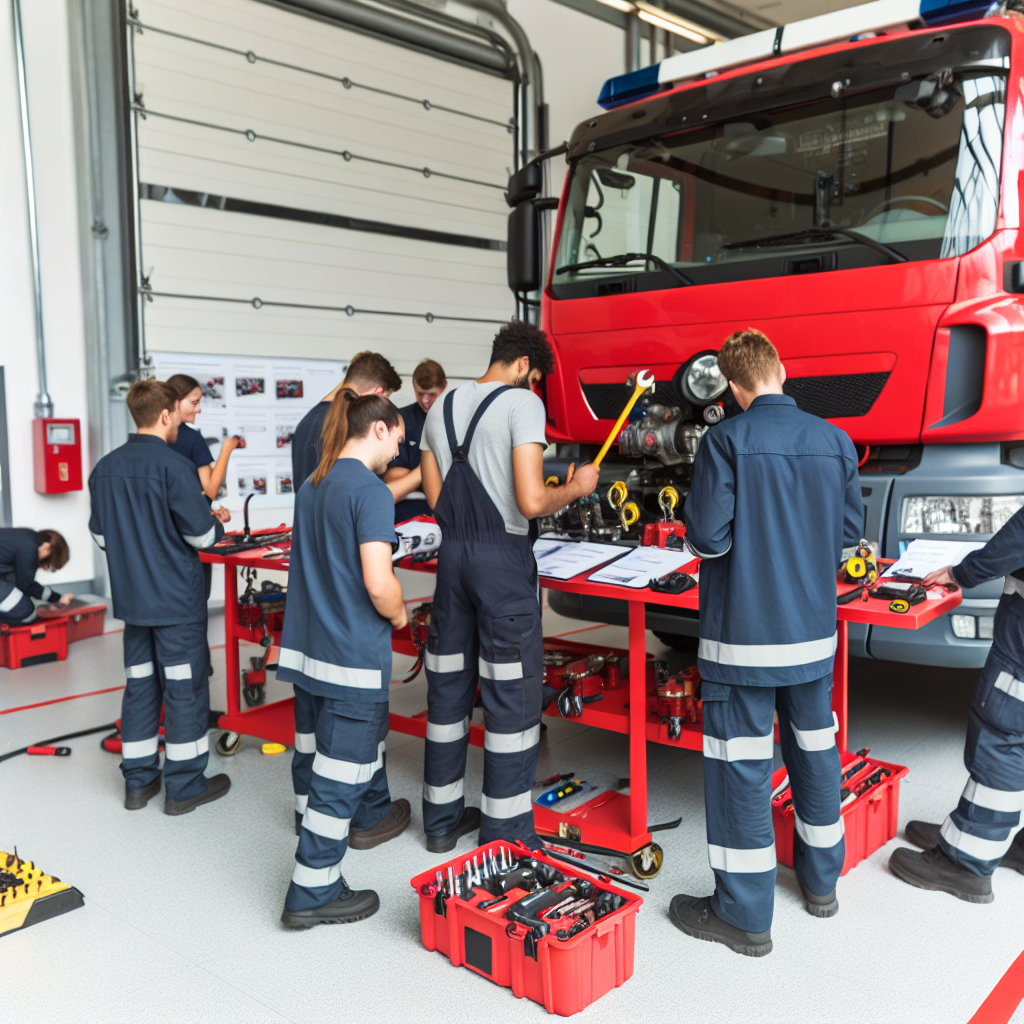
Fleet managers, trucking company owners, and logistics providers understand the critical importance of keeping their vehicles in optimal condition. A & A Truck and Trailer Repair is dedicated to ensuring that trucks and trailers are reliable and safe for operational needs. From mechanical repairs to electrical diagnostics, A & A offers a suite of services designed to minimize downtime and enhance the performance of your vehicles. This article delves into various repair services available at A & A and highlights how they can cater specifically to the needs of construction, mining, and logistics professionals, ensuring smooth operations and compliance with industry standards.
Turning Wrenches into Road Confidence: Mechanical Repairs That Keep Trucks and Trailers Moving
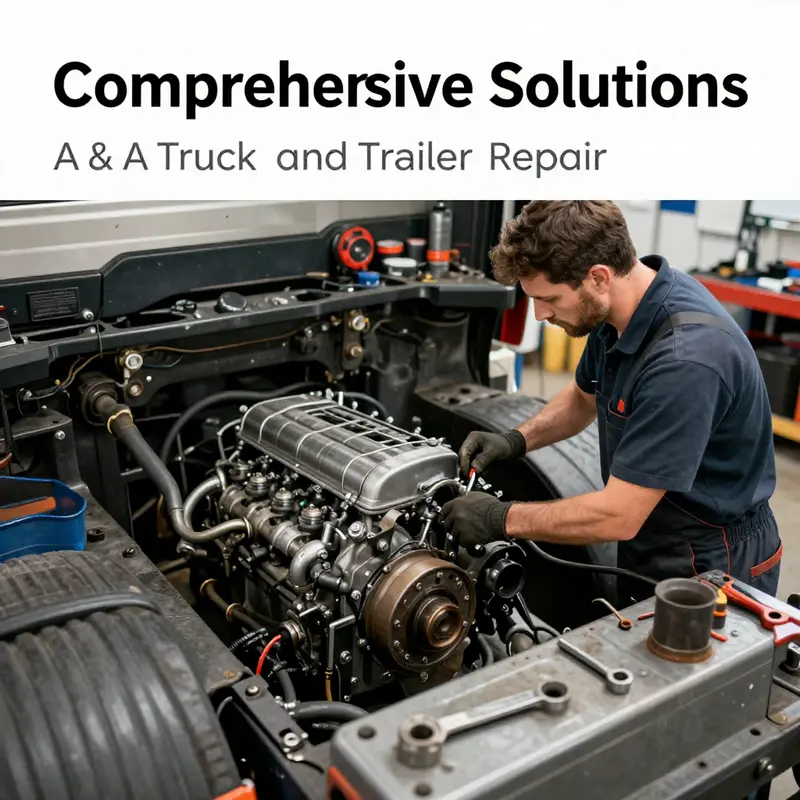
In the world of heavy-duty transport, reliability isn’t a luxury; it’s a backbone. The long stretches of highway, tight schedules, and the lives that depend on timely deliveries all hinge on one thing: the roadworthiness of the fleet. Within this landscape, shops like A & A Truck and Trailer Repair play a pivotal role. They do more than fix broken parts; they translate complex machine language into a steady cadence of uptime. The mechanical repair discipline they practice is the quiet engine behind every successful haul, and understanding what that discipline entails helps operators navigate risks and preserve value in their equipment.
The core of mechanical repair work for trucks and trailers rests on a few pillars that recur in every trustworthy shop. First is the diagnostic mindset. When a driver reports a vibration, a loss of power, a brake pedal that feels different, or an electrical oddity that flickers at the worst moment, the shop must translate symptoms into probable causes. This is where advanced diagnostic tools and a technician’s accumulated experience converge. Engine diagnostics go beyond peering at a single code; they require tracing how signals travel through sensors, actuators, and control modules, correlating readings with mechanical states, temperatures, and load conditions. An engine overhaul, when needed, is not merely about replacing parts but about restoring tolerances and timing that allow the engine to perform under heavy loads and in varying climates. The same careful logic applies to transmission servicing, where slip, shudder, or delayed engagement signals a need for attention to clutches, bands, and fluid behavior across temperature ranges.
Equally critical is the attention paid to brake systems. Brakes are not a single device but a network of components that must work in harmony for predictable stopping power. In heavy vehicles, where trailers extend the effective mass and travel dynamics, brakes require precise calibration and coordination with retarders, ABS controllers, and air-pressure systems. A shop that handles brake system repairs must blend mechanical adjustment with system testing to verify that stopping distance remains within safe margins, especially under adverse weather and on grades. The third pillar, general mechanical maintenance, keeps the broader machine health in sight. Routine checks of lubrication, coolant, belts, hoses, filters, and mounting hardware prevent minor issues from evolving into major failures. The value here is not merely in responding to breakdowns but in building a routine that guards against them.
The particular practice environment of A & A Truck and Trailer Repair speaks to a broader truth about the trucking repair ecosystem: speed matters, but so does reliability. A quick turnaround is essential when a driver sits in a service plaza waiting for a fix that will let them complete a mandated route on time. Yet speed cannot come at the expense of thoroughness. High-quality mechanical work depends on a competent cadence of inspection, repair, and verification. A shop that can diagnose efficiently and then perform repairs with accuracy reduces the chance that a symptom will reappear after a few miles. This balance—speed coupled with accuracy—is forged through skilled technicians, disciplined workflows, and access to the right tools and components. In practice, that means technicians who can interpret a diagnostic report, plan a repair pathway that minimizes downtime, and then execute with clean workmanship and precise torque, alignment, and safety checks.
A practical consequence of this approach is the ability to offer service to owner-operators and small fleets that count every hour of downtime. When a truck or trailer is out of service, revenue stalls and the risk footprint rises. A repair shop that understands this toll structures its operations around minimized downtime. This is where the shop’s emphasis on a quick turnaround shines, not as a promise of vague speed but as a disciplined process that prioritizes the most time-sensitive steps first while safeguarding long-term reliability. It also means maintaining an up-to-date inventory of commonly needed parts, stocking critical components for brakes and engines, and having a workflow that reduces the waiting time for tasks such as alignments, electrical diagnostics, and system checks.
Beyond the mechanics of repair rooms, there is a broader landscape that supports reliability: access to trusted networks and information resources. For drivers on the road, connecting with skilled service providers when a breakdown happens is not optional but imperative. Platforms that help locate nearby, vetted repair partners can dramatically shorten the search process and reduce risk. In this sense, A & A Truck and Trailer Repair sits within a larger system of support that includes roadside assistance networks and mobile diagnostic capabilities. For drivers who want to act proactively, a strategy to couple routine maintenance with a reliable repair partner can translate into fewer emergencies and more predictable maintenance windows. The practical implication is a fleet that lives closer to its planned budget and schedule, with fewer disruptions that compound when a late-night breakdown strikes a driver far from home.
For operators weighing the trade-offs between efficiency and thoroughness, the human element should never be overlooked. The best mechanical repair work rests on the shoulders of technicians who are trained to think in systems, not symptoms. They ask the right questions: What is the vehicle’s duty cycle? What climate and road conditions does it encounter most often? Are there patterns in failure modes that suggest a recurring issue rather than an isolated fault? How does one repair align with the vehicle’s overall design tolerances and with manufacturer service recommendations while balancing the realities of aging fleets? When technicians can answer these questions with confidence, the result is not just a repaired part but a vehicle whose operating envelope has been restored and whose future reliability is more predictable.
That is the value proposition of a well-run mechanical repair operation: translating expertise into road confidence. It is a value that grows when the shop commits to transparency with the customer. Itemized quotes that show the rationale for parts and labor, clear communication about the expected timelines, and documentation of test results after repairs all contribute to trust. The potential for a customer to seek alternative opinions is real, especially in an environment where online reviews shape perceptions. It is here that the feedback loop matters. If a customer has had a negative experience—such as repeated issues after significant investment—the impact can extend beyond one vehicle to a fleet’s perception of a shop’s reliability. When such concerns surface, constructive responses from the shop, including sharing diagnostic logs, baring the specifics of the repair path taken, and offering follow-up checks or warranties, can help restore confidence. In a field where a misdiagnosis can be costly and a delayed repair can escalate risks, transparency becomes not just good practice but a risk-mitigation strategy that protects the operator’s livelihood as much as the vehicle.
This chapter does not pretend that every repair is flawless or that every shop is without fault. It acknowledges the complexity of diagnosing and repairing heavy-duty systems and the real-world consequences of imperfect outcomes. It also emphasizes that a reliable repair partner often transcends the mechanical task at hand. It becomes part of a broader ecosystem—one that includes careful maintenance planning, clear communication, and access to reliable information. In that sense, the most important outcome of mechanical repairs is not a single fix but a durable restoration of trust between driver, operator, and the workshop. When a driver can rely on a shop to provide accurate diagnostics, careful component selection, and a transparent repair path, the road becomes a less uncertain place.
The practical takeaways for readers who manage or drive fleets are straightforward. First, insist on a clear diagnostic plan. A good shop will present the symptoms, the suspected causes, and the proposed sequence of repairs. Second, request an itemized estimate and a written warranty that covers both parts and labor for a reasonable period. Third, verify the credentials and experience of the technicians who will work on the vehicle, and seek references beyond popular review sites. Fourth, balance the need for speed with a commitment to thorough verification. Rushing a repair can save a day, but it can also extend downtime if the problem recurs. Fifth, embrace preventive maintenance as a primary strategy rather than a reactive one. A steady program of routine checks, aligned with the vehicle’s duty cycle, reduces the likelihood of surprise failures and unexpected downtime.
For operators seeking practical resources that bridge the gap between repair and maintenance planning, there are industry-informed perspectives that pair cost awareness with long-term reliability. A forward-looking approach emphasizes budgeting for predictable maintenance, planning for seasonal and load-driven stress, and building a savings buffer for unexpected repairs. This mindset, when supported by a capable repair partner, helps fleets stay on the road longer and with fewer interruptions. To readers who want a concrete starting point, a practical guide on budgeting for routine maintenance can be a useful companion reference. See Budgeting for Routine Truck Maintenance for actionable insights that complement the technical depth of the shop’s work. Budgeting for Routine Truck Maintenance provides a framework for thinking about costs, schedules, and risk mitigation in a way that aligns with the realities of daily trucking.
In addition to diagnostic prowess and the discipline of maintenance, drivers and operators should be mindful of the broader information landscape that surrounds repair work. When looking for help, the availability of professional services through networks like Online Road Services can guide drivers to vetted technicians across the United States for emergencies or routine upkeep. This channel complements the personal relationships built with local shops and helps ensure drivers have options when time is of the essence and a roadside setback threatens to derail an entire schedule. While this chapter centers on the mechanical repair craft and its practical implications, it also recognizes the ecosystem that makes reliable service possible on a national scale. The goal remains the same: keep the wheels turning, the payload intact, and the driver confident that every mile ahead has been earned through sound engineering and careful, honest work.
External perspectives on customer experiences and the quality of repair work sometimes surface in user reviews. They remind us that reliability is a co-created outcome, built from both technician competence and customer collaboration. When a repair story includes both successful outcomes and lessons learned, it becomes a data point for continuous improvement. For readers who want to explore such experiences, a representative review platform provides a candid snapshot of how repair services are perceived in the real world. External references can help contextualize expectations and illustrate how transparency, follow-up service, and clear communication influence overall satisfaction. See the discussion surrounding customer feedback to gain a balanced view of how repairs are executed in this segment of the industry. https://www.yelp.com/biz/a-a-truck-and-trailer-repair-des-moines
Current, Connection, and Control: Inside Electrical Diagnostics for Trucks and Trailers
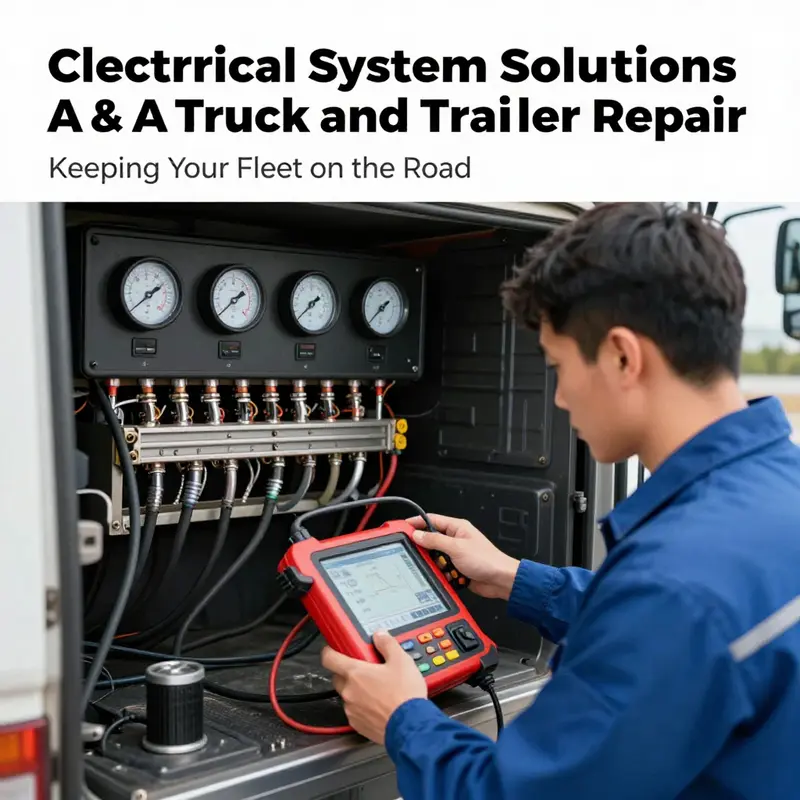
Electrical systems are the quiet backbone of modern trucking. They power the lights that keep fleets compliant, the sensors that monitor engine health, and the controllers that coordinate braking, steering, and stability. In a world where a single faulty connector or a corroded harness can immobilize a rig, the ability to trace faults with precision becomes less a luxury and more a core competency. A & A Truck and Trailer Repair centers this capability in a rigorous diagnostic discipline. Their work starts with the simplest questions—What is not functioning? When did the symptom first appear? Does the issue follow a pattern of vibration or weather?—and proceeds through a methodical sequence that yields clear, actionable results. This is not guesswork. It is a disciplined application of diagnostic procedures that align with manufacturer recommendations and the best practices that fleets rely on to stay on the road and meet delivery windows.
Wiring faults sit at the heart of many electrical complaints. They are notorious for being elusive because the symptom may not be present at the time of inspection. A truck might show intermittent lighting issues, fluctuating gauge readings, or a sudden loss of accessory power. The diagnostic path begins with symptom verification: reconciling the driver’s narrative with the vehicle’s data. Modern trucks collect a flood of information through the vehicle’s onboard diagnostic system and a network of controllers that speak CAN bus language. A technician reads trouble codes and freeze-frame data to locate the fault’s locus. Yet code reading is only the first step. If the fault does not leave a code, the inspection moves to a visual and tactile search. Loose grounds, corroded connectors, pinched insulation, and harness wear near vibration points—these are common failure points exposed by a careful visual test and by measuring continuity with a high-impedance meter.
Connectivity within a truck’s electrical matrix is as critical as the wires themselves. Connectors are more than passive links; they act as gateways between sensors, actuators, and control modules. Salt, moisture, road grime, and temperature swings all conspire to degrade these connections over time. A harness can rub against a frame, chafing through insulation and creating intermittent shorts. A headlight circuit might flicker as a result of a marginal contact in a weathered connector. The diagnostics team approaches these problems with a mix of technique and patience. They inspect contact surfaces for staining that signals arcing, check for corrosion inside the connector shells, and test the integrity of the circuit path with a bridge method that isolates the wire from the rest of the system. When a poor connection is identified, the fix is not simply a replacement; it is an assessment of the environmental factors that caused the deterioration and a return to a robust, serviceable state that will stand up to months of operation.
Lighting systems illustrate the complexity of modern electrical networks. They are not just about brighter bulbs or newer lighting modules; they are about reliable communication with the vehicle’s central control logic. A fault in a marker or rear light might illuminate on a dashboard warning, yet the root cause can lie in a seemingly unrelated ground path. The diagnostic approach treats lighting as a system of circuits, each with its own voltage supply, grounding, and switching control. A technician will verify battery voltage under load, inspect fusing and relays, and trace the circuit through harnesses and connectors to confirm the continuity and resistance required for stable operation. In some cases, the problem is not the light itself but the control logic that governs it. Modern lighting modules, integrated with other vehicle systems, require careful interrogation of live data streams and cross-referencing with the vehicle’s event codes. This is where state-of-the-art testing equipment becomes indispensable. Oscilloscopes capture waveform signatures that reveal the difference between a clean switch and a noisy node that spoils the entire circuit. Multimeters confirm voltage levels, current draw, and resistance with precision. The technician builds a narrative from data points, cross-checking each assumption against the observed behavior, until the fault’s footprint becomes unambiguous.
Electrical faults in heavy-duty contexts often involve more than a single circuit. ABS and other electronic control modules illustrate the sheer scale of modern truck electronics. An ABS fault, for instance, may trigger a brake warning and alter braking performance, but the underlying fault could lie in wheel-speed sensors, harness connections, or a defect within the module itself. The diagnostic path here relies on certified testing sequences and access to shared fault code libraries that map a code to likely causes. In practice, a technician will retrieve fault codes, compare them with live data while the vehicle is in a stationary and safe state, and, if feasible, replicate the condition to observe the fault’s behavior under controlled conditions. The analysis extends to the possibility of a faulty sensor providing erroneous data that leads to a cascade of control decisions. Is the signal believable? Are there alternate data points in the vehicle’s data stream that point to a sensor, a harness, or a module as the root cause? These are not merely questions but guardrails that prevent misdiagnosis and unnecessary component replacement.
All of this rests on a disciplined process anchored in manufacturer-recommended procedures. technician training, documentation, and adherence to standardized testing sequences are as important as the equipment itself. A modern diagnostic session begins with a plan, follows a series of checks in a deliberate order, and ends with a report that not only lists the fault and the fix but also captures the data that justified the conclusion. Documentation matters because it informs future troubleshooting. A well-kept service record enables a shop to detect patterns over time—recurrent harness wear in a certain model, a connector type prone to moisture ingress in a specific climate, or a module that tends to drift in its readings after a certain number of miles. When a fleet manager reviews this history, they can make informed decisions about preventive maintenance, parts stocking, and scheduling that minimize downtime and maximize uptime.
The diagnostic workflow is also shaped by the broader ecosystem that supports fleets. Roadside assistance networks and service platforms connect drivers with trusted technicians when time is critical. In emergencies, a driver can be reassured by knowing a vetted provider is nearby and prepared to diagnose electrical faults with proficiency. For routine maintenance, the same networks enable proactive visits that prevent faults from becoming failures. The integration of diagnostic expertise with a service locator creates a safety net for operators who depend on predictable performance every mile of the way. It is a synthesis of technical rigor and logistical planning, where the reliability of electrical systems meets the reliability of operations.
Within this environment, fleets negotiate between in-house capabilities and external expertise. Some operators opt to keep a lean, responsive in-house program that handles routine checks and minor repairs, while outsourcing more complex diagnostics to specialists who bring broader data libraries, deeper fault-code experience, and access to a wider fleet of service partners. An example of this balancing act can be found in practices that emphasize in-house maintenance to cover daily checks and minor electrical recalibrations, while leveraging external technicians for complex electrical fault isolation and module-level repairs. For fleets looking to bolster their own capabilities, there is value in following a model like Turnage Sons in-house truck maintenance, which demonstrates how an internal program can align with a broader repair network. This approach is not a shortcut; it is a strategic combination of in-house discipline and external expertise that keeps vehicles on the road and the operation moving forward. See how such an approach complements the diagnostic rigor described here by visiting the related in-house maintenance resource.
As diagnostics grow more sophisticated, the role of accurate data collection and transparent communication cannot be overstated. A technician who can translate a tangle of codes, sensor outputs, and waveform traces into a clear explanation earns trust with fleet owners and drivers alike. The goal is not just to fix an immediate fault but to reduce the probability of recurrence. This means not only replacing a harness or reseating a connector but also addressing the environmental and operational factors that contributed to the fault in the first place. Corrosion protection strategies, moisture management in certain climates, and routing improvements to minimize vibration stress are part of a comprehensive approach that pairs repair with preventive practice. In the best shops, the diagnostic report becomes a roadmap for maintenance planning, a tool that helps fleets allocate resources efficiently and sustain performance across thousands of miles of service.
For readers who want to explore practical implications beyond the diagnostic room, consider how this diagnostic rigor translates into everyday fleet management. A dependable electrical system reduces the likelihood of roadside breakdowns, which in turn decreases trip interruptions, deters driver turnover caused by unpredictable reliability, and lowers the overall cost of heavy-vehicle ownership. While the words “diagnostics” may evoke gadgets and screens, the outcome is simple and profound: continuity of service, safety for operators, and confidence in every delivery. The chapter on electrical diagnosis thus threads through the fabric of repair practice, fleet operations, and the ever-present demand for uptime on the road. It is the quiet, ongoing work that makes the roar of the engine a soundtrack of reliability rather than a source of anxiety for drivers and dispatchers alike.
In closing this exploration, the reader should carry forward a sense of how diagnostics shape the decisions that keep a fleet moving. The next chapters will build on this foundation by examining the mechanical side of repair and the ways in which comprehensive service planning intersects with electrical diagnostics to deliver a cohesive maintenance strategy. The real-world implications of precise fault isolation extend beyond the shop floor. They influence schedules, budgets, and the daily rhythm of life on the road. A well-executed diagnostic session is not an isolated event; it is a node in a larger system designed to sustain performance, safety, and dependability for every vehicle in a fleet.
Internal link: For fleets seeking a practical maintenance framework that blends in-house discipline with external expertise, see Turnage Sons in-house truck maintenance. Turnage Sons in-house truck maintenance.
External resource: For further reading on OEM diagnostic procedures and testing methodologies, the following external reference provides additional context and standards: https://www.aa-truckrepair.com
Precision in Motion: Essential Brake System Servicing for Safe Trucks and Trailers
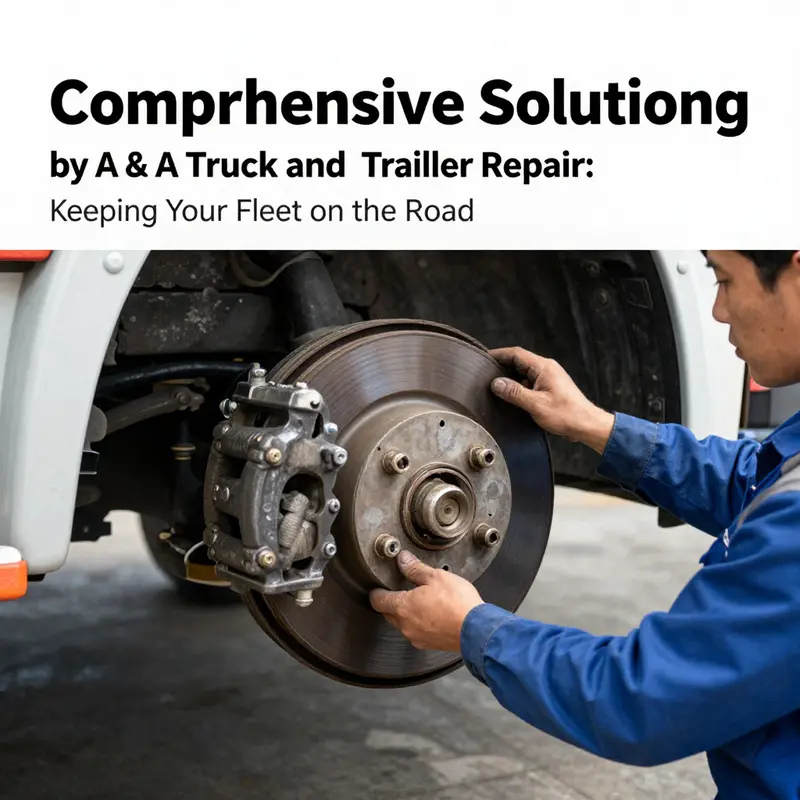
Brake system servicing is more than routine maintenance; it is a disciplined practice that blends inspection, maintenance, and repair to keep commercial vehicles dependable on every mile. In heavy-duty transport, a single component can influence traction, stability, and safety, so the people and processes behind brake service matter as much as the parts themselves. The team at A&A Truck and Trailer Repair approaches brake servicing as a holistic program rather than a one-off fix. The goal is to prevent surprises on the highway, minimize downtime, and extend the life of the braking system through informed, proactive care that aligns with how the vehicle operates, the loads it carries, and the routes it travels.\n\nAt the heart of any brake service is a comprehensive inspection. Technicians begin with an audit of every component that contributes to braking response: drums or rotors, linings or pads, shoes, calipers, and hydraulic lines all receive scrutiny. Checks focus on wear patterns, thickness, heat discoloration, scoring, glazing, and leakage. The inspector also evaluates the hydraulic system, including fluid condition, line integrity, and the operation of the master cylinder and wheel cylinders where applicable. For fleets that operate across varied geographies, the inspection recognizes how terrain and climate shape wear. Long grades, heavy payloads, and sustained braking can accelerate wear, so the assessment must account for both current state and anticipated use.\n\nBeyond physical wear, advanced diagnostics play an increasingly central role in brake service. Modern brake systems are not simple, single-circuit assemblies; they often integrate electronic controls, sensors, and feedback mechanisms that communicate with fault-detection architectures. Diagnostic tools can detect subtle wear trends long before a driver notices a change in pedal feel or stopping distance. This capability is crucial because brake wear that progresses unchecked can lead to fade under load, reduced wheel torque, or uneven brake balance, each of which compromises control. In a professional shop environment, technicians interpret data from these tools to distinguish between routine wear and developing defects that require immediate attention. The result is a diagnostic approach that moves from reactive fixes to preventive strategies, catching issues while they are affordable and straightforward to remedy.\n\nMaintenance is the execution phase that translates inspection and diagnosis into enduring performance. Routine maintenance encompasses several disciplined practices: cleaning and lubricating components where appropriate, confirming proper caliper function, ensuring correct pad and shoe clearance, and maintaining hydraulic fluid levels with appropriate testing for moisture content and boiling point. The service also includes recalibration of any automatic or assisted braking features to preserve their intended response characteristics. For drum and rotor systems, maintenance may involve resurfacing or replacing surfaces to restore a true running surface and even contact patterns. The objective is not to chase a new part at every service; it is to maintain an optimal interface between the shoe or pad and the engagement surface, along with clean hydraulic lines and secure hardware, so that the braking system can deliver consistent stopping power without introducing excessive heat or irregular wear.\n\nRepair work is the rescue operation when a fault is identified. It is here that the experience and judgment of the technician make a decisive difference. A caliper that sticks, a wheel cylinder that leaks, or a warped rotor demands precise action to restore full function. Repairs must respect manufacturer’s specifications and the vehicle’s configuration. In heavy-duty operations, brake components do not operate in isolation; they interact with suspension geometry, tire contact patch, and the vehicle’s stability systems. Therefore, a repair that resolves a local symptom but leaves a latent issue elsewhere can create a new risk. Qualified technicians bring together careful diagnosis with careful execution, replacing only what is necessary and ensuring the remaining components are aligned and torqued to specification. This thoughtful approach minimizes downtime and helps maintain consistent performance under the demands of daily trucking.\n\nA key advantage of professional brake servicing is the early identification of wear trends, which can inform a broader maintenance strategy. When technicians observe consistent patterns such as frequent pad wear on a particular axle or abnormal rotor heat signatures, they can adjust maintenance intervals, material choices, or braking technique guidance for drivers. The ability to tailor maintenance to the vehicle type and operating conditions is essential. A fleet that routinely carries heavy loads, traverses mountainous terrain, or operates in extreme temperatures benefits from maintenance schedules that reflect those realities. In practice, this means customized service plans that address seasonal changes, route profiles, and typical load factors. The maintenance schedule becomes a living document, revisited and revised as the fleet evolves and as the road environment changes.\n\nThe ethical and safety dimension of brake servicing is inseparable from day-to-day operations. Technicians are trained to emphasize reliability and redundancy. They rigorously test braking performance after service, performing dynamic checks that simulate real-world stopping demands. The post-service test drive conducted under controlled conditions helps confirm that the brakes respond predictably, that pedal travel remains within safe limits, and that there is no unusual vibration, pulling, or noise. In this way, the service experience blends science with hands-on assessment, ensuring that what was prescribed in the shop translates into what exists on the road. The result is not only a repaired brake system but a reinforced sense of confidence for drivers who depend on dependable stopping power to manage heavy loads.\n\nAnother dimension of effective brake servicing is collaboration between technicians and operators. The dialogue is ongoing: drivers observe how the brakes feel after service, report any unusual response, and adjust driving habits in light of new maintenance insights. This two-way communication supports safer operation and helps the service team optimize future interventions. When drivers understand how braking technique interacts with system health such as gradual pedal application, smooth deceleration, and avoiding hard braking in dry or wet conditions, they contribute to the longevity of components. The service culture thus becomes a shared responsibility that extends beyond the repair bay, reinforcing road safety through informed human behavior and rigorous mechanical care.\n\nIn practical terms, brake servicing hinges on establishing reliable routines. A well-structured maintenance program balances inspection frequency, service depth, and part replacement cycles to align with vehicle duty cycles. A vehicle in constant stop-and-go service will demand different attention than one primarily used for long-haul travel. The goal is to preserve consistent braking response and prevent degradation that could force emergency repairs or downtime. Fleet managers often look for patterns in maintenance data that reveal the most cost-effective balance between preventive care and repair expenditure. By analyzing wear rates, component lifespans, and downtime costs, they can design maintenance protocols that minimize interruption to operations while maximizing safety and reliability.\n\nThe relationship between brake servicing and maintenance budgeting is particularly noteworthy. Skilled maintenance planning recognizes brakes as a critical wear item that benefits from proactive scheduling. When leaders consider routine maintenance as an investment rather than a cost center, they can allocate resources that support inspection tooling, technician training, and availability of core components. This perspective allows maintenance teams to plan for fluctuations in workload, anticipate part lead times, and schedule downtime at moments that least disrupt operations. For fleet operators who seek practical guidance on budgeting for routine truck maintenance, strategies that balance preventive care with cost-management can be highly effective. A framework that organizations can adapt to their routes and duty cycles helps ensure that brake service remains a cornerstone of safety and reliability. Budgeting for Routine Truck Maintenance offers a framework that organizations can adapt to their own routes and duty cycles, ensuring that brake service remains a cornerstone of safety and reliability.\n\nAs this chapter unfolds within the broader narrative of professional repair and maintenance, it is clear that brake servicing is a linchpin of roadworthiness. Whether a fleet relies on long-haul routes, regional distributions, or urban deliveries, the brake system requires vigilant care that blends skill, data, and disciplined practice. The technicians who perform this work measure wear, diagnose latent issues, and execute precision repairs to embody the standard of care that keeps vehicles safe, compliant, and productive. They translate the spoken expectations of safety into tangible, measurable outcomes: consistent stopping power, predictable pedal feel, and a braking system that resists the ravages of daily use. In this way, brake servicing is not a standalone task but a central thread that weaves through the fabric of reliable trucking, tying together the drivers who operate the vehicles, the fleet managers who schedule the work, and the maintenance professionals who ensure that every mile traveled is one of controlled momentum.\n\nExternal reference: For a broader look at brake system servicing practices and technical considerations beyond this chapter, readers may consult industry resources that detail diagnostic strategies, component wear patterns, and safety-focused maintenance approaches. https://www.aatruckrepair.com/services/brake-system-servicing
Tow-Ready Confidence: The Craft and Care Behind Trailer Hitch Repairs at A & A Truck and Trailer Repair
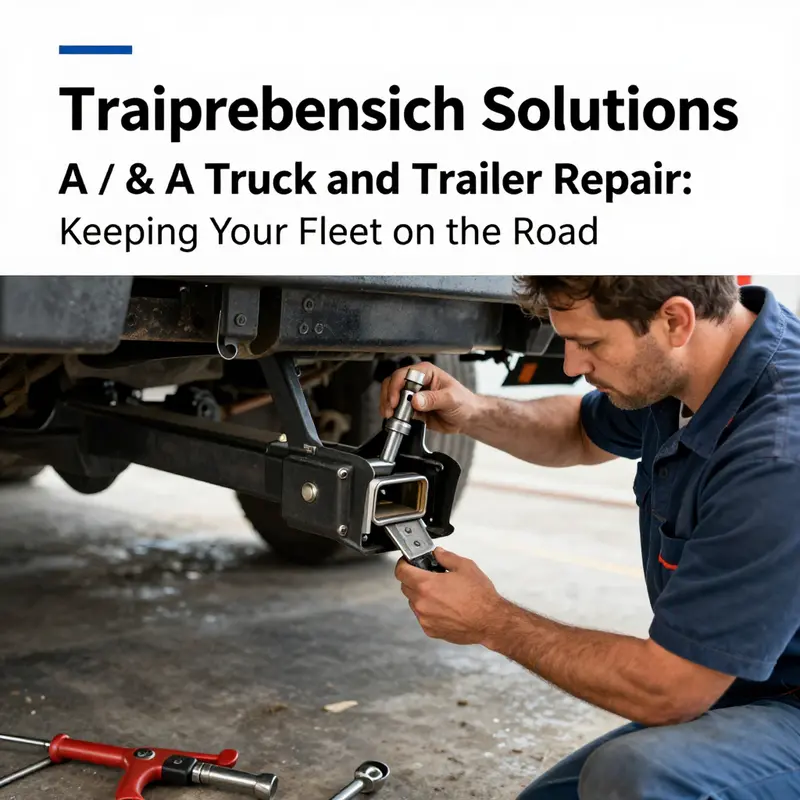
A trailer hitch is more than a simple pin and coupler; it is the single most important link that ensures a safe, stable connection between a tow vehicle and its load. When the wind shifts, the road turns uneven, or the trailer begins to sway, that connection must perform flawlessly. In shops like A & A Truck and Trailer Repair, located in Des Moines, IA, technicians approach hitch work as a blend of science, craft, and vigilance. They understand that a hitch is a dynamic system that bears the truck’s torque, the trailer’s tongue weight, and the unpredictable forces of the road. Their work extends beyond a quick snap and go; it encompasses careful inspection, precise adjustment, and reliable replacements when needed. For drivers who rely on dependable towing, that kind of expertise is not a luxury but a necessity. The job begins with a clear-eyed assessment of the hitch itself, but a competent repair goes further, because a hitch operates within a larger ecosystem of components that include the ball mount, the hitch ball, the drawbar, safety chains, wiring, and breakout electrical connectors. Each piece has a role, and each is susceptible to wear, corrosion, and misalignment over time. In this respect, hitch repair mirrors broader vehicle maintenance: small problems left unaddressed become large, potentially dangerous failures on the highway. In the hands of skilled technicians, small symptoms become clues that map to the underlying issue, whether it is a mounting point that has loosened, a ball that has worn beyond serviceable limits, or a connector that has corroded contacts. This is where the service philosophy at A & A Truck and Trailer Repair shines. The team treats trailer hitch work as a safety-critical discipline, not as a routine nuisance. Their approach blends methodical diagnostic checks with practical field experience. They know how to distinguish a simple lubrication job from a repair that requires partial component replacement. And they recognize when a hitch’s integrity is compromised to the point where towing should be paused until the system is restored to full strength. In practice, the work spans from minor adjustments to major overhauls, but the aim remains constant: to ensure the hitch transfers force predictably, without unexpected slack, binding, or play, and to guarantee that the trailer stays aligned with the vehicle through straight-line pulls, cornering, and emergency maneuvers alike. For drivers who depend on their rigs to reach a new site or meet a tight delivery window, that outcome offers a form of reassurance: when the hitch is in good order, the rest of the towing system has a solid foundation on which to operate. The technicians at this Des Moines shop are acutely aware that each trailer and truck combination has its own set of demands. A short wheelbase truck with a light trailer behaves differently from a long-haul tractor-trailer, and even among similarly configured rigs, weight distribution, cargo type, and road conditions alter the way hitch systems respond. Their diagnostic conversations with customers reflect this nuance, moving beyond generic “fixes” toward tailored solutions that respect the user’s particular hauling requirements. The process begins with a thorough inspection. A technician will examine the hitch mounting points for cracks, elongation of bolt holes, or signs of fatigue in the frame where the hitch attaches. They will test for play by applying measured force to the coupler and watching for any wobble or misalignment. A close look at the drawbar and mounting plate is essential to confirm that everything sits level and true, with no signs of shifting that could indicate a weakened connection or misfit parts. Corrosion is treated as a serious concern. In a region with variable weather, salt, moisture, and grit can accelerate rust on critical contact surfaces. A rusty ball mount or a corroded receiver can compromise the hitch’s grip and the stability of the connection. That is why the team often performs a contact surface inspection as part of the routine service, cleaning away debris, removing rust with appropriate abrasives, and applying corrosion-resistant lubricants where approved. The electrical side of trailer towing is equally integral to safety. A trailer’s lights, brake controller, and signaling devices rely on a reliable electrical pathway from the tow vehicle through the hitch assembly to the trailer. Any fault can leave others on the road unaware of the trailer’s intentions, with serious consequences. Technicians verify continuity and check for voltage drops across connectors, inspect the wiring harness for cracked insulation, and ensure that the breakaway system, if present, is properly wired and functional. Lighting out of sync with engine braking can hide a larger electrical problem elsewhere, so a cautious, thorough approach to the electrical portion is standard practice. The repair landscape for hitchwork ranges from achieving an exact alignment to replacing worn parts. In some cases, technicians might adjust the height of the hitch ball to maintain proper trailer level during towing, a factor that directly influences tongue weight and steering stability. If the ball is worn or pitted, or if the coupler has become mismatched for the ball size, replacement is the prudent course. Even a correctly rated hitch can lose effectiveness if the wrong ball size is used, or if the ball is not torqued to the manufacturer’s specifications. A key value at the shop is the insistence on using components matched to the system’s ratings and the trailer’s tongue weight. This attention to compatibility protects against wear that accelerates with mismatched parts, reduces the risk of accidental decoupling, and preserves the long-term reliability of the entire towing setup. When a replacement is necessary, the technicians take care to select a compatible ball, shank, and mounting hardware that fit the vehicle’s frame and the trailer’s requirements. They also educate customers about weight distribution considerations and the various hitch options that suit different towing scenarios, from light utility trailers to heavier cargo haulers. In many cases, a simple realignment, bolt-torque check, and lubrication can restore a hitch’s performance; in others, a full component upgrade becomes the responsible choice. Either way, the objective remains consistent: a hitch that grips securely, aligns precisely, and communicates clearly with the tow vehicle and trailer. Beyond the mechanical and electrical work, the service ethos at A & A Truck and Trailer Repair emphasizes reliability and readiness. The facility provides 24-hour roadside assistance and towing, a crucial service when a hitch problem arises far from a shop or during a time when hauling cannot wait. This capability reduces downtime and reinforces the broader culture of support that truck operators rely on, especially during emergencies or tight schedules. The ability to dispatch help quickly, assess the hitch system on-site, and arrange transport to the shop can be the difference between a small delay and a dangerous, stranded scenario on the highway. For drivers who want to stay ahead of trouble, the shop also offers guidance on preventive maintenance. Routine checks, timely lubrication, and scheduled inspections can catch issues before they become failures. The emphasis on preventive care aligns with best practices across the trucking industry, where a little ongoing attention can yield substantial reliability over thousands of miles. Those who manage fleets or operate multiple vehicles often confront the cost and resource considerations associated with towing equipment upkeep. Planning for maintenance, budgeting for replacements, and understanding the lifecycle of hitch components contribute to smoother operations. In this regard, resources such as budgeting-focused maintenance guides can be helpful for fleet managers and owner-operators seeking to balance reliability with cost control. For readers exploring further, a practical reference on routine maintenance can be found here: Budgeting for Routine Truck Maintenance. This kind of planning fosters consistency in upkeep, ensuring that a hitch repair or replacement can be scheduled at a convenient time rather than as an urgent, unplanned interruption. The Des Moines shop stands ready to assist with this approach, welcoming customers who value not only the immediate fix but also the long arc of safe towing. When drivers reach out for service, the conversation often centers on the vehicle’s specific towing needs and the trailer’s use case. A & A Truck and Trailer Repair evaluates the whole system: how the trailer is used, the typical road types, the climate, and even the frequency of trips. Acknowledging these factors informs decisions about the appropriate level of care, be it a routine adjustment, a minor replacement, or a more extensive upgrade to the hitch assembly. The result is a tailored plan that respects the vehicle’s design and the driver’s responsibilities on the road. In the end, trailer hitch repairs are about more than restoring a mechanical fit. They are about restoring confidence—confidence that the connection between truck and trailer will perform predictably, that critical signals will reach their destination, and that the vehicle will remain controllable under the demanding conditions of real-world towing. The technicians’ work embodies a blend of careful craftsmanship and practical engineering, a philosophy that treats every hitch as a critical safety feature rather than a mere accessory. For readers who want to understand the broader ecosystem of hitch maintenance, the story echoes the way reputable shops integrate roadside availability, on-site diagnostics, and transparent communication with customers. Roadside support, when needed, is a reminder that towing is not just about getting from point A to point B; it is about arriving safely and intact, with the knowledge that the hitch system has been checked, calibrated, and reinforced if necessary. The result is a towing experience that is smoother, safer, and more predictable, even in the face of weather, traffic, or load variations. For drivers who rely on their trailers week after week, that sense of assurance translates into fewer unplanned stops, less downtime, and greater peace of mind. And for the broader trucking community, it underscores a standard of care that local repair shops strive to uphold, reinforcing the trust that platforms like Online Road Services aim to facilitate by connecting drivers with vetted, reliable providers when emergencies or routine maintenance arise. External resources can offer additional context on how hitch systems are implemented and maintained in different operating environments, contributing to a well-rounded understanding of the field. External resource: http://www.aandatruckrepair.com
Roadside Assurance: 24-Hour Support and Swift Solutions for A & A Truck and Trailer Repair Users

When the road throws a curveball at a truck or trailer, the first instinct is not to panic but to have a plan. For operators who rely on predictable uptime, roadside support becomes more than a convenience; it is a critical component of safety, reliability, and overall fleet performance. A & A Truck and Trailer Repair has positioned itself in this space by offering 24-hour roadside assistance designed to bridge the gap between a breakdown and a return to the highway. This kind of service acknowledges that a truck is a moving workplace, a lifeline for deliveries, and a contributor to a driver’s sense of security. When the clock ticks past dusk or the weekend arrives, the value of reliable, round-the-clock support becomes most evident. The ability to reach a trained professional who can assess the situation, dispatch the right resources, and push a vehicle back toward operation minimizes downtime and, in turn, keeps supply chains moving. The essence of roadside assurance lies in responsiveness, capability, and the practical know-how to handle a broad set of contingencies that commercial vehicles may encounter on the road.
At the heart of the service are two concrete offerings that drivers and fleet managers can count on: towing services and immediate repair assistance. Towing provides a safe, efficient means to relocate a disabled truck or trailer to a repair facility or a location where a technician can better address the issue. This is not just about moving metal from one spot to another; it is about preserving engine integrity, avoiding further damage, and ensuring that a vehicle remains a safe element within a wider logistics operation. Immediate repair assistance, on the other hand, aims to address issues on or near the site, with technicians equipped to diagnose and correct common failures that would otherwise strand a vehicle. The emphasis on immediacy is not a shortcut; it reflects an understanding that many faults, when managed promptly, can be resolved quickly enough to prevent cascading delays in delivery schedules. The objective is to get the truck back on the road as swiftly as possible, with a clear path forward for more comprehensive service if needed.
Accessibility is a practical concern that often determines the effectiveness of roadside support. A & A stresses direct contact with the provider, which implies a streamlined, responsive dispatch process. When a driver or fleet supervisor needs help, time is of the essence, and the ability to reach a single point of contact reduces confusion and accelerates triage. A well-structured dispatch can determine the priority of the call, allocate the appropriate level of technician expertise, and arrange towing or on-site repairs in a way that aligns with the vehicle’s location, the severity of the issue, and the driver’s safety. For long-haul operators crossing multiple jurisdictions, the reliability of a nationwide or regionally consistent service model matters. In practice, this means that a driver can count on a familiar workflow, with clear expectations about response times, the kinds of repairs that can be performed roadside, and the steps that follow once initial relief is secured.
The strategic value of roadside support extends beyond the moment of breakdown. It supports fleet management decisions by reducing downtime, which translates into more predictable delivery windows and improved utilization of drivers and equipment. When a breakdown occurs, a well-executed roadside response can spare a fleet from cascading delays, avoid unnecessary detours, and maintain service levels for customers who depend on on-time performance. This is why many operators pair roadside assistance with planning strategies that address financial resilience and operational continuity. A practical element of this planning is the recognition that emergencies can be expensive if they are not anticipated. While a single incident may be manageable, a pattern of interruptions erodes margins and increases risk. In response, many fleets adopt a layered approach: immediate roadside options for quick fixes, an established chain of repair partners for more involved work, and a financial buffer that supports rapid decision-making in the face of unexpected events. For truck owners who want to optimize this approach, considering a dedicated emergency fund is a prudent step. See the discussion in a resource focused on building that buffer for truck ownership: Building Emergency Repair Fund for Truck Owners.
To make sense of how this all comes together on the ground, it is helpful to picture a typical roadside scenario. A driver experiences a vehicle fault on a late-night highway stretch. The first response is to establish safety: pull onto the shoulder if necessary, engage hazard lights, and discreetly assess whether the situation is something that can be stabilized without exposing the driver to additional risk. A contact is made with the roadside service, and a dispatcher gathers essential information: the vehicle type and configuration, the nature of the fault, the vehicle’s current location, and any immediate hazards. A& A’s model emphasizes a direct line to the provider, which reduces the cycle time between the call and the arrival of help. Depending on the diagnosis, the technician might perform on-the-spot repairs such as battery assistance, sensor resets, or basic electrical diagnostics, or they may arrange a tow to a repair facility if the fault is not safely addressable on-site. In some cases, a hitch issue or trailer-related fault may require specialized attention, and the response is coordinated to ensure the trailer’s hitch, brakes, or wheel ends are aligned with road safety standards before the vehicle resumes its journey.
One practical implication for operators is the importance of having a clear plan for how to engage roadside support. While a single provider can deliver consistent service, many fleets also rely on trusted online directories or networks to locate nearby, vetted providers for emergencies or routine maintenance. The right approach combines the reliability of an established partner with the flexibility to access nearby technicians when the nearest facility is far away. This blended model reduces the risk of being stranded and improves the odds that a mid-route repair will keep the vehicle moving rather than forcing a costly detour. Alongside rapid assistance, drivers should also carry up-to-date vehicle information, including diagnostic trouble codes when available, basic emergency equipment, and a simple, accessible record of the vehicle’s specifications. These details help the technician diagnose quickly and perform repairs without unnecessary delay.
Beyond the immediate fix, the roadside support program interacts with broader maintenance and capital planning. A driver who experiences a roadside event should note what happened, how it was resolved, and whether the issue pointed to a recurring fault or a one-off failure. For a fleet manager, this data informs preventive maintenance decisions, such as prioritizing certain components that are more prone to roadside failure, adjusting maintenance intervals, or reallocating resources to vehicles with higher utilization. The ability to capture and review post-incident information supports continuous improvement, which, in turn, strengthens the value that roadside support provides to the fleet. In this context, the service is not merely a stopgap; it is a channel for learning and improvement that helps trucks stay healthier and more dependable over time.
The practical realities of coverage areas and availability cannot be overlooked. While the service is described as accessible at any time, real-world constraints mean that response times will vary by region, weather, traffic, and the density of qualified technicians in the vicinity. Operators should verify the availability and geographic radius of service with the provider, especially for fleets that travel across multiple states or provinces. The important takeaway is to establish a clear understanding of when and how help can be summoned, and to keep the lines of communication open so drivers are empowered to act decisively when trouble arises. For people who want to align this practical knowledge with broader financial preparedness, the linked resource mentioned earlier offers guidance on building a financial cushion that complements a robust roadside support plan.
In sum, road miles are safer when a clear, efficient, and capable support system stands ready. A & A Truck and Trailer Repair’s 24-hour roadside assistance, with towing and immediate repair capabilities, provides a dependable backbone for drivers and fleets navigating the uncertainties of the road. Accessibility through direct contact ensures that help arrives with purpose and speed, while the combination of on-site fixes, appropriate towing, and coordinated follow-up repair creates a pathway from breakdown to road time regained. Fleet operators who commit to this approach—supplemented by prudent financial planning and a thoughtful strategy for incident documentation—can preserve uptime, protect safety, and sustain the reliability that customers expect from modern trucking operations. For readers seeking to expand their preparation beyond immediate roadside response, consider exploring resources that address emergency funds and long-term maintenance strategies, such as the Building Emergency Repair Fund for Truck Owners article linked earlier. And for those who want a practical reference to a roadside provider’s location and service footprint, the provider’s listing can be found at: https://www.google.com/maps/place/A+%26+A+Truck+and+Trailer+Repair/@32.519877,-94.007918,15z/data=!4m2!3m1!1s0x0:0x0?hl=en&entry=ttu
Final thoughts
A & A Truck and Trailer Repair stands as a pillar of support for fleet managers and industry operators. Their comprehensive range of services, including mechanical repairs, electrical diagnostics, brake servicing, trailer hitch repairs, and reliable roadside assistance, ensures that trucks are not just operational but also safe and efficient. This commitment to excellence facilitates the smooth running of your logistics, transportation, and construction projects, reducing downtime and enhancing safety on the roads. Partnering with A & A provides peace of mind, knowing your fleet is maintained by skilled professionals dedicated to your success.