A & J Truck Repair in Norco stands out as a premier solution provider for fleet managers, trucking company owners, and operators within the construction and mining sectors. Their specialized services are tailored to meet the unique demands of heavy-duty vehicles, ensuring optimal performance and longevity. This article delves into the comprehensive offerings available at A & J Truck Repair, the expertise they hold in specialized vehicle repairs, their accessible location, and the high levels of customer satisfaction that solidify their reputation as a reliable service provider.
Full-Service Repairs and Fleet Care at A & J Truck Repair Norco
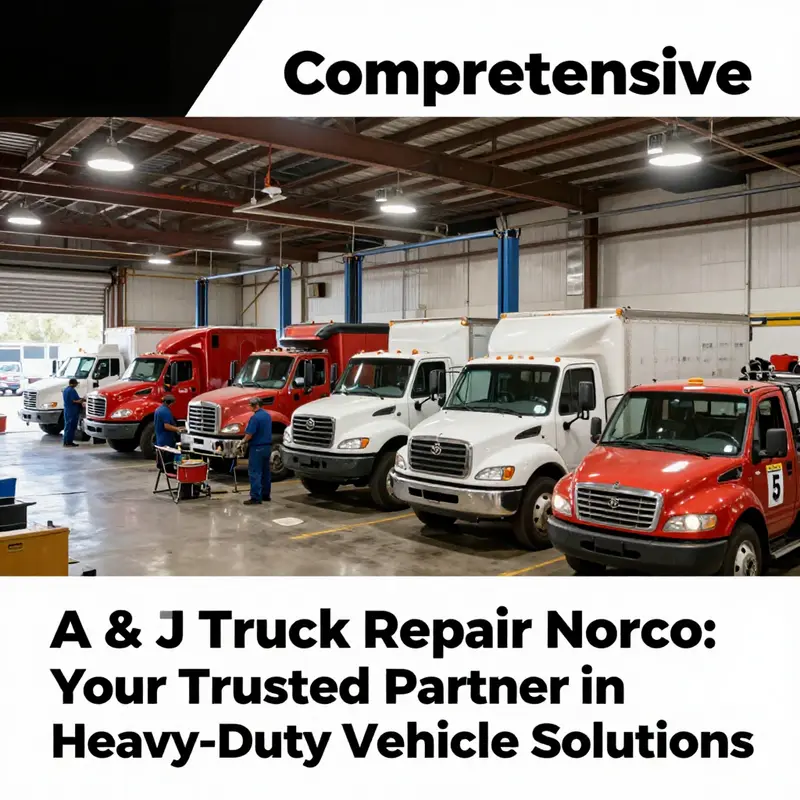
A & J Truck Repair in Norco provides an integrated, hands-on approach to maintaining and repairing medium and heavy-duty trucks. Their shop focuses on the tasks that keep trucks reliable and safe. From engine overhauls to tailored trailer work, the team combines diagnostic precision with practical maintenance. The result is a shop that can handle routine service as easily as complex repairs on specialized equipment.
Every effective repair operation begins with accurate diagnosis. At A & J Truck Repair, technicians begin by assessing the vehicle to isolate the root cause. This method reduces guesswork and limits unnecessary parts replacement. When engine replacement is required, the shop performs full assessments and fits the correct engine configuration. Technicians ensure mounts, wiring harnesses, and control modules are properly integrated. Engines receive testing on completion, including checks for oil pressure, coolant flow, and emissions where applicable. Those checks confirm performance before the vehicle returns to service.
Fuel system integrity is equally important. Problems with fuel tanks, lines, or fittings can cause reduced efficiency or safety hazards. The team addresses leaks, corrosion, and sensor failures with focused repairs. Fuel delivery components are inspected and replaced with attention to compatibility and long-term durability. Repairs often include cleaning or replacing filters, testing pumps, and verifying that seals meet industry standards. By treating the fuel system as a unit, A & J minimizes downtime and helps prevent recurring faults.
Brakes are a core safety system for any heavy vehicle. The shop’s brake inspections are thorough and methodical. Technicians measure lining thickness, check for uneven wear, and confirm that hydraulic and air systems respond correctly. Adjustments to drum brakes, replacement of pads and rotors, and restoration of air brake functionality are handled with parts chosen for durability. Brake work also includes attention to ABS components and sensors, ensuring that monitoring systems contribute to consistent braking performance.
Trailers demand special focus because they vary widely by purpose and construction. A & J’s capability to repair different trailer types offers fleet owners flexibility. Whether servicing horse trailers, flatbeds, or specialized units, technicians address coupling systems, frames, axles, and suspension. Electrical systems receive careful attention, including lighting, brake controllers, and wiring harnesses. For trailers used in hauling livestock or sensitive cargo, the team prioritizes reliable seals and suspension alignment to protect cargo and improve handling.
Beyond these visible systems, the shop has broad mechanical expertise. Suspension repairs, transmission work, cooling system service, and driveline attention are all within their scope. Regular mechanical service reduces wear and improves fuel economy. Preventative maintenance plans are tailored to vehicle type and duty cycle, emphasizing tasks that prevent expensive failures. For fleets, a planned approach keeps more trucks in service and reduces the likelihood of critical breakdowns on the road.
Specialized equipment receives specialized care. Bucket trucks, boom trucks, and digger derricks have unique hydraulic systems and structural considerations. A & J’s experience with such equipment means inspections include pressure testing, seal replacement, and verification of safety devices. Hydraulic hoses and fittings are checked for wear and correct routing. Lift and boom systems are tested under load conditions where feasible, ensuring the equipment performs predictably and safely.
The shop also works on vehicles that support recreational and agricultural users. Horse trailer owners, for example, benefit from a shop that understands both towing dynamics and animal safety requirements. Floor integrity, ventilation, and ramp operation are inspected and repaired to maintain safe transport. This attention to detail helps owners avoid costly mid-route failures and ensures humane transport conditions.
Part of the advantage at A & J is the availability of parts and tires on-site. As a stocked distributor, the shop reduces waiting times for common replacement components. Keeping core items in inventory accelerates turnaround for repairs that would otherwise be delayed. This stocking strategy is especially valuable for fleets that operate on tight schedules and cannot afford extended vehicle downtime.
Client relationships are treated as partnerships. The shop’s communication style emphasizes clear explanations of necessary work, visible documentation of findings, and recommendations that prioritize safety and cost-effectiveness. When a major repair is needed, technicians present the options and outline the likely outcomes of each. This transparency helps owners make informed decisions about repair vs. replacement and about scheduling work to minimize operational disruption.
Efficiency in the shop comes from combining technical skill with practical workflows. Technicians follow standardized procedures for inspections and maintenance, which keeps quality consistent across different vehicles. Work orders track time and parts, creating a clear service history for each truck. That history becomes a useful asset when diagnosing recurring issues or when planning long-term fleet maintenance budgets. For those interested in deeper planning resources, the shop recommends reading on budgeting strategies, useful for setting maintenance reserves and preventing surprise expenses: budgeting for routine truck maintenance.
Feedback from customers emphasizes professionalism and speed. Reviews often highlight the team’s ability to diagnose problems quickly and to complete repairs without unnecessary delay. That reputation matters when trucks are scheduled for deliveries or farm work, and every hour of downtime carries real costs. The shop’s mix of emergency repairs and scheduled service creates flexibility for customers who need both reactive and preventative care.
Adaptability is vital in a region with varied hauling needs. A & J’s ability to service medium and heavy-duty trucks across multiple applications means they can support mixed fleets. Companies that use a combination of box trucks, tow vehicles, and specialized units benefit from a single service provider who understands the interplay between different vehicle types and their maintenance needs.
Training and equipment underpin the shop’s capabilities. Technicians receive ongoing training to stay current with repair techniques and diagnostic tools. The shop invests in both diagnostic equipment and practical tools, enabling work that ranges from electronic diagnostics to heavy mechanical repairs. This combination ensures problems are addressed systematically, rather than through temporary fixes.
When owners evaluate repair shops, they often look for a blend of technical competence and practical reliability. A & J Truck Repair’s approach integrates both: careful diagnosis, full-service repair capability, and practical inventory management to keep repairs moving. Their work supports a wide array of vehicle types, and their processes help minimize downtime and control costs. For any fleet or owner in Norco who needs comprehensive truck care, the shop serves as a dependable resource.
For appointment scheduling, parts inquiries, or to learn more about specific capabilities, visit the shop’s official site: http://www.aandjtruckrepair.com
Steering Toward Resilience: Mastering Specialized Vehicle Repairs at A & J Truck Repair Norco
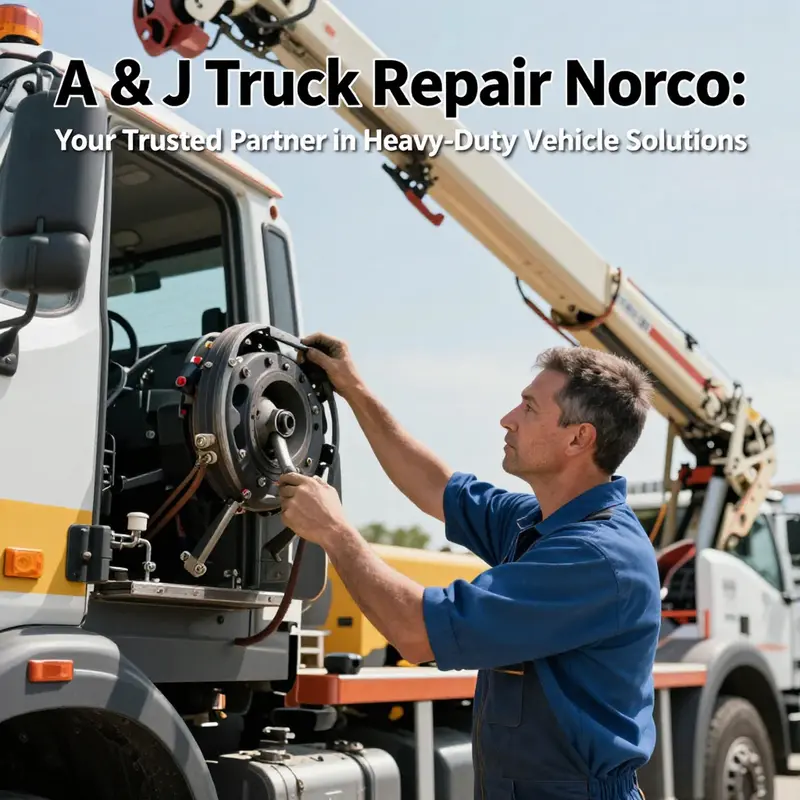
When a fleet depends on the weathering march of heavy-duty wheels, the difference between reliability and failure rests on more than routine maintenance. It rests on a shop that sees trucks not as machines but as complex ecosystems, where engines, hydraulics, brakes, fuel systems, and trailers must work in careful harmony. In Norco, California, A & J Truck Repair operates with that exact philosophy. Located at 2231 Hamner Ave, the shop occupies a corner of the inland southern California landscape where long-haul routes converge with regional haulers and locally based operators who move livestock, construction materials, and industrial gear. The company has built a reputation around expertise with specialized vehicles—boom trucks, horse trailers, and digger derricks—alongside the broader spectrum of medium and heavy-duty repairs. The narrative of their service is not a simple ledger of tasks but a disciplined approach to diagnosing, prioritizing, and delivering repairs that restore performance while safeguarding the people who depend on these machines daily. The chapter that follows unfolds as a single, continuous current of practice and principle, showing how meticulous work in a shop like this translates into dependable everyday operations for fleets and individual owners alike, and how that reliability threads back to a location that is easy to reach, easy to trust, and anchored in a culture of safety and precision.
At the heart of their capability lies a fluent understanding of who these vehicles serve and what their systems demand. Heavy-duty engines, for example, are not just about raw power; they are about how heat, vibration, fuel delivery, and exhaust management interact under load, in varied climates, and across prolonged duty cycles. Engine replacement, when necessary, becomes almost a surgical procedure. A malfunctioning unit is removed with care, the installation of a new or refurbished core is aligned with exacting tolerances, and every fastener, mount, and connection is tested for structural integrity and vibration dampening. The team treats such replacements not as a one-off fix but as a re-qualification of a machine’s life. The same reverence for precision guides a wide array of follow-on steps: calibration of the new engine, reprogramming of control modules where required, verification of fuel system signaling, and a thorough road test that confirms the unit’s quietness, response, and reliability under the real stresses of the road.
This depth of knowledge extends beyond the engine bay into the heartbeat of the vehicle’s safety systems. Comprehensive brake inspections—often arriving as the second line of defense after the engine—are treated with the seriousness they deserve. Brakes safeguard not just the driver, but every vehicle that shares the road, and the inspection process here is multi-layered: checking fluid levels for correct pressures and contaminant presence, measuring pad and rotor wear, inspecting calipers, lines, and hoses for leaks or damage, and assessing the overall integrity of the braking network under load and during dynamic braking scenarios. The technicians understand that even small deviations in brake performance can ripple through a fleet’s schedule, so every finding is weighed against safety standards and regulatory expectations. The emphasis is not merely on making a repair but on restoring confidence—confidence that when a truck leaves the bay, its braking system will respond instantly and predictably when it matters most.
Fuel system integrity is another thread in the fabric of the shop’s expertise. The fuel tank and its associated components form a system where even minor flaws can escalate into safety hazards or efficiency losses. Maintenance here goes beyond routine checks; it involves thorough inspection of tanks and lines for corrosion, leaks, and adequate venting, followed by careful repair or replacement of components as needed. The technicians pay close attention to fuel delivery loops, filters, and seals to ensure that the engine receives clean fuel at the correct pressure. A compromised fuel system can degrade performance, trigger unnecessary wear, and raise the risk of environmental harm, so the hands that service these parts approach the task with the same discipline they apply to engine and brake work. The result is a more predictable fuel economy, steadier power delivery, and a lower probability of roadside distress.
Trailer repair forms a crucial counterpart to engine and brake work in the Norco shop. Trailers in the fleet mix—whether hauling livestock, building materials, or heavy equipment—demand structural resilience and dependable electrical and braking compatibility with the towing unit. The technicians conduct structural inspections to detect cracks, corrosion, or deformation that could compromise load stability. They examine the trailer’s electrical system for lighting and signaling reliability, inspect suspension components for wear, and verify braking performance in concert with the tow vehicle. This holistic approach to trailer care is essential; a small issue in the trailer can cascade into delays, fines, or unsafe tow conditions. The team understands the imperative of compliance with safety standards and the close alignment of trailer and truck systems so that the entire rig can perform as a single, trustworthy unit.
What makes this capability stand out is not only the sum of its parts but the way the work is organized around safety, downtime minimization, and long-term reliability. Fleet operators cannot afford unpredictable failures or misfired repairs. The Norco shop emphasizes diagnostic rigor, a clear sequencing of repairs, and transparent communication with clients. They begin each engagement by listening to the operator’s accounts of symptoms, then performing diagnostics that confirm or refine those observations. This alchemy—listening, testing, validating, and then executing—helps ensure that the actual problem is addressed rather than a symptom being treated. It also means that the shop can offer guidance about operating practices that reduce recurrence, from routine maintenance planning to the scheduling of preventive checks that align with a fleet’s routes, workloads, and duty cycles.
The human side of this mastery matters as well. The technicians work with a level of curiosity and responsibility that comes from decades of exposure to the kinds of demands placed on commercial vehicles. They are trained to anticipate the constraints of real-world use: hot days that bend metal and stress cooling systems, cold starts that strain batteries, long trips that test tire wear and vibration thresholds, and the variability of terrain that imposes different braking and steering loads. Their experience informs decisions about parts selection, repair sequencing, and the trade-offs between repairing a component versus replacing it. Even where cost decisions loom large for a fleet manager, the engineers can translate technical risk into practical planning, explaining the long-term implications of each option so that operators can align maintenance budgets with expected reliability and uptime.
The Norco operation also embodies a broader premise about specialized vehicle work: the truth that not all repairs fit a one-size-fits-all model. Boom trucks, for example, present unique challenges because of their hydraulic lift systems, outriggers, and lateral stability considerations. The technician’s task is to preserve lockable hydraulics, reliable control responses, and safe operational envelopes while attending to the core mechanical health of the truck. Horse trailers demand careful attention to channeling ride quality, air springs, and electrical and brake systems that can be complex when multiple axles and braking modes are involved. Digger derricks add yet another layer of complexity, requiring a tuned understanding of crane load dynamics in relation to the chassis, hydraulic integrity, and anti-sway controls. Each category of specialization requires a cognizance of how separate subsystems influence one another, a recognition that drives the shop to treat every job as a system repair rather than a patch on a single component.
The practical implications for a fleet reach beyond the repair bay. The evidence of expertise translates into shorter downtime windows, fewer call-backs, and more predictable maintenance costs. When a vehicle is serviced with this level of care, operators experience fewer unexpected breakdowns on the road, fewer emergency trips to remote locations, and a smoother transition back into service after major repairs. The business—both for A & J Truck Repair and for the fleets that rely on it—advances through a reputation built on confidence. Clients learn to schedule preventive maintenance with the same seriousness they bring to urgent diagnostics because they know the shop can handle a spectrum of needs with proven efficiency. The result is a cycle of reliability that extends beyond the individual vehicle and into the steadiness of the fleet’s daily workflow.
Accessibility is another practical virtue of this Norco operation. The address on Hamner Avenue places it in a community that serves as a hub for regional and long-haul transport, enabling swift access for fleets across Southern California and the broader inland corridor. The shop’s capacity to accommodate both single-unit operators and larger fleets helps bridge the gap between personal ownership and professional logistics. For clients who want to move from problem-solving to proactive planning, the ability to coordinate maintenance, diagnostics, and repairs through a single, trusted partner becomes a strategic advantage. Scheduling through the official website offers a straightforward path to service, but the real value lies in knowing that a familiar team will handle the vehicle with a consistent standard of care. This consistency matters as much as any individual repair, because it builds a relationship of trust between operator and technician—a trust that translates into fewer miscommunications, quicker triage, and more accurate cost estimates.
In the spirit of connected knowledge, the approach at A & J Truck Repair mirrors the broader ethos of thoughtful, prevention-oriented maintenance discussed in related industry writings. For readers seeking additional perspectives on maintenance philosophy and hands-on practices, one could explore related articles that emphasize in-house expertise and sustainable maintenance routines. This kind of content helps reinforce the idea that the best outcomes in heavy-duty work come from a blend of technical skill, clear communication, and disciplined planning. A related discussion available through industry-focused maintenance resources provides a practical example of how in-house strategies can foster dependable performance over time, reinforcing the sense that the Norco shop’s methods are part of a larger, evolving standard in commercial vehicle care. To see a concrete example of how another operation articulates its in-house maintenance philosophy, you can refer to the piece Turnage-sons-in-house-truck-maintenance, which offers a complementary look at the value of centralized upkeep within a trucking operation. Turnage-sons-in-house-truck-maintenance.
As the roads extend and the responsibilities of fleets grow, the question for any operator becomes increasingly practical: where will you take your vehicle when the highest standards are required? In Norco, that answer is anchored in a shop that treats specialized repairs not as isolated fixes but as parts of a broader commitment to safety, reliability, and efficiency. Engine replacements, brake inspections, fuel-tank system maintenance, and trailer repairs are not episodic tasks here; they are coordinates in a map of proactive, data-informed, and crew-guided practice. Each repair is an act of stewardship—stewardship of a machine that keeps a business moving, of drivers who depend on predictable performance, and of communities that rely on transportation as a backbone of daily life. The culture that Underpins this work is patient and meticulous, yet efficient when urgency demands it. The technicians balance the need for speed with the imperative to do the job right the first time, recognizing that the cost of a hurried repair often travels with a vehicle for months to come.
This blend of technical mastery and operational discipline makes A & J Truck Repair in Norco more than a service shop. It is a partner in the continuous cycle of maintenance that keeps fleets aligned with safety standards and service commitments. For anyone who runs a fleet, the takeaway is clear: specialized expertise, when applied with care and consistency, reduces downtime, extends asset life, and reinforces the trust that customers place in a trucking operation. The work performed within these walls—whether replacing a distressed engine, verifying brake integrity, safeguarding the fuel system, or ensuring the trailer remains a reliable link in the towing chain—reflects a philosophy of care that resonates with every mile traveled and every load delivered. In an industry where margins, deadlines, and safety are in near-constant tension, such a philosophy matters most. It becomes not merely about fixing what is broken, but about preserving the means by which goods move, people travel, and communities stay connected. And in Norco, that commitment remains accessible, accountable, and always ready to support the road ahead.
null
null
Trust, Turnaround, and Testimony: How Customer Satisfaction Shapes Endorsement for A J Truck Repair Norco
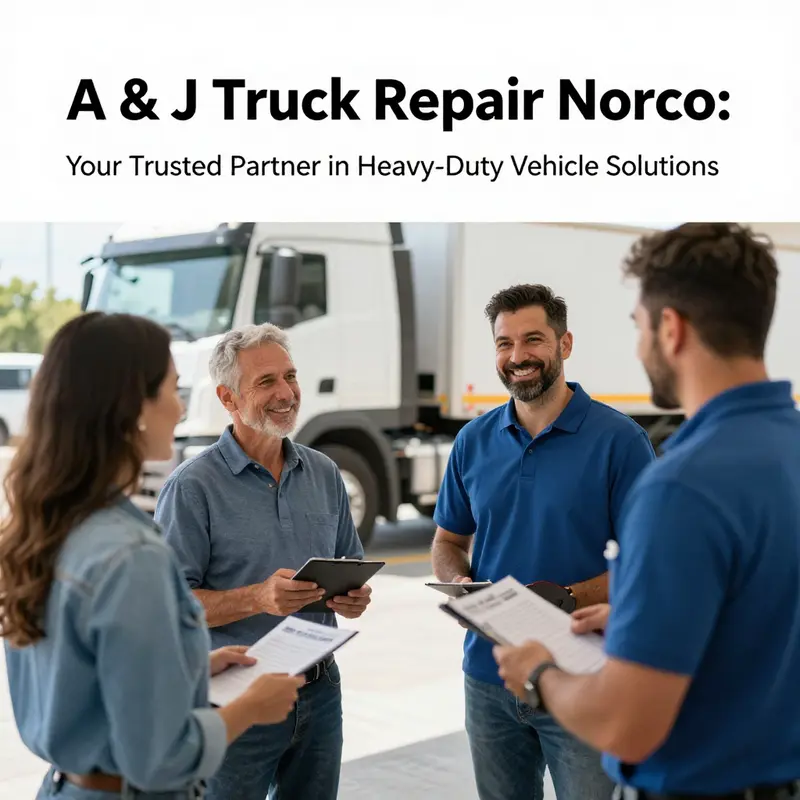
In the world where a single fleet vehicle can ripple through a schedule, a city’s supply chain, and a driver’s livelihood, the value of a dependable repair partner shows up not in glossy brochures but in quiet, consistent performance. Norco sits at a hinge between rural routes and urban demand, where medium and heavy-duty trucks shoulder the load of daily commerce. For fleets that depend on uptime, the choice of repair shop becomes less about flash and more about reliability, transparency, and the kind of craft that turns a problem into a plan. In this context, the experience with a particular local shop—A J Truck Repair—presents a case study not just in fixing machines, but in how satisfaction is earned, maintained, and shared. It is a reminder that, when a fleet hits the road after a service visit, it is the human elements—the technician’s eye for diagnosis, the shop owner’s daughterly and sonlike hospitality toward customers, the speed of turnaround, and the honest communication about what must be done now and what can wait—that determine whether a customer becomes a repeat client and, later, a confident advocate among peers.
What distinguishes a truly dependable shop in Norco is a blend of technical depth and practical temperament. Fleet managers who travel with crews know that specialized vehicles demand more than general repair know-how. A J Truck Repair has built its reputation around this intersection—handling not only the typical heavy-duty work but also the more specialized equipment that comes with boom trucks, horse trailers, and digger derricks. In practice, that means the shop is comfortable with the unusual, the awkward, and the urgent. It means the technicians are not only skilled at the wrenching that keeps a truck moving but also at the diagnostic discipline that prevents missteps in repair. When a manager calls with a stubborn fault code or a peculiar drivetrain vibration, the expectation is not a guess, but a clear, evidence-based path to restoration. The Norco location—central, accessible, and embedded in a community that moves on wheels—benefits from this blend of expertise and reliability, creating a situation where maintenance routines shift from reactive firefighting to proactive care.
Within this framework, the experience that many customers recount points to a single, recurring pattern: the moment when a technician identifies a problem that others could not, and does so without turning the interaction into a battle. One reviewer highlights Jim, a technician at the shop, for an almost diagnostic instinct that cuts through ambiguity. The situation involved a bucket truck—a vehicle type known for its complexity and safety sensitivity—where several other mechanics had struggled to pinpoint the root cause. Jim’s approach exemplified the best of professional craft: methodical, patient, and grounded in practical knowledge of how such equipment behaves under load, at height, and across variable terrain. The review emphasizes not only the technical victory but the cadence of the engagement—the way Jim explained the issue and the implications of the fix, the reassurance that comes with competence, and the clarity of the steps that would be taken to complete the repair. It’s a reminder that, in fleet service, the strongest endorsements often stem from the quality of the diagnostic conversation as much as from the repair itself.
The personal touch—the human side of the service equation—also matters. The same account extends beyond Jim to praise his wife for her professional demeanor, illustrating how a shop’s front-end experience shapes the perception of technical work. In many fleets, the first contact—phone calls, emails, a warm greeting at the counter—sets the tone for the entire engagement. When a customer perceives competence and courtesy at every touchpoint, trust is reinforced in a way that never shows up in a bill or a warranty clause. For managers juggling schedules, that trust translates into fewer escalations, smoother approvals, and less friction when decisions about downtime must be made. And with the era of rapid response often defining the success of a repair, the rapid turnaround cited in the same feedback becomes not a bonus but a baseline expectation. When downtime is a costly variable, being able to predictably turnaround work without sacrificing safety or quality becomes a strategic asset for any fleet.
The practical mechanics of achieving that kind of service are worth examining. A key ingredient is the shop’s capacity to manage maintenance as an ongoing process rather than a sequence of isolated repairs. This requires not only skilled technicians but a coordinated workflow: a transparent intake process that captures the vehicle’s history, a diagnostic framework that prioritizes safety and compliance, and a scheduling approach that respects the urgency of the customer’s operations. The emphasis on maintenance and repair as a continuum—especially for specialized vehicles that may operate in compressed windows of opportunity—helps fleet managers feel that the shop understands their business, not just their machines. When a customer visits 2231 Hamner Ave in Norco, they are not merely entering a workshop; they are stepping into a space designed to minimize the risk and disruption of downtime. The physical setup, the organization of bays, the availability of parts, and the clarity of the service advisor’s communications all contribute to a perception of competence that underpins satisfaction.
Beyond the immediate repair, the ongoing value of a trusted partner emerges through foresight and education. The best shops do more than fix what is broken; they illuminate what should be watched next. In conversations that often come after the first successful service, customers appreciate guidance on preventive measures and cost-effective planning. This aligns with the broader needs of fleet owners: how to allocate capital for the year, how to schedule routine maintenance that preserves vehicle longevity, and how to weather the inevitable surprises that arise in heavy-duty operation. The dialogue around these elements can often be the deciding factor in whether a customer remains loyal or seeks alternatives when a new issue arises. A shop that can articulate a maintenance plan, forecast potential risks, and present clear choices earns a level of confidence that translates into sustained business relationships and, crucially, word-of-mouth endorsements that help the shop grow in a competitive market.
For readers who manage fleets, the story of satisfaction at A J Truck Repair is not merely anecdotal. It points to tangible practices that can be emulated by other shops aiming to raise their service level. First, cultivate diagnostic rigor. When a complex fault defies quick resolution, take the time to chart the likely failure modes, the evidence supporting each hypothesis, and the recommended sequence of actions. Second, foreground client communication. Ensure every step—from the initial assessment to the final test drive—is explained in plain terms, with an emphasis on safety and operational continuity. Third, value speed without compromising safety. A fast turnaround is meaningful only if it preserves the integrity of the repair and the vehicle’s long-term reliability. Finally, honor every customer interaction with respect and professionalism. In a business where reputations travel by word of mouth and online review alike, the way a team carries itself becomes part of the service offer.
The resonance of these principles is reinforced by the social proof that accompanies the chapter’s subject. Verified customer impressions, as captured on reputable profiles, provide an external lens through which to assess the shop’s performance. While the narrative in this chapter relies on personal testimony, readers can also consult the broader feedback landscape to gauge consistency over time. For readers seeking a direct conduit to public opinions, the Yelp profile for A J Truck Repair Norco offers a candid snapshot of how customers perceive the service, the responsiveness, and the outcomes. This external reference complements the inside view of the shop’s operational ethos and reinforces the claim that satisfaction, when earned, creates durable advocacy.
In reflecting on what makes a repair relationship endure, it’s useful to connect the experience at this Norco shop with the broader ecosystem of truck maintenance culture. The industry increasingly recognizes that a well-run shop can act as a strategic partner rather than a transactional supplier. The most resilient fleets approach maintenance as a collaborative discipline—one that benefits from transparent pricing, proactive scheduling, and a shared commitment to safety and reliability. The capacity to diagnose elusive faults, deliver timely repairs, and maintain open channels of communication becomes the differentiator that separates a good shop from a trusted partner. In small but meaningful ways, the Norco experience mirrors this evolution. It demonstrates how a local business can build a reputation that transcends a single repair and becomes a dependable resource for a community of operators who rely on uptime as a competitive advantage.
For readers who want to think ahead, there is value in leveraging the organizational habits that accompany strong customer satisfaction. A practical step is to adopt a maintenance mindset that aligns with fleet needs rather than with episodic repairs. This means budgeting with foresight, planning preventive services, and maintaining an ongoing dialogue with the repair provider about potential upgrades, safety considerations, and the lifecycle costs of components unique to heavier equipment. To support such planning, there are resources that help bridge the gap between day-to-day operations and strategic maintenance decisions. For example, one can explore articles that discuss budgeting for routine truck maintenance, providing a structured approach to allocating funds across preventive tasks and unexpected repairs. The aim is to create a sustainable model where uptime is preserved without compromising financial discipline, a balance that many fleets strive to achieve but few manage as gracefully as those who treat maintenance as a core business asset.
In closing, the story of satisfaction and endorsement around A J Truck Repair Norco is about more than individual repairs or a single positive review. It is about a relationship built on competence, clear communication, and respect for the customer’s time and mission. It is about a shop that handles specialized equipment with the confidence born of practice and the humility that comes from understanding the cost of downtime. It is about a community that recognizes that a reliable repair partner can be the difference between a day’s schedule running smoothly and a cascade of delays across multiple routes. As fleets continue to navigate the demands of modern logistics, the model exemplified in Norco—where skilled technicians, attentive service leadership, and a proven turnaround coalesce into durable customer satisfaction—serves as a compelling blueprint for sustaining performance over time. Those who seek not only repairs but a dependable collaborative partner will find in this experience a compelling narrative of trust earned through consistent action and demonstrated value. And for readers who want to explore more about maintenance strategies and how to integrate them into daily fleet management, a thoughtful step is to consider the broader resources that discuss budgeting and routine care, which can help translate the satisfaction seen in Norco into a lasting, repeatable practice across any fleet. See the reference on budgeting for routine truck maintenance for a practical starting point, and, if you wish to read firsthand impressions from others, the Yelp profile provides additional context on how customers perceive the service. Budgeting for Routine Truck Maintenance and the external review source at https://www.yelp.com/biz/a-j-truck-repair-norco offer complementary perspectives to the narrative of trust, turnaround, and testimony that defines this Norco chapter.
Final thoughts
A & J Truck Repair in Norco exemplifies a comprehensive approach to truck maintenance and repairs, catering specifically to the needs of fleet managers and operators in specialized industries. Their expertise in handling various types of heavy-duty vehicles, coupled with an accessible location and a firm commitment to customer satisfaction, positions them as a leader in the repair industry. By prioritizing effective services that maintain and optimize vehicle performance, A & J Truck Repair proves to be an invaluable ally to those managing transportation fleets or specialized trucks.