
Maintenance and repair of Ford F-150 trucks form a critical part of managing a diverse fleet for businesses across logistics, construction, and transportation. The ease of performing DIY repairs largely depends on the complexity of the issue, the technician’s skills, and the available tools. Understanding the distinctive categories of repairs—ranging from straightforward maintenance tasks to complex electrical or component fixes—enables fleet managers to prepare adequately. This article will delve into the basics of DIY maintenance, explore the complexities in repair, highlight valuable resources, and provide guidance on evaluating personal skills and tools. Together, these insights will equip fleet managers, trucking company owners, and logistics providers with the necessary knowledge to improve efficiency and safety through informed decision-making.
Foundations of DIY Upkeep: Essential Maintenance Tasks for Ford F-150 Trucks
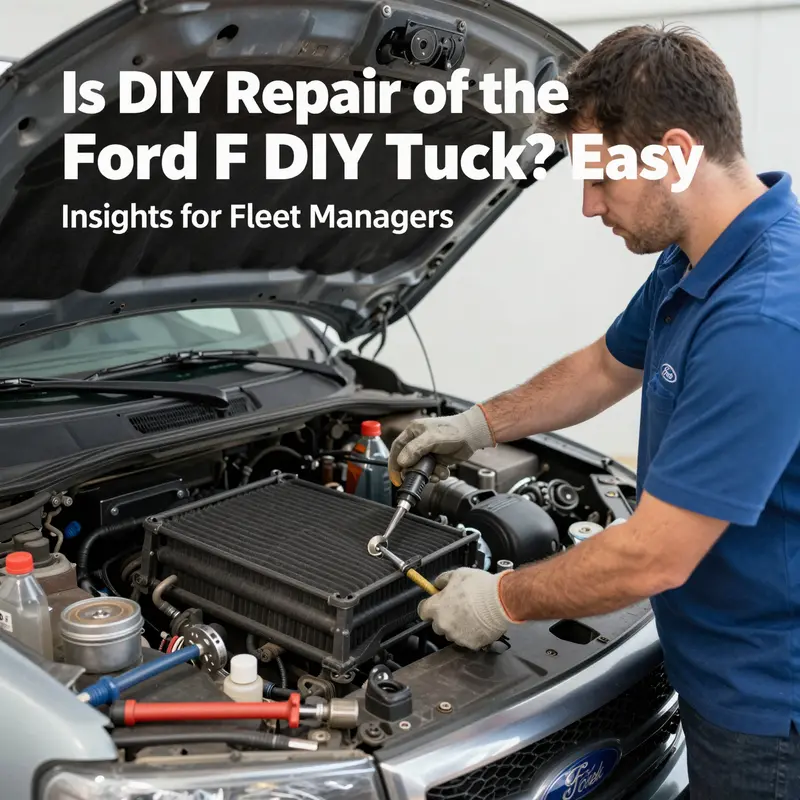
When people ask whether a Ford F-150 is easy to repair themselves, the honest answer sits on a spectrum. The specific issue matters far more than the make and model, and your own mechanical comfort, toolbox, and access to reliable references determine how far you can go. The F-150’s appeal as a capable workhorse rests not just in its performance but in how approachable its routine care can be for a handy owner. For many common maintenance tasks, the path is straightforward and rewarding. It starts with a mindset: treat simple upkeep as a sequence of small, repeatable steps that protect reliability, extend service intervals, and reduce the odds of roadside surprises. When that mindset is in place, the Ford F-150 becomes less a locked garage mystery and more a set of practical, repeatable rituals that you can perform with a basic toolkit, a bit of time, and access to solid guidance.
The most fundamental maintenance act is also the one most people encounter first: an oil and filter change. Oil is the lifeblood of an engine, and using the correct viscosity and specification is essential for optimum lubrication, cooling, and sealing. For most late-model F-150s, the recommended baseline is a synthetic oil around 5W-20, though owners manuals vary by engine and year. The oil change is not just about draining old oil; it’s about refreshing the filter, ensuring the new oil can do its job cleanly from the moment you start the engine. A proper oil change requires a jack, jack stands or ramps, a catch pan, a wrench or socket that fits the drain plug, and a filter wrench for the canister or cartridge filter. The sequence is simple: warm the engine to loosen contaminants, lift the vehicle safely, remove the drain plug to let the old oil drain, replace and seal the filter, reinstall the drain plug, then fill with the correct amount of new oil. For trucks that work hard—towing trailers or venturing off-road—the interval can tighten to every 5,000 km (about 3,100 miles) or six months, whichever comes first. This discipline pays off in smoother starts, consistent oil pressure, and better long-term engine health.
If the heart of the engine deserves attention, the lungs—the air intake—also benefit from a regular check. The air filter’s job is to keep dust and debris out of the combustion chamber. A clean air filter maintains optimal engine performance, reduces fuel consumption, and lowers emissions. The replacement interval in the maintenance guidance is typically 30,000 to 50,000 km, but in dusty conditions, it makes sense to inspect it more frequently. Replacing the filter is a quick affair: pop off the housing, remove the dirty element, inspect the housing for any debris, insert a fresh filter, and reseal. The spare time you invest here is marginal compared with the gains in breathing easier for the engine, especially when you take the F-150 into environments where dust and grit are common companions.
Tires, the only contact patch between the truck and the ground, deserve careful attention for safety and efficiency. Routine tire inspection and rotation every 8,000–10,000 km helps promote even wear and prolong tire life. Pressure checks should become a habit; don’t forget the spare. Proper inflation improves handling, fuel economy, and braking performance. A rotation pattern ensures even tread wear across all four tires, which is especially important on a pickup that might alternate between highway cruising and heavier payloads. If you tow, run‑flat miles or heavy loads can subtly tilt wear, making rotation even more valuable. In addition to pressure and wear, also look for bulges, cuts, or embedded stones that could compromise tire integrity. If you notice a tire pulling to one side, abnormal vibration, or a drop in handling confidence, take the time to inspect the wheel alignment and balance or consult a professional if the issue persists.
Brakes are a recurring topic because they are critical for safety and may reveal wear before other systems do. A monthly or pre-trip brake check is prudent. Inspect the pads for wear—if they measure less than about 3 mm, it’s time to replace them. While this is a task many DIYers can handle, paying attention to the calipers, rotors’ condition, and any unusual noises is essential. Brake fluid is another fluid to monitor; levels and the fluid’s color can signal moisture accumulation or contamination. Many owners will flush and replace brake fluid on a 2-year cycle or when the fluid becomes noticeably dark and thick. For the DIYer, a careful check of the master cylinder, brake lines, and bleeder screws is a solid learning experience, but if you sense sponginess, or you’re dealing with a complex ABS issue, it’s wise to step back and seek professional guidance. The point is not to turn every job into a heroic feat, but to catch wear early and act within the scope of your skills.
Fluid levels form a routine web that keeps the truck’s systems in balance. Monthly level checks for engine oil, coolant, brake fluid, power steering fluid, and, where applicable, transmission fluid, help prevent stress on components. Top-ups are straightforward in most cases: use the recommended type and avoid mixing fluids unless you know the compatibility and the right procedure to perform a drain and fill. The key is consistency. The moment you notice a low level, track the cause—leaks, consumption, or a change in operating environment—and address it rather than letting the issue quietly escalate. If your truck has a dipstick for transmission fluid, you’re in a good position to gauge fluid health. If you’re using a sealed system, keep an eye on the service light and follow the manual’s guidance for service intervals. Small, timely top-ups, performed with care, reduce the risk of overheating, corrosion, and erratic operation across powertrain and chassis systems.
A compact but crucial maintenance habit is keeping the battery and its terminals clean. Battery corrosion can impair starting performance and even drain electronics when you’re miles from your last service bay. Cleaning corrosion—or at least inspecting for it—every six months is a simple preventive measure. A standard kitchen-baking-soda-and-water solution, applied with a small brush and followed by a thorough rinse and dry, can dissolve the crusted residue that forms at the terminals. After cleaning, applying a light coat of terminal protectant can help reduce future buildup. While you’re at it, inspect the battery’s mounting and strap tension; a loose hold can cause vibration damage in rough terrain or during aggressive driving. If you’re routinely starting in cold weather or visiting electrical-heavy duty environments, more frequent checks might be warranted.
Windshield wipers, while often overlooked, are a safety-critical replacement interval. Streaking, chattering, or delayed clearing signals the need for new blades. Replacing wiper blades takes only a few minutes and can dramatically improve visibility in rain or snow. If you drive in areas with heavy pollen, weepier weather, or high dust, consider inspecting blades more frequently and replacing them on the six-to-twelve-month window. The simple act of keeping glass area clear contributes to safer driving, complements the quality of maintenance, and avoids compounding wear from extended visibility limitations.
All of these tasks share a common thread: you don’t have to tackle everything at once, and you don’t have to be a seasoned mechanic to make a meaningful difference. The owner’s manual remains your most reliable guide for exact intervals and the permitted procedures. If you want more practical, hands-on approaches beyond the basics, reputable online repair guides and community resources can be invaluable for troubleshooting steps and wiring diagrams. The goal is steady progress and a growing sense of competence rather than rushing into complex repairs without the right tools or knowledge. As you build your skill set, you’ll discover which tasks you can responsibly manage and which scenarios call for professional support.
A practical way to prepare for this journey is to consider budgeting for routine truck maintenance. Planning ahead helps you avoid sticker shock when a service interval arrives and keeps your F-150 performing reliably. A thoughtful maintenance budget can account for consumables like oil and filters, filters for the air intake, brake wear components, fluids, and the occasional replacement parts that regularly wear out with use. It also creates room for tools you may want to acquire—hand tools, a torque wrench, a flat work surface, and a safe elevated workspace—so you’re not hunting for gear when an oil change or brake inspection comes up. This approach isn’t about turning every repair into a professional task; it’s about creating predictable routines that minimize risk and maximize value. For a structured plan that helps owners map out these expenses and schedule tasks around driving needs, see Budgeting for Routine Truck Maintenance.
No chapter on DIY upkeep would be complete without acknowledging the limits. Some maintenance tasks stretch beyond basic, everyday fixes. Electrical issues that involve diagnosing why a radiator fan stays on, or problems with trailer wiring, or any body damage requiring alignment or frame work, are more complex. These areas typically require diagnostic tools, a deeper grasp of vehicle wiring, and specialized equipment. When these situations arise, it is prudent to consult the official service manuals and seek professional input. In the meantime, focusing on the foundational tasks described here can yield meaningful improvements in reliability, performance, and peace of mind. The enjoyment of working on a truck comes from the confidence that grows with each completed job, not from the rush to fix the most daunting problem first.
As you move through this chapter, you’ll notice a cadence that mirrors the everyday rhythm of owning a Ford F-150. The oil changes, air filter checks, tire rotations, brake inspections, fluid top-ups, battery care, and blade replacements all contribute to a dependable ride. They also become a practical education in how systems interact—how an engine breathes through clean air, how tires influence power transfer and safety, how brakes convert kinetic energy into safe stops, and how fluids protect and lubricate critical components. This cadence aligns with a broader ethic of stewardship: a truck, treated with regular attention, tends to reward that care with fewer breakdowns, more predictable performance, and a longer service life. And when you do need more than the basics, you’ll be better positioned to communicate clearly with a technician, armed with the right questions, the right history, and a clear sense of what has been done and what remains.
The journey through DIY maintenance is not merely about saving money. It’s about cultivating a hands-on relationship with your truck, building the confidence to tackle routine tasks, and developing a mindset of preventative care rather than reactive fixes. The F-150 rewards that discipline with steadier mileage, smoother operation, and a readiness to tackle new adventures—whether you’re hauling, off-roading, or simply navigating daily commutes. The steps outlined here are not magical shortcuts; they’re practical responsibilities that, when performed with care and respect for vehicle systems, empower owners to protect their investment and enjoy the ownership experience more fully. With time, your expanded tool kit, and the growing library of reference material at your disposal, you’ll find that the line between owner and mechanic can blur in a satisfying, productive way.
For readers who want a concise reference point that ties these tasks to practical budgeting and planning, the concept of routine maintenance planning becomes a cornerstone. By aligning your calendar with service intervals and setting aside a predictable budget, you can reduce the friction of upkeep and keep the F-150 ready for work and play alike. The blend of reliability, safety, and cost awareness forms the core of a DIY approach that respects the truck’s engineering while honoring your own limits. When you approach maintenance with curiosity, patience, and a clear plan, the Ford F-150 becomes not only a vehicle you drive but a project you understand. And that understanding—the ability to read what your truck is telling you and respond calmly with appropriate actions—translates into real-world benefits: reduced downtime, fewer emergency repairs, and more consistent performance that you can count on when it matters most.
External resource for broader context on vehicle maintenance: https://en.wikipedia.org/wiki/Vehicle_maintenance
Beyond the Bolt and Wire: Navigating Realistic DIY Repairs on Ford F-150s
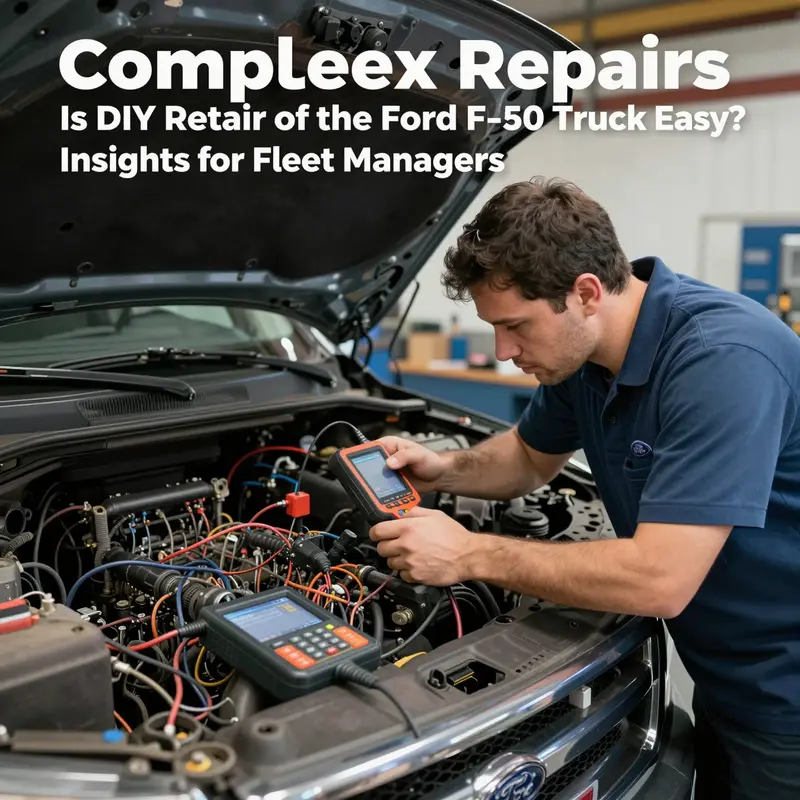
On the edge of a Ford F-150’s engine bay, the DIY repair landscape reveals a blend of traditional bolt-and-socket work and modern electronic control. What looks like a simple fix can ripple across the vehicle’s systems, triggering warnings or requiring software resets and precise reinitialization of sensors and actuators.
Routine maintenance remains within reach for many owners: oil changes, filter replacements, coolant checks, brake pad inspection, and fluid refreshes, performed with proper torque specs and safety practices. These tasks reinforce a sense of self-reliance and cost savings and usually stay clear of the vehicle’s more sensitive electronics.
For the 2015–2020 era, Ford’s trucks gained features like adaptive cruise control and lane-keeping assist that couple with central control modules. Repair work in this window often demands access to OEM software, service modes, and recalibration routines that are not documented for casual home use.
Technical guides advise caution: when a job touches the heart of the electronic architecture, professional tools and calibrated procedures become prudent. The risk isn’t just downtime; it’s potentially compromising safety if a sensor, ECU, or digital control loop is misaligned.
DIY strategy should be staged: start with mechanical, non-networked tasks, verify operation, then decide whether you have the right software access and support to proceed. If recalibration or learned-value resets are required, seek professional help to ensure reliability and safety.
Safety, warranty, and legality also shape decisions. The owner’s manual, service bulletins, and qualified technicians form a knowledge base that helps map where DIY ends and OEM workflow begins. Some tasks simply aren’t practical without the right tools, credentials, or environment.
Those who want to deepen understanding can consult broad repair communities and official maintenance guidance to stay current. A balanced approach—celebrating achievable maintenance while deferring risky, software-driven repairs to experts—keeps the F-150 dependable over time. For further reading, see industry resources and trusted blogs such as MasterTruckRepairLLC.
Knowledge, Tools, and Support: A Practical Roadmap for DIY Repairs on Ford F-150 Trucks

Deliberating whether a Ford F-150 repair is easy to tackle on your own starts with a clear view of the task at hand. The truth is nuanced: some fixes reward a careful, patient DIYer with a tidy job and a noticeable save to the wallet, while others demand more specialized knowledge, diagnostic tools, and professional calibration. The pump that keeps the radiator from overheating or the control circuits that regulate the alternator aren’t the same kind of problem as changing a burnt-out light bulb or replacing a worn-out air filter. Understanding where your project sits on that spectrum is the first practical step toward any successful home repair. For routine maintenance and straightforward replacements, the path is well-lit. An oil change, air and cabin filter swaps, topping up coolant, or checking and replacing brake pads are tasks most DIYers can complete with basic hand tools and a calm, methodical approach. The key is not to rush and to respect the vehicle’s layout. Planning matters as much as the torque specs and the order of operations. For someone who has performed similar tasks on other trucks, the learning curve is often shorter, but every model has its quirks. A clean, well-lit workspace, a solid set of common tools, and a comprehensive manual or guided reference are the simple accelerators that make a big difference.
Beyond the basics lies a slower, steeper climb. When the issue involves diagnosing electrical gremlins—things that stump the senses and leave you chasing one symptom after another—the journey gets tougher. Consider the radiator fan that refuses to shut off or an intermittent engine misfire tied to the wiring harness. These problems require more than just patience; they require a diagnostic mindset and the right equipment. A reliable scan tool or professional-grade diagnostic device, plus an ability to interpret live data, can turn a guessing game into a targeted repair. The same goes for trailer wiring problems, which expose a complex matrix of grounds, modules, and harness routes that can frustrate even seasoned DIYers if tackled without a plan.
Body work and cosmetic repairs introduce a separate set of challenges. The straightness of panels, the integrity of mounting points, and the alignment of doors or hoods can hinge on the precision of measurements and sometimes even jigs or frame-straightening tools. In these instances, the job moves from a straightforward bolt-and-bracket exercise into something that demands more specialized knowledge or access to the right equipment. And then there are major component replacements—engine work, substantial transmission service, or full drivetrain repairs. These are rarely good candidates for a first-timer, not because they’re impossible but because a misstep can lead to misdiagnosis, compromised safety, or cascading failures that are far more expensive to fix than the original problem. The good news is that you can still learn a great deal from disciplined, well-chosen projects, and you can progressively expand your toolkit and your confidence in a staged, safe manner.
If you’re weighing the feasibility of DIY on a given F-150 problem, a practical approach is to build a knowledge-base before touching a wrench. Read service manuals and repair guides, map out the steps, and identify the exact tools you’ll need. The Ford F-Series community—along with broad repair platforms and forums—can be a wellspring of practical, field-tested tips. In many cases, the most valuable guidance comes from people who have faced the same issue and documented their process, including the hiccups and the refinements that follow. When you’re unsure, it’s wise to pause and seek more information rather than pressing forward with a guess. The goal is not merely to complete a repair, but to do it safely, correctly, and with an understanding of how the fix fits into the truck’s overall systems.
A dependable route to knowledge is to consult platforms that publish step-by-step instructions, diagrams, and troubleshooting strategies. These resources curate a breadth of real-world experience, from simple maintenance tasks to more involved repairs, and they often reveal model-year nuances that aren’t obvious from generic manuals alone. For many owners, such guides supplement the official service documentation and provide a practical narrative of what to expect during disassembly, inspection, and reassembly. The value of a well-structured guide becomes especially clear when you’re dealing with a vehicle that spans multiple years, where certain components are redesigned or routed differently across model-years. Keeping a running note of which guide corresponds to your exact truck’s spec is a smart habit that saves time and reduces the risk of incorrect reassembly or overlooked steps.
When a reader asks, “Is it easy to do this myself on a Ford F-150?” the honest reply is that ease is a spectrum. For tasks tied to routine maintenance, the spectrum tilts toward yes, with the caveat that you should never shortcut safety or documentation. It’s important to respect the torque values, sequence, and proper reassembly orientation, and to verify all work after completion by performing a functional check. For tasks that involve electrical systems, the cooling system, or heavy drivetrain components, the line usually shifts toward “possible with conditions.” In these cases, a methodical plan, robust diagnostic capability, and a willingness to pause and seek expert advice when the data doesn’t align with expectations become essential.
Guidance infrastructure matters as much as the mechanical work itself. Service manuals provide the reference backbone for any repair attempt. They lay out the correct procedures, the safety precautions, and the necessary tools with consistent precision. But manuals alone aren’t always sufficient for a novice. The practical, day-to-day knowledge comes from publicly accessible tutorials and community discussions, which fill in the gaps—how to access a stubborn connector, how to safely support a raised wheel assembly for a brake job, or how to route a new wiring harness without creating interference with other systems. In this context, a robust approach is to couple the manuals with reputable, experience-based resources that emphasize real-world conditions, wear patterns, and troubleshooting steps that come from hands-on work. An updated, structured resource hub can be a reliable companion as you accumulate experience, helping you interpret symptoms, confirm suspected faults, and avoid common pitfalls.
Within this ecosystem of knowledge, it’s helpful to anchor your learning about the Ford F-150 in a practical way. Identify a handful of maintenance tasks that you can confidently complete, then add one or two more challenging projects as your competence grows. This incremental strategy converts a potential barrier into a series of achievable wins, each reinforcing your confidence and your problem-solving toolkit. It also creates a personal archive of the fixes you’ve performed, the tools you used, the steps you followed, and the lessons learned from each repair. That archive—part checklist, part diary—becomes a practical reference for future maintenance, helping you decide when to attempt a repair again, when to seek assistance, and how to price the time and effort your projects demand.
To connect with the broader knowledge base without leaving the house, many DIY enthusiasts turn to repair guides that emphasize clarity, safety, and reproducibility. A highly valuable resource for such owners offers comprehensive, step-by-step instructions, aided by diagrams and troubleshooting tips that span maintenance to complex mechanical problems. This platform supports owners in understanding their vehicles more deeply, enabling them to complete repairs themselves with greater confidence and accuracy. In practice, this means you can locate reliable, user-tested information that guides you through the pertinent steps, gives you checks to perform, and helps you verify each phase of the repair before you move on. Such resources can illuminate year-specific quirks, common failure points, and the typical sequence of actions that minimizes the need for rework. The practical outcome is a smoother learning curve, safer experimentation, and a better sense of when a repair is appropriate to tackle in a home garage versus when it should be handled by a professional.
As you integrate these resources into your repair planning, remember that not every online clip or tip reflects the complexity of real-world conditions. Short videos or quick tricks may highlight a niche fix or a clever workaround, but they seldom capture the breadth of steps needed for a robust repair, the necessary safety precautions, or the risk of downstream issues if a step is missed. The best approach is to treat those snippets as seeds of curiosity rather than blueprints for action. Use them to inform your questions, then consult the more comprehensive guides and service manuals to validate each step before you proceed. If you decide to explore, do so with a critical eye and a mindset of careful verification, not haste. The cumulative effect of disciplined learning and steady practice is a practical, scalable pathway to DIY repairs that can extend the life of your F-150 and sharpen your mechanical aptitude.
For readers seeking a direct entry point into this knowledge network, a durable, community-backed resource hub can serve as a reliable starting point. It curates practical tips, how-to’s, and troubleshooting strategies in a way that respects the truck’s design and the owner’s learning curve. By grounding your approach in such a resource, you’re not just chasing a single repair; you’re building a framework for ongoing maintenance and smarter problem-solving. This way, when you encounter a make-or-break decision—whether to tackle a brake job, diagnose a sensor fault, or reseal a cooling hose—you’ll have a grounded sense of what’s feasible, what tools you’ll need, and what to expect from the process. The overarching aim is not to transform every owner into a mechanic, but to empower informed, careful, and responsible DIY work that aligns with your skill level, your safety priorities, and your budget.
Intentionally, the discussion circles back to the core idea: resources matter, and the right combination of manuals, step-by-step guides, community wisdom, and disciplined practice makes DIY repairs on the Ford F-150 a realistic, incremental journey for many owners. You don’t need perfect knowledge to start; you need a plan, appropriate tools, and reliable guidance that speaks to your specific model year and the symptoms you observe. With those elements in place, you’ll be better prepared to decide whether a task is a suitable DIY project or a signal to call in professional help. And when you do roll up your sleeves, you’ll do so with confidence, structure, and an understanding of how each repair fits into the broader, ongoing care of your truck.
For more practical insights from a maintenance-focused resource, explore the Master Truck Repair blog for pragmatic tips and experience-based guidance. Master Truck Repair blog.
External resource: https://www.ifixit.com/Device/Ford_F-Series
Know Your Limits: Evaluating Skills, Tools, and Realistic Paths to Easy DIY Repairs on the Ford F-150
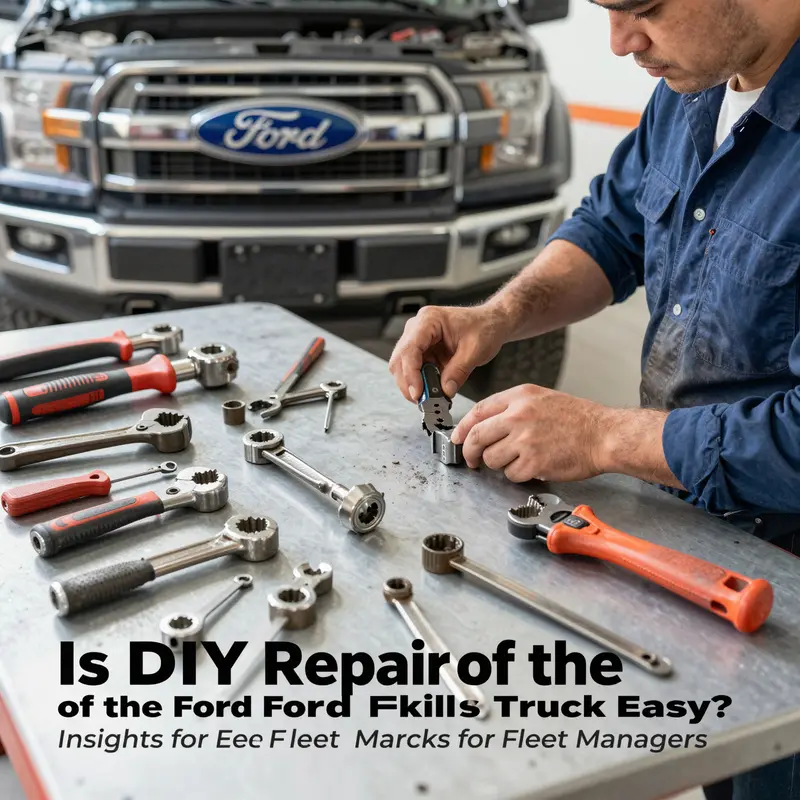
The Ford F-150 has earned a reputation as a rugged, reliable workhorse, and for good reason. It’s a truck you can grow with, and many owners like the idea of handling maintenance and repairs themselves. Yet the question remains persistent: is it easy to fix things yourself on a Ford F-150, or do you need a shop and a professional for most tasks? The answer isn’t a single yes or no. It hinges on the type of repair, your practical skills, and the tools you bring to the job. A careful, honest assessment at the outset makes all the difference between a satisfying DIY win and a frustrating misfire that ends up costing more than it saves. For most people, the path starts with simple, routine maintenance and deliberate learning, then expands only when the wheels turn toward tasks that truly require more specialized knowledge or equipment.
There’s a practical logic to this approach. Basic maintenance tasks—oil changes, air-filter replacements, tire rotations, fluid level checks, and similar duties—are approachable for many DIY enthusiasts. These jobs typically demand a modest toolkit: a basic socket set, wrenches, screwdrivers, a drain pan, and a few consumables. The oil change, for instance, is often the first project people tackle. It teaches how to prepare, how to safely drain used oil, and how to replace the filter without making a mess. Tire rotations require a jack, jack stands, and a lug wrench, and they reinforce the principle of working safely and methodically rather than rushing through a task. Replacing an air filter is a quick win that proves you can identify the right part, locate it in the engine bay, and reinstall it with minimal fuss. These are the kinds of experiences that build confidence and establish a foundation of practical know‑how.
As you gain more comfort, you begin to see which tasks stay in the realm of the simple and which ones drift into more intricate territory. The latter category includes electrical issues, noisy or inconsistent cooling and HVAC concerns, and body or structural repairs. On a 2009–2014 F-150, the repair landscape is well documented by guides that help you translate a repair into a plan you can actually execute. The availability of step‑by‑step instructions and wiring diagrams through reputable online resources makes it possible to follow a methodical approach. However, there is a clear dividing line: the easier projects stay within reach with time, patience, and basic tools; the more challenging jobs demand diagnostic know‑how, specialized equipment, and sometimes professional expertise.
Electrical gremlins illustrate this divide. Something as seemingly straightforward as diagnosing why the radiator fan stays on, or why certain circuits act up, quickly reveals the limits of a casual DIY project. Electrical systems in modern trucks are complex, with shared grounds, multiplexed controls, and a tangle of connectors that can mislead even careful hobbyists. Without a diagnostic scanner, proper wiring diagrams, and a systematic method for tracing faults, you risk misdiagnosis, wasted time, and the possibility of unintended new faults. Even when a problem appears simple on the surface, the underlying cause may require reading service bulletins, cross‑checking wiring paths, and understanding how modules interact with the body control module and engine management system. In these moments, the value of stepping back and acknowledging the boundary between DIY feasibility and professional evaluation becomes clear.
The body and cab areas present another natural border. Repairing or replacing cab sides on certain F-150 generations, such as the mid‑2000s models, involves precise welding, corrosion control, and careful material identification. The materials can range from traditional steel to high‑strength steels or aluminum in later models, and each requires specific techniques and safety considerations. Welding, in particular, is not an activity to undertake lightly. It demands not only appropriate equipment—such as a MIG welder, protective gear, and proper shielding—but also a solid grasp of metal fabrication, seam preparation, and post‑weld refinishing to restore integrity and corrosion resistance. Missteps in welding can compromise structural safety and long‑term durability, turning a repair into a future liability. In short, major structural work is where the line between DIY progress and professional work becomes especially sharp.
That’s not to say DIY always ends in a dead end. The same reality that marks the boundary also offers a practical path forward. With the right resources, a sober appraisal of your own skill level, and a disciplined approach to risk, many owners can undertake a surprising number of repairs and maintenance tasks with confidence. The central ingredient is accurate information. Manufacturer‑level guidance, when accessible, provides the safety procedures, material identifications, and approved methods needed to keep repairs within safe, correct tolerances. This is where reliable repair manuals and diagrams become invaluable. For instance, manufacturer‑level resources outline the safety protocols you must follow, help you identify the correct materials for replacement, and specify approved welding techniques and refinishing practices. The goal is not to rush into a repair but to move from a general idea of “I can do this” to a concrete plan that respects the vehicle’s construction and safety requirements.
With that mindset, a practical sequence emerges. Start by cataloging the issues you want to address and separating them into two lists: tasks that lie within the realm of routine maintenance and tasks that sit on the edge of more complex work. For the routine items, gather a modest toolkit and set aside a dedicated workspace. Create a checklist that includes steps such as securing the vehicle, draining fluids when necessary, and replacing the part with an emphasis on cleanliness and correct torque specifications. These are the wins that build confidence and reinforce good habits, such as documenting the work with notes or photos for future reference. For the more complex items, be candid about what you don’t know and what you don’t have in tools yet. If the repair involves structural members, heavy electrical diagnostics, or any task that could affect safety, plan to consult professional guidance or arrange for hands‑on help from an experienced mechanic. This isn’t a sign of defeat; it’s a responsible approach that preserves the F‑150’s safety and value while you learn.
One central takeaway from practical experience and well‑informed guidance is the importance of aligning your approach with high‑quality information. All the way from basic maintenance to more demanding work, having access to organization‑level repair information helps you understand the correct steps, the exact fastener sizes, the required torque values, and the proper sequence of operations. It also helps you avoid common pitfalls, such as working with incorrect parts, overlooking safety steps, or misreading a wiring diagram. The process becomes less about improvisation and more about adherence to a proven method. For the curious DIYer who wants a structured path, resources that present clean, model‑specific information create a reliable scaffold for learning and doing.
A practical, incremental plan can also include budgeting considerations. Even when you have the basic tools, the cumulative cost of parts, fluids, and potential missteps can add up. There is a meaningful distinction between spending on a project you can complete in a few hours and investing in investments that require professional facilities or long‑term equipment investments. The idea of budgeting for maintenance and repairs isn’t just about money; it’s about time and risk management as well. You’ll often find greater long‑term value in recognizing when a job requires more than your current capabilities and choosing to proceed with professional assistance or to collaborate with a local shop rather than forcing a result that could compromise safety or performance. If you’re mapping out a plan, consider pairing a hands‑on, low‑risk maintenance run with an ongoing study of the more intricate repairs you might want to tackle later. A progressive approach keeps you engaged with the vehicle, builds competence, and reduces the odds of costly mistakes.
To support decision‑making, practitioners and hobbyists often turn to community knowledge and reputable manuals. Discussions in forums and repair communities can crystallize the practical realities of what works and what doesn’t for the F‑150 in your specific year and configuration. While online videos can offer helpful demonstrations, they can also oversimplify or gloss over essential safety considerations. A balanced approach blends hands‑on practice with informed guidance, emphasizing safe work practices, proper tool use, and the critical habit of pausing when a problem reveals itself as more complex than expected. It’s not about discouraging ambition; it’s about guiding ambition toward outcomes that protect you, your truck, and others on the road.
As you progress, you may realize a deeper pattern: the line between “easy” and “hard” is often one of readiness and preparation more than a fixed mechanical limit. You become better at recognizing when a task is within reach and when it isn’t, and you grow more adept at assembling the right information and tools to tackle the job safely. The shift from novice to competent DIYer is gradual, anchored by small, repeatable successes and the honest recognition that certain tasks deserve professional handling. In the end, the question isn’t merely whether a repair is easy; it’s whether you’re prepared to do it safely, to learn from the process, and to know when to call in expert help for the sake of the truck and everyone who relies on it.
To reinforce a measured, steady approach, consider how you plan your maintenance calendar and repair projects. A clear, organized plan reduces friction and helps you prioritize tasks by risk, cost, and time. It also creates momentum: you finish one routine job, gain confidence, and feel compelled to tackle the next. The most sustainable path for many Ford F‑150 owners is a cycle of maintenance, small repairs, and occasional professional support for the complex issues that lie beyond the reach of standard tools and knowledge. This balanced approach preserves the truck’s performance and longevity while keeping the DIY journey rewarding rather than discouraging. For readers looking to integrate budgeting into this plan, a practical reference point is the idea of budgeting for routine truck maintenance, which provides a framework for balancing costs with learning opportunities and safety considerations. Budgeting for Routine Truck Maintenance.
In summary, the ease of doing your own repairs on a Ford F‑150 is not a single measure but a spectrum. It depends on the task, your skill level, and the tools at hand, as well as the quality of information you can access. Keep the simpler tasks in your repertoire, invest in learning and safety, and be honest about when to step back and ask for professional help. By approaching each job with a clear plan, a respect for the truck’s design, and a commitment to safety, you can extract real value from DIY work without courting unnecessary risk. The road to confident, capable F‑150 maintenance lies in prudent assessment, steady practice, and a willingness to seek expert guidance when the situation demands it. External guidance, when needed, can be accessed through formal repair resources that distill manufacturer recommendations into actionable steps, ensuring that every repair you attempt keeps you, your truck, and your family safe on the road.
External resource: https://www.alldata.com
Final thoughts
The ease of conducting DIY repairs on Ford F-150 trucks encompasses a range of factors, including the nature of the repair, the technical knowledge required, and the tools at hand. Basic maintenance tasks can be effectively managed by technicians with the right skills and tools, thereby enhancing productivity and reducing downtime in logistics or fleet operations. However, more complex repairs necessitate significant expertise and the appropriate diagnostic equipment, thereby requiring a more cautious approach. Fleet managers must evaluate their team’s capabilities and available resources to decide when to pursue DIY repairs and when to consult professional mechanics. By understanding these dynamics, operations can maintain the reliability and performance of their Ford F-150 trucks, ultimately contributing to smoother operational workflows.