For fleet managers, trucking company owners, and operators of construction and mining enterprises, the durability and longevity of trucks are paramount. One critical aspect of maintaining these vehicles is replacing damaged body panels, especially for popular models like the Chevy Silverado. Understanding the options for repair panels, from OEM to aftermarket solutions, is vital for ensuring that trucks remain operational and cost-effective. This article delves into the different sources of repair panels—beginning with OEM options from authorized dealerships, exploring reputable aftermarket suppliers, highlighting global players, and concluding with essential tips for ensuring compatibility with specific Chevy truck models. Each chapter is designed to provide insights and actionable information, empowering stakeholders to make informed decisions for their vehicles.
OEM Pathways for Chevy Truck Repair Panels: Finding Genuine Fits for a Restored Silverado
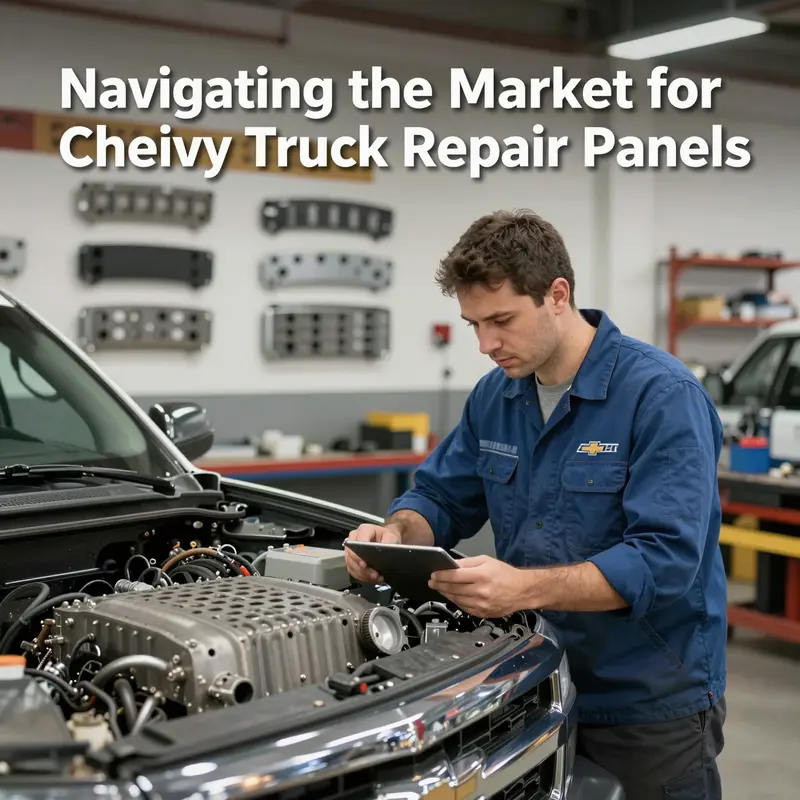
Every restoration begins with a decision about the source of repair panels. When the goal is to preserve the original look, feel, and durability of a Chevy truck, OEM panels offer a path that prioritizes factory fit and finish. The term OEM, in this context, refers to parts produced by the same manufacturers that supply components to the vehicle’s maker. That lineage matters because it translates to precise panel geometry, consistent gauge, identical edge radii, and a surface that accepts paint and finishes in the same way the factory panels do. For a Chevrolet truck—whether it’s a Silverado 1500 or a heavier duty 2500/3500 series—this alignment with factory specifications isn’t merely a matter of pride. It’s a practical advantage that can reduce installation drama, minimize repaint scope, and protect the integrity of core structural lines that affect alignment and crash performance. In this sense, OEM panels are more than replacements; they are building blocks that restore confidence in the vehicle’s original character and performance.
Sourcing OEM-level repair panels begins with understanding where genuine parts are kept and how they are accessed. The channel that most consistently reflects factory specifications is the official network created by the vehicle’s maker—an ecosystem that includes authorized dealerships and certified parts suppliers. These channels maintain a direct line to the manufacturer’s parts library, ensuring that the panels cataloged for a given model year, trim, and body style actually belong to the same family. A central advantage of using these channels is that they enable precise cross-referencing. A truck owner can enter the exact year, model, and body configuration into a parts portal and retrieve panels such as fenders, doors, hoods, quarter panels, and tailgates that align with the truck’s original geometry. The search often expands beyond simple year-model matching to include the exact VIN or other identity markers when available. VIN-based lookups are particularly valuable because they cross-check not only body style and trim but also any factory-mounted features that could affect panel dimensions or attachment points.
The practical steps to accessing OEM panels are straightforward but demand careful attention. First, confirm the exact model and body style of the vehicle. For a Silverado, for example, the body lines and mounting points on a crew cab may differ from a double cab, and a long box differs from a standard bed configuration. The next step is to consult the official parts catalog or a certified dealer portal. These sources provide part numbers, diagrams, and, crucially, installation guidance that aligns with factory procedures. When you locate the right panel, you’ll see details that cover more than mere fit. You’ll encounter notes about step-by-step installation, recommended hardware, and the sequence for replacing adjacent panels if the damage spans multiple surfaces. The packaged information often includes warranty terms that reflect the OEM origin and the anticipated performance of the component in service.
Beyond the direct dealer ecosystem, there are reputable suppliers who specialize in OEM-grade panels or in parts engineered to exact GM specifications. These suppliers operate within the broader GM parts network, upholding standards that preserve fit and finish while sometimes offering additional conveniences, such as pre-primed surfaces or ready-to-paint finishes. The caveat is that not every source in this tier is equally reliable. The most dependable options come from businesses with established relationships to the manufacturer’s parts distribution system, a clear alignment with GM part numbers, and documentation that confirms the part’s origin. When evaluating these suppliers, the central questions are simple: Does the panel carry a genuine GM part number or a verified equivalent? Does the description specify that the panel matches factory geometry for the exact year and body style? And does the provider offer technical support or installation guidance that mirrors what the factory would advise?
Another practical consideration is the installation ecosystem. OEM panels shine when they are installed with proper reference points, clamps, and alignment checks. The process may involve welding or riveting, along with seam sealing and corrosion protection. Because OEM panels conform to the same tolerances as the original, they minimize the risk of misalignment that can occur when substitutes diverge from the factory blueprint. This is especially important on a full-panel replacement, where even a fractional deviation in edge alignment can cascade into gaps that affect doors, fenders, or hood lines. For owners who plan a body repair that preserves the original lines and paint, OEM panels reduce the likelihood of post-repair surprises, such as mismatched gaps or mismatched curves that stand out after the paint layer is applied.
A practical path to sourcing OEM panels involves connecting with a local Chevrolet dealership service center. Dealerships often have direct access to GM’s global parts network and can order genuine panels with professional guidance on fitment and installation. They may also offer authorized installation services or referrals to trusted body shops that have experience with GM-aligned repair procedures. The dealership route is particularly valuable for complex restorations or repairs where the vehicle’s structural elements intersect with the cosmetic panels. The dealership can provide part numbers, confirm vehicle compatibility, and offer warranty coverage that travels with the panel itself, so long as the repair adheres to prescribed procedures and the component is installed by qualified technicians.
For the more hands-on or budget-conscious owner, the OEM-path option remains attractive when you can access a certified parts supplier that adheres to GM standards. Juggling between a dealership and a trusted supplier often boils down to availability, volume, and timing. OEM panels are frequently in high demand, and the time between order and delivery can be longer than for aftermarket alternatives. Yet the trade-off is clear: you gain the confidence that the edges will align with the adjacent panels, the factory texture will respond correctly to primer and paint, and the repaired surface will maintain long-term durability under a wide range of conditions. The warranty framework attached to OEM panels—often a factory-backed guarantee—offers added protection that can be meaningful over the life of the vehicle.
In the broader landscape of repair panels, aftermarket options exist in parallel to OEM pathways. Aftermarket panels can be engineered to GM specifications and may provide cost or availability advantages, especially for older models or configurations where OEM supply has narrowed. They can also bring benefits such as reinforced materials for rugged use or nonstandard finishes that suit a restoration that intends to blend originality with a touch of modern resilience. The key is to recognize the distinction between panels designed to replicate factory geometry precisely and those designed to approximate the look and function of the original. For purists seeking a factory-perfect restoration, OEM remains the gold standard, while for projects that emphasize durability or budget, a well-vetted aftermarket panel may serve well provided it is chosen with careful cross-checking of fitment and compatibility.
The human aspect of this process should not be overlooked. The conversation often begins with a clear assessment of the damage and the scope of replacement. A body shop familiar with GM platforms can help determine whether a partial replacement or a full panel swap is necessary. In many cases, rust or impact damage that spans the rocker, quarter, or pillar areas requires not only panel replacement but also an assessment of the structural integrity behind the scene. OEM panels help maintain alignment references that exist in the vehicle’s engineered design, which is essential when you plan to re-create the factory silhouette or preserve critical frame alignment markers. Eventually, the decision to pursue OEM pathways becomes part of a broader restoration philosophy that balances cost, fidelity, and the expected lifespan of the repaired area.
From a maintenance and restoration perspective, it’s also important to exploit the nuanced differences between a factory finish and a repainted surface. OEM panels start with the same surface treatment and can accept the same primers and base coats that the rest of the body receives. This reduces the likelihood of color-matching errors and texture mismatches, particularly on metallic or pearl finishes that can reveal subtle variations in texture or depth. When planning the finish sequence, restorers often coordinate with the painter to ensure that the primer cures evenly and that the paint system used on the repaired panel harmonizes with the surrounding panels. The goal is a seamless appearance that remains robust against corrosion and impact over time.
To readers who want to ground their decision in a practical, stepwise approach, the path to OEM repair panels can begin with a visit to an official parts portal and end with a planned installation schedule that includes a trusted shop or a knowledgeable technician. The exactness of OEM panels—paired with precise part numbers and model-specific fitment—emerges as a recurring theme in successful restorations. It’s a reminder that, for an enthusiast who values the integrity of the truck’s original design, the choice of where the panels come from is as consequential as the choice of color or the quality of the repaint. Those who opt for this route often find that the restored body line up, the door gaps, and the hood-to-fender transitions return to the factory proportions that first defined the vehicle’s presence on the road.
For further reading that expands on related maintenance and restoration considerations, the Master Truck Repair blog offers broader context about sourcing and safeguarding essential parts. You can explore more at the blog hub: Master Truck Repair blog.
External resources can also provide guidance on the official channels and the guarantees that come with OEM panels. One reliable reference is the OEM parts network’s primary portal, which provides genuine replacement panels for a range of Chevrolet trucks. This resource helps confirm part numbers, compatibility, and warranty terms, and it emphasizes the importance of sourcing through trusted channels when aiming for factory-fit results. https://www.gmpartsdirect.com
Aftermarket Pathways: Tracing the Network of Repair Panels for Chevy Trucks
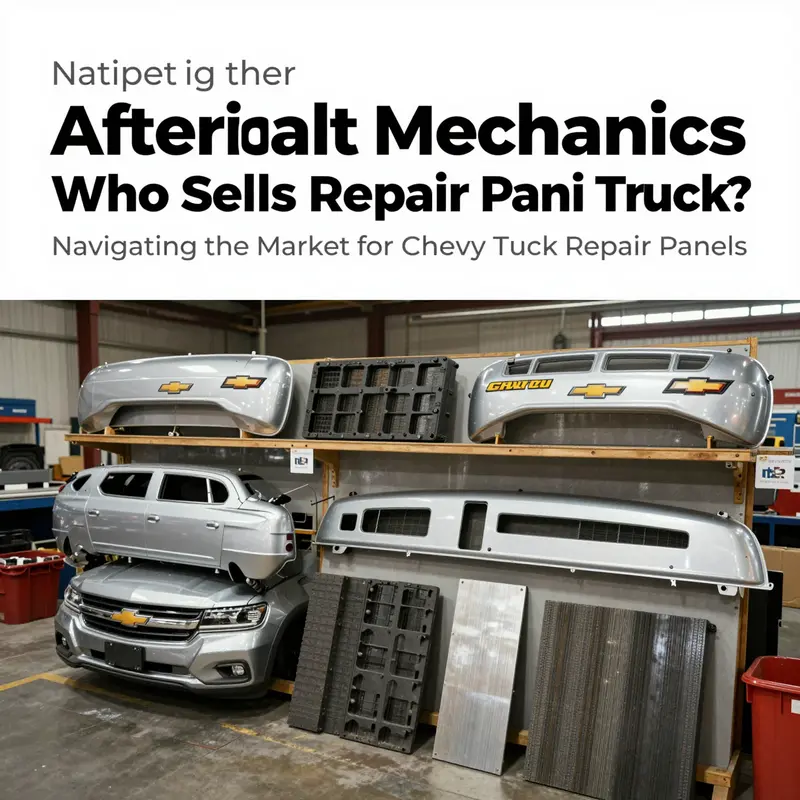
Repair panels for Chevy trucks live at the intersection of necessity and choice, where practicality cartwheels with possibility and where the vastness of the aftermarket scene can feel both reassuring and overwhelming. The chapter you’re reading sits inside a larger conversation about how a modern Chevy truck can be restored, maintained, and upgraded without surrendering to the roll of time and weather. When a body panel rusts, dents, or warps beyond cosmetic hope, the decision pool narrows to two broad streams: OEM-quality replacement parts sourced through official channels, and aftermarket panels that promise a balance of fit, durability, and cost. On the OEM track, the logic is simple and familiar to anyone who values a factory finish: buy from authorized Chevrolet dealerships or through official GM parts distributors to preserve exact fitment and paint-match accuracy. The appeal is not just fidelity to the original shape but the assurance that the panel will bolt up as if it left the assembly line yesterday. For someone undertaking a restoration that aims to recreate the truck’s original condition, this path offers a quiet confidence that the seams will align, the gaps will close evenly, and the surface will take paint with the same character as the surrounding metal. Yet, this path is not always the most economical or the most expedient, especially when time, budget, or access to a local dealer becomes a constraint. The aftermarket corridor—often described in terms of wider material choices, improved durability, or lower price brackets—steps in to fill those gaps with a different set of trade-offs and rewards. It is here that the conversation becomes genuinely interesting, because the aftermarket world does not offer a single blueprint. Instead, it presents a spectrum that stretches from resin-based fiberglass panels to reinforced steel constructions, each with its own pros and quirks, and each designed to address a distinct set of needs—from rugged rust repair on older bodies to cosmetic restoration on trucks that keep daily duties moving. In this landscape, the choice of material matters almost as much as the choice of seller. Fiberglass panels, for instance, can be a practical option when weight and ease of shaping are priorities, or when the goal is to negotiate a difficult curve before a paint job. They can simplify certain fabrication tasks for the hobbyist who lacks a full-scale workshop, enabling a more forgiving approach to alignment and installation. On the other hand, reinforced steel panels bring a sense of structural continuity and prime durability, attributes that can be particularly valuable for vehicles that spend their lives in harsh weather, on rough roads, or in duty cycles that test every seam. The differences extend into the field of fitment and finish as well. OEM-grade replacements are celebrated for their precise contours and factory-ready finishes, offering a near-seamless canvas for paint and clear coat. Aftermarket panels, in contrast, often require a thoughtful process of trimming, aligning, and occasionally additional reinforcement to ensure the panel sits correctly within the truck’s architecture. It is a reminder that the repair panel ecosystem is not a single, monolithic supply line but a mosaic of specialists. A notable aspect of this mosaic is the global reach that has become a defining feature of contemporary auto repair. Beyond the well-trodden paths of domestic suppliers, regional manufacturers in large manufacturing hubs—especially in parts of Asia—produce high-volume, cost-effective panels and caps intended for a broad market. These suppliers serve business-to-business buyers who are looking for scale, consistency, and the ability to meet demand across diverse models and model years. The advantage here is obvious: economies of scale that translate into lower unit costs and shorter lead times, a boon for repair shops and fleet operators who must keep vehicles on the road with predictable turnaround. Yet, there is a counterbalance. The sheer breadth of options can complicate the selection process. A panel that fits a newer truck in one region may not align with the geometry of an older model or a different trim level in another. For this reason, one guiding principle animates the entire market: always verify compatibility with your exact model year and trim. A careful buyer reads the listing not as a mere part number but as a precise descriptor of how the panel will sit relative to the door gaps, the hood line, and the rocker panels. Even when a panel claims universal compatibility, the reality on the ground is more nuanced. This is why many buyers turn to a hybrid approach—source OEM-quality replacements for critical architectural areas like the door skins and fenders when pristine fit and finish are non-negotiable, while considering aftermarket panels for sections where the tolerances can be managed with a little extra skill and patience. The practical advantage of aftermarket routes often shows up in the form of greater availability and more flexible pricing, a factor that matters to individuals undertaking personal restoration projects or small-scale shop work. A well-stocked aftermarket supplier can offer panels for a range of generations and body styles, including various Chevy pickup lines that share common panel lines and mounting points. The result is not a single product but a family of compatible options, where a buyer can choose based on intended use, whether it’s a showroom-grade restoration or a rugged, daily-driving build that must endure long-term durability in less forgiving environments. In practice, the installation workflow for aftermarket panels borrows from traditional sheet-metal surgery: surface preparation, rust treatment, precise measuring, trimming, and careful seam alignment. A key early decision is whether the project will emphasize cosmetic restoration or structural reinforcement. If the panel is primarily cosmetic—such as a replacement hood or a fender—the emphasis centers on achieving a plane and paint-ready surface that mirrors the factory lines. If the panel is being used in a rust repair or a more demanding repair job where the truck will see tough use, the job may involve additional reinforcement, corrosion protection, and potentially aftermarket backing channels that improve long-term rigidity. The painter’s job then becomes the grand finale of the process, and here the finish is not merely about color but about texture, gloss depth, and adhesion. In this arena, the paint-matching stage often intersects with specialized refinishing resources. A repair project that uses fiberglass or reinforced steel panels might call for a careful primer sequence, followed by a color-matching strategy to ensure uniform appearance across the repaired and original sections. A painter or body shop that understands the nuances of panel material, weathering, and substrate compatibility can deliver results that feel cohesive rather than patched together. For readers who are budgeting and planning, there is a practical path that blends the best of both worlds. By identifying what needs to be replaced with surgical precision and what can be tackled with aftermarket panels, a project can stay within a reasonable budget while still delivering a result that is both functional and visually satisfying. The decision process often benefits from a careful appraisal of long-term maintenance considerations, including the interplay between substrate protection, paint durability, and the anticipated life span of the repair. While OEM panels promise factory-level consistency in fit and finish, aftermarket options frequently offer a broader spectrum of durability options, especially when you consider how materials respond to exposure, temperature cycles, and road wear over a truck’s lifetime. And the story doesn’t end with the materials themselves. The distribution landscape—how you locate and acquire panels—plays a meaningful role in shaping both cost and turnaround. A well-connected parts network, whether online or in a physical storefront, can streamline the purchase, help confirm compatibility, and facilitate access to advice on fitment, finishing, and installation. In this sense, the automotive repair ecosystem functions much like a living, adaptive marketplace, where independence, expertise, and scale converge to meet the varied needs of Chevy truck owners. For readers who want to navigate this terrain with practical poise, a few guiding questions emerge. First, what is the primary goal of the repair? If the aim is to restore the truck’s original look and feel, OEM-grade panels with precisely matched finishes may be worth the extra cost and potential wait. If speed, budget, or the ability to tackle a project in a home shop is the priority, a well-chosen aftermarket panel can deliver robust results with a manageable learning curve. Second, what is the truck’s age and exposure history? A vehicle that has endured years of salty roads or high-humidity environments may demand not only a compatible panel but also a thoughtful approach to corrosion protection and seam sealing that protects other nearby components. Third, how will the finish be achieved? The choice of paint system, the availability of color-matching expertise, and the shop’s experience with the selected panel material will all influence the final appearance. Those who embrace a holistic approach often find the best outcomes come from working with professionals who understand the full arc—from selecting the right panel to applying the final coat and ensuring a durable, weather-resistant finish. Even as options proliferate, this internal coherence—knowing what you are replacing, why, and how the result will be completed—anchors a successful repair. It helps to consider the broader ecosystem, too. The aftermarket environment includes not just the panels themselves but a web of service and guidance that can support the project from planning through finish. Some suppliers focus on specialized panels for particular lines or body configurations, others emphasize durability and rugged use, and still others highlight compatibility with older frames and chassis. The result is a community of knowledge that, when effectively tapped, makes the repair process more predictable and less intimidating for hobbyists and professionals alike. For those who want to continue learning and to see how these choices translate into practical outcomes, a practical route is to consult comprehensive guides that address the realities of truck maintenance and repair in a hands-on way. The balance between affordability and quality is not a lecture but a lived workflow—one that is continuously refined as new panel options emerge and as paint technologies advance. The story of repair panels for Chevy trucks, then, is not simply a catalog of parts worth comparing; it is an evolving narrative about how owners, shops, and manufacturers collaborate to keep a durable, beloved line on the road. It is about recognizing when to lean into the precise fit of OEM replacements and when to embrace the flexibility of aftermarket panels, and about understanding that the right choice depends on model year compatibility, the intended use of the vehicle, and the painter’s ability to deliver a finish that feels seamless. For readers aiming to translate knowledge into action, the next step is to map out a repair plan that aligns with their goals, their budget, and their capabilities, while keeping an eye on the long arc of great results that come from thoughtful sourcing and careful execution. To deepen that planning, you can explore practical guidance on routine costs and maintenance budgeting that supports sound decision-making for every repair stage. Budgeting for Routine Truck Maintenance. And for a sense of the broader finishing landscape, color matching, and paint systems, resources from seasoned refinishing experts offer valuable context and technical depth that can demystify the final steps of panel replacement and aesthetic restoration. As you proceed, remember that the repair panel network is not just about the piece you install but about the entire journey—from initial inspection and selection to the final coat that makes the repaired area indistinguishable from the rest of the body. External resources can provide additional insights into best practices for paint matching and long-term durability; for instance, further information on finishing and compatibility can be found at the following resource: https://www.ppgrefinish.com. This chapter has traced the broad contours of who sells repair panels for Chevy trucks and why the choices matter. The real work is in evaluating each option against the truck’s condition, your goals for the project, and the practical realities of your workshop. In that evaluation, you will find that the aftermarket path offers a flexible and robust toolkit for repairing, restoring, or upgrading a Chevy truck, while the OEM path anchors projects in precision, consistency, and factory-level fidelity. The narrative of repair panels is ultimately a story about how a truck remains a living, usable machine—able to carry decades of memories, work, and adventure—because a network of suppliers, shops, and skilled technicians keeps the body panels aligned with the road ahead.
Regional Currents, Global Forge: How Regions Shape the Chevy Truck Repair Panel Marketplace
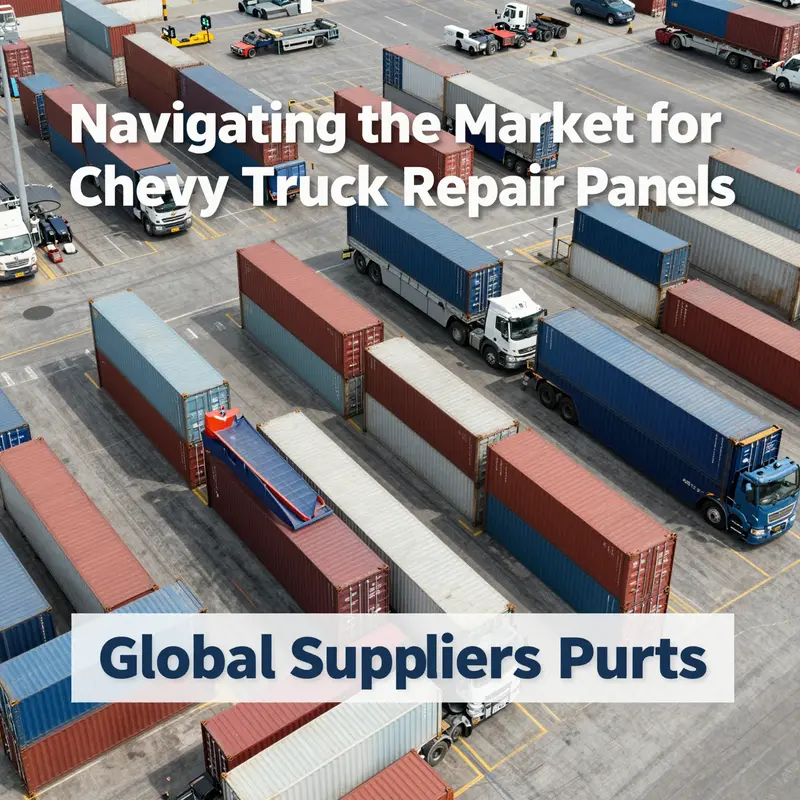
The market for repair panels for Chevy trucks sits at the intersection of regional demand, global manufacturing, and the evolving needs of today’s maintenance shops. It is not a single, uniform supply chain but a tapestry that reflects where trucks are used, how they are serviced, and who is willing to invest in replacement metal, fiberglass, or composite components. The Chevrolet ecosystem, broadly speaking, relies on two parallel paths for repair panels: originals that come from the factory line through authorized channels, and aftermarket options that many shops and owners turn to when speed, customization, or cost considerations come into play. This duality matters because the region in which a truck operates can tilt the balance between OEM precision and aftermarket resilience, between cost effectiveness and finish fidelity, and between fast availability and long-term durability. In the following reflections, the regional dynamics driving this marketplace are explored as a cohesive current rather than a patchwork of isolated markets. North America remains the anchor, while Latin America, Asia-Pacific, and Europe press in with their own patterns of demand, supply, and regulatory context. The result is a global mosaic in which a repair panel is not merely a sheet of metal or a rendered composite, but a product whose path to a repair bay is determined long before it leaves a warehouse and long after it arrives on a workbench.
In North America, the primary market for Chevy truck repair panels is anchored by a large and aging fleet of pickups, especially the Silverado lineage, that keeps repair work steady across decades. The region’s distribution networks thrive on scale and speed. Retailers and distributors maintain inventories that allow professional shops and do-it-yourself enthusiasts to source panels with relative ease. The logic is straightforward: local availability reduces downtime, and the market’s familiarity with body repair workflows means that precise fitment and factory-like finishes remain a priority for many buyers. This is not just about a panel’s dimensions; it is about what happens after the panel is unwrapped in a shop. The finish, paint compatibility, and the panel’s ability to withstand the same weather exposures as the surrounding sheet metal are critical to a repair that remains durable and visually seamless. In practice, customers in this region tend to weigh OEM-level fidelity against aftermarket options that promise tighter lead times or lower cost without sacrificing structural integrity.
Across the border, Latin America presents a growing and increasingly sophisticated demand for repair panels. Trucks are widely used for both commercial and personal work, and regional fleets often encounter corrosion, impact damage, and lengthy usage cycles that demand timely panel replacements. The sourcing pattern in these markets usually involves imports from well-established U.S. suppliers or regional distributors who specialize in heavy-duty, durable repair components. The result is a robust albeit sensitive supply chain that can be disrupted by shifts in maritime logistics, currency fluctuations, and import duties. When ships roll through major trade corridors, a single delay can ripple through the supply chain, causing longer lead times or price adjustments for panels that must meet local standards. Buyers here increasingly seek panels that balance cost and resilience—materials chosen to endure heat, humidity, and salty coastal air—without sacrificing compatibility with common repair techniques.
In Asia-Pacific, the surge of automotive activity and rising after-sales service networks are reshaping how repair panels reach Chevy trucks far from their original assembly lines. China and, increasingly, India have become regional hubs for aftermarket fabrication, with suppliers offering panels that are designed to align with North American specifications while leveraging local manufacturing efficiencies. This brings potential benefits: shorter shipping distances to growing markets, competitive pricing, and the ability to tailor panels to a wider array of model years and trim levels. It also introduces challenges. Geopolitical tensions and tariff considerations can make regulatory environments less predictable, which in turn influences whether shops stock several variants to hedge against policy shifts. The involvement of regional producers means that the supply landscape might present more options for certain generations of trucks, while also necessitating careful diligence on fit and paint compatibility. In practice, buyers in this region often weigh the value of speed and cost against the risk of mismatches in hatch lines, door curves, or mounting points, and they may rely on cross-checks with regional service networks that have long tested how particular panel designs perform in local climates.
Europe presents a different combination of opportunities and constraints. While Chevy trucks have historically seen more curiosity than sustained dominance on European roads, the market is evolving as regional preferences and regulatory frameworks mature. One key factor is the push toward local content and supplier certification requirements as part of broader regulatory agendas surrounding vehicle manufacture and repair. For repair panels, this translates into increased diligence around compliance standards, traceability, and the ability to document the origin and testing of a given component. The current level of demand for Chevy-specific repair panels in Europe remains relatively modest, so regional suppliers often emphasize flexible manufacturing, customization capacity, and the ability to adapt panels to a diverse set of local maintenance workflows. If Chevrolet or its European partners decide to broaden vehicle exposure in Europe, the implications for the repair panel segment would be notable: a higher, more predictable need for certified panels, more stringent quality control, and a tighter integration with local body shops that operate under strict regulatory regimes. The prospect, while not immediate, remains a design consideration for manufacturers and distributors who plan for longer horizons.
Taken together, these regional trajectories form a pattern: a repair panel in today’s Chevy ecosystem travels through multiple layers of influence before it becomes a substitute for dented metal. The choice between OEM-quality replacement panels and aftermarket variants depends on fit, durability, and the intended lifecycle of the repair. OEM panels, sourced through authorized dealerships and official distributors, guarantee exact fitment and alignment with factory finishes, which makes them especially appealing for restorations and for trucks where resale value hinges on authenticity. Aftermarket panels, with their diverse materials and build philosophies—including reinforced metals and fiberglass composites—offer advantages in cost, availability, and sometimes weight considerations. In areas where import times are long or where fleets run on tight maintenance budgets, the aftermarket route often makes practical sense, even as users ask for paint-matching capabilities and corrosion resistance that approximate factory standards.
The decision landscape is further shaped by the broader dynamics of the global supply chain. Regional producers in places like Henan province have emerged as cost-effective suppliers capable of delivering high volumes for B2B buyers who plan for scale. This does not simply translate into lower sticker prices; it alters the structure of risk that shops must manage. A shop that depends on a single supplier faces potential exposure to tariff changes, port congestion, and currency swings. Conversely, a diversified sourcing strategy—one that incorporates OEM channels for certain critical panels and regional manufacturers for others—can reduce downtime and keep repair timelines predictable. In this sense, regional markets act not just as endpoints for sale but as strategic nodes in a broader logistics network. They influence lead times, pricing, and the negotiation dynamics between repair shops, fleet managers, and distributors who must align repair planning with service windows, occupational health considerations, and client expectations.
To navigate these currents effectively, it helps to think of the repair panel ecosystem as a continuum rather than as separate silos. A panel is not purely a piece of metal; it is a component that must harmonize with the surrounding structure, the paint system, and the vehicle’s aging profile. The fitment challenge can vary by model year and trim, particularly as engineering and sheet-metal tolerances evolve with each generation of the Silverado and its Chevrolet kin. Materials play a significant role as well. For many repair scenarios, a choice may come down to durability versus weight, with fiberglass and reinforced steel offering distinct advantages in different climates or service contexts. The regional mix of weather, road salt exposure, and maintenance philosophies can tilt the decision toward one material family or another, even when the nominal specifications appear similar. In short, a repair panel is a localized decision made within a global framework.
For the consumer and the shop that must decide among options, the art lies in balancing the realism of lead times with the honesty of performance expectations. The OEM route provides the strongest guarantee of fit and finish, an important factor for owners seeking a restoration that captures the truck’s original character. The aftermarket path, however, can open doors to expedited repairs and more aggressive price points, which matters when a fleet must stay on the road or when a project has a strict budget. In either case, careful verification of compatibility is essential. This includes confirming the exact year, generation, and trim of the vehicle, as well as understanding whether the panel is intended for a direct replacement or a reinforced variant that may require additional fitting work or repainting. Industry practice often involves cross-checking with service manuals and, when possible, consulting with shops that have hands-on experience with the same model in similar regional climates. The goal is to arrive at a repair solution that preserves structural integrity while delivering a visually consistent result that can withstand the conditions of its environment.
A practical path through this regional maze involves leaning on established planning principles that finance and maintenance managers recognize. For owners and technicians alike, it is useful to think about repairs as a two-stage decision: first, the sourcing path that determines availability and cost, and second, the on-vehicle fit and finish that determines long-term success. In regions with robust logistics, a shop might lean toward a quick-response aftermarket panel, followed by precise paint and curing processes to achieve a showroom appearance. In markets where precision and resale value are paramount, OEM panels may be preferred, even if the initial outlay is higher. Either route, the emphasis remains on compatibility and quality control. And while regional trends matter, the overarching principle is consistent: a Chevy truck’s exterior repair should restore the vehicle’s structural integrity, protect against future corrosion, and preserve its aesthetic alignment with the rest of the sheet metal.
Beyond the tactical considerations, a broader awareness of regional dynamics helps repair professionals plan for contingencies. If schedules hinge on cross-border shipments, a shop may build buffer time into project timelines. If new regulatory requirements loom, it becomes prudent to source from providers who can supply documentation and compliance assurances that meet local standards. And if demand shifts—say, a surge in a particular model year in one region—the same supplier can sometimes reallocate production to respond without compromising other markets. In all cases, the objective remains clear: maintain a reliable pipeline of repair panels with predictable quality and consistent availability.
For readers seeking a concrete, practical starting point in thinking about these regional considerations, a route to maintain awareness is to keep a working reference to trustworthy planning material that speaks to the broader maintenance budget and repair scheduling. A recommended resource is Budgeting for Routine Truck Maintenance, which offers a framework for thinking about the costs, timing, and logistics of repairs across regions. This kind of guidance helps teams translate the regional dynamics described here into actionable planning, ensuring that when a panel arrives, it can be fitted, finished, and deployed with minimal friction. You can explore that resource here: Budgeting for Routine Truck Maintenance.
In closing, the sale and distribution of Chevy truck repair panels are not static or monolithic. They are shaped by regional tastes, regulatory landscapes, and the evolving architecture of global manufacturing. North America remains the core hub, but the rays extend outward into Latin America, Asia-Pacific, and Europe, each adding its texture to what is available and how it is consumed. For those who want to stay current on how these regional forces influence the panels that repair a Silverado or its Chevy kin, the best approach is to think in terms of fitment fidelity, material performance, and supply chain resilience. The panel you choose is part of a larger choreography—one that blends factory precision with regional ingenuity to keep Chevy trucks on the road and on the job. As the market continues to adapt to shifting trade policies, climate challenges, and evolving repair practices, the regional currents will continue to guide decisions, prices, and, ultimately, the reliability of the repairs that keep these trucks performing in diverse environments.
External reference: https://www.chevrolet.com/parts
The Fine Edge of Fitment: Verifying Chevy Truck Repair Panels for Seamless Restoration
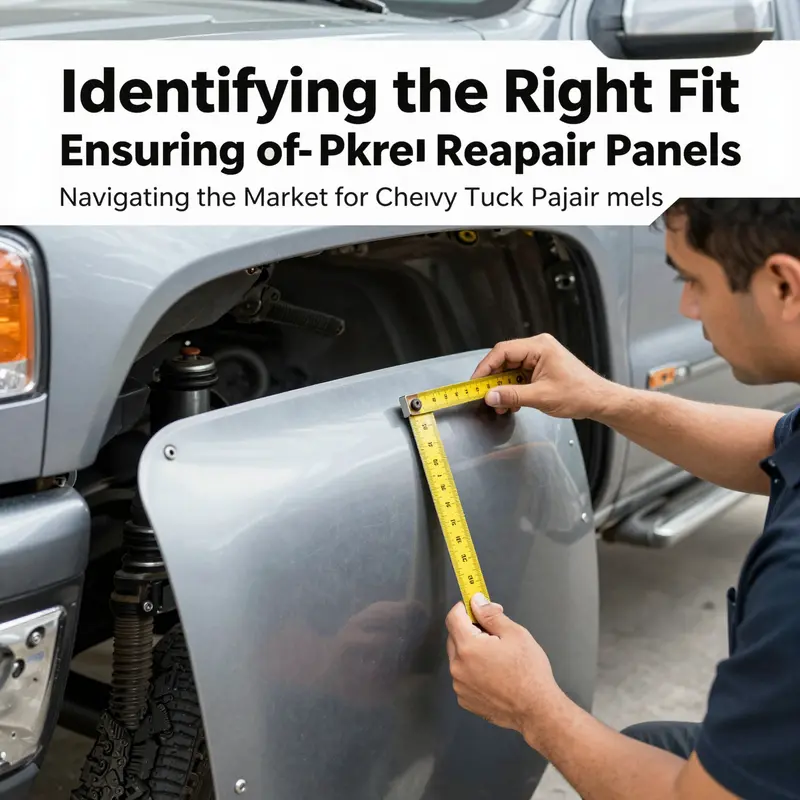
Replacing body panels on a Chevy truck is more than a cosmetic choice; it is a test of precision that touches safety, aerodynamics, and long-term reliability. When you peel back the layers of a restoration project or a roadside repair, the panel you pick becomes a hinge—between what the factory designed and what you bring back to life. The goal is not merely to cover a dent or rust, but to restore the vehicle’s lines, its stance, and its protective envelope. In this light, the process of selecting and validating repair panels is a careful choreography of part numbers, fitment references, and the quiet assurance that the finished surface mirrors factory intention. A precise panel does more than look right; it aligns with mounting points, contributes to structural integrity, and preserves weather sealing that keeps cabin humidity and road spray at bay. The discussion that follows helps translate this aim into practical steps, rooted in the realities of how Chevy trucks are built and how replacement panels are sourced in today’s market.
At the heart of any panel replacement is compatibility confirmation. This is a discipline that demands exactitude: the same model family can span multiple years, trims, and design revisions, and a panel that fits one configuration may clash with another. For a Chevy truck, the critical questions revolve around the exact year, the specific make and model, and the trim level. The difference between, say, a mid-cycle refresh and an earlier design can show up as a few millimeters of variance in contour, or as a different arrangement of mounting ears and fastener holes. Even when two panels appear visually identical, a subtle shift in headlight geometry, door alignment, or rocker profile can create misalignment that cascades into a series of problems: gaps that let moisture sneak in, misrouted wiring harness channels, or a hood that won’t latch cleanly. In short, compatibility matters, because any deviation at the panel level radiates outward, affecting the truck’s performance envelope as surely as a bent frame would.
To navigate this landscape, savvy buyers lean on sources that provide clear part-match data. The most reliable approach begins with confirming the panel against the vehicle’s precise identity—the year, the make, the model, and the trim. This is not just a catalog check; it is a diagnostic step that reduces the risk of ending up with a piece that resembles the right shape but does not fit the underlying mounting geometry. Manufacturers’ diagrams, OEM part catalogs, and trusted aftermarket fit guides are the tools of this trade. Reputable suppliers will typically offer multiple layers of verification: VIN-based match-up guides that translate a long string of digits into a specific part number, detailed technical diagrams showing mounting points and contour lines, and, where possible, fitment videos or in-person demonstrations. For the modern collector or daily driver, these resources turn a potentially opaque purchase into a data-backed decision, one that preserves the vehicle’s crash energy management design and its weather-sealing strategy.
The functional roles of the components surrounding the repair panel are equally important to understanding fit. Structural parts, such as the frame or related reinforcement elements, provide not only rigidity but a reference framework against which panels are positioned. Body components—fenders, doors, hoods, quarter panels, and bumpers—do more than shape appearance. They participate in a delicate balance of protection, aerodynamics, and noise control. A mismatched fender, for example, can instantly disrupt the wheel well’s protective envelope, increasing the risk of debris intrusion and spray entering the engine bay or cabin. Misalignment in any critical area—especially around crash-protection zones or alignment anchors—can ripple into handling quirks, uneven tire wear, and long-term reliability concerns. When planning a repair, a holistic mindset helps; you’re not just replacing a sheet of metal, you are maintaining a designed geometry that influences how panels hold their form under stress and how seals keep the elements out.
This is where the practical art of selection comes into play. A thoughtful approach blends official manufacturer guidance with the realities of the aftermarket market. The best paths start with part-match resources that tie to your specific vehicle data. Look for technical diagrams that lay out mounting points, contours, and assembly steps. Seek fitment videos that illustrate how the panel sits in relation to adjacent components, and read expert commentary that highlights common misalignment pitfalls. The aim is to avoid common mistakes—like overlooking a small variation in the door jamb profile or assuming a hood hinge pattern will align perfectly with a non-OEM replacement. When you couple these resources with a careful cross-check against your VIN and a close inspection of the existing mounting hardware, you significantly increase the odds of a true, factory-like fit. This attention to data and detail is what separates a repair that merely covers a dent from one that preserves the truck’s designed geometry and performance.
In practice, the decision between OEM-quality replacement panels and aftermarket options will weigh several factors. OEM panels, sourced through authorized dealer networks or official GM parts distributors, come with the strongest guarantee of exact fit and factory finish. They are designed to restore the vehicle to its original condition, maintaining the same sheet thickness, weld lines, and contour lines the factory used. For those pursuing a restoration that emphasizes authenticity or for vehicles with high resale value, OEM replacements are often the preferred choice. Aftermarket options, conversely, broaden the spectrum of materials and price points. They may employ reinforced steel, composite materials, or fiberglass depending on the panel and the application. These materials can offer advantages in terms of durability, weight, or cost, but they require diligent verification of fit and durability for the intended use. When choosing an aftermarket panel, it is essential to confirm that the product aligns with the exact geometry of your truck’s generation and trim, and that it will work with the adjacent components under both static and dynamic loading conditions. In this space, the role of the supplier’s documentation becomes especially important; look for robust fitment guides, body diagrams, and evidence of real-world tests or installation notes from technicians who have worked on the same model.
Beyond the choice of OEM versus aftermarket, the material and finish of the panel also matter. For rust-prone or heavily corroded vehicles, some owners explore fiberglass repair panels or reinforced-metal options that can tolerate the environmental exposure typical of harsh climates. Fiberglass panels, while lighter and easier to shape in some cases, demand careful color-matching and a compatible paint system to achieve a seamless appearance. If you choose fiberglass or any non-traditional material, plan for a finish process that matches the vehicle’s factory color and texture, so you do not end up with an obvious seam that stands out in sunlight or under showroom lighting. In addition, consider how the material responds to heat, humidity, and road salts. A robust finish strategy might include a corrosion-resistant base layer and a color-matched topcoat that can hold up under the road grime and temperature swings a Chevy truck endures on a daily basis.
As you assemble your sourcing plan, it is useful to think not only in terms of a single replacement part but as a system restoration: the panel, its attachment hardware, the sealants, and the adjacent surfaces that share tolerances and seam lines. Proper hardware compatibility is a subtle but essential element. Stray fasteners, mismatched thread pitches, or incorrect stud spacing can prevent a panel from registering perfectly against the frame or body mounts. A good match guide will often flag these details, helping you assemble a kit that behaves as the factory intended. When you approach this as a system concern rather than a single piece, you increase the probability that the finished job will maintain the original intent of crash protection, structural integrity, and weather resistance. It is also wise to verify that the panel finish aligns with the rest of the vehicle—panel thickness, corrosion protection, and the coating system should harmonize with the surrounding panels to avoid glare, shade differences, or differential aging of finishes.
Supply chain realities are real in this space. OEM routes provide the strongest assurance of fit and finish but can involve longer lead times or higher costs. Aftermarket supply often brings faster availability and a wider price range, but it can require additional due diligence to confirm fitment. Regional manufacturing hubs and global suppliers often play a role in delivering these panels, and the result is a market that rewards thorough verification and patient evaluation. The overarching lesson is straightforward: begin with precise vehicle data, use reputable fitment documentation, and confirm the geometry through measurements and tests before committing to a panel. If you approach the task with a blend of official sources, practical install notes, and careful measurement, you can achieve a restoration that respects the vehicle’s engineering while delivering the appearance and protection you expect.
For owners who want to explore practical guidance beyond the spec sheets, there is value in hands-on sources that discuss the day-to-day realities of truck maintenance and restoration. A helpful resource is the Master Truck Repair blog, which offers pragmatic insights, DIY considerations, and step-by-step perspectives from practitioners who work with similar platforms. Engaging with such community-driven content can illuminate how fitment decisions translate into real-world results, complementing the formal documentation with narratives of trial, error, and eventual success. You can visit the blog for broader discussions about care, maintenance, and repair workflows that intersect with panel replacement without committing to any one part or supplier.
In conclusion, the precision of fitment when replacing Chevy truck panels is a cornerstone of safety, performance, and aesthetic integrity. By confirming exact year, make, model, and trim, consulting reliable part-match resources, and considering the panel as part of a broader system rather than a standalone element, you can restore a truck’s appearance while preserving its engineered properties. Whether you opt for OEM-level fidelity or select a robust aftermarket panel, the path to a seamless restoration hinges on disciplined verification, careful measurement, and a finish that matches both the eye and the weathered realities of the road. For further practical context, readers may find additional guidance and community-driven tips that complement formal documentation in the Master Truck Repair blog, which offers a broad spectrum of maintenance and repair discussions that align with the realities described here. The holistic approach—combining official specifications, experienced guidance, and thoughtful material choices—helps ensure that the repair panel you select not only looks right but performs as the truck was designed to perform. In this way, compatibility becomes a guarantee of safety and a guardian of the vehicle’s heritage, rather than a mere checkbox on a shopping list.
For further assistance with model-specific parts and official guidance, see the Chevrolet official repair parts resource: Chevrolet official repair parts resource.
Final thoughts
In summation, sourcing repair panels for Chevy trucks requires a thorough understanding of the available options. OEM panels ensure the highest fidelity to original specifications, perfect for restoring vehicles to factory condition. On the other hand, reputable aftermarket suppliers provide flexibility and often improved durability, catering to diverse needs and budgets. Furthermore, considering global suppliers can offer substantial cost advantages and broader selection. Finally, taking care to ensure part compatibility is crucial to ensure installation success and vehicle performance. Equipped with this knowledge, fleet managers and operators in the construction and logistics industries can make informed, strategic decisions that enhance operational efficiency.