In the demanding world of transportation, particularly for fleet managers and trucking company owners, the integrity of vehicle frames is a critical concern. Rust on truck frames is more than just an aesthetic issue; it poses significant risks to safety and operational efficiency. Neglecting rust can lead to structural weaknesses, increased maintenance costs, and in extreme cases, catastrophic failures that could endanger drivers and cargo alike. The implications extend beyond immediate safety concerns, impacting fleet reliability and ultimately, company profitability. By prioritizing rust repair, trucking enterprises can enhance vehicle longevity and operational performance. It is vital for decision-makers in the industry to recognize the potential consequences of overlooking this issue and to implement effective solutions. For more insights on maintaining your fleet’s integrity, be sure to explore our blog on truck maintenance strategies.
Causes of Rust on Truck Frames
Rust formation on truck frames is a significant concern, especially for fleet managers, trucking company owners, and heavy-duty vehicle operators. Understanding the environmental and structural factors that contribute to rust can help in developing effective maintenance and repair strategies. Here’s a detailed look at the primary causes:
Environmental Factors
- Moisture Exposure: Continuous contact with rainwater, snow, and wet conditions can lead to rust. Moisture acts as an electrolyte that accelerates the rust process.
- Road Salt: Truck frames are often exposed to salt used for de-icing roads during winter. This chloride accelerates corrosion, especially when combined with moisture.
- Humidity Levels: High humidity environments allow moisture to remain on the frame for longer periods, facilitating rust formation. Regions with frequent fog or high rainfall are particularly vulnerable.
- Airborne Pollutants: Industrial fumes, pollutants, and chemicals can exacerbate the corrosion process. Trucks operating in industrial areas may be more susceptible to rust due to exposure to these harmful substances.
- Fluctuating Temperatures: Extreme temperature changes can cause expansion and contraction of the metal, creating micro-cracks in protective coatings that allow moisture to seep through.
Structural Factors
- Poor Weld Quality: Inadequate welding can create weak points where rust can initiate. If welds are not strong or protected properly, moisture can enter and accelerate corrosion.
- Inadequate Protective Coatings: A lack of or damage to protective undercoating and paint exposes bare metal to corrosion. Regular maintenance of protective layers is crucial.
- Design Flaws: Many truck frames have designs that trap water, such as recessed areas and complex joints that do not drain properly. These design flaws lead to water pooling and rust development.
- Lack of Regular Maintenance: Failure to conduct regular inspections and maintenance can lead to undetected minor damages, allowing rust to take hold before it becomes a major issue.
By addressing these environmental and structural causes, fleet operators can implement proactive measures to prevent rust, extending the life of their truck frames and reducing repair costs.
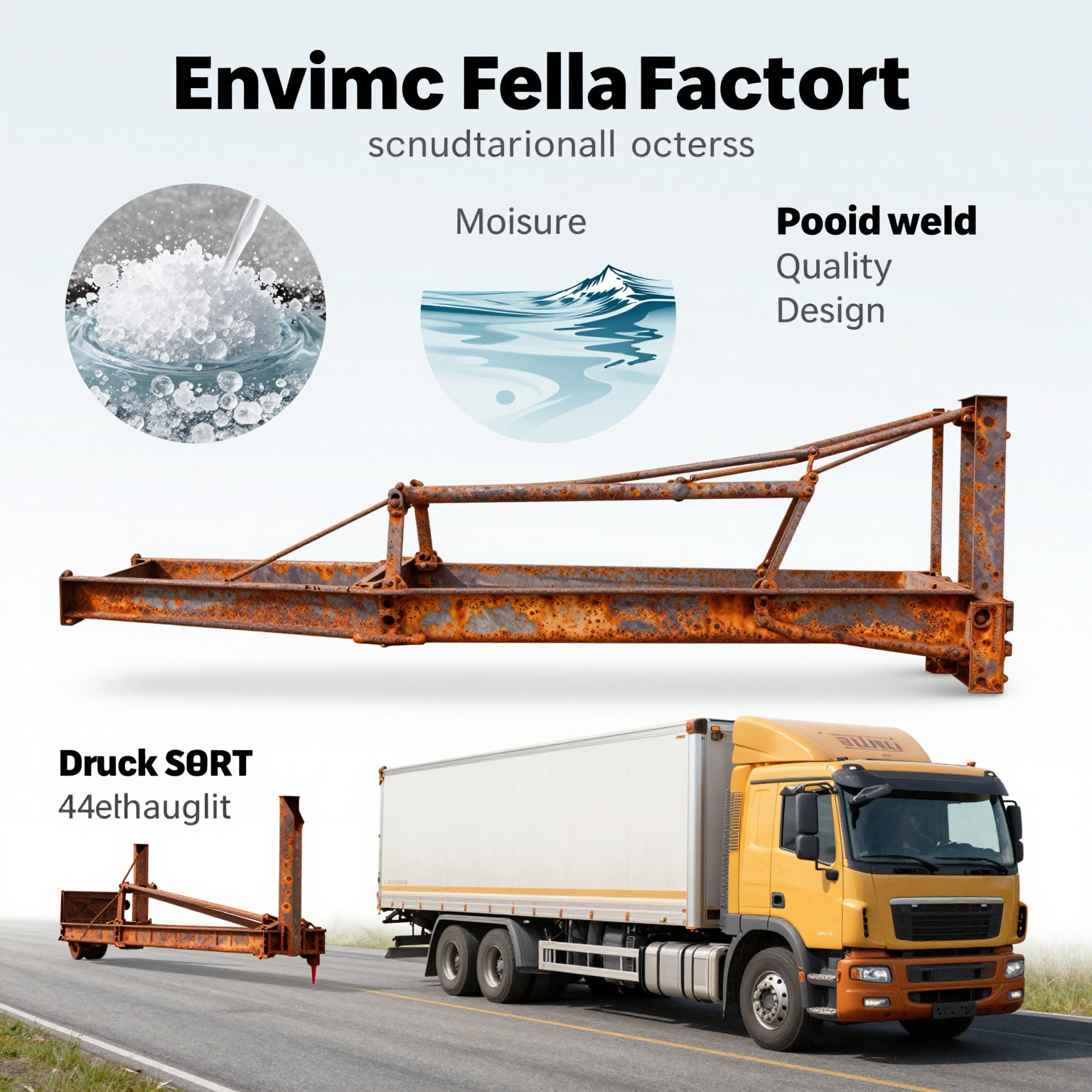
Detailed infographic of rust causes on truck frames
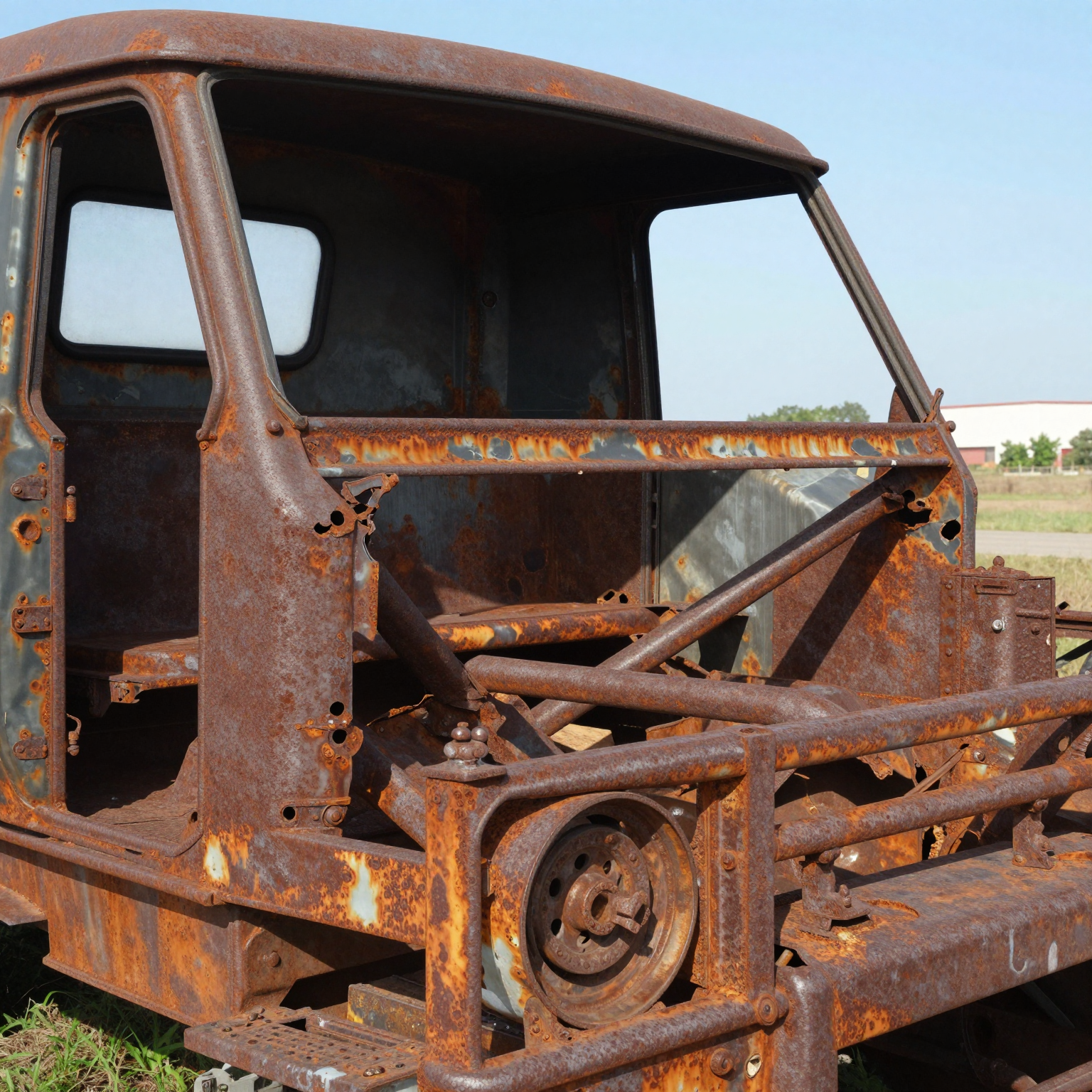
The Effects of Rust on Truck Performance
Rust is a significant threat to the structural integrity and functionality of trucks, especially for fleet managers and logistics providers. As trucks age and are exposed to harsh environments, the risk of rust and corrosion increases, impacting both performance and safety. These effects can be summarized as follows:
1. Structural Integrity
- Approximately 30% of trucks surveyed had severe corrosion issues affecting critical structural components like undercarriages and frames, leading to compromised loading capabilities (SAE International). Even minor corrosion can disrupt load-bearing structures, increasing the risk of failure at crucial moments.
- A study noted that corrosion can lead to a 40% decrease in the durability of load-bearing truck parts, directly impacting safety (Consumer Reports).
2. Increased Safety Risks
- Corroded trucks are more prone to accidents due to decreased structural integrity, particularly in critical areas like the suspension and chassis where rust plays a key role in safety vulnerabilities. As reported, 9 out of 10 trucks with significant rust issues faced safety risks during inspections.
3. Maintenance Costs
- The maintenance costs for rusted trucks can rise significantly-by up to 7 times compared to non-rusted counterparts-requiring more frequent inspections and repairs to ensure safety (Fleet Management Insights). This directly affects operational budgets and efficiency.
Conclusion
Proper management of rust through regular inspections and repairs can mitigate these risks, ensuring operational efficiency and safety for fleet managers. Understanding rust-related challenges is crucial for optimizing maintenance budgets and improving vehicle longevity.
For further insights on how to effectively manage rust and other maintenance challenges, learn more here.
Comprehensive Guide to Repairing Rust on Truck Frames
Rust damage on truck frames can compromise structural integrity and safety if not dealt with promptly. This guide outlines a step-by-step process for effectively repairing rust on truck frames, targeting fleet managers, trucking company owners, and operators in construction and logistics.
Tools Required
Before starting the repair process, gather the following tools and materials:
- Angle Grinder: For removing rust and cutting metal where necessary.
- Wire Brush: To scrub away loose rust.
- Sandpaper (80-120 grit): For smoothing the surface after rust removal.
- Rust Converter: Such as POR-15 or Rust-Oleum, to neutralize rust.
- Epoxy Primer: To provide a strong base for further coatings.
- Body Filler: For filling holes or depressions in the frame.
- Topcoat Paint or Undercoating: To protect the frame from future rust.
- Vacuum Cleaner: For cleaning dust and debris.
- Protective Gear: Gloves, goggles, and a respirator to ensure safety.
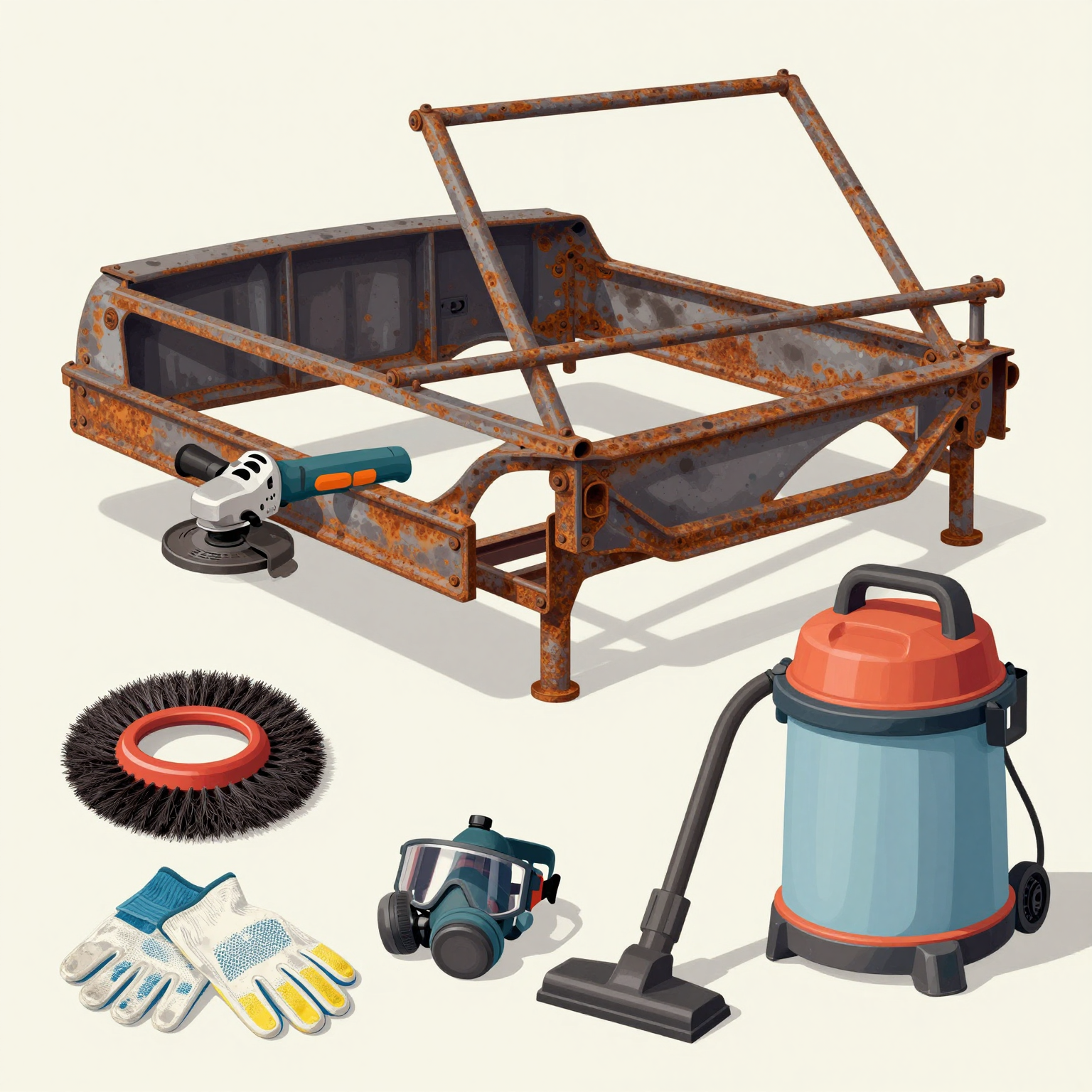
For a more detailed checklist of necessary tools, visit Truck Frame Rust Repair Tools and Materials Checklist.
Safety Precautions
Safety should always be a priority when performing repairs:
- Wear Protective Gear: Heavy-duty gloves, safety goggles, and a respirator are essential.
- Ensure Proper Ventilation: Work in a well-ventilated area to avoid inhaling metal dust and fumes.
- Secure the Vehicle: Use jack stands to securely support the truck before working underneath it.
- Disconnect the Battery: Prevent electrical hazards by disconnecting the battery if doing any related electrical work.
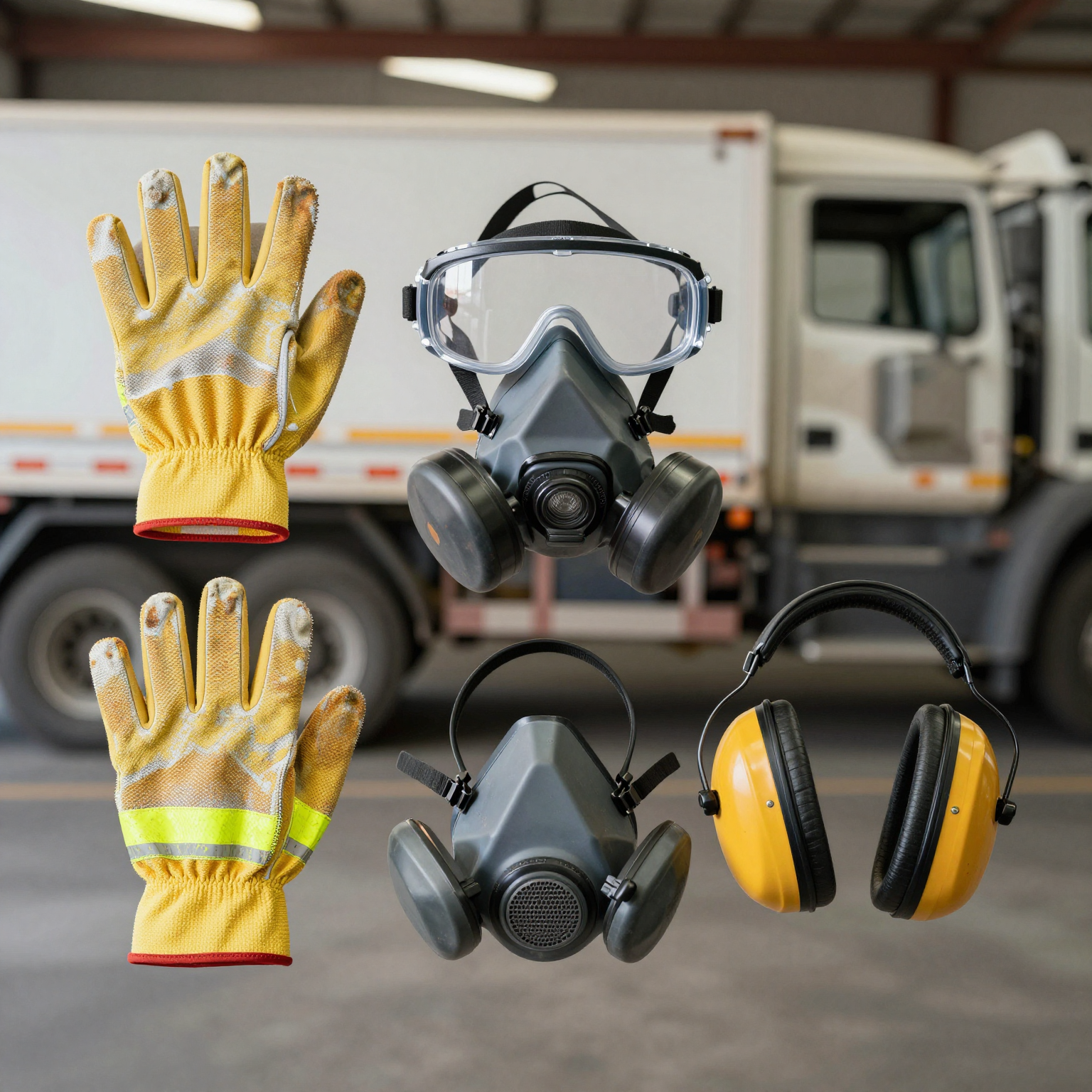
For more information about safety measures, visit Rust Removal and Repair: How to Do It Safely.
Step-by-Step Repair Process
Step 1: Assess the Damage
- Inspection: Carefully check the entire frame for rust. Identify the extent of the rust damage: superficial (surface-level) or severe (structural).
Step 2: Remove Loose Rust
- Cleaning: Use a wire brush or angle grinder to remove all rust, scale, and loose paint from the affected area. Vacuum dust and debris afterward to ensure a clean surface.
Step 3: Sand the Area
- Sanding: Smooth the cleaned surfaces using 80-120 grit sandpaper until you reach bare metal. This preparation is crucial to ensure proper adhesion of subsequent coatings.
Step 4: Apply Rust Converter
- Treatment: Apply a rust converter to any residual rust and allow it to dry. This step transforms rust into a stable compound, making the metal ready for priming.
Step 5: Prime the Surface
- Priming: Once dry, apply an epoxy primer, giving a solid base for further coatings. This primer should be suitable for use on metal surfaces to provide a durable layer.
Step 6: Fill Any Gaps
- Repairing Holes: For deeper rust damage, fill small holes or depressions with body filler. Smooth the filler and allow it to set according to the product instructions.
Step 7: Topcoat Application
- Coating: Once the primer is dry, apply a high-quality topcoat or undercoating that protects against future rust. Ensure that you cover the entire treated area well.
Step 8: Final Inspection
- Checking: After the coating has dried, inspect the area for any missed spots or imperfections. Touch up as necessary.
Conclusion
Repairing rust on truck frames is crucial for maintaining vehicle safety and longevity. By following this guide, fleet managers, truck owners, and operators can ensure their vehicles remain safe and operational without compromising structural integrity. For additional tips and strategies on truck maintenance and repair, check our blog.
| Product Name | Type | Cost | Effectiveness |
|---|---|---|---|
| Rust-Oleum Protective Coating | Multi-purpose corrosion inhibitor | $12-18/400ml | Effective for up to 2 years |
| WD-40 Specialist Corrosion Inhibitor | Coating protection | $8-10/bottle | 6-12 months protection |
| Synthetic Rust Prevention Oil | Synthetic oil | $15-25/liter | Up to 120 days in moist environments |
| Plant-based Rust Prevention Solution | Plant oil | $5-10/liter | Short-term (less than 30 days) |
| Long-lasting Rust Prevention Paint | MoO4 or Zinc Powder-based paint | $20-40/liter | Up to 5 years protection |
| Paraffin Wax Spray | Wax-based solution | $12-18/bottle | 90-120 days protection |
Best Practices for Maintaining Truck Frames to Prevent Rust Buildup
To preserve the integrity and longevity of truck frames, especially for fleet management or construction operations, proactive maintenance is crucial. Here are some best practices to effectively prevent rust buildup:
-
Regular Cleaning: Wash the truck frame frequently with low-pressure water and a mild detergent. Focus on the undersides and wheel wells to remove dirt and grime that can trap moisture. Avoid high-pressure washing, as it can force water into seams and joints.
-
Thorough Drying: After washing, ensure the frame is completely dried before parking it. Use compressed air or clean cloths to eliminate any trapped moisture, which is the main catalyst for rust development.
-
Apply Protective Coatings: Use a high-quality anti-rust coating or undercoating every 6 to 12 months, especially if the truck operates in humid or coastal environments. This adds an extra layer of protection against moisture and corrosive elements.
-
Seal Joints and Openings: Regularly inspect and seal all joints and openings on the frame with a rust-proof sealant. This step is vital to prevent moisture ingress, which can lead to corrosion.
-
Monthly Inspections: Conduct monthly inspections of welds, brackets, and the undercarriage for early signs of rust. If detected, treat it immediately by sanding down the corrosion and applying a primer.
-
Proper Storage: Whenever possible, store trucks in a dry, well-ventilated garage with a humidity level below 70%. Consider using a dehumidifier in storage spaces to further reduce moisture levels.
-
Avoid Harsh Conditions: Limit exposure to salt and standing water, as these can accelerate rusting. If traveling in such conditions is unavoidable, wash the frame promptly afterward to remove contaminants.
For more detailed strategies on truck maintenance, you can check out our articles on budgeting for routine truck maintenance and impact of environmental factors on truck maintenance.
Conclusion
In conclusion, rust repair and maintenance are critical to extending the lifespan and efficiency of trucks, particularly for fleet managers and operators in high-stakes industries like construction and logistics. As we have highlighted throughout this article, untreated rust can lead to severe structural issues, jeopardizing safety and raising repair costs. Regular inspections, timely intervention such as sanding and priming, and utilizing effective corrosion prevention methods are essential strategies to combat this pervasive problem. Proactive measures not only minimize downtime but also enhance the overall reliability of vehicles, thereby safeguarding investments.
To effectively address rust issues, consider the high-quality products offered by Summit Fairings. Their rust repair solutions cater specifically to the needs of truck and fleet owners, ensuring operational integrity and aesthetic restoration. Don’t wait until rust causes catastrophic failures-take action today to secure your trucks’ performance and safety. Equip your fleet with the best maintenance products that Summit Fairings provides, and ensure you’re prepared for every challenge on the road!
For more maintenance insights and strategies, feel free to explore our blog for additional resources and expert advice.
“专家强调,汽车部件生锈是常见但不可忽视的问题,可能严重影响车辆性能与安全。有效的防锈管理能延长部件寿命、降低维修成本、保障车辆外观与安全性,是维护车辆状态的关键环节。” – Expert opinion from Baidu Baike
Addressing rust issues promptly is essential for maintaining the safety and efficiency of vehicles. Fleet managers and trucking company owners must incorporate regular inspections and preventive measures into their maintenance routines to avoid potentially costly repairs. As one expert articulated, “防锈处理对汽车使用寿命和性能具有决定性影响。金属部件长期接触水分、氧气、酸碱物质会加速腐蚀。” This reinforces the importance of proactive rust management in prolonging the life of vehicles. For additional insights on vehicle maintenance and related topics, consider exploring our blog for more resources.
Maintenance and Repair Costs Over Time Without Rust Repairs
To illustrate the escalating costs of maintenance and repair over a ten-year period if rust damage is not addressed, we provide a detailed chart. The figures depict the projected costs associated with vehicle maintenance, highlighting the importance of timely intervention.
| Year | Maintenance and Repair Costs (USD) |
|---|---|
| 1 | $500 |
| 2 | $700 |
| 3 | $900 |
| 4 | $1,200 |
| 5 | $1,600 |
| 6 | $2,100 |
| 7 | $2,700 |
| 8 | $3,400 |
| 9 | $4,200 |
| 10 | $5,100 |
Note: These figures are estimated based on the provided data and represent costs over a 10-year period without addressing rust damage on vehicles.
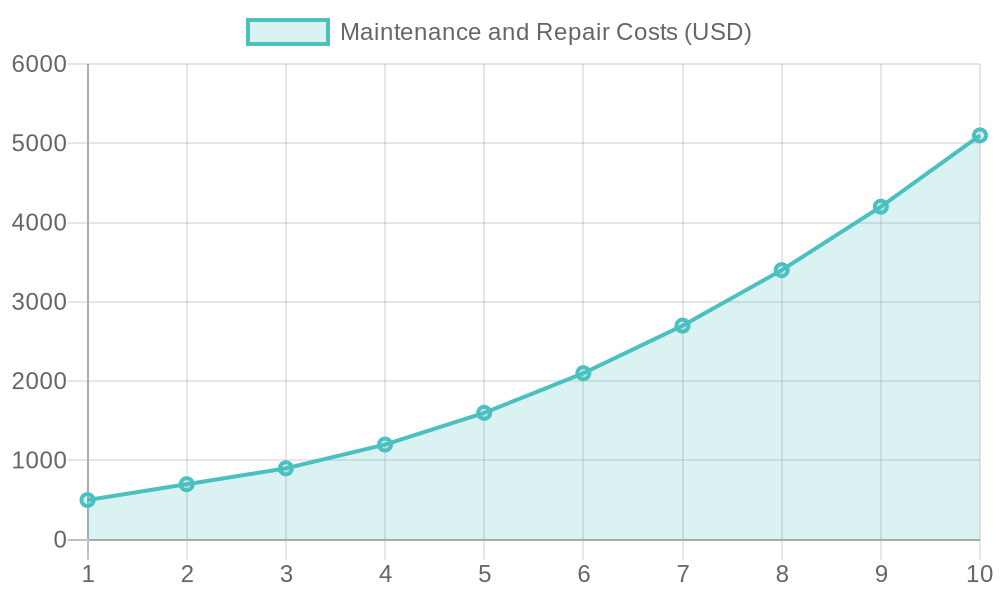
Chart illustrating the increasing costs of maintenance and repairs without addressing rust.
For more insights on maintaining your fleet effectively, learn more about truck maintenance.