Introduction to Truck and Trailer Repair
In the realm of trucking and logistics, effective fleet management hinges significantly on the maintenance and repair of truck and trailer units. Timely and expert repair is essential not merely for the longevity of the vehicles but also for ensuring operational efficiency. A fleet that operates with well-maintained trucks and trailers can significantly reduce the risk of breakdowns, ensuring that deliveries are completed on time and customer satisfaction is achieved. Conversely, neglecting necessary repairs can lead to severe consequences, including costly delays, increased maintenance expenses, and compromised safety. Fleet managers and trucking company owners must recognize that the integrity of their vehicles directly impacts their bottom line. For instance, outdated equipment and deferred maintenance may lead to regulatory compliance issues, risking legal penalties while jeopardizing the overall safety of the transportation process. Thus, a proactive approach to truck and trailer repair is indispensable not only for operational success but also for maintaining a competitive edge in a rapidly evolving logistics landscape. To delve deeper into effective practices for fleet maintenance, visit our blog for insights and learn how to budget for routine maintenance.
Common Truck and Trailer Issues
Fleet managers and operators often face various repair issues with trucks and trailers. Identifying and addressing these problems promptly is crucial for maintaining operational efficiency and safety. Here’s a list of the most common repair issues:
-
Brake Issues: Problems with the brake system are prevalent. This includes wear of brake pads, failure of air brakes, and issues with anti-lock braking systems (ABS) that may lead to braking inefficiencies. Frequent checks are essential to prevent accidents.
-
Suspension Problems: Suspension systems are prone to wear and tear, particularly through heavy loads. Common issues include worn-out shocks, broken springs, and air suspension failures, which can compromise vehicle handling and comfort.
-
Tire Wear and Damage: Tires can sustain significant wear if not regularly inspected. Common problems include uneven wear, blowouts, and sidewall damage, all of which may necessitate immediate replacement to avoid unsafe driving conditions.
-
Electrical System Failures: This encompasses issues with wiring, malfunctioning lights, and battery failures. Given that trucks rely heavily on electrical systems for operations, these problems can lead to significant downtime if not addressed.
-
Fluid Leaks: Leaks from hydraulic systems, air compressors, or engine oil can lead to performance issues and environmental hazards. Regular inspections can help detect and repair leaks in their early stages.
-
Worn Out or Misaligned Wheel End Assemblies: Problems with wheel bearings or misalignment can cause increased tire wear and lead to dangerous driving conditions. Proper maintenance checks can prevent these issues from escalating.
-
Structural Frame Damage: Heavy loads and rough road conditions may result in structural damage to the trailer frame, including cracks and bends. Regular inspections can help catch these damages early to avoid costly repairs.
-
Cargo Issues: Improper loading or securing of cargo can lead to weight distribution problems, which may affect vehicle stability and performance. Ensuring adherence to loading protocols is essential for safety.
To mitigate these common issues, fleet operators should conduct regular preventative maintenance and inspections. Learn more about maintenance tips and how to handle more complex repairs.
Preventive Maintenance Strategies for Trucks and Trailers
Effective preventive maintenance is crucial for reducing repair costs and prolonging the lifespan of trucks and trailers. By implementing a systematic approach to maintenance, fleet managers and operators can ensure their vehicles operate optimally while minimizing unexpected breakdowns and repairs.
1. Regular Check-Ups and Inspections
Regular check-ups and inspections form the backbone of any preventive maintenance strategy. It is essential to schedule systematic inspections that cover critical vehicle components, including:
- Engine performance checks to ensure optimal fuel efficiency and avoid potential breakdowns.
- Brake system inspections to maintain safety standards and prevent hydraulic failure or disc wear.
- Tire evaluations, focusing on pressure, tread depth, and alignment to enhance fuel efficiency and handling.
- Fluid levels assessments, ensuring all essential fluids are topped off and contaminants are eliminated.
These regular inspections can help fleet managers identify issues before they escalate, contributing to overall vehicle safety and operational efficiency.
2. Scheduled Maintenance
Scheduled maintenance involves a proactive approach, where maintenance tasks are performed on a predetermined schedule rather than in response to existing problems. The benefits include:
- Consistent vehicle performance: Regular maintenance ensures all components work harmoniously, improving the vehicle’s overall performance.
- Increased lifespan: Regular servicing, typically every 10,000 to 15,000 miles, can extend the life of key vehicle components by preventing wear and tear.
- Cost savings: According to a study by the U.S. Department of Energy, fleets implementing preventive maintenance strategies can save an average of $1,800 per truck annually through lower repair costs and reduced downtime.
- Regulatory compliance: Staying informed and complying with FMCSA regulations is easier with routine checks, helping avoid costly fines due to non-compliance related to vehicle safety conditions.
3. Employee Training and Awareness
Educating drivers and maintenance staff on the importance of preventive maintenance can foster a culture of proactive vehicle care. Training should cover:
- Proper vehicle operation techniques, focusing on braking and cornering to minimize stress on components.
- Understanding maintenance alerts in vehicle dashboards, prompting timely responses to potential issues.
- Reporting practices for unusual vehicle noises, vibrations, or performance issues that require immediate attention.
4. Documentation and Maintenance Records
Maintaining detailed records of all inspections, repairs, and scheduled maintenance helps in tracking vehicle performance over time. Benefits include:
- Improved accountability among staff for vehicle care and maintenance tasks.
- Historical data access allows fleet managers to make informed decisions on vehicle replacement and budgeting for repairs.
5. Using Technology for Fleet Management
Investing in fleet management software can significantly enhance preventive maintenance practices. These tools can assist in:
- Scheduling maintenance appointments automatically based on mileage or usage.
- Tracking vehicle performance metrics, allowing for data-driven maintenance decisions.
- Alerting managers of upcoming inspections or overdue maintenance tasks to ensure adherence to schedules.
Concluding Thoughts
Implementing effective preventive maintenance strategies not only safeguards the investment in trucks and trailers but also enhances overall fleet safety and efficiency. By ensuring regular check-ups, scheduled maintenance, driver training, and leveraging technology, fleet managers can significantly reduce repair costs and improve the lifespan of their vehicles. For more on strategies that can help with fleet management and budgeting, check out our blog.
Data Insights
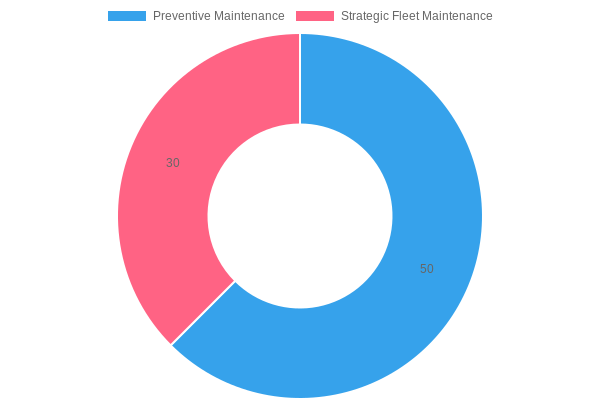
The effectiveness of preventive maintenance can be visualized through the following charts:
Impact of Preventive Maintenance on Fleet Operations
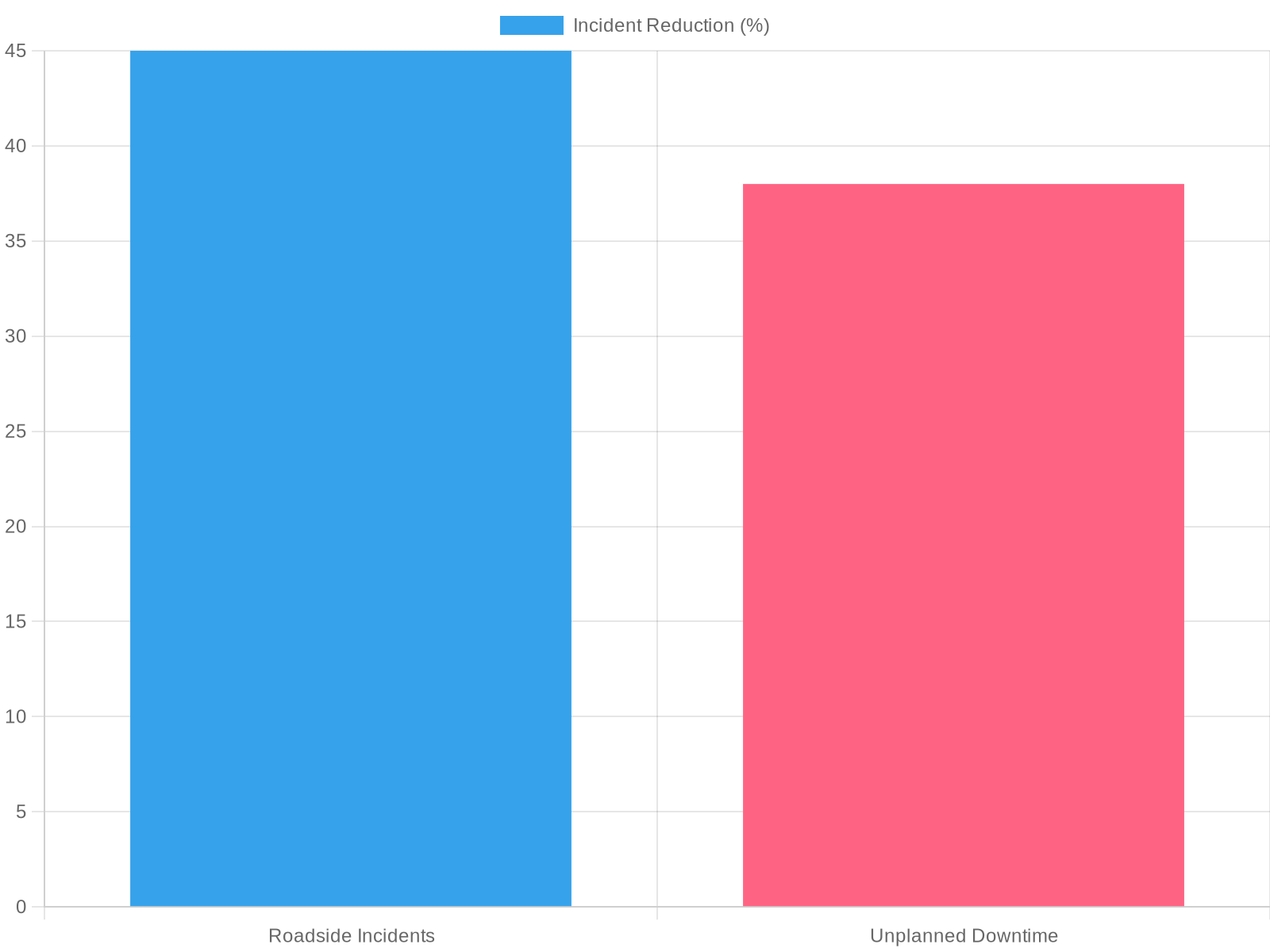
Fleet Maintenance Impact on Roadside Incidents & Downtime
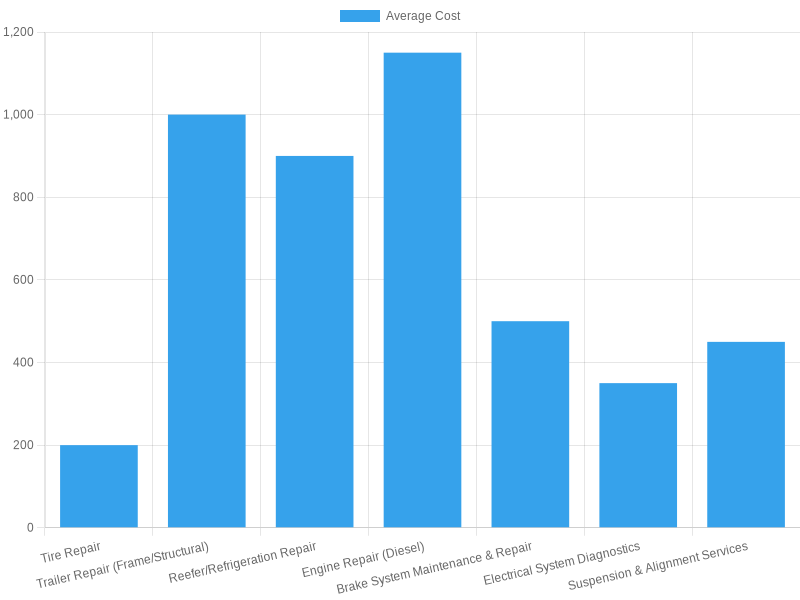
Comparison of Truck and Trailer Repair Services
When choosing repair services for trucks and trailers, it is essential for fleet managers to understand the different options available. Below is a table comparing various repair services based on cost, service times, and expert recommendations. This information can assist you in making informed decisions that align with your operational needs.
| Service Type | Average Cost | Service Time | Expert Recommendations |
|---|---|---|---|
| Tire Repair | $100 – $300 | 30 minutes – 2 hours | Choose certified centers with mobile tire service; prioritize locations near major freight routes. |
| Trailer Repair (Frame/Structural) | $500 – $1,500 | 4 – 12 hours | Use OEM-authorized shops for safety and warranty compliance; verify certifications for structural integrity. |
| Reefer/Refrigeration Repair | $600 – $1,200 | 2 – 8 hours | Select Carrier Transicold or Thermo King authorized technicians to maintain cooling system efficiency and compliance. |
| Engine Repair (Diesel) | $800 – $1,500 | 6 – 24 hours | Opt for Detroit Diesel, Cummins, or Caterpillar authorized dealerships for precision diagnostics and parts. |
| Brake System Maintenance & Repair | $300 – $700 | 2 – 6 hours | Use facilities with ASE-certified technicians; prioritize those offering on-site testing and inspection. |
| Electrical System Diagnostics | $200 – $500 | 1 – 4 hours | Choose shops with modern diagnostic tools and experience in heavy-duty truck electronics. |
| Suspension & Alignment Services | $300 – $600 | 2 – 5 hours | Look for shops with alignment equipment and calibration software for optimal vehicle performance. |
For more insights and guidance on maintaining your fleet, learn more about truck maintenance and consider budgeting for routine repairs to avoid unexpected costs.
Understanding Truck Repair Regulations and Compliance Requirements
In the ever-evolving trucking industry, fleet managers must navigate a myriad of regulations that govern truck and trailer repairs. Complying with these regulations is essential for maintaining operational integrity and ensuring the safety of both drivers and the general public. This article provides an overview of key regulations affecting truck repairs, compliance requirements, and the importance of adherence to avoid penalties.
Key Regulations Affecting Truck Repairs
Fleet managers must familiarize themselves with the regulations outlined by the Federal Motor Carrier Safety Administration (FMCSA), which include:
- Regular Inspections: Carriers are mandated under 49 CFR Parts 396 and 390 to conduct routine inspections of their vehicles, maintain records of those inspections, and ensure all safety-related components are operational.
- Documentation: The FMCSA emphasizes the importance of proper recordkeeping. Repair facilities must document all work performed on commercial motor vehicles (CMVs) and ensure the use of FMCSA-approved procedures (FMCSA Guidance).
- Timelines for Repair: Fleet managers must ensure that critical defects identified during inspections are addressed promptly, with repairs documented within 24 hours of detection (FMCSA Enforcement Priorities).
Furthermore, state-specific regulations may apply, emphasizing the necessity for carriers to stay informed about local compliance requirements. For example, in Ontario, Canada, strict adherence to safety and maintenance practices is required to avoid significant penalties related to vehicle inspections.
The Importance of Adhering to Regulations
Adherence to truck repair regulations is crucial for several reasons:
- Avoiding Penalties: Failure to comply with FMCSA regulations can result in severe financial penalties. Recent data indicates a 20% increase in roadside inspection citations in 2023 for improper repairs or missing documentation. This serves as a reminder of the financial risk non-compliance poses.
- Safety Assurance: Regulations are designed with safety in mind. Ensuring that all repairs are conducted according to compliance standards can significantly reduce the risk of accidents caused by mechanical failures. Fleet managers should prioritize repair quality to safeguard their drivers and the public.
- Operational Efficiency: Regular maintenance and compliance with the latest repair standards can minimize downtime and foster operational efficiency. By adhering to federal and state regulations, companies can streamline their operations and ensure that their vehicles are roadworthy at all times.
Compliance Challenges and Best Practices
Maintaining compliance can be challenging, especially for smaller fleets. Here are some best practices to enhance compliance:
- Implement Digital Maintenance Systems: Utilizing a digital maintenance management system can help fleet managers track repair history and ensure audit readiness. These systems simplify the documentation process, making it easier to adhere to required guidelines.
- Regular Training: Conduct regular training sessions for maintenance staff to keep them updated on compliance requirements and repair standards. This investment in training helps enforce a culture of safety and adherence.
- Routine Audits: Schedule routine audits of maintenance records and procedures to ensure compliance and address any issues proactively.
Conclusion
In conclusion, compliance with regulations surrounding truck repairs is not merely a matter of legal obligation but a vital component of operational success. Fleet managers must prioritize adherence to these regulations to avoid penalties, ensure safety, and maintain efficiency within their operations. By implementing stringent compliance practices, they can protect their fleets, reduce liabilities, and enhance overall productivity in their trucking operations.
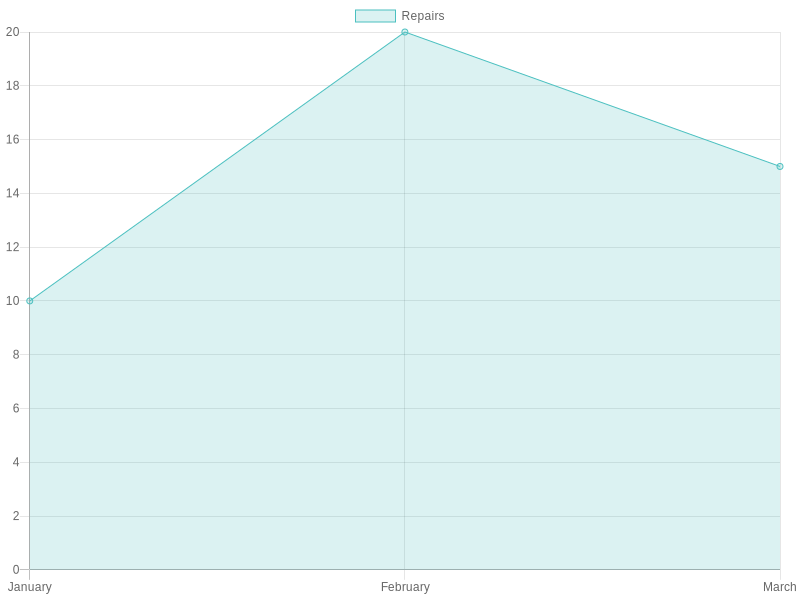
Failure to comply with truck repair regulations can lead to significant challenges, including fines and enforcement actions. As such, it is critical for fleet managers to stay informed about these regulations and integrate best practices into their operations for successful compliance.
Case Studies: Successful Truck Repairs and Maintenance Practices
In the trucking industry, effective maintenance not only prolongs vehicle life but also significantly enhances operational performance and reduces downtime. Let’s delve into three case studies that illustrate the successful application of maintenance practices and their direct impact on operations.
Case Study 1: Turnage & Sons: Proactive Fleet Maintenance
Turnage & Sons, a milk hauling company, faced challenges with aging fleet vehicles leading to increased breakdowns. To mitigate this, the management instituted a rigorous preventive maintenance program that included:
- Regular Inspections: Monthly checks of all trucks to identify wear and tear before issues escalated.
- Scheduled Maintenance: Adhering to strict manufacturer maintenance schedules to optimize vehicle performance.
The results were telling: they experienced a 50% reduction in vehicle breakdowns and a 30% increase in operational efficiency. Fleet managers reported that vehicles maintained under these guidelines lasted longer and performed better, which in turn reinforced the importance of continuous learning in maintenance practices. Learn more about their process.
Case Study 2: Adoption of Predictive Maintenance at FleetOwner
FleetOwner, a commercial fleet operational leader, implemented a predictive maintenance strategy that used real-time diagnostics and predictive analytics to assess vehicle conditions. This shift allowed them to prioritize maintenance based on actual vehicle and engine performance rather than preset schedules.
- Key Activities:
- Use of telematics to monitor engine performance.
- Data analytics to predict cooling system failures before they occur.
This approach not only minimized emergencies but also decreased repair costs by approximately 20%. Their analysis revealed that fleets incorporating predictive maintenance experienced up to 30% fewer roadside breakdowns, contributing to enhanced fleet performance and reliability. For more statistics on maintenance efficacy, see more here.
Case Study 3: The Impact of Pandemic on Vehicle Maintenance
During the COVID-19 pandemic, many fleets had vehicles idled for months, leading to unforeseen repairs when operations resumed. Fleet safety and service continuity were crucial for companies to navigate this downturn. Emkay Fleet Services observed:
- Issues: Common maintenance issues included flat tires, dead batteries, and rusting brakes due to prolonged vehicle inactivity.
- Adaptations: Fleet managers implemented enhanced sanitation protocols during repairs without compromising service delivery.
Innovative solutions such as contactless service models were developed, highlighting the adaptability required in trucking maintenance. These adjustments helped ensure that fleets operated smoothly and minimized downtime once demand returned, showcasing the critical role of flexible maintenance strategies.
The Impact of Good Maintenance Practices
The key takeaway from these case studies emphasizes that adherence to rigorous maintenance practices drastically improves fleet performance. The following table consolidates data on how preventive maintenance strategies effectively reduce downtime:
| Metric | Impact of Preventive Maintenance |
|---|---|
| Roadside Breakdowns | 30% reduction |
| Unscheduled Repairs | 25% reduction |
| Fuel Efficiency | Increased |
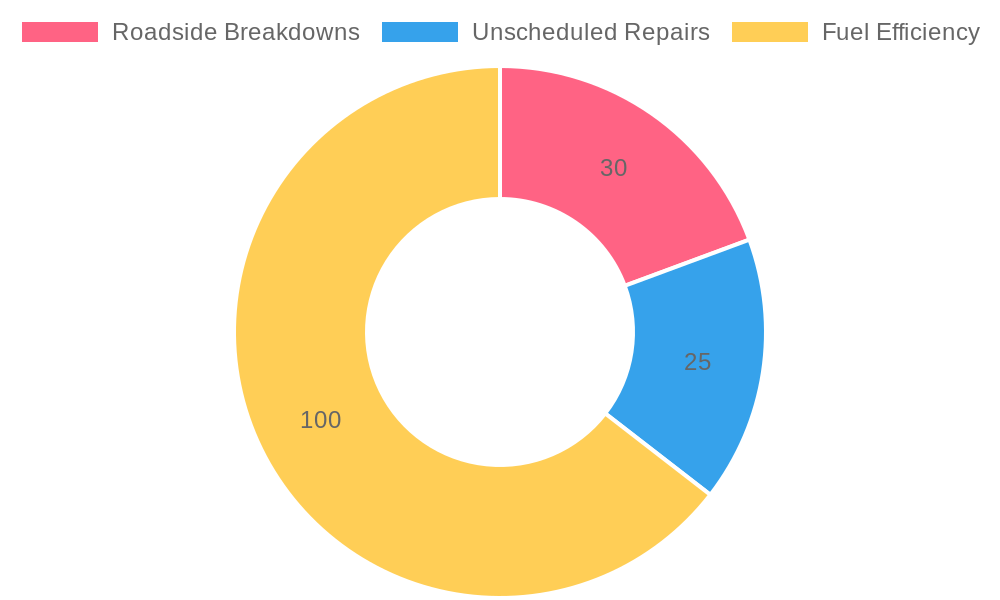
Investing in comprehensive preventive maintenance not only saves time and money but also fosters a culture of safety and responsibility within the industry. By continually investing in your fleet’s maintenance, companies can further drive efficiencies, ultimately leading to increased profitability and customer satisfaction.
Average Repair Costs Over Time
Understanding the trends in repair costs for various truck models is vital for fleet managers in budgeting and planning for vehicle maintenance. Below is a line chart illustrating the average repair costs over time for three common truck models:
- Freightliner Cascadia
- Peterbilt 389
- Ford F-550

Cost Trends Over 10 Years
| Year | Freightliner Cascadia | Peterbilt 389 | Ford F-550 |
|---|---|---|---|
| 1 | $8,500 | $8,200 | $7,800 |
| 2 | $10,000 | $10,500 | $9,500 |
| 3 | $12,000 | $12,000 | $11,000 |
| 4 | $14,000 | $14,000 | $13,000 |
| 5 | $16,000 | $16,000 | $15,000 |
| 6 | $17,000 | $19,000 | $17,500 |
| 7 | $22,000 | $21,000 | $20,000 |
| 8 | $24,500 | $24,500 | $23,000 |
| 9 | $27,000 | $26,000 | $25,500 |
| 10 | $28,000 | $28,000 | $27,000 |
These costs indicate a significant increase in repair expenses as vehicles age, especially for heavier models like the Freightliner Cascadia and Peterbilt 389, highlighting the need for effective budgeting strategies. For insights on setting aside funds for unexpected expenses, consider reading about building an emergency repair fund. Additionally, regular maintenance practices can help mitigate some costs associated with repairs.
“Regular maintenance isn’t just about avoiding breakdowns; it’s about ensuring safety, maximizing uptime, and protecting your investment. A well-maintained truck is a reliable truck.”
- John Carter, Senior Fleet Maintenance Manager, Major Logistics Company
The Significance of Regular Maintenance
In the trucking and logistics industry, the importance of regular repairs and maintenance cannot be overstated. As highlighted by John Carter, neglecting routine checks can lead to unexpected breakdowns and significant downtime. Moreover, Dr. Elena Rodriguez from the NHTSA points out that trailers, often overlooked during maintenance, play a critical role in safety, with worn components leading to catastrophic failures if left unchecked. It is essential for fleet managers and trucking companies to prioritize regular inspections and maintenance to ensure the safety of their operations.
For further insights, learn more about budgeting for routine truck maintenance and the impact of preventive maintenance.
Conclusion and Call to Action
In conclusion, the significance of regular truck and trailer repair and maintenance cannot be overstated, especially for fleet managers and trucking companies dedicated to operational efficiency and safety compliance. Regular maintenance can reduce unexpected breakdowns by up to 70%, minimizing downtime significantly and positively influencing the bottom line. Moreover, a systematic approach to repair ensures that vehicle lifespans are extended while improving fuel efficiency – vital components in today’s competitive market. Companies like Fleet Complete report that organizations implementing proactive maintenance strategies witness 30% lower repair costs and 50% less unplanned downtime, underlining the cost-saving benefits of consistent upkeep.
As a fleet manager or owner of a logistics company, it is crucial to recognize that adhering to maintenance regulations is not merely a best practice; it is a legal obligation. The Federal Motor Carrier Safety Administration (FMCSA) mandates compliance with vehicle maintenance standards. This means that any lapse can expose your operation to heavy fines and escalating liabilities.
Investing in reliable repair services is essential for ensuring that your trucks and trailers remain in optimal operating condition. By doing so, you not only safeguard your assets but also enhance customer satisfaction through timely deliveries.
We encourage you to explore the high-quality offerings at Summit Fairings to upgrade your vehicle performance today. Trust their expert services to keep your fleet running smoothly, ensuring that your operational goals are met and exceeded. Don’t wait for a breakdown to prioritize maintenance – act now for a more reliable and efficient fleet!