Introduction
In the world of logistics and transportation, the integrity of a fleet’s vehicles is paramount. Among these, the box truck stands out as a vital asset, often subjected to harsh conditions that can lead to significant wear and tear, particularly on the roof. Timely box truck roof repair is not merely reactive maintenance; it serves as a preventive measure that can save fleet managers and trucking companies significant costs in the long run. A poorly maintained roof can lead to leaks and structural issues, which not only escalate repair costs but also jeopardize the cargo’s safety and quality.
Fleet managers face the daunting challenge of balancing operational demands with the need for routine vehicle maintenance. Delaying repairs can result in not just financial loss through excessive wear but can also disrupt logistics and delivery schedules. Thus, ensuring timely repairs is essential to maintaining not only the vehicles but also the overall operational efficiency of the fleet.
By prioritizing regular inspections and proactive maintenance, businesses can enhance their fleet management strategies. For instance, knowing how to effectively manage fleet size and maintenance can lead to optimized performance and reduced downtime. Learn more about optimizing fleet size and maintenance.
Ultimately, a commitment to vehicle upkeep, including prompt box truck roof repairs, is essential for avoiding larger issues that could impact both safety and profitability in the competitive landscape of trucking.
Common Box Truck Roof Issues
Box truck roofs face several challenges, with leaks, rust, and physical damage being some of the most prevalent issues. These concerns can drastically affect operational efficiency and the overall health of the vehicle fleet. Fleet managers and trucking company owners must be aware of these common problems to proactively manage their box truck maintenance. Here are some key issues:
-
Leaks:
-
Water intrusion can occur due to compromised seals, damaged roof panels, or improper maintenance. A leak not only poses a risk to the cargo but can also lead to mold and mildew, which can damage vehicle interiors.
-
Impact: Leaks can lead to costly damages to goods, increased repair costs, and operational delays. Fleet operations often require timely deliveries, and water damage can halt logistics processes.
-
Rust:
-
Exposure to moisture and contaminants can result in rust formation on metal components of the roof. Rust weakens the structural integrity of the truck and can lead to small holes over time.
-
Impact: The presence of rust may not only affect the overall appearance of the truck but can also significantly increase repair challenges due to the potential for extensive damage if left untreated.
-
Physical Damage:
-
Roofs can sustain physical damage from environmental factors such as hail, tree branches, or even accidents. Dents and punctures can create vulnerabilities to leaks.
-
Impact: Physical damage can lead to immediate safety concerns and result in time-consuming repairs. A truck with a damaged roof may require more than basic repairs, necessitating a complete panel replacement, which can be expensive.
Addressing box truck roof issues is essential for fleet managers dedicated to maintaining operational efficiency. Regular maintenance, including inspections for leaks and rust, can help mitigate many repair challenges. Proactive strategies such as ensuring proper sealing and addressing minor damages promptly can save significant costs in the long run.
For additional insights into managing maintenance costs, learn more about budgeting for routine truck maintenance and strategies that can optimize your fleet size and maintenance practices.
| Roof Repair Method | Benefits | Cost Range | Suitability |
|---|---|---|---|
| Patching | Quick fix for minor leaks | $300 – $1,000 | Best for small, localized damage |
| Sealing | Prevents future leaks | $500 – $2,500 | Suitable for extensive wear |
| Replacing Sections | Long-term solution for severe damage | $2,000 – $20,000 | Necessary for large-scale damage |
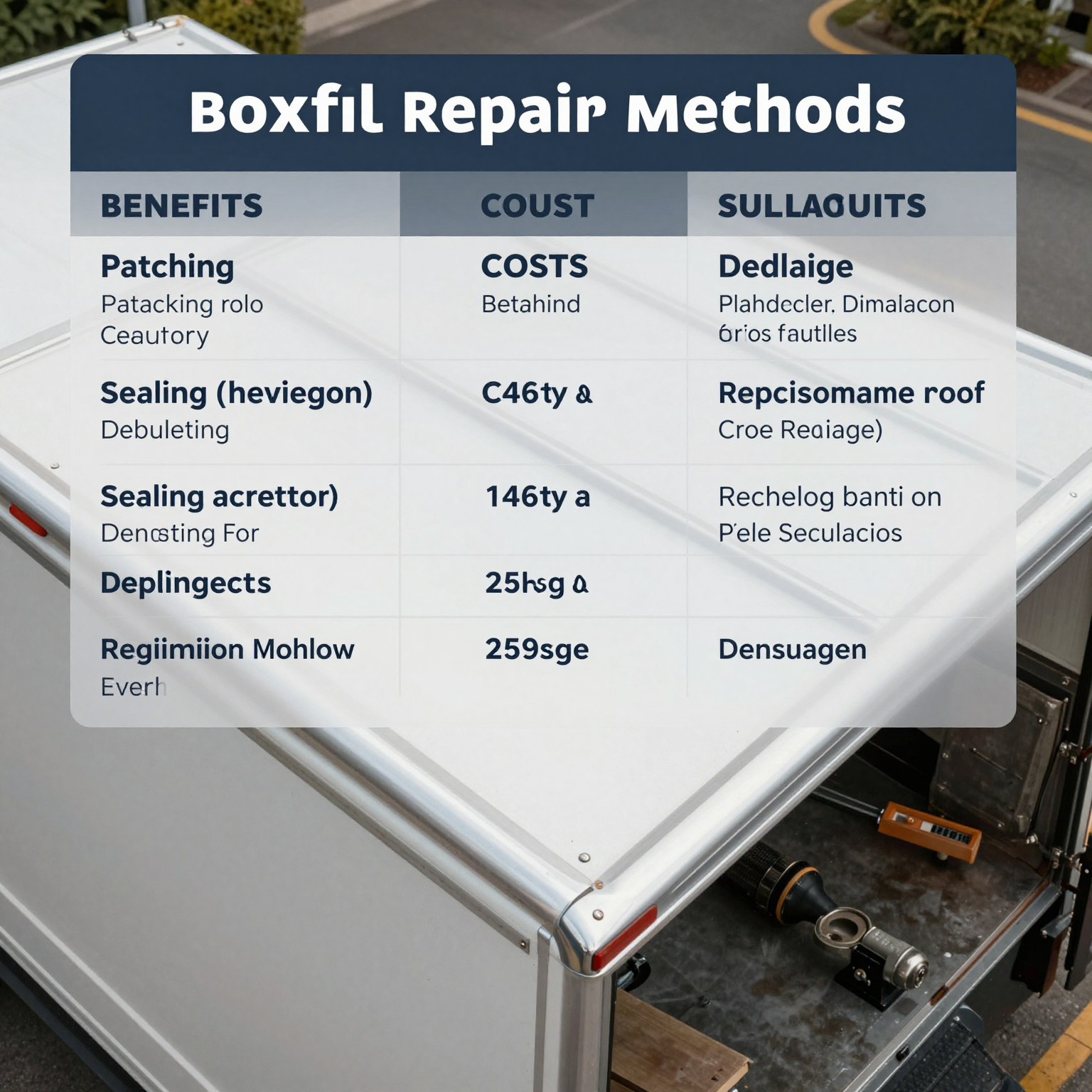
This table provides fleet managers with a clear comparison of the different box truck roof repair methods. For more insights into budgeting for repairs, learn more about budgeting for routine truck maintenance.
Step-by-Step Guide on How to Repair a Box Truck Roof
Repairing a box truck roof is essential to ensure the safety of cargo and the longevity of the vehicle. This comprehensive guide will walk you through the process of assessing damage, selecting the right materials, and executing the repairs safely and effectively. Below is a detailed, step-by-step roof repair guide for box trucks, specifically tailored for professionals in the trucking industry.
1. Assessment of Damage
Understanding the extent of the damage is crucial before proceeding with repairs. Here’s how:
- Inspect the Roof: Look for signs of leaks, cracks, or sagging areas. Inspect the interior for water stains or mold that may indicate leaks.
- Assess the Material: Identify if the roof is made of metal, fiberglass, or another type of material. Each requires different repair approaches.
- Document Findings: Take notes and photographs to reference during the repair process or potential insurance claims.
Internal Link: Learn more about routine truck maintenance budgeting
2. Gather Necessary Tools and Materials
Having the right tools is vital for a successful roof repair. Here’s a list of materials you’ll likely need:
-
Tools:
-
Safety harness and rigging equipment
-
Ladder or scaffold
-
Safety goggles and gloves
-
Scraper or putty knife
-
Power drill and bits
-
Sealants or adhesives (specific to the roof material)
-
Roofing tape
-
Paintbrush for applying sealants
-
Replaceable roofing panels (if needed)
-
Materials: Choose high-quality sealants and repair kits as per the roof type. Always refer to manufacturer recommendations.
Internal Link: Explore roofing tools essential for repairs
3. Safety First: Precautions Before Starting
Safety should always be your top priority:
- Wear Protective Gear: Always wear a hard hat, safety glasses, and gloves during the repair process.
- Use Fall Protection: Ensure that you are harnessed properly when working on the roof. A sturdy ladder should be used to access the roof safely.
- Check Weather Conditions: Avoid working on the roof during inclement weather to prevent accidents.
4. Preparing for the Repair
- Clear the Roof: Remove any debris, such as leaves or dirt, from the roof. This ensures a clean surface for repairs.
- Prepare the Surface: If applicable, use a scraper to remove old sealant or flaking paint. Ensure the surface is dry and free of oils or grime.
5. Executing the Repair
- Small Cracks and Leaks: Apply sealant directly to the cracks and spread it using a brush for even coverage. Allow it to cure per the instructions provided by the manufacturer.
- Larger Damages: For larger sections of damage:
- Remove the damaged area carefully.
- Cut a new roofing panel to size.
- Secure the new panel with adhesive and waterproof sealant. Ensure it overlaps existing roofing material to prevent leaks.
6. Finishing Touches
- Inspect the Repairs: After completing the installation, check for any exposed areas that may need additional sealant.
- Final Clean-Up: Dispose of any scrap materials properly and ensure that tools are stored away safely to keep the work area clean.
- Test for Leak Resistance: Once the repair is completed, conduct a water test by pouring water over the repaired area to ensure there are no leaks.
7. Regular Maintenance Post-Repair
To extend the lifespan of your box truck roof:
- Conduct Regular Inspections: Check for damages periodically and after harsh weather conditions.
- Maintain Cleanliness: Regularly clean the roof to prevent the buildup of debris that can lead to wear and tear.
As a fleet manager or trucking company owner, keeping your vehicles in optimal condition not only protects your investment but also ensures the safety of your cargo during transit. For more insights on maintaining different fleet vehicles, visit this page about optimizing fleet maintenance.
Following this guide can help you successfully address roof damage on box trucks, ensuring a safer and more durable vehicle for all your logistics needs. With the right preparation and execution, you can manage repairs effectively and efficiently.

“Regular maintenance of box truck roofs is not just about ensuring appearance; it is essential for safeguarding the integrity of the vehicle and the cargo it carries. A compromised roof can lead to more extensive damage and costly repairs if left unaddressed.”
- Industry Expert, HOLT Truck Centers
Essential Tools for Box Truck Roof Repair
When it comes to repairing a box truck roof, having the right tools is crucial for ensuring a successful and safe job. Here’s a list of essential tools for box truck roof repair that every fleet manager, trucking company owner, or construction enterprise operator should have on hand:
- Safety Goggles: Protect your eyes from debris and chemicals during the repair process.
- Hard Hat: Provide head protection, especially when working at heights.
- Gloves: Use protective gloves to avoid cuts and skin irritation from materials.
- Roof Sealants: Essential for sealing leaks and ensuring a watertight finish. Choose a product specifically designed for roofing applications.
- Roofing Materials: Depending on your repair needs, this may include metal sheets, fiberglass, or rubber roofing materials.
- Caulk Gun: Ideal for applying sealants and ensuring an even distribution.
- Utility Knife: A sharp knife is necessary for cutting roofing materials to size.
- Ladder or Scaffolding: Ensure safe access to the truck roof for repair work.
Always ensure that you have these tools readily available to tackle any roof repair job effectively. For more insights on truck maintenance, learn more about budgeting for routine truck maintenance and check out fleet maintenance tips.
Cost Considerations in Box Truck Roof Repairs
When managing a fleet, understanding the cost factors involved in box truck roof repairs is crucial for effective budgeting. The average roof repair costs for box trucks can range significantly based on a variety of factors, including the type and extent of the damage. According to industry data, standard repairs on box truck roofs typically range from $500 for minor patching to over $5,000 for more severe damage requiring extensive work or even full roof replacements, with an average hovering around $1,200. This range reflects variability in repair specifics such as repair method, materials used, and labor hours necessary to complete the job.
Key Cost Factors
- Materials: The choice of material for rooftop repair can greatly affect overall costs. Aluminum, fiberglass, and composite materials might each have different pricing and durability characteristics. For example, materials that are more resistant to environmental hazards may incur higher initial costs but could provide more longevity, ultimately saving money over time.
- Labor: Labor costs often comprise a substantial aspect of the overall repair expenses. Depending on the complexity of the repair and the regional labor market, hourly rates may vary.
- Extent of Damage: Minor damages may only require simple sealing or patching, which is cost-effective. In contrast, neglected roofs can develop more significant issues that lead to expensive repairs. Regular maintenance can be a pro-active approach to mitigate these costly scenarios.
Importance of Regular Maintenance
Investing in routine maintenance can lead not only to enhanced vehicle performance but also to considerable cost savings over time. Timely repairs can prevent further damage and eventual costly replacements. Regularly budget for repairs and maintenance, considering the costs linked with neglect versus proactive care. For more information, check out our guide on budgeting for routine truck maintenance.

Source: Estimated average box truck roof repair costs based on industry data and repair service pricing (as of 2026).
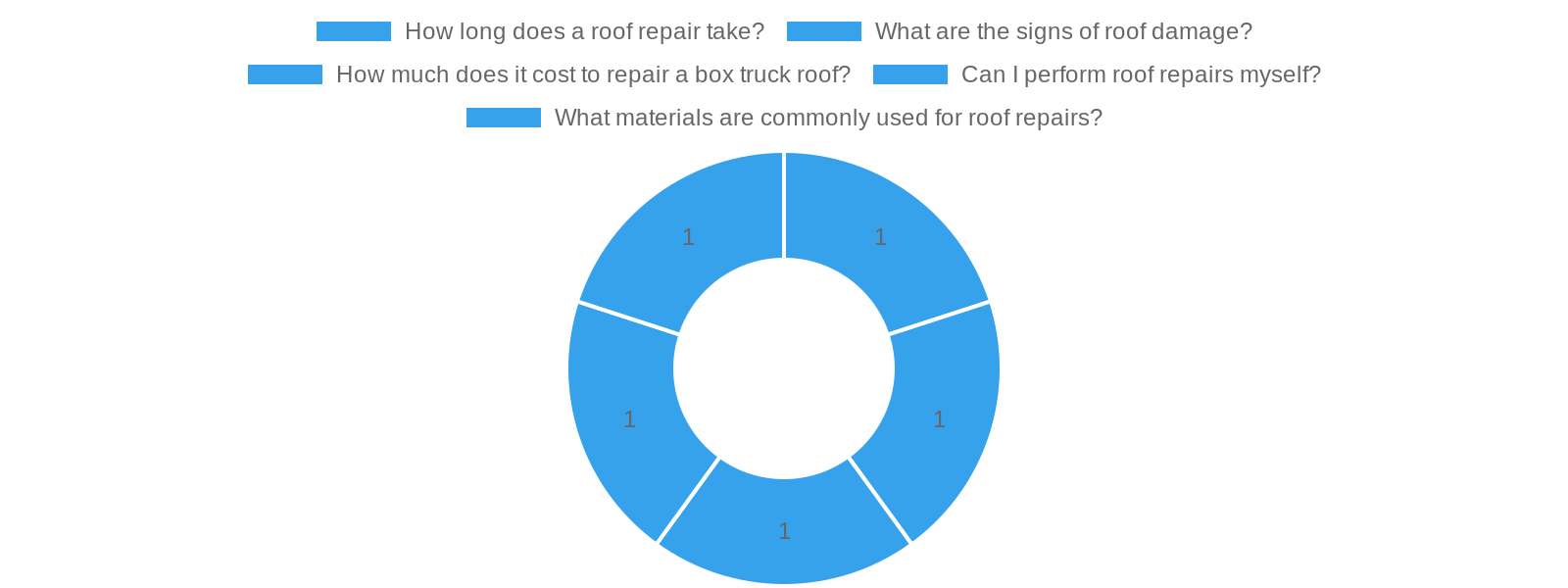
| Frequently Asked Question | Answer |
|---|---|
| How long does a roof repair take? | Roof repairs typically take 1 to 3 days, depending on the extent of damage, weather conditions, availability of materials, and roof size. In some cases, minor repairs can be completed in a single day, while more complex issues may require additional time. |
| What are the signs of roof damage? | Common signs include visible leaks inside the truck, water stains on the ceiling, sagging or soft spots in the roof, visible cracks or punctures, peeling or blistering roofing material, and mold or mildew growth. |
| How much does it cost to repair a box truck roof? | Repair costs generally range from $300 to $1,500, depending on the extent of damage, labor rates in the region, type of materials used, and whether partial or full replacement is needed. Minor patch repairs may cost as little as $200, while extensive repairs or replacements can exceed $2,000. |
| Can I perform roof repairs myself? | Minor repairs such as sealing small cracks or applying patch kits can be done by experienced DIYers using proper safety gear. However, larger structural damage, electrical wiring issues, or work involving high roofs should be handled by trained professionals due to safety risks and the need for specialized tools. |
| What materials are commonly used for roof repairs? | Common materials include EPDM (Ethylene Propylene Diene Monomer) rubber, TPO (Thermoplastic Olefin), PVC (Polyvinyl Chloride), fiberglass-reinforced patches, roof adhesives, sealants, and metal flashing. The choice depends on the original roof material and climate conditions. |
For more details on box truck maintenance, check out our guide on budgeting for routine truck maintenance and optimizing fleet size and maintenance for small fleets.
In conclusion, timely box truck roof repairs are crucial for preserving the integrity of your fleet and maintaining operational efficiency. Delaying these repairs can lead to costs skyrocketing, with minor damage potentially escalating from $500 to over $5,000 if not addressed promptly. Conversely, proactive maintenance not only reduces repair expenses but also minimizes downtime, allowing your business to operate smoothly without interruptions. Furthermore, investing in high-quality roof fairings can significantly enhance fuel efficiency and lower operational costs. Research suggests that premium fairings can save fleets up to 14% in fuel costs, yielding a return on investment in less than three months.
To protect your investment and ensure your fleet operates at peak performance, we recommend exploring the premium fairings offered by Summit Fairings. These products are designed specifically for your trucking needs, providing both durability and efficiency. Don’t wait until it’s too late-take action now to enhance your operations and ensure the longevity of your vehicles. Visit Summit Fairings today!