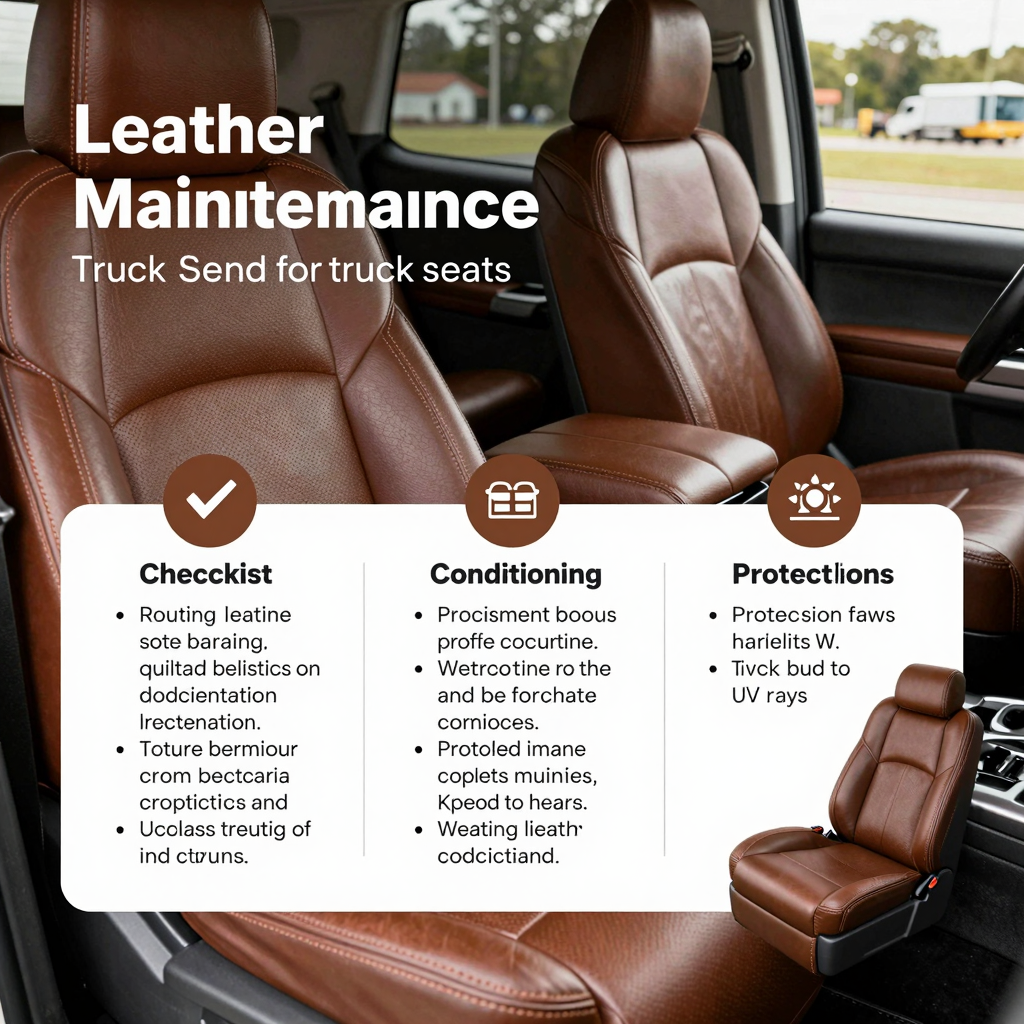
Maintaining the aesthetics and integrity of leather truck seats isn’t just a matter of personal preference; it directly impacts your bottom line as a fleet manager or logistics provider. Damaged or worn-out seats can lead to unnecessary repair costs, driver discomfort, and even contribute to reduced resale value of your fleet vehicles. According to recent studies, over 30% of operational expenses in fleet management are attributed to maintenance and repairs, highlighting the financial repercussions of neglecting seat upkeep. These costs, if unchecked, can accumulate rapidly, diverting funds away from strategic investments in your fleet or operational efficiency.
In our robust industry, where first impressions matter, ensuring that your truck interiors reflect professionalism can give you a competitive edge. This article aims to provide practical solutions for repairing leather truck seats, from common wear and tear fixes to advanced restoration techniques. Understanding these repair strategies not only helps in maintaining the appearance of your vehicles but also enhances the comfort and productivity of your drivers, ultimately contributing to operational efficiency.
By prioritizing seat maintenance, fleet managers can drive down overall costs, extending the lifespan of truck interiors. Learn more about budgeting for routine truck maintenance to ensure that every dollar spent goes towards maximizing fleet performance.
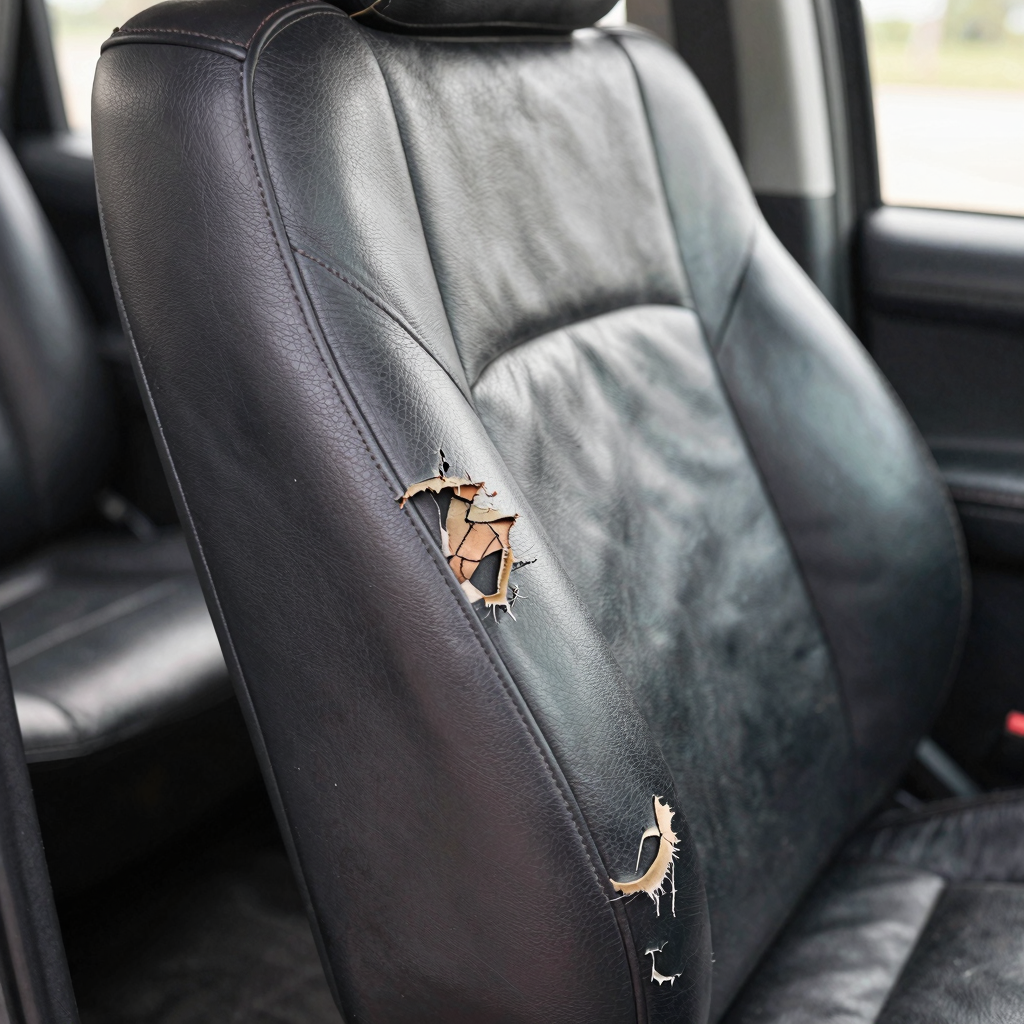
Key Reasons for Leather Seat Repair
Maintaining and repairing leather seats in trucks is critically important for several reasons, especially for fleet managers and operators in demanding industries like construction, mining, and logistics. Here are the key benefits:
-
Cost-Effectiveness: Repairing leather seats is significantly less expensive than full replacement. Typical repair costs range from $300 to $2,000 depending on damage severity, whereas full replacements can cost $4,000 to $9,000 per seat. Repair extends the life of your upholstery by up to 5 years, helping fleets avoid huge capital expenses.
-
Preserves Appearance: Regular maintenance and timely repairs prevent cracking, fading, and stains, keeping truck interiors looking professional and well-kept. This is essential for maintaining company image and driver morale.
-
Enhances Safety and Comfort: Damaged leather can lead to discomfort and even pose safety risks by reducing seat support and causing driver distraction. Proper repair restores seat integrity and cushioning, ensuring safer and more comfortable rides.
-
Protects Against Environmental Damage: Leather is prone to drying out and cracking from sun exposure and heat common in trucking operations. Repair and conditioning with UV protection preserve the material’s durability and appearance.
-
Sustainability: Repairing rather than replacing leather seats reduces waste and environmental impact, aligning with sustainable fleet management practices.
-
Improves Resale Value: Well-maintained interiors retain truck resale value by presenting a better-maintained vehicle to buyers.
For comprehensive fleet maintenance strategies including seating care, explore resources on budgeting for routine truck maintenance and optimizing fleet size and maintenance, which emphasize cost control and upkeep.
Maintaining your leather seats is not just about aesthetics-it’s a strategic investment in fleet longevity, safety, and operational efficiency.
Essential Tools for Leather Seat Repair
Repairing leather truck seats is a specialized task that requires the right tools to ensure a successful outcome. Here are five essential tools that truck owners and operators should have for effective leather seat repair:
-
Leather Repair Kit
A comprehensive leather repair kit is crucial for any repair job. It typically includes various colored dyes, leather fillers for cracks and scuffs, and materials for applying these substances. Kits designed specifically for automotive applications ensure that the colors match your truck’s interior perfectly, providing a seamless blend after repairs. Investing in a quality kit not only helps in fixing visible damages but also extends the life of your leather seats. -
Fine-Grit Sandpaper (2000-3000 grit)
Fine-grit sandpaper is essential for surface preparation. Using sandpaper with a grit of 2000 to 3000 helps in gently smoothing the leather surface before applying any repair materials. This step is critical as it ensures that the repair substances adhere properly and create a smooth finish. It is particularly useful for preparing areas with scratches or small imperfections. -
Leather Conditioner
After repairs are completed, it is vital to restore the suppleness of the leather. A high-quality leather conditioner helps in maintaining the elasticity and softness of your seats, preventing future cracking. Regular conditioning is essential for truck owners who are frequently exposed to varying temperatures and humidity levels, which can dry out leather upholstery over time. -
Heat Gun or Hair Dryer
A heat gun or a hair dryer can accelerate the drying process of the repair materials. Care should be taken to maintain an appropriate distance to avoid overheating, which could damage the leather. Heat helps to properly cure the products used in repair, ensuring a durable finish that withstands regular wear and tear. -
Precision Applicator Brush
A precision applicator brush allows for detailed application of dyes and fillers. This tool is particularly useful for reaching into crevices and smaller areas where larger tools may not fit. A good brush ensures that you can apply product evenly and accurately, crucial for aesthetic repairs on visible parts of the seat.
By equipping yourself with these tools, truck owners can effectively manage leather seat repairs, ensuring their vehicles remain comfortable and visually appealing. For further information on proper maintenance practices, consider budgeting for routine truck maintenance to keep your fleet in prime condition.
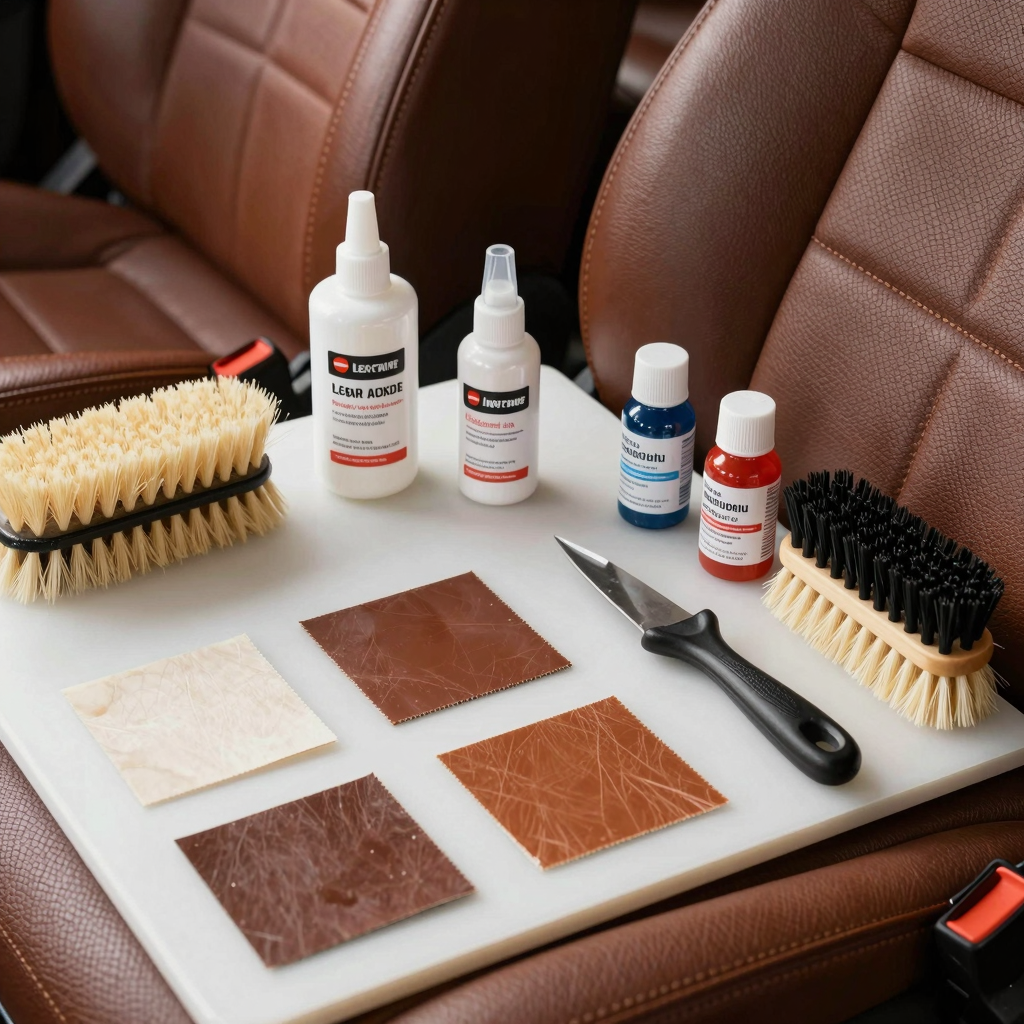
Step-by-Step Guide for Simple Leather Repairs on Truck Seats
Leather truck seats endure a lot of wear and tear due to constant use, which often leads to scratches and small tears. Addressing these issues promptly can maintain the aesthetic appeal and longevity of your vehicle’s interior. This guide provides detailed steps for repairing common leather problems, ensuring a durable and professional-looking finish.
Materials Needed
- Leather Cleaner – A neutral cleaner specifically designed for leather.
- Fine-Grit Sandpaper (2000-3000 grit) – For buffing scratches lightly.
- Color-Matched Leather Repair Paste – For filling in scratches and tears.
- Flexible Polyurethane Leather Adhesive – Ideal for bonding torn edges.
- Leather Filler – To smoothen out small repairs.
- Matching Leather Dye (optional) – For color touch-ups post-repair.
- Soft Cloth – For polishing the repair.
- Scissors – To trim any frayed edges.
- Application Brush – For applying paste and dye evenly.
- Masking Tape – For protecting surrounding areas.
Step 1: Clean the Affected Area
To begin, clean the leather seat thoroughly:
- Use a neutral leather cleaner and a soft cloth.
- Wipe away any dirt or stains. Be sure to let it dry completely before proceeding.
Step 2: Prepare for Scratch Repair
For scratches:
- Lightly buff the scratched area with fine-grit sandpaper; this helps remove any rough edges around the scratch and allows the repair paste to adhere better.
- Use a soft cloth to remove any dust or debris after sanding.
- Apply masking tape around the scratch to protect the surrounding leather from excess paste.
Step 3: Apply Repair Paste
Use the color-matched leather repair paste:
- Using an application brush, apply a thin layer of paste directly into the scratch, filling it smoothly.
- For deeper scratches, multiple applications may be necessary. Allow each layer to dry for about 10 to 15 minutes before adding more.
- Once the scratch is filled, let it dry completely (follow the manufacturer’s instructions for optimal drying times).
Step 4: Repair Small Tears
For small tears (less than 1 inch):
- Trim any irregular or frayed edges of the tear for a neater repair.
- Apply a flexible polyurethane leather adhesive to both edges of the tear, pressing firmly to bond them together for 1-2 minutes.
- After the adhesive has set, apply leather filler over the seam to smoothen the area.
- Similar to scratch repairs, allow it to dry for the recommended time.
Step 5: Color Match and Finish
Once your repairs are dried, it’s time to blend them into the surrounding leather:
- If necessary, use matching leather dye with an application brush to carefully color the repaired area, ensuring consistency in color.
- After the dye has dried, you may polish with a soft cloth for a smooth finish.
Note: For repairs that involve significant damage, or if you’re uncertain about the results, consider consulting a professional repair service to ensure the best outcome, especially in high-stress areas like seat bolsters.
Suggested Leather Repair Kits
To achieve the best results, consider using specialized leather repair kits. Here are two highly recommended options:
| Leather Repair Kit | Description | Source | Link |
|---|---|---|---|
| Lexol Leather Repair Kit | Ideal for minor scratches; includes color-matching paste and easy application tools. | Consumer Reports | Link |
| Angelus Leather Repair Kit | Designed for automotive interiors; effective for filling and dyeing small tears. | Amazon | Link |
Visual Guide
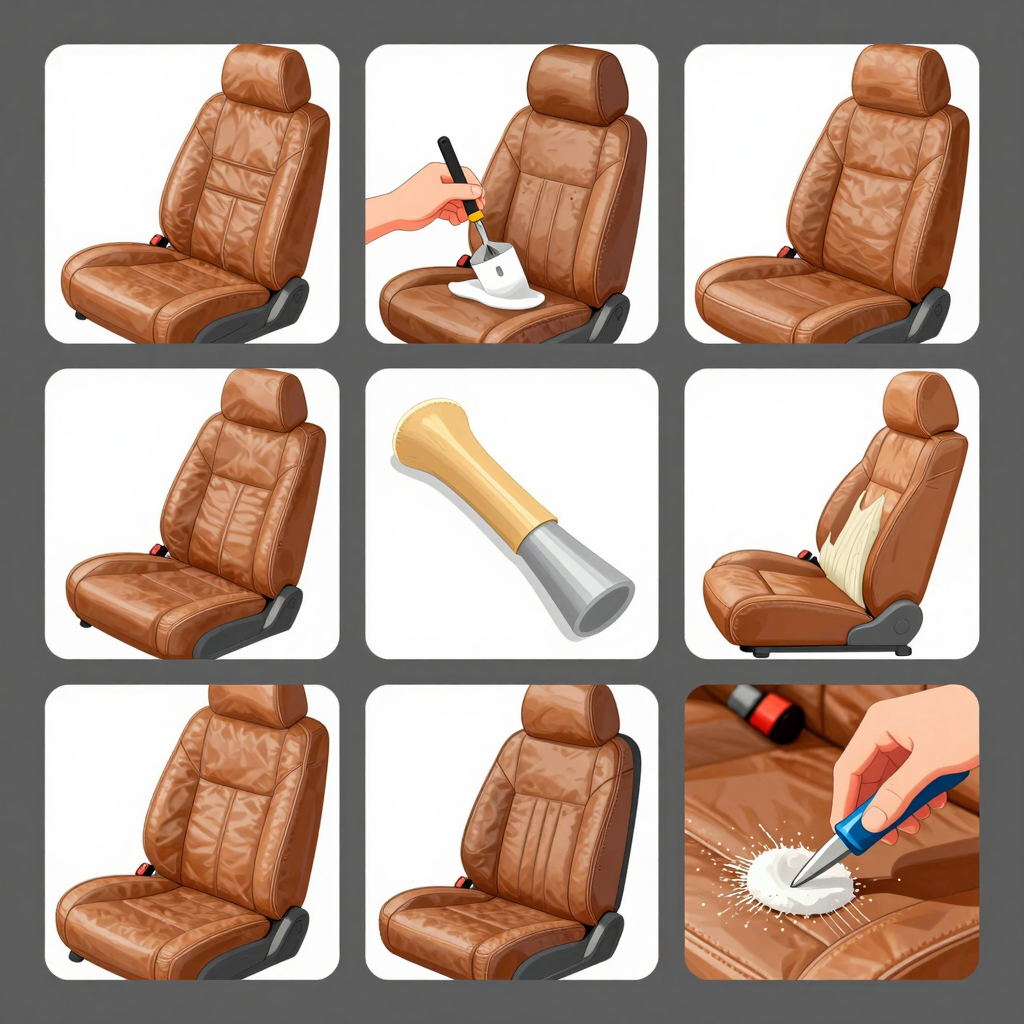
Below is a visual representation of the step-by-step process for repairing your leather truck seats, which summarizes the steps in a highly engaging format:
Conclusion
Maintaining your leather truck seats through quick repairs can save on costs and enhance the longevity of your fleet. Simple scratches and tears can be tackled with patience and the right materials, ensuring your truck maintains a professional appearance. For more insights on truck maintenance strategies, feel free to learn more about budgeting for routine maintenance or explore our maintenance tips tailored for small fleets here.
By following this guide, your leather seats can look brand new, enhancing both comfort and style for your drivers as they navigate the challenges of the road.
| Feature | Leather World Technologies Deluxe Kit | NTA Leather Repair Kit | Masta Plasta Repair Patch |
|---|---|---|---|
| Ease of Use | Designed for DIY with guidance; professional system with user-friendly application. | Simple steps; includes color-matching dye and filler. | Extremely easy; self-adhesive patch needs no tools. |
| Color Matching | Wide range of pigmented colors; includes multiple dyes for precise matching. | Multiple color swatches and high accuracy matching. | Limited pre-colored patches; requires painting over. |
| Durability | High durability; trusted by pros; long-lasting finish. | Durable results that maintain appearance over time. | Strong bond; best for cosmetic repairs. |
| Cost | $84.95 USD | $69.99 USD (estimated) | $39.99 USD (varies with size) |
| Best For | Comprehensive repairs: cracks, holes, fading. | Minor to moderate damage; affordable solution. | Quick, temporary fixes for small tears or holes. |
Note: Cost and product availability are based on data available from 2023-2026. Specific pricing may vary slightly by region and retailer.
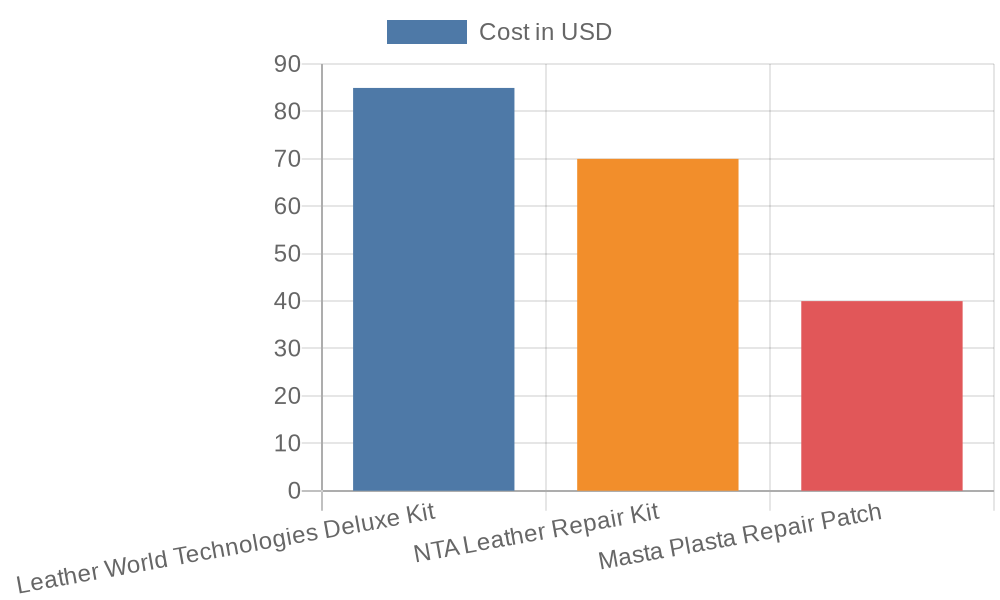
For a deeper look into maintenance solutions for your fleet, consider budgeting for routine truck maintenance to understand the costs involved.
The Case for Professional Leather Repair Services
As fleet managers and trucking company owners, maintaining the quality and longevity of leather truck seats is critical not only for vehicle aesthetics but also for ensuring driver comfort and satisfaction. With the choice between professional leather repair services and DIY options, understanding the advantages of professional intervention can significantly impact the decision-making process when addressing leather damage.
Advantages of Professional Leather Repair Services
-
Expertise and Skill:
Professionals possess specialized knowledge in different types of leather and its unique repair needs. They know which products to use for specific repairs, ensuring that the color and texture match the original material seamlessly. Professional services, with their training and experience, often result in repairs that are less visually obtrusive compared to DIY attempts. -
Complex Repair Handling:
Professional services can address complex issues such as deep scratches, tears, and stitching problems. They apply advanced techniques that a typical DIY kit cannot manage. For example, using methods like precision dye application or even full-grain restoration, these experts can tackle severe damage effectively, often restoring the leather to a like-new condition. -
Longevity of Repairs:
When professionals perform repairs, the durability and effectiveness of their work tend to exceed that of DIY fixes. According to research by Consumer Reports, DIY leather repair kits yield satisfactory results only 30% of the time, while professional services boast an impressive success rate exceeding 90%. -
Warranty and Assurance:
Many professional leather repair services provide warranties for their work, giving trucking companies peace of mind. This is a significant advantage over DIY attempts, which typically lack any form of guarantee. Should a repaired area appear damaged again, professional services often return to correct the issue without additional costs. -
Preserving Value:
High-value trucks rely on their interior quality and aesthetic value. Professional repairs preserve the integrity and appearance of leather interiors, maintaining vehicle value and appeal. As highlighted by Leather Pro Experts, investing in quality repairs is paramount for high-value items.
When to Choose Professional Help Over DIY?
In situations where the damage includes significant rips, fading, or if the leather has started to deteriorate, enlisting a professional service is advisable. Conversely, minor surface blemishes like light scuffs or small stains may be manageable with DIY kits, which can offer cost-effective immediate solutions. However, for trucking companies that prioritize safety, driver comfort, and long-term value preservation, professional repairs are the strategic choice.
Moreover, the application of specific leveling techniques and color matching performed by professionals aligns well with the operational efficiency expected in the trucking industry. For more about managing maintenance budgets effectively, check out our article on budgeting for routine truck maintenance.
Ultimately, the decision to invest in professional leather repair services may substantially reduce ongoing costs associated with further damage, thereby enhancing fleet value, safety, and driver satisfaction.
Cost Comparison: Repair vs. Replacement of Leather Seats
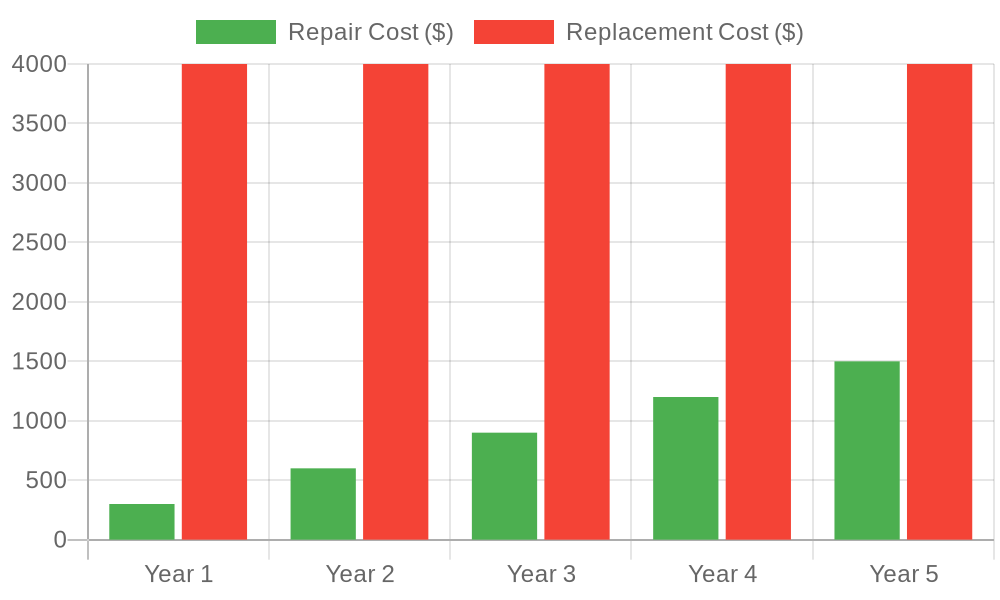
When considering the long-term costs associated with maintaining leather seats in trucks, fleet managers and trucking company owners face a critical choice: should they repair or replace damaged leather seats? The following chart illustrates the cost savings over time when opting for repair instead of replacement.
Cost Analysis Over Five Years
| Year | Repair Cost ($) | Replacement Cost ($) |
|---|---|---|
| 1 | 300 | 4,000 |
| 2 | 600 | 8,000 |
| 3 | 900 | 12,000 |
| 4 | 1,200 | 16,000 |
| 5 | 1,500 | 20,000 |
Total Accumulated Costs:
- Repair over 5 years: $1,500
- Replacement (one-time cost): $20,000
Conclusion
Choosing to repair leather seats rather than replacing them can result in significant cost savings for trucking companies over the long term. With minor damages, repairs should be prioritized to maintain budget while ensuring the longevity of the vehicles. For a deeper understanding of fleet maintenance budgeting, learn more about budget planning for routine truck maintenance.
Conclusion
In summary, the maintenance of leather truck seats is critical for ensuring not only the aesthetic appeal of the vehicle but also its long-term functionality and value. Throughout our discussion, we explored the various aspects of leather care, emphasizing that regular cleaning, conditioning, and immediate attention to spills are essential practices. As sourced from experts, neglecting these practices can decrease the lifespan of leather seats by up to 50%, underscoring the importance of a proactive maintenance schedule. Proper care can help retain the luxurious feel of leather, enhance driver comfort, and ultimately safeguard the resale value of the fleet.
For fleet managers and trucking company owners, incorporating high-quality maintenance products is essential for optimal leather care. Investing in premium products from Summit Fairings, for instance, can significantly elevate your leather maintenance routine. These products are designed specifically for heavy-duty applications, providing deep cleaning and conditioning that helps protect against the unique challenges posed by long hours on the road and varying environmental conditions.
Take action today-consider integrating Summit Fairings’ leather maintenance products into your overall truck maintenance strategy. By prioritizing leather care in your trucks, you not only enhance the driving experience for your operators but also ensure your fleet remains in top condition for years to come. Learn more about maintaining your fleet effectively and invest in the premium upkeep your vehicles deserve!