Truck frame integrity is paramount for safety and performance in any fleet operation, construction site, or logistics chain. Understanding the various methods of frame repair is crucial for fleet managers, trucking company owners, and enterprise operators in construction and mining. This knowledge can not only extend the lifespan of vehicles but also optimize maintenance costs. Each chapter of this article delves into specific repair techniques – from frame straightening and heat treatment to welding, manual corrections, and critical safety considerations. By exploring these methods, readers will gain a comprehensive understanding of how to approach truck frame repairs effectively while ensuring vehicle safety and compliance.
Restoring the Backbone: Precision Frame Straightening for Safe Truck Repair
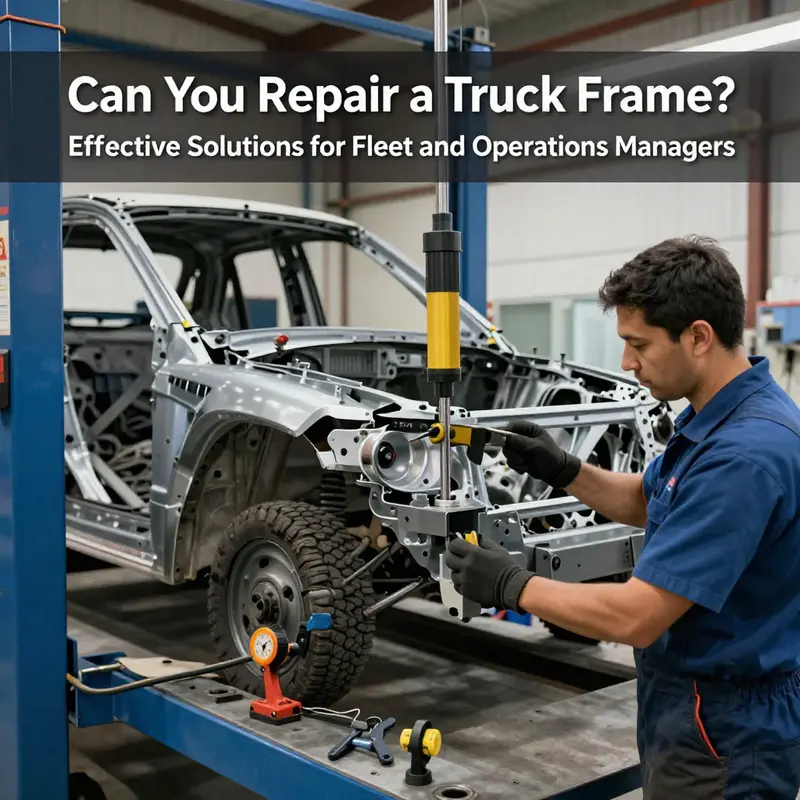
When a truck frame bears the marks of a collision or the stress of heavy use, the question is not only whether the metal can be fixed, but whether the repair will keep the vehicle safe and reliable for the miles ahead. The frame is the backbone of the truck, transmitting forces from the road to the suspension, steering, and drivetrain. If it is bent, warped, or cracked beyond a certain limit, repair becomes a debate between restoring alignment and risking hidden weaknesses that could reveal themselves under load. The good news is that modern frame repair is a disciplined blend of measurement, hydraulics, metal science, and skilled craftsmanship. It starts with the right diagnosis and ends with a restored geometry that aligns with the original specifications of the vehicle. In between lies a sequence of precise steps, each chosen for its suitability to the damage at hand and its impact on long term safety. For operators and shop technicians, that sequence is less about guesswork than about a consistently traceable process that can be repeated with predictable results, provided the right tools and expertise are in place.
At the heart of most frame repair is straightening. This is not a crude yank on a bent bar but a controlled, repeatable process that reestablishes straightness while preserving structural integrity. Modern straightening equipment combines hydraulic power with computer guided diagnostics. In the field, you’ll encounter portable frame straighteners and large, stationary machines, each with its own strengths. The portable approaches, such as a 10 ton pull tower, are designed to reach the damaged areas without dismantling the entire chassis. The 106EXT model exemplifies a class of portable systems that integrate a 10 ton pull capability with a bench that can rotate near 360 degrees. The rotation is not merely a gimmick; it enables the technician to apply pulls from the exact angle required by the damage, no matter where it lies on the frame. A universal jig system supports the modern chassis, preserving alignment geometry across a spectrum of truck and SUV configurations. Optional anchoring options add flexibility, allowing the same equipment to adapt to different repair scenarios without sacrificing consistency. This modular approach is vital when the damage does not respect clean boundaries but threads across cross members, rails, and mounting points.
The essential advantage of computer controlled frame straightening is accuracy. Pre repair measurements establish a baseline, and every correction is guided by a feedback loop that compares the frame against reference dimensions. A professional 3D measurement system traps the geometry of every node, rail, and cross member, then computes the precise displacements needed to bring the frame back to OEM specifications. The operator can visualize the expected result and adjust pulls incrementally, reducing the risk of overcorrection or introducing new distortions. The goal is to reproduce the original contour and maintain the frame’s stiffness characteristics, ensuring that the suspension, steering, and fasteners align correctly after the repair. For shop teams, this capability reduces guesswork, enhances reproducibility, and allows technicians to document the repair with objective data that can be traced through the vehicle’s service history.
But straightening is not always a single, linear process. Some frames exhibit torsional distortions, where one or more rails bend in a twisting fashion. In those cases, heat often enters the toolkit as a means to loosen constraints locally and allow the metal to rearrange with greater ease. Heat treatment, when applied judiciously, lowers the yield strength in a targeted area, enabling the frame to be reshaped with less force and reducing the risk of distal cracking. Induction heating or torch methods can deliver rapid, localized warmth, but the operator must control temperature tightly. Overheating can soften the metal too much, create new stress risers, or alter the metallurgical balance of the surrounding sections. Because heat introduces new variables, this step is typically performed by experienced professionals who monitor temperature with precision and verify the material response through measured corrections. The principle remains simple: heat gently, shape, then let the metal rehard en in a controlled manner as it cools.
When distortions surpass the realm of straightening and heat, or when the damage has produced cracks or a fractured cross section, welding and replacement enter the workflow. Welding can close a crack and restore continuity, but it is not a reflexive fix. The process often involves cutting away compromised material and replacing it with a matching segment that has been fabricated to the same geometry and specifications as the original. Post weld heat treatment and careful inspection are required to restore the frame’s properties and to minimize residual stresses that could propagate later under load. In some cases, a damaged section is so compromised that a replacement section, welded in with high-integrity joints, becomes the safer and more economical option in the long run. Either way, the welding process must be performed by skilled welders who understand the critical tolerances and who can verify the repair with non destructive testing or rigorous post repair measurements.
In rarer circumstances, where the distortion is minimal and the operator can confidently control the deformation without introducing new risks, there may be room for manual correction. This is not a DIY task or a shortcut; it requires hands that are trained in handling heavy components, a deep understanding of frame geometry, and the right jigs and fixtures to ensure even distribution of force. For the vast majority of cases, however, manual corrections stay in the background, reserved for delicate finishing touches rather than the heavy lifting.
Beyond the mechanics of how a frame is repaired, there are overarching considerations that guide the entire process. Foremost is safety. A structurally unsound frame is a liability, not a solution. Vendors and repair shops alike emphasize that a frame must be restored to original design tolerances, and every critical measurement must be re checked before the vehicle is allowed back into service. The suspension geometry, steering alignment, and wheel camber are not afterthoughts; they are integral to how a vehicle handles, how it wears tires, and how it stops under load. A repair that ignores these components will not only perform poorly but could endanger the operator and other road users.
Professional expertise is another pillar of the decision to repair a frame. Frame repair requires expensive, calibrated equipment and a level of training that goes beyond routine body work. The measurement systems used to verify restoration are sophisticated, and the sequence of operations is tightly choreographed to minimize variability. Attempting to execute frame repair without the proper tools and knowledge can escalate minor issues into major structural flaws that show up only after deployment. This is not a field where improvisation yields good outcomes; it is a discipline that rewards methodical planning, precise execution, and thorough verification.
Post repair verification closes the loop. After any correction, the chassis is re measured against the OEM specifications. The suspension mounting points, cross member alignments, and rail spacing all receive fresh checks. The repair must not alter wheel alignment to the point where the truck becomes unstable or consumes tires rapidly. In practice, technicians often perform a comprehensive alignment, test drive, and a final inspection to confirm that the vehicle meets the manufacturer’s tolerances and that the repair remains stable over time. The objective is a durable restoration that preserves the truck’s structural integrity and functional performance for the long haul.
The equipment landscape has evolved to support shops of varying sizes. While a large heavy duty repair facility may rely on stationary frame machines with high pressure capabilities and extensive reach, smaller shops are increasingly adopting portable, computer guided systems that deliver consistent results without sacrificing the quality of the repair. The shift toward digital measurement and modular frames is a key factor in making professional frame repair more accessible to mid sized shops. This democratization of technology does not undermine the need for skilled technicians; it reinforces the idea that precise data, repeatable procedures, and careful validation are the pillars of a responsible repair.
For those navigating the decision about whether a damaged frame can or should be repaired, it helps to anchor the discussion in the practical realities of the repair environment. Some frames can be brought back to spec with a combination of straightening, selective heating, and, where necessary, judicious welding. Others may be too far gone, with cracks that compromise the cross section or rails that have yielded in ways that cannot be reliably reversed. In such cases, replacement of the affected section or even the entire frame may be the safer, more economical choice in the long run. The point is not to default to replacement, but to assess the true capability of a repair toward restoring OEM geometry and ensuring continued safety under load. This is why a qualified shop conducts an initial damage assessment, estimates the repair path, and documents the planned approach with clear, measurable targets.
For readers seeking a broader sense of the equipment ecosystem behind these capabilities, a representative range of frame machines illustrates the spectrum from portable to industrial scale. The landscape includes devices that integrate 3D measurement with hydraulic power, as well as robust stationary machines that offer substantial rigidity and force. The objective shared by all is to deliver reproducible results, reduce human error, and support a repair path that ends in a frame that behaves as the OEM intended under real world conditions. If you want to explore the equipment options firsthand, you can find detailed product information from reputable industry sources that catalog heavy duty frame machines and their specifications. This perspective helps frame the conversation about whether a repair makes sense for a given truck and service context. For more active discussion on how shops approach these repairs, consider the Master Truck Repair Blog.
As you weigh the path forward, remember that the best outcomes arise when the repair plan is grounded in data, executed with disciplined technique, and verified with objective measurements. The difference between a repair that merely hides distortion and one that truly restores structural integrity can hinge on small decisions made early in the process: selecting the right jig, applying pulls in the correct sequence, balancing the heat input, and validating results against a trusted reference. The goal is not simply to bend the frame back into shape but to return the vehicle to a condition where its frame and its critical systems function together as the manufacturer designed. That is the essence of frame straightening technique in truck frame repair: a disciplined blend of hydraulic precision, digital diagnostics, and careful, evidence based decision making that keeps the road safe and the fleet ready for the next haul.
For those who want to see more about the field and keep up with ongoing developments, the broader repair community offers continuing coverage and practical insights through industry blogs and resources. Practical considerations, such as facility layout, operator training, and cost management, also influence how a shop implements these techniques. The bottom line is that frame repair is both an art and a science, anchored in careful measurement and backed by a commitment to safety. When done correctly, a damaged frame can be restored to its original geometry, restoring confidence in the vehicle and preserving both performance and safety for the miles ahead. If you’d like to explore more about how frame repair integrates with broader truck maintenance practices, you can visit the Master Truck Repair Blog.
External resource for equipment context: https://www.alibaba.com/product-detail/Heavy-Duty-Truck-Frame-Machine-Used-Truck1600584917593.html?src=whatsapp&spm=a2700.galleryofferlist.pyh_1000001037.1
Heat as a Restorer: How Deliberate Temperature Cycles Rebuild Strength in Damaged Truck Frames
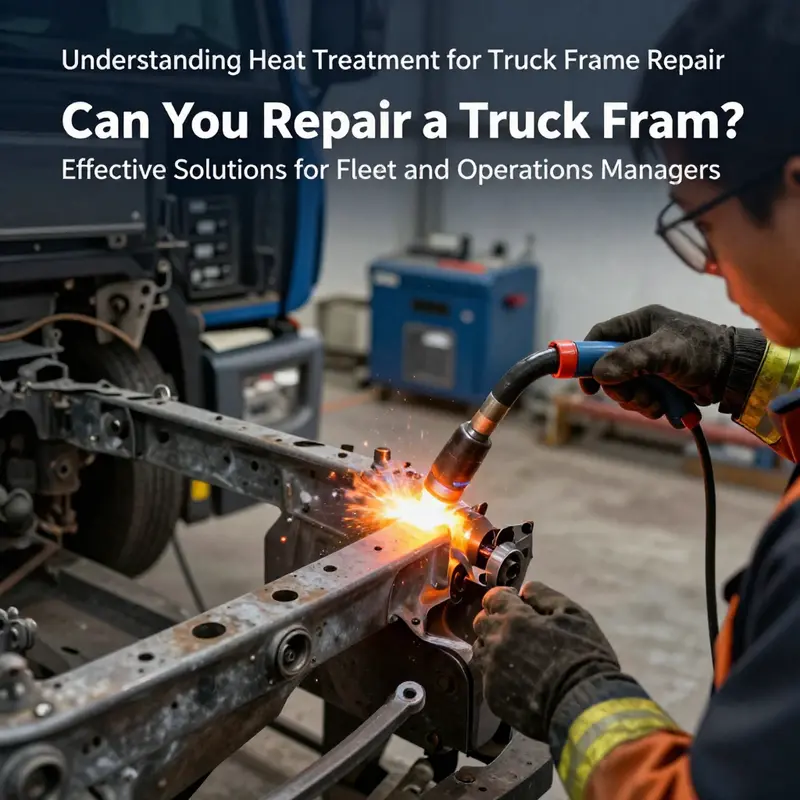
When a heavy-duty truck frame bends, cracks, or twists, the repair is not complete until the metal’s microstructure is returned to a predictable state. Heat treatment—carefully applied heat followed by controlled cooling—works alongside bending, welding, and reinforcement to restore toughness and fatigue life. In modern high-strength steels, heat treatment is essential to ensure that a repaired frame behaves reliably under load, vibration, and long routes. Welding and distortion introduce residual stresses and altered grain structures, while heat treatment seeks to homogenize the material response and reduce the risk of unexpected failure. The outcome depends on the steel grade, the extent of deformation, and how well the cycle is controlled. This is why heat treatment sits at the core of responsible frame repair, performed by technicians who understand metallurgy and the vehicle’s service demands.
The practical logic begins with what welding does to metal. The heat-affected zone (HAZ) can soften or harden unevenly, residual stresses accumulate, and distortion can push the frame out of true. If unaddressed, stiffness, load distribution, and fatigue life can suffer. Heat treatment smooths the grain, relaxes stresses, and creates a more uniform response to stress across the repaired region. It is the bridge between cosmetic alignment and genuine structural integrity.
Two principal approaches recur: stress relief and normalization. Stress relief targets residual stresses with moderate temperatures and slow cooling to avoid altering overall strength. Normalizing heats the metal above its critical point and cools in air to refine the grain, boosting toughness and uniformity. The choice depends on service conditions, repair extent, and weld quality. The common goal in both is a homogeneous material behavior so that the frame responds to loads in a predictable, safe way.
Tools, not generic hand devices, drive heat treatment: induction heating, gas- or oxy-fuel torches, and calibrated furnace cycles. The process requires precise location, timing, and cooling paths. Overheating can reduce ductility or introduce new flaws, while slow, uniform cooling helps maintain a balanced microstructure. Each cycle is tailored to material and service life, not a one-size-fits-all recipe.
Verification and standards are essential. Re-measuring frame geometry, inspecting welds, and testing alignment after heat treatment ensure the repaired frame meets the same performance criteria as new components. Calibration and documentation of cycles support traceability and safety. The heat-treatment decision is part of a repair plan that anticipates deformation, cracks, and service life, guiding reinforcement or replacement if necessary.
Safety remains paramount. Heat cycles carry risks, and technicians manage these with protective equipment, controlled environments, and rigorous procedures. Proper post-treatment inspection confirms continued service readiness. When performed correctly, heat treatment preserves frame integrity, returns geometry to tolerance, and supports long, safe operation.
For readers seeking deeper technical perspectives, standards bodies and automotive research provide analyses of how heating and cooling cycles influence grain structure, residual stresses, and fatigue life. The key takeaway for practitioners is that heat-treatment quality directly affects reliability under repetitive loading. The industry relies on qualified professionals, calibrated equipment, and documented processes to ensure every repaired frame behaves as a coherent, durable structure. This is why heat treatment is not an afterthought but a core element of frame repair, enabling safer roads and longer service life.
Welding and Replacement: Restoring a Truck Frame Safely and Precisely
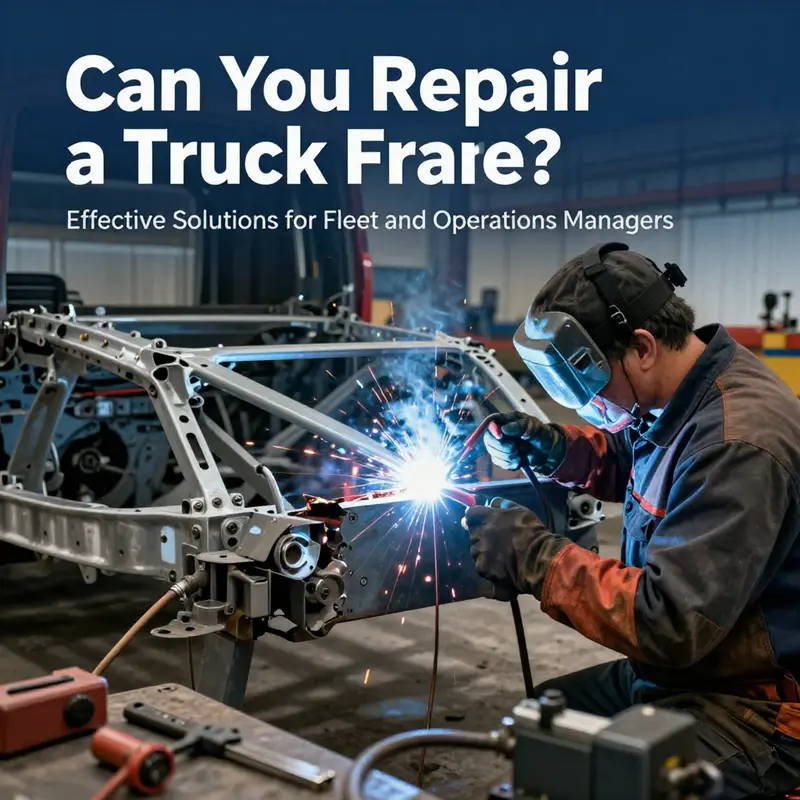
Welding and replacement are the last-resort tools for restoring a truck frame to safe, serviceable condition. When a frame has fractured, been bent beyond what pulling can correct, or has a section so corroded it no longer carries load, skilled welders and replacement procedures become essential. These operations are not cosmetic. They restore the frame’s ability to carry weight, resist torsion, and keep suspension and steering geometry within manufacturer limits. That makes the work high-stakes and highly regulated: proper technique, material matching, and verification are non-negotiable.
The first and most important decision is whether welding or replacement is appropriate. Small cracks in low-stress, non-load-bearing areas sometimes respond to careful weld repair. Large cracks through box-section members, bends that have introduced microscopic fatigue, or rusted-through areas in critical load paths usually require cutting out the damaged section and replacing it with new, matched material. A qualified technician will evaluate the damage visually and with diagnostic tools, check alignment with a 3D measuring system, and consider the vehicle’s intended use. If the truck will carry heavy loads or operate in demanding service, replacement is preferred over patch repairs wherever doubt exists.
Proper welding begins with preparation. Edges must be chamfered to create a bevel that allows full weld penetration. Chamfering removes thin, oxidized, or contaminated metal and reduces abrupt geometric changes that concentrate stress. The goal is a sound weld that transfers load through the parent metal, not a shallow bead that sits on the surface. Before any heat is applied, technicians secure the workpiece with jigs and temporary fasteners. When replacing a crossmember or a section of rail, both ends are positioned accurately between the side members and fixed with temporary screws or clamps to hold alignment during tack welding. Precision at this stage prevents cumulative error when the final welds are applied.
Welding methods commonly used on truck frames include MIG (Metal Inert Gas) and MAG (Metal Active Gas). These processes provide control and repeatability for structural steel. The choice of wire, shielding gas, and machine settings must match the frame steel grade and thickness. Welding on frame members also requires attention to preheating and interpass temperature control. Preheat reduces the risk of cracking by slowing cooling and lowering thermal gradients. Interpass temperature must be monitored to avoid overheating, which weakens the heat-affected zone and changes the metal’s microstructure.
A sound welding sequence helps manage distortion. Long continuous welds generate heat that pulls and twists box sections. Breaking welds into shorter segments, alternating sides, and allowing controlled cooling between passes helps maintain alignment. Where long seams are unavoidable, fixtures and jigs hold dimensions while welds are completed. After welding, a controlled sequence of finishing passes reduces residual tensile stresses and prevents new fatigue initiation points.
Matching materials matters as much as technique. Replacement sections should be the same grade and yield strength as the original frame. Using mismatched steel or welding dissimilar metals can create hard, brittle zones or galvanic corrosion. Weld fillers must be specified to produce ductile joints with appropriate mechanical properties. If the frame has high-strength or low-alloy steel sections, repair procedures should follow the manufacturer’s guidance to avoid degrading material properties.
Post-weld treatment often includes stress-relief measures. In some cases, a post-weld heat treatment (PWHT) is applied to temper the heat-affected zone. PWHT reduces residual stresses and improves toughness in critical areas. Whether PWHT is necessary depends on the steel grade, thickness, and location of the weld. Skilled shops will refer to engineering data or manufacturer bulletins to decide. When PWHT is not used, careful welding technique and controlled cooling become even more important.
No weld repair is complete without inspection. Non-destructive testing (NDT) methods verify weld quality and detect subsurface flaws. Dye penetrant testing is effective for surface-breaking cracks. Ultrasonic testing can reveal internal discontinuities and is commonly used on thicker sections. Magnetic particle inspection is another option for detecting near-surface defects in ferrous materials. For critical repairs, multiple NDT methods may be applied. Thorough inspection ensures the weld will not become a new failure point under load.
Corrosion protection and finishing restore longevity. Welded areas are cleaned of scale and spatter, primed with rust-inhibiting coatings, and painted or sealed. Seam sealers and underbody coatings protect joints from water and salt intrusion, which cause premature corrosion. Proper drainage paths are restored to prevent water trapping. These finishing steps are small compared to structural work, but they prevent the repaired area from becoming a weak link in a few seasons.
Documentation and verification close the loop. After repairs, the frame must be re-measured to confirm it meets dimensional tolerances and manufacturer specifications. Steering, suspension, and wheel alignment require adjustment and verification on the vehicle. A road test under load confirms there are no unusual noises or handling issues. Many jurisdictions and fleet operators demand written repair records and inspection certificates. These documents support safety audits and resale transparency.
Choosing the right shop makes a difference. Seek facilities that specialize in heavy-frame repair and have calibrated fixtures, 3D measurement systems, and experienced structural welders. A reliable facility will discuss the decision process, outline material and welding methods, and explain inspection steps. For fleets and owner-operators, investing in experienced repair can extend a frame’s service life and avoid recurring failures. For guidance on establishing in-house maintenance practices and when to outsource complex structural work, see Turnage Sons’ in-house truck maintenance.
Finally, know when to walk away. Some damage is simply beyond safe repair. Extensive corrosion, multiple weld repairs in primary load paths, or evidence of fatigue crack growth across critical sections often mean replacement of the frame or vehicle is safer and more economical long-term. The test is whether the repaired frame can reliably meet load ratings and fatigue life expectations. If it cannot, continued operation places the driver and cargo at risk.
For a detailed procedural reference covering preparation, chamfering, positioning, welding techniques, and post-weld checks, consult this comprehensive truck frame repair guide: https://www.scribd.com/document/473592816/Truck-Frame-Repair-Guide
Bent but Not Broken: The Subtle Craft of Manual Correction in Truck Frame Repair
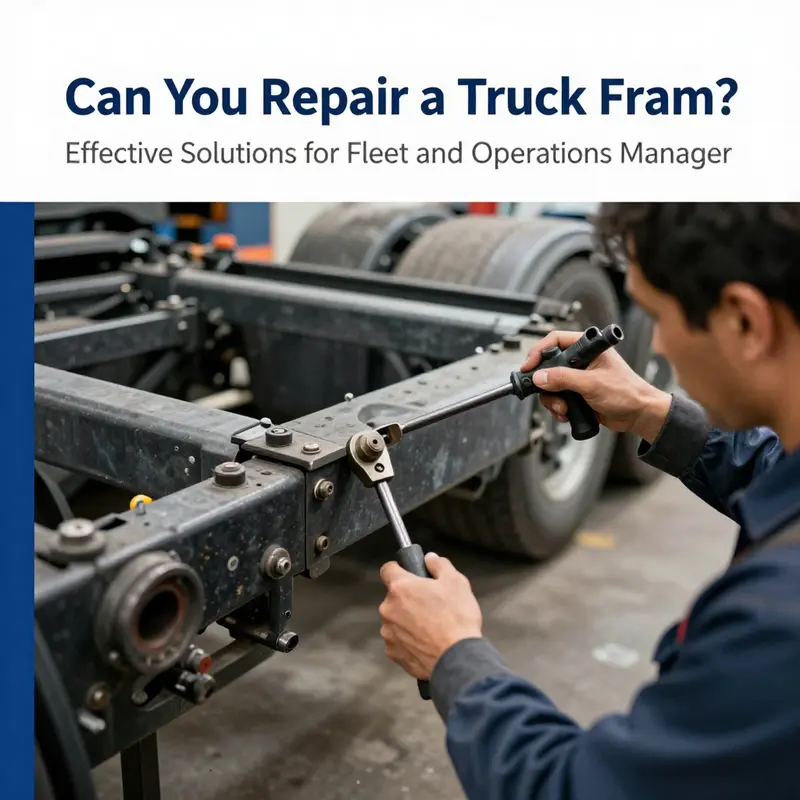
Manual correction in truck frame repair is not the flashy centerpiece of a restoration, but it remains a crucial skill in the repair spectrum. It rests on the belief that a frame with minor distortions can be coaxed back toward true geometry through careful, controlled physical work. This approach relies less on automated power and more on a craftsman’s touch, a deep understanding of metal behavior, and an unwavering attention to measurement. When a frame wears a bend or a twist, the instinct to pull, pry, or persuade must be guided by a precise plan so that the correction doesn’t simply move the problem from one spot to another. The reality is that manual correction often serves as a bridge between the initial assessment of damage and the decision to deploy more heavy-handed methods. In that sense, it embodies a disciplined restraint: knowing when to work with your hands, and when to escalate to hydraulic power, heat, or welding. The balance is delicate, but it is also where skilled technicians demonstrate their judgment and restraint, applying force only where it will yield stable, predictable results.
The techniques involved in manual correction begin with a careful assessment of where the frame is out of alignment. Before any tool is touched, the technician identifies high spots, warped sections, or sections that have lost true straightness. The metal’s response to force is not uniform; what looks like a simple bend might require a different approach in the nearby area to avoid creating secondary distortions. With that map in mind, the technician uses a combination of hand tools—hammers, dollies, and pry bars—to apply deliberate, incremental force. Hammers are not used with reckless blows; they are employed in a sequence that allows the surrounding wall to guide the reshaping, with the dolly providing a solid backstop to absorb impact and prevent overcorrection. The process resembles a meticulous sculpting exercise, where each strike is calibrated to flatten the peak of a dent without pushing the material into a new kink elsewhere on the frame. This is the essence of manual correction: shaping through careful, localized persuasion rather than broad, all-at-once pressure.
A key aspect of this work is the controlled nature of the force. The technician avoids sudden, violent movements that could introduce new stress concentrations or roughen the steel beyond repair. Instead, force is applied in small, measured increments, and the frame is repeatedly evaluated as it begins to move toward its intended geometry. This slow, methodical approach helps preserve the steel’s ductility and prevents the formation of microcracks that wouldn’t be visible at first glance. It also reduces the risk of warping other sections that are already within tolerance. The craft here requires intuition that grows with experience: an eye for what represents a permissible correction and what would push the metal past its yield point. The danger of overworking any single area is real, and a skilled technician remains perpetually aware of the line between true restoration and induced weakness.
Temporary aids play a significant role in supporting manual correction, especially when the distortion extends beyond a single point. Clamps can hold components in place as the metal is coaxed back toward straightness, while jigs help maintain alignment across longer spans that extend from door line to axle. These aids are not crutches for sloppy work; they are precise tools that lock geometry in space while the force is applied. The use of jigs, in particular, helps ensure that moments of force do not coax the frame into an asymmetry that would only become apparent once the vehicle returns to full function. In some cases, temporary supports are necessary to reestablish the frame’s relationship to the rest of the chassis, which directly influences how the suspension and steering respond after repair. The careful orchestration of force, support, and measurement makes manual correction a disciplined, rather than impulsive, practice.
Measurement is the heartbeat of manual correction. Even in the absence of automated data collection, skilled technicians rely on precise measurement to guide every decision. Before work begins, measurements establish the baseline geometry. During correction, periodic checks reveal whether the area being worked is moving toward the target or wandering away from it. After correction, measurement confirms whether the frame has returned to the manufacturer’s specifications and whether the rest of the chassis is in harmony with the corrected section. While some shops use laser-based measuring systems for ultimate accuracy, the principle remains the same: you cannot correct what you cannot measure, and you cannot validate what you have not quantified. The post-correction recheck is not cosmetic; it is the essential validation that the frame can safely support the vehicle’s payload, steering inputs, and suspension range without introducing unpredictable bind or misalignment. In this way, measurement converts artful manipulation into dependable safety.
The skills required for manual correction extend beyond physical technique. A technician must possess a solid understanding of metal behavior under load, an awareness of how residual stresses can influence long-term performance, and the ability to forecast how small changes can ripple through adjacent sections of the frame. This requires a mental model of how the frame behaves under service loads—from braking torque to road irregularities. The technician also must be patient, disciplined, and able to distinguish between what is technically possible and what is prudent given the vehicle’s age, usage, and anticipated duty cycle. Even when the damage seems minor, the decision to proceed with manual correction rests on a nuanced appraisal of risk: will this adjustment hold under vibration, heat cycling, and fatigue? The best practitioners do not rely on guesswork; they compile evidence from their measurements, consider how the corrected geometry will interact with the steering and suspension, and then decide whether to proceed with manual correction or escalate to a higher level of intervention.
In practice, manual correction is most often employed when damage is limited in scope and does not threaten structural integrity in a way that would compromise safety if a more elaborate repair were required later. It is particularly valuable when specialized equipment is unavailable or when the job must be completed with minimal downtime. Yet it should never be mistaken for a DIY repair. The same rigor and precision that characterize professional frame work apply—just on a smaller scale. For the technician, the goal is to restore true geometry while preserving the frame’s original strength. If the distortion proves stubborn or if the material shows signs of cracking or tearing, manual correction gives way to more robust methods such as frame straightening with hydraulic force, selective heat treatment, or the replacement of compromised sections. The choice is not personal preference; it is a calculated judgment about safety, reliability, and durability.
As part of a broader repair strategy, manual correction does not exist in isolation. After any correction, the frame must be re-measured to verify conformity with manufacturer specifications. The alignment of the suspension, steering geometry, and wheel alignment must all be verified and adjusted as necessary. The post-repair verification is not a formality; it is the final safeguard that confirms the vehicle will perform predictably under real-world conditions. In some scenarios, minor corrections might be sufficient to meet tolerance, while in others, more extensive intervention becomes unavoidable. The technician’s responsibility is to recognize when manual methods have achieved the target and when the frame requires a more aggressive fix to restore structural integrity. The difference between a repair that is temporary and one that is durable lies in that final, comprehensive verification.
Manual correction is thus best understood as a measured craft within a spectrum of repair options. It is a disciplined approach to addressing minor distortions, a way to restore geometry without immediately resorting to more invasive techniques. It is also a reminder that even in a field driven by sophisticated equipment and high-strength steels, there remains value in tactile expertise and controlled manual skill. The best outcomes come from teams that blend the precision of measurement with the tactility of hands-on correction, and that know how to escalate when the damage surpasses what manual methods can justify. For anyone considering a repair path after a collision or heavy use, the takeaway is clear: manual correction is legitimate and often essential, but it must be exercised with restraint, backed by precise measurement, and complemented by a professional assessment of whether further intervention is necessary.
If you want a broader look at how frame repair fits into comprehensive shop practice, you can explore resources that provide practical guidance on maintaining and repairing frames within a professional context. For a broader reader who seeks additional industry perspectives, the Master Truck Repair blog offers insights into workshop practices and repair philosophies, which can help readers understand how manual correction sits alongside other repair strategies. Master Truck Repair blog: https://mastertruckrepairllc.com/blog/
For readers seeking deeper, step-by-step guidelines on rust and frame restoration in practical settings, external technical resources can offer extended viewpoints and case studies. A well-regarded practical guide on rusted truck frames provides a detailed look at how professionals assess, plan, and execute repairs under varied conditions, illustrating how manual corrections fit into broader repair decisions. External resource: https://www.carinterior.com/how-to-fix-a-rusted-truck-frame-a-practical-guide/
Framing for Safety: A Professional’s Roadmap to Truck Frame Repair
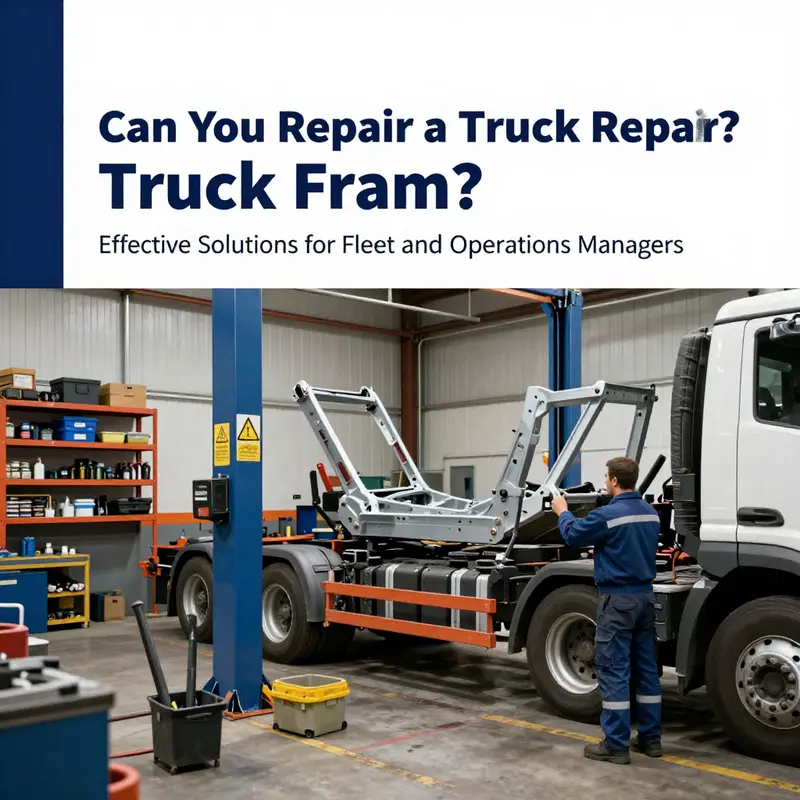
The frame of a truck is more than a backbone; it is a regulatory, mechanical, and safety-critical structure that underpins every system from steering to suspension, braking to aerodynamics. When damage appears, the question shifts from “can this be fixed?” to “is it safe to operate at all?” The answer hinges on the nature and extent of the damage, but the overarching truth remains clear: safety comes first, and repairs must be conducted by specialists who can restore the frame to exact specifications and verified tolerances. This is not a domain for improvisation or DIY shortcuts. A truck frame that has been compromised can propagate weakness into every interconnected system, turning a routine highway mile into a risk-filled journey. In this sense, the repair decision is as much about risk management as it is about restoring a vehicle’s usability. Far too often, drivers and fleet operators weigh the upfront cost of repair against the purchase of a replacement part, yet neglect the long-term implications of a partially corrected flaw. An under- or over-stressed frame can alter the geometry of the chassis, subtly shifting load paths, and creating new stress concentrations that may surface only after hours of operation or under heavy duty cycles. The responsible path is always to seek a professional assessment that considers the vehicle’s intended use, its age, the severity of damage, and the presence of corrosion. What begins as a careful inspection can quickly escalate into a transparent plan that weighs repair feasibility against the imperative of OEM-compliant safety and reliability. This chapter follows that road map, emphasizing the professional standards that govern frame repair, the selection of an appropriate facility, and the long-term implications for vehicle safety and performance.
Damage assessment is the first critical gatekeeper. A careful evaluator looks for more than obvious deformation. Rust, pitting, or thinning metal can hide a core problem, turning a seemingly minor bend into a structural concern. Cracks, particularly those that run along high-stress zones such as the rails or crossmembers, may indicate fatigue that compromises the load paths essential for safe operation. In many fleets, corrosion is a decisive factor: heavy rust can erode the cross-section of the frame, reducing its strength to levels that no repair can reliably restore. In such cases, replacement may be the only option that preserves safety. The assessment must be thorough, using calibrated measurement tools and sometimes non-destructive testing to reveal hidden weaknesses. The goal is not to chase appearance but to protect load paths, mounting points, and critical interfaces with the suspension and cab. When a frame is found to be unsalvageable, the decision to replace should be made with the same discipline as a repair decision—only after a full risk appraisal and with an eye toward long-term performance rather than short-term cost savings.
Where repair is feasible, precision becomes the governing discipline. The common straightening technique, or frame pulling, uses hydraulic systems to apply controlled force at carefully chosen points. The process is iterative: measurements are taken before, during, and after the pull to ensure the frame returns to its original geometry within tight tolerances. This is not a visual adjustment with a hammer; it is a controlled realignment that depends on exact, repeatable data. To verify accuracy, many shops rely on advanced 3D measurement systems that map the frame in three-dimensional space, revealing minute deviations that would otherwise be invisible. The value of these measurements is not merely to satisfy a spec on a chart; it is to guarantee that the alignment of the steering, suspension, and cab mounts will behave as the manufacturer designed. When the frame is out of alignment, the suspension geometry cannot keep tires in proper contact with the road, steering response becomes inconsistent, and tire wear accelerates. The consequences can reach beyond the vehicle to road safety itself.
Heat treatment offers another tool in the professional toolbox. Localized heating can yield the steel at specific bend or torsion points, softening the material enough to allow reshaping with less force and reduced risk of cracking elsewhere. This approach requires a precise selection of heat intensity and a deep understanding of the material’s microstructure. The risk, if mishandled, is overheating that worsens the problem by creating new stress points or embrittling the metal. Expert operators calibrate heat input and use rapid, controlled cooling to preserve the material’s properties after reshaping. In practice, heat correction is reserved for stubborn distortions that cannot be achieved through pulling alone and must be executed by technicians who are trained to balance the heat with the mechanical work of straightening.
When the damage extends beyond the frame’s surface—when cracks or fractures intrude into structural members—the repair menu expands to welding or replacement of the damaged section. Welding techniques, post-weld heat treatment, and precise joint design are essential to restore continuity across the frame and to re-create the original load path. Here again, the work is highly specialized. Welding is not a casual fix; it requires qualified welders who understand the peculiarities of heavy-gauge steel used in truck frames and who can perform post-weld inspection and stress relief to ensure the joint behaves as a single, continuous piece under load. In some cases, fabricating a replacement segment from the same material and welding it into place ensures compatibility across all properties, including weldability, hardness, and fatigue resistance. The decision between patching a local repair and replacing a section hinges on the geometry of the crack, the availability of matching material, and the anticipated service life after repair.
Hand finishing and minor corrections have a far smaller role in frame repair than in other repair domains. For the vast majority of serious frame work, manual adjustments with hand tools might only be appropriate for cosmetic alignments or negligible distortions. Even then, any manual adjustment should be governed by the same rigorous standards as the larger procedures: measurements, fixtures, and a clear plan aimed at preserving the frame’s original geometry and strength.
Crucially, even a well-executed repair demands post-repair verification. It is not enough to pull, heat, weld, or replace and then call it a day. The frame must be re-measured to verify conformance with manufacturer specifications, and the vehicle’s steering, suspension, and alignment systems require thorough re-checks. The final stage often includes a dynamic test that simulates real-world operation to ensure that the repaired frame behaves consistently under load, during cornering, and under braking. This is a safeguard against latent defects that might arise after the frame has endured the stresses of road use. The emphasis here is clear: safety cannot be assumptions or afterthoughts; it must be measured, validated, and documented.
The process of choosing a repair facility is as important as the process itself. A reputable shop will conduct a transparent, comprehensive assessment, provide a written estimate, and clearly outline the anticipated sequence of operations. The best facilities maintain open communication with clients, explaining each step and the rationale behind the chosen method. They will also discuss the availability of OEM specifications and the means by which those standards will be reproduced in the repair. It is a sign of quality when a shop can demonstrate the tools, fixtures, and calibration procedures that underpin the repair plan. Transparency is not just about cost; it is a trust-based safety policy. The right shop will also consider the vehicle’s whole life cycle, including how the repair might affect resale value, insurance coverage, and future maintenance planning. For readers seeking practical guidance on evaluating repair options and choosing a trustworthy service provider, an authoritative resource offers a detailed checklist and decision framework: Truck Frame Repair Guide: How to Choose the Right Option, available at https://www.truckrepairguide.com/frame-repair-options.
Choosing the right facility also means considering the shop’s qualifications and the team’s experience. Certified technicians with specialized training in frame repair, coupled with access to calibrated equipment and quality control processes, are essential. A shop that can demonstrate a history of compliant repairs—aligned with OEM specifications and applicable safety regulations—provides a level of assurance that DIY or non-specialist approaches cannot. The job may require equipment such as calibrated frame straighteners, heat control systems, and post-repair inspection tools. The calibration of these tools, their maintenance history, and the shop’s standard operating procedures all contribute to the integrity of the repair. Labor rates and confidence in the warranty are practical considerations, but they should never override the primary objective: returning the truck to a safety-tested state where the frame’s integrity is guaranteed under expected loads and mission profiles.
The consequences of a compromised frame stretch beyond the immediate repair bill. A frame that has not been restored to precise tolerances can alter the geometry of the entire chassis. This misalignment affects the steering feel, the camber and toe settings, and the geometry of the axle and suspension attachments. Tires wear unevenly, ride quality degrades, and the risk of a failure during critical maneuvers increases. The path to reliability is therefore twofold: restore the frame’s physical geometry with exacting methods, and validate the results with comprehensive post-repair checks. The long view also includes considering the vehicle’s lifecycle: the repaired frame should be robust enough to withstand future loading, corrosion resistance under expected environmental conditions, and compatibility with the truck’s other structural components. A frame repair that neglects future durability risks, ultimately, requiring premature downtime, costly follow-up work, or even more hazardous failures on the road.
In the end, the decision to repair or replace a truck frame is not simply a technical one. It is a safety decision anchored in data, composition of materials, and the vehicle’s intended use. A repair that preserves the original load paths and aligns with OEM specifications can extend a truck’s service life, but only if it is executed with discipline, transparency, and thorough verification. Owners and operators should approach the process as a partnership with a qualified professional team: share the vehicle’s service history, disclose existing corrosion, provide a full operational profile, and insist on a written plan with milestones and recheck points. When all parties commit to safety, quality, and accountability, the repaired frame becomes a verified gateway to reliable performance rather than a latent risk waiting to surface. For readers who want a grounded starting point on evaluating options and identifying capable providers, a respected industry resource offers practical guidance and criteria that map neatly onto the considerations outlined here. And for ongoing learning, you can explore the MasterTruckRepairLLC blog for insights on maintenance and longer-term planning, which complements the decision-making framework described in this chapter: https://mastertruckrepairllc.com/blog/ . Moreover, for those seeking a concise external reference that anchors these practices in standards and tested methods, consult Truck Frame Repair Guide: How to Choose the Right Option at https://www.truckrepairguide.com/frame-repair-options.
Final thoughts
Repairing a truck frame is a multifaceted process that demands specialized knowledge, equipment, and attention to detail. For fleet managers and operators, understanding the nuances of techniques such as frame straightening, heat treatment, welding, manual corrections, and the critical importance of safety can improve vehicle safety and reliability. Continuous education in frame repair methods not only extends vehicle lifelines but also enhances overall operational efficiency. As such, engaging with professional services and maintaining high repair standards is essential in navigating the complexities of truck frame repair.