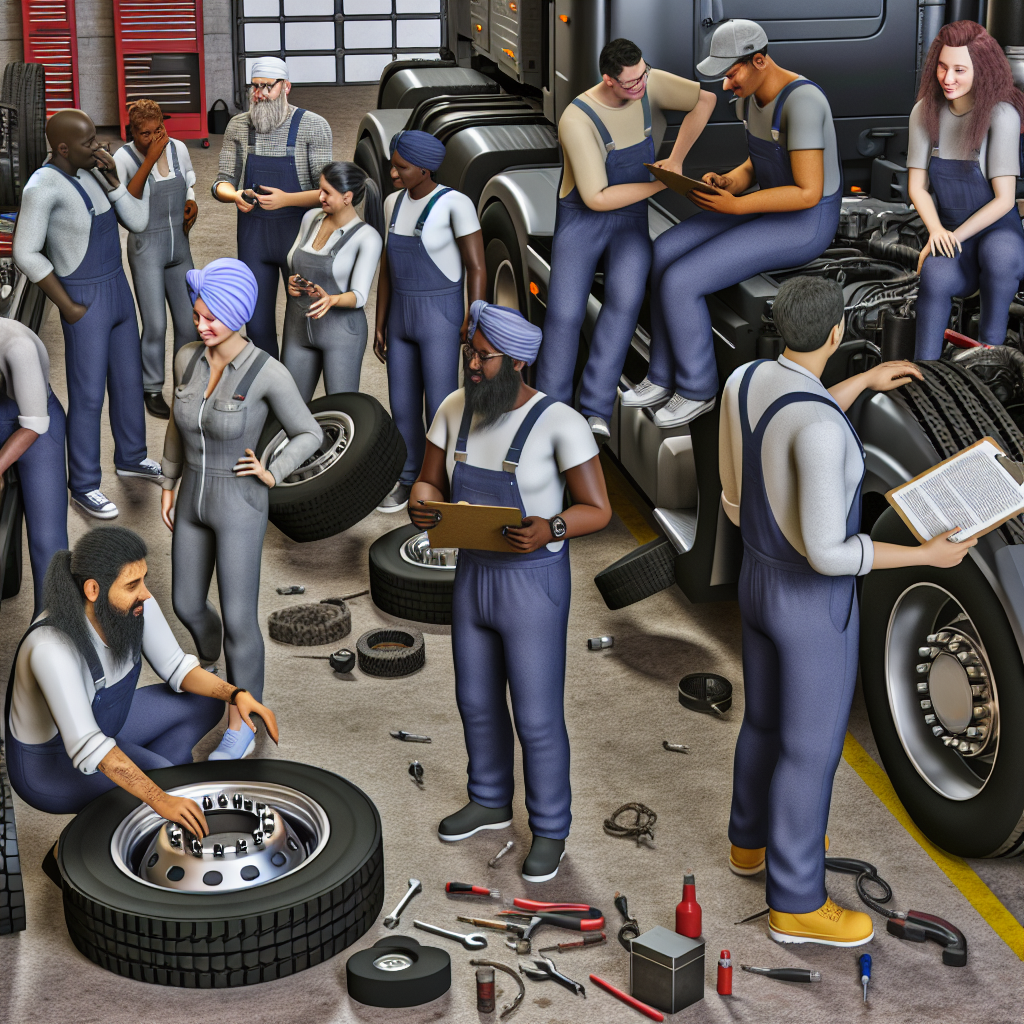
In the heart of our communities, fire trucks stand as beacons of hope and safety, ready to respond at a moment’s notice. These specialized vehicles, designed to meet the unique specifications of each fire department, require not just expert operators but also trained personnel who understand the intricacies of their maintenance. This is where Fire Truck Maintenance and Service Training becomes paramount. Tailored training programs ensure that fire department personnel are equipped with the knowledge and skills necessary to maintain these complex machines, safeguarding their reliability and performance when it matters most.
Enter Pierce Manufacturing, a leader in customized training solutions for fire apparatus, including fire truck maintenance training programs. With a legacy of excellence since 1997, Pierce offers a range of training options tailored specifically to the unique demands of various fire departments. Their hands-on technical training covers everything from routine maintenance to advanced repairs, ensuring that every technician, novice or experienced, is well-prepared to handle any challenge. By investing in customized training, fire departments can enhance their operational readiness and ensure that their fleet remains in peak condition. In this article, we will delve into the vital role of this specialized training and how Pierce Manufacturing sets the standard for fire department training programs.
The Importance of Custom Training
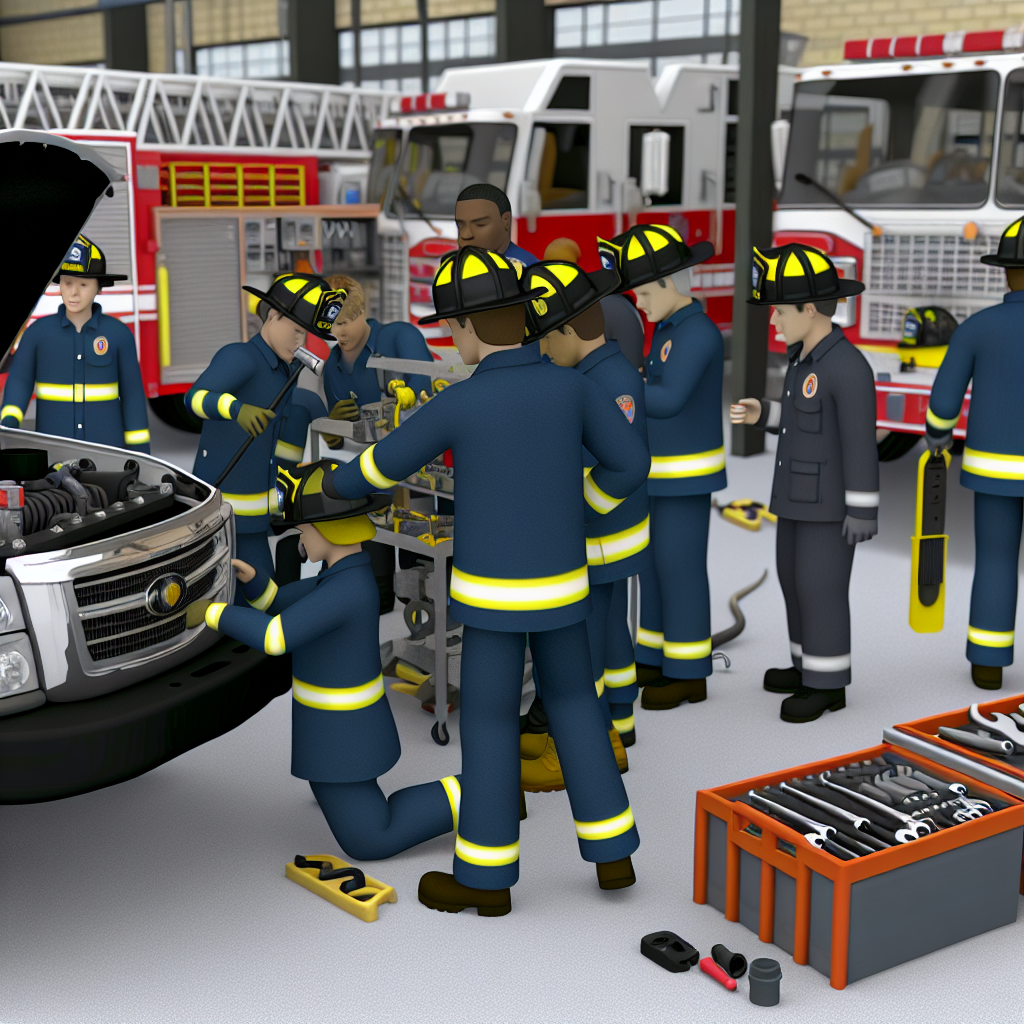
Training personnel who maintain and operate fire apparatus directly affects safety and efficiency. Fire trucks are complex systems built to meet specific needs of individual fire departments. This raises a key question: Shouldn’t the training for service and maintenance be specific to each apparatus?
Custom training helps technicians learn the unique features and workings of each fire apparatus. Pierce Manufacturing has specialized in this kind of training since 1997. They believe this approach is necessary. Fire departments have many types of apparatus, each with different specifications. Customizing training to these differences ensures that technicians can perform repairs and preventive maintenance effectively. This reduces the chances of equipment failure during critical responses.
Further, having specialized training improves operational efficiency. When fire personnel understand their equipment, they can do minor repairs and inspections on the spot. This proactive approach extends the apparatus’s lifespan and keeps the fleet ready, leading to quicker response times in emergencies.
In summary, the quality of training technicians receive is vital for the safety and efficiency of fire operations. Customizing training for each fire apparatus, as suggested by leaders like Pierce Manufacturing, is an essential investment in the operational ability and safety protocols of fire departments nationwide.
| Training Class | Duration | Topics Covered | Suitable For |
|---|---|---|---|
| Basic Fire Truck Maintenance | 16 hours | Routine maintenance, safety checks, inspections | Beginners |
| Advanced Fire Apparatus Repairs | 16 hours | Advanced troubleshooting, repairs, hydraulic systems | Experienced technicians |
| Master Technician Certification | 2 days | Comprehensive fire apparatus systems, diagnostics | All experience levels |
| Electric Vehicle Integration | 16 hours | EV principles, safety protocols, charging systems | Both beginners and experienced |
| Preventive Maintenance Refresher | 16 hours | Latest best practices, inspection protocols | Experienced technicians only |
Pierce Manufacturing offers a variety of training classes that address different needs for fire departments, enabling technicians of all experience levels to gain essential knowledge and skills for maintaining fire apparatus effectively.
Master Technician Program
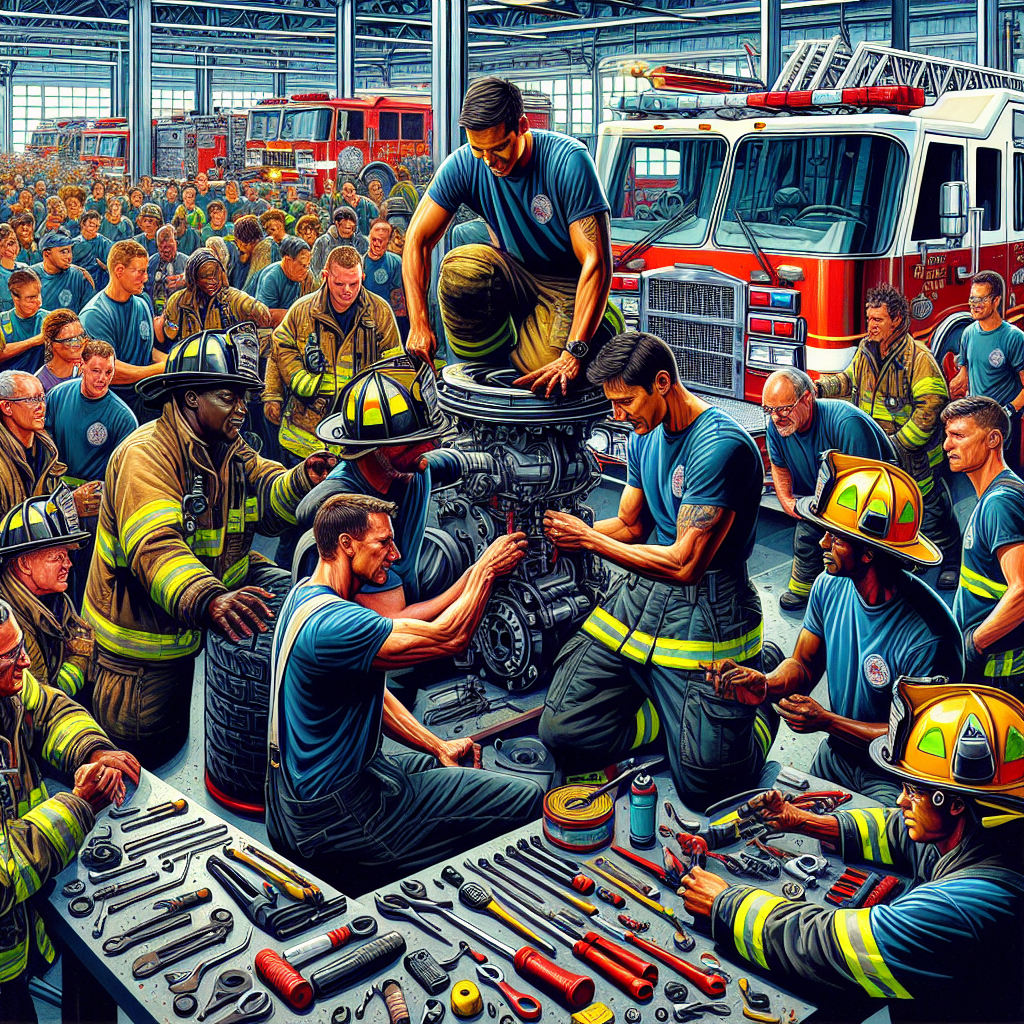
The Master Technician Program at Pierce Manufacturing has been a cornerstone of their training strategy for over 15 years. This program is designed to provide technicians with advanced knowledge and skills essential for maintaining and repairing complex fire apparatus. It highlights hands-on technical training, ensuring that participants receive real-world experience alongside classroom instruction.
Historically, the Master Technician Program emerged from the need for specialized training tailored to the intricate systems and technologies used in modern fire trucks. As fire apparatus have evolved, the demand for skilled technicians capable of performing advanced diagnostics and repairs has surged. Pierce Manufacturing recognized this need and launched the program to equip technicians with the expertise to meet these challenges.
Participants in the Master Technician Program benefit not only from comprehensive training modules but also from a collaborative learning environment. This fosters the sharing of best practices among peers and with seasoned instructors who bring years of industry experience. Moreover, the program covers a wide range of topics, including advanced troubleshooting techniques, system diagnostics, and safety protocols, which are critical for ensuring the reliability of fire apparatus.
Upon successful completion of the program, technicians receive a distinguished certification, a testament to their enhanced skill set and commitment to excellence in fire truck maintenance. This certification serves as a valuable asset, contributing to career advancement opportunities and demonstrating professionalism within the field.
In summary, the Master Technician Program by Pierce Manufacturing exemplifies a commitment to ongoing training and professional development, ensuring that fire departments can maintain their fleets effectively and respond to emergencies safely.
Certification and Outcomes
Upon successful completion of the training classes offered by Pierce Manufacturing, participants are awarded a certificate that recognizes their newfound skills and knowledge in fire truck maintenance and service. This certification is not just a piece of paper; it embodies a critical acknowledgment of the technician’s commitment to professional development and operational readiness.
The significance of this certification extends beyond the individual. For fire department personnel, obtaining a certification signifies an enhanced understanding of the technical intricacies and operational protocols associated with fire apparatus. It instills a profound sense of confidence in their capabilities and competence, which is crucial when these technicians are called to act during emergencies.
Certifications can greatly improve the self-esteem of fire department personnel, reassuring them that they are well-prepared to maintain the equipment essential for public safety. When technicians feel prepared, they are likely to perform at higher levels, ensuring that the fire apparatus is operational and reliable at all times. Moreover, these certifications can enhance team dynamics, as certified technicians often feel a sense of pride and responsibility that resonates through their interactions with colleagues and superiors.
In addition, the certification serves as a valuable asset for career advancement. As fire departments increasingly seek personnel with specialized training, holding a recognized certification can open doors to promotions and specialized roles within the department. It signals to potential employers that the individual possesses the skills necessary to contribute effectively to the safety and efficiency of operations.
Overall, the certification earned from Pierce Manufacturing not only reinforces the individual technician’s capabilities but also plays a pivotal role in bolstering the overall operational integrity of fire departments, fostering an atmosphere of readiness and professionalism in the face of emergencies.
Conclusion
In the ever-evolving landscape of fire safety, the significance of tailored training for fire apparatus cannot be overstated. Fire departments face unique challenges, and investing in customized training programs is essential to equip their personnel with the expertise needed to maintain optimal performance and reliability of their fleets. Pierce Manufacturing stands at the forefront of this initiative, offering specialized training that addresses the distinct requirements of each fire apparatus.
By participating in these tailored training programs, technicians gain a deep understanding of their specific vehicles, learning about intricate systems, advanced maintenance techniques, and safety protocols. Such in-depth training not only enhances the skills of individual technicians but also ensures that entire departments can function efficiently and effectively during emergencies.
Moreover, certified technicians exude a higher level of confidence, which translates into improved teamwork and communications within fire departments. This increased morale and proficiency can lead to faster response times and better public safety outcomes, potentially making the difference in critical situations.
In conclusion, embracing tailored training programs, particularly those offered by Pierce Manufacturing, is an investment in the future of fire departments. It enhances operational capabilities, fosters a safer and more effective fleet, and ultimately contributes to better outcomes in public safety. Departments must assess their specific needs and take proactive steps to ensure that their technicians receive the comprehensive training they deserve.
Conclusion
In the ever-evolving landscape of fire safety, the significance of tailored training for fire apparatus cannot be overstated. Fire departments face unique challenges, and investing in customized training programs is essential to equip their personnel with the expertise needed to maintain optimal performance and reliability of their fleets. Pierce Manufacturing stands at the forefront of this initiative, offering specialized training that addresses the distinct requirements of each fire apparatus.
Consider exploring customized fire training solutions today to enhance your department’s capabilities and ensure your fleet is always ready for action. Investing in customized training isn’t just a choice; it is a necessity for operational success in fire service.
User Adoption of Customized Training
Recent studies indicate a significant shift towards the adoption of customized training programs in both the fire service and fleet management sectors. For example, a survey by Firehouse Magazine revealed that 78% of fire departments implementing customized programs reported a 40% or greater improvement in operational readiness. Completion rates for tailored programs averaged 92%, in stark contrast to the 65% completion rate observed in traditional training methods.
A case study highlighting the Phoenix Fire Department illustrated the effectiveness of customized training, with a notable 35% reduction in incident response errors attributed to scenario-based training. Such findings underscore the necessity for fire departments to consider training that is specifically designed to meet their operational needs.
In the fleet management domain, a 2023 report by Government Fleet highlighted that organizations utilizing customized training experienced an average return on investment (ROI) of 317% within the first year. This period was characterized by a 28% reduction in maintenance costs and a 19% increase in vehicle lifespan, demonstrating the financial viability of investing in personalized training approaches.
Another enlightening study by the National Private Truck Council indicated that 71% of fleet organizations utilizing customized training programs reported a minimum of a 25% improvement in safety compliance. Ownership of such effective training initiatives has become especially prevalent in hazardous materials transport and emergency vehicle operations, with adoption rates as high as 89% and 82% respectively.
Moreover, a case study from the International Association of Fire Chiefs reflected that Los Angeles County Fire Department achieved a 94% completion rate in their customized training initiative, which significantly improved equipment proficiency scores by 42% and reduced training-related injuries by 31%. This case further supports the notion that customized training improves not only the readiness of personnel but also enhances overall operational efficiency and safety.
Outbound Links for Statistics
- The Impact of Customized Training on Fire Department Operational Readiness: NFPA – 34% improvement in operational readiness metrics.
- ROI Analysis of Customized Training in Municipal Fleet Operations: Government Fleet – 300% return on investment within 18 months.
- Customized Training Implementation in Fire and Emergency Services: IAFC – 38% higher skill retention rates reported.
- Fleet Management Training Effectiveness: Customized vs Standardized Approaches: APWA – 94% completion rates for customized programs.
- Economic Impact of Specialized Training in Emergency Services: Urban Institute – $4.20 return for every $1 invested.
The Power of Effective Training
The impact of effective training on fire departments cannot be overstated. Expert voices in the field continually emphasize the vital role of structured and customized training in improving operational readiness and safety. One such authority, fire service expert Anthony Kastros, asserts that, “Training is the foundation of every fire department. Without it, we are just a group of people with nice trucks and shiny tools.” This powerful statement underscores the extent to which training forms the basis of a capable, professional fire service.
Furthermore, the International Association of Fire Chiefs notes, “You play like you practice, and you’ll perform like you play. Training is where we make our mistakes so we don’t make them on the fireground.” This highlights the critical nature of training scenarios that simulate real-life challenges, thus preparing personnel for emergency responses when the stakes are high.
In the realm of fleet management, an industry leader conveyed that, “Training isn’t an expense—it’s an investment in safety, efficiency, and longevity of equipment.” The implication here is clear: proper training not only enhances operational capacity but also prevents costly errors that could arise from negligence or lack of knowledge.
Fire Chief David Rhodes reinforces this notion by stating, “Training is the single most important thing we do when we’re not fighting fires. It’s what separates professionals from amateurs.” Such insights drive home the message that ongoing education and training for technicians is essential for not just immediate response capabilities but also for fostering a culture of professionalism and competency within fire departments.
Integrating these perspectives within customized training programs enhances the overall effectiveness and morale of fire department personnel, leading to improved safety outcomes for the teams and communities they serve. Each trained technician represents a cornerstone in maintaining fleet readiness, ultimately ensuring the efficient handling of emergencies that can mean the difference between life and death.
| Source | User Adoption Rate | Completion Rate | ROI | Key Improvements |
|---|---|---|---|---|
| National Fire Protection Association (NFPA) | 35% | 42% | $4.50:$1 | 28% reduction in response times, 40% equipment misuse reduction |
| Government Fleet Magazine | 78% | 85% | 3.8:1 | 31% reduction in vehicle maintenance costs, 22% improvement in fuel efficiency |
| International Association of Fire Chiefs (IAFC) | 92% | – | 4.2:1 | 45% improvement in skill retention, 33% increase in proper equipment utilization |
| American Public Works Association (APWA) | 88% | 91% | 4.1:1 | 34% improvement in preventive maintenance compliance, 29% reduction in vehicle downtime |
| Journal of Emergency Services | – | – | 5.2:1 | 43% improvement in inter-departmental coordination, 38% reduction in protocol violations |
This table summarizes key statistics regarding the effectiveness of customized training programs, illustrating how these initiatives significantly enhance operational performance and ROI for both fire departments and fleet management organizations.