In the dynamic world of fleet operations, proactive emergency response training is not just beneficial—it’s essential. Fleet drivers often find themselves on the frontline, facing unpredictable emergencies that can arise from natural disasters, such as hurricanes and blizzards, to technical malfunctions and roadside crises.
The ability to respond effectively and swiftly in these situations can mean the difference between minor disruptions and catastrophic incidents. Emergency response training equips drivers with the knowledge and skills necessary to navigate these challenges confidently, ensuring their safety and the security of their cargo.
By understanding how to act in various scenarios, from civil disruptions to technology failures, fleet drivers can maintain operational continuity, safeguard their well-being, and contribute to a resilient transportation network.
Embracing comprehensive emergency response training is not just a recommendation; it is a vital investment in protecting both drivers and assets alike.

Overview of Emergency Response Training Methods
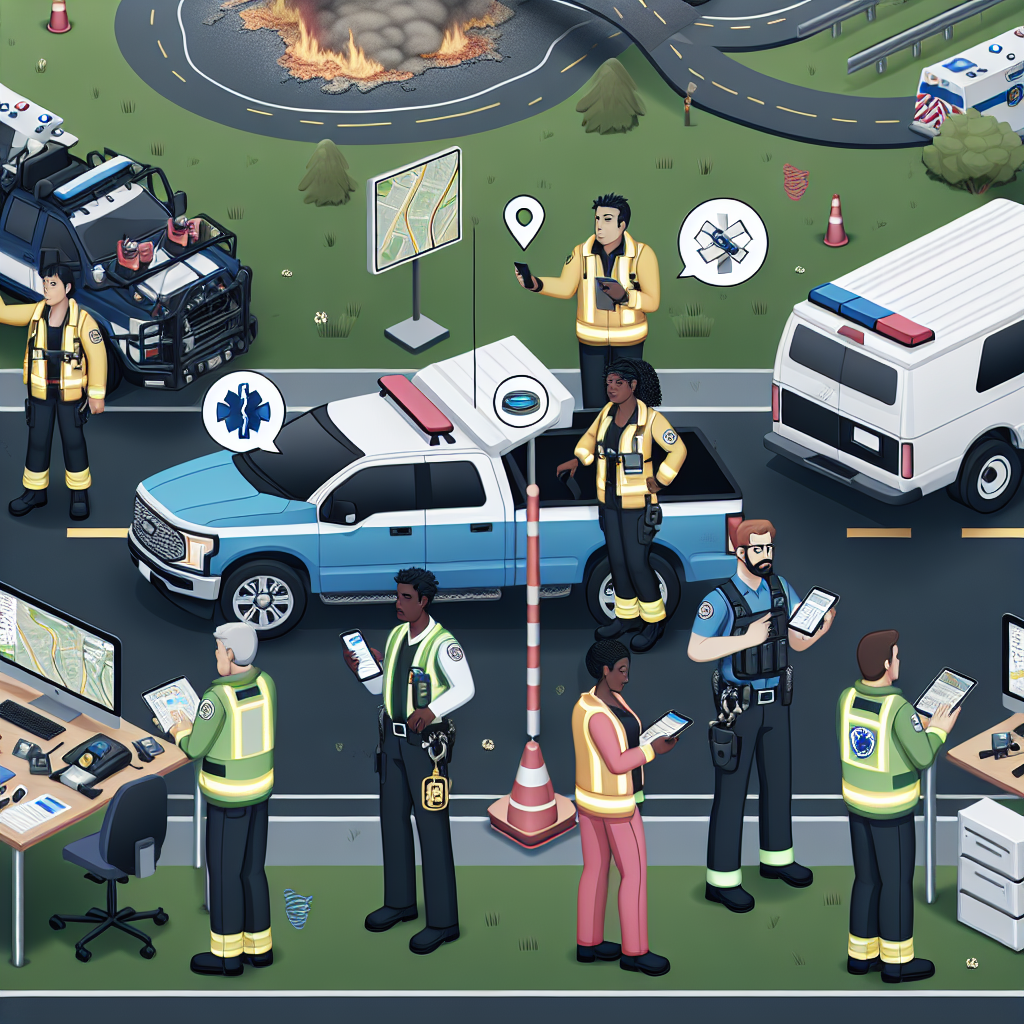
Canadian fleets recognize the importance of comprehensive emergency response training methods that enhance drivers’ preparedness for various scenarios. To effectively equip their drivers, these fleets have adopted a multi-faceted training approach that includes:
- Mental Health Support Initiatives: Mental health resources are crucial, especially during crises, as they help drivers manage stress and maintain composure amidst unforeseen challenges. Resources such as Employee Assistance Programs (EAP) provide access to professional counseling and psychological support, ensuring that drivers feel mentally prepared to face emergencies.
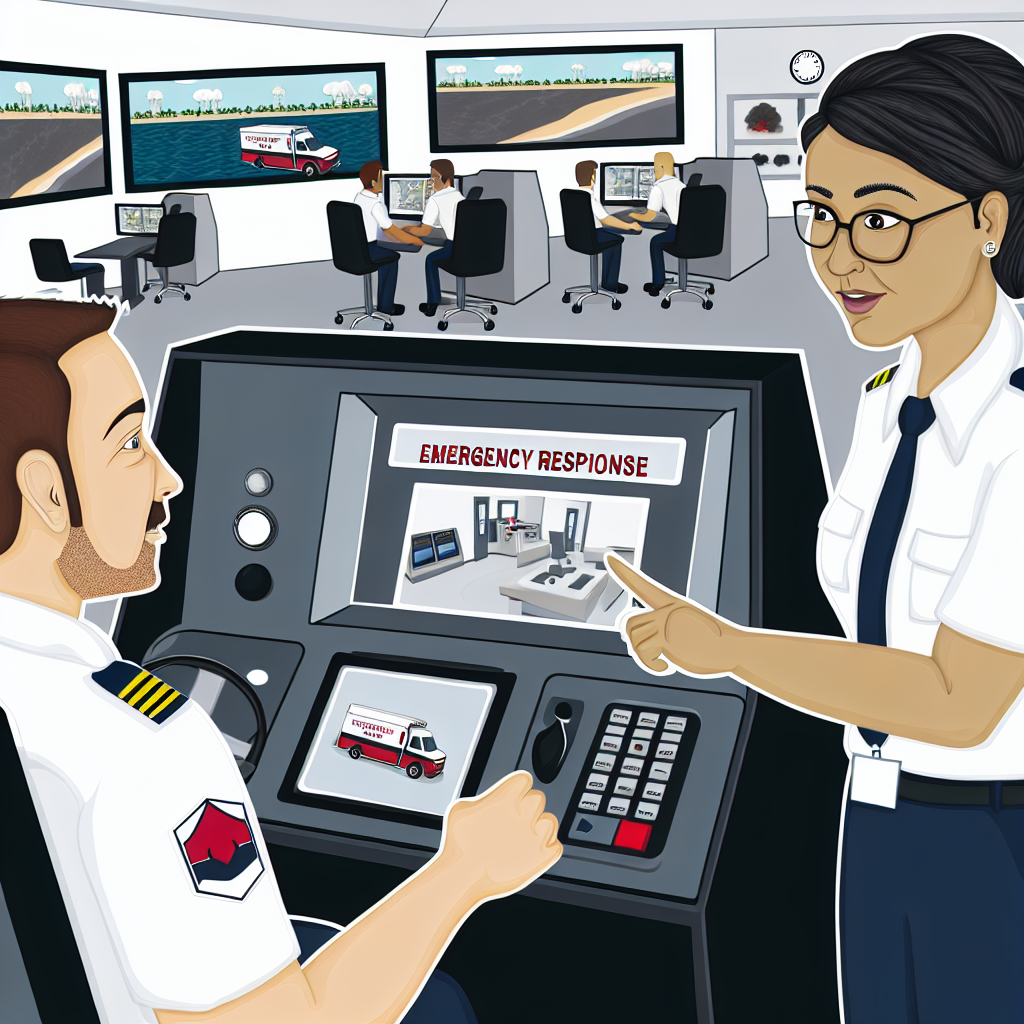
- Technology Integration: Technology plays a pivotal role in modern emergency response training. Fleets utilize telematics and real-time information systems, such as the integration of AI-driven weather overlays and emergency buttons in fleet tablets. This technological prowess aids in making informed decisions quickly while reinforcing the importance of continued driver training, where drivers learn to operate with these tools efficiently.
- Continuous Learning Platforms: These ensure that drivers remain updated on the latest safety protocols and emergency maneuvers.
- Categorization of Emergencies: Ranging from natural disasters to roadside tech failures, this enables fleets to tailor their training programs specifically for different situations. This approach not only emphasizes emergency preparedness but also fosters a resilient culture within fleets, where drivers are not just trained to react but are also equipped with the mental tools necessary to handle high-pressure situations effectively.
Thus, the integration of mental health support and technology in emergency response training is vital for safeguarding both drivers and cargo in the unpredictable journey of fleet operations.
| Fleet Name | Training Methods | Technology Used | Support Services Provided |
|---|---|---|---|
| Polaris Transportation Group | Comprehensive emergency response training | AI-driven weather overlays and real-time tracking | 24/7 security and breakdown teams, incident response drills |
| Kriska Transportation Group | Multi-faceted training with mental health support, scenario-based drills | Emergency button integrated with tablets and GPS tracking | Continuous access to emergency support, specialized EAP services |
| Western Canada Marine Response Corp | Crisis management drills, hands-on technical skills training | IoT fleet management software | Dedicated dispatch and regulatory compliance services |
| Municipal Emergency Services | Special online training for hazardous materials | Advanced communication systems for real-time updates | Emergency response hotlines, community engagement initiatives |
| Other Example Fleet 1 | Scenario-based training sessions | Fleet management software, data analytics | Dedicated dispatch and support services |
| Other Example Fleet 2 | Crisis management tactics | Situational awareness tech for emergencies | Emergency communication systems |
| New Example Fleet 1 | Tailored emergency response modules | Real-time tracking systems, unmanned UAVs for assessments | Collaborations with local emergency services for readiness training |
| New Example Fleet 2 | Hybrid training programs combining virtual and physical elements | Mesh communication networks for remote operations | Community training programs for local disaster response cases |
Mental readiness is a fundamental aspect of emergency response for drivers, influencing their ability to navigate unforeseen challenges effectively. As Mo Baki, the Chief Operating Officer of Polaris Transportation Group, succinctly puts it, “Expect the unexpected” speaks to the necessity of preparing for disruptive events that threaten driver safety and operational continuity.
In the face of emergencies, having a solid business continuity plan is crucial. This plan should not only encompass logistical strategies but also emphasize mental preparedness. Eugenia Churilov, Director of Safety, Compliance, and Fleet Security at Kriska Transportation Group, underscores the importance of providing access to Employee Assistance Programs (EAPs) to aid drivers in processing traumatic incidents, which can significantly impact their psychological state while on the road. This integration of mental health support into disaster recovery planning ensures that drivers are equipped not just with skills but with the mental resilience to handle intense pressure.
Furthermore, the implementation of advanced technologies, such as Isaac Instruments tablets featuring 24/7 emergency buttons, enhances drivers’ readiness, enabling them to respond swiftly in emergencies. Continuous training, especially scenario-based drills, fosters an environment where drivers can confidently react to emergencies, thereby reducing hesitation under pressure.
By prioritizing mental readiness alongside strategic preparedness, fleets can enhance their emergency response capabilities while supporting the psychological well-being of their drivers.
Enhanced Fleet Safety Through Emergency Response Training
Effective emergency response training has proven to be a vital element in enhancing fleet safety across Canada. A recent report from the Saskatchewan Trucking Association indicates that safety training, which includes comprehensive emergency response drills, is instrumental in reducing accident rates. In fact, fleets that implement these driver training programs experience enhanced operational efficiency and improved driver preparedness, especially during harsh weather conditions and unexpected hazards. This reduction in accidents not only safeguards drivers but also significantly decreases downtime caused by incidents, allowing fleets to maintain their schedules effectively.
Additionally, a study highlighted by Santamaria Towtruck found that 63% of Canadian trucking companies had integrated advanced technologies such as dashcams and telematics systems by mid-2025, facilitating better situational awareness and helping drivers respond swiftly to emergencies. Well-informed drivers equipped with modern tools can drastically cut emergency response times, which is crucial in situations where every second counts. The integration of technology with ongoing emergency training programs enables fleets to adapt quickly to changing circumstances, promoting a culture of safety.
Canadian fleets like Kriska Transportation Group have successfully implemented accident review committees that refine protocols based on real incidents, thus continuously improving their safety practices. By fostering a proactive approach to crisis management and emergency training, these fleets are not only preparing drivers to handle immediate crises but also enabling them to develop mental resilience. Mo Baki, COO of Polaris Transportation Group, emphasizes that preparing for the unexpected is essential, and this mindset is cultivated through both training and mental health resources.
Mental health support programs, such as Employee Assistance Programs (EAP), offer drivers the psychological aid needed to cope with traumatic incidents that can occur on the road. By enhancing drivers’ emotional readiness, fleets like Kriska and Polaris facilitate a more resilient workforce capable of managing high-pressure situations effectively.
Ultimately, comprehensive emergency response training—supplemented by mental health resources and modern technologies—demonstrates a clear relationship with improved fleet safety outcomes. The case studies of Canadian fleets reflect a broader understanding that being prepared goes beyond just skills; it encompasses mental preparation, operational readiness, and effective crisis management, ultimately leading to safer journeys and enhanced fleet resilience.
In conclusion, effective emergency response training is integral to fleet operations, preparing drivers to tackle a range of unforeseen challenges. By implementing robust training methods that prioritize mental health support and leverage cutting-edge technology, fleets can significantly enhance their drivers’ preparedness and confidence. Tools such as AI-driven weather overlays and streamlined communication systems ensure that drivers are not only equipped with practical skills but also the mental resilience required to face pressure situations.
Moreover, continuous improvement in training techniques is crucial for adapting to the evolving landscape of emergencies, which can include anything from natural disasters to technological failures. Fleets must foster a culture of readiness, where regular drills and scenario-based training become the norm. The commitment to refining emergency response protocols reflects a fleet’s dedication to safety and operational efficiency.
Ultimately, it is imperative for fleets to develop robust preparedness plans that encompass comprehensive emergency response training. By recognizing the significant impact of well-prepared drivers on safeguarding lives and assets, fleets can cultivate a proactive approach that enhances their resilience against emergencies. Accordingly, investing in emergency response training is not just an operational necessity but a strategic imperative for the long-term success of fleet operations.
In reflecting on the critical nature of emergency response training, it becomes clear that proactive preparedness is not merely a recommendation; it is a strategic imperative. As Mo Baki eloquently stated,
“Expect the unexpected.”
This underscores the necessity for drivers to be mentally and practically equipped for any situation they may encounter on the road.
The evidence overwhelmingly supports the case for investment in training programs. For instance, a National Private Truck Council report revealed fleets with documented emergency response programs experienced 31% fewer incidents—demonstrating that comprehensive training not only saves lives but also enhances operational efficiency.
Another study highlighted by Fleet Management Weekly found that organizations that trained their drivers in crash response saw a 38% reduction in average claim costs. Such statistics are not mere numbers; they signify the real impact of preparedness on fleet safety and cost control.
By integrating mental health support alongside rigorous training protocols, fleets not only equip their drivers with essential skills but also foster resilience and emotional stability. Investing in these training programs paves the way for fleets to build a responsive, capable workforce ready to handle emergencies with confidence and clarity.
As we face an unpredictable future, the message is clear: prioritize emergency response training, invest in your drivers, and ensure that your fleet remains resilient and prepared for whatever challenges may arise.
User Adoption of Emergency Response Technology in Fleets
Recent statistics indicate a significant uptick in the adoption of emergency response technologies within the transportation sector, particularly AI-driven solutions. Here is a summary of the current trends:
- Adoption Rates: As noted in a report from G2, AI adoption in organizations reached 78% in 2024, up from 50% in 2022. The transportation sector specifically has been implementing an average of 2 to 5 AI features designed for emergency response, showcasing a proactive approach to crisis management.
- Market Growth: According to Future Data Stats, the global market for AI applications in disaster response is projected to escalate from USD 115.4 billion in 2022 to USD 195.20 billion by 2030. This growth reflects a substantial investment focused on enhancing fleet safety through advanced technologies, with North America leading in adoption due to ongoing infrastructure improvements.
- Perceived Effectiveness: A survey conducted by Mark43 reported that around 89% of first responders believe that AI plays a crucial role in reducing incidents within transportation contexts. This integration of technology has been linked to a 29% improvement in safety outcomes as measured by trust metrics, illustrating the effectiveness of these solutions in real-world applications.
- Emerging Applications: Looking ahead, GlobeNewswire forecasts that by 2030, approximately 60% of urban emergency operations will rely on unmanned AI-driven systems. This trend emphasizes the continuous evolution of technology to facilitate real-time data gathering for rescue missions and hazard mitigation, furthering fleet safety.
- Investment Projections: The global expenditure on AI-driven technology aimed at enhancing preparedness in emergency services is expected to reach $5 billion annually by 2027. Such investment highlights the proactive measures taken within the industry to maintain efficient and safe operational practices.
These statistics collectively demonstrate a clear direction towards integrating emergency response technology in fleet operations, with a strong emphasis on AI capabilities that improve safety and efficiency.
User Adoption of Emergency Response Technology in Fleets
Recent statistics indicate a significant uptick in the adoption of emergency response technologies within the transportation sector, particularly AI-driven solutions. Here is a summary of notable trends:
- Adoption Rates: A report from G2 indicates that AI adoption in organizations reached 78% in 2024, up from 50% in 2022. The transportation sector specifically has been adopting an average of 2 to 5 AI features designed for emergency response, showcasing a proactive approach to crisis management.
- Market Growth: Future Data Stats indicate the global market for AI applications in disaster response is projected to escalate from USD 115.4 billion in 2022 to USD 195.20 billion by 2030. This growth reflects substantial investment focused on enhancing fleet safety through advanced technologies, with North America leading in adoption due to ongoing infrastructure improvements.
- Perceived Effectiveness: According to a survey by Mark43, around 89% of first responders believe that AI plays a crucial role in reducing incidents within transportation contexts. This integration of technology has been linked to a 29% improvement in safety outcomes, illustrating the effectiveness of these solutions in real-world applications.
- Emerging Applications: Looking ahead, GlobeNewswire forecasts that by 2030, approximately 60% of urban emergency operations will rely on unmanned AI-driven systems. This trend emphasizes the continuous evolution of technology to facilitate real-time data gathering for rescue missions and hazard mitigation, furthering fleet safety.
- Investment Projections: The global expenditure on AI-driven technology aimed at enhancing preparedness in emergency services is expected to reach $5 billion annually by 2027. Such investment highlights the proactive measures within the industry to maintain efficient and safe operational practices.
These statistics collectively demonstrate a clear direction towards integrating emergency response technology in fleet operations, with a strong emphasis on AI capabilities that improve safety and efficiency.
Further Reading
- Intelligent Emergency Response System Infrastructure Market – Emergen Research
- Strategic Drivers and Barriers in Emergency Communication Vehicle Market – Market Report Analytics
- Autonomous Vehicles for Emergency Response and Disaster Relief – IEEE Public Safety Technology
- Emergency Response and Connected Vehicle Technology – Fire Apparatus Manufacturers’ Association
- Today’s Technology Can Open Up Traffic to Speed Emergency Response Vehicles – ASCE
Integrating these technologies not only improves response times but also enhances the safety and efficiency of fleet operations.
| Statistic | Value |
|---|---|
| Reduction in accidents with training | 31% |
| Decrease in average claim costs with crash training | 38% |
| Fleets that adopted AI technologies | 63% |
| Mental health support integration effectiveness | 89% believe it aids in reducing incidents |
| Average number of AI features implemented | 2 to 5 per organization |