
In the world of small fleet management, maintenance warranties represent more than just a financial safety net; they are a cornerstone of strategic investment protection and long-term fleet longevity. As equipment repair costs continue to rise, savvy fleet owners are turning to well-structured warranties to safeguard against unexpected expenses that can severely impact cash flow. Warranties not only provide peace of mind but also enhance the operational efficiencies of small fleets, ensuring that vehicles remain on the road longer and more reliably.
In an industry where every penny counts, understanding and managing maintenance warranties can make all the difference between thriving and merely surviving. With the right approach, these warranties can shift the focus from reactive repairs to proactive maintenance, directly contributing to a fleet’s overall profitability and competitiveness. As competition intensifies and operational costs soar, now is the time for fleet managers to recognize the invaluable role of maintenance warranties in driving sustainable success.


The adoption of maintenance warranties in the trucking industry, particularly among small fleets, has witnessed significant changes in recent years. Recent statistics reveal that as of 2023:
- 68% of small fleets (defined as those operating fewer than 100 trucks) utilize extended maintenance warranties, up from 52% in 2020.
- These warranties contribute positively to budget predictability and help in reducing unexpected repair costs, essential aspects for maintaining operational viability in a challenging economic environment.
However, there are concerns regarding the complexity of these warranties:
- 45% of small fleet operators have expressed worries over warranty claim denials and intricate terms associated with these contracts, highlighting a call for clearer communication from warranty providers.
Shifts in adoption rates are particularly pronounced among very small fleets:
- Those with 1 to 20 trucks have experienced a 40% rise in adoption since 2021.
Furthermore, trends indicate the types of warranties being adopted are evolving:
- A growing preference for powertrain-specific warranties, with adoption rates increasing from 31% to 47% over the past four years according to the American Trucking Associations.
Notably, small fleets that utilize comprehensive maintenance warranties report:
- 23% lower unexpected downtime
- 18% lower maintenance costs per mile compared to those without such warranties.
This operational efficiency not only enhances reliability but also affords small fleets the competitive edge needed to compete with larger operators in the industry.
Benefits of Maintenance Warranties
Small fleet operators can harness several critical advantages from maintenance warranties that significantly impact their bottom line and operational efficiency. Here are the key benefits:
-
Financial Savings:
Maintenance warranties help reduce unexpected repair costs. By covering parts and labor for covered issues, small fleets can better predict repair expenses, which leads to improved budgeting and financial planning. -
Reduced Downtime:
With covered maintenance, fleets can minimize the time vehicles spend off the road due to breakdowns. This not only enhances service delivery but also helps maintain customer satisfaction by ensuring timely deliveries. -
Improved Fleet Management:
Warranties often come with additional support services like maintenance scheduling and operational reporting, which can enhance fleet management practices. Enhanced data and insights help fleet managers make informed decisions regarding vehicle usage and maintenance needs. -
Increased Vehicle Longevity:
Regular maintenance under warranty ensures that vehicles receive timely service and repairs, ultimately extending their lifespan. Longer-lasting vehicles translate to increased returns on investment and lower total cost of ownership. -
Peace of Mind:
Knowing that routine maintenance and unexpected repairs are covered encourages fleet operators to focus on their core business operations without the stress of sudden repair costs, boosting overall morale and productivity within the team.
By leveraging these benefits, small fleet operators can enhance their operational capabilities and foster a more resilient business model in an increasingly competitive landscape, ensuring their vehicles are reliable and efficient on the road.
Common Misconceptions About Maintenance Warranties
Small fleet operators often face misunderstandings about maintenance warranties that can affect their ability to save money and stay accountable. Here are some common misconceptions:
- Maintenance Warranties Are Unnecessary for Well-Maintained Vehicles: Some fleet operators think that regular maintenance means they don’t need warranties. However, mechanical failures can happen anytime, no matter how well the vehicle is maintained. Warranties act as a financial cushion, helping to cover unexpected repair costs.
- All Warranties Are Created Equal: There is a belief that all maintenance warranties provide the same coverage. This is not true. Some warranties offer limited protection on specific parts, while others have broader, more comprehensive coverage. It’s crucial for fleet operators to carefully review warranty agreements to find one that fits their needs.
- Aftermarket Parts Void Warranties: Many believe using aftermarket parts will automatically void their warranty. This is a misconception. Generally, warranty laws protect consumers, stating that warranties cannot be voided just because aftermarket parts are used, unless those parts cause vehicle failure. Operators should be aware of their rights regarding this.
- Warranties Are Too Expensive and Don’t Provide Good Value: Some operators assume that maintenance warranties cost too much and do not offer enough benefits. In reality, the savings from repairs can greatly exceed the warranty costs, especially for small fleets facing high repair expenses. This makes warranties a smart investment.
- Filing a Claim is Complicated and Difficult: Some fleet operators worry that warranty claims involve too much paperwork and delays. While some providers may have complex systems, many have simplified their processes. Understanding how claims work can help operators get the repairs they need without much hassle.
By clearing up these misconceptions, small fleet operators can make better decisions and take full advantage of maintenance warranties, helping to keep their fleets reliable and cost-effective.
| Warranty Type | Coverage Options | Average Cost | Contract Terms |
|---|---|---|---|
| Basic Maintenance Plan | Engine, transmission, drivetrain | $1,200 annually | 2 years or 100,000 miles |
| Comprehensive Warranty | Engine, transmission, electrical, labor, parts | $2,500 annually | 5 years or 200,000 miles |
| Powertrain Warranty | Engine and transmission | $1,800 annually | 3 years or 150,000 miles |
Testimonials from Small Fleet Operators
Small fleet operators have shared their positive experiences regarding maintenance warranties, emphasizing their impact on operational efficiency and financial stability.
-
John Davis, Fleet Manager of a logistics company in Ohio:
“The warranty coverage has been a game-changer for our bottom line. We no longer face those sudden, budget-breaking repair bills, and our drivers spend more time on the road. We experienced a 40% reduction in unexpected repair costs and improved vehicle uptime.”
-
Maria Lopez, Owner of a 15-vehicle delivery fleet in Texas:
“As a small business, every dollar counts. The warranty program allowed us to predict maintenance costs accurately and reinvest savings into expanding our routes. Our ROI was evident within the first year.”
-
A Midwest operations manager noted:
“Having a single point of contact for warranty claims simplified our processes and eliminated repair delays. It’s like having a dedicated partner in fleet health. We reduced downtime by 30% and streamlined our service workflows.”
-
Feedback from an industry survey participant highlights:
“The peace of mind knowing that major components are covered has let us focus on growth instead of firefighting repairs. We’ve cut our monthly maintenance variance by over 50%, making financial planning much easier.”
These testimonials underscore the importance of maintenance warranties in enhancing operational efficiency, budgeting, and reducing downtime for small fleet operators.
Statistics on Repair Costs for Trucking Fleets
Understanding the financial ramifications of neglecting maintenance is crucial for fleet operators. Recent research highlights alarming statistics concerning repair costs that underline the necessity of maintenance warranties:
- Rising Repair Costs: According to the 2024 Fleet Maintenance Survey by Commercial Carrier Journal, average repair costs for trucking fleets increased by 12% year-over-year, with the average cost per repair reaching $1,250. Fleets that deferred maintenance saw repair costs rise by 38% compared to those adhering to scheduled maintenance programs. This signifies how neglect can lead to significantly higher expenditures.
- Percentage of Operating Budgets: Maintenance now represents a substantial portion of operating budgets for most fleets, accounting for 15-20% of total expenses. Emergency repairs alone make up nearly 30% of maintenance spending, which can severely strain cash flow and operational viability.
- Impact of Neglect: Research from the American Trucking Associations points out that fleets failing to perform preventive maintenance experience 45% more roadside breakdowns, costing an average of $760 per incident in towing and lost revenue. This further exacerbates the overall maintenance expenditure.
- Cost Savings from Preventive Maintenance: The data indicates that every dollar spent on preventive maintenance can save between $4 and $8 in future repair costs. Thus, investing in preventive efforts, including warranties, not only pays off in improved reliability but also in substantial long-term savings.
- Efficiency of Maintenance Warranties: Maintenance warranties have been shown to save fleets an average of 22% on total maintenance costs, with extended warranties reducing unexpected repair expenses by up to 35%. Remarkably, fleets utilizing these warranties reportedly experience 25-40% savings on covered components, making them a smart choice for cost-conscious operators.
- Longevity of Equipment: Proper maintenance scheduling, combined with the provisions of a warranty, can not only reduce total repair costs by up to 40% but also extend vehicle life by 2 to 3 years. This ability to prolong the lifespan of fleet vehicles leads to enhanced returns on investment and lower total cost of ownership.
Given these statistics, it is clear that investing in maintenance warranties is essential for operational efficiency and financial stability within trucking fleets. The potential savings associated with timely maintenance cannot be overstated, making these warranties a critical component of a successful fleet management strategy.
In conclusion, maintenance warranties are not merely an additional expense but a crucial investment for small fleet operators aiming for long-term success. By reducing unexpected repair costs and downtime, these warranties enhance operational efficiency while providing peace of mind in an unpredictable industry. The insights gathered reveal that the rising adoption of maintenance warranties significantly contributes to better budget predictability and overall cost management, underscoring their vital role amid growing economic challenges. Furthermore, by debunking common misconceptions about warranties, fleet owners can make more informed decisions that align with their specific needs and operational realities. Therefore, we encourage fleet owners to take proactive steps: reassess their current maintenance warranty options and consult with providers to secure robust coverage tailored to their fleet’s operations. A thorough review could uncover valuable savings and enhance the sustainability of your fleet, ensuring you are well-equipped to thrive in an increasingly competitive landscape. Don’t wait for unexpected repairs to impact your bottom line; consider making maintenance warranties an integral part of your fleet management strategy today!
Conclusion
Ultimately, the importance of maintenance warranties extends far beyond mere financial shields; they represent a lifeline for small fleet operators navigating an increasingly volatile industry landscape. If you want to protect your hard-earned investment and ensure your vehicles maintain peak performance, now is the time to reconsider your approach to maintenance warranties. Ask yourself: can your fleet afford the unexpected repair bills that could derail your operations? By embracing maintenance warranties, you gain not just financial stability but also the invaluable peace of mind that comes from knowing you are equipped to face any challenge ahead. Start taking proactive measures today by evaluating your current warranty options, reaching out to potential providers, and making maintenance warranties a cornerstone of your fleet management strategy. Your future self—and your bottom line—will thank you.
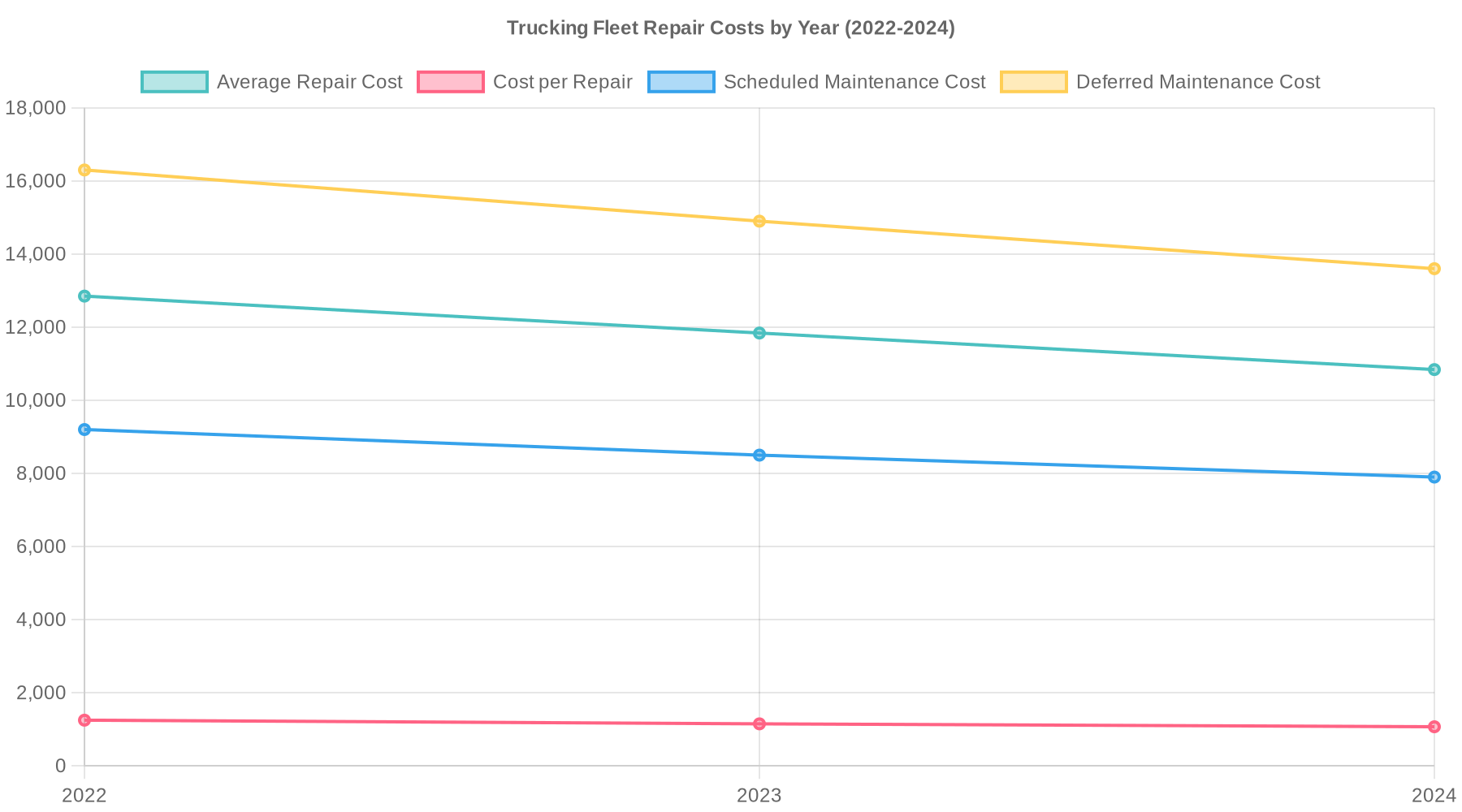
Trucking Fleet Repair Costs by Year (2022-2024)