In the competitive world of logistics, fleet managers must navigate the challenges of outsourcing versus in-house fleet maintenance. With the rise of Private Fleets—dedicated transportation resources owned and operated by companies to support their own supply chain needs—decision-makers face various challenges that can impact efficiency, cost management, and service quality. They must balance external partnerships with the control of internal maintenance teams.
Factors such as rising labor costs, rapid technological advancements, and the varying costs of outsourced services are critical parts of this reality. Throughout this article, we will explore fleet maintenance management, emphasizing the vital role of Private Fleets in shaping the future of transportation. Join us as we look at the crucial decisions fleet managers face in today’s environment.
Private Fleet Maintenance Trends
The current landscape of private fleet maintenance reveals significant trends reflecting the strategic choices organizations are making regarding in-house versus outsourced maintenance strategies.
- Hybrid Maintenance Models: A striking 62% of private fleets have adopted hybrid maintenance models that incorporate both in-house and outsourced services. This approach provides fleets the flexibility to maintain critical tasks internally while relying on specialized external partners for certain functions. For example, Walmart effectively manages about 80% of its maintenance in-house, ensuring a high vehicle availability rate and lower maintenance costs compared to industry standards.
- Cost Efficiency: Recent studies indicate that organizations maintaining a balance of 60-70% in-house capacity achieve optimal cost efficiency. On average, these fleets incur maintenance costs of $0.18 per mile, contrasting with the $0.22 per mile typical of fully outsourced fleets. However, fully outsourced operations often demonstrate better compliance with regulatory obligations, which introduces a valuable consideration in the outsourcing versus in-house debate.
- Technology Integration: The integration of advanced technologies, particularly telematics and AI-driven maintenance forecasting, is reshaping how fleets manage maintenance. Adoption of these technologies is enabling broader segments of fleets to revert to in-house maintenance for previously outsourced tasks, such as repairs for brakes and electrical systems. By leveraging real-time data, many organizations report a notable decline in the necessity for emergency outsourcing of repairs.
- Expert Perspectives: Insights from experts associated with the National Private Truck Council highlight a critical stance on maintaining internal control over safety-sensitive systems whilst engaging external providers for specialized repairs. This trend underscores the importance of sustaining high quality and compliance across operations.
- Emerging Challenges: The increasing complexity of vehicles coupled with technician shortages has solidified the appeal of the hybrid maintenance model. As fleets adapt to these new circumstances, they must navigate the balance of capability and specialization effectively.
In conclusion, the shift toward hybrid maintenance models reflects an industry grappling with the dual imperatives of control and efficiency while strategically leveraging technological advancements and outsourcing opportunities.
Benefits and Drawbacks of Outsourcing Fleet Maintenance
When it comes to fleet maintenance, the decision to outsource or keep operations in-house can significantly impact a company’s efficiency and cost structure. Below, we outline the key benefits and drawbacks of outsourcing fleet maintenance versus handling it internally.
Benefits of Outsourcing Maintenance
- Cost-Effectiveness: Maintenance outsourcing can lead to reduced costs by avoiding the expenses associated with hiring, training, and maintaining in-house staff. This allows companies to pay for maintenance services only when needed.
- Access to Specialized Expertise: Outsourcing enables companies to tap into specialized maintenance providers with advanced training and tools, ensuring high-quality repairs and compliance with industry standards.
- Improved Compliance: External maintenance providers often have a deep understanding of regulatory requirements, which can enhance compliance for the fleet. This is especially important as regulations continue to evolve within the transportation sector.
- Focus on Core Business: By outsourcing maintenance, fleet managers can devote more time and resources to core business activities, enhancing overall productivity and performance.
Drawbacks of Outsourcing Maintenance
- Loss of Control: Outsourcing can lead to a reduced ability to oversee service quality, potentially affecting the fleet’s operational integrity and reliability.
- Potential Delays: Relying on an external provider may result in delays in service and repairs due to scheduling conflicts or availability issues, impacting fleet uptime.
- Communication Challenges: Working with an external provider may introduce difficulties in communication, especially if there are discrepancies in service expectations and standards.
Benefits of In-House Maintenance
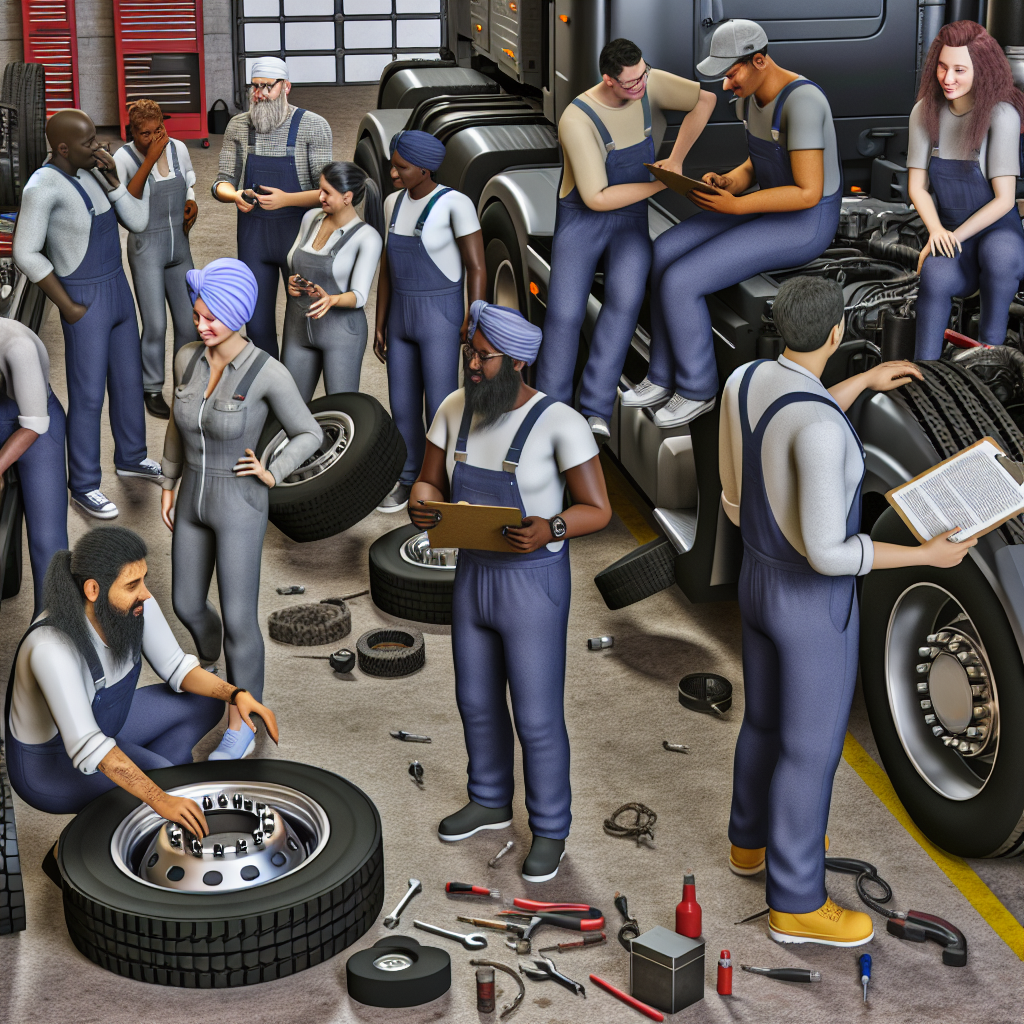
- Greater Control: Maintaining an internal maintenance team allows for greater oversight of fleet operations, ensuring quick responses to emerging issues and consistent service quality.
- Quick Access to Fleet: In-house maintenance teams can quickly address repairs, reducing downtime and keeping vehicles on the road, which is crucial for operational efficiency.
- Tailored Services: An in-house approach can allow for more personalized service tailored to specific fleet requirements and operations.
Drawbacks of In-House Maintenance
- Higher Initial Investment: Setting up an in-house maintenance department can involve significant upfront costs associated with staffing, equipment, and facilities.
- Managing Labor Costs: Fluctuating labor costs, along with potential issues related to benefits and salaries, can present financial burdens for companies.
- Skill Shortages: There may be challenges in finding and retaining skilled technicians, especially in an environment with increasing complexities in vehicle technology.
In conclusion, the choice between outsourcing and in-house fleet maintenance involves careful consideration of the respective benefits and drawbacks. Factors such as staff compensation, fleet management strategies, and the operational landscape must all be weighed to make informed decisions that align with organizational goals.
Benefits and Drawbacks of Outsourcing Fleet Maintenance
When it comes to fleet maintenance, the decision to outsource or keep operations in-house can significantly impact a company’s efficiency and cost structure. Below, we outline the key benefits and drawbacks of outsourcing fleet maintenance versus handling it internally.
Benefits of Outsourcing Maintenance
- Cost-Effectiveness: Maintenance outsourcing can lead to reduced costs by avoiding the expenses associated with hiring, training, and maintaining in-house staff. This allows companies to pay for maintenance services only when needed.
- Access to Specialized Expertise: Outsourcing provides access to specialized maintenance providers with advanced training and tools, ensuring high-quality repairs and compliance with industry standards. As Tom Moore notes, “Outsourcing can provide access to specialized skills and reduce overhead.”
Drawbacks of Outsourcing Maintenance
- Loss of Control: Outsourcing can lead to a reduced ability to oversee service quality, potentially affecting the fleet’s operational integrity and reliability. Moore points out, “In-house teams offer greater control and faster response times.”
Benefits of In-House Maintenance
- Greater Control: Maintaining an internal maintenance team allows for greater oversight and a quicker response to emerging issues. David Barth emphasizes that developing a strategic maintenance plan is critical, aligning maintenance with overall business goals.
Conclusion
The choice between outsourcing and in-house fleet maintenance requires careful consideration of the respective advantages and challenges. The insights from industry experts like Tom Moore and David Barth highlight the need for a balanced approach, where organizations leverage both methodologies to optimize their fleet maintenance strategies.
Benefits and Drawbacks of Outsourcing Fleet Maintenance
When it comes to fleet maintenance, the decision to outsource or keep operations in-house can significantly impact a company’s efficiency and cost structure. Below, we outline the key benefits and drawbacks of outsourcing fleet maintenance versus handling it internally.
Benefits of Outsourcing Maintenance
- Cost-Effectiveness: Maintenance outsourcing can lead to reduced costs by avoiding the expenses associated with hiring, training, and maintaining in-house staff. This allows companies to pay for maintenance services only when needed.
- Access to Specialized Expertise: Outsourcing enables companies to tap into specialized maintenance providers with advanced training and tools, ensuring high-quality repairs and compliance with industry standards.
- Improved Compliance: External maintenance providers often have a deep understanding of regulatory requirements, which can enhance compliance for the fleet. This is especially important as regulations continue to evolve within the transportation sector.
- Focus on Core Business: By outsourcing maintenance, fleet managers can devote more time and resources to core business activities, enhancing overall productivity and performance.
Drawbacks of Outsourcing Maintenance
- Loss of Control: Outsourcing can lead to a reduced ability to oversee service quality, potentially affecting the fleet’s operational integrity and reliability.
- Potential Delays: Relying on an external provider may result in delays in service and repairs due to scheduling conflicts or availability issues, impacting fleet uptime.
- Communication Challenges: Working with an external provider may introduce difficulties in communication, especially if there are discrepancies in service expectations and standards.
Benefits of In-House Maintenance
- Greater Control: Maintaining an internal maintenance team allows for greater oversight of fleet operations, ensuring quick responses to emerging issues and consistent service quality.
- Quick Access to Fleet: In-house maintenance teams can quickly address repairs, reducing downtime and keeping vehicles on the road, which is crucial for operational efficiency.
- Tailored Services: An in-house approach can allow for more personalized service tailored to specific fleet requirements and operations.
Drawbacks of In-House Maintenance
- Higher Initial Investment: Setting up an in-house maintenance department can involve significant upfront costs associated with staffing, equipment, and facilities.
- Managing Labor Costs: Fluctuating labor costs, along with potential issues related to benefits and salaries, can present financial burdens for companies.
- Skill Shortages: There may be challenges in finding and retaining skilled technicians, especially in an environment with increasing complexities in vehicle technology.
In conclusion, the choice between outsourcing and in-house fleet maintenance involves careful consideration of the respective benefits and drawbacks. Factors such as staff compensation, fleet management strategies, and the operational landscape must all be weighed to make informed decisions that align with organizational goals.
| Key Factor | Outsourcing | In-House |
|---|---|---|
| Cost | Often lower initial costs; pays per service needed | Higher upfront investment; ongoing labor costs |
| Control Over Maintenance Quality | Less direct oversight, reliant on external standards | Greater control, able to enforce specific standards |
| Turnaround Time | May face delays due to scheduling or availability | Quicker response times for repairs and maintenance |
| Overall Impact on Operational Efficiency | Can improve efficiency through specialized expertise | May enhance efficiency but can be limited by resources |
Brief Explanation for Each Factor:
- Cost: Outsourcing typically reduces upfront expenses as companies do not need to invest in staffing and equipment, yet may incur ongoing costs based on usage. In-house maintenance requires higher initial investment and management of ongoing labor-related expenses.
- Control Over Maintenance Quality: When outsourcing, companies may sacrifice control over quality, relying on external standards. In-house teams can follow detailed protocols and ensure consistent quality tailored to fleet needs.
- Turnaround Time: Outsourcing might result in slower service due to coordination with external providers. In-house teams can often react immediately to maintenance needs, minimizing downtime.
- Overall Impact on Operational Efficiency: Outsourcing can lead to operational efficiencies through access to specialized skills and services whereas in-house strategy can streamline workflows, although it may also be hampered by limitations in staff or resources.
Impact of Driver Pay on Fleet Performance and Maintenance
Several studies have highlighted the significant correlation between driver pay and fleet performance, which is crucial for understanding the implications for maintenance strategies. Here are some key findings:
- Reduced Driver Turnover: The American Transportation Research Institute (ATRI) found that fleets offering competitive pay packages experience 15-20% lower driver turnover. This stability is essential for maintaining consistent maintenance standards and performance across the fleet. With lower turnover, companies face fewer disruptions in service and more reliable maintenance oversight, which can impact overall fleet efficiency.
- Enhanced Maintenance Compliance: A study published in the Transportation Journal indicated that private fleets with higher driver compensation were 35% more likely to maintain in-house maintenance capabilities. Better-paid drivers tend to establish stronger relationships with maintenance teams, leading to 22% fewer unexpected repairs and longer vehicle lifespans. This highlights how investing in driver pay can directly enhance maintenance outcomes.
- Proactive Engagement in Maintenance: Higher compensation correlates with greater driver engagement in maintenance tasks. According to research conducted by the National Private Truck Council, fleets that pay above-average wages report 40% better compliance with preventive maintenance schedules, significantly affecting the effectiveness of maintenance operations.
- Cost Savings Over Time: The MIT Center for Transportation & Logistics found that a 10% increase in driver compensation can yield a 6.5% improvement in vehicle condition metrics and a 14% reduction in maintenance-related downtime. This suggests that while higher pay may represent immediate costs, the long-term savings and efficiencies gained from well-maintained vehicles can favor an in-house maintenance model over outsourcing.
- Strategic Implications: Ultimately, these findings emphasize the importance of driver pay in maintaining effective operational strategies. Fleets that prioritize driver compensation not only enhance workforce morale and retention but also improve maintenance compliance, suggesting a strong case for in-house maintenance strategies where feasible. As a result, organizations must weigh the implications of outsourcing versus in-house maintenance in light of their driver compensation strategies.
Future Trends in Fleet Maintenance Strategies
The landscape of fleet maintenance is evolving rapidly, driven by technological advancements and shifting market dynamics. As fleet managers contemplate whether to outsource their maintenance needs or keep operations in-house, several key trends are emerging.
- Increased Automation and Predictive Maintenance: The integration of automation and predictive maintenance technologies is becoming commonplace. A recent study noted that fleets utilizing AI-powered predictive maintenance experienced a 30% reduction in breakdowns and a 22% decrease in maintenance costs. This shift enables companies to identify potential issues before they escalate, allowing for timely interventions that can often be handled in-house, thereby reducing reliance on outsourced services.
- Hybrid Maintenance Models: According to the American Transportation Research Institute, 42% of fleets have increased their outsourcing of maintenance operations in 2023, especially for advanced diagnostics and specialized technician training. Notably, about 58% of large fleets are opting for hybrid maintenance strategies. This means they keep core functions in-house while outsourcing specialized services like electric vehicle maintenance and telematics integration, often leading to greater efficiency and lower costs.
- Specialized Expertise and Equipment: There is a growing trend to outsource highly specialized maintenance tasks. As vehicles become more sophisticated with newer technologies, fleets find it increasingly challenging and costly to maintain in-house competencies for all aspects. Studies indicate that outsourced maintenance providers invest significantly more in technology updates compared to in-house shops, leading to better capabilities to handle complex repairs.
- The Role of Telematics: The adoption of telematics solutions is reshaping maintenance strategies. With real-time data available, fleet operators can track vehicle performance and health, enabling smarter decisions about whether to perform maintenance in-house or outsource it. The integration of telematics is seen as essential for ensuring compliance and optimizing fleet performance, often leading to an increase in outsourcing for data management and analytics services.
- Cost Considerations: While cost savings are a significant driver for outsourcing, the decision is increasingly based on the ability to access advancements in maintenance technologies rather than purely on immediate savings. Studies show that fleets that integrate specialized tech solutions report substantial benefits beyond just reduced costs, including improved safety, compliance, and operational efficiency.
In conclusion, the future of fleet maintenance will likely see a balance between in-house operations and outsourced expertise. Companies must evaluate their unique needs, technology adoption rates, and market changes to develop strategies that optimize both approaches effectively. As the industry continues to evolve, embracing hybrid models that leverage both in-house strengths and specialized outsourcing capabilities will be crucial for maintaining competitiveness in the ever-changing logistics landscape.
Conclusion and Actionable Insights
In conclusion, fleet managers operating in today’s dynamic landscape of logistics are faced with critical decisions regarding maintenance strategies, particularly when weighing the benefits of outsourcing versus in-house operations. The analysis highlights that adopting hybrid maintenance models tends to offer the best of both worlds, promoting operational efficiency while maintaining control over key elements of the maintenance process. As the average costs show, fleets that strategically balance in-house capabilities with outsourced expertise can achieve significant cost savings while ensuring compliance and performance standards are met.
To optimize fleet maintenance strategies, fleet managers should consider the following actionable insights:
- Evaluate Your Current Maintenance Structure: Assess the benefits and drawbacks of your existing maintenance strategy, and identify areas where a hybrid model could lead to improvements in efficiency and cost.
- Invest in Technology: Consider investing in telematics and predictive maintenance technologies that facilitate better decision-making around maintenance needs, enabling a shift towards more in-house capabilities where feasible.
- Focus on Driver Compensation: Recognize the correlation between driver pay and fleet performance; improving compensation can enhance retention, reduce turnover, and ultimately lead to better maintenance outcomes.
- Stay Informed: Continuously review industry trends and benchmarks to make informed decisions that align with evolving best practices in fleet management.
By implementing these insights, fleet managers can enhance their operational strategies and position their fleets for long-term success.
In the Competitive World of Logistics
Fleet managers must navigate the challenges of outsourcing versus in-house fleet maintenance. With the rise of Private Fleets—dedicated transportation resources owned and operated by companies to support their own supply chain needs—decision-makers face various challenges that can impact efficiency, cost management, and service quality. They must balance external partnerships with the control of internal maintenance teams. Factors such as rising labor costs, rapid technological advancements, and the varying costs of outsourced services are critical parts of this reality. Throughout this article, we will explore fleet maintenance management, emphasizing the vital role of Private Fleets in shaping the future of transportation. Join us as we look at the crucial decisions fleet managers face in today’s environment.
Private Fleet Maintenance Trends
The current landscape of private fleet maintenance reveals significant trends reflecting the strategic choices organizations are making regarding in-house versus outsourced maintenance strategies.
- Hybrid Maintenance Models: A striking 62% of private fleets have adopted hybrid maintenance models that incorporate both in-house and outsourced services. This approach provides fleets the flexibility to maintain critical tasks internally while relying on specialized external partners for certain functions. For example, Walmart effectively manages about 80% of its maintenance in-house, ensuring a high vehicle availability rate and lower maintenance costs compared to industry standards.
- Cost Efficiency: Recent studies indicate that organizations maintaining a balance of 60-70% in-house capacity achieve optimal cost efficiency. On average, these fleets incur maintenance costs of $0.18 per mile, contrasting with the $0.22 per mile typical of fully outsourced fleets. However, fully outsourced operations often demonstrate better compliance with regulatory obligations, which introduces a valuable consideration in the outsourcing versus in-house debate.
- Technology Integration: The integration of advanced technologies such as telematics is reshaping how fleets manage maintenance. Adoption of these technologies enables broader segments of fleets to revert to in-house maintenance for previously outsourced tasks, such as repairs for brakes and electrical systems. By leveraging real-time data, many organizations report a notable decline in the necessity for emergency outsourcing of repairs.
- Expert Perspectives: Insights from experts associated with the National Private Truck Council highlight a critical stance on maintaining internal control over safety-sensitive systems whilst engaging external providers for specialized repairs. This trend underscores the importance of sustaining high quality and compliance across operations.
- Emerging Challenges: The increasing complexity of vehicles coupled with technician shortages has solidified the appeal of the hybrid maintenance model. As fleets adapt to these new circumstances, they must navigate the balance of capability and specialization effectively.
In conclusion, the shift toward hybrid maintenance models reflects an industry grappling with the dual imperatives of control and efficiency while strategically leveraging technological advancements and outsourcing opportunities. These trends will ultimately define fleet performance in engaging with both internal resources and external capabilities.
Impact of Driver Pay on Fleet Performance and Maintenance
Several studies have highlighted the significant correlation between driver pay and fleet performance, which is crucial for understanding the implications for maintenance strategies. Here are some key findings:
- Reduced Driver Turnover: The American Transportation Research Institute (ATRI) found that fleets offering competitive pay packages experience 15-20% lower driver turnover. This stability is essential for maintaining consistent maintenance standards and performance across the fleet. With lower turnover, companies face fewer disruptions in service and more reliable maintenance oversight, which can impact overall fleet efficiency.
- Enhanced Maintenance Compliance: A study published in the Transportation Journal indicated that private fleets with higher driver compensation were 35% more likely to maintain in-house maintenance capabilities. Better-paid drivers tend to establish stronger relationships with maintenance teams, leading to 22% fewer unexpected repairs and longer vehicle lifespans. This highlights how investing in driver pay can directly enhance maintenance outcomes.
- Proactive Engagement in Maintenance: Higher compensation correlates with greater driver engagement in maintenance tasks. According to research conducted by the National Private Truck Council, fleets that pay above-average wages report 40% better compliance with preventive maintenance schedules, significantly affecting the effectiveness of maintenance operations.
- Cost Savings Over Time: The MIT Center for Transportation & Logistics found that a 10% increase in driver compensation can yield a 6.5% improvement in vehicle condition metrics and a 14% reduction in maintenance-related downtime. This suggests that while higher pay may represent immediate costs, the long-term savings and efficiencies gained from well-maintained vehicles can favor an in-house maintenance model over outsourcing.
- Strategic Implications: Ultimately, these findings emphasize the importance of driver pay in maintaining effective operational strategies. Fleets that prioritize driver compensation not only enhance workforce morale and retention but also improve maintenance compliance, suggesting a strong case for in-house maintenance strategies where feasible. As a result, organizations must weigh the implications of outsourcing versus in-house maintenance in light of their driver compensation strategies.
Future Trends in Fleet Maintenance Strategies
The landscape of fleet maintenance is evolving rapidly, driven by technological advancements and shifting market dynamics. As fleet managers contemplate whether to outsource their maintenance needs or keep operations in-house, several key trends are emerging.
- Increased Automation and Predictive Maintenance: The integration of automation and predictive maintenance technologies is becoming commonplace. A recent study noted that fleets utilizing AI-powered predictive maintenance experienced a 30% reduction in breakdowns and a 22% decrease in maintenance costs. This shift enables companies to identify potential issues before they escalate, allowing for timely interventions that can often be handled in-house, thereby reducing reliance on outsourced services.
- Hybrid Maintenance Models: According to the American Transportation Research Institute, 42% of fleets have increased their outsourcing of maintenance operations in 2023, especially for advanced diagnostics and specialized technician training. Notably, about 58% of large fleets are opting for hybrid maintenance strategies. This means they keep core functions in-house while outsourcing specialized services like electric vehicle maintenance and telematics integration, often leading to greater efficiency and lower costs.
- Specialized Expertise and Equipment: There is a growing trend to outsource highly specialized maintenance tasks. As vehicles become more sophisticated with newer technologies, fleets find it increasingly challenging and costly to maintain in-house competencies for all aspects. Studies indicate that outsourced maintenance providers invest significantly more in technology updates compared to in-house shops, leading to better capabilities to handle complex repairs.
- The Role of Telematics: The adoption of telematics solutions is reshaping maintenance strategies. With real-time data available, fleet operators can track vehicle performance and health, enabling smarter decisions about whether to perform maintenance in-house or outsource it. The integration of telematics is seen as essential for ensuring compliance and optimizing fleet performance, often leading to an increase in outsourcing for data management and analytics services.
- Cost Considerations: While cost savings are a significant driver for outsourcing, the decision is increasingly based on the ability to access advancements in maintenance technologies rather than purely on immediate savings. Studies show that fleets that integrate specialized tech solutions report substantial benefits beyond just reduced costs, including improved safety, compliance, and operational efficiency.
In conclusion, the future of fleet maintenance will likely see a balance between in-house operations and outsourced expertise. Companies must evaluate their unique needs, technology adoption rates, and market changes to develop strategies that optimize both approaches effectively. As the industry continues to evolve, embracing hybrid models that leverage both in-house strengths and specialized outsourcing capabilities will be crucial for maintaining competitiveness in the ever-changing logistics landscape.
Outsourcing vs In-House Maintenance
The decision between outsourcing fleet maintenance and managing it in-house is a critical one for fleet managers, with each option presenting distinct advantages and challenges. Below, we summarize the key aspects to consider:
Benefits of Outsourcing
- Cost-Effectiveness: Outsourcing can lower costs by eliminating the need for in-house staffing and training. This approach allows companies to incur expenses only when services are needed, facilitating budget management.
- Access to Expertise: By partnering with specialized maintenance providers, fleets can leverage advanced skills and technology, ensuring compliance with regulatory standards and high-quality repairs.
- Enhanced Compliance: External providers often possess a deeper understanding of industry regulations, contributing to better compliance and reduced liability for the company.
- Focus on Core Activities: Outsourcing maintenance enables fleet managers to devote resources to primary business functions, enhancing overall productivity.
Drawbacks of Outsourcing
- Loss of Control: Handing over maintenance to third parties can lead to decreased oversight regarding service quality, impacting fleet reliability.
- Potential for Delays: Scheduling conflicts and provider availability may result in delayed service, affecting vehicle uptime.
- Communication Issues: Misalignments in expectations can arise between the fleet manager and the service provider.
Benefits of In-House Maintenance
- Greater Control: Internal teams ensure consistent quality and prompt responses to vehicle issues, allowing for specialized attention tailored to the fleet’s needs.
- Speed of Service: In-house maintenance can address repairs quickly, minimizing vehicle downtime and supporting operational efficiency.
Drawbacks of In-House Maintenance
- Higher Initial Costs: Establishing and maintaining an in-house team requires substantial investment in staff, equipment, and facilities.
- Ongoing Labor Costs: Managing labor-related expenses, such as salaries and benefits, can burden organizations financially.
- Skill Gaps: Finding and retaining skilled technicians can pose challenges, particularly as vehicle technology evolves.
In summary, fleet managers must weigh these factors carefully to determine the optimal strategy for maintenance that aligns with organizational goals and operational needs.