Classic trucks serve not only as vehicles but also as testaments to craftsmanship and history, making their maintenance crucial for businesses using them. This article outlines effective rust repair methods, tailored for Fleet Managers, Trucking Company Owners, Construction and Mining Operators, and Logistics Service Providers. By understanding the types of rust, applicable techniques for repair, preventative maintenance strategies, and the added value of professional help, you can safeguard your classic truck investment. Each chapter will deepen your knowledge and equip you to enhance the longevity and performance of these valuable assets.
Demystifying Rust: A Comprehensive Guide to Identifying and Repairing Rust on Your Classic Truck
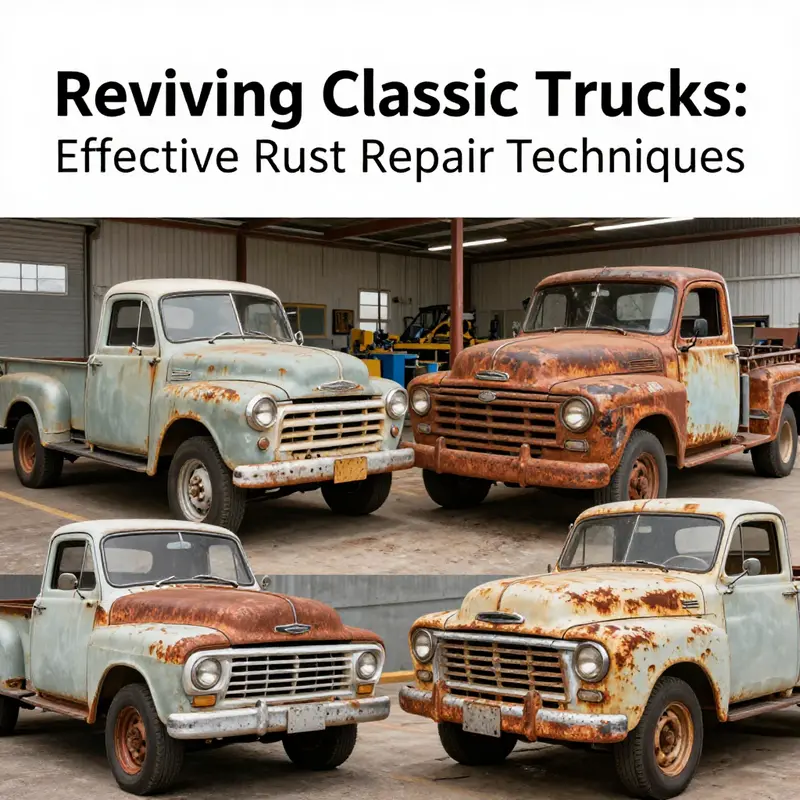
When it comes to preserving a classic truck, the battle against rust is both an art and a science. Each truck tells a story of bygone eras, and the degradation caused by rust can be particularly heart-wrenching for owners who value both the aesthetics and history of these mechanical treasures. To ensure that your classic truck remains a testament to its glorious past while still being safe and roadworthy, it is essential to understand the nature of rust, to identify its various forms, and to follow the appropriate repair techniques for each type.
At the outset, it is important to realize that rust is not a single enemy but a multifaceted enemy that can affect different layers of your truck’s body. Some rust appears merely as superficial blemishes that mar the finish, while other types are deeper, affecting the bare metal and even the structural integrity of the vehicle. Taking the time to differentiate between these kinds is a decision that can save both your vehicle and your investment in the long run. For those keen on upkeep, this chapter offers a deeply practical look at the ways to properly diagnose, treat, and manage rust spots on a classic truck.
Your first step is understanding the distinct forms that rust can take. The lightest variety, often known as surface rust, cloaks the exterior with tiny spots that disrupt the vehicle’s paint job. Although these marks may seem superficial and unsightly, they are essentially the early-warning signs that oxidation has begun its work. The oxidation process can start when minute particles, in the presence of moisture, react with the metal’s surface. If these white or brownish spots – sometimes referred to as clear coat rust – are not attended to, over time they can deepen, gradually compromising the protective layers that originally shielded the metal.
When faced with surface rust, many truck enthusiasts may opt for a simpler method of repair: using a commercial rust remover that is specifically designed for automotive surfaces. The technique is straightforward. First, wash the affected area meticulously to remove any dirt and debris that might hinder the remover’s efficacy. Once cleaned, a generous application of the remover should be allowed to sit on the rusted spots for ten to fifteen minutes, permitting the chemicals to break down the oxidation. After the designated time, a gentle wipe using a clean, soft cloth or sponge will help remove the loosened rust particles. Rinsing with water ensures that no residues are left, and careful drying primes the surface for the next steps—primarily the application of a rust-inhibiting primer followed by a repaint to restore the truck’s aesthetic integrity.
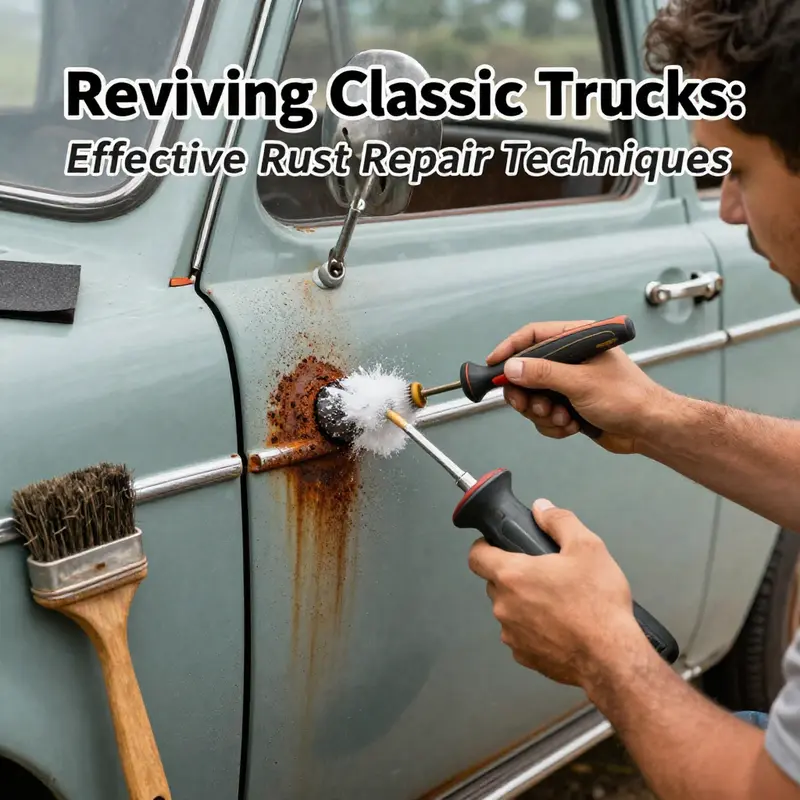
Of course, not all rust is that easily handled. When the integrity of the protective paint or primer layer has been compromised, and bare metal is exposed, the stakes are higher. Exposed metal reacts swiftly with moisture and environmental pollutants, accelerating oxidation and thereby creating larger patches of corrosion. In these instances, an aggressive and methodical approach is necessary to not only remove the rust but also prevent recurrence. The process begins with mechanical removal. This can involve careful sanding using fine steel wool, a wire brush, or a sanding block – anything that gently takes away the oxidized layer without causing further harm to the underlying metal. The aim of this initial mechanical treatment is to reveal a smooth, shiny surface that is free from any rust residue. Often, beginning with a coarser grit before moving to a 2000-grit wet/dry paper gives the best results.
Once the rust has been thoroughly removed, attention must be turned to the subsequent steps. The freshly exposed metal will have tiny particles and oils embedded in its surface. It is crucial to clear these remnants using a degreaser or isopropyl alcohol, which not only cleans the area but also ensures that any contaminants that might interfere with the bonding of the primer are eliminated. With the surface now immaculate, the application of a rust inhibitor or an anti-corrosion primer creates a protective barrier that significantly decreases the chance of rust developing again. For many DIY enthusiasts, this step is key before moving on to the final phases of repair. A high-quality paint, carefully matched to the original color of the truck, is then applied, often followed by a clear coat and wax to seal in the repair and provide long-lasting protection.
In some situations, rust is not just a superficial problem—it has penetrated so deeply that it begins to compromise the structural integrity of your vehicle. This is the realm of internal or structural rust, a particularly dangerous form because the damage is often hidden from plain sight. Once moisture infiltrates the seams, frames, and inner panels of the truck, it can create a ticking time bomb for corrosion. Early indicators of such deep-seated rust include bubbling or peeling paint, as the corrosion pushes upward from beneath the surface. When it comes to internal rust, the methods employed for surface rust simply will not suffice. Instead, these cases require the removal of the affected metal altogether. In many instances, entire sections of the body or frame may need to be cut out and replaced with new, fabricated metal panels that are then skillfully welded in place.
The procedure does not end with the installation of new metal. The newly integrated sections must then undergo the same comprehensive process as described in lighter rust cases. Multiple layers of anti-corrosion coatings, coupled with undercoating, are applied to serve as a robust barrier against moisture and further deterioration. In this demanding process, specialized tools and extensive expertise are indispensable, meaning that if your truck shows any significant signs of internal rust, it is advisable to consult with a classic car restoration specialist. Such professionals not only have the necessary equipment but also the experience to handle the extensive repair work safely and effectively.
An interesting, though somewhat anecdotal, example of rust repair underscores the unpredictable nature of corrosion. In 1924, an incident involving a dilapidated Ford truck revived its engine through an accidental chemical reaction when battery acid was poured over its rusted engine parts. While this story is more of a historical curiosity rather than a reliable repair method, it emphasizes that even rust, which often seems irreversible, sometimes reacts in unexpected ways under the influence of chemicals. Modern practices, however, favor controlled and safe procedures over such hazardous improvisations. This underscores the importance of understanding the cause and extent of the rust before beginning any repair work.
Beyond the technical processes, one of the most vital aspects of rust repair is regular inspection. A well-maintained vehicle is one that is routinely checked for early signs of rust, particularly in areas that are more prone to moisture accumulation—areas like wheel wells, door sills, and the undercarriage. Routine inspections not only help in catching rust before it becomes widespread but also provide an opportunity for owners to apply preventive measures such as waxes and protective undercoatings. For those interested in expanding their maintenance knowledge with further practical tips, additional insights are available in this article on in-house truck maintenance procedures, which discusses various strategies for keeping your truck in prime condition.
The journey of restoring a classic truck goes far beyond merely eliminating the signs of corrosion. It is about preserving the legacy embedded in every rivet and panel, ensuring that the vehicle remains a functional piece of history. While it may be tempting to opt for quick fixes or superficial touch-ups, true restoration dives deep into the realm of materials science and engineering. Each type of rust requires a tailored methodology—a careful balance between chemical treatments, mechanical removal, and protective layering. The meticulous steps involved in dealing with even the smallest rust spot underline the respect that classic truck owners have for their vehicles. They understand that every action, every sanded stroke, and every layer of primer is a reaffirmation of the truck’s enduring value.
Moreover, the methods and techniques used in rust repair have evolved significantly over the years. Advances in modern paints, primers, and corrosion inhibitors have provided a level of protection that was once unimaginable. Today, restoration experts recommend the use of period-correct enamel paints for maintaining authenticity while ensuring modern durability. Adhering to these techniques not only preserves the original character of the vehicle but also enhances its longevity. However, it is crucial to follow well-established guidelines and to employ materials that are approved for automotive use. The careful application of these products, in recommended layers and controlled conditions, can transform a surface that was once vulnerable into one that is well-guarded against the elements.
Equally important is the environmental consideration in rust repair. The chemicals used in rust removers and primers must be handled with care, as they can have significant effects on both the user and the environment if not managed properly. Routine safety measures—such as wearing gloves, ensuring adequate ventilation, and disposing of used materials according to local regulations—are essential parts of a responsible restoration process. As much as the goal is to revive the truck’s exterior, the safety of the operator and the sustainability of the repair work must never be overlooked. In this respect, adherence to safety protocols and the use of eco-friendly products can be as crucial as the mechanical work itself.
The process of repairing rust spots on a classic truck is also a test of patience and persistence. Each stage of the work demands a certain level of diligence, whether it is the precision needed in sanding to ensure a spotless metal finish or the careful timing required for the chemical treatments to work effectively. The physical act of working on the truck—feeling the texture of the metal, watching the gradual disappearance of rust, and witnessing the emergence of a once-forgotten shine—can be extraordinarily rewarding. This sense of accomplishment is part of what makes classic truck restoration a uniquely fulfilling hobby for many enthusiasts.
Yet, it is important to recognize that not every repair job is one that can be tackled at home. If you find the rust to be extensive or if there is clear evidence of internal corrosion, the wisest course of action is to enlist the expertise of professionals. A skilled classic car restoration specialist will have access to the right tools and materials, as well as the experience necessary to address any complications that may arise. The collaboration between a dedicated owner and a seasoned professional not only ensures the longevity of the truck but also preserves its historical authenticity. It is an acknowledgment that sometimes, despite the best intentions, specialized skills are required to achieve the best possible outcome.
In essence, the art of rust repair is a blend of careful observation, precise technical action, and a deep-seated respect for the heritage of your classic truck. Each decision—from choosing the appropriate type of abrasive material during sanding to the application of a long-lasting primer—reflects an understanding of how different types of rust can affect the vehicle. The clockwork precision of modern restoration techniques is deeply intertwined with traditional craftsmanship, making the repair process both a technical challenge and a labor of love.
Owners who take the time to evaluate the extent of rust not only participate in the preservation of an automotive relic but also engage in a hands-on educational experience. The detailed examination of rust spots, the determination of whether they are merely cosmetic or indicative of deeper problems, and the subsequent repair efforts all serve to deepen the connection between the owner and the truck. Over time, this connection fosters an appreciation for every nuance of the vehicle—a reminder that every imperfection, once properly addressed, can contribute to the truck’s character rather than detract from its overall appeal.
It is also essential to consider that rust repair is not a one-time event but an ongoing commitment. Regular maintenance, periodic checks, and immediate repairs at the first sign of rust are practices that can ensure the truck remains in excellent condition for decades. Preventative measures, such as applying sealants and keeping the vehicle in environments less prone to excessive moisture, add layers of protection which complement the technical repairs described earlier. For those managing fleets or individuals simply passionate about truck upkeep, budgeting for routine maintenance and preventive repairs is as vital as the initial restoration work. The advanced planning and financial foresight required in such endeavors are subjects that warrant further exploration in dedicated maintenance guides available on various platforms.
In wrapping up this exploration of rust identification and repair, it becomes clear that a classic truck is more than just a vehicle—it is a living history. Every scratch, every spot of rust, is a challenge that connects the past with the present. The repair process is a respectful nod to the craftsmanship of yesteryears, intertwined with modern techniques and safety practices. For those who treat their vehicles with the reverence they deserve, the task of maintaining them is an ongoing journey of discovery and pride. Moreover, staying updated with current restoration techniques and industry guidelines, such as those provided by the Automotive Aftermarket Industry Association (AAIA), ensures that your approach remains both effective and safe.
Ultimately, the key to repairing rust spots on a classic truck lies in recognizing and understanding the type of rust you are dealing with. From the light touches of surface rust that can be managed with simple cleaning and polishing to the more intrusive metal exposure rust that demands careful sanding and priming, each scenario calls for a thoughtful, deliberate response. When confronted with the possibility of structural rust, the importance of professional intervention cannot be overstated. Each decision in the repair process—from the selection of rust removers to the precise application of anti-corrosion primers—is a step towards preserving the unique narrative that your truck represents.
In this way, the process of rust repair transcends mere technical activity. It becomes a ritual of restoration, a careful dance between old-world charm and modern technology, and an opportunity to ensure that the legacy of your classic truck endures. With the right blend of diligence, expertise, and an eye for detail, the rust that once threatened to erode your truck’s history can be transformed into a testament of care—and a renewed promise that even the most venerable machines can shine again.
As you continue your restoration journey, remember that knowledge and preparation are your most powerful tools. Stay committed to regular inspections, keep abreast of the latest techniques and materials, and above all, respect the craftsmanship that went into building these classic trucks. In doing so, you not only safeguard your investment but also celebrate the rich heritage that makes each classic truck a timeless work of art.
Reviving the Past: Expert Techniques for Restoring Rust on Your Classic Truck
There is something undeniably special about a classic truck—a piece of engineering that embodies decades of history, craftsmanship, and nostalgia. When rust begins to form on such an icon, it is not simply an aesthetic blemish but a potential threat to its structural integrity and enduring legacy. Repairing rust spots on a classic truck is a process that demands not only technical skill but also a deep respect for preserving the character and history of your cherished vehicle. The art of restoration involves combining well-established techniques with modern products in order to maintain authenticity while ensuring longevity.
From the gentle removal of surface rust to addressing corrosion that threatens the very framework of the truck, each step must be executed with care and precision. The journey typically begins with a thorough assessment of the damage. Determining whether the rust is merely superficial or has compromised the metal itself is key. For those instances where rust has barely begun to affect the paint—often in the form of minor surface oxidation—a more straightforward cosmetic repair may suffice. This involves cleaning the affected area with a mild detergent and water, ensuring that any dirt, grime, and residues are completely removed. Once the surface is clean, the next critical step involves gently sanding the rust with a fine-grit sandpaper, typically around 800 to 1200 grit, or using a specialized rust removal tool. By carefully abrading the affected spot until the metal shines, you prepare the surface for subsequent protective measures. Even the simplest repairs must not be rushed, for hidden corrosion may lurk beneath the obvious rust spots.
After the metal has been smoothed down, all traces of abrasive dust must be eradicated using a tack cloth or a similarly gentle method. With the surface now ready, a high-quality rust inhibitor or primer is applied. This product is specifically designed for automotive use and creates a barrier to protect against future oxidation, ensuring that the repair not only restores the truck’s appearance but also fortifies it against further damage. When the primer has thoroughly dried, attention turns to painting. Here, precision and patience are paramount. Whether using a touch-up brush or a spray can, the paint must blend seamlessly with the remaining original finish. In some cases, to achieve a more professional look, enthusiasts may even resort to using a paint gun and proper masking techniques. This sequence of cleaning, sanding, priming, and painting forms the backbone of minor surface rust repair, a method that is as much about prevention as it is about restoration.
For cases where rust has advanced to moderate levels, the process becomes more involved. Once the surface has been inspected, any visible rust is removed using a wire brush or an appropriate power tool. At this stage, it is essential not only to eliminate the oxidation but also to assess the underlying metal for any signs of thinning or structural weakness. In many instances, if the rust has not perforated the metal, a full patch repair may be the most effective remedy. This technique requires the removal of all compromised metal by cutting out the affected portion using tools like a Dremel or an angle grinder. The objective is to create a well-defined opening—usually square or rectangular—to facilitate the precise fitting of a replacement metal panel.
The new panel, ideally fabricated to match the truck’s original specifications, is then meticulously placed into the gap. This may be accomplished through skilled techniques such as welding or the application of a strong automotive adhesive designed for vintage vehicles. The key here is to ensure that the repaired section harmonizes with the truck’s original structure both in strength and appearance. Just as with minor repairs, the newly installed patch is sanded down to achieve a smooth transition, then primed to lock in a rust-inhibiting barrier before finally being painted to match the surrounding areas. Throughout this process, it is critical to maintain an environment of careful workmanship—the repair must look as if it were always an integral part of the truck, not an afterthought.
Sometimes, however, rust does not merely mar the surface or lightly corrode a small patch of metal, but rather invades the truck’s crucial structural components. Severe rust repairs involve more comprehensive measures and often require the expertise of professionals who specialize in classic car restorations. When the rust encroaches upon jacking points along the frame rails, fenders, or other load-bearing sections, a complete structural repair may be necessary. This type of intervention might involve the removal of extensively damaged panels, followed by the preparation and welding of new, historically accurate parts. Preservation in these cases is not solely about aesthetics—it is fundamentally about ensuring the truck can continue to be safely operated and enjoyed for generations to come.
In tackling severe rust damage, the process begins with a thorough assessment of the overall condition of the vehicle. Beyond the visible deterioration, it is important to determine which sections of metal have begun to weaken and might require not only repair but outright replacement. For enthusiasts and restorers, finding period-correct replacement parts can be as challenging as it is rewarding. In some scenarios, custom fabrication is required. The process of creating a new panel or reinforcing existing sections demands advanced tools like MIG welders, body hammers, and dolly sets. This kind of work is extremely delicate since the techniques must both secure the metal and preserve the truck’s historical integrity—a balance that is achieved through a combination of modern technology and timeless craftsmanship.
There is a fascinating historical anecdote that illustrates the lengths to which rust repair has evolved. In 1924, a case was reported in Detroit where a mechanic, in a moment of forced improvisation, poured battery acid into the oil pan of a rusted Ford Model T. In what could only be described as an accidental miracle, the dilute sulfuric acid dissolved the iron oxide sufficient to revive an engine that had been declared dead for three years. While this story might elicit a wry smile or serve as a curious piece of lore, it is a stark reminder of the unpredictable nature of chemical reactions on rust. In today’s world, however, practitioners employ controlled, safe chemical treatments—often using phosphoric acid-based rust converters—that offer predictable, effective results without the risks originally associated with such methods.
This blend of historical ingenuity and modern refinement underscores the importance of a measured, scientific approach to rust repair. Not only is it crucial to remove the rust, but it is equally important to understand the chemical composition of oxidation and the conditions under which it forms. Enthusiasts in the classic truck community often spend months researching the best methods, materials, and historical techniques that ensure any intervention is not only effective but also respectful of the truck’s legacy. Such research can often be complemented by detailed guides and expert advice available on various restoration-focused websites. For those looking to expand their knowledge, one might explore further insights on restoration and maintenance in a more general format by visiting specialized online communities and blogs such as the comprehensive archive available on the Master Truck Repair blog.
In the act of restoration, every decision made—from the choice of rust inhibitor to the final brushstroke of paint—carries a weight beyond simple aesthetics. It is a decision that echoes the value placed on preserving a tangible piece of automotive history. When working on a classic truck, the restorer is not merely fixing damage but is in fact participating in an ongoing dialogue between the past and the future. Every repaired section of metal tells a story of resilience; every carefully blended layer of paint is a nod to the truck’s original allure. The process demands a meticulous adherence to both modern standards of safety and the original manufacturing techniques that gave the vehicle its unique character. It is this synthesis of old and new that ultimately results in a repair that is as functional as it is beautiful.
Even the simplest repairs, such as addressing minor surface rust, require an understanding of chemistry and material science. The process begins with the decontamination of a rusted area. An ideal cleaning regimen involves not only water and detergent but also specialized degreasers that ensure no residual oils remain. Once cleaned, the metal surface is prepped with fine-grit sanding—a delicate operation that must avoid damaging the underlying surface while removing the corrosive material. During this phase, the interplay between old paint layers and new repair materials comes to the fore. The adhesives and inhibitors used today have been engineered to bond with a wide variety of surfaces, yet when applied to a classic truck, caution is paramount because the substrate may be decades old.
As the process progresses from sanding to priming, the restorer must verify that every trace of rust has been eliminated. Even microscopic remnants can serve as nucleation points for future corrosion. It is for this reason that many experts recommend multiple stages of cleaning and sanding, each followed by the application of an anti-corrosive barrier. The primer used in these cases is not merely a base coat—it is a shield that interacts with both the metal and the final paint layer, ensuring a long-term adherence that fortifies the repair against environmental challenges. Modern primers often contain rust inhibitors that chemically bond with any latent rust, converting it into a stable compound while simultaneously locking out moisture that might otherwise initiate a new cycle of oxidation.
When transitioning from primer to paint, precision becomes even more critical. Classic trucks often have a richly hued finish that is integral to their visual identity. Matching this shade requires not only a careful selection of automotive pigments but also an understanding of how metals and chemicals interact over time. The process may involve several coats of paint, interspersed with fine sanding to ensure a seamless integration between the new and old layers. Replicating the original finish is often seen as an art form in itself—a delicate balancing act between modern convenience and historical authenticity. In some cases, enthusiasts may even opt for traditional enamel paints and proper baking techniques to replicate the finish that was available when the truck was originally manufactured.
Beyond the technical details, there is an emotional component to restoring a classic truck that cannot be overlooked. For many owners, these vehicles represent more than just transportation—they are part of family heritage, symbols of a bygone era when craftsmanship reigned supreme. As you remove rust and restore metal, you are not simply fixing a defect; you are reviving the spirit of an era defined by dedication, innovation, and the relentless pursuit of excellence. Each step in the repair process is a tribute to the legacy of the vehicle, and by carefully following the established protocols, you ensure that that legacy remains intact for future generations to appreciate.
In some instances, rust damage goes far beyond the surface, invading the very bones of the truck’s structure. Structural rust requires a holistic approach, one that involves careful disassembly, component replacement, and, in the worst cases, full-scale remanufacturing of affected sections. The challenges in these cases are manifold—from sourcing historically accurate parts (or fabricating them from scratch) to mastering welding techniques that are gentle enough to preserve the vintage feel of the truck. This high level of repair often calls for collaboration with a classic car restoration specialist, a professional who has not only the technical expertise but also a profound understanding of the vehicle’s historical context. Negotiating these repairs involves a blend of modern laser-guided tools and traditional hand techniques, a testament to how far restoration technology has come while still honoring the roots of automotive history.
As you navigate the complexities of severe rust repairs, you begin to appreciate the remarkable evolution of restoration techniques over the decades. There was a time when even the rudimentary application of battery acid—as famously, albeit dangerously, demonstrated in that 1924 Detroit incident—was considered a viable if unorthodox solution to severe rust. Today, however, we have moved well beyond such risky practices in favor of controlled chemical treatments and cutting-edge mechanical procedures. Modern rust converters, for example, offer a safe, predictable, and efficient method of neutralizing rust without the collateral damage once seen in more intrusive chemical methods. This evolution is reflective of a broader trend within the automotive restoration community: a continual refinement of methods that combines the reliability of modern science with the reverence for traditional craftsmanship.
Restoration is an endeavor that requires patience, precision, and an ongoing commitment to quality. It is a process that demands that every surface be treated with respect. Every repaired area not only stands as a barrier against further decay but also as a testament to the enduring legacy of classic truck craftsmanship. Whether you are addressing minor surface imperfections or undertaking a significant structural repair, the principles remain the same: a meticulous assessment of the damage, a carefully calibrated series of interventions, and a final finish that pays homage to the vehicle’s original design.
In this context, reviewing detailed restoration guides and expert advice can be invaluable. Comprehensive resources, such as those found on reputable automotive restoration websites, offer insights into every facet of the repair process. By integrating these resources into your workflow, you can develop a robust plan that addresses both the immediate challenges and the long-term maintenance of your classic truck. For additional step-by-step procedures and insights into maintaining vintage vehicles, consider exploring the detailed guide available at Autoblog’s restoration article.
The journey of restoring a classic truck is almost as rewarding as it is challenging. It is an intimate process—a dialogue between man and machine, past and present. Every moment spent cleaning, sanding, priming, and painting is a moment spent preserving a piece of history and ensuring that the truck will continue to captivate admirers for decades to come. The transformation is gradual and meticulous, each step building upon the last to form a tapestry of rejuvenation that speaks not only to the art of repair but also to an enduring passion for classic automotive design.
This integrated approach to rust repair is a far cry from the quick fixes of modern, mass-produced vehicles. Instead, it is a labor of love, one that requires careful planning, precise execution, and a willingness to invest the time and expertise needed to honor the truck’s storied past. Every repaired rust spot is proof that with care and commitment, even the most decayed metal can be restored to its former glory. This attention to detail is what separates a temporary fix from a true restoration—a restoration that not only addresses the problem at hand but also fortifies the truck against future environmental challenges.
Ultimately, repairing rust on a classic truck is about more than just maintenance—it is about preservation, legacy, and the unyielding determination to keep history alive. Throughout the process, you are reminded that the truck is not merely a vehicle but a cherished relic, a rolling museum that has witnessed decades of innovation, change, and cultural evolution. Each method, whether it involves a careful touch-up on a minor blemish or a deep, structural overhaul, is a testament to the enduring quality and spirit of these iconic machines.
In the end, the art of rust repair becomes synonymous with the art of preservation. It is this dedication to excellence, attention to detail, and respect for tradition that transforms a simple repair job into an act of homage. For every classic truck owner, these restorative techniques are more than mere repairs—they are an ongoing commitment to safeguarding a legacy, ensuring that the beauty and brilliance of these machines continue to inspire and delight, generation after generation.
Shielding Legacy: Proactive Rust Prevention for Your Classic Truck
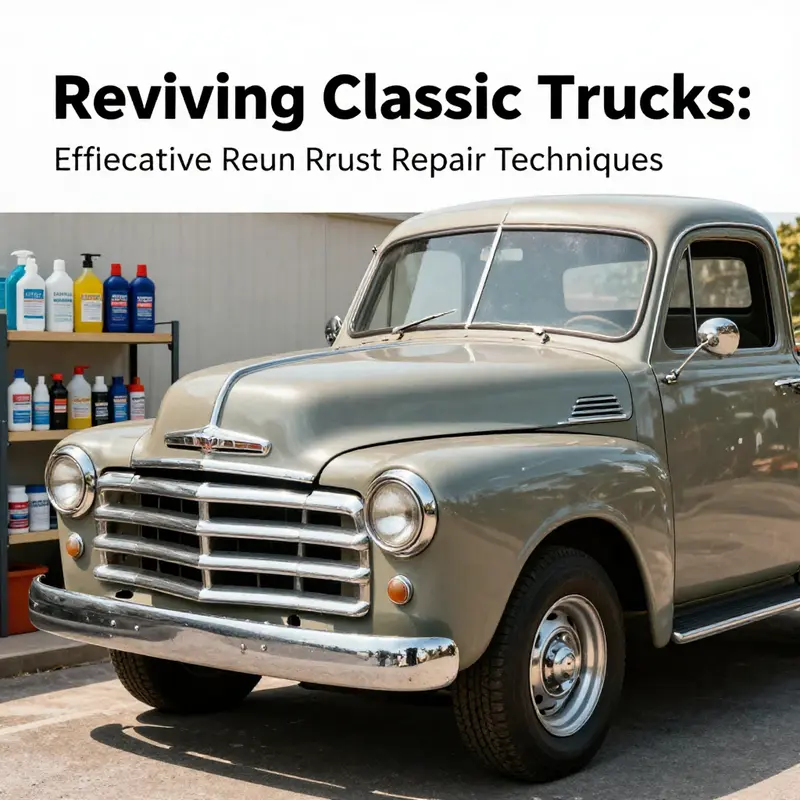
Maintaining a classic truck is not just about preserving an automobile; it is a commitment to safeguarding a living piece of history whose value goes far beyond its monetary worth. For owners of these cherished vehicles, rust is not merely an aesthetic blemish—it represents a potential threat to the truck’s performance, structural integrity, and ultimately, to its storied legacy. A proactive, comprehensive approach to rust prevention is essential, and it starts with understanding and meticulously managing every step in the maintenance process. This detailed narrative provides a unified vision on how to care for your classic truck, outlining preventative measures that keep rust at bay and ensure that its unique character endures for generations.
Every owner who cherishes their classic ride knows that the first line of defense is regular inspection and early detection. It is surprising how often rust begins its insidious work in the most hidden corners of a truck—a small crevice near the wheel well or the underside of a door panel can quickly become a point of corrosion if overlooked. An effective inspection routine involves a visual check at least once a month. Using a reliable flashlight on overcast days, sweep every joint, seam, and bolt hole with care. Pay particular attention to sections that frequently encounter moisture, such as undercarriages and suspension components. The moment a tiny patch of discoloration is noticed, it is a signal to act swiftly. In many ways, early detection is akin to catching a small leak before it floods the entire engine room; it minimizes repair costs and prevents the rust from transitioning into a more serious, structurally compromising condition. Even as the truck ages, every minute detail matters. A careful owner understands that rust does not announce itself with pomp—it creeps in quietly, demanding vigilance and immediate attention.
Once a rust spot is identified, the importance of thorough cleaning and drying comes sharply into focus. After every drive—especially when the vehicle has been exposed to wet, salty, or dusty conditions—it is imperative to wash the truck in a manner that preserves its delicate surfaces. A high-pressure washer set to a moderate level, used in conjunction with a neutral pH cleaner designed specifically for automotive underbody care, is the recommended method. Harsh detergents or dish soaps should never be used as they may strip away protective coatings, thereby inviting rust to settle in more readily. After washing, the drying process is equally critical. Even minute droplets that remain in crevices can trigger corrosion. Traditional techniques such as using a compressed air blower or simply allowing the truck to sit in a warm, well-ventilated area for an extended period guarantee that moisture is fully eliminated. In doing so, you not only remove immediate water but also deter the gradual buildup of moisture that can lead to long-term damage. The daily discipline exercised in cleaning and drying is a testament to an owner’s commitment to preservation.
In the event that rust has already begun to form, the next step is an uncompromising mechanical preparation of the affected area. It is tempting to attempt to simply cover over rust with a fresh layer of paint, but experienced restorers know that without complete rust removal, the problem will persist underneath. The process involves using tools like fine steel wool, a wire brush, or even a sanding block with 2000-grit paper to gently but effectively remove every trace of corrosion. The goal is to expose a smooth, shiny surface that signals the absence of rust. This careful mechanical removal requires both precision and patience, and should be undertaken in a well-ventilated area with adequate safety measures. When rust has degraded the surface beyond simple surface cleaning, further measures such as using a body file or a mini grinder may be necessary. These steps, while labor-intensive, lay the vital groundwork for subsequent treatments and ensure that any rapid spread of rust is halted before it can wreak further havoc.
With a clean, bare-metal surface achieved, the application of a high-quality anti-rust primer becomes the next crucial step. Anti-corrosion primers, often zinc-rich or epoxy-based, act as robust barriers against continued environmental exposure, preventing oxygen and moisture from interacting with the metal. The primer must be chosen with care, as the compatibility with the underlying metal and the subsequent paint layers is essential to the overall durability of the repair. Once applied, the primer should have sufficient time to cure fully—a process that often mirrors the attention given during the initial inspection and cleaning phases. This waiting period is more than just a necessary delay; it is a moment to appreciate the intricate relationship between chemical treatment and surface protection. In instances where repair areas have shown some degree of structural pitting, reinforcements with body filler or spot weld patches may be employed before priming. This integrated approach ensures that every imperfection is addressed, establishing a foundation that will stand up to the challenges of weather and time.
Following the primer, the evolution of the finishing process calls for the application of a durable topcoat. This final protective layer, often a urethane-based automotive paint, isn’t just chosen for its ability to match the aesthetic of the original finish—it is designed to provide an extra barrier against the elements. Multiple thin coats, as opposed to a single thick layer, allow for a more even distribution and ensure that the underlying primer remains uncompromised. In several cases, the use of a clear coat is recommended to protect the paint from ultraviolet rays and minor abrasions that occur during daily use. This topcoat is critical, as it seals the public face of your classic truck, offering both visual appeal and functional protection. While many modern paints are highly advanced, for purists interested in authenticity, employing period-correct enamel paints in combination with precise baking techniques may preserve the historical accuracy that is prized by classic truck enthusiasts.
Long-term rust prevention goes far beyond the immediate repair steps. It is a steady, deliberate routine of reapplication and monitoring that keeps corrosion in check for years to come. Every six to twelve months, or more frequently in coastal areas or regions where road salt is used during winter, a quality protective wax or undercoating should be reapplied. This routine treatment helps to refresh the protective layers that may wear away over time, reinforcing the barriers against water and salt intrusion. In parallel, thoughtful modifications such as installing rubber floor mats or fender liners can make a significant difference. These simple additions act as extra buffers, preventing physical damage and reducing the accumulation of moisture in sensitive areas. The aggregate effect of these actions is a significantly longer lifespan for the vehicle, preserving both the aesthetic and functional components of the classic truck.
In addition to a regular maintenance schedule, addressing potential pitfalls like moisture entrapment in hidden cavities is essential. Rust often takes root in the most inaccessible parts of the truck, where drainage is poor and moisture lingers unnoticed. Ensuring that every drainage hole is clear and free of debris is a small task that can yield substantial benefits. For trucks that have been stored over long periods, it is advisable to inspect areas such as the floor pans and frame rails for trapped moisture. Utilizing modern solutions like dehumidifiers in storage areas or strategically placing silica gel packets within the cab and engine compartment can further mitigate this risk. These steps, though seemingly minor, act as the final bulwark against the ravages of time and weather, ensuring that even a stalled classic truck remains in optimal condition.
Owners who are willing to go the extra mile may consider adopting advanced protective treatments such as ceramic coatings or nano-polymer sealants. These cutting-edge solutions offer long-lasting hydrophobic properties, effectively repelling water and corrosive agents. The application of such treatments is more technical, yet the benefits are profound, often lasting several years with minimal reapplication. Investing in these treatments requires both a financial commitment and a willingness to embrace modern preservation technology, but the rewards in terms of longevity and maintenance efficiency are significant. This approach, while more sophisticated, perfectly complements the timeless nature of a classic truck by bridging historical authenticity with state-of-the-art material science.
Throughout the process of preventive maintenance, the balance between proactive care and responsive repair cannot be overstated. The realization that a little meticulous care today translates into a lifetime of preserved memories is what truly drives classic truck enthusiasts. Each rust spot that is carefully removed, each primer coat that is methodically applied, and every subsequent layer of protective paint contributes to the larger goal of safeguarding history. For instance, regular in-depth maintenance tips and techniques, such as those shared in various respected sources on truck upkeep, serve as a continuous learning opportunity. Readers can explore more detailed practices and personal maintenance stories by checking out resources like the insightful discussion available on in-house truck maintenance insights. These shared experiences further underline the idea that preserving a classic truck is a blend of art and science—a mutual respect for the past intertwined with today’s technological advancements.
In a broader sense, the journey to preventing rust and other forms of corrosion represents much more than routine auto care—it is a tangible manifestation of an owner’s dedication to legacy and excellence. Every scratch, every minute rust spot that is treated before it escalates, signifies a promise kept: a promise to future generations that the vehicle will remain as striking on the roads as it was on its inaugural ride decades ago. The preventive measures described here, though detailed and time-intensive, are fundamental in achieving such a promise. They form a comprehensive regimen that combines time-tested mechanical removal techniques, chemical treatments, and modern innovations. When executed with care, these steps not only preserve the truck’s original character but also enhance its reliability and performance on the road, ensuring that the classic truck can still compete with modern vehicles in terms of durability and appearance.
Over the years, numerous enthusiasts have refined these strategies into what might best be described as a holistic maintenance philosophy. This philosophy embraces a preventive mindset, where even the smallest imperfections are addressed before they have the opportunity to expand. It involves an interplay between observation, skilled handwork, and high-quality materials—each element indispensable to maintaining the integrity of the vehicle. The philosophy teaches us that prevention is undeniably better than cure, and that failing to act at the slightest sign of rust can lead to problems far more extensive than initially anticipated. The rigorous application of this preventive regime ensures that the classic truck is not only well preserved against the physical attacks of nature but also remains a reliable and safe mode of transport, reflecting the quintessence of its era. Through such dedication, every repair session becomes a moment to reconnect with the past, celebrate the craftsmanship of a bygone era, and invest in the continued operational excellence of the vehicle.
In summary, the proactive measures taken to prevent rust on a classic truck are extensive and require unwavering attention to detail. They encompass a systematic approach—from regular visual inspections and proper cleaning and drying protocols to meticulous mechanical removal, careful priming, and the thoughtful application of topcoats and sealing agents. Each step is a testament to the detailed care that classic truck owners invest in preserving not just a machine, but a living memory of a rich automotive heritage. While the tasks involved may seem tedious and sometimes overwhelming, the rewards are invaluable. With every precaution taken, you are not only warding off the threat of rust but also ensuring that your classic truck continues to inspire admiration and evoke cherished memories. For additional detailed perspectives and real-world strategies on forestalling corrosion and ensuring vehicle longevity, interested readers and enthusiasts may refer to the informative resource available at How to Prevent Rust on Your Classic Car – MotorTrend.
In the world of classic vehicles, every scratch, every dent, and every shadow of rust tells a story. These stories are of journeys taken, of roads traveled, and of eras gone by. The modern techniques of rust prevention are not meant to erase these stories but to preserve them, allowing each vehicle to continue narrating its unique tale without interruption from the ravages of corrosion. By implementing the strategies outlined in this narrative, you not only preserve the physical structure of your classic truck but also its enduring legacy. With careful attention to every detail—from daily inspections and washing routines to advanced protective coatings—you forge a partnership with your vehicle that honors its past while securing its future. It is this marriage of meticulous care and historical reverence that ensures your classic truck remains a symbol of American ingenuity and timeless design. Every measure taken today ensures that, for decades to come, the truck remains a proud representative of an era of craftsmanship that continues to inspire and delight. In essence, proactive rust prevention is a small price to pay for the privilege of maintaining a timeless treasure—a living legacy that, with each passing day, benefits from the diligence and dedication of its owner.
Mastering Rust Revival: The Critical Role of Expert Intervention in Renewing Classic Trucks
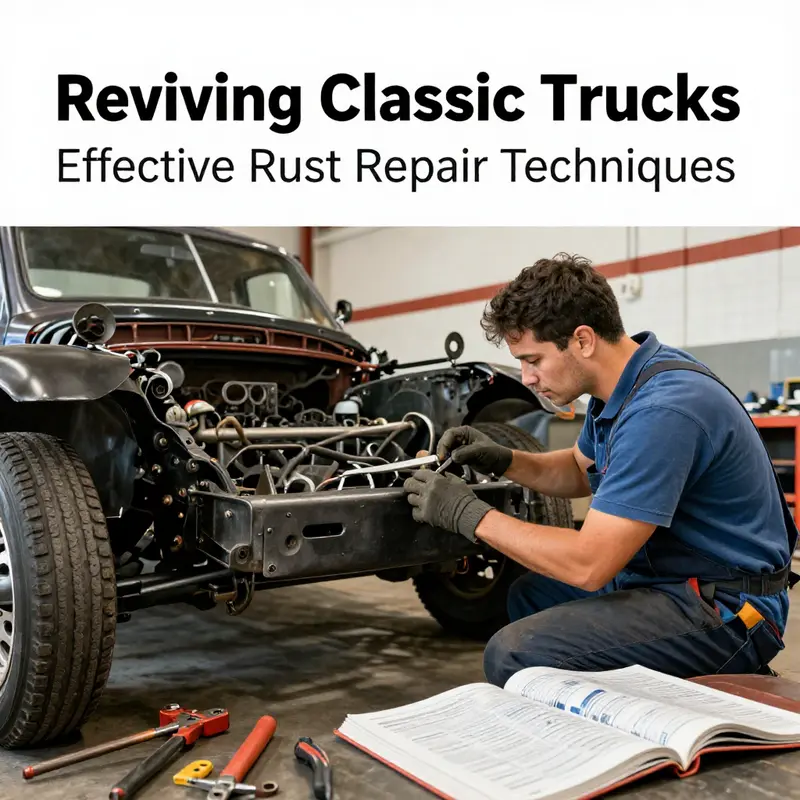
When facing the challenge of rust spots on a classic truck, the value of professional intervention cannot be overstated. Owners of these venerable vehicles often possess more than just a mode of transportation—they hold a piece of history and an asset steeped in personal memories and heritage. The rust that appears on the metal not only mars the aesthetic appeal but can also compromise the structural integrity of the vehicle if left unaddressed. In these situations, the expertise of professionals who specialize in truck restoration becomes indispensable.
The process of rust removal and repair is intricate, spanning from minor surface treatments to extensive procedures required for deeply penetrated damage. While some enthusiasts might be tempted to use readily available commercial rust removers designed for superficial imperfections, a deeper infestation demands a more rigorous approach. When rust reaches sites beneath the protective paint layers, it exposes the bare metal and sets the stage for accelerated corrosion if not treated properly. Professional repair services are equipped with specialized techniques that not only eradicate the rust but also restore the original integrity and look of the vehicle without compromising its historical value.
One of the primary challenges in treating rust spots on a classic truck is safely transitioning from cosmetic touch-ups to meaningful structural repairs. In many cases, what appears to be a small surface blemish is merely the visible tip of an underlying problem. Without the proper equipment and expertise, even a minor misjudgment can cause the rust repair to fail over time. Professionals are trained to assess the extent of corrosion by examining both the surface appearance and the sub-surface metal composition. This nuanced understanding is essential when choosing between simply applying a rust inhibitor and performing more invasive techniques such as mechanical removal which involves the use of fine steel wool, wire brushes, or specialized sanding tools that are otherwise unavailable to the casual DIY enthusiast.
In addition to the physical methods of rust removal, the chemical treatment of rust plays a critical role in restoring a classic truck. For years, historical anecdotes have highlighted extreme cases where unconventional chemical methods—such as the accidental use of battery acid—reversed the effects of rust. However, while such stories may capture the imagination, they serve only as cautionary tales rather than blueprints for modern restoration practices. The controlled application of anti-corrosion primers and epoxy treatments by professionals not only halts further rusting but also reinforces the surface, ensuring that the long-term durability of the truck is maintained. Each step, from cleaning the affected area with degreasers or isopropyl alcohol to applying a multi-layered coating system, requires precision to prevent further degradation of the metal. No shortcuts are acceptable when the vehicle’s authenticity and performance are on the line.
Professional restoration specialists also bring a much-needed attention to environmental safety and worker protection. The controlled conditions under which these repairs take place—such as proper ventilation, the use of respirators, and other safety gear—reduce the exposure to harmful chemicals and dust particles that can arise during abrasive cleaning or chemical treatments. An often-overlooked aspect of self-repair is the risk posed by toxic substances, which in the wrong hands might not only lead to personal injury but also contribute to environmental contamination. By choosing a professional service, classic truck owners ensure that every aspect of the restoration, from material handling to waste disposal, adheres to modern safety and environmental standards.
Beyond the technical aspects of rust repair, there is the delicate matter of preserving historical authenticity. Classic trucks are not merely vehicles; they are dynamic pieces of history, each with a story imbued by decades of use, design, and even cultural significance. A professional restoration is able to match and source period-correct paints and materials that reflect the era in which the truck was produced. This careful re-creation not only elevates the vehicle’s appearance but also maintains its collectible value. The preservation of original details, such as the correct shade and finish of enamel paints, often requires in-depth research and access to materials that have long since been phased out in modern manufacturing. In the hands of skilled restorers, the truck is not simply fixed—it is revived in a manner that respects its legacy.
The stakes surrounding the repair of rust spots on classic trucks extend beyond the mere aesthetics of the vehicle. Rust that penetrates the metal can lead to dangerous conditions if left untreated, including structural failure. When a classic truck’s body begins to weaken, it may compromise not only the vehicle’s safety on the road but also its performance under various conditions. Professional services use state-of-the-art diagnostic tools to assess the metal’s integrity at a microscopic level, ensuring that any signs of dark corrosion or fatigue are identified before they evolve into more severe issues. This proactive approach minimizes the risk of further deterioration and ensures that the truck remains a viable investment for years to come.
It is equally important to consider that not all rust repair efforts are created equal. The use of improperly prepared surfaces and inadequate materials, which might be an outcome of hasty DIY fixes, can result in recurring rust spots that quickly mar the truck’s finish once again. Expertise is paramount when it comes to correctly preparing the affected area—often involving rigorous cleaning, scrupulous sanding, and the application of rust inhibitors that must solidify into a seamless barrier against future corrosion. An experienced technician will meticulously follow these steps, ensuring no detail is overlooked, from the consistent application of degreasers to the precise temperature control necessary for optimal drying of primers and finishes.
Additionally, seeking professional insight provides the valuable benefit of personalized diagnostics. No two rust spots are exactly alike, and their treatment should mirror the unique fusion of age, usage, and environmental exposure each truck has experienced. Professionals consider all these factors, including the design intricacies of a classic truck’s body panels, which might feature delicate contours and bespoke machining work that require a gentle yet effective approach. This tailored strategy often includes reinforcing thinned areas with body filler or even spot welding patches that re-establish the metal’s strength. The harmony between preserving the original design and enhancing structural safety demonstrates why entrusting the job to experts creates the best balance between form and function.
Moreover, an expert’s detailed approach is bolstered by years of hands-on experience and a well-established understanding of the specific challenges presented by classic trucks. Many professional restorers have dedicated significant portions of their careers exclusively to vintage vehicles, thereby gaining insights into the evolution of automotive techniques and the original manufacturing processes. Their expertise allows them to recognize the subtle differences between various models and eras, ensuring that any repair work aligns perfectly with the vehicle’s unique characteristics. For those unfamiliar with the technical language of metal preservation or the complexities of automotive restoration, the guidance provided by professionals is invaluable. They not only perform the repairs but also educate the owner about the best practices for ongoing maintenance, thus extending the life of the vehicle beyond what might be achieved through sporadic or unsystematic interventions.
At times, a comprehensive restoration may involve the utilization of specialized machinery and techniques that are simply beyond the reach of a typical garage. For instance, when dealing with severe structural rust, professionals might resort to panel replacement, welding, or even the use of auto body hammers and dollies to reshape and realign warped panels. The precision with which these tasks are undertaken is a testament to the rigorous training and technical know-how inherent in professional restoration. Furthermore, the use of advanced anti-corrosion technologies, including multiple layers of urethane-based epoxy primers, provides a far more robust defense against future corrosion compared to what is achievable with consumer-grade products. These cutting-edge treatments guarantee that the integrity of the truck is maintained while sustaining its vintage charm.
For owners who may feel intimidated by the scope of professional intervention, it is worth highlighting that even those with considerable mechanical skill can greatly benefit from consulting industry experts. Sometimes the challenge lies not in the application of a repair—but in the accurate diagnosis of underlying issues. Professionals routinely stress that the initial evaluation of the rust damage is the single most critical step in the repair process. A thorough diagnostic can unveil hidden corrosion that is not immediately visible, offering the opportunity to implement preventative measures before the problem escalates. For those who opt to conduct minor fixes on their own, a second opinion from a professional can provide reassurance and guidance, thereby avoiding costly missteps and ensuring that the truck retains its original splendor.
The embrace of professional repair methods also resonates with the concept of long-term savings. While the upfront cost of a professional restoration might be higher than a DIY approach, the lasting benefits are often substantial. A properly restored truck is less likely to experience recurring rust and related complications, thereby saving the owner from repeated expenditures in the future. Moreover, investing in quality repairs maintains or even boosts the vehicle’s resale value, underscoring the notion that quality restoration is an investment rather than an expense. The careful selection of materials, precise application techniques, and controlled work environments used by professionals all contribute to a final product that stands the test of time.
It is important to note that while the allure of a quick fix can be tempting, the history of classic truck restoration is replete with examples of compromises that led to additional issues down the line. In one notorious instance from 1924, a truck was momentarily revived by an accidental chemical intervention involving diluted sulfuric acid—a stroke of luck that ultimately highlighted both the potential and inherent dangers of non-standard repair methods. Today, the focus is on achieving consistent, replicable results with a strong emphasis on safety and structured processes. In choosing professional help, classic truck owners ensure that each step—from rust removal and surface preparation to primer application and final painting—is executed with the utmost care and adherence to industry best practices.
For anyone looking to explore further details on truck maintenance and restoration practices, a wealth of expert advice is available. Professionals often share their insights and experiences in well-curated online spaces. For example, it can be incredibly beneficial to explore detailed truck maintenance insights that highlight various approaches to preserving truck functionality and appearance. Such resources not only reaffirm the necessity of expert intervention when dealing with complex repairs but also offer practical advice for routine maintenance.
In summary, the decision to enlist professional help for repairing rust spots on a classic truck is one that underpins both the safety and cultural value of these historical vehicles. The intricate methods involved in properly diagnosing the severity of rust damage and executing the appropriate repairs require specialized tools, training, and an understanding of the vehicle’s legacy. Professionals utilize precise mechanical removal techniques, advanced chemical treatments, and state-of-the-art protective coatings to ensure the restoration not only looks impeccable but also retains its structural integrity over time. The careful balance between preserving authenticity and improving durability is a hallmark of professional restoration, making it the prudent choice for anyone serious about maintaining the integrity and value of their classic truck.
Owners who have invested years in preserving these treasured vehicles owe it to the legacy of their trucks to see the repair process as a holistic endeavor—one that interweaves technical excellence, a deep respect for history, and the foresight to guard against future decay. When entrusted to professionals, every repair becomes a labor of love, executed with the finesse and precision that only expertise can bring. In this way, the revival of a classic truck transcends a mere mechanical fix; it becomes a celebration of tradition, craftsmanship, and an enduring passion for automotive heritage.
For those seeking further authoritative guidance on professional restoration practices and the intricacies of classic truck repair, the comprehensive recommendations provided by the National Auto Restoration Association (NARA) Guidelines offer a wealth of valuable insights. It is through these trusted resources that enthusiasts and professionals alike continue to elevate the art of restoring vehicles to their former glory, ensuring that each classic truck not only stands as a testament to its era but also remains a safe and reliable symbol of automotive excellence for years to come.
Final thoughts
Maintaining classic trucks requires diligence, especially when it comes to addressing rust issues. Understanding the different types of rust, applying effective repair techniques, implementing regular preventative measures, and recognizing when to seek professional assistance will empower Fleet Managers and Owners to enhance the durability and performance of their vehicles. Investing time and resources into proper rust repair not only preserves the aesthetic and historical value of these vehicles but also ensures their reliable operation in demanding work environments.