In the world of logistics and transportation, the comfort and safety of drivers is paramount, making the maintenance of truck seat upholstery a critical concern for fleet managers and trucking company owners. Neglecting this aspect can lead to not only dissatisfaction among drivers but also potential safety hazards, affecting the longevity of the vehicle itself. Well-maintained seats offer essential support during long hours on the road, contributing to a safer driving environment and reducing the likelihood of distractions caused by discomfort. Moreover, investing in upholstery care is a financially sound decision, as it enhances the vehicle’s resale value and prolongs its operational lifespan. By prioritizing upholstery maintenance, companies can ensure their fleets remain safe, comfortable, and efficient-a strategic move for any successful logistics operation. To further support your fleet’s needs, learn more about budgeting for routine truck maintenance and explore strategies for optimizing fleet size and maintenance.
Common Types of Truck Seat Upholstery Damage
Truck seat upholstery is crucial for both aesthetic appeal and functional safety in commercial vehicles. Common damage types include rips, tears, stains, and fading, and understanding these issues is vital for fleet managers and trucking company owners.
1. Rips and Tears
Rips and tears are often caused by heavy use or contact with sharp objects. As truck seats endure daily wear and tear, the upholstery can sustain significant damage. This not only impacts the appearance of the seats but can also affect safety. For instance, compromised seams may reduce the effectiveness of seatbelts during collisions. A recent guide on upholstery repair emphasizes the need for regular checks to mitigate this risk.
2. Stains
Stains from food, beverages, or oil spills can be unsightly and may harbor bacteria and allergens, posing health risks to drivers. Keeping the upholstery clean is paramount not only for hygiene but also for maintaining vehicle value. According to an article from CarCareTips.com, using protective sprays can help prevent these types of stains.
3. Fading
Fading occurs due to prolonged exposure to UV light, which weakens fabric fibers over time. This deterioration can lead to increased tears and further damage, prompting a need for replacement before safety is compromised. The effects of fading also diminish the vehicle’s overall aesthetic and resale value. Regular use of UV protectants is recommended to maintain the upholstery’s integrity.
Implications
The implications of seat upholstery damage extend beyond aesthetics. Damaged upholstery can lead to discomfort, distraction while driving, and potential safety hazards. For fleet operators, investing in high-quality upholstery materials and employing regular maintenance practices is essential not just for longevity but also for operational safety and compliance. For more insights on routine maintenance, check our article on budgeting for routine truck maintenance.
Repairing Truck Seat Upholstery: A Step-by-Step Guide
Truck seat upholstery often suffers from wear and tear, making it essential for operators to know effective repair methods. Below are the common types of damage and detailed repair methods suitable for various levels of damage. Each method includes the necessary tools and materials, tailored for fleet managers and maintenance personnel.
Common Types of Damage
- Cracks and Tears
- This common issue arises due to frequent use and exposure to sunlight.
- Worn Fabric
- Friction can cause the upholstery fabric to wear thin and lose its original look.
- Loose Seams
- Seams may start to unravel due to constant movement and stress on the fabric.
Tools and Materials Required
| Category | Tools and Materials | Description |
|---|---|---|
| Basic Tools | Seam Ripper, Needle-Nose Pliers | Seam rippers help in detaching the upholstery, while needle-nose pliers are for grip in tight spaces. |
| Adhesives | Upholstery Glue, Fabric Adhesive Tape | High-quality adhesives (like Barge Cement) ensure strong bonding for repairs. |
| Replacement Parts | Replacement Fabric Patches | Used when sections of upholstery need to be replaced. Select fabric that matches the original in color and texture. |
| Sewing Tools | Sewing Machine or Hand-Sewing Kit | Essential for repairing seams or attaching patches securely. |
| Fasteners | Staple Gun + Upholstery Staples | Used for securing upholstery materials over the seat structure. |
| Specialty Tools | C-ring Pliers | Needed for reattaching or securing heavier upholstery in certain truck seat models. |
Step-by-Step Repair Process
-
Remove the Seat Cover
Carefully detach the existing upholstery using a seam ripper, starting from areas with less tension. -
Clean the Leather Surface
Wipe down the damaged area with a cloth dampened with an alcohol-based cleaner to remove dirt and oils. -
Sand the Damaged Area
Gently sand the cracked or worn areas using fine-grit sandpaper (400-600 grit) for better adhesion of fillers. -
Fill Cracks with Leather Filler
Apply high-quality leather filler into the cracks using a spatula, overfilling to account for shrinkage as it dries. -
Sand Again After Drying
Once the filler is dry, sand the surface softly until flush with the existing leather. -
Re-color the Repaired Area
Match the leather color with a dye or tinted filler applied in thin layers, ensuring to allow drying between applications. -
Seal the Repaired Area
Apply a clear leather protector to seal and prolong the life of the repair, protecting against future damage.
For detailed support and additional maintenance tips, learn more about routine truck maintenance.
Conclusion
Repairing truck seat upholstery is not only manageable but also increases the longevity of vehicle interiors. Regular maintenance and prompt repairs prevent costly replacements in the long run, which is crucial in maintaining operational efficiency for fleets.
Comparison of Upholstery Repair Techniques
When it comes to maintaining truck seat upholstery, selecting the right repair technique is essential for prolonging the lifespan of the vehicle’s interior. Below is a table summarizing various upholstery repair methods that fleet managers may consider:
| Repair Technique | Pros | Cons | Estimated Time |
|---|---|---|---|
| Patching | Quick and cost-effective; good for small damages | Can be noticeable if fabric doesn’t match | 1-3 hours |
| Reupholstering | Complete aesthetic refresh; durable results | Expensive; time-consuming; requires skilled labor | 8-20 hours |
| Spot Cleaning | Fastest option for minor stains; easy to perform | Limited to small stains; may not repair damage | 1-2 hours |
| Professional Repair | Expert craftsmanship; high-quality outcomes | Higher cost; longer time for completion | 1-10 days (varies) |
Selecting the appropriate method depends on the severity of damage, the type of material involved, and budget considerations. For more information on maintaining your fleet’s vehicles, learn more about budgeting for routine truck maintenance. Additionally, you can explore tips on fleet maintenance strategies to ensure your trucks are always in optimal condition.
By understanding these techniques, fleet managers can make informed decisions that align with their operational needs and financial constraints, ensuring their vehicles maintain high safety and aesthetic standards.
Preventative Maintenance Practices for Truck Seats
To extend the lifespan of truck seat upholstery and prevent future damage, implementing a robust preventative maintenance plan is essential. Below are several best practices to maintain and protect truck seats effectively:
-
Regular Cleaning: Schedule weekly vacuuming with a soft brush attachment to remove dust and debris that accumulates in seams and crevices. Clean spills immediately by blotting them with a dry, clean microfiber cloth to prevent stains from setting.
-
Use pH-Neutral Cleaners: Always select pH-neutral and non-abrasive cleaners formulated specifically for automotive upholstery to avoid fading or damaging the fabric. Conduct a spot test on an inconspicuous area before applying any cleaner broadly.
-
Install Protective Covers: Custom-fit seat covers made of breathable and washable materials provide an effective barrier against spills, UV degradation, and general wear and tear. These covers can easily be removed and washed as needed.
-
Air-Drying: After cleaning, ensure that the seats air-dry completely in a well-ventilated area. Avoid using heat sources, such as hair dryers, which can warp or damage the fabric.
-
Routine Maintenance: Regularly apply a high-quality fabric protectant spray every three to six months to enhance stain resistance and prolong the upholstery’s lifespan. For comprehensive guidelines, consider referring to this detailed cleaning guide for truck upholstery care.
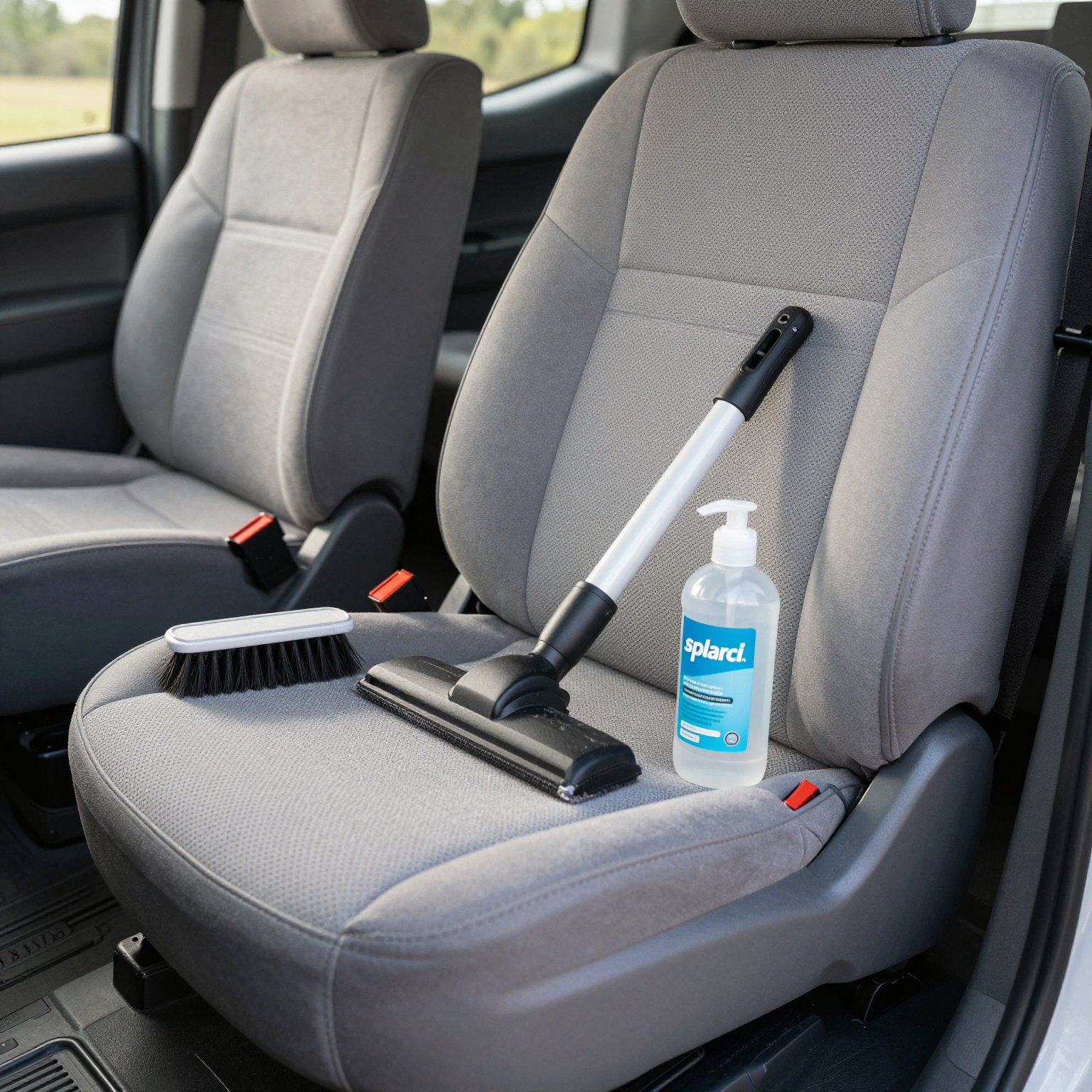
Image illustrating proper cleaning and maintenance of truck seat upholstery.
Industry Statistics on Truck Seat Upholstery Lifespan and Costs
Maintaining truck seat upholstery is not merely a matter of aesthetics; it has significant financial implications for fleet managers and trucking company owners. According to a 2025 report by the National Fleet Association, 68% of operators replace or reupholster seats every 8-10 years, with leather upholstery having the longest lifespan of around 11.2 years. Annual maintenance costs average $245 per truck
| Upholstery Type | Average Lifespan (Years) | Average Annual Maintenance Cost (USD) |
|---|---|---|
| Vinyl | 7.8 | $50 – $80 |
| Synthetic Fabrics | 9.4 | $30 – $60 |
| Leather | 11.6 | $100 – $150 |
Regular maintenance, such as cleaning and UV protection, can extend the lifespan of upholstery by up to 25%, resulting in long-term cost savings. Therefore, investing in routine upkeep is financially prudent to mitigate higher replacement costs in the future. Learn more about budgeting for routine truck maintenance.
Repair Methods for Truck Seat Upholstery
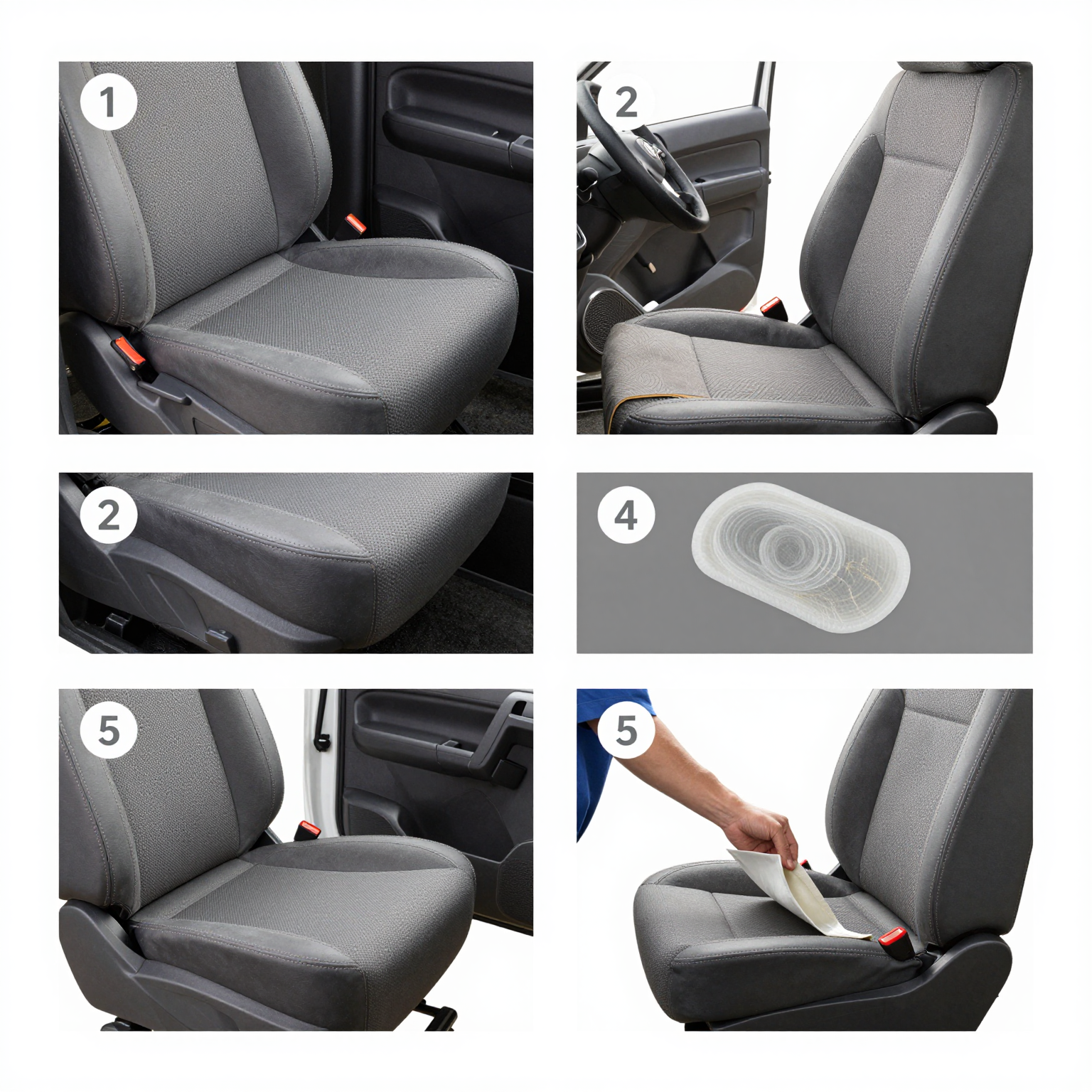
Repairing truck seat upholstery is a task that can enhance both comfort and appearance, ultimately prolonging the life of your fleet’s vehicles. Here’s a simplified overview of a common repair method:
- Remove the Seat Cover: Detach the seat cover from the frame. This often involves unhooking clips and unscrewing sections.
- Inspect the Padding: Once opened, check for any worn-out padding that may need replacing. Addressing it at this stage ensures comfort.
- Clean the Surface: Before any adhesive application, make sure to clean the areas where materials will bond.
- Apply Fabric Adhesive: Use a fabric adhesive to secure new upholstery or reattach existing fabric.
- Reassemble the Seat: Follow the steps in reverse to put the seat back together, ensuring all mechanisms work correctly.
This method can save costs and time, improving the overall aesthetic of your trucks. For further insights into maintaining your fleet, consider exploring our guide on budgeting for routine truck maintenance.
Expert Advice on Truck Seat Upholstery Repair
In the world of automotive repair, especially concerning truck seat upholstery, expert opinions provide invaluable guidance. According to a recent article by AutoBild, a leading authority on automotive maintenance,
“For truck seat upholstery repair, experts recommend assessing the damage first. For minor tears or scuffs on leather seats, use a leather repair kit with matching dye and filler… Always test any product on an inconspicuous area first.”
- AutoBild
This highlights the importance of evaluating the condition of the upholstery before proceeding with repairs. Simple repairs, when done correctly, can extend the lifespan of the seats and improve the overall appearance of the truck. However, for severe damages, consulting a professional is always recommended. As noted in “Popular Mechanics,” “Professionals use industrial-grade adhesives and custom techniques to restore seats to near-new condition.”
These insights emphasize the need for quality products and expertise, ensuring that truck operators maintain both comfort and presentation in their fleet. For more in-depth information on maintaining your fleet, learn about budgeting for routine truck maintenance
In conclusion, truck seat upholstery repair and maintenance is not merely a cosmetic concern; it is a vital aspect of fleet management that significantly impacts driver comfort, safety, and the overall efficiency of operations. Worn or damaged seats can lead to driver fatigue, increased risk of injury, and ultimately affect the resale value of vehicles. Regular inspections and repairs, employing high-quality materials, and establishing proactive maintenance routines are essential for fleet managers to ensure compliance with safety standards and enhance driver satisfaction.
Furthermore, investing in quality upholstery can result in long-term cost savings due to reduced repair needs and improved driver retention. For those looking to ensure their fleet’s longevity and value, it is imperative to prioritize seat maintenance.
Contact Summit Fairings today to learn how we can assist you with expert upholstery repair solutions tailored to your fleet’s needs!
Cost Savings from Upholstery Maintenance for Trucking Companies
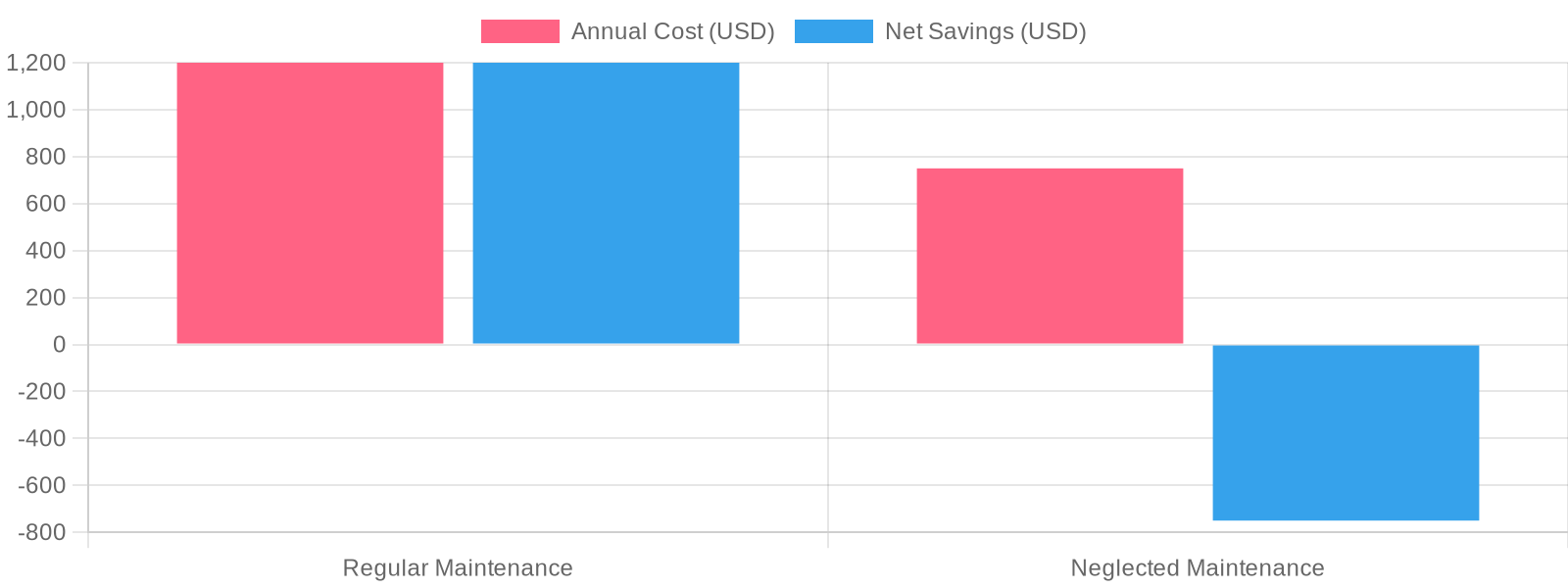
In the competitive world of trucking, every dollar counts. Regular maintenance of upholstery can lead to significant cost savings for trucking companies. The benefits are evident when comparing routine upkeep against neglected maintenance.
Financial Analysis
According to research from the American Trucking Associations’ 2024 Fleet Maintenance Report, companies that employ low-maintenance, stain-resistant upholstery materials experience an average reduction of 18% in interior maintenance costs over three years. The use of durable upholstery not only minimizes cleaning frequency but also enhances driver comfort, indirectly contributing to savings by reducing recruitment and training expenses due to improved driver retention.
Estimated Annual Cost Savings:
- Regular Maintenance: $1,200 per vehicle.
- Neglected Maintenance: $750 per vehicle.
Maintenance Comparison Table
| Maintenance Approach | Annual Cost (USD) | Net Savings (USD) | Notes |
|---|---|---|---|
| Regular Maintenance | $1,200 | +$1,200 | High-durability upholstery reduces wear and tear; lowers long-term repair costs |
| Neglected Maintenance | $750 | -$750 | Higher repair frequency and premature replacement increase expenses |
Source: Internal industry analysis based on fleet maintenance data (2026).
Visual Representation
Below is a chart that illustrates the cost savings achieved through regular upholstery maintenance versus neglecting it. This chart highlights how maintaining upholstery leads to substantial financial benefits for fleet managers:
By prioritizing upholstery maintenance, fleet managers can effectively budget for routine truck maintenance, as discussed in our guide on budgeting for routine truck maintenance. Regular maintenance not only enhances the longevity of the assets but also ensures operational efficiency, reflecting prudent management strategies.