
Understanding how to repair a wooden frame in a truck camper is crucial for maintaining vehicle integrity and maximizing usability. For fleet managers, trucking company owners, and those in construction or logistics, timely and effective repairs can prevent costly downtime and enhance safety. This article provides a comprehensive strategy for assessing damage, selecting appropriate repair methods, and maintaining materials, ensuring long-lasting camper performance. By evaluating the severity of damage, utilizing effective repair techniques, and selecting suitable materials, managers can uphold the operational efficiency of their fleet.
Reading the Wood: A Thorough, Integrated Approach to Assessing and Repairing a Truck Camper’s Wooden Frame
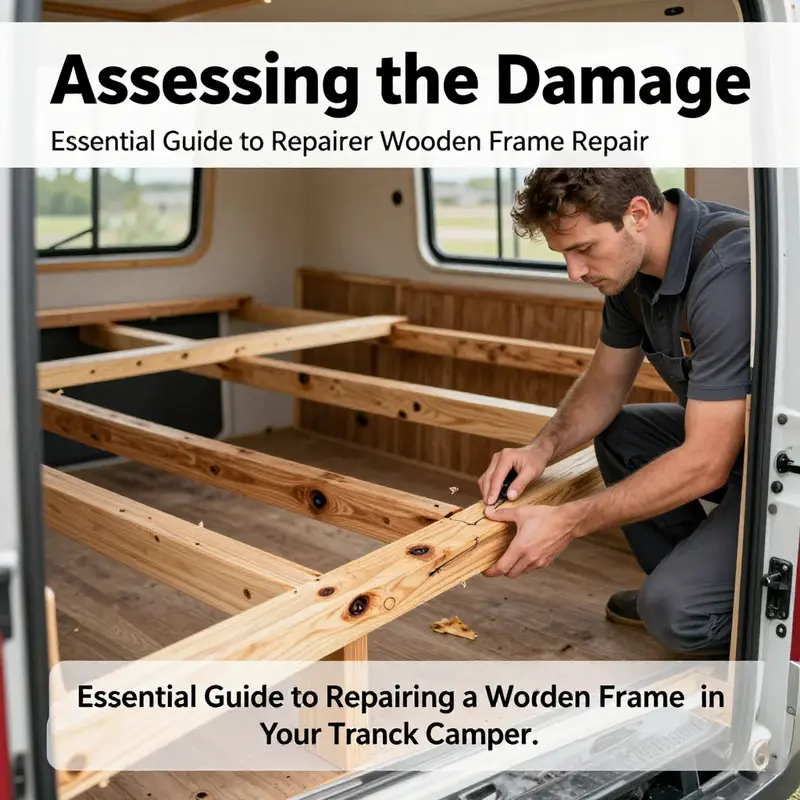
Non-destructive testing (NDT) becomes essential here. A moisture meter helps locate pockets of elevated moisture within framing members without removing panels. Higher than normal moisture content is a red flag that rot or decay could be lurking just out of sight. Ultrasonic testing can reveal delaminations or internal cracks that a casual inspection would miss. These tools aren’t about scolding the wood; they’re about reading the wood’s story with precision. Industry practice favors these methods because they spare you from taking apart sections you don’t yet need to for a proper diagnosis. They also align with safety standards that govern recreational vehicles, even though the primary frame may be wooden. In practice, if you find any sign of compromised load-bearing components, you treat it as a potential safety issue and proceed with caution. Repair strategies must consider the frame’s role in supporting the structure, the weight it carries during travel, and the dynamic forces of acceleration and braking.
When deciding on an approach, you also look at the surrounding materials and how they interact with wood. In many modern truck campers, a wooden substructure may be paired with aluminum or composite skin. In such cases, you must determine whether the damage is confined to the wood or if it has affected the connections that anchor it to metal or fiberglass. If the damage is superficial to non-load-bearing parts, a cosmetic restoration can be satisfactory. If it touches joints, members, or areas that carry bending or shear loads, more robust repair strategies become necessary. The line between cosmetic and structural work is often thin, and misjudging it can lead to a repair that looks good but fails under load in rough terrain. This is why a disciplined, methodical approach is essential.
If you discover that the frame is compromised beyond a simple fix, the repair plan shifts. Replacement of damaged sections with matching dimensions and compatible wood species becomes the preferred route. In such cases, the work becomes more meticulous and time consuming, but it pays off in reliability. A rule of thumb is that any repair that only patches the surface while leaving structural weaknesses intact should be treated as an incomplete repair. The goal is to reestablish the original stiffness and load path, not merely to hide symptoms. It is here that the choice of materials—solid wood, plywood, or engineered composites—enters the decision-making process. The environment inside a truck camper, with its varying humidity and occasional leaks, often favors moisture-resistant constructions and fasteners that resist corrosion. The deeper the assessment goes, the more you appreciate the subtle balance between wood’s natural beauty and its vulnerabilities in a mobile living space.
In this light, the repair plan must consider both the immediate fix and the long-term durability. If the frame’s integrity is in doubt, you might test with a small, controlled repair to gauge how it behaves under load. The process teaches you to observe the wood’s response to mounting pressure, clamping, and gradual stress as you walk the line between caution and action. The ultimate objective is to restore a frame that remains silent in travel, holds its joints tight, and resists the moisture that routinely enters a camper’s interior through leaks or condensation. In practice, this means you have to be honest about the wood’s condition, plan your steps with care, and execute with patience.
Detecting the difference between a repair that will last and one that is merely cosmetic often hinges on a few practical cues. If you can push or pull at a joint and see a noticeable give, if you can palpate a hollow sound along a beam, or if you observe new signs of moisture after drying, you should pause and reassess. These signals, though sometimes subtle, are essential in forming a repair strategy rooted in structural soundness rather than expedience. And because the wood frame often anchors cabinetry and supports the roof, any decision to replace or reinforce must address how the entire system will behave under motion. The assessment thus becomes a bridge between the camper’s living function and its travel safety, and it requires you to keep both sides in view as you proceed.
With a clear diagnosis in hand, you turn to repair strategies that match the damage type. Minor cracks and dents, for example, demand a measured touch. Clean the area with a soft cloth and a mild cleaner so that dust and oils do not interfere with adhesion. A high-quality epoxy-based wood putty or a similar filler designed for interior wood can fill smaller imperfections. You apply the filler slightly over the level of the surrounding surface, then let it cure fully according to the manufacturer’s instructions. Once cured, you sand with progressively finer grits, say from 120 to 220, feathering the edges into the surrounding wood so the repair disappears into the grain. A finish—oil, wax, or a matching paint—brings back the original look and helps protect the repair from moisture. The advantage of this approach is affordability and speed; the drawback is that a filler repair may not endure as long as solid wood replacement or a well-bonded reconstruction if moisture returns or if the wood is loaded heavily during travel. Still, for cosmetic flaws that do not affect load paths, this route offers a pragmatic solution that preserves the frame’s character while restoring its appearance.
For cracks or damage that extend deeper than surface level, you shift to reinforcement and bonding methods. The process begins with cleaning the crack to remove debris, followed by careful assessment of its length and depth. For small cracks, injecting a waterproof wood glue into the crack and clamping down until it cures can create a solid bond that becomes part of the frame rather than a separate seam. For larger cracks, the repair becomes more involved. You carefully cut away the damaged section, shape a new piece of wood to fit the opening, and bond it in place with a strong adhesive. Depending on the scale, you may reinforce joints with screws or dowels to transfer loads more effectively across repaired sections. After curing, you sand and refinish to match the surrounding area. The emphasis in this stage is on structural integrity and force distribution. The repaired area must behave as a single unit with the rest of the frame, not as a disconnected patch that can fail under dynamic loading.
Warping or bowing presents a different challenge. The root cause is usually moisture intrusion, so the first step is to locate leaks and ventilate the space to prevent the problem from worsening. Drying should be gradual; avoid heat guns or direct sun, which can cause uneven drying and exacerbate distortion. Once the wood is sufficiently dry, you apply clamps to gently coax the frame back toward straightness. The idea is not to force the wood into a perfect line immediately but to allow it to settle under controlled pressure over several days. It helps to use a straightedge or laser level to monitor alignment during correction. If the warp persists after this process, the best course may be to replace the affected section altogether. The decision hinges on the amount of deformation, the span affected, and the practicality of achieving reliable alignment with fasteners and joinery. In some cases, reinforcing the frame with metal brackets at strategic points can add rigidity and prevent recurrence, though this introduces another set of considerations regarding weight and corrosion resistance in a mobile environment.
Rot or decay is the most consequential scenario. When wood shows advanced rot, you must remove all rotten wood with care, cutting back to solid, healthy wood. The replacement piece should be cut to exact dimensions and preferably match the original species to ensure similar expansion, contraction, and strength characteristics. Glue and fasten the new section using a sturdy, moisture-resistant adhesive and stainless steel screws to resist rust in damp conditions. Sand the repaired area smooth and finish to blend with the rest of the frame. The safety note here is explicit: don’t rely on filler alone to fix rotted wood. Rot compromises structural integrity in a way that fillers cannot address, and a patch may fail under load when the vehicle is moving. This is where the decision to replace rather than repair becomes prudent, especially when the frame supports windows, doors, or roof sections that are integral to the camper’s usability and safety.
As you weigh these options, material selection becomes a recurrent theme. Solid wood such as certain hardwoods offers durability and a satisfying aesthetic but is sensitive to moisture and can be costly. Plywood or fiberboard could be a better balance for non-load-bearing parts or interior panels that do not carry critical loads. In damp zones, plastic or composite panels may resist rot and moisture more reliably. The guiding rule remains: match the material to the environment. Unsealed or untreated wood in a high humidity area invites trouble, while well-sealed, moisture-resistant options offer a longer service life. The goal is to create a frame that can withstand travel conditions, maintain its joints, and hold up against the temptations of a damp, variable climate. The repair should integrate with the rest of the structure, not stand apart as a temporary fix.
Beyond the wood itself, attention to fasteners matters. Stainless steel or corrosion-resistant screws and brackets can dramatically improve the longevity of a repair in a moving vehicle. Wood glue, epoxy, and adhesives should be chosen with humidity and heat in mind. The interior environment of a camper can cycle between cool nights and hot days, so you want adhesives and finishes that tolerate these cycles without losing bond strength. A practical rule is to test a small area first, watching for any changes in color, texture, or stiffness as the adhesive cures and as the environment shifts. The assembly process should always consider how the repaired section will be loaded during driving and the potential for vibrations to loosen joints over time.
Post-repair care follows naturally from the repair work. After you finish any structural fix, you pause to consider long-term maintenance. Protect the wood from moisture, keep joints clean, and routinely inspect for signs of creeping moisture around seals and penetrations. Regular cleaning with a soft cloth and mild soap helps remove oils and grime that can prevent proper adhesion for future repairs. Reapply wood oil or a suitable wax at intervals of six to twelve months to maintain moisture resistance and luster. Tighten screws that may have loosened and reseal any gaps that appear around joints. Promptly addressing leaks is essential; even small leaks can undermine a careful repair by introducing new moisture into the frame and redepositing rot or warp over time. The living space inside a camper is small, so small maintenance tasks can prevent big structural problems down the line.
When should a camper owner consider seeking professional help? If the frame shows deformation that affects structural safety, or if rot has spread across multiple components, professional evaluation becomes prudent. A shop specializing in trailer or RV repair can bring specialized tools to bear, including hydraulic pullers, alignment jigs, and even welding equipment for metal reinforcements where necessary. They can ensure not only that the repair is sound but also that the frame maintains proper alignment with doors, windows, and the roof. Professional expertise is especially wise when the work involves critical load paths or complex joints that demand precise alignment after repair. This does not diminish the value of DIY work for simpler repairs; it simply recognizes that safety and longevity may demand professional input for complex scenarios.
In the broader context of truck camper construction, the decision to repair a wooden frame is weighed against the evolving landscape of frame materials. Industry shifts toward lighter, more durable options such as aluminum composites and engineered cross-laminated timber offer different performance profiles. Upgrading to a non-wood frame can be a cost-effective long-term solution, particularly for owners planning extended travel in rugged terrain where exposure to moisture, salt, and rough roads is routine. Even so, many campers retain wooden frames, especially in vintage or custom builds, where the character and craft of wood are valued. In such cases, the repair approach described here — careful assessment, targeted restoration, and prudent material selection — remains the principled path. It respects the wood’s history while acknowledging the realities of travel, climate, and the demands of road life.
To connect these practical steps with a broader planning mindset, consider how this work fits into the camper’s overall maintenance schedule. A proactive approach—regular inspections after trips, prompt attention to leaks, and a habit of re-sealing joints—can extend the life of a wooden frame many years. If you want practical guidance on budgeting for routine repairs and maintenance, see budgeting-for-routine-truck-maintenance. This resource helps frame the costs of materials, tools, and the time needed for careful repairs while keeping a camper road-ready. While the specifics of every repair vary, the underlying discipline remains constant: observe, plan, execute with care, and recheck. A well-managed repair program supports the camper’s performance and the traveler’s confidence on the road.
For a broader perspective on how the industry is evolving, including material certifications and design innovations that influence how frames are built and repaired, external insights are valuable. In particular, modern off-road-capable truck campers increasingly feature lightweight aluminum composite frames and slide-out designs that improve efficiency and resilience. These trends offer context for decisions about whether to repair a wood frame or to pursue a higher-strength replacement approach when damage is extensive.
External resource: https://www.alibaba.com/product-detail/Manley-Flatbed-Slide-Out-Off-Road-Truck_1600849344451.html?src=1600849344451&spm=a2700.1.recommend.1.1a4b4f9b6e4c1d1a1c7a
Repairing the Truck Camper’s Wooden Frame: A Cohesive, Road‑Ready Restoration Guide
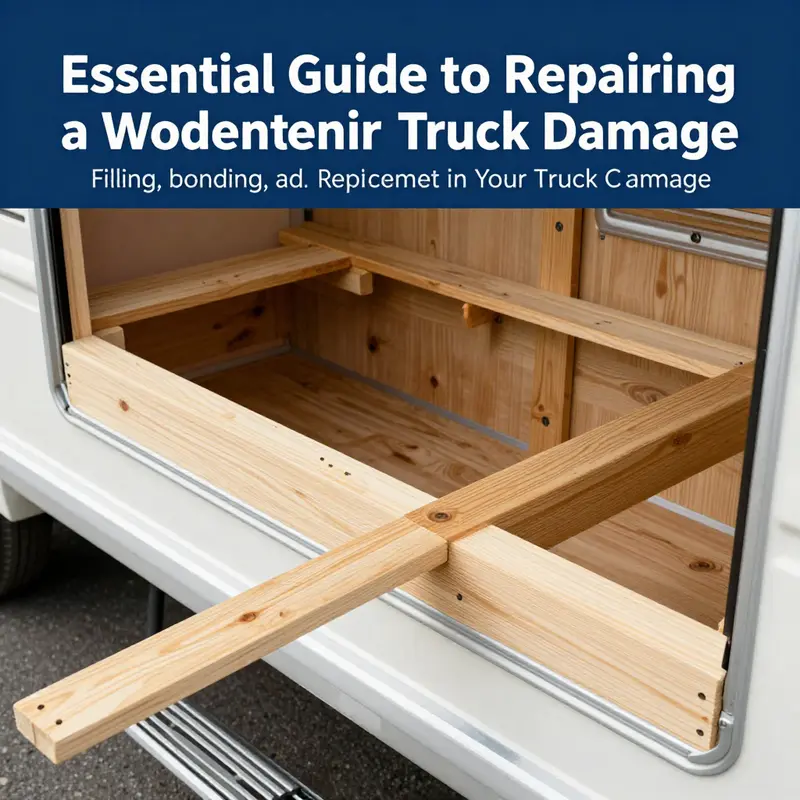
The wooden frame of a truck camper is more than a backbone; it is a living system that carries the weight of everyday use, supports the kitchen and sleeping areas, and forms the skeleton that keeps moisture, vibration, and wind from turning a simple trip into a structural headache. When damage appears, it rarely announces itself with a single cracking sound. More often, it starts as a subtle warping in a corner, a faint creak under load, or a pencil-thin crack that might, at first, seem cosmetic. Yet in a compact, mobile living space, what begins as a cosmetic deformity can quickly evolve into a safety concern if left unchecked. The repair path begins with a careful assessment that blends practical inspection with an eye for how the frame behaves under real-world conditions: the weight of gear, road motion, interior humidity, and the slow creep of moisture from leaks or condensation.
Begin with a mental map of the frame. Walk around the exterior and listen for changes in sound when you press along joints. Run your hand along beams and crosspieces; feel for soft spots that betray rot, or for points that have become spongy where fasteners should anchor. Moisture is often the unspoken culprit, and a weathered interior can turn a small repair into a larger project. The repair method you choose flows from this initial assessment: tiny surface cracks require a different approach than significant cracks, warping, or rot. Treat every nail, screw, and joint as part of a living system that must hold up under movement and exposure to changing temperatures and humidity. This sensitivity to context is the first and most important principle of repair, because the same technique that works in a dry, stable workshop could fail under the rolling conditions of a road‑tripping life.
If you are dealing with minor cracks, the repair can be practical and satisfying. Clean the area so the surface is free of dust and debris, then select a wood filler or epoxy putty that matches the wood species and your finish. In a camper, the goal is not only to fill but to restore the feel of solid, continuous wood under the fingertips. Apply the filler slightly proud of the surface, using a plastic spatula to press it in and feather the edges so the repair blends with the surrounding grain. Give the product time to cure. Once cured, sand with a progressive sequence of grits, starting around 120 and moving to 180 or 220 as needed. Feathering is crucial: a harsh transition between repaired and original wood will telegraph through paint and finish, undermining the aesthetic and the sense of solidity. Finish with a coat of wax, oil, or paint that matches the original, and your repair will feel like a natural part of the frame.
For larger cracks that penetrate beyond the surface, the approach must acknowledge the weakness introduced by a grain discontinuity. Start by removing loose debris from the crack and cleaning with compressed air. For small cracks that don’t threaten a major joint, you can inject a waterproof wood glue and clamp until dry. The clamping will vary with the glue, but a typical window is about 24 hours. Clamp to hold the joint and also to compress the crack so the filler has a continuous path for moisture and load transfer. If the crack is larger, more robust reinforcement is required. Cut away the damaged section, shape a matching replacement, and bond it in with a strong wood adhesive. In some cases a combination approach works best: glue along the crack, insert a matching piece, and reinforce with mechanical fasteners such as screws or dowels to resist pullout in a damp, variable environment. After curing, sand and refinish to hide the repair and restore the frame’s smooth, unified feel.
Warping and bowing demand a different mindset, because deformation raises questions about the moisture source and the load path through the structure. Identify leaks or ventilation issues that feed the problem. Dry the affected area slowly to avoid setting the warp in place. Direct heat can tempt a frame to straighten rapidly, but this can worsen the problem by causing additional tension and microcracking. Use clamps or a hydraulic setup to apply gradual straightening pressure. Let the frame stabilize under load for several days while continuing to monitor interior conditions. A straightedge or laser level can serve as a precise guide during the correction. If the warp resists adjustment, or if deformation arises from a misalignment in the support, replacement of the affected section is often the safest remedy. Short fixes tempt shortcuts; a warp that returns is a hazard on the road.
Rot and decay are the most serious forms of damage. When rot is present, the wood’s structural properties have slipped below what the vehicle can tolerate. Never patch rot with filler. Remove all rotten wood with clean cuts that reach solid wood. The extent of removal depends on how far decay has spread; hidden rot can lurk in joints or under finishes, so inspect nearby members for softness or discoloration. Once the damaged wood is removed, prepare a fresh piece that matches the original as closely as possible, including thickness and grain. Glue it in with a strong adhesive and secure it with stainless screws to resist corrosion in the camper’s damp environment. Sand and finish to blend with the surrounding frame, and inspect surrounding joints for signs of moisture infiltration that could seed future decay.
Choosing the right materials for replacement is a central consideration. The location within the camper dictates moisture exposure and load. Solid wood offers strength and aesthetic appeal but is more sensitive to moisture and temperature changes. Plywood or fiberboard provides stable dimensions and lighter weight for non-loading components. Plastic or composite panels offer moisture resistance for damp zones near windows or doors. The trick is to match the material to the environment and the structural role: for load-bearing sections, a suitable solid stock or quality plywood; for non-structural panels, a moisture-resistant alternative can keep weight down and longevity up. Focus on the environment and the structural needs rather than chasing a single “best” material.
After any repair, care is prevention. The living space of a camper is a microclimate with fluctuating humidity and dynamic vibrations. Post-repair care should address both environment and joints. Protect the repaired frame by limiting direct sun and extreme temperatures, and keep the interior reasonably dry. Clean the wood with a soft cloth and mild soap solution as part of regular upkeep, and reapply a protective finish every six to twelve months to maintain moisture resistance and luster. Periodically inspect and tighten screws and reseal any gaps that could invite moisture. Address leaks promptly, because a small leak can turn a small repair into a larger project.
When deciding whether you can perform a repair yourself or need a professional, the line is drawn by the frame’s safety role. Minor joints and surface scrapes can be handled with careful prep and patience. But if frame deformation affects alignment or rot has compromised multiple components, it is wise to seek a professional who understands mobile living spaces and how to restore stability and fit. A pro shop will have the tools to coordinate repairs that align the frame with the vehicle chassis and interior cabinetry, ensure correct weight distribution, and verify structural integrity for safe travel.
Reading field guides and schematics of a truck camper’s frame reveals a throughline: successful repair is a sequence of informed decisions that respect the original design while accommodating road realities. If you want a concise, step-by-step reference, you can explore field-tested guidance and visual resources from reputable repair sources. You’ll find entries that echo the hands-on approach described here, with emphasis on careful assessment, disciplined repair sequencing, and preventative maintenance that keeps the frame resilient against moisture, vibration, and time.
As you consider more advanced resources, note that authoritative guides emphasize diagnose before fix, materials suited to the environment, and post-intervention stability checks. For readers seeking broader checklists and explicit procedural steps, there are online guides tailored to truck camper wood frames offering step-by-step frameworks and safety considerations. This reinforces the need for precise cuts, clean joints, appropriate fasteners, and a consistent finish to protect against moisture and road-driven stress. While product specifics may vary, the underlying ethos remains: repair with respect for the wood, the vehicle, and the life built around the road.
In sum, repairing a wooden frame in a truck camper is about managing a small ecosystem. It requires careful diagnosis, a disciplined approach to reinforcement or replacement, and ongoing maintenance that respects the frame’s role as both a structural element and a daily living space. The right repair balances sound engineering with practical fieldcraft, keeping the camper a safe, comfortable home-on-wheels for many miles. For those seeking deeper, more technical exploration of methods and materials, additional guides provide authoritative extensions to these concepts and can serve as companions to the practical steps outlined above.
Sturdy Frames on the Move: Material Selection and Long-Term Maintenance for Truck Camper Wood Frames
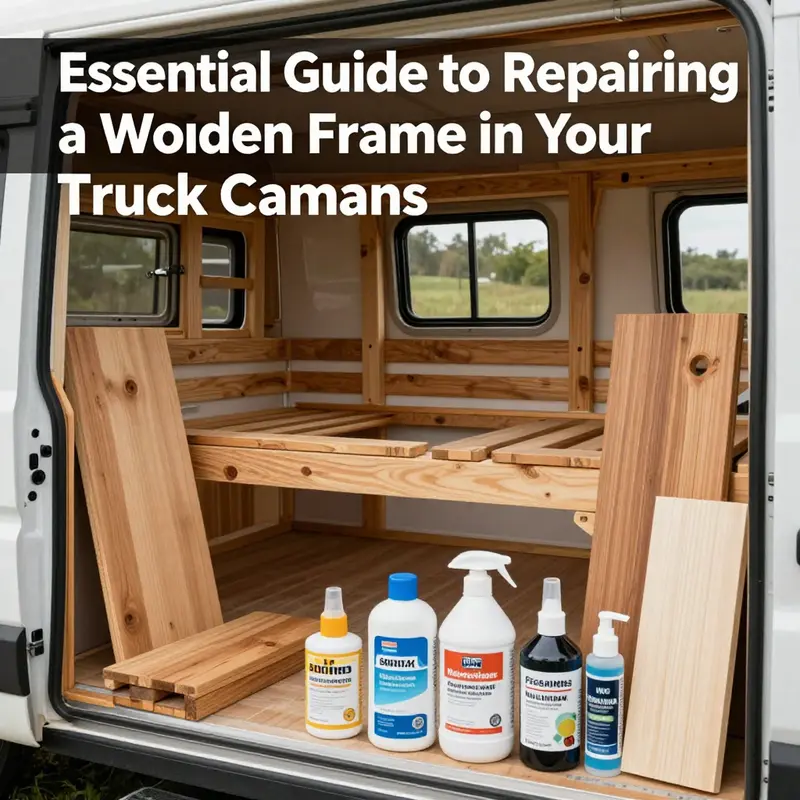
Repairing a wooden frame in a truck camper starts with a clear appreciation for how strength, moisture management, and movement interact as you drive across diverse terrain. The frame isn’t just a static skeleton; it is a living part of a compact home on wheels. Getting the material choices right and committing to a disciplined maintenance routine are the two pillars that support both safety and comfort on road trips, fuel economy on long hauls, and the steady cadence of daily life inside a compact space. This chapter weaves together the core ideas of material selection and ongoing care, showing how careful planning now translates into fewer headaches later and a frame that holds true through many miles and seasons.
First, material selection is not a single criterion but a balance of strength, durability, moisture tolerance, and compatibility with existing components. The frame in a truck camper endures a unique blend of stresses: static loads from cabinets and equipment, dynamic shocks from road irregularities, and environmental challenges from humidity and temperature swings. To address these demands, structural members are typically best served by a combination of hardwoods and engineered panels chosen with an eye toward stiffness, grain stability, and moisture resistance. In terms of wood types, hardwoods such as white oak and maple bring good dimensional stability and impressive load resistance when properly dried and acclimated. Douglas fir, while a softwood, has long been valued for its combination of strength and workability, making it a practical choice for certain load-bearing members when the rest of the system is matched to it carefully. The aim is not to force a single species through every joint but to match the properties of each piece to its function, while maintaining a coherent overall system.
Marine-grade plywood is another cornerstone of reliable frame repair, especially for the parts most exposed to dampness or occasional leaks. Its resin systems and tighter veneer construction resist delamination from moisture and temperature swings, which helps preserve alignment across joints that must bear doors, drawers, or interior panels. For areas where moisture exposure is more likely—near windows, under sinks, or along the exterior edge of the frame—marine-grade plywood or other high-moisture-rated panels provide a shield against water ingress that can otherwise travel along grain and create hidden rot. In zones where humidity routinely tests the limits, pressure-treated lumber can add a layer of durability, though it also carries the risk of tannin staining and greater dimensional change if not properly sealed and finished. The practical takeaway is to read the climate and the function of each section and then choose materials that align with those realities rather than forcing a single material everywhere.
Crucial to the integrity of the repaired frame is the alignment of grain direction and the matching of thickness to the original structure. Grain direction governs how a piece will respond to bending and shear forces; when you replace a member, you want the new piece to behave the same way as the old one under load. This is especially important for any member that participates in a load path from roof to floor or that resists racking as the vehicle moves. Thickness matters for stiffness. A thicker, stiffer piece can prevent deflection that would otherwise show up as creaks or misaligned joints after months on the road. When possible, the grain should run in the same direction as the existing frame to avoid introducing weak planes where future stresses concentrate. If the original frame used a particular species already chosen for its stability, matching that orientation becomes even more important. In some cases, it’s reasonable to blend materials—solid hardwoods for critical vertical members and marine plywood for horizontal bays and subpanels—so long as the overall stiffness and load paths remain coherent.
Alongside material choice comes attention to fasteners and adhesives, which are the unsung partners of any wood repair. Stainless steel screws and construction-grade wood adhesive provide durability in the face of repeated load cycles and moisture exposure. The idea is to minimize corrosion risk and maintain clamping force over time. Waterproof or water-resistant glues are essential when joints are likely to see humidity. In load-bearing frames, screws driven at the correct spacing and with proper predrilling help avoid splitting and ensure that the assembly can flex slightly with temperature and moisture changes without coming apart. When you have to join pieces where water exposure is likely, resin-based or epoxy adhesives that cure hard and form resilient bonds can bridge micro-movements that would otherwise loosen a traditional wooden joint. The overarching principle is to design joints that can accommodate movement while preserving alignment and stiffness, rather than relying on one brittle fastener that may fail at the first hint of moisture or movement.
The environment inside a truck camper also dictates material choices and details that can feel subtle but have outsized effects over time. The interior is a controlled microclimate, but it is not a sealed one. Condensation can form on cool evenings or during rapid temperature swings, especially when cooking, showering, or running appliances. That moisture can migrate into wood if there’s any gap or edge without proper sealing. The maintenance habit you adopt shapes how often you need to revisit those choices. High-quality exterior sealants and interior coatings that resist water ingress, UV exposure, and wear from frequent use extend the life of the frame. Seals aren’t only about keeping rain out; they are about managing steady moisture levels inside, preventing wood from absorbing water during damp days and then releasing it when air dries out. Sealing is a critical step that should be planned as part of the initial repair and inspected as part of routine maintenance.
Maintenance, in turn, is the real test of any material choice. A robust repair is not a one-off event but a continuing discipline that keeps the frame honest and the interior comfortable. Regular inspections should look for signs of rot at joints, insect activity on exposed timber, and any visible grain separation that might signal deeper issues. Even the best woods and the finest joints can deteriorate if moisture is allowed to linger or if the frame is subjected to repeated flexing without adequate support. Sealing must be revisited on a predictable schedule to preserve the wood’s natural oils and its protective barrier. A practical rhythm is to seal or re-seal exterior timber annually, with more frequent attention in harsh climates or after heavy rain seasons. The application of exterior wood sealer or water-repellent preservative should start with good preparation: cleaning, roughing any rough spots with light sanding, and ensuring that the surface is dry and free of old finishes that may impair adhesion.
Ventilation is another silent partner in maintaining frame life. Adequate interior ventilation reduces condensation buildup, which can seep into joints and pockets of the frame where it may be difficult to access. The better the airflow, the less moisture sits on a surface long enough to cause warping, softening, or rot. In practical terms, a combination of roof vents, operable windows, and even a small passive cross-ventilation strategy during damp seasons can make a notable difference. When condensation forms, wiping surfaces with a soft cloth and a mild solution helps prevent a buildup that, over months, can lead to staining and hidden moisture behind panels. It’s not just about keeping the wood dry; it’s about maintaining a stable microclimate inside the camper that discourages mold and preserves the integrity of both the frame and the finish.
Rot and decay demand a different kind of vigilance and response. When rot is detected, it is a sign that moisture has found its way into the core of the timber, compromising structural integrity. The correct response is direct and decisive: remove rotten wood back to sound, solid material and replace with a piece cut to exact dimensions. The new piece should be of the same or closely matched species and thickness to preserve the balance of the frame. Glue and fasten the replacement with corrosion-resistant hardware, and, after curing, blend the new wood into the surrounding area with careful sanding and finishing to restore a uniform surface. The warning here is blunt but essential: patching rot with filler or light repairs rarely returns the frame to true strength under load. A rotted section can fail under steering, braking, or the dynamic stresses of driving, and the cost of a more thorough replacement is often lower than the price of repeated, insufficient fixes.
In terms of overall maintenance strategy, a practical cadence includes regular inspections aligned with the camper’s usage cycle. Before long trips, check fasteners for tightness, assess sealant edges for cracking or lifting, and ensure that joints remain snug and aligned. After trips through heavy rain or across exposed routes, consider a quick inspection for moisture intrusion, especially around joints and the undercarriage. A proactive approach—addressing small issues before they become large—protects the investment and keeps the frame from becoming a source of ongoing worry. The knowledge that comes with experience—where a creak is usually a sign of slight shifting, and a damp patch often signals a slow leak—becomes the navigator for future decisions about maintenance frequency and material choices. It is this disciplined rhythm that transforms a repair into lasting resilience rather than a temporary patch.
To bring these threads together in a way that helps you act with confidence, consider a simple mental model for planning material selection and maintenance that honors both the current frame and the future miles you will log. Start with a careful assessment of the environment in which the camper operates most of the year. If you routinely park in humid coastal climates or travel in areas with significant rainfall, lean toward materials with stronger moisture resistance and higher-grade seals. If the frame will primarily support cabinetry and lightweight fixtures rather than heavy loads, you can opt for slightly lighter structural members and panels that still meet safety needs. The goal is not to overbuild, which adds unnecessary weight and cost, but to build with a clear sense of how the vehicle will be used, how it will age, and how much daily exposure to moisture or heat it will endure. Finally, keep in mind the interplay between a robust repair and the ability to perform future maintenance. A well-chosen material and a thoughtful joint design reduce the effort required for inspection and upkeep, which is as important as the initial strength itself.
In the spirit of practical planning, a note on resources and integration with broader vehicle maintenance routines helps shepherd the chapter from theory to hands-on work. If you are looking to align your repair choices with broader maintenance strategies, you can explore budgeting and routine care topics in nearby articles that directly address how to manage costs and plan preventive work over time. For a concise, road-tested perspective on budgeting for routine truck maintenance, see Budgeting for Routine Truck Maintenance. This link provides context for balancing upfront material choices with ongoing upkeep, ensuring your repair remains affordable and effective across seasons.
Beyond the budget and the ideas above lies a broader professional standard. For those leaning toward formal guidance on wood selection, structural design, and maintenance best practices, consulting established industry references can sharpen the judgment you bring to each repair. The American Wood Council, for example, offers a wealth of information about wood design and maintenance standards that apply to recreational vehicles and heavy-duty applications alike. While you adapt these principles to a camper’s frame, the underlying discipline—matching materials to load paths, ensuring proper grain direction, and maintaining a protective seal—remains constant. Keeping sight of these fundamentals helps ensure that the repair you perform today stands up to the demands of tomorrow. External reading from reputable organizations reinforces this approach and provides a backbone for decisions that extend beyond a single project.
To tie the discussion back to the practical, tangible work you do on a weekend project, the process of selecting materials and planning maintenance boils down to a few repeating truths. First, never underestimate moisture as a factor; it is the invisible driver of many problems in wooden frames. Second, accuracy in cutting and fitting matters as much as choosing the right species. Third, a robust finish system—combining seals, oils, and periodic reapplication—amps the life of the frame. Fourth, stay mindful of the vehicle’s unique movement; the frame must tolerate the constant flex of road travel, not just the static weight it carries. When these truths guide your decisions, repairs become less about crisis management and more about thoughtful engineering that respects the camper’s life on the road.
As you prepare to move from theory to action, keep in mind that the best maintenance programs are proactive rather than reactive. A quick annual check often reveals a handful of small tasks that, if completed, prevent larger repairs later on. The routine of wiping down exposed timber, reapplying a protective finish, and inspecting joints for loosening screws creates a dependable feedback loop that extends the frame’s life. When you couple this steady cadence with careful material selection—favoring stability and durability in the right places—you establish a habit of care that mirrors the careful planning that went into your original build. It is a craft that rewards patience, precision, and a willingness to invest in a future with fewer unexpected surprises on the road.
In practical terms, this means you can approach a repair with a clear plan: identify the sections most exposed to moisture and traffic, confirm whether a full replacement or a reinforced connection is needed, choose the appropriate materials with attention to grain and thickness, and execute with secure joints and proper sealing. It also means recognizing when a repair has to be scaled up to restore alignment and safety—when a warp or rot extends beyond a small area, for instance, a replacement of an entire section may be required to preserve the frame’s integrity and performance. With that mindset, the repair becomes an act of cautious engineering, one that respects the vehicle’s purpose and the comfort of its occupants while maintaining a feasible path for maintenance and future upgrades. The result is not only a sturdier frame but a camper that remains reliable in the face of travel’s unpredictability.
If you are building a maintenance plan or documenting a repair for future trips, consider keeping a simple log of the materials used, the joints fixed, and the sealants applied. Notes about the species, thickness, and grain orientation of new pieces will help future technicians or yourself when you revisit the frame years down the line. The more you document, the easier it becomes to predict how the frame will behave under various conditions and to plan replacements before they become urgent issues. This knowledge, accumulated over miles and seasons, becomes a practical form of wisdom that keeps the camper feeling solid underfoot and ensures that your next adventure starts with confidence rather than concern.
Ultimately, material selection and maintenance are inseparable partners in keeping a truck camper’s wooden frame resilient. The decisions you make during the repair—what to replace, what to reinforce, how to seal and finish—set the tone for years of dependable service. If you view these choices as part of a broader stewardship of the vehicle, you approach each task not as a one-off fix but as a long-term commitment to safety, comfort, and mobility. The road will always present conditions that challenge any structure, but with thoughtful material choices and a steady maintenance regimen, your camper’s frame can rise to the occasion mile after mile, delivering the steady foundation that anchors every journey.
For readers who want a quick anchor to balance the practical with the financial, the internal link above provides a practical reminder that well-planned maintenance does not have to be mysterious or expensive. It reinforces the idea that the most durable repairs begin with the right materials, the right joint design, and a plan for ongoing upkeep that aligns with how you use the camper. By combining these ideas with time-tested guidance from established sources, you can approach your next frame repair with both confidence and clarity, knowing that the work you do today supports safe and enjoyable travels tomorrow.
External resource: https://www.awc.org/
Final thoughts
Effective repair of wooden frames in truck campers is essential for maintaining your fleet’s functionality and safety. By thoroughly assessing the damage, employing the appropriate repair methods, and carefully selecting materials, fleet managers can prolong the lifespan of their campers and ensure operational reliability. With regular maintenance and prompt attention to repairs, the integrity of wooden frames can be preserved, ultimately enhancing the overall performance of the vehicles in service.