
In the trucking industry, uncertainty is a common challenge. Diversification has become an essential strategy for companies attempting to navigate the complexities of market demands and supply chain disruptions. Facing issues such as fluctuating freight rates and evolving regulations, small fleets are increasingly exploring innovative ways to stabilize and grow their operations.
A compelling example is Hallahan Transport, a fleet based in Wisconsin that has not only managed to survive but has also flourished by expanding its service offerings. Built on principles of resilience and adaptability, Hallahan has encountered a range of challenges, including maintaining a consistent flow of equipment and making necessary long-term investments in a competitive market.
Now operating a fleet of ten trucks, their proactive strategy of embracing new freight segments and utilizing modern equipment distinguishes them from others in the field. Examining Hallahan Transport allows us to understand how strategic diversification can boost service capabilities and strengthen a company’s long-term sustainability in an unpredictable market.
Hallahan’s Key Strategies for Diversification
Addressing Trucking Industry Challenges Through Smart Diversification
Hallahan Transport has skillfully navigated the complexities of the trucking industry by implementing diversification strategies aimed at overcoming significant trucking industry challenges. By aligning their operations with fluctuating market demands, they have ensured a robust and adaptable fleet. This proactive approach not only enhances service offerings but also secures their competitive edge in an ever-evolving market.
The Importance of Equipment Investment
Investing in high-quality equipment has been pivotal for Hallahan’s strategy. The fleet incorporates premium models such as the Peterbilt 389 and Kenworth T680, renowned for their reliability and performance. With continual equipment investment, Hallahan has developed a systematic approach to maintenance and renewal—trading vehicles every two years to ensure operational efficiency and minimize breakdowns.
Robert Hallahan emphasizes the significance of these investments, stating, “Diversification has been the name of the game for Hallahan Transport, especially while facing ongoing trucking industry challenges like rising costs and increasing competition.”
By tackling industry challenges head-on and prioritizing equipment investments, Hallahan Transport exemplifies how strategic diversification can bolster service capabilities and enhance long-term sustainability in a competitive landscape.
Evidence of Industry Challenges
The trucking industry in 2024 remains beset by a variety of challenges, particularly for small fleets that are statically vulnerable to both market fluctuations and operational hurdles. Hallahan Transport, for instance, has experienced significant variances in its fleet size, fluctuating between five to twelve trucks. This instability often mirrors broader industry trends, with many small fleets grappling with similar issues.
As the national fleet of small trucking companies primarily comprises entities with ten or fewer trucks—95.8% of U.S. fleets fall into this category—their operational viability is frequently threatened by external conditions. According to a report by Bestpass, rising insurance premiums driven by litigation costs coupled with a worsening driver shortage, projected to hit 160,000 by 2030, add financial strain to these small operations.
In addition to the operational pressures, small fleets face considerable challenges when it comes to acquiring necessary equipment. The acquisition of dry van trailers has been particularly difficult. In 2024, fleets deferred purchases due to low freight demand, with costs for new dry vans exceeding $30,000, while backlogs and reduced production rates have limited availability. A report from Truck Parts & Service highlighted a 38% decrease in net trailer orders, compounded by weak demand stemming from an oversupply of capacity that became apparent following the purchasing sprees of prior years.
Moreover, with freight rates plummeting—down 20-30% from pre-pandemic levels—many operators are stretched thin financially. According to FleetOwner, operational costs have increased by 6.6%, placing additional pressure on margins for small carriers that also struggle with fluctuating demand and excessive inventories in supply chains.
To illustrate, Hallahan Transport pivoted to acquire refrigerated trailers as an alternative to traditional dry vans, reflecting the need for versatility in adapting to market conditions. However, for smaller fleets, such strategies often come at a cost, as they attempt to balance operational requirements with financial realities.
In summary, the myriad challenges of acquiring equipment, compounded with market volatility and high operational costs, portray a sobering scene for small trucking fleets striving for growth and stability amid these turbulent times. The case of Hallahan Transport serves as a microcosm of the broader trends facing the truck transportation industry today.
| Freight Segment | Characteristics | Profitability |
|---|---|---|
| Dry Van | Standard enclosed trailers suitable for a variety of goods. | Moderate to High |
| Reefer | Refrigerated trailers for temperature-sensitive items. | High |
| Step Deck | Flatbed trailers with a lower deck height, accommodating taller freight. | Moderate |
Customer Testimonials
Hallahan Transport’s commitment to excellence has garnered notable praise from customers and industry insiders alike. Testimonies highlight their remarkable professionalism, reliability, and customer service.
Steve Kadolph from Customodal emphasizes, “Hallahan Transport is a top-tier carrier. Their professionalism and customer service are second to none. It’s a pleasure working with them, and we have seen significant benefits from our partnership through their diversification into reefer and milk hauling.”
Many clients echo this sentiment, appreciating the skilled drivers who operate Hallahan’s modern fleet. Reviews describe the company as a trusted partner, crucial to maintaining reliable commerce in the La Crosse area. One local business owner stated, “From start to finish, the service is seamless. Hallahan Transport handles our shipments with utmost professionalism, ensuring timely deliveries every time.”
Additionally, data reflects high customer satisfaction levels in the trucking industry, with 93% of servicemembers expressing satisfaction when using professional moving services. This statistic resonates with Hallahan’s service quality that clients continuously commend.
Incorporating technology, 85% of clients value customer service as a priority, aligning with Hallahan Transport’s approach to ensuring client satisfaction and maintaining effective communication.
Moreover, Hallahan Transport’s growth and stability, particularly through market fluctuations, have not gone unnoticed. They have earned recognition, such as the Platinum Award from Great West Casualty Company for Outstanding Achievement in Highway Safety, showcasing their commitment to maintaining high safety standards.
As a semi-finalist for Overdrive’s Small Fleet Champ award, Hallahan Transport also distinguishes itself for having a well-maintained fleet and effectively managing operational challenges. Another customer remarked, “Their ability to adapt and thrive amidst market changes has impressed us. Hallahan’s approach to diversifying their services, while keeping customer needs at the forefront, has greatly contributed to their success.”
In summary, the consistent theme of praise reflects Hallahan Transport’s dedication to professionalism and customer service, underpinning their long-term success and resilience in a challenging industry.
Conclusion
Hallahan Transport stands as a testament to the transformative power of diversification in the trucking industry. Their journey underscores the importance of adaptability in navigating the ever-evolving market landscape. By strategically investing in diverse freight segments, such as refrigerated and step deck hauling, and prioritizing quality equipment, Hallahan has managed to secure a stable position even amid unpredictable conditions.
Furthermore, Hallahan Transport emphasizes cultivating strong relationships with their drivers and clients, fostering a culture that rewards professionalism and service excellence. This approach not only nurtures employee satisfaction but also ensures high levels of customer trust and reliability, essential components for any small fleet aiming to thrive.
For other small fleets contemplating their paths, the lessons learned from Hallahan Transport are invaluable. Embracing diversification can mitigate risks associated with market fluctuations while enhancing service capacity. Investing in top-tier equipment and establishing robust incentive mechanisms for drivers can create a formidable competitive edge. In today’s challenging trucking landscape, being proactive and innovative is no longer optional; it is a necessity. Thus, small fleets are encouraged to reflect on Hallahan’s success story as a guiding example for sustainable growth through diversification.

User Adoption of Diversification Strategies in Trucking
Recent studies reveal a strong trend among trucking companies, particularly small fleets, towards adopting diversification strategies as a means to navigate the complex landscape of the transportation industry. A report from Inbound Logistics points out that over the past three years, expanded service offerings have become a critical approach for many trucking companies as tough truckload markets persist. By diversifying into different modes or segments—like LTL or dedicated fleets—companies have been able to effectively reallocate drivers, helping them adapt to market conditions.
Moreover, a significant 81% of companies are now adopting multiple suppliers, with 69% planning further diversification in the next three years according to Tank Transport. This highlights a robust industry movement towards operational flexibility, which includes incorporating various vehicle types such as reefers and long-haul trucks. These strategies resonate well with Hallahan Transport’s pivot to specialized hauls like milk tankers.
Additionally, findings from Trucking Info indicate that, in 2024, logistics companies aggressively accelerated diversification efforts, with more than 52% expanding into new geographic markets and 80% widening supplier networks. Such moves have been crucial for small carriers in broadening their customer bases and lane coverage to mitigate risks—an approach that aligns perfectly with Hallahan Transport’s journey from focusing solely on dry van operations to incorporating refrigerated and step deck services.
Overall, these trends underscore the necessity for small fleets to embrace diversification as a means of ensuring operational stability and growth within a challenging environment. Hallahan Transport serves as a case in point, successfully navigating market changes through varied service offerings, thus reflecting wider industry shifts towards more resilient logistics practices.
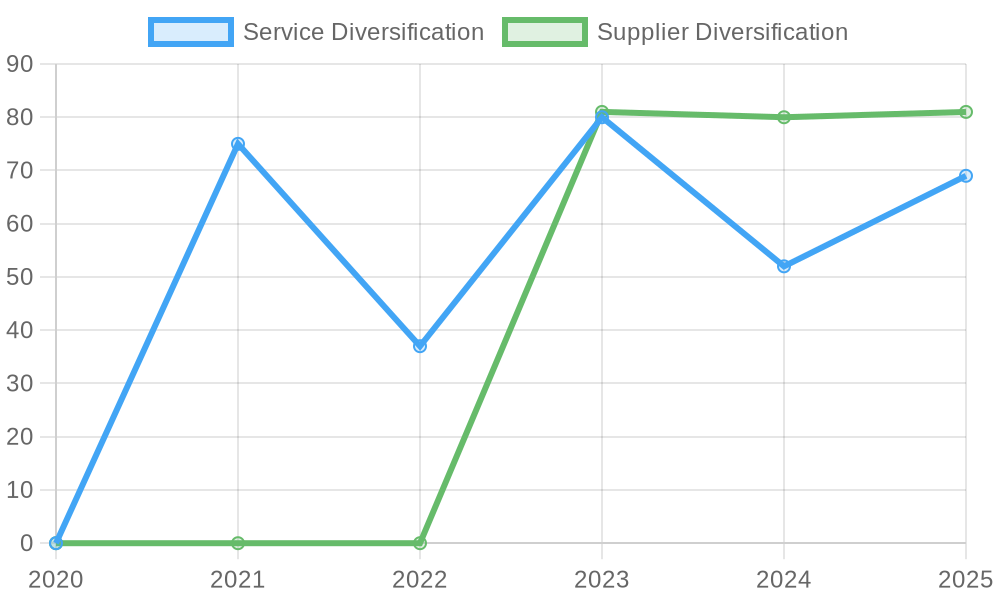
This line chart illustrates the trends in service and supplier diversification strategies adopted by small trucking fleets from 2020 to 2025. The chart indicates an increasing trend in both service diversification and supplier adoption rates over the specified years. Service diversification reached a peak adoption rate of 80% in 2023 while supplier diversification stabilized at 81%.
Challenges Faced by Small Fleets
- Rising Operational Costs: Increased fuel prices, maintenance expenses, and insurance premiums create financial pressures.
- Driver Shortage: Difficulty in finding and retaining skilled drivers, leading to operational strain.
- Equipment Acquisition Challenges: Limited access to new trailers and trucks due to high costs and low availability.
- Market Volatility: Fluctuating freight rates and demand create uncertainty in revenue generation.
- Regulatory Compliance: Navigating complex and evolving regulations adds to operational burdens.
Transition from Industry Challenges to Customer Testimonials
As discussed, Hallahan Transport has effectively navigated the many challenges facing the trucking industry, including rising operational costs and a severe driver shortage. These issues place immense pressure on small fleets, compelling them to adapt and innovate continuously. Hallahan’s strategic diversification into new freight segments has not only been a response to these pressures but has also positioned them as a leader in customer satisfaction.
Clients have recognized Hallahan’s efforts in overcoming these obstacles, reflecting how the company’s adaptive strategies yield direct benefits. The strong testimonials from customers underscore the essential role Hallahan Transport plays in ensuring smooth operations and reliability, which are crucial in today’s demanding environment. Through their commitment to quality and service, their clients have expressed confidence in Hallahan as a trusted partner, further validating the success of their diversification approach amid industry challenges.