
Establishing a service repair truck is a critical step for fleet managers and operators across various industries, including construction, mining, logistics, and freight services. This endeavor requires meticulous planning to ensure compliance with legal standards, optimal vehicle preparation, and judicious equipment selection. Each of these components is vital to the success of your service repair truck, as it not only impacts operational performance but also influences customer satisfaction. This guide divides the setup process into three key areas: legal compliance, vehicle preparation, and essential equipment, providing a structured approach to streamline your mobile repair service effectively.
Mapping the Legal Roadmap: Compliance as the Foundation of Your Mobile Service Repair Fleet
A mobile service repair truck operates at the intersection of craft and compliance. The work you do under the hood of a customer’s vehicle carries immediate risks—injury, property damage, and expensive downtime if something goes wrong. Framing the business around robust legal compliance is not a bureaucratic hurdle; it is the backbone that supports every job you complete. When you start with a clear understanding of the regulatory landscape, you lay a foundation that makes extraordinary service possible. You’ll move with confidence from the first test drive to the final invoice, knowing that you and your crew are protected, that customers trust you, and that you can grow without being hindered by avoidable legal scrapes. This chapter unfolds like a careful map, guiding you through registrations, insurance, safety standards, zoning, licensing, and the ongoing discipline that keeps a mobile repair operation legitimate long after the first week on the road. The aim is to translate regulatory requirements into practical habits that fit your daily workflow rather than adding weight to your to‑do list.
At the heart of the matter is vehicle registration and licensing. Your service truck is more than a tool for business; it is a moving workplace. It will encounter weight limits, emission rules, and parking regulations as it shuttles between premises, third‑party lots, and customers’ driveways. Start with the basics: confirm that the vehicle is properly registered as a commercial vehicle where required. This is not a one‑time checkbox but an ongoing obligation that may involve annual inspections, right‑to‑operate permits, or fleet registrations if you plan to scale. In many regions, particularly where road use and commercial activity collide, authorities expect a correct vehicle class designation and up‑to‑date registration documents. The process may also require proof of ownership and a description of the vehicle’s alterations, since a van that doubles as a mobile workshop isn’t a factory build. Getting this stage right pays dividends in smoother dispatching, fewer roadside stops, and a clear pathway to add more vehicles as your business grows.
Insurance is the second pillar in this structure, and it should be taken with the seriousness it deserves. A service truck carries the same exposure as a workshop on wheels. You need commercial vehicle insurance that covers damage to third‑party property and injuries that occur during service calls. General liability is essential; it protects against a broad range of claims and can be a lifeline if a tool slips or a customer trips in a crowded work area. If you employ technicians, workers’ compensation becomes a non‑negotiable line item. The exact requirements will vary by jurisdiction, but the logic is universal. You are not only insuring equipment; you are insuring people, productive time, and the trust customers place in your hands. Speak with an insurance professional who understands mobile operations. Ask about off‑site storage of parts, coverage for spares in transit, and how to handle liability for tools that travel with you between sites. A well‑structured insurance policy also makes it feasible to bid on larger jobs that require a broader scope of coverage and a defined risk management plan.
Safety standards are the visible spine of your compliance program. A mobile workshop is a high‑hazard environment where power tools, compressed air, solvents, and hot exhaust systems coexist with customer vehicles. You should design the truck’s interior with safety in mind from day one. Lighting matters; clear, glare‑free illumination reduces mistakes, while emergency lighting can be crucial for night calls or dimly lit bays. Every work zone inside the truck should have designated, labeled storage for sharp tools, flammable fluids, and PPE. The presence of a fire extinguisher in the cab and another near the on‑board workstation is not optional; it is a standard expectation. First aid kits should be complete and refreshed regularly. Consider a simple, documented safety protocol covering lockout/tagout procedures for electrical work, safe handling of automotive fluids, and how to manage spill response. In addition to gear, you should maintain a calendar for calibration of diagnostic tools and measurement devices. Precision matters in repair work, and calibration lapses can undermine safety and effectiveness, especially when diagnosing complex electrical or hydraulic systems.
Local zoning and parking regulations shape where you can operate and how you present your business to communities. A mobile repair operation often sits at the edge of traditional business hours and real estate use. You may need a permit to operate in certain zones or to perform on‑site service in public areas. Your plan should include a practical approach to parking: where you can legally stop for diagnosis, how long you can work in a customer’s driveway, and what signage is permitted on your vehicle in public spaces. Zoning rules can also affect whether you can keep a stock of parts in a vehicle or require a warehouse for certain inventory. A proactive route is to engage early with local authorities or a business liaison who understands the rules for mobile services. They can point you to the correct permits, inspection cycles, and any nuisance restrictions that could slow you down if left unaddressed. The goal is to minimize the friction you encounter during a typical workday while maximizing the opportunities to serve customers wherever they are.
Licensing and certifications are the formal recognition that you and your technicians can perform the work you advertise. Some repairs require specific qualifications, such as electrical work or specialized mechanical procedures. Even when your jurisdiction does not enforce a broad license for routine fixes, certain skilled tasks may be restricted to licensed professionals. Your approach should be to build a credentialing plan that matches your service scope and future ambitions. This includes maintaining copies of licenses, training certificates, and any apprenticeships completed by your team. It also requires a plan for ongoing education to stay aligned with evolving industry standards and manufacturer guidelines. When a new regulatory change arises, you should have a clear mechanism for updating your technicians and incorporating those changes into your workflow. In practice, this means routine reviews of your service catalog, a simple competency map for each technician, and a transparent process for identifying when you need external certification to expand your service area. The investment here pays off in reliability, accuracy, and customer confidence. Your clients sense competence when a technician presents proper credentials and follows documented procedures, and that perception translates into repeat business and referrals.
Beyond these core elements, there are broader sources of guidance that can illuminate the path forward. Some regions provide centralized bodies or information portals that consolidate the rules for motor vehicle repair businesses, including mobile operations. A careful read of these resources can help you understand nuances that might otherwise escape notice in a generic plan. It is wise to bookmark official pages that explain registration requirements, permitted activities, insurance mandates, and safety expectations. In addition to jurisdictional resources, industry associations or professional bodies often publish practical checklists, sample contracts, and compliance templates that reflect real‑world practice. These tools can simplify the administrative burden while keeping your operations aligned with current standards. When you embed compliance into your business model, you convert risk into a disciplined routine: checklists become daily habits, and audits become opportunities to improve rather than moments of exposure.
A crucial practice in this journey is to integrate compliance into how you manage information. A simple yet robust record‑keeping system helps you track registrations, licenses, insurance policies, and training certificates. Digital logs can capture appointment details, diagnostic findings, repair plans, estimates, and approvals. This creates an auditable trail that supports billing, warranty claims, and regulatory inquiries. The best systems tie this data to job management and inventory so you can answer questions quickly, whether a customer requests a copy of the service report or a regulator asks for evidence of correct licensing. The digital backbone should be resilient, with secure backups and access control to protect sensitive information. Cloud storage offers convenient accessibility for you and your team while enabling version history and recovery in case of an incident. A strong data approach also enables you to analyze patterns over time, such as recurring issues, common repair paths, or the need for additional certifications. This insight drives smarter training investments and more effective scheduling, which in turn reinforces compliant practice across every service call.
In practice, this chapter’s guidance translates into a day‑to‑day operating discipline. Start with a concise onboarding process for any new technician that includes a review of licensing status, required certifications, and a basic safety briefing. Build a master compliance calendar that flags renewal dates, scheduled inspections, and training deadlines. Create a simple, standardized set of forms and checklists for each job type—vehicle intake, diagnostic findings, repair plan, parts used, and sign‑off. Make sure the customer experience reflects compliance as a selling point: clear, legible documentation, transparent estimates, and visible company credentials on the vehicle. When you communicate with customers, explicitly outline the licensing and insurance posture that supports your service. A well‑articulated policy reduces miscommunication and builds trust. As you begin to book more jobs, you will learn how to allocate time and resources while ensuring that every service call adheres to the same high compliance standard. This consistency is what sets a professional mobile repair business apart in competitive markets.
There is also a practical note about leveraging existing resources to reduce friction. Within your internal knowledge base, maintain a section dedicated to regulatory updates and interpretive notes about changes in law or policy. When a new rule emerges, you should have a process to assess its impact on your operations, identify the steps required to comply, and assign responsibility for execution. Document the decision points and keep a record of who approved any changes. In essence, compliance becomes a project, not a one‑off task. Comfort with this mindset comes from seeing compliance as a shield that protects your business and as a platform that unlocks opportunities—whether you are serving a single city or expanding to neighboring regions. The day you recognize that compliance and excellence in service are two sides of the same coin is the day your mobile repair operation gains sustainable momentum.
As your organization grows, the importance of this chapter’s themes only increases. You may find it helpful to explore how your compliance program interfaces with broader business operations. For example, how you manage fleet size and maintenance can affect regulatory compliance, especially in jurisdictions with strict vehicle inspection standards or limitations on the number of hours a vehicle can operate without service. This interdependence means that your path to growth cannot bypass regulatory diligence. You can strengthen the link by linking practical fleet management insights to your compliance framework and keeping them aligned with your service capabilities. For instance, a disciplined approach to scheduling preventive maintenance reduces the likelihood of a roadside breakdown and the risk of non‑compliance due to inoperative safety features or expired documentation. The synergy between dependable service and rigorous governance yields a robust reputation, smoother operations, and a safer experience for customers who rely on your mobile workshop to reach them wherever they are.
To close the loop, remember that you are building more than a business; you are cultivating trust and accountability on wheels. The legal road map you adopt today becomes the platform for your tomorrow’s growth. The work is ongoing and iterative, not a one‑time project. You’ll refine your processes as you gain field experience, learn from near misses, and respond to evolving standards. The payoff is concrete: fewer interruptions, more predictable schedules, and a track record you can stand behind when customers ask for proof of legitimacy. As you navigate this journey, keep in mind that these practices are not obstacles to your craft but enabler tools that keep your craft safe, reliable, and respected. With every completed repair, you demonstrate that a mobile service operation can deliver the same level of professionalism as a brick‑and‑mortar workshop while staying firmly anchored to the legal framework that protects you, your clients, and the communities you serve.
For readers seeking further clarity on regulatory guidance, consider consulting official government resources that summarize the requirements for motor vehicle repair businesses, including mobile operations. Such resources can help you tailor the general guidance in this chapter to the specifics of your location and industry segment. If you need to explore the practical steps of building a compliant operation further, you might also find value in referencing industry checklists, credentialing outlines, and templates that simplify day‑to‑day governance. When you combine these external references with a disciplined internal process, you create a resilient platform that supports every repair, every customer, and every mile driven in pursuit of service excellence. In the broader arc of your article, this chapter connects to the continuous thread of preparation, discipline, and sustainable growth that defines a successful, legally sound service repair truck operation.
Internal link note: as you plan for scale and systemic improvements, consider exploring content on fleet optimization as you grow. A focused, practical resource on optimizing fleet size and maintenance for small fleets can provide actionable insights that complement the compliance framework discussed here. See: optimizing fleet size and maintenance for small fleets.
External resource: for deeper regulatory guidance specific to motor vehicle repair operations, see the Australian Government’s Proactive Compliance framework, which offers education-based guidance to mobile and traditional repair businesses. External link: https://www.service.gov.au/industry/motor-vehicle-repair/proactive-compliance
From Cab to Customer: Crafting a Road-Ready Service Repair Truck
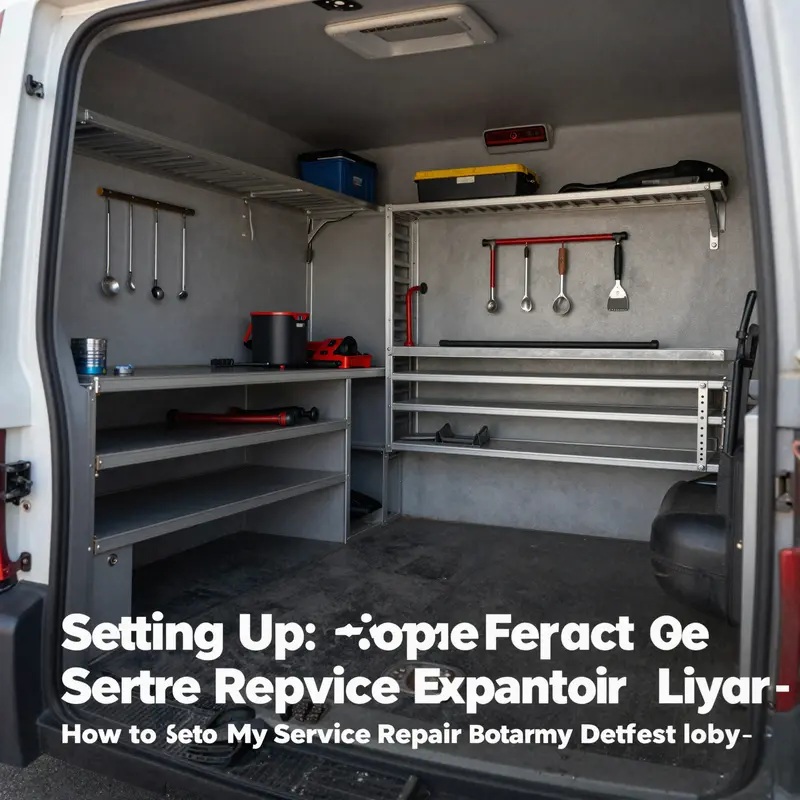
A mobile repair business lives and dies on the reliability of its rolling workshop. The vehicle you choose, the way you equip and organize it, and the discipline you bring to daily workflow determine whether you can diagnose quickly, repair cleanly, and leave a customer confident. This is not a single checklist but a layered design problem. It begins with the choice of a robust base vehicle and ends with a workflow that makes your truck feel like a well-tuned shop that fits in a single lane. The goal is to transform a truck into a mobile workshop that breathes organization, safety, and efficiency into every service call. When you see the truck as a workspace and not just a means of transport, the entire setup unfolds as a single, coherent system.
A core pillar is safety and stability. Before you roll to a client, you must ensure the vehicle itself is reliable and predictable. Routine pre-trip checks become the rhythm of your day. Brakes, tires, lights, and fluid levels deserve a quick but systematic review. A brake service on a moving schedule is a failure you cannot afford, so you want to avoid those moments entirely by keeping the base vehicle in prime condition. The truck should start with clean oil, proper coolant levels, and no fluid leaks that could worsen under load. These are the habits that underwrite on-site performance and crew safety. Consider the work environment you create around the truck as well. On every job, you should be ready to establish a safe perimeter. Use wheel chocks when the vehicle is stationary for work, keep a reliable set of jack stands available, and never rely on a hydraulic jack alone. When the job requires lifting, safety becomes a visible signal of professionalism. You might also place lightweight warning signs near the work area to alert passing drivers. A small, deliberate emphasis on visibility can prevent accidents and reassure customers that you are present and careful. This attention to safety is the first step in building trust as a mobile technician who operates with the same standards you would expect in a fixed shop.
If safety forms the outer shell, organization shapes the interior. The truck’s interior must behave like a modular workshop. Plan a layout that prioritizes flow: a clear zone for diagnostic work, a dedicated space for fasteners, and another for consumables. A customized tool rack system helps you keep essential items within arm’s reach. Think in terms of functional zones rather than random tool placement. Use modular tool boxes and wall-mounted racks to keep tools grouped by function—electrical, mechanical, fasteners—so a wrenched bolt does not chase a wrench across the floor. Within each zone, you want a clear, labeled path to access. Storage should use vertical space to maximize floor area, leaving room for a small but workable center stage where you can perform tests or operate a compact workbench. The right interior layout reduces fatigue and speeds up diagnosis and repair, because you spend less time hunting for the right tool and more time delivering service.
Your toolkit evolves with the work you do, but some essentials stay constant. A universal diagnostic approach helps you identify problems across many makes and models. A reliable diagnostic tool that can read multiple systems—engine, transmission, electrical—will save you a great deal of time on the road. Pair this with a solid, versatile set of hand tools: wrenches, sockets, screwdrivers, pliers, and a torque wrench for precise bolt tightening. Power tools offer speed, especially in a compact mobile workspace. An impact driver, pneumatic tools, and a cordless drill cover most common tasks without turning your truck into a power outlet on wheels. For more specialized or recurring tasks, you might include a brake bleeding kit, a multimeter, and basic jump-start equipment. When you talk about parts, carry a curated inventory: common filters, fuses, bulbs, O-rings, gaskets, brake pads, and battery cables. Align your parts with the most frequent repairs you perform, and refresh the inventory based on real-world usage. Use labeled containers so items stay in place and are easy to reorder when stock runs low. The aim is to maintain a fast, predictable repair process where your tools and parts are the visible components of a shop on wheels.
Beyond the tools themselves, the truck needs a practical mobile workstation. A foldable workbench or a durable, lockable table provides a stable surface for small assemblies, measurements, or documentation. Power and lighting must be dependable. A portable generator or battery-powered LED lighting is essential for night calls or dim interiors. Extension cords and surge-protected power strips become a backbone for your diagnostic devices and lighting. A sound decision is to plan for waste disposal from the start. Use sealed containers for used oil, filters, and other hazardous materials. Establish a simple on-site segregation process so you can transport waste safely back to a proper facility, keeping your client’s space clean and compliant. The environment is not secondary; it is part of the service. A neat, well-managed mobile workspace communicates professionalism and care about safety and the customer’s surroundings.
Documentation becomes the quiet backbone of reliability. Carry the right manuals and maintain thorough records of every service call. Digital record-keeping is far preferable to paper, especially when you are moving between sites. A tablet or laptop makes it easy to access service manuals, capture photos, and log repairs in real time. The key is to document every step: the findings, the parts used, the hours logged, and the customer’s feedback. A clear, written repair plan and a quoting process help you avoid misunderstandings and protect your margins. When you present a repair plan, include the estimated time, the labor breakdown, and the proposed solution. Written approval before starting major work prevents scope creep and protects both you and the client.
People often overlook the value of a sound workflow on a mobile platform. A simple, repeatable sequence—on-site diagnosis, plan presentation, immediate approval, careful execution, and final verification—creates a predictable customer experience. You should be able to explain the diagnosis clearly and show the supporting evidence from your tools. A functional on-site workflow reduces the risk of rework and increases customer confidence. After the repair, a final test or functional check ensures the problem is truly resolved. If feasible, a short test drive can confirm the fix and reveal any secondary issues, but you must assess safety and local regulations before undertaking such a test. If a test drive isn’t possible, a structured, post-repair verification of key systems can still demonstrate reliability. The whole sequence—from intake to test—should be captured in your digital logbook or integrated with your customer relationship management system. The advantage is not just a record of work; it is a service history that helps you anticipate future needs and plan follow-up visits.
The way you present your brand on the truck matters as much as the work you perform. A clean, consistent exterior speaks volumes about reliability. Your vehicle graphics should convey professionalism with legible contact information and a concise list of services. Color choices should offer high visibility and clarity, making it easy for customers to recognize your truck at a distance. A professional appearance helps establish trust and reduces friction in the sales process. The branding should extend to the digital world as well. A simple, well-structured website and accessible online booking offer a seamless path from discovery to service. Communication with clients should be proactive: automated updates during the appointment, a clear after-visit report with photos and receipts, and a straightforward process for warranty or return questions. These touchpoints ensure customers feel informed and respected, which increases the likelihood of repeat business and referrals. Tie your physical branding to digital presence in a cohesive way so that every touchpoint reinforces the same quality signal.
Technology plays a bigger role in a mobile workshop than most people expect. Modern repair operations rely on software to manage jobs, inventory, scheduling, and invoicing. A reliable repair management approach keeps the on-road business aligned with back-office needs. You do not need the most expensive system; you need a system that matches your workflow and scales with your growth. A core feature to look for is the ability to track parts usage and keep a live inventory log. Route optimization can help you reach multiple clients more efficiently, especially when you service a large area. Cloud-based storage protects your data, ensuring you can access the repair history and invoices from any device. The right technology also supports compliance with regulatory requirements. Maintaining proper records, performing periodic calibrations of diagnostic tools, and backing up data regularly are not optional steps; they are the safeguards that prevent costly errors and audits. The balance you strike between on-board capability and digital efficiency determines how smoothly you can scale your operation.
Of course, the ongoing life of a mobile workshop is about upkeep as much as setup. Regular vehicle maintenance remains essential because the road imposes wear in ways a fixed shop does not. Schedule routine inspections for the truck itself, including the electrical system, mounting hardware for shelves and tools, and the integrity of power and lighting layouts. Calibrate diagnostic tools on a regular cadence to ensure output accuracy. The safety program should be continuous, with periodic refreshers on tool handling, chemical safety, and emergency procedures. Creating a culture of safety and cleanliness inside the cab and workshop area reduces accidents and extends equipment life. The more you treat the truck as a trustworthy extension of your shop, the more confidence customers will place in your mobile service.
All these elements—safety, organization, workflow, branding, technology, and maintenance—are not separate improvements. They are the layers of a single, coherent system. When you install the interiors with a clear purpose, when you stock for the most common failures you encounter, and when you document every step of the job, you build a mobile workshop that feels like a fixed shop in disguise. Customers will not be able to tell where the workshop ends and the truck begins. What they will notice is the calm efficiency, the predictable process, and the quiet reassurance that you can diagnose and repair with competence on their doorstep. This is the essence of preparing a service repair truck: to make every visit a dependable, respectful, and efficient experience for the customer while protecting your business’s profitability and growth.
For readers seeking deeper, field-tested tips that can be translated directly into practice, a practical overview of this approach is available in our blog. The article there expands on how to adapt these principles to different service contexts and regional requirements, with real-world examples and checklists you can tailor to your fleet. mastertruckrepairllc.com/blog/.
As you continue to refine your mobile shop, keep a clear eye on compliance and safety. Local regulations may require specific waste disposal practices, emissions controls, and permits for mobile operations. In many places, you must align with general road transport and commercial vehicle rules, along with any industry-specific standards that apply to repairs conducted on-site. The framework described here helps you meet those needs while staying focused on the client experience. The exact regulatory details will vary by jurisdiction, so consult your local authorities or a trusted advisor when you set up shop. For official guidance, consult the national standards published by the relevant regulatory body in your region. The aim is to stay informed and prepared, not to guess at requirements or improvise safety practices.
In closing, imagine the service call as a short journey in which the truck, the tools, the technician, and the customer converge into a single productive moment. The vehicle preparation—the safety checks, the organized interior, the robust work surface, the portable power and lighting, and the clear documentation—creates the conditions for an efficient, precise, and respectful service. With a well-prepared mobile workshop, you can cover more ground, deliver higher-quality repairs, and build a reputation for reliability that travels with you as you grow. The road becomes the only limit to your capacity to serve.
External reference: For official standards on commercial vehicle safety and mobile operations, see the U.S. Department of Transportation guidelines at https://www.transportation.gov/.
Equipping the Mobile Workshop: The Essential Gear, Layout, and Safeguards Behind a Ready Service Repair Truck
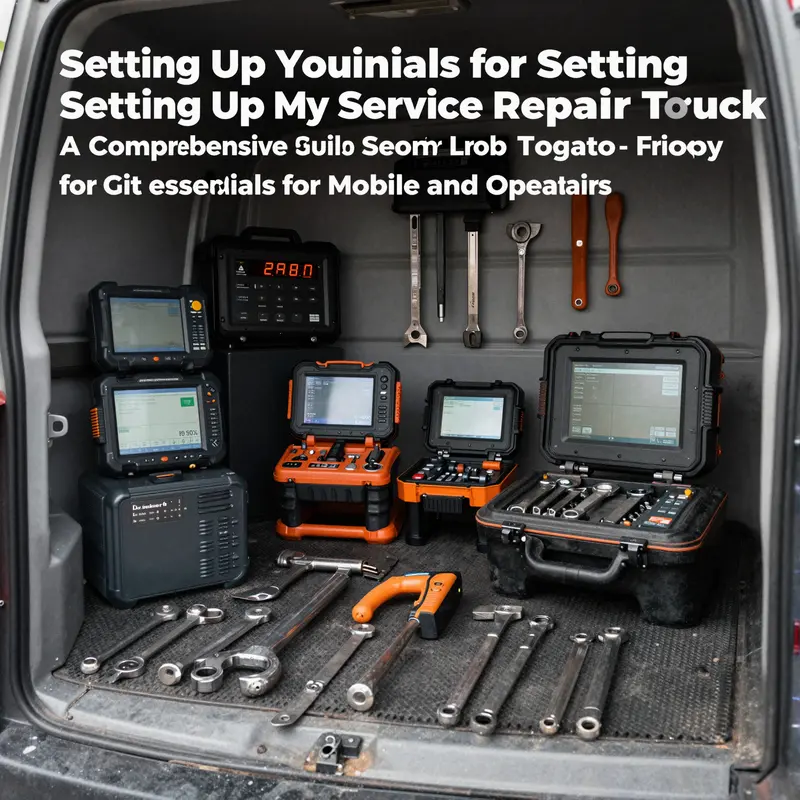
A service repair truck is more than a mobile toolbox; it is a compact, purpose-built workshop that travels to the client and still delivers shop-level capabilities. The equipment you choose, the way you lay out the interior, and the safeguards you embed into your operations determine how many jobs you can complete in a day, how safely you work, and how consistently you deliver results. When you begin to set up your truck, you are effectively building a moving engineering system. Every choice—from the lift that raises a chassis to the way you store fasteners—affects your throughput, your safety, and your ability to stand behind your work with confidence. This chapter weaves together the core equipment categories, the practical layout decisions, and the habits that keep a mobile shop dependable in the field, whether you’re chasing light-duty tasks or tackling heavy-duty fleet maintenance. In practice, the goal is to create a compact, efficient workspace that can reproduce a controlled workshop environment wherever you park for a service call, while remaining adaptable enough to handle a broad mix of tasks with minimal setup time between jobs.
Lifting and support equipment anchor the truck’s capability to work on undercarriage, suspension, and brake systems. The heart of this category is a reliable lifting mechanism with substantial capacity. For most mobile operations, a lift or a high-capacity floor jack is essential. A lift provides a stable, hands-free way to access components beneath a vehicle, while a floor jack offers flexibility for smaller interventions when a lift is not required or when space constraints prevent full elevation. The critical guidance here is matching the capacity to the typical work you expect to perform. Heavy trucks demand more robust options, with capacity often in the ten-thousand-pound range or higher. Alongside lifting devices, you must include safety stands and wheel chocks as non-negotiable safeguards. While lifting, you want positive, secure contact with the vehicle, and you want the ability to lock the vehicle in a safe height and orientation. Wheel chocks prevent unwanted movement, and safety stands provide secondary support if any weight shifts occur during a repair. The layout should anticipate a clear access path around the vehicle, with the stands positioned to catch any accidental slips without obstructing the technician’s workflow.
Powering the on-board workshop is the next critical thread. Modern diagnostic tools, air compressors, lighting, and power-hungry devices demand a stable energy supply that outlasts a typical service window. A high-capacity battery bank, combined with an efficient inverter and a dedicated portable generator, often forms the backbone of this system. The key here is redundancy and resilience. You want enough stored energy and a reliable generator to keep diagnostic work and tool operation continuous through a typical service day, including peak demand periods. A well-designed system also accounts for heat dissipation and sound levels, since you’ll be working in various client locations, from driveways to parking lots. The power plan should consider future expansion, leaving headroom for occasional additions such as additional lighting, a medical-grade first aid kit, or specialized testing modules that you may decide to upgrade later.
Inside the vehicle, the interior layout becomes a logistic map rather than a mere shelf arrangement. The best configurations maximize floor space while keeping core tools within immediate reach. A compact, modular interior with vertical storage saves valuable real estate. Think of a wall-mounted toolboard where frequently used items live in labelled slots, and a set of stackable bins for fasteners and wear parts sits within easy reach but out of the main walking path. A foldable workbench or a portable table that can be deployed when a repair requires a more robust surface is another smart investment. Such a workstation supports tasks that need a stable plane for component inspection, measurement, or assembly. The goal is to reduce time spent hunting for the right tool, which in turn minimizes downtime and keeps the appointment flow predictable for customers.
The vehicle’s climate and comfort systems directly influence technician performance and accuracy. A stable, comfortable environment reduces fatigue and improves diagnostic reliability. In practice, that means a dependable climate control setup that can provide heating in cold conditions and cooling in heat, along with adequate insulation in the cargo area. A well-ventilated space helps control fumes and dust, which is especially important when working on brake systems or performing undercarriage inspections in dusty environments. Lighting is another essential piece of the interior puzzle. Bright, well-aimed lighting ensures you can read labels, see subtle damage, and verify sealants or lubricants’ presence. The lighting should be adjustable, so you can focus on critical components or widen the field of view for general inspections without creating glare on sensors or screens.
Safety features extend beyond the obvious fire extinguishers and first aid kits. A mobile workshop sits in dynamic environments, which means you must plan for off-site hazards and the risk of spills, electrical faults, or tool failures. Reflective gear for night operations, high-visibility markings on the vehicle, and a robust set of containment materials for fluids all contribute to a safer workday. A well-thought-out safety protocol also includes clear, documented procedures for common risks: handling energized components, disconnecting power sources, and safely disposing of fluids. Your diagnostic and repair workflows depend on consistent safety checks before and during work. A standardized approach—such as a digital intake that confirms the customer’s vehicle location, symptoms, and any known hazards—reduces the chance of miscommunication that could lead to unsafe work conditions.
From the diagnostics standpoint, the equipment you bring defines how effectively you can identify problems without unnecessary guesswork. A professional-grade diagnostic system that supports a broad range of heavy-duty vehicles is essential for accurate fault code reading, data monitoring, and system analysis. Rather than chasing one-off issues with makeshift tools, you want a unified diagnostic workflow. This involves a universal diagnostic interface compatible with multiple vehicle makes and models, supported by software capable of reading advanced modules such as engine management, transmission control, ABS, and traction systems. In practice, you should be able to pull fault codes, view live data streams, and perform basic actuator tests without leaving the vehicle. Training on the diagnostic workflow—how to interpret data correctly, what the data means for the repair plan, and how to document findings—turns information into actionable steps that customers can understand.
Torque and fastening tools are equally critical, because the integrity of heavy-duty assemblies hinges on precise torque values. A high-torque impact wrench delivers the rotational force necessary to break loose stubborn fasteners and to tighten lug nuts and axle bolts to spec. Complementing this, a calibrated torque wrench ensures accurate fastening according to manufacturer specifications. The combination of these tools supports consistent, repeatable results and helps prevent both overtightening and undertightening, which can compromise safety and equipment longevity. You should carry a range of socket sizes and head configurations to handle the most common fasteners you encounter across fleet work, along with a torque adapter that helps you verify the reading when a digital tool is not practical.
Brake system tools are the next cornerstone for heavy-duty repair capability. Servicing large rotors, drums, and hydraulic systems demands specialized equipment. Dedicated caliper piston tools enable controlled retraction and repositioning of pistons within heavy-duty calipers. Rotor resurfacing tools provide a way to restore surface integrity when refurbishing rotors, while a robust brake bleeder kit adapted for heavy-duty applications allows you to purge air safely from hydraulic circuits. You should also stock a supply of consumables like brake fluid, seals, and compatible lubricants. These tools and parts empower you to complete essential brake maintenance without needing a separate shop visit, which is a strong selling point for a mobile service.
Suspension and drivetrain tools round out the core kit. Heavy-duty work frequently involves springs, u-joints, axle bearings, and alignment challenges that require specialized equipment. Spring compressors designed for larger assemblies, U-joint pullers, and axle bearing pullers help you disassemble components without compromising safety or structure. Alignment tools and measurement aids, even if simple, enable you to verify that critical angles and offsets meet specifications after service. Having these tools on hand means you can address performance issues on-site, such as uneven tire wear or steering drift, rather than scheduling a separate shop visit that increases downtime for the client.
Inventory management and mobile workflow capabilities complete the picture. A well-stocked truck features commonly replaced parts like fuses, bulbs, filters, belts, hoses, and fluids, organized in labeled bins or drawers for quick retrieval. A digital logbook or basic CRM-like system helps you track what was used and when parts need replenishment. This is where a thoughtful workflow matters as much as the tools themselves. Start with a digital intake that captures vehicle details, symptoms, and the customer’s preferences. Move through on-site diagnosis with a clear, written plan, then present a quotation and obtain written approval before proceeding. Document the repair steps, parts used, labor hours, and client feedback in the system for future references. A consistent workflow reduces a lot of administrative friction and ensures you can deliver a professional post-service report with photos and receipts that clients can keep for their records.
The integration of technology into the mobile workshop is not simply about owning devices; it is about how you leverage them to sustain a high-quality service chain. A robust repair management framework helps you schedule jobs, track inventory, generate invoices, and monitor customer communication. A GPS-enabled fleet dashboard allows you to optimize routes and reduce downtime, while cloud-based storage ensures you can access job records from any location. This kind of data discipline is what separates a dependable mobile service from an ad hoc operation. It’s also what makes growth possible, enabling you to handle more complex jobs or larger fleets without sacrificing reliability.
As you plan, remember that the goal is not to assemble a munitions list of every tool you could own, but to curate a core set that covers the class of jobs you expect to encounter most often. Start with the lifting system, a reliable power arrangement, a clean and efficient interior layout, essential diagnostic capability, precise fastening tools, brake and suspension gear, and a practical inventory approach. Build from this foundation with a small, scalable expansion plan that anticipates the common specialties you might pursue over time. If your strategy includes expanding into certain service areas, you may need to add specific tools or measurement devices that address those niches. The important thing is to maintain balance: tools must stay manageable in weight and volume, while being robust enough to withstand the demands of field service, and they must be backed by a clear set of operating procedures so your team can perform consistently across different jobs and sites.
A note on the budgeting aspect—this is where practical planning meets business viability. The procurement of equipment is a significant upfront cost, but when approached thoughtfully, it becomes a strategic investment that lowers the time to first billable hour and improves the quality of every repair. The approach you take should align with your service scope, expected travel patterns, and the range of vehicles you anticipate servicing. You may find value in prioritizing essential items first and phasing in additional capabilities as you win more jobs and gain experience. This is not merely about buying tools; it is about building a mobile workshop that can reliably deliver high-quality work, day after day, in a variety of locations. For a practical framework on budgeting for routine truck maintenance and equipment investments, consider exploring budgeting for routine truck maintenance, which offers a structured approach to forecasts, cash flow, and procurement sequencing. budgeting for routine truck maintenance.
The last piece ties back to the overall service proposition. Your equipment choices reflect the types of clients you intend to serve and the reliability you promise. They influence your capacity to respond quickly, the breadth of services you can offer on site, and the speed with which you can deliver a clear repair plan and a transparent quotation. They also shape your safety posture and the professional impression you project to customers. A well-equipped mobile workshop signals competence, organization, and preparedness. It signals that you can handle a broad spectrum of tasks—from quick diagnostics and minor replacements to more involved brake or suspension work—without requiring a separate shop visit. This capability is often what helps mobile service firms stand out in competitive markets where fleet owners and individual drivers alike are seeking convenient, trustworthy, and efficient solutions. The equipment story, in other words, is a story about reliability: reliability in diagnosing problems, reliability in performing precise repairs, and reliability in communicating progress and outcomes to clients.
In closing, design your mobile workshop with a focus on flexibility, safety, and repeatable performance. The equipment you choose and the layout you implement should be harmonized with your service model, the typical vehicles you service, and the conditions you are likely to encounter in the field. Plan for the future by building in growth paths that let you add capabilities without derailing your existing workflow. The chapter you are writing for your mobile service business is ultimately a practical manual that converts the concept of a “service truck” into a real, dependable, on-demand repair shop—one that can be parked almost anywhere and still deliver the quality your customers expect. As you continue through this book, the next chapters will explore how to refine your service processes further, how to scale your fleet responsibly, and how to market a truly mobile, capable, and trusted repair service.
External reference: For a deeper dive into tool families and their applications in modern truck repair environments, see the resource on heavy-duty tool categories at https://www.carinterior.com/what-tools-are-needed-for-heavy-duty-truck-maintenance/.
Final thoughts
Setting up a service repair truck involves intricate planning and execution, encompassing legal compliance, effective vehicle preparation, and the selection of essential equipment. Fleet managers and operators must pay careful attention to each of these areas to ensure their mobile repair service is efficient, compliant, and ready to meet the demands of their clients. By following the guidance provided in this article, you can establish a service repair truck that not only meets legal requirements but also enhances operational productivity and customer satisfaction. The success of your mobile repair service hinges on how well you address these foundational aspects.