
The complexities of truck repossession present significant challenges for fleet managers and logistics providers. Understanding how to safely navigate these scenarios is crucial for minimizing disruption in operations. This article dissects key components of dealing with a repossession, emphasizing safety protocols, legal obligations, and emergency assistance strategies. Each chapter will delve into critical aspects of how to leave in the truck in repo scenarios, providing actionable insights tailored for those in the trucking and logistics sectors.
When a Truck Is Repossessed: How to Leave the Vehicle, Protect Yourself, and Reclaim What’s Yours
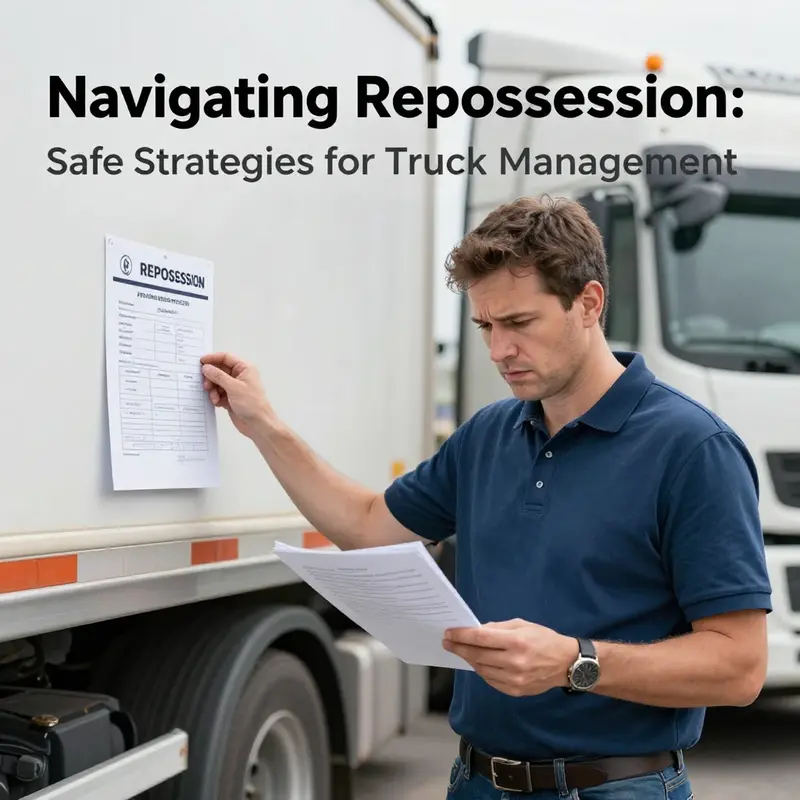
Understanding the Situation and Staying Safe
Having a truck repossessed is a disorienting experience. Emotions run high and facts blur quickly, but what matters first is safety. If you find yourself physically in or near a truck that is being or will be taken by a lender or recovery agent, your priority is to get to a safe position and avoid illegal or dangerous actions. Repossession is a legal process governed by state laws and the terms of the loan. Lenders or licensed agents typically may take the vehicle without a court order as long as they do not breach the peace—this means no threats, no force against people, and no breaking into locked buildings to retrieve a vehicle. It also means you should not attempt to block, assault, or physically prevent a lawful recovery. The safest decision is often to step away, secure your personal safety, and focus on the next practical steps for securing personal property and protecting your financial standing.
If the truck is currently being recovered and you are inside, exit calmly and immediately unless doing so places you in further danger (for example, in the middle of traffic). If the vehicle is immobilized, damaged, or in a hazardous location, prioritize moving to a safe area and calling local authorities if you feel threatened. Record the scene from a safe distance—use your phone to photograph license plates, the agent’s credentials, and the tow vehicle. Clear, contemporaneous documentation can be crucial if later disputes arise about whether the repossession was conducted properly.
Know Your Rights: Personal Property, Notice, and Redemption
One of the most common and misunderstood elements of repossession is the difference between the vehicle and your personal belongings. Lenders may take back a truck, but they have no legal right to permanently keep personal items left inside. Most states require the lender or storage facility to provide notice that the vehicle is in their possession and to offer a period during which you can reclaim personal property. That notice should include where the vehicle is held, how to recover belongings, and any storage fees or steps required.
If you were not present when the repo occurred, check the mail and any notices left at your address. Many lenders must send written notice before or shortly after disposition, explaining redemption rights—the limited window during which you can pay what’s owed to get the truck back—and describing how and when the lender will sell the vehicle if you do not redeem it. Understanding these timelines is essential. If your personal items were left inside, act quickly to retrieve them through the process the lender sets out. If the lender refuses or if belongings have been lost or damaged, document everything and consider contacting a consumer rights attorney or local consumer protection office.
Practical Steps to Take Immediately After a Repossession
Begin by establishing the basic facts: who took the truck, when, and where it is stored now. Contact the lender or the repossession company using the phone numbers on any notices or your loan paperwork. Ask for written confirmation of where the vehicle is and what fees apply. Keep a log of every call and conversation—dates, times, names, and summaries.
Next, inventory personal property. If you were present when the truck was taken and you removed items before leaving, keep a detailed list. If the lender has the truck, request access to recover personal items as explained in the notice. Avoid confrontations; most repossession companies will permit retrieval of belongings if you follow their facility rules. If they deny access without a lawful reason, document the refusal and consult legal counsel.
If reclaiming the truck is your goal, calculate the total redemption amount: unpaid loan balance, repossession fees, storage costs, and any other allowable charges. Lenders must usually provide a breakdown. Be realistic about finances—retrieving the vehicle can be costly. Sometimes surrendering the truck and negotiating the deficiency amount may be a preferable path, particularly if the market value is less than what you owe.
Communication Before and During Default Helps Avoid Repossession
Most repossessions are preventable with timely, clear communication. Before a vehicle reaches the tow yard, call your lender at the first sign of missed payments. Many lenders have hardship programs, deferred payment plans, or short-term solutions that can halt repo activity if they are engaged early. If you need to make financial adjustments, document all agreements in writing.
In situations where repair or maintenance expenses are straining finances, having a contingency fund helps. Building an emergency repair fund reduces the likelihood that mechanical issues or sudden costs will cascade into missed payments. For guidance on preparing your finances for truck ownership and unexpected repairs, review resources on building an emergency repair fund for truck owners: https://mastertruckrepairllc.com/building-emergency-repair-fund-truck-owners/.
Legal Options and When to Seek Help
If you believe the repossession was wrongful—because the lender entered your home, used force, or violated a local law—file a police report and gather evidence. Wrongful repossession can open the lender to civil claims, and courts may award damages if the creditor breached the peace or violated notice requirements. If you have received inadequate notice about the sale or disposition of your vehicle, consult an attorney who specializes in consumer law or repossession defense.
Even routine questions about redeeming a vehicle or negotiating a deficiency can benefit from professional help. An attorney can interpret your contract, state statutes, and the notices you received. In many states, statutes provide timelines and protections for vehicle owners; a lawyer can determine whether the lender complied and what remedies are available.
Deciding Whether to Redeem, Repossess Voluntarily, or Negotiate
You will typically face three broad choices: redeem the truck, allow the lender to sell it and negotiate any deficiency, or consider voluntary surrender. Redeeming the truck requires paying the total specified amount and may be the right call if you can afford it and if the truck’s value justifies the expense. Voluntary surrender involves signing the vehicle over to the lender. It often reduces repossession and storage fees and can result in a smoother process, but it will still damage your credit and may leave you responsible for any deficiency.
Negotiation can yield creative solutions: the lender may accept a lump-sum payment for less than the full balance, arrange a modification, or agree to a short sale. Approach negotiations with documentation: proof of income, repair estimates, and offers from buyers if you are proposing a sale. Lenders are sometimes willing to minimize losses rather than incur the cost of sale and storage.
Protecting Your Credit and Moving Forward
Repossession affects credit scores and can make future financing harder. After resolution—whether retrieval, sale, or voluntary surrender—obtain a copy of your credit report. Verify how the repossession and subsequent account status are reported. If errors exist, dispute them promptly with the credit bureaus.
Plan next steps for dependable transport if you lose your truck. Short-term rentals, rideshares, or public transit may bridge gaps while you rebuild credit and save for a replacement. Reassess budgeting, maintenance plans, and insurance coverages to avoid repeating the cycle. Regular upkeep and a small reserve fund reduce the risk that a single unexpected repair will trigger missed payments.
Avoiding Misleading Comparisons with Fictional Scenarios
Entertainment and games sometimes portray dramatic, forceful vehicle recoveries. These depictions are fictional and do not mirror lawful practices. In real life, repossession agents must comply with laws and cannot use violence or trespass onto private, locked property. If a televised or game-based scenario tempts you to take a similar approach, do not try it; reclaiming a vehicle by force or deception can result in criminal charges.
For players who encounter similar themes in entertainment and want technical guidance on those game missions, community resources like GameFAQs discuss game strategies and mechanics. These resources are for gameplay only and not applicable to real-world legal processes: https://www.gamefaqs.com/.
Throughout this process, remain methodical, document everything, and prioritize safety. Repossession shakes up more than your mobility; it affects credit, employment, and stress levels. By focusing on clear communication, knowing your rights, and obtaining professional help when needed, you can navigate the immediate crisis, protect personal property, and take steps to recover financially and logistically without escalating risk.
Stuck and Safe: Practical Exit Strategies for Immobilized Trucks and the Real-World Context of Repossession
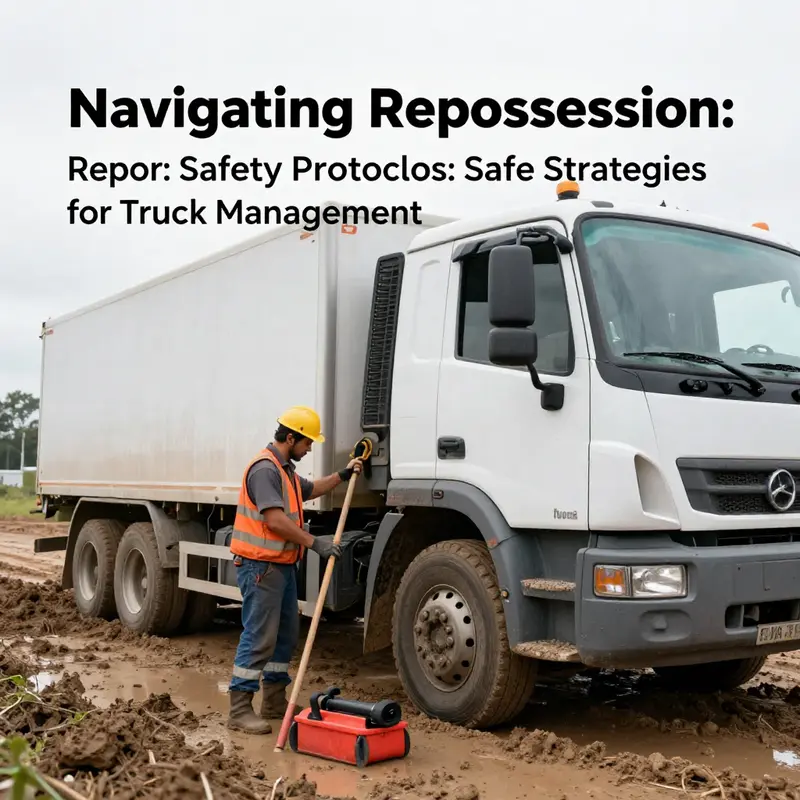
Immobilization in a truck presents a moment where safety, legality, and common sense must guide action. This chapter frames the situation as a real-world problem, not a fantasy scenario, and emphasizes practical steps over bravado. When a vehicle becomes stuck, the safest first move is to slow the impulse to act and run a calm, repeatable check sequence. Stay calm, take slow breaths, and assess the scene: the ground under the tires, weather conditions, traffic, smoke or fuel odors, and the status of doors, windows, and seat belts. A methodical approach reduces risk and buys time for better decisions.
Next, perform environmental screening: look for hazards that could worsen the situation or endanger bystanders, such as passing traffic, unstable ground, water, or fire hazards. If you can move safely, try the simplest, lowest-risk exit first, opening a door if it is unjammed, or crawling to a window if a door cannot be opened. Have a plan for contingencies, including time to call for help. In water, submersion changes the calculus: time matters, and escaping through a window may be the faster route, but only if you have a clear path and can avoid injury.
Tools you carry matter. A window punch or seatbelt cutter is not a miracle cure; it is a tool for emergencies when traditional exits fail. Practice in advance so that pressure does not turn improvisation into danger. If the door opens, exit away from oncoming traffic and move to safe ground. If a door remains trapped, use a window only when you have a safe escape route and can reach the outside without striking yourself on broken glass.
Call for help as soon as you reasonably can. If you have cellular service, dial emergency services and provide precise location details. If the signal is weak, seek a higher or more open position to improve reception and relay landmarks, mile markers, or road numbers. Do not rely on bravado to resolve the situation; trained responders are equipped to manage hazards and coordinate rescue.
In the context of repossession, keep the focus on lawful, safe behavior. Repossession is governed by contract law and civil procedure, and attempting to reclaim a vehicle by force can create serious criminal and civil liability. If you are negotiating with a lender, pursue legitimate options such as payment plans or cure periods, and document communications carefully. Public safety should never be compromised in the pursuit of recovery.
A practical framework helps most drivers: safety first, accurate information second, and appropriate help third. If you are unsure about the vehicle or surroundings, pause and wait for qualified assistance. Prepare for future incidents by maintaining a basic emergency kit and rehearsing a simple exit plan with all passengers. A small checklist—check surroundings, assess risk, choose the safest exit, use tools if needed, call for help, and document the event—can transform a crisis into a manageable sequence.
Finally, recognize the difference between fiction and reality. Some narratives may idealize dramatic exits or unlawful grabs, but real-world safety and law require restraint, patience, and professional guidance. For trusted information, consult official sources on vehicle safety and emergency response, and seek legal counsel when repossession enters the picture. The core message remains universal: know how to exit safely, know who to call, and move within the law.
Between Law and Liability: Navigating the Realities of Leaving a Truck in Repo Scenarios
The phrase “leave in the truck” can surface in conversations about vehicle repossession, and it almost always leads to confusion. In practice, the legal system does not operate by personal sentiment or stubborn standoffs. Repossession is a structured process that shifts possession from borrower to lender after default, and the consequences for anything that resembles avoidance or obstruction can be severe. This chapter pulls back the curtain on what it actually means to leave a truck in repo scenarios, why attempting to resist or conceal is rarely a safe or effective path, and how sound decisions can protect a person’s finances and legal standing. It also widens the lens to acknowledge that emergencies can create unrelated, urgent needs to exit a vehicle safely. The goal is not to encourage clever loopholes but to illuminate the legitimate routes—both legal and practical—that lead away from escalating penalties and toward a clearer, more secure outcome.
To begin with, repossession rests on a legal framework that varies by state but shares a common core: lenders can reclaim collateral when a borrower defaults on a loan. This right may arise from a secured contract, local statutes, or a court order, depending on the jurisdiction and the terms of the financing. The key implication for anyone facing repossession is straightforward: once the lender or a licensed repossession agent asserts lawful authority and follows required procedures, simply “staying behind the wheel” does not create leverage or restore balance. On the contrary, interference with the repossession process—whether by attempting to drive away, hiding the vehicle, or blocking access—can trigger additional penalties, including fines, lawsuits, or criminal charges. The consequences extend beyond the immediate stress of losing a vehicle; they can undermine future credit, complicate negotiations, and invite a protracted legal dispute. In short, the law does not reward theatrics in repossession situations.
This is why the recommended stance is often collaborative rather than combative. Rather than clinging to the idea of reclaiming possession by force, a borrower facing repossession benefits from engaging with the lender. Open communication helps all parties understand timelines, options, and potential remedies. The Consumer Financial Protection Bureau emphasizes that while repossession laws and rules differ by state, the overarching principle remains: agents must operate without force, without threats, and without entering private property without permission. When you view repossession through a legal lens, a cooperative approach is not surrender; it is a strategy that minimizes damage to your credit profile, reduces the risk of legal entanglements, and preserves more options for the future. The steps that follow are about channels that exist within the law, not improvisations outside it.
Among the lawful avenues available to borrowers are reinstatement, loan modification, and voluntary surrender. Reinstatement allows a borrower to cure the default by paying the overdue amount plus any allowed fees, returning the loan to current status. This option depends on the lender’s willingness and the borrower’s financial ability to meet the payoff within a specified window. A loan modification, on the other hand, seeks to restructure the payment terms to make them more affordable, potentially lowering monthly payments or extending the term of the loan. For many, modification represents a long-term path out of a difficult situation without losing the vehicle or facing a total financial reset. Voluntary surrender is often the most responsible choice when others are impractical. By voluntarily turning the vehicle back to the lender, a borrower can reduce the potential for additional fees and avoid the higher costs that can accrue after a forced repossession or a sale under distress. Each option has implications for credit reporting, equity in the vehicle, and the overall cost of the loan over time. Talking to a consumer rights attorney or a credit counselor can clarify which path aligns with personal finances, timelines, and goals.
A recurrent concern is how to proceed when the vehicle is already in possession of the lender and the borrower’s access to private property or the vehicle itself is in question. In most cases, the repossession agent has specific authority to take possession and may require access to a secure location or the vehicle’s immediate removal. The borrower should not attempt to re-enter or drive the vehicle away after repossession has begun. That would risk trespass accusations, criminal charges, and the potential for a more severe financial outcome. The prudent course is to refrain from attempts to reclaim the truck by force and instead focus on legitimate remedies—communications, negotiations, and, if necessary, legal steps to contest or modify the terms. If a borrower believes the repossession was improper or mishandled, seeking legal counsel promptly can help determine whether there are grounds to challenge the process in court or through an administrative complaint. The CFPB notes that while laws vary, the rights of consumers during repossession are protected and subject to careful review. The bureau’s resources provide guidance on how these processes unfold and what steps consumers can take to protect themselves while pursuing a fair resolution.
For anyone who expects to face repossession—or who has already faced it—there is a practical, non-emotional path forward: document the situation, gather relevant financial records, and establish a clear plan that respects the law while addressing personal needs. Documentation matters far more than bravado. Collect pay stubs, proof of income, any communications with the lender, and a written outline of the options you want to pursue. When you approach the lender with a well-prepared plan, you project seriousness and responsibility. This is not about winning a moral battle; it is about negotiating a realistic outcome that minimizes long-term financial harm and preserves as many options as possible for the future. The lender’s willingness to cooperate often hinges on the borrower’s clarity, consistency, and timeliness in presenting a viable plan.
A key piece of practical wisdom is to avoid stalling tactics that courts and lenders view unfavorably. Hiding the vehicle or delaying responses can be interpreted as obstructive behavior and may complicate negotiations or even trigger additional charges. Instead, consider creating a structured timeline: note the date of default, the date of any notices, the window for reinstatement, and the deadlines for voluntary surrender or dispute. Realistic budgeting also plays a critical role; many borrowers underestimate how long it takes to stabilize finances, particularly when a vehicle is essential for commuting to work or maintaining income. At times, the best path is to acknowledge the reality of the situation, seek expert guidance, and commit to a plan that prioritizes long-term stability over short-term pride. In this spirit, many readers may find value in resources that address both maintenance readiness and financial planning for truck ownership. A trusted reference point in this broader landscape can be found in practical maintenance and readiness literature, such as the Master Truck Repair blog—which offers guidance on keeping a vehicle dependable while navigating financial pressures. mastertruckrepairllc.com/blog/
Beyond the courtroom and the negotiation table lies the reality of safety, an area that becomes particularly salient if a vehicle is involved in an emergency situation during repossession. While the repossession process itself is a legal matter, there are moments when a person may be caught inside a vehicle in a dangerous scenario—such as flood, submersion, or a vehicle stuck in snow or mud. In these moments, the priorities shift from legal strategy to immediate safety. The emergency environment demands clear thinking and calm action. The guidance from safety authorities emphasizes several core steps: stay calm, assess the surroundings for hazards, and use available tools to escape if secure and safe to do so. If water is involved, breaking a window may be necessary to escape, provided it can be done without creating additional dangers. In a vehicle that is immobilized in difficult terrain, attempting to force the vehicle through obstacles is generally unsafe and may worsen the risk. When in doubt, calling emergency services or roadside assistance is essential, and providing precise location information increases the likelihood of timely help. These are not legal loopholes but pragmatic actions grounded in trained responses to life-threatening scenarios. The emergency-escape resources offered by the National Highway Traffic Safety Administration map out practical procedures and tools designed to aid in such moments, reinforcing the principle that safety belongs to the highest priority in any difficult situation.
This blend of legal clarity and safety-first thinking is what makes the path forward more navigable. If you are facing repossession now or anticipate it soon, your best bet is to approach the situation with a well-considered plan rather than a reactive one. Engage with the lender, request information about reinstatement, modification, or voluntary surrender, and document every step of the process. If you encounter any legal ambiguity or feel that the process has been mishandled, consult with a consumer rights attorney who can interpret the state-specific rules and protect your rights. In the meantime, keep a steady focus on safety, especially if your vehicle is involved in an emergency scenario. Remember, the goal is to advance toward a resolution that minimizes harm and preserves future options, not to prove a point through risk or recklessness.
In the broader arc of an article about leaving in the truck in repo contexts, the central lesson is straightforward: legality anchors the process, and safety must guide every decision that touches the vehicle and its occupants. The urge to “leave” in a literal sense—resisting, hiding, or defying the process—will often backfire. Instead, approach the situation with informed calm, use the channels available through the lender, and rely on established resources to navigate the complexities. The practical steps—communication, potential reinstatement or modification, voluntary surrender when necessary—are not concessions but rational strategies designed to minimize damage and keep options open. And when emergencies intrude, the same calm, careful approach—pairing immediate safety actions with official guidance—helps ensure that the line between legal obligation and personal safety remains clear and navigable. This is how borrowers can move forward with dignity, even in a situation that feels intensely personal and financially threatening.
For further reading on rights and procedures, the official consumer guidance offers a structured overview of the protections and options available during vehicle repossession. It emphasizes the importance of understanding state-specific rules while recognizing universal principles of fair treatment and clear communications. Information from reputable authorities helps borrowers distinguish between legitimate lender actions and practices that could cross legal boundaries. By anchoring decisions to credible sources, individuals facing repossession can avoid missteps and make choices that align with both financial realities and personal safety. In other words, the path forward is not about defeating the system but about engaging with it thoughtfully and transparently, so that the outcome serves long-term stability rather than immediate relief at the cost of future security.
External resource: NHTSA emergency escape guidance
When a Lender Takes the Keys: Safe, Legal Ways to Leave and Recover Belongings from a Repossessed Truck
Understanding what to do when your truck is repossessed begins with a clear distinction: repossession is a legal recovery action by a lender or creditor, not an emergency scenario where you should take risks to get the vehicle back. This chapter explains how to leave a repossessed truck safely and legally, how to retrieve personal items, and what steps protect your rights while avoiding criminal exposure.
A repossession usually happens after missed payments or a loan default. The creditor typically hires a specialized agent to locate and tow the vehicle. In most jurisdictions the creditor may reclaim the vehicle without prior notice, so the first sign you may see is the absence of the truck. That absence can be alarming, but the right response is calm, procedural, and focused on documentation and communication. Start by confirming that a repossession actually occurred. Call your lender’s servicing number and ask whether the vehicle was taken back, where it was towed, and why. Get the name of the repossession company handling the pickup and any reference numbers you can use. Request the written notice of repossession or the account statement that explains the lender’s actions. These documents are central to protecting your rights and understanding your options.
Once you confirm repossession, determine whether any personal property remains in the truck. Laws typically treat personal property differently from the vehicle itself. Lenders may be required to inventory and hold items left in the vehicle. If the repo agent has your truck and you had personal items inside, contact the repossession company directly and ask for an inventory and instructions to recover those items. Be ready to provide identification and proof of ownership for personal effects. If the lender or repossession company claims there are no personal effects, ask for a written statement to that effect. Keep copies of every communication.
Do not attempt to retrieve the truck by force. Trying to repossess the vehicle yourself can lead to criminal charges, civil liability, and personal harm. Repossessions often occur quickly and in public, and property owners who try to obstruct a repo agent risk arrest or injury. Instead, use legal remedies. Ask your lender what options exist to reinstate the loan. Some lenders permit reinstatement by paying past-due amounts, plus repossession and storage fees. Others allow redemption, where you pay the total loan balance, fees, and costs to get the vehicle back. If you can negotiate a reinstatement or redemption, get the agreement in writing and arrange payment and pickup through the lender or repossession company. When coordinating pickup, verify who will release the truck, where it is stored, and what fees apply.
If you cannot pay to recover the truck but personal items remain inside, focus on retrieval of belongings. Many states require repossession companies to provide access to personal property without charge, within a defined time window. Contact the repossession agent and request a time to remove your items. Bring a witness and identification. Avoid confrontation; if the agent refuses access, document the refusal and escalate the matter to the lender. If the lender also refuses, consult a consumer rights attorney or your state’s attorney general office to learn about local procedures for retrieving personal property.
Document everything. Keep a timeline of events: the date and time you learned about the repo, names and phone numbers of people you spoke with, and copies of any written notices. Photograph any correspondence and the license and contact information of the repossession company’s vehicle if possible. This record is essential if you need to dispute the repossession, file a complaint, or seek recovery of additional damages caused by improper repossession practices.
Understand your legal protections. Consumer protection laws vary by state, but many set rules for how repossessions may be carried out. For example, a repo agent generally cannot use force, break into a locked garage, or breach the peace while taking a vehicle. If a repo agent trespassed on private property or used excessive force, you may have grounds to challenge the repo or seek compensation. Review your loan agreement and local statutes or consult an attorney if you believe the repossession violated the law.
Address storage and repossession fees promptly. Repossession often triggers towing and storage charges. These fees accumulate daily and are usually required to be paid before claiming the vehicle. Ask for an itemized bill and receipts. If the charges seem excessive or not aligned with local regulations, contest them through the lender or small claims court. If you plan to retrieve personal items but cannot cover the towing fees, prioritize retrieving essential personal property first and get the lender’s agreement in writing if you arrange partial access.
If you must move on without the truck, protect your credit and future transportation. Repossession severely affects credit scores. Contact a consumer credit counselor or legal advisor to explore options such as loan modification, voluntary surrender with negotiated terms, or bankruptcy in extreme cases. If continuing to drive is necessary, consider short-term alternatives and cost-saving strategies. Building an emergency repair fund can prevent future repossessions by covering repairs that might otherwise interrupt income or payment capability. For guidance on planning and saving specifically for truck owners, see this resource on building an emergency repair fund for truck owners.
When personal safety is involved—if you are trapped in a disabled truck on the side of the road or in dangerous weather—repossession rules are not relevant. Treat those situations as immediate emergencies. Move to a safe place, call emergency services, and use emergency tools like seatbelt cutters or window punches if you must exit a submerged or unstable vehicle. Always prioritize life over property and follow instructions from first responders.
If you believe the repossession was wrongful, evaluate options for redress. Wrongful repossession claims can succeed if the lender lacked the right to repossess or if the repossession violated the contract terms. Common defenses include proving the loan was paid, the account was in dispute, or the lender failed to provide required notices. Gather all loan documents, payment records, and communications. An attorney experienced in consumer finance can advise on restitution, damages, or recovery of the vehicle.
Communication matters. Maintain an open line with the lender, even if only to request information. Lenders may be willing to negotiate to avoid the cost of repossession and resale. Many will accept a payment plan, loan modification, or deferment. If you are proactive and transparent about your situation, you may find alternatives to permanent loss of the vehicle.
Finally, learn from the experience to reduce future risk. Keep a clear paper trail of payments. Set up autopay if possible and affordable. Build savings for unexpected repairs or income interruptions. Review your insurance and loan protections to see if gap coverage or other options were available. Repossession is disruptive but also a prompt to reassess financial resilience and vehicle-related contingency planning.
For immediate guidance on escaping a vehicle in an emergency, follow established safety procedures from the U.S. transport safety authority: https://www.nhtsa.gov/vehicle-safety/emergency-escape
Final thoughts
Navigating the complexities of truck repossession requires clear strategies, from understanding legal implications to ensuring safety during emergency scenarios. Fleet managers and operators must emphasize proactive protocols to mitigate operational disruption. By prioritizing safety and legal compliance, operators can effectively manage repossession challenges. The insights provided herein arms you with the knowledge necessary to handle repossession situations with confidence.