Maintaining the operational efficiency of a fleet of Nissan trucks demands a thorough understanding of associated repair costs, particularly when it comes to brake systems. Fleet managers, trucking company owners, and operators in construction and mining enterprises need precise estimates to effectively budget and minimize downtime. This article explores essential information regarding brake repair costs specific to Nissan trucks, covering both basic and extensive repairs, factors impacting pricing, and the critical decision between OEM and aftermarket parts. Each chapter provides vital insights, equipping industry leaders to make informed decisions that enhance their fleet’s reliability and safety.
Braking the Budget: Understanding the Real Costs of Repairing Nissan Truck Brakes
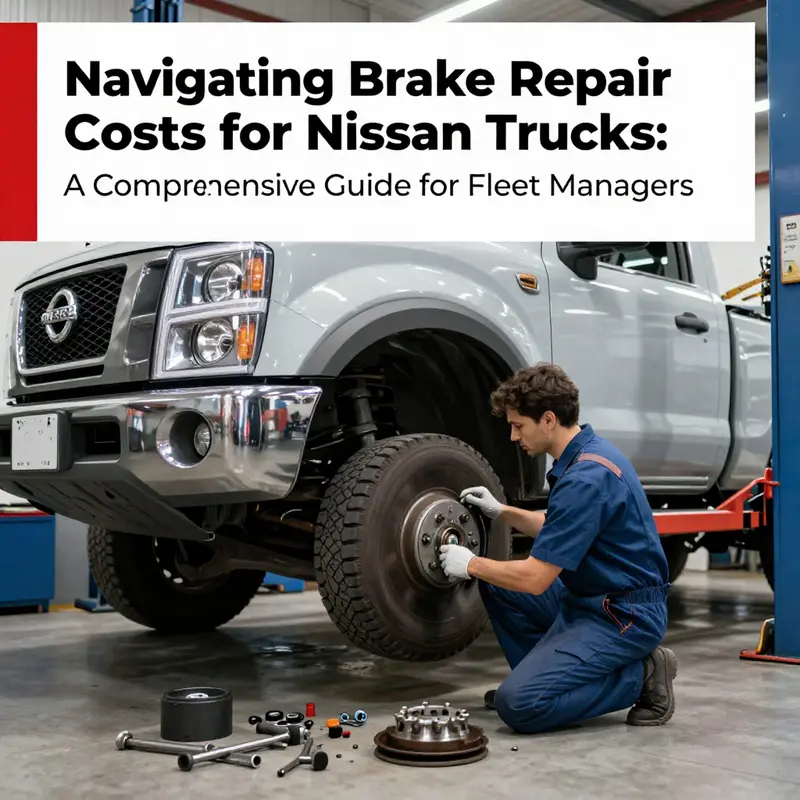
When a Nissan truck starts signaling worn brakes, the question isn’t only whether you can pay to fix them, but what you’re actually paying to replace, repair, or restore. The cost picture isn’t a single line item; it bends with the model, the year, the exact failure, and the parts you choose. For many Nissan trucks, including popular workhorse models like the Frontier and the Titan, a straightforward brake job is often the most affordable entry point into the repair world. Yet even this basic service hides a few layers that can trip up a budget if you aren’t prepared. In practice, the journey from squeal to solid stop runs through a spectrum of components, from simple wear items to hydraulic systems that demand a more meticulous, and therefore pricier, intervention. A clear sense of what tends to drive the price helps you move from panic to plan with confidence, rather than defaulting to fear or guesswork when a mechanic speaks in a handful of codes and numbers you don’t immediately parse.
At the most fundamental level, the elements that commonly fail or wear out are the brake pads and the rotors. Pads are the part of the system that actually press against the rotors to slow the vehicle, while rotors provide the surface for that contact. Pad replacement costs typically fall into a range around one hundred to two hundred dollars per axle, depending on the pad material and the level of wear. Rotor replacement adds a layer of cost, often ranging from two hundred to six hundred dollars per axle. The divergence here reflects the quality of the rotor material, the need for vented or slotted designs, and the accessibility of the rotors in your truck’s particular configuration. In practical terms, when you replace both pads and rotors on a single axle, you’ll often see a combined price that sits somewhere in the neighborhood of a couple of hundred to roughly five hundred dollars, depending on the specifics mentioned above. For many everyday brake jobs, a typical total that includes both front or rear brakes calms the budget enough to feel manageable.
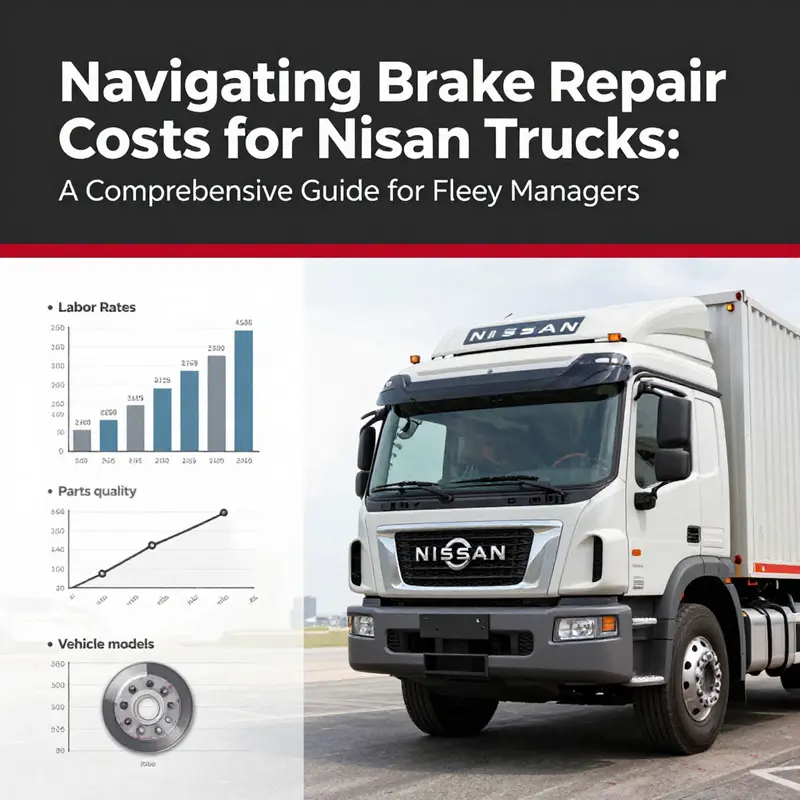
Labor is the other side of the coin, and it moves with the geography of your shop. Across the country, most brake work lands in the realm of one to two hours of labor, with labor rates commonly ranging from about seventy-five to one hundred twenty dollars per hour. That means even if parts are reasonably priced, the total bill can climb if the shop’s rate is higher or if the job stretches longer due to a stubborn shimmy, a rotor that takes longer to machine, or a caliper that stubbornly resists a straightforward replacement. When a straightforward pad-and-rotor job is completed within that one-to-two-hour window, the total can feel predictable and fair. But if the brakes require more involved attention—such as seized calipers, a malfunctioning master cylinder, or a leak in the hydraulic system—the price can rise quickly. In those cases, it’s not unusual to see a total exceeding eight hundred dollars and sometimes climbing toward or past the thousand-dollar mark, depending on how many components must be replaced, the rate for labor in your area, and whether replacement parts are OEM (original equipment manufacturer) or aftermarket.
The brake system’s complexity also matters. If a vehicle’s ABS sensor or related hydraulic components need service, the bill can grow to reflect diagnostic work, parts, and the time needed to ensure the system will function reliably after the repair. ABS-related work can add to the time in the bay and the parts tucked into the final invoice, a factor often overlooked by owners who anticipate only pads and rotors. In other words, the straightforward “change the pads, change the rotors” scenario is the easy one to budget for; the moment the system reveals a snag in the calipers, master cylinder, or hydraulic lines, the budget stretches to accommodate more costly components and longer labor.
One foundational consideration is the choice between OEM parts and aftermarket components. OEM parts are typically more expensive, but many owners feel they offer compatibility and reliability that echo the vehicle’s original performance. Aftermarket parts come in a wider price range, and in some cases deliver equal or even superior performance, depending on the brand and the job. The decision here is often shaped by how aggressively you want to manage the repair bill, how long you intend to keep the truck, and how critical the braking performance is to your driving duties. The reality is that the sticker price you pay for parts will ripple through to the final total after labor, with OEM parts commonly increasing the parts cost by a noticeable margin, yet potentially offering benefits in warranty coverage and long-term reliability.
Model and year also intrude into the cost story. Certain Nissan truck generations have brake architectures that are more intricate or less forgiving of quick, inexpensive fixes. Older models can show more corrosion in brake lines or reduced accessibility to components, which can require more labor time and specialized tools. Conversely, newer models might feature advanced braking systems or sensors that, when they fail, require more specialized diagnostic work. The broader takeaway is simple: the more complex the system, and the longer the vehicle has been on the road, the more you should expect the price to bend upward. These realities are why a universal price tag is impossible—your own quote will hinge on the exact combination of model, year, and current condition.
For anyone trying to translate these factors into a concrete number, a trusted diagnostic visit remains indispensable. A qualified mechanic will inspect the braking system, identify the exact components at fault, and provide a detailed estimate that accounts for parts, labor, and any potential ancillary costs such as disposal fees or rotor resurfacing. This is particularly important if the vehicle has been driven with warning lights on or if there are signs of brake fluid leaks, grinding noises, or a soft brake pedal, each of which signals a different mix of required repairs. Car ownership is inherently variable, and that variability makes local, real-time quotes the most reliable compass for budgeting. In many cases, the estimate will present a few tiered options—from a basic pad-and-rotor replacement to a more comprehensive overhaul that includes calipers or hydraulic components—so you can decide how to balance safety, performance, and cost.
The budgeting angle is not just about price tags but also about planning. A practical approach can include setting aside a fund specifically for routine maintenance and unexpected brake repairs. A chapter on budgeting for routine truck maintenance can guide you through how to slot brake service into your annual plan, how to adjust for regional price differences, and how to recognize the signs that warrant prompt attention rather than a delayed fix. For readers who want to anchor their budgeting discussions with a concrete framework, that resource can be a useful companion, helping translate the real-world costs into a strategy that keeps your Nissan truck reliable without derailing other financial goals. See Budgeting for Routine Truck Maintenance for a practical approach to planning ahead and reducing the stress of unplanned repairs.
The idea that a brake repair is a one-and-done expense is a tempting simplification, but the reality is more nuanced. If you’re in a region with higher labor rates or if you opt for premium OEM parts, your bill will look different from a scenario where an independent shop uses well-reviewed aftermarket components. Then there’s the timing of the repair to consider. A brake job performed early when the wear is minor will cost less than a repair performed after rotors have warped or when calipers have stuck or seized. The script of costs also shifts with the vehicle’s age and mileage. A high-mileage Nissan truck may require more extensive work, including hydraulic lines that degrade and abs sensors that self-check with the steering wheel’s rotation. Those repairs increase not just the bill but also the complexity of the job, demanding a shop with the right diagnostic tools and experience to preserve braking performance.
To bring this back to actionable guidance, the figures you’re most likely to encounter start with a basic service range. If you only need a standard brake service—pads and rotors on a single axle—you’re looking at roughly two hundred to six hundred dollars as a rough baseline, with labor tacked on at industry-average rates. If the job expands to include calipers, master cylinder, or hydraulic issues, the total can exceed eight hundred dollars and move toward the low thousands in extreme cases, especially if your locale has steep labor rates or if OEM parts are used for a high-end repair. The ABS sensor or related components can add to the cost, particularly if diagnostics are required to confirm proper system function after repair. In all cases, getting a precise quote based on a hands-on inspection remains the most reliable means to budget accurately.
As with any vehicle repair, timing and transparency are your allies. When you bring the truck in, ask the shop to itemize the estimate: parts, each line item for labor hours, and any additional charges. If a repair involves multiple components—say, pads and rotors plus a caliper service—request a side-by-side comparison of OEM versus aftermarket options, with the impact on price and warranty clearly explained. This level of detail helps you understand not just the bottom-line figure but the value behind it, including factors like braking performance, reliability, and the potential need for future maintenance. The goal is not merely to pay a price but to secure a dependable braking system that protects you and others on the road.
For readers who want a practical reference point beyond the immediate quote, external data can provide context about typical costs across the industry. A reputable external resource offers detailed vehicle-specific repair cost estimates, which can help you calibrate expectations for a Nissan truck brake repair in your area. Access it to compare your shop’s estimate with a broader national perspective and to better plan your budget before committing to service. https://www.carmd.com/vehicle-repair-costs/nissan/truck/brake-repair
In the end, the numbers tell a story of safety, reliability, and personal responsibility. A Nissan truck’s brakes are a critical system that deserves careful consideration when repairs are needed. By understanding the range of possible costs, recognizing how parts choice and labor rates influence the bottom line, and engaging a qualified shop with a clear, itemized estimate, you can navigate brake repair with clarity rather than confusion. The right approach balances prudent spending with uncompromised safety, ensuring that your truck stops as it should, when it should, in any road condition you encounter. And when you plan ahead—using resources to budget for routine maintenance and staying attentive to early warning signs—you safeguard both your wallet and your daily drive. For more context on budgeting, you can explore the recommended maintenance planning resource mentioned above, and continue to seek quotes that reflect your truck’s exact configuration and your local market realities.
Internal link note: For a practical budgeting framework that aligns with routine maintenance planning, see Budgeting for Routine Truck Maintenance.
External link note: Detailed external cost guidance is available at the linked resource for brake repair costs by vehicle model and region.
Beyond the Basics: Understanding the True Cost of a Full Brake Overhaul on a Nissan Truck
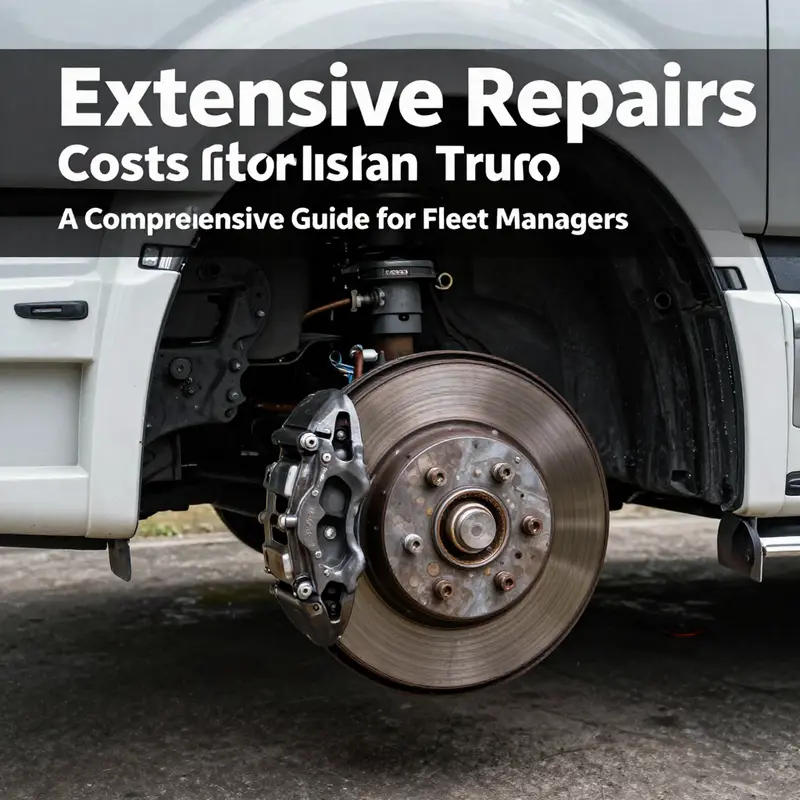
When people think about repairing brakes on a Nissan truck, they often picture a simple, affordable job—a quick pad swap and a set of fresh rotors. In reality, the price of a brake repair can swing widely, and the difference between a routine service and a full, system-wide overhaul is not just a matter of parts but of scope, labor, and the decisions you make about quality. A front set of pads and rotors might cost a few hundred dollars in one scenario and become a multi-thousand-dollar project in another, depending on what the shop finds and what you authorize. To understand the true cost, it helps to picture three layers of brake work: the everyday maintenance that keeps a truck stopping smoothly, the common repairs that might be needed mid-life, and the more extensive repairs that occur when several components fail or wear out in concert. A Nissan Frontier or Titan owner may encounter all of these at different times, and the numbers can shift with location, the shop chosen, and the parts you insist on. The goal of this chapter is not to scare but to illuminate how costs accumulate, how to read a repair quote, and how to plan for the possibility of a larger bill without compromising safety on the road.
A typical brake service that most owners encounter first is the pad and rotor replacement. For four wheels, the all-in cost—parts and labor—tends to land in a broad range that often surprises people who expect a single, low price. In many cases, a standard pad and rotor job for a Nissan truck falls roughly between $150 and $300 per axle when you consider both parts and labor for four wheels. When a shop presents a price toward the upper end of that spectrum, it might include premium pads, new rotors, or a thorough inspection that surfaces additional issues. Conversely, some shops might offer a more economical package by resurfacing rotors instead of replacing them, provided the rotors are thick enough to be safely machined. Resurfacing can shave a little off the bill, but it is not always the best choice for every vehicle. If the rotors are grooves, excessive wear, or warped beyond safe limits, replacement is the wiser path and will typically push the price up, with rotor replacement commonly running about $200 to $400 per axle and $400 to $800 for both front and rear axles when you include parts and labor.
Beyond the pads and rotors, calipers creep into the conversation when the braking system shows signs of trouble. If a caliper is sticking or leaking, the repair becomes more intricate. A caliper rebuild—restoring a sticking caliper to proper operation—usually sits in the $150 to $300 range per caliper. If you need a new caliper instead, the price can range from about $200 to $400 per unit. When the calipers start to fail in multiple corners of the truck or when the hydraulic system reveals leaks or internal problems, the repair scope expands quickly. These issues can drive the overall cost toward the higher end of the spectrum, especially if multiple calipers need to be replaced or rebuilt, or if the master cylinder, brake lines, or other hydraulic components require attention.
Together, a pad replacement, rotor work, and caliper service can form the core of a broader repair that touches several parts of the brake system. For a complete overhaul—where all pads, rotors, and at least some calipers are replaced, and where the shop also checks the master cylinder and the hydraulic lines—the total can fall somewhere between $800 and $1,500 or more, depending on the exact model, the parts you select (OEM versus aftermarket), and the labor rate in your area. The distinction between OEM and aftermarket parts matters: OEM parts tend to cost more upfront but carry the warranty and compatibility assurances that some owners prefer, while aftermarket components can significantly cut costs but vary in longevity and fit. If your truck is an older Titan or a high-mileage Frontier, your brake system might require additional attention beyond the rotors and pads, and those extra touches can push the bill higher still.
Several key factors consistently shape the final price. First, labor rates vary widely by location and shop type. Dealership service bays usually charge more per hour than independent shops, and rural markets can be cheaper than metropolitan ones. The second major factor is the quality of parts. Premium or OEM parts carry a heftier price tag, while generic aftermarket parts offer savings but may differ in life span and performance characteristics. The third factor is the specific model and year of the Nissan truck. The Titan, with its larger brake system and more complex hardware, can incur higher labor times compared with the smaller Frontier, even when the same basic repair is performed. And finally, the overall health of the braking system and any incidental issues discovered during the inspection can alter the price. If a wear pattern reveals drum brakes in the rear or if the ABS sensor or wheel speed sensors require attention, the repair can become a multi-component project rather than a straightforward pad-and-rotor replacement.
This is why any quote should come with a clear breakdown: parts, labor, shop supplies, and any potential ancillary items. A precise estimate usually starts with a diagnostic check that includes a road test and a visual inspection of pads, rotors, calipers, lines, and the hydraulic system. If the truck shakes under braking, or if there is a pulsation, a metal-on-metal grinding sound, or a soft pedal, those symptoms guide the technician toward whether warped rotors, glazing, or contamination is at fault. In cases like these, the inspection may reveal that the rotors have to be replaced rather than resurfaced, and the pads may need to be changed again sooner than expected. The practical consequence is that a simple, early diagnostic charge can grow into a substantial repair if several components are found to be compromised.
For readers looking to advance their own planning, a prudent step is to translate these ranges into a personal maintenance budget. Start by planning a cushion for the typical four-wheel pad and rotor replacement—roughly a few hundred dollars per axle—while keeping a separate emergency fund for more extensive work if the calipers, master cylinder, or hydraulic lines require attention. In the real world, a thorough job involving all major components can run toward the upper end of the $1,000 to $1,500 range, with some services edging beyond that on higher-trim models or in regions with elevated labor rates. It can also be helpful to view this through the lens of ownership, not just repair. The cost of maintaining good brakes is closely tied to safety; choosing to postpone a necessary repair can lead to higher expenses later, especially if a minor issue escalates into more serious system damage or hardware failure.
The practical path to a fair price involves asking targeted questions and obtaining a written estimate. Request a line-item breakdown that includes parts types (OEM versus aftermarket), rotors or pads (which wheels are affected), caliper work (rebuilts versus new units), and any ancillary items such as the master cylinder or brake fluid flush. It is not unusual for a shop to suggest replacing all four calipers if one shows wear, given the safety implications and risk of uneven braking. If you receive two competing quotes, compare the assumptions—are both including the same parts and the same labor hours? If one quote uses resurfaced rotors where the other uses new rotors, the price will reflect that difference, but you should also weigh the expected lifespan of each option. A lower initial price may be attractive, but if it comes with shorter rotor life or less consistent braking performance, the long-term cost may, in fact, be higher.
To anchor planning further, consider a practical benchmark: allocate a portion of your annual maintenance budget specifically for brakes, and factor in the possibility of needing a caliper service or a master cylinder replacement after several years of driving. Even with careful maintenance, the brakes are one of the few systems in a vehicle that wear predictably due to the essential nature of their function. A well-timed inspection, ideally aligned with tire rotations or other routine maintenance, can catch issues before they become urgent, reducing the risk of unsafe driving conditions and sudden, costly repairs. If you want to explore a structured approach to budgeting, you can find guidance on budgeting for routine truck maintenance that aligns well with brake planning and overall upkeep of a Nissan truck. Budgeting for Routine Truck Maintenance
When it comes to deciding how best to proceed, the answer is rarely a single number but a balance of safety, reliability, and value. If the vehicle is still under warranty or if OEM-part fidelity is a priority, the choice to pursue OEM parts and dealership service might be compelling despite higher labor costs. If the truck is older or off-lease, aftermarket parts with a robust warranty can offer excellent value without compromising safety. Either way, the objective remains the same: ensure the brakes perform consistently and predictably, because even a small misalignment between pads, rotors, and calipers can translate into diminished braking efficiency, longer stopping distances, and increased wear on other components of the system.
As a closing thought, think of brakes as a critical safety investment rather than a routine expense. The cost of a brake repair is inseparable from the risk of driving with worn components. The most informed approach is to solicit quotes from qualified mechanics or dealerships, request a full diagnostic, and weigh the options using a consistent standard: safety first, cost second, and reliability third. If a quote seems unusually low, treat it as a red flag to double-check the scope of work and the parts quality. If it seems high, ask for the justification—often the difference is explained by the inclusion of premium components, a thorough inspection, or the replacement of ancillary items that may not be obvious at first glance. Either way, a transparent estimate and a clear plan for the repair will help you navigate the true cost of a brake overhaul on a Nissan truck and keep you on the road with confidence. For a broader industry view of model-specific costs, see RepairPal’s brake repair cost page for Nissan trucks, which provides real-time, nationwide data that can contextualize local quotes and help avoid sticker shock.
External resource: https://www.repairpal.com/brake-repair-cost/nissan/truck
null
null
Braking the Budget: Navigating OEM vs. Aftermarket Parts for Nissan Truck Brakes
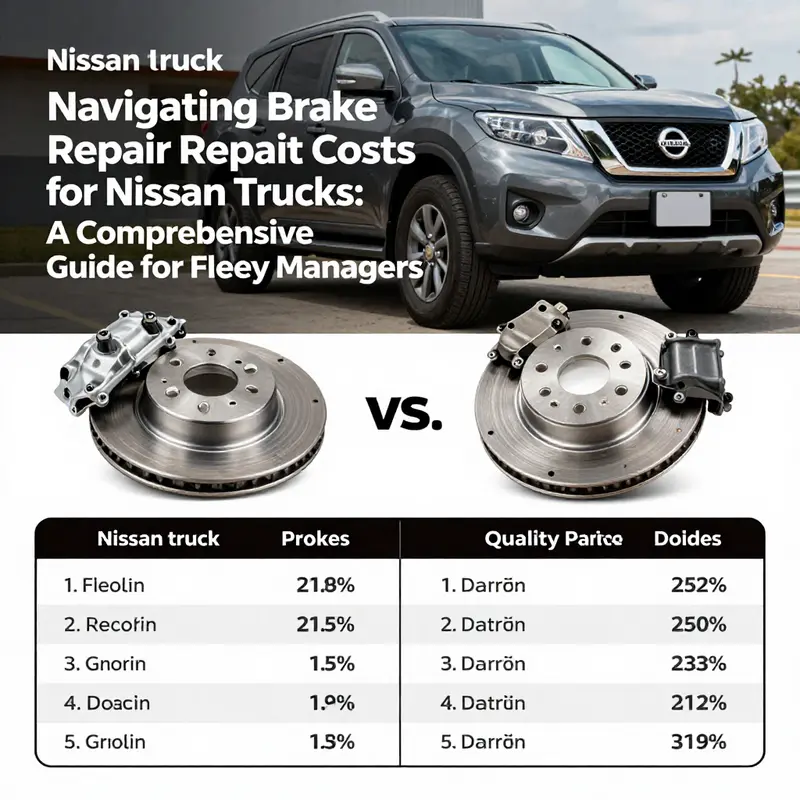
Brakes are more than a system on a Nissan pickup; they are a promise of control under pressure. When a brake job becomes necessary, the question a driver faces extends beyond the number the shop quotes. It asks which path will deliver reliable stopping power at a price that fits the truck’s use, its age, and the owner’s finances. The central choice is OEM versus aftermarket parts. Each route has its reasons, and the right decision depends on how you value precise fit, safety, maintenance planning, and long-term cost. This chapter weaves together the practical costs, the trade-offs, and the decision framework you can apply when brakes wear out or when a hydraulic issue demands attention. It’s a topic where the numbers matter, but so do the expectations you attach to that repair after the next road trip or the next heavy haul you undertake with the truck.
OEM brake parts carry a straightforward proposition: exact fit, exact performance, and manufacturer-backed compatibility. These parts are designed to integrate with the entire braking system as Nissan engineers envisioned it, from pad compound to the rotor finish and the caliper’s pistons. The benefit is predictability. You install OEM parts and you’re less likely to encounter unusual noise, premature wear, or a mismatch that requires rework. For drivers who depend on consistent braking behavior for safety—especially in congested city driving or when hauling loads that test braking efficiency—the peace of mind can be worth the premium price. The downside is clear: you pay more up front. OEM parts commonly carry a higher price point, a reflection of their guaranteed compatibility and adherence to the manufacturer’s safety and performance standards. The higher cost is not merely the sticker; it’s the value of a controlled supply chain and warranty coverage that mirrors the vehicle’s original design intent.
Aftermarket brake parts offer a different calculus, one that has evolved dramatically in the last decade. For many owners and fleets, aftermarket components present a meaningful cost advantage, which can be especially appealing in routine maintenance or in scenarios where repair budgets are tight. The fundamental promise of reputable aftermarket parts is that they deliver adequate—sometimes equivalent—performance at a lower price. The variation in quality across the aftermarket space is real, which is why sourcing from trusted suppliers matters more than ever. High-quality aftermarket options can match OEM performance in many driving conditions, while lower-cost variants may show differences in heat tolerance, pad compound behavior, or rotor finish that become noticeable over time. The key to success with aftermarket parts is to insist on compatibility and credible warranties, and to avoid the lure of the lowest sticker price if it means compromising reliability for the next hundred miles or the next winter storm.
The cost picture anchors the discussion. For a broad, typical brake service on Nissan trucks, replacing pads and rotors on a single axle—front or rear—often lands in the range of roughly $250 to $600, depending on whether you’re addressing the front, the rear, or both sets of wheels and on what kind of pads and rotors are selected. When the problem is more than wear and tear—calipers that have seized, a master cylinder that’s failing, or damaged hydraulic lines—the repair can quickly climb. In those cases, you might see totals in the neighborhood of $800 to $1,500 or more, with the exact figure determined by the parts chosen, the labor rates in your area, and whether the work is performed at a dealer, an independent shop, or a fleet service center. Labor costs are a major driver of the total, and they vary widely by locale and shop specialization. Dealerships tend to command higher hourly rates than independent technicians, even when the parts themselves are comparable. The result is a price tension between premium where safety and precise fit are non-negotiable and savings where a smartly sourced aftermarket option can keep the truck on the road without compromising basic braking function.
Beyond the price tags, several factors influence the final bill. The vehicle’s age and the specific brake system configuration it uses matter, because some older models harbor more complex hydraulic networks that require additional attention during inspection and repair. In some cases, the diagnostic path is as important as the repair itself: a technician must verify rotor surface condition, pad thickness, caliper operation, and the integrity of lines and the reservoir. If the calipers are sticking or the hydraulic system is contaminated, the quickest route to restore performance may involve rebuilding or replacing components beyond the pads and rotors. A careful diagnosis provides the foundation for a clear, itemized estimate that shows the parts, the labor, and any ancillary services like brake fluid replacement or line flushing. Skipping steps can leave you with a fix that looks complete but doesn’t deliver consistent braking performance under your typical driving load.
The decision framework for OEM versus aftermarket brakes is, at its core, a balance between safety priorities and budget realities. If your priority is guaranteed compatibility and peak safety—with a warranty that aligns with the vehicle’s original safety standards—OEM parts are the prudent default. If, on the other hand, cost control and customization are more important, and you’re prepared to work with a reputable supplier to secure high-quality aftermarket parts, you can achieve reliable stopping power at a lower upfront cost. A practical approach that many owners adopt is a blended strategy: use OEM components in the critical elements of the braking system where failure would create the greatest safety risk, and source high-quality aftermarket parts for less critical areas or when the fleet needs to stretch dollars without sacrificing the essential braking performance. The blending requires careful attention to part numbers and compatibility, and it benefits from warranty coverage that mirrors the chosen parts, so you’re not left exposed if a component fails prematurely.
For readers trying to translate these ideas into real-world planning, a disciplined budgeting approach helps bridge the gap between the quote and the wallet. Start with a thorough inspection and a transparent estimate from a qualified technician. Ask for a line-by-line breakdown that clarifies which components are being replaced and why, what the parts’ quality grade is, and how much of the total is attributable to labor versus parts. If you want a practical framework beyond the immediate repair, see Budgeting for Routine Truck Maintenance. The linked resource offers guidance on forecasting brake-related expenditures, planning for periodic replacements, and aligning maintenance with cash flow. This kind of forward planning is especially valuable for owners who rely on their Nissan truck for daily work or frequent long trips, where a brake failure isn’t a hypothetical risk but a real disruption to operations.
Model specifics do matter, but the underlying principles remain consistent: confirm that the chosen parts are compatible with the exact brake configuration and year of your truck, understand whether the repair will restore the intended pedal feel, and factor in the long-term maintenance implications. Manufacturer specifications and industry standards provide the baseline for preventive maintenance, alongside the practical experience of the technician who performs the service. If your truck has accumulated substantial mileage or has a history of brake-related issues, you may find that a more conservative maintenance plan—emphasizing high-quality parts and meticulous installation—delivers more value over the life of the vehicle than the initial price alone. Fleet owners, in particular, may weigh the reliability of a standardized aftermarket program against the branding and warranty structure of OEM parts, balancing default downtime with predictable parts availability and simplified procurement.
As you weigh the options, it’s useful to keep an eye on the broader context of brake component standards and materials. The industry continues to refine formulations, coatings, and testing protocols to improve wear characteristics and heat dissipation, aiming to maintain consistent performance across a broad range of operating conditions. When you review part choices, consider not just the immediate fit but the longer-term behavior of the entire system under real-world use. For a broader context on material composition, standards, and best practices relevant to Nissan truck brake components, you can consult external industry resources that discuss how manufacturers validate parts and how independent suppliers interpret those standards in the aftermarket space. See https://www.independentaftermarketparts.com/nissan-truck-parts-for-sale-material-composition-standards-best-practices/ for further reading.
In short, there is no one-size-fits-all answer to “how much to repair brakes on a Nissan truck.” The right choice hinges on your safety priorities, how you balance upfront cost against long-term reliability, and how you manage maintenance across the life of the vehicle. OEM parts offer the surest path to factory-grade performance, while a carefully selected aftermarket lineup can deliver substantial savings without sacrificing essential braking capability. The smart move is to start with a precise diagnosis, obtain a clear, itemized estimate, and then map that information onto your budget and your intended use of the truck. With that approach, you can move from the moment you hear a new brake noise to a confident road ahead, knowing you’ve chosen a repair strategy that aligns with both your safety requirements and your financial plan.
Final thoughts
Understanding the dynamics of brake repair costs for Nissan trucks is crucial for those overseeing fleet operations. By examining the basic service expenses, recognizing when extensive repairs are warranted, and evaluating factors such as labor rates and part choices, fleet managers can make strategic decisions that enhance their truck’s operational efficiency and safety. Whether opting for OEM or aftermarket parts, informed choices can lead to significant savings and increased reliability for business operations.