Introduction
Maintaining and repairing commercial truck tie rod ends is crucial for ensuring the stability and safety of heavy-duty vehicles. These vital components connect the steering knuckle to the steering rack, directly impacting the maneuverability of the truck. Neglecting the maintenance of tie rod ends can lead to severe consequences, including compromised vehicle handling, uneven tire wear, and ultimately, increased repair costs. Fleet managers and trucking company owners must prioritize the vigilance of these components, as failure to do so can result in catastrophic accidents and extended downtime, thereby disrupting logistics operations. Understanding the signs of wear and knowing how to address this maintenance need not only extends the lifecycle of the truck but also enhances overall fleet safety and efficiency. For more insights on regular maintenance planning, consider budgeting for routine truck maintenance.
Furthermore, with the fleet’s overall effectiveness at stake, being proactive about tie rod end maintenance allows organizations to optimize operational performance. The potential risks associated with neglected ties can significantly hinder business capabilities, making it imperative for operators in various sectors-including construction, mining, and logistics-to equip themselves with knowledge and resources related to repair and upkeep. To further explore cost-effective strategies, check our guidance on optimizing fleet size and maintenance.
Identifying worn tie rod ends early can significantly enhance vehicle safety and prolong the life of your truck’s steering system. Here are several common signs that indicate your tie rod ends may require repair or replacement:
-
Excessive Steering Wheel Play: If you notice that the steering wheel feels loose or exhibits a greater range of movement without corresponding changes in the vehicle’s direction, this could indicate worn tie rod ends, compromising your control over the truck.
-
Uneven Tire Wear: Watch for irregular patterns on your tires, which can be a result of poor alignment caused by bad tie rod ends. This uneven wear not only shortens tire life but can also lead to poor handling.
-
Clunking or Popping Noises: Listen for any unusual noises when turning the steering wheel or driving over bumps. A distinct clunking or popping sound could suggest that the tie rod ends are excessively worn, leading to potential steering failures.
-
Vehicle Pulling to One Side: If you find your truck tends to drift or pull to one side while driving, it might be a sign of misalignment due to worn tie rod ends. This can make steering increasingly difficult and hazardous, especially on highways.
-
Vibrations in the Steering Wheel: A vibrating steering wheel during operation can indicate several issues, including worn tie rod ends. This sensation often accompanies instability in the steering system, exacerbating handling difficulties.
Regular inspections and maintenance of these components are crucial for fleet managers and trucking company owners, especially considering how critical tie rod ends are to vehicle safety and performance. Learn more about budgeting for routine truck maintenance to ensure your trucks remain in optimal condition.
By being alert to these signs, fleet operators can take proactive steps to address issues before they lead to major repairs or safety concerns.
Tools Required for Repairing Tie Rod Ends
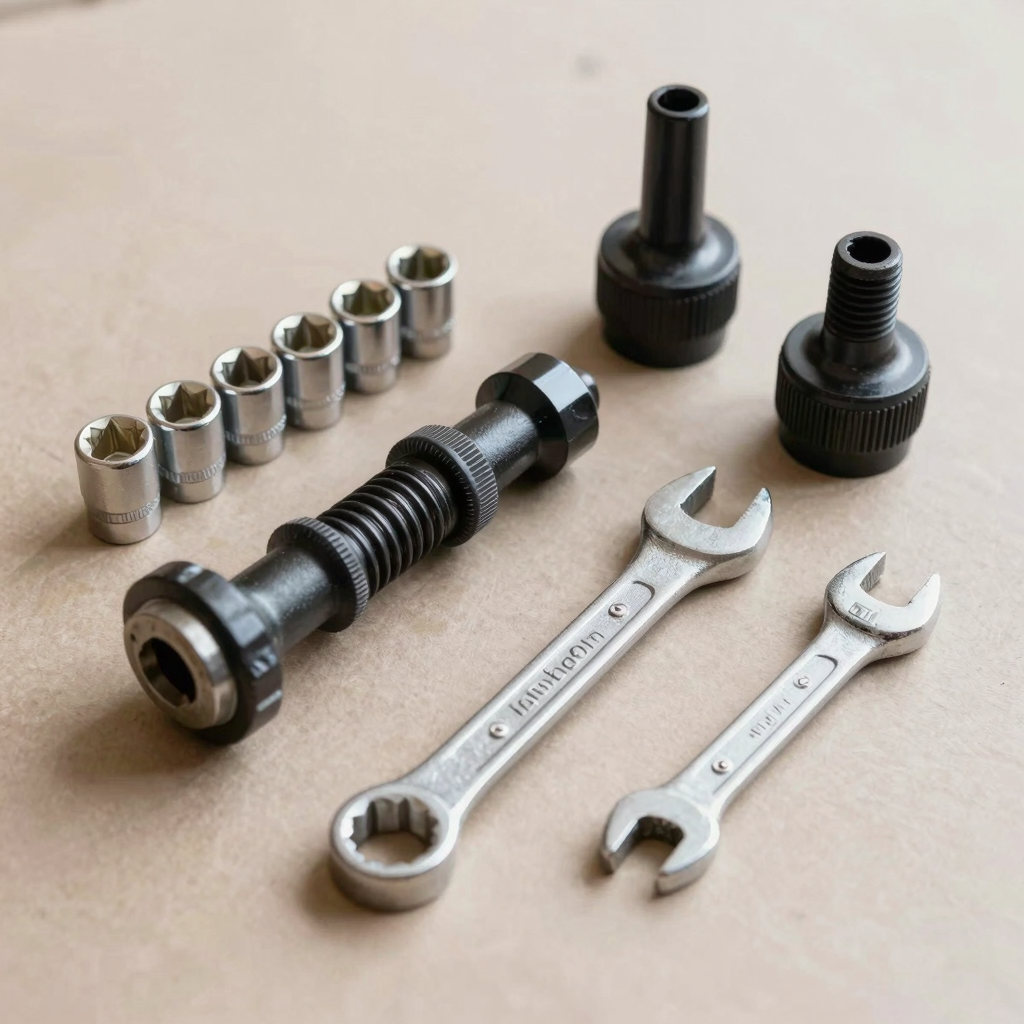
Repairing tie rod ends is crucial for maintaining the safety and performance of commercial trucks. The following tools are essential for this task:
-
Tie Rod End Removal Tool: This specialized tool, often called a tie rod end separator, is designed to remove the tie rod end from the steering knuckle. It typically features a forked end that can apply sufficient force to dislodge the component without damaging surrounding parts.
-
Wrenches (Socket and Box-End): Various sizes of wrenches will be necessary to loosen and tighten the nuts securing the tie rod ends. A socket wrench set is particularly useful for working in tight spaces.
-
Torque Wrench: After replacing the tie rod ends, it’s essential to use a torque wrench to ensure all nuts and bolts are tightened to the manufacturer’s specified torque settings. This prevents over-tightening, which can lead to component failure.
-
Ball Joint Press: This tool is helpful when dealing with inner tie rod ends that may require more force to remove. It aids in the secure removal and installation of the tie rod joint from the steering rack.
-
Cutting Torch or Hacksaw: In cases where rust or corrosion has seized tie rod ends, a cutting torch or hacksaw may be needed to sever the old component for removal. Caution is advised to avoid damaging nearby parts.
-
Jack and Jack Stands: To safely lift the vehicle and secure it while working underneath, a hydraulic jack and jack stands are indispensable. Keeping the truck stable is vital for your safety during repairs.
-
Grease Gun: After installation, it’s crucial to ensure that the new tie rod ends are adequately lubricated. A grease gun allows you to apply lubrication to maintain optimal functioning.
-
Measuring Tape or Alignment Tool: To ensure the proper installation and alignment of the tie rod ends, these tools can help in measuring and verifying that the new components are positioned correctly relative to the vehicle’s alignment settings.
Conclusion
These tools are vital for effectively and safely replacing the tie rod ends on commercial trucks. For a detailed guide on maintenance and potential cost implications, learn more about budgeting for routine truck maintenance and ensure your fleet remains in optimal condition.
Step-by-Step Guide for Replacing Tie Rod Ends in Commercial Trucks
Replacing tie rod ends is crucial for maintaining the steering precision and safety of commercial vehicles. Follow these detailed steps to ensure a successful replacement:
1. Gather Required Tools and Materials
Before beginning, make sure you have the following tools and supplies:
- Wrenches and ratchets (socket set)
- Torque wrench
- Jack and jack stands
- Ball joint separator or tie rod end puller
- Replacement tie rod ends (preferably OEM parts)
- Safety equipment (gloves, goggles)
2. Safety First
Prioritize safety to avoid accidents:
- Solid Ground: Ensure the vehicle is on a flat, stable surface.
- Engage Parking Brake: Activate the parking brake and use wheel chocks to prevent rolling.
- Secure Support: Use jack stands for stable lifting, never rely on a hydraulic jack alone.
- Disconnect Battery: For safety, remove the negative terminal of the battery to prevent accidental sparks.
3. Lift the Vehicle
- Use a hydraulic jack to elevate the front of the truck. Once elevated, position jack stands under the vehicle according to the manufacturer’s guidelines.
4. Remove the Wheel
- Loosen the lug nuts and remove the wheel to access the tie rod ends. This will often require a breaker bar for stubborn nuts.
5. Disconnect the Old Tie Rod End
- Locate the tie rod end and remove any cotter pins securing the nut (if applicable). Use the proper sized wrench to break the nut loose and then remove it entirely.
- Using a ball joint splitter or tie rod end puller, separate the tie rod end from the steering knuckle.
6. Install the New Tie Rod End
- Position the new tie rod end in the steering knuckle and secure it with the nut. Make sure to hand-tighten before using the torque wrench to the manufacturer’s specified torque setting (check specifications from the part or vehicle manual).
7. Reattach the Wheel
- Put the wheel back on and hand-tighten the lug nuts. Lower the truck to the ground then tighten the lug nuts to the proper specifications using a torque wrench. This ensures they are secured evenly.
8. Align the Steering System
After replacing tie rod ends, perform a wheel alignment. This is essential for correct handling and to avoid uneven tire wear. It should be done by a professional to ensure accuracy.
9. Test Drive
Conduct a test drive in a safe, controlled environment to check for vibrations, noises, or steering issues. If any anomalies occur, recheck your work or consult a mechanic.
Best Practices
- Always use OEM or high-quality aftermarket parts to maintain reliability.
- Check surrounding components (like ball joints and bushings) for wear during replacement.
- Learn more about budgeting for routine truck maintenance and setting aside funds for necessary repairs.
After Replacement Care
- Regular checks of the tie rod and associated hardware are advised to maintain the vehicle’s functionality. Look for signs of wear and ensure all bolts are securely fastened after installation. Post-replacement alignment checks are essential to ensure proper handling and safety.
Comparison of Tie Rod End Brands for Commercial Trucks
When it comes to maintaining commercial trucks, especially regarding steering components like tie rod ends, choosing the right brand is crucial. Here is a comparison of three major tie rod end brands:
| Brand | Features | Price | Warranty |
|---|---|---|---|
| ORIGINAL | Made specifically for Sinotruk with high tensile metal. Resistant to heavy loads, increasing durability by 20%. OEM certified for perfect compatibility. | $25 – $35 | 12 months |
| Great Space | Designed for Mitsubishi Canter models, uses durable materials. Offers great stability and OEM certification for safety, with a 12-month warranty period. | $20 – $30 | 12 months |
| Depehr | Suitable for European trucks, made from non-rust materials that can sustain over 50,000 pounds of load. High load-bearing capacity and a 6-month warranty. | $30 – $40 | 6 months |
Get to know more about budgeting for routine truck maintenance to assist in these repairs effectively. Visit our budgeting guide for more insights.
“A failing tie rod end is one of the most dangerous failures in a vehicle’s steering system. It can lead to complete loss of steering control, especially at high speeds or during emergency maneuvers. High-quality tie rod ends, manufactured to OEM specifications with precision engineering and durable materials like high-strength steel or corrosion-resistant aluminum, are essential for maintaining precise wheel alignment and ensuring predictable, responsive steering. Using substandard aftermarket parts increases the risk of sudden failure, which can result in serious accidents. Investing in certified quality components is not just about performance-it’s a fundamental requirement for road safety.”
- Dr. Elena Ramirez, Senior Automotive Safety Engineer at the National Highway Traffic Safety Administration (NHTSA)
Various aspects of vehicle safety hinge upon the integrity of the steering system, and tie rod ends play a crucial role in that integrity. Implementing quality components is vital for reliable vehicle performance and the safety of all road users. To further understand how to keep your fleet running smoothly, check out budgeting for routine truck maintenance or optimizing fleet size maintenance for small fleets.
Maintenance Tips for Tie Rod Ends
Maintaining tie rod ends is crucial for ensuring the safety and efficiency of your commercial trucks. Here are essential tips for proper maintenance:
Inspection Frequency
-
Regular Inspections: It is recommended to inspect tie rod ends at least once a year or every 12,000 miles, whichever comes first. For trucks frequently navigating rough roads or severe weather conditions, aim for inspections every 6,000 miles. This proactive approach helps prevent serious steering issues that can arise from worn components.
-
During Routine Maintenance: Consider incorporating tie rod inspection during every oil change, generally every 10,000 to 15,000 miles, as suggested by automotive experts. This ensures that potential wear is caught early in high-use vehicles.
Signs of Potential Issues
-
Unusual Noises: Listen for any clunking sounds or vibrations from the steering wheel. These may indicate that the tie rod ends are worn or damaged.
-
Steering Behavior: Be alert to any tendency for the vehicle to pull to one side when driving. Such behavior can indicate misalignment or failed tie rod ends.
-
Physical Inspection: Inspect for visible signs of wear, including grease leaks around the boots, boot damage, and excessive play in the joints. If you notice any of these symptoms, it is advisable to schedule a professional inspection immediately.
Maintaining the integrity of tie rod ends not only enhances vehicle performance but also contributes to overall fleet safety. Regular inspections and a watchful eye for warning signs can significantly reduce the risk of costly repairs and enhance the lifespan of your trucks. To ensure your fleet operates at peak performance, learn more about budgeting for routine truck maintenance and fleet maintenance tips.
By adhering to these maintenance tips, fleet managers and trucking company owners can ensure that their vehicles remain safe and reliable under all operating conditions.
Take Your Truck Maintenance to the Next Level!
As a fleet manager or trucking company owner, you know the importance of keeping your vehicles in top condition. At Summit Fairings, we provide premium parts that ensure your trucks operate at peak performance, enhancing both safety and efficiency. Investing in high-quality components not only extends the lifespan of your vehicles but also minimizes downtime and repair costs.
Don’t compromise on your fleet’s reliability. Explore how our premium parts can make a significant difference in your truck maintenance strategies. Learn more about how to budget for routine truck maintenance and ensure your investment pays off in the long run.
Make the smart choice today! Upgrade your fleet with Summit Fairings and experience the value of premium quality parts that stand up to the demands of the road.
Reach out to us now for a consultation and see the impact of superior truck maintenance firsthand!
Tie Rod Failure Statistics in Commercial Vehicles
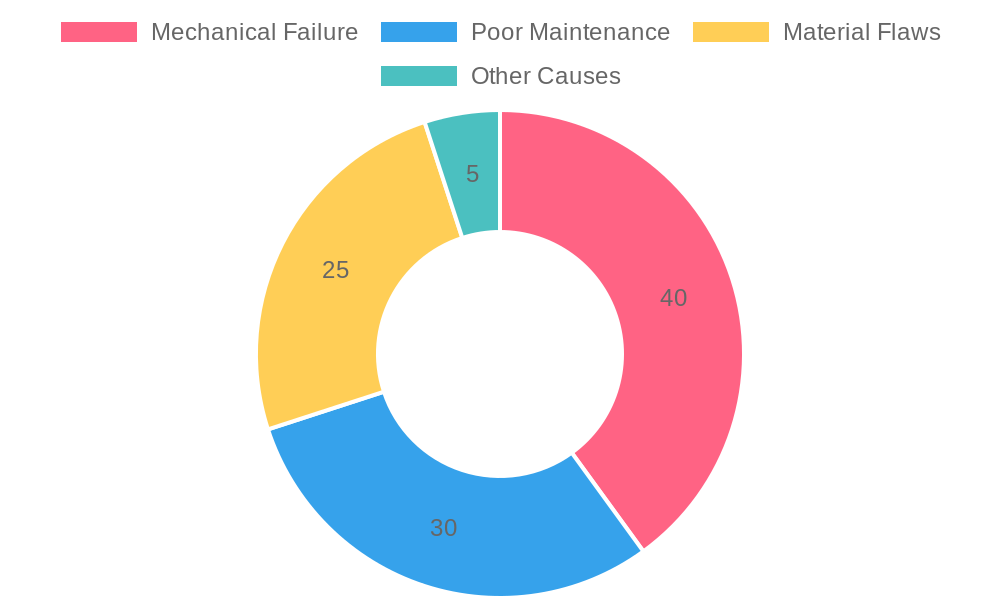
Understanding the root causes of tie rod failures in commercial vehicles is vital for fleet managers and operators. The following chart illustrates the estimated causes and the percentage of vehicles affected by these failures:
Causes of Tie Rod Failures
| Category | Estimated Percentage |
|---|---|
| Mechanical Failure | 40% |
| Poor Maintenance | 30% |
| Material Flaws | 25% |
| Other Causes | 5% |
This data highlights the significant impact of mechanical failure and inadequate maintenance on the longevity and safety of tie rods, which are crucial components in vehicle steering systems. Regular inspections and proactive maintenance strategies are essential to mitigate risks associated with these failures. For further guidance, check out budgeting for routine truck maintenance to ensure all aspects of vehicle care are covered in your fleet management strategies.