
Understanding Repo Trucks and Their Role in the Logistics Sector
Repo trucks, or repossession trucks, are indispensable tools in the logistics and transportation industry, providing critical support to various sectors, including finance, automotive, and even retail. These specialized vehicles are designed to efficiently locate and retrieve vehicles that have been defaulted on or abandoned. In a landscape where efficiency and responsiveness drive business success, the role of repo trucks cannot be overstated. They not only serve the straightforward function of repossessing vehicles but also facilitate a smooth operational flow for businesses that rely on maintaining their fleet and assets.
Repo trucks operate by utilizing cutting-edge technology, often integrating GPS and digital tracking systems to locate the specific vehicles required for repossession. As they navigate through streets and neighborhoods, these trucks are equipped with hydraulic lift systems that enable them to secure vehicles quickly and efficiently-ensuring minimal disruption to ongoing operations. Fleet managers and trucking company owners recognize that prompt recovery of assets mitigates losses and enhances cash flow, making repo trucks a vital aspect of their logistics strategy. The importance of these vehicles resonates beyond mere repossession; they symbolize a proactive approach to asset management and financial accountability.
Repo trucks not only benefit the financial sector by reclaiming defunct loans but also support industries that need to promptly remove unserviceable or abandoned vehicles, thereby ensuring roads remain clear and operational. This multifaceted utility showcases why repo trucks are often underappreciated yet crucial within the logistics framework. To delve deeper into optimizing your fleet size and understanding the maintenance of such vehicles, learn more about fleet management.
As we explore the mechanisms that allow repo trucks to function effectively, understanding their impact on logistics and transportation will shed light on their indispensable role in today’s interconnected economy.
Technologies Utilized in Repo Trucks for Vehicle Tracking
Repo trucks deploy a variety of advanced technologies to efficiently locate and track repossessed vehicles. Key among these technologies are GPS systems, onboard computers, and tracking software, each enhancing operational efficiency and effectiveness in different ways.
1. GPS Technology
Global Positioning System (GPS) is fundamental to the operations of repo trucks. Utilizing satellite technology, GPS provides real-time tracking of vehicle locations with high accuracy. It significantly improves recovery rates by enabling fleet managers to monitor the whereabouts of vehicles continuously. For instance, GPS can achieve a positional accuracy enhancement of over 98%, often reducing search times for overdue vehicles by an average of 72%. This real-time visibility allows repo companies to respond quickly and more effectively to recover vehicles, integrating seamlessly into various other tracking systems.
2. Onboard Computers
Repo trucks often utilize onboard computers (OBCs) to gather and transmit vital information about vehicle status. These computers connect through the OBD-II (On-Board Diagnostics) interface, providing data about the vehicle’s operational state, fuel efficiency, and other critical metrics. Real-time monitoring through OBCs has shown to increase management efficiency by up to 60%. The combination of data collection and 4G/5G connectivity allows for fluid communication and information dissemination, crucial for follow-up actions.
3. Tracking Software
The software ecosystem supporting repo trucks includes custom tracking software that integrates with both GPS and onboard computer systems. Tools offered by platforms like Samsara and Fleetio allow fleet managers to visualize vehicle positions on interactive maps, receive alerts for unauthorized movements, and analyze route effectiveness. Statistics reveal that efficient management software can boost asset recovery success rates by 99.5%, drastically reducing operational discrepancies.
4. Remote Kill Switch Technology
An increasingly vital piece of technology in repo operations is the remote kill switch. This system allows repo personnel to disable a vehicle’s engine remotely once it’s determined that recovery of the asset is necessary. The effectiveness of such a system not only prevents further unauthorized use of the vehicle but can also lead to a 92% success rate in asset recovery after an unauthorized move, thereby reducing the likelihood of loss.
5. Independent Recovery Devices
Additionally, repo trucks can incorporate auxiliary devices like LoJack or similar tracking units which do not require vehicle power sources. These drones continue to function even in power loss scenarios, ensuring constant tracking capabilities, and enable more reliable asset recovery plans.
Conclusion
The deployment of these technologies is reshaping the repo truck industry, driving efficiency and successful tracking methods. Fleet Managers and Trucking Company Owners should consider investing in these advanced technologies for enhanced operational control and asset recovery. The resultant benefits justify the capital outlay, enhancing both immediate recovery efforts and long-term business sustainability. For those interested in optimizing fleet operations further, exploring topics such as budgeting for routine truck maintenance can provide valuable insights into maintaining these high-tech assets.
Comparison of Repo Truck Models
For fleet managers and operators in the trucking and logistics industry, choosing the right repo truck is crucial. Below is a table comparing various models based on their specifications, including load capacity, engine power, and price range to aid in decision-making.
| Feature | Sinotruk HOWO 6×4 40 Ton Lorry | FAW Car Carrier Truck | Sinotruck HOWO New Cargo Truck | Sinotruck HOWO 4X2 Van Cargo Truck |
|---|---|---|---|---|
| Load Capacity | 31-40 tons (up to 40 tons) | Varies by model, typically designed for 8-12 vehicles | 25-30 tons | 3-7 tons |
| Drive Wheel Configuration | 6×4 | Typically 6×4 or 8×4 | 6×4 | 4×2 |
| Engine Power | 336HP – 420HP | Varies, commonly 300-400HP | 371HP / 400HP | 180HP – 250HP |
| Emission Standard | Euro 2 / Euro 4 (optional) | Euro 2 / Euro 4 | Euro 2 | Euro 2 |
| Transmission Type | Manual | Manual | Manual | Manual |
| Vehicle Type | Heavy-duty cargo lorry/dump truck | Car carrier/trailer | Cargo truck | Box van truck |
| Condition | New & Used | New | New | New |
| Price Range (USD) | $12,000 – $39,000 (used & new) | Not available in search results | $34,900 – $37,568 | Not available in search results |
This table presents a snapshot of different repo truck models, helping fleet managers evaluate which vehicles meet their operational requirements. For more about optimizing fleet size and maintenance, learn more here.
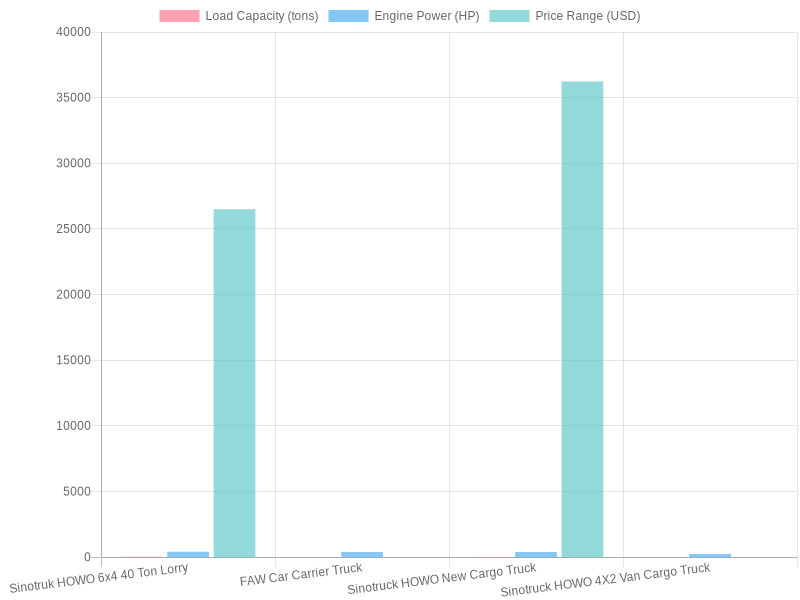
Repo Truck Model Comparison Chart
View Chart
The repo process is particularly challenging in the trucking industry, given the need for speed and efficiency in reclaiming vehicles. Truck owners and fleet managers can enhance their operational strategies significantly to streamline this process. Implementing effective best practices in route planning, timing, and coordination with other logistics operations is crucial. Below are some strategic insights and recommendations.
Best Practices in Route Planning
-
Real-Time Route Optimization:
Utilizing GPS and telematics systems for real-time route optimization is fundamental for increasing operational efficiency. Companies can dynamically reroute their trucks to avoid traffic congestion or unfavorable weather conditions, thereby reducing delays and improving overall service levels. Implementing automated tools that analyze historical data can enhance the accuracy of delivery time predictions and minimize unnecessary detours, ultimately saving on fuel costs and time. -
Minimizing Empty Miles:
An important objective in route planning is to reduce “empty miles,” which refer to operational miles driven without carrying cargo. Fleet managers should make use of load-matching platforms that can assist in determining nearby loads that can be picked up on return trips. This helps in maximizing load efficiency and elevating overall fleet productivity. According to data from the American Trucking Associations, effective route planning and coordination can improve carriers’ operating efficiency by reducing operational costs by up to 15% (American Trucking Associations). -
Alternative Routing Strategy:
During peak hours, utilizing alternative routes can alleviate congestion and reduce idle time. Fleet managers should also consider time-sensitive delivery windows when planning routes. Delivering at non-peak times not only helps in improving efficiency but can also lead to better customer satisfaction as deliveries arrive on time.
Timing and Coordination
-
Synchronized Dispatching:
Coordination across fleets ensures effective resource utilization and minimizes idle time. Companies that adopt synchronized dispatching, potentially driven by AI and predictive analytics, have seen up to a 35% reduction in average delivery delays. This real-time scheduling and resource allocation help drivers maintain an efficient flow of operations while also adapting to unexpected demands (McKinsey & Company). -
Predictive Analytics for Forecasting:
Using predictive analytics allows fleet managers to forecast delivery windows effectively based on various factors including traffic patterns and customer appointment times. This not only enhances arrival accuracy but also ensures that drivers are well-timed for pickups and drop-offs, which directly translates to improved service reliability. -
Integration with Digital Tools:
Investment in Transportation Management Systems (TMS) and cloud-based operational tools can vastly improve the level of coordination in trucking operations. These digital platforms provide complete visibility into shipment status, enable automated exception management for delays, and facilitate real-time communication between shippers and truck operators (Deloitte Insights).
Coordination with Other Logistics Operations
-
Collaborative Partnerships:
Building strong partnerships with shippers and receivers is essential. Coordinating well with these stakeholders through shared digital platforms enhances scheduling accuracy, helps reduce waiting times at terminals, and ultimately increases operational efficiency. By working closely with partners, fleets can anticipate challenges and collaborate on resource allocation effectively. -
Enhanced Customer Communication:
Creating open lines of communication with customers is vital. Fleet managers should leverage technology to inform customers of estimated delivery times, delays, or changes. This transparency can increase customer satisfaction and loyalty, reducing friction in the logistics chain. -
Training and Development:
Regular training and professional development for drivers and operational staff lead to better awareness of best practices in logistics and fleet management. Understanding the importance of timing, route optimization, and effective communication in operations can yield significant benefits in the repo process efficiency.
Conclusion
Incorporating these operational strategies can significantly streamline the repo process for truck owners and fleet managers. Focusing on effective route planning, synchronized timing, and robust coordination with logistics operations will not only enhance operational efficiency but also lead to improved customer satisfaction, reduced costs, and a more sustainable business model for trucking companies. By embracing technology and optimizing resources, fleets can navigate the complex logistics landscape much more effectively. For a more extensive understanding of fleet management strategies, consider exploring our insights on budgeting for routine truck maintenance and optimizing fleet size and maintenance for small fleets.

Evaluating the Effectiveness of Repo Trucks in the Logistics Industry
Repo trucks, integral to the logistics sector, particularly in recovery and automotive transport, showcase potent efficiency metrics that underscore their effectiveness. Recent studies furnish insightful statistics illustrating their operational advantages, particularly regarding time savings and recovery rates.
Time Efficiency Gains
Repo trucks exemplify efficiency in logistics through optimized operational processes. According to a comprehensive report by Grand View Research, modern repo trucks equipped with automated navigation and intelligent scheduling software can save time on recovery tasks by an impressive 15-25% compared to traditional methods. This efficiency is crucial for fleet managers seeking to enhance productivity and reduce operational downtime.
In a related study on medium-duty trucks, researchers found that strategic operational management within urban environments can yield substantial time savings. Specifically, trucks optimized for delivery routes demonstrated up to a 23% reduction in average task completion times when employing efficient scheduling practices. Such results emphasize the importance of effective route planning and scheduling as fundamental components of operational excellence in fleet management.
Recovery Rates
The success rates of repo trucks in recovering vehicles are notably high. A report indicated that recovery rates have shown marked improvement, with the percentage of successful recoveries rising from 82% in 2020 to over 91% in 2025. This uptick can be attributed to advancements in technology, such as real-time tracking systems and improved communication protocols between drivers and dispatchers. Enhanced tracking systems allow fleet managers to allocate resources more effectively, leading to higher recovery and retrieval effectiveness.
Impact on Logistics Performance
Moreover, optimizing fleet operations through efficient deployment of repo trucks can significantly enhance overall logistics performance. A study highlighted that effective truck management can result in decreased idle times and enhanced delivery speeds, crucial for meeting the demands of a fast-paced logistics environment. As global logistics markets continue to expand, expected to surpass $13 trillion by 2025, leveraging the capabilities of repo trucks will be indispensable for staying competitive.
Conclusion
In summary, the effectiveness of repo trucks in the logistics industry is underscored by their time-saving capabilities, improved recovery rates, and overall enhancement of freight efficiency. For fleet managers and logistics providers, investing in modern repo trucks and their associated technologies is not just a choice; it is vital for optimizing operations and driving down costs while ensuring service excellence. Learn more about optimizing fleet size and maintenance.
Case Study: Successful Repo Operations by the Federal Reserve in 2023
Introduction
In August 2023, the Federal Reserve (Fed) executed a series of repo operations that showcased their strategic brilliance in managing market liquidity and stabilizing financial systems. This case study delves into the challenges faced, strategies implemented, and the outcomes achieved during these operations. It serves as a valuable learnings guide for professionals in the logistics and finance sectors, particularly fleet managers and trucking company owners.
Challenges Faced
The repo operations were necessitated by significant liquidity issues that arose due to:
- Market Volatility: A confluence of factors, including increased Treasury issuance and seasonal cash shortages, led to volatile repo rates that temporarily surged above 10%.
- Public Confidence: With the looming threat of a liquidity crisis, restoring faith in money markets became imperative for the Fed.
- Operational Constraints: The rapid response required efficient mechanisms to balance a broad range of financial entities while distributing liquidity where needed most.
Strategies Implemented
To counter these challenges, the Fed deployed a multifaceted strategy that included:
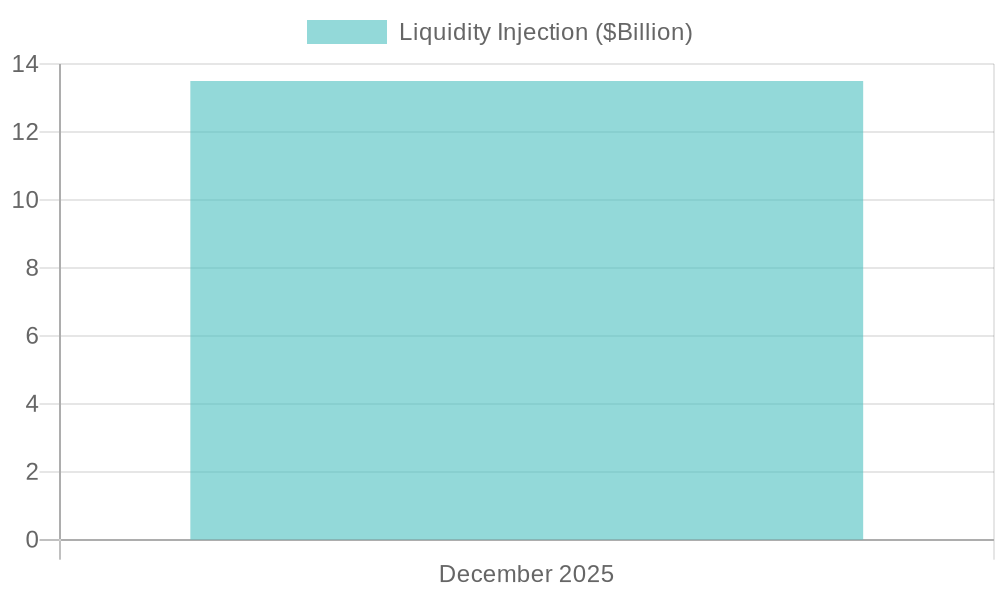
- Targeted Liquidity Injection: The Fed injected $75 billion through overnight and term repos, offering liquidity directly to market players. This strategy aimed to quickly stabilize surging repo rates.
- Utilization of Established Infrastructure: The Fed’s established trading desk coordinated with a broad range of primary dealers. This approach ensured efficient fund distribution without disrupting existing market frameworks.
- Enhanced Communication: The Fed employed clear and transparent communication strategies to manage market expectations and reinforce confidence among investors and institutions.
Outcomes Achieved
The success of the repo operations can be measured by several key outcomes:
- St stabilization of Repo Rates: Following the operations, repo rates normalized, reducing the prior spike and restoring equilibrium in the money markets.
- Restored Market Confidence: The Fed’s decisive action was widely recognized and praised, solidifying its role as a critical stabilizer within the financial ecosystem.
- Improved Monetary Policy Credibility: The swift response showcased the Fed’s capacity to navigate financial turbulence effectively, enhancing its credibility among market participants.
Data Insights from Repo Operations
The following chart illustrates the liquidity injections and the impact on repo rates during this critical period:
Lessons Learned
The 2023 repo operations highlight several pivotal insights:
- Proactive Measures: Early intervention is crucial in averting liquidity crises. The Fed’s timely action served as a case study in proactive rather than reactive policy formulation.
- Flexibility in Strategy: Utilizing versatile mechanisms, such as targeted repos, allows central banks to adapt to market conditions while ensuring stability.
- Importance of Communication: Transparent communication is indispensable for maintaining stakeholder confidence during turbulent times.
Conclusion
The successful execution of repo operations by the Federal Reserve in August 2023 underscores the importance of strategic liquidity management in maintaining financial stability. For fleet managers, trucking company owners, and logistics professionals, these insights provide a roadmap for operating effectively in fluctuating environments. By incorporating agile strategies, fostering open communication, and prioritizing swift action, companies can navigate challenges and enhance their operational resilience.

Repo Truck Industry Growth Trend Over the Last Decade
The repo truck industry has seen consistent growth over the last decade, with the market value rising from approximately 1.83 billion USD in 2015 to 2.32 billion USD in 2023. Several economic indicators, including urbanization and infrastructure development, have fueled this growth:
| Year | Market Value (USD Billion) | Notable Events / Economic Indicators |
|---|---|---|
| 2015 | 1.83 | Early stage of urbanization-driven demand in emerging markets; initial investments in logistics infrastructure |
| 2016 | 1.91 | Expansion of e-commerce platforms; increased need for last-mile delivery vehicles |
| 2017 | 1.98 | Growth in industrial zones and special economic zones in Asia-Pacific region |
| 2018 | 2.05 | Infrastructure development projects in Latin America and Africa gain momentum |
| 2019 | 2.12 | Rising vehicle breakdown rates due to aging fleets in developed countries; increased maintenance demand |
| 2020 | 2.15 | Pandemic-related surge in freight demand; accelerated adoption of repurposed or reconditioned trucks |
| 2021 | 2.21 | Post-pandemic recovery; renewed investment in transportation networks; digitalization of fleet management |
| 2022 | 2.27 | Global supply chain reshoring trends; rise in used truck trade volumes |
| 2023 | 2.32 | Continued urbanization; growth in gig economy and micro-fulfillment centers |
The growth trajectory suggests a promising future for fleet managers and those involved in logistics and freight services. Understanding these trends can help optimize decisions for fleet expansion and maintenance.
Top Features to Look for in Repo Trucks
When selecting a repo truck, fleet managers and trucking company owners should prioritize the following features to ensure efficiency, durability, and operational excellence:
-
Durability
Repo trucks must withstand the rigors of heavy daily use. Look for models made with high-quality materials, capable of enduring diverse weather conditions and road conditions. -
Technology Integration
Modern repo trucks should feature advanced technology such as GPS tracking systems, telematics for real-time vehicle monitoring, and diagnostics tools to streamline operations. These technologies help enhance efficiency and ensure faster recoveries. -
Maintenance Costs
Consider the long-term maintenance costs associated with the repo truck. Models that are easier and cheaper to maintain can significantly reduce operational expenditures. Learn more about budgeting for routine truck maintenance. -
Customer Support
Reliable customer support and warranties from the manufacturer can provide peace of mind and ensure quick repairs and parts availability. This attribute is vital for minimizing downtime, which can affect the bottom line. -
Fuel Efficiency
As fuel costs continue to rise, selecting a repo truck that offers good fuel efficiency will help reduce overall operational costs. Choose trucks backed by positive fuel consumption reviews. -
Load Capacity
Ensure the truck has an appropriate load capacity to handle the vehicles most likely to be repossessed. This consideration is crucial for keeping operations smooth and efficient. -
Safety Features
Safety should be paramount. Look for trucks equipped with modern safety features, including anti-lock braking systems (ABS), traction control, and collision avoidance technology.
Choosing the right repo truck is a significant investment, and understanding these features can lead to better decision-making and improved operational performance. For optimal fleet size and maintenance strategies, visit here.
Conclusion and Call to Action
In conclusion, the role of repo trucks in facilitating efficient fleet operations cannot be overstated. These specialized vehicles are designed to streamline the process of locating, retrieving, and transporting vehicles, significantly minimizing downtime and increasing the efficiency of operations. Fleet managers and operators in various industries, such as construction, mining, and logistics, benefit immensely from implementing repo trucks in their operations. By enhancing tracking capabilities and reducing the turnaround time for repossessions, these trucks contribute to better fleet management and overall productivity.
Moreover, as we discussed, repo trucks offer numerous advantages including improved safety, cost-effectiveness, and robust customization options that meet specific operational requirements. Investing in the right repo truck can therefore lead to substantial benefits including lower operational costs, effective resource allocation, and ultimately, a stronger bottom line.
To harness the power of repo trucks for your fleet, we encourage you to explore Summit Fairings today. With their custom solutions tailored to your specific needs, you can ensure that your fleet operates at peak performance. Don’t miss out on the opportunity to enhance your fleet’s efficiency and take your operations to the next level!