Introduction
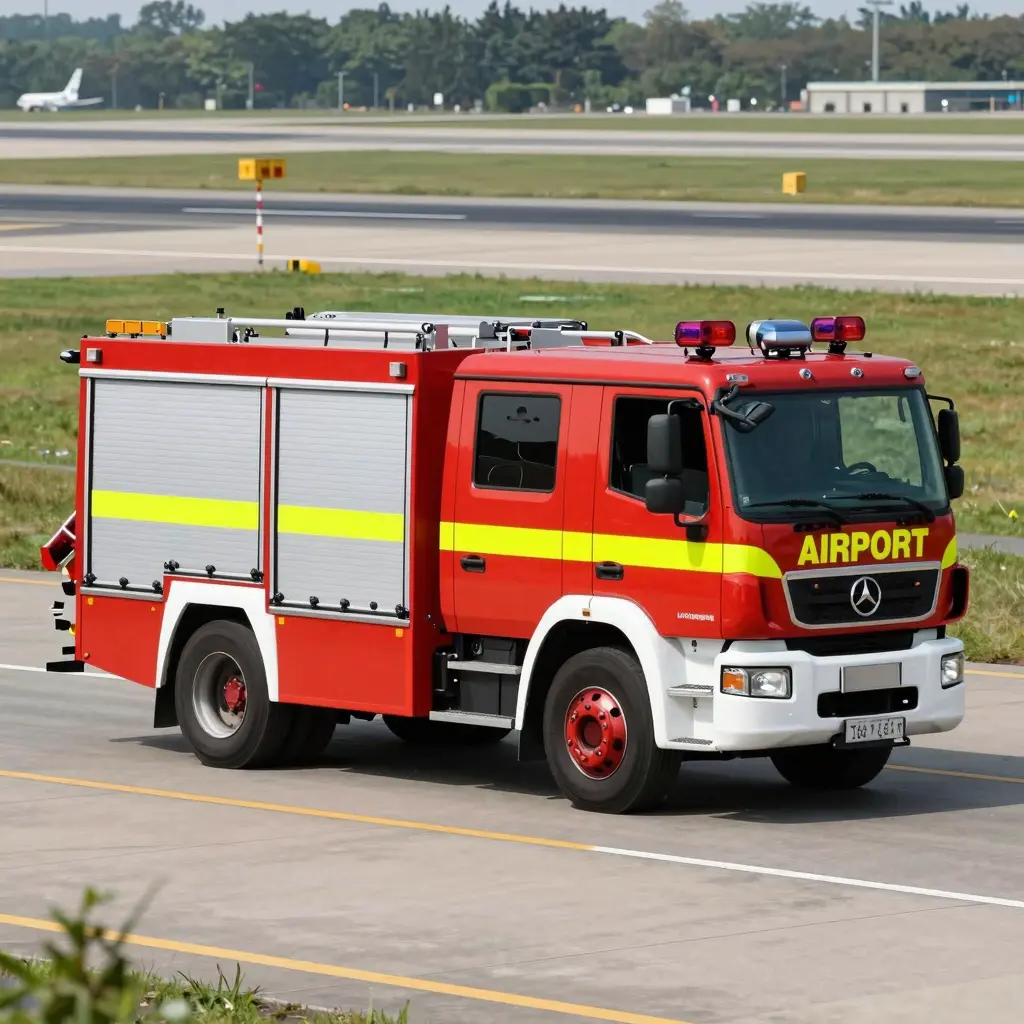
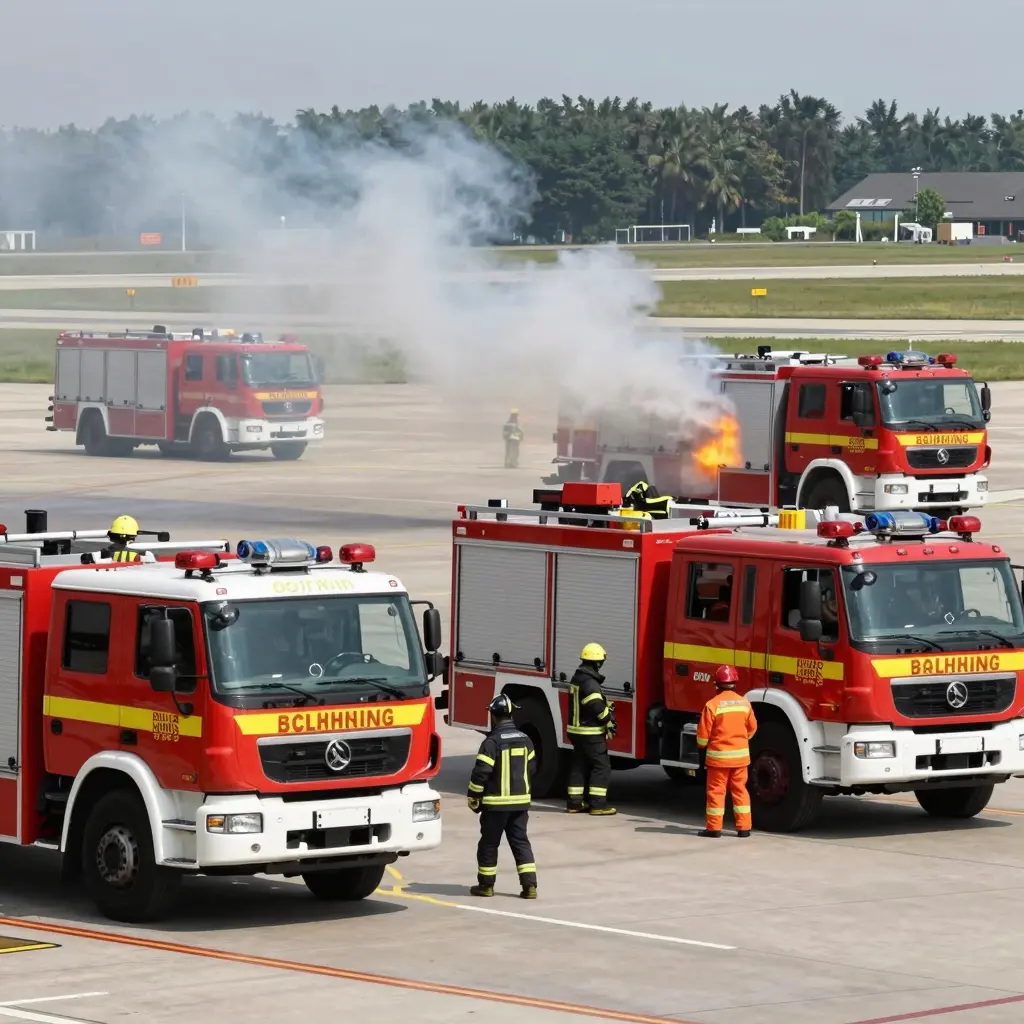
In the world of firefighting equipment, airport fire trucks often stand out as some of the most unique and innovative vehicles designed to protect lives and property on the tarmac. These colossal machines are equipped with cutting-edge technology and specialized features that enable them to tackle the unique challenges associated with aircraft emergencies. From their distinctive designs to their multifunctional capabilities, airport fire trucks play a crucial role in ensuring safety at airports, where the stakes are incredibly high. The use of advanced firefighting equipment not only enhances response times but also significantly reduces the risks associated with hazardous situations. As a business owner looking to understand more about these extraordinary vehicles, you will appreciate how airport fire trucks, like those found in CIMC’s range of firefighting trucks, are essential in safeguarding countless lives and assets in an environment that demands precision and excellence. Embracing this innovation in firefighting technology is vital, as every second counts when it comes to emergencies in aviation.
Interesting Facts About Airport Fire Trucks
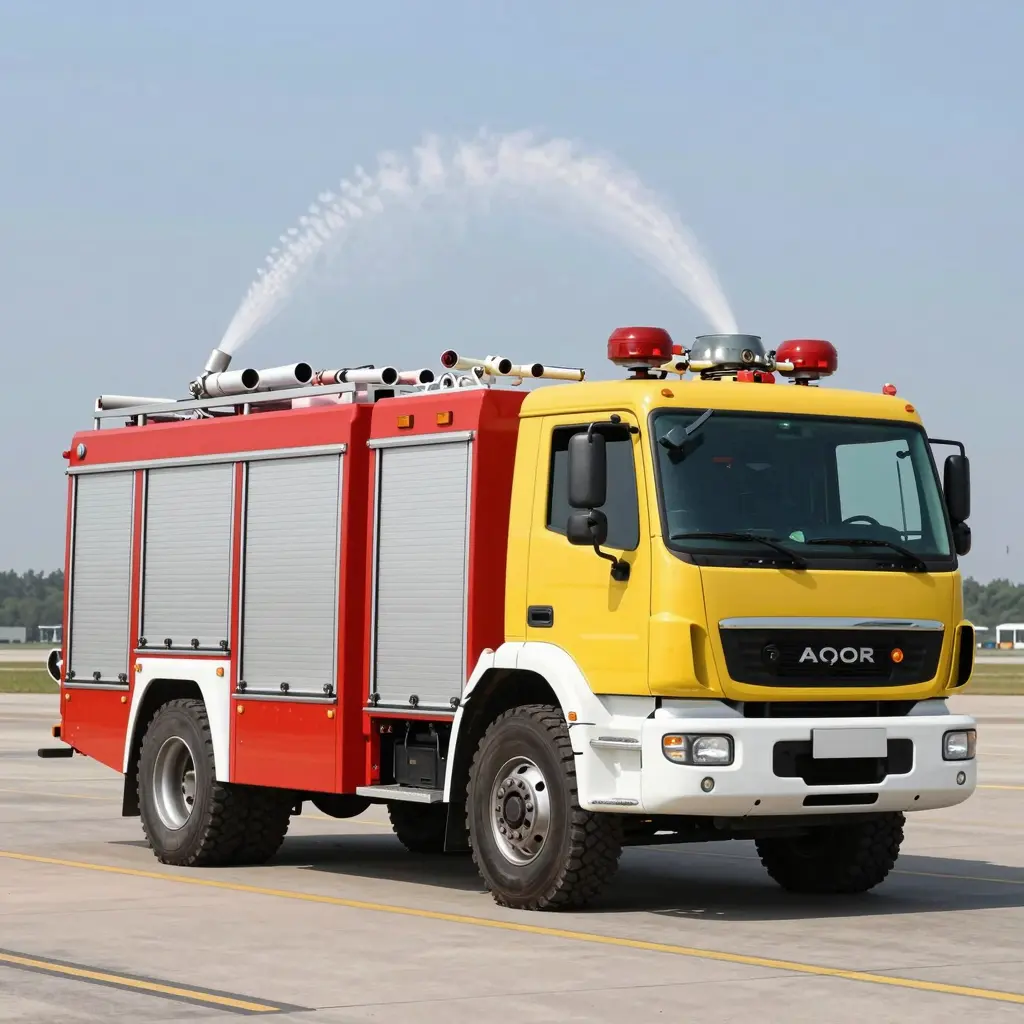
Airport fire trucks, also known as Aircraft Rescue and Fire Fighting (ARFF) vehicles, are fascinating machines designed for unique challenges. Here are some surprising and quirky facts about them:
- Unique Design: Airport fire trucks are often larger than standard fire trucks, allowing them to carry more water (up to 3,000 gallons) and foam agents to combat aviation fires. Their size is necessary to accommodate the specific firefighting needs associated with aircraft incidents.
- High-Pressure Capability: Equipped with powerful pumps, these trucks can deliver water at high pressures, enabling them to penetrate the exterior of an aircraft to extinguish internal fires, a critical feature when dealing with emergency landings or crashes.
- Advanced Technology: Many airport fire trucks incorporate the latest technology, such as infrared cameras and real-time monitoring systems that provide critical data to firefighters during emergencies. This helps make decision-making more effective during incidents.
- Variety of Fire Suppression Agents: Unlike municipal fire trucks, airport fire trucks can carry a wider range of firefighting agents, including foam and dry chemical suppressants. This specialized capability is essential given the unique nature of aviation fires, which can burn more intensely.
- Rapid Deployment: Designed to respond quickly, airport fire trucks can reach maximum speed within seconds. Some models have a top speed of up to 70 mph, allowing quick access to incidents on airfields or during takeoffs and landings.
- Training Vehicle: Many airport fire stations utilize these trucks for training purposes, simulating real-life fire scenarios to prepare firefighters for potential emergencies and to ensure safety protocols are followed.
- Visual Distinctions: Airport fire trucks are often painted in high-visibility colors (like bright red, lime green, or yellow), making them easily identifiable on the tarmac, which distinguishes them from standard fire apparatus in urban areas.
Understanding the specialized nature of airport fire trucks enhances appreciation for their role in safety and emergency response at airports. To learn more about these unique vehicles, check out the airport fire truck offerings at CIMC Fire Truck.
The Evolution of Airport Fire Trucks: A Historical Perspective
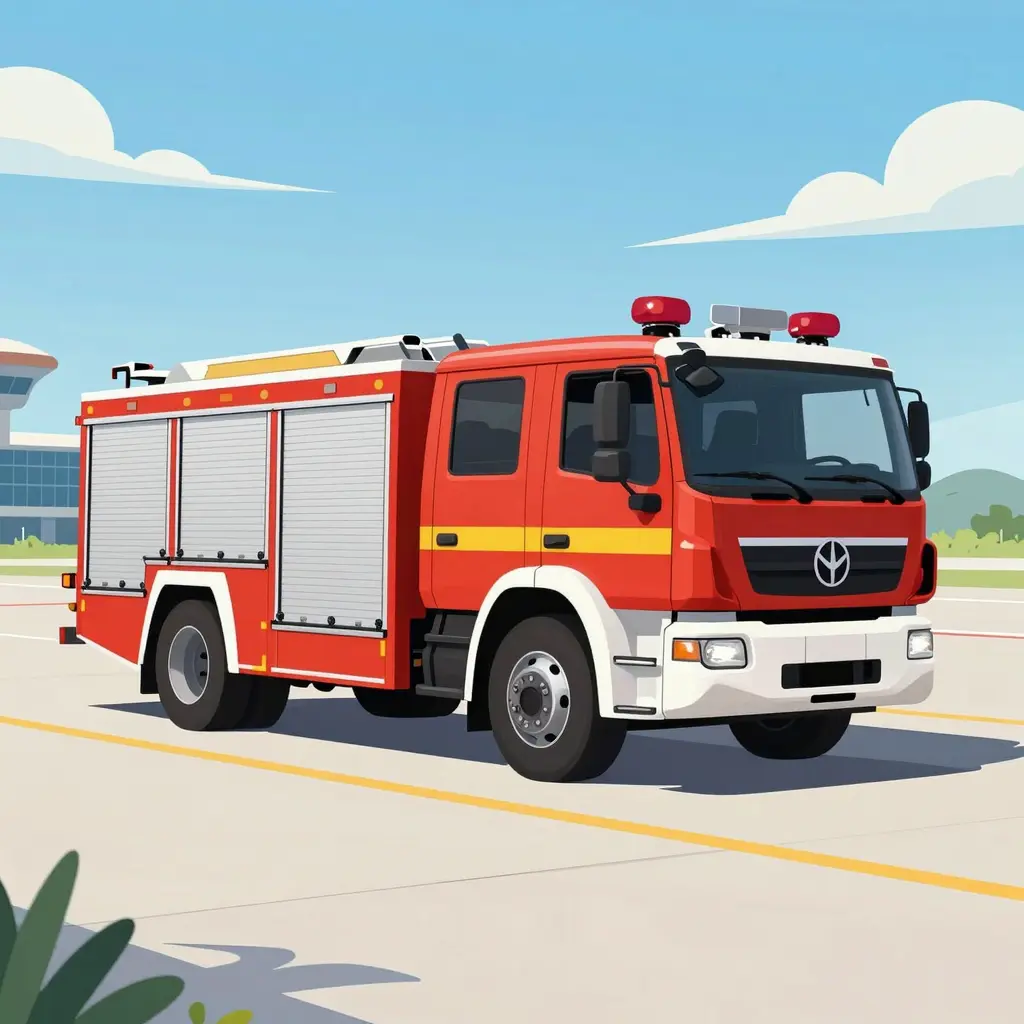
Airport fire trucks have undergone significant transformations since their inception in the mid-20th century. Initially, many airports relied on simple firefighting equipment that lacked the modern capabilities essential for addressing the complexities of aviation-related fires. As air travel became more frequent and aircraft sizes increased, the need for specialized firefighting units became paramount.
Early Developments
-
1950s: The first dedicated airport fire trucks emerged, featuring basic pump systems and a manual operation. Their water capacity was approximately 500 gallons, and they could reach speeds of up to 45 mph. This era struck a balance between speed and initial firefighting capability.
-
1960s to 1970s: Advancements in hydraulics and better pump designs emerged, allowing for larger water capacities, reaching 1,000 gallons by 1970. The implementation of enclosed cabs began in this period, enhancing crew safety.
Technological Advancements
-
1980s – Introduction of Foam Technology: Foam became a game-changer, significantly enhancing fire suppression capabilities by smothering flammable liquids, leading to a water capacity increase to 1,500 gallons.
-
1990s to 2000s: The introduction of digital controls, advanced navigation systems, and robotics transformed how fire trucks operated. Fire trucks of this era could hold up to 3,000 gallons of water and run at speeds of up to 70 mph.
-
2010s to Present: The latest models have seen incredible innovations, integrating smart technologies that utilize AI for real-time decision-making and advanced surveillance robotics. Current airport fire trucks can hold up to 5,000 gallons of water and are capable of reaching speeds of 80 mph. Thermal imaging cameras and automated systems are now standard, enabling firefighters to locate hot spots quickly and effectively during emergencies, making them vital tools in crisis management at airports worldwide.
Comparative Technology Chart
Here’s a summary of the evolution in technology:
| Year | Water Capacity (Gallons) | Speed (mph) | Firefighting Technology Improvements | Source |
|---|---|---|---|---|
| 1950 | 500 | 45 | Basic pump systems; manual operation; limited technology. | source |
| 1960 | 750 | 50 | Improved water pump designs; basic hydraulics. | source |
| 1970 | 1,000 | 55 | Advanced hydraulic systems; enclosed cabs for safety. | source |
| 1980 | 1,500 | 60 | Automated pumps; introduction of foam technology. | source |
| 1990 | 2,000 | 65 | Digital controls; enhanced navigation. | source |
| 2000 | 3,000 | 70 | Water mist technology; efficiency improvements. | source |
| 2010 | 4,000 | 75 | Robotics and drones for surveillance. | source |
| 2020 | 5,000 | 80 | Smart technology integration; AI for decision-making. | source |
Conclusion
The evolution of airport fire trucks reflects not just changes in technology but also the ever-growing demands of air travel safety. As we look to the future, further innovations will surely continue to enhance the capabilities of these crucial emergency vehicles, ensuring that they remain effective in safeguarding both life and property at airports around the world. For more information on different models, check out our dedicated airport fire trucks page and discover the latest advancements in firefighting technology.
| Model | Water Capacity | Dimensions (L x W x H) | Features |
|---|---|---|---|
| 4×4 Airport Fire Truck | 5000L | 7.5m x 2.5m x 3.2m | Quick response, 120L foam pump, ARFF certified |
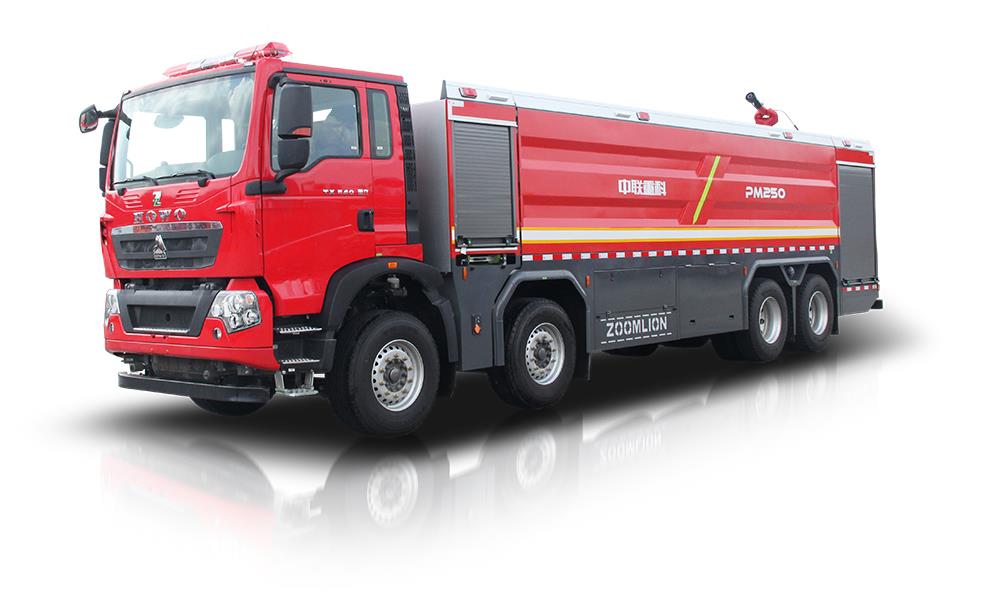
| Mercedes-Benz 6×6 Airport Fire Tender | 11000L | 8.2m x 2.7m x 3.5m | Durable PP composite tank, advanced firefighting capabilities |
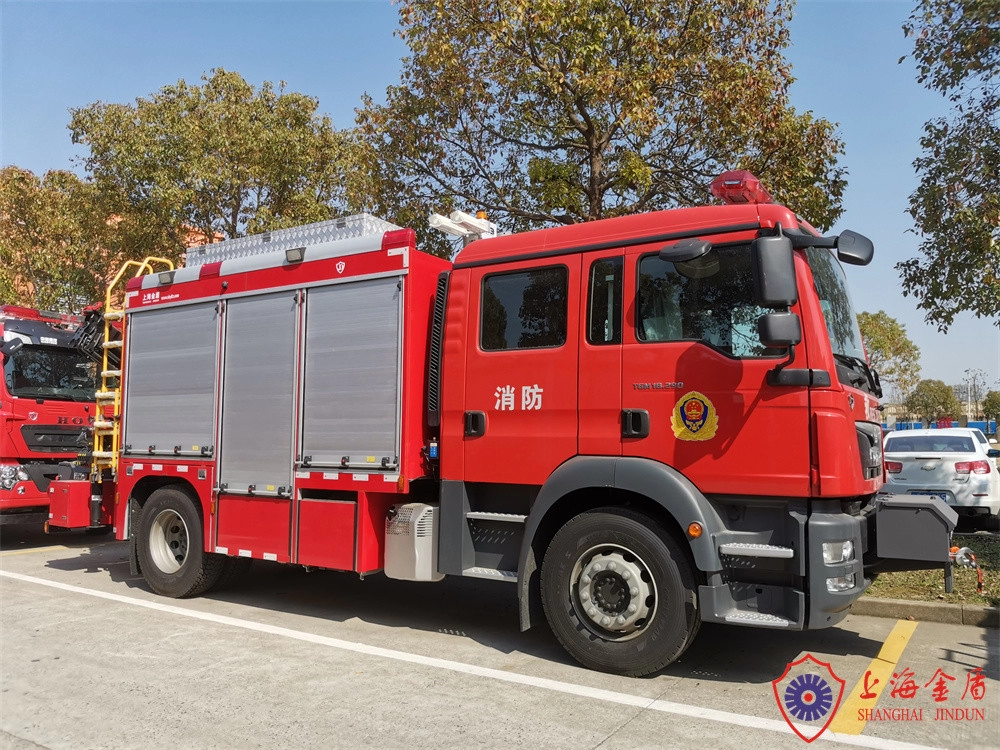
| MAN Rosenbauer Airport Fire Truck | 9000L | 8.0m x 2.6m x 3.4m | Robust design, advanced sensors, and fire suppression systems |
Insights on Airport Fire Trucks
- 4×4 Airport Fire Truck: This model is suited for rapid response with a significant water capacity and features like a foam pump, ensuring preparedness for various emergencies.
- Mercedes-Benz 6×6: Known for its high water capacity and durable construction, this truck is designed to handle the rigors of airport firefighting effectively.
- MAN Rosenbauer: This advanced fire truck integrates cutting-edge technology for enhanced firefighting effectiveness and safety protocols.
For more detailed specifications and products, you can explore various airport fire trucks.
The Importance of Advanced Firefighting Equipment at Airports
In the ever-evolving world of aviation safety, the significance of advanced firefighting equipment cannot be overstated. According to fire safety experts, the integration of sophisticated firefighting technology is crucial in mitigating the risks associated with aviation incidents.
“Advanced firefighting equipment not only enhances the safety protocols at airports but also serves as a crucial line of defense against potential disasters. With the increasing complexity of aircraft and the nature of their operations, we must be fully prepared.” – Fire Safety Expert
This statement highlights the necessity for airports to invest in high-tech firefighting solutions that improve overall safety standards while adhering to regulatory requirements.
Key Insights on Airport Firefighting
| Category | Data/Information |
|---|---|
| Importance of Advanced Equipment | Advanced firefighting equipment enhances safety standards at airports, ensuring compliance with stringent government regulations, thereby minimizing airport liability and enhancing passenger safety. |
| Government Regulations | Regulatory mandates are in place globally to ensure enhanced safety standards for firefighting at airports. This includes protocols that govern response times, equipment standards, and training requirements for fire safety personnel. |
| Demand for Equipment | There has been a surge in demand for advanced firefighting solutions as airports aim to improve safety standards and operational efficiency. |
| Impact on Passenger Safety | The implementation of advanced firefighting equipment significantly contributes to securing passenger safety during airport operations, reducing the risks associated with fire emergencies. |
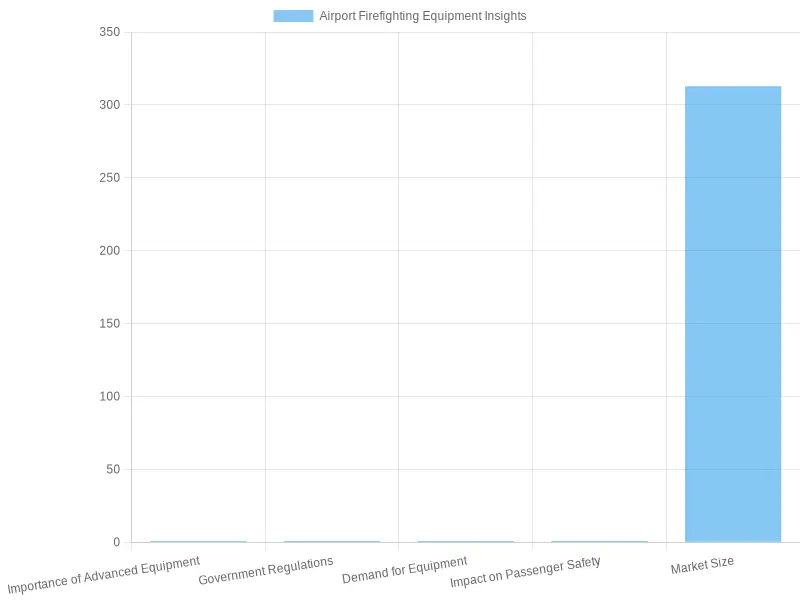
| Market Size | The global market size for airport portable robot fire nozzle reached approximately USD 312.8 million, reflecting robust demand for advanced fire safety solutions within aviation infrastructure. |
For business owners looking to enhance their airport operations, exploring specialized fire trucks and advanced firefighting solutions can significantly bolster safety measures.
Conclusion
Investing in state-of-the-art firefighting tools is not merely a regulatory requirement but a critical strategy for ensuring the safety of passengers and airport staff alike. As exemplified by recent developments in the fire safety industry, the urgent need for high-tech firefighting capabilities remains paramount.
The Role of Technology in Modern Airport Fire Trucks
In today’s aviation industry, the importance of cutting-edge technology in airport fire trucks cannot be overstated. These specialized vehicles play a critical role in ensuring safety and quick emergency responses at airports. Modern airport fire trucks are equipped with advanced technological features that enhance their efficiency, effectiveness, and safety during operations. Companies like CIMC Tianda have been at the forefront in innovating these essential firefighting vehicles.
Advanced Design Innovations
Modern airport fire trucks, such as those offered by CIMC Tianda, are built using the latest design innovations tailored to meet stringent safety standards. These trucks are designed to tackle emergencies involving large aircraft, incorporating capabilities such as high water and foam capacities. For example, CIMC Tianda’s airport fire trucks feature tanks that can carry over 6000 liters of water and 800 liters of foam, which allows for robust firefighting operations during aircraft emergencies. This substantial capacity is vital for completing effective suppression efforts shortly after a fire ignition.
Integration of Smart Technologies
Technology integration is another significant aspect influencing the design and functionality of modern airport fire trucks. Modern models often include smart control systems that enhance operational efficiency. These systems enable real-time monitoring and management of critical firefighting parameters. CIMC Tianda, for instance, has employed smart technology in its vehicles, allowing users to adjust water and foam ratios automatically, which optimally manages resources during firefighting efforts.
Safety Features and Enhancements
Safety features have also become increasingly sophisticated with advancements in technology. The latest airport fire trucks are outfitted with enhanced visibility systems, including high-intensity lighting and state-of-the-art navigational aids. These innovations not only improve visibility during nighttime operations but also assist firefighters in navigating through complicated airport environments. By using technologies such as thermal imaging and integrated communication systems, crews are better equipped to make informed decisions swiftly during crises.
Enhanced Mobility and Performance
CIMC Tianda has focused on enhancing the mobility and performance of its fire trucks through the use of powerful engines and advanced chassis designs. This allows these vehicles to reach emergency sites quickly, crucial in scenarios like an aircraft accident on the runway. The use of four-wheel drive systems ensures stability and maneuverability, particularly in challenging conditions.
Additionally, the integration of hydraulic systems allows for quick deployment of firefighting equipment, further enhancing operational readiness. Today’s airport fire trucks are designed to be versatile, capable of adapting to various emergency scenarios-whether it be a small fire or a large-scale aviation disaster.
Conclusion
In summary, the influence of technology on the design and functionality of modern airport fire trucks is profound. Innovations from companies like CIMC Tianda demonstrate how technological advancements can revolutionize emergency response capabilities, ultimately leading to enhanced safety for both airport personnel and passengers. For more information on the latest features and designs, you can learn more about CIMC’s offerings or keep informed by checking out the advanced designs showcased by CIMC.
By embracing these advancements, airports are significantly improving their firefighting capabilities, ensuring they are well-equipped to handle emergencies effectively and efficiently.
Average Response Time Comparison of Fire Trucks
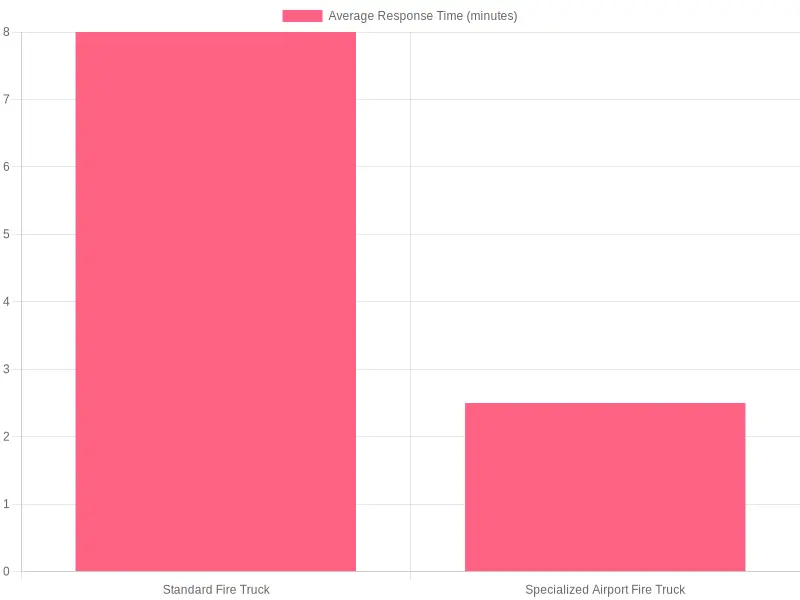
When it comes to emergency response, the type of fire truck deployed can significantly impact the effectiveness of firefighting efforts, especially in critical situations like aircraft emergencies. Below is a comparison of the average response times between standard fire trucks and specialized airport fire trucks.
Response Time Chart
| Type of Fire Truck | Average Response Time | Importance | Source URL |
|---|---|---|---|
| Standard Fire Truck | 6 to 10 minutes | Generally used for municipal firefighting but slower due to road traffic and distance limitations. | N/A |
| Specialized Airport Fire Truck | 2 to 3 minutes | Designed for rapid response to emergencies such as aircraft accidents, crucial in saving lives and preventing disasters. | Source |
Importance of Specialized Airport Fire Trucks
- Rapid Response: Specialized airport fire trucks are engineered for quick deployment, crucial during emergency situations involving aircraft.
- Enhanced Safety: Their swift action can minimize the severity of incidents, including aircraft fuel fires and evacuations, ensuring safety for passengers and crew.
- Specialized Equipment: Equipped to tackle unique challenges posed by aviation-related incidents, enabling effective management of hazardous situations.
In an emergency, every second counts, and deploying the right truck can mean the difference between life and death. For more information on airport fire trucks, check out our Airport Fire Trucks product page.
Conclusion
In conclusion, weird airport fire trucks are not just fascinating machines; they are vital components of airport safety and emergency response. Their advanced technology and specialized designs enable them to respond swiftly and effectively to incidents, ensuring the security of passengers and crews alike. As aviation continues to grow, the role of these unique vehicles becomes even more crucial in minimizing risks and enhancing operational efficiency. Investing in high-quality airport fire trucks can significantly impact safety protocols in any aviation environment.
We encourage businesses looking to enhance their safety solutions to contact CIMC Tianda for state-of-the-art fire-fighting vehicles designed specifically for airport needs. Explore our range of Airport Fire Trucks and discover how our innovations can help elevate your safety measures.