Understanding Truck Repair Expenses: A Crucial Consideration for Fleet Management
In the trucking industry, managing expenses is pivotal to maintaining profitability, and one of the most significant costs fleet managers and trucking company owners face is truck repair expenses. These costs can vary widely, ranging from minor repairs-like brake pad replacements-to major overhauls, such as engine replacements, which can cost between $15,000 and $25,000, or even reach up to $6,000 for a comprehensive engine repair. Given the intricate nature of truck mechanics, repairs can escalate quickly, often leading to unexpected financial burdens on fleets.
This brings us to a pressing question: what constitutes the most expensive repair on a truck? Understanding the nuances of these high-cost repairs is not only essential for budgeting purposes but also for strategic fleet management. Major repairs can significantly affect operational efficiency and contribute to downtime. For instance, older trucks may incur monthly repairs that exceed $3,000, further emphasizing the importance of regular maintenance and proactive planning.
Addressing these expenses proactively enables fleet managers to develop effective strategies, such as those discussed in our articles on budgeting for routine truck maintenance and optimizing fleet size and maintenance. By comprehensively understanding repair costs, managers can make informed decisions and enhance their operational efficiency, ultimately securing the financial health of their fleet operations.
This insight into repair expenses also highlights the necessity of building an emergency repair fund for truck owners, ensuring preparedness for the unpredictable nature of truck repairs.
Understanding Typical Truck Repair Costs
For fleet managers, trucking company owners, and operators in construction and mining, understanding truck repair costs is crucial for budgeting and operational efficiency. Recent data indicates that the financial responsibilities associated with truck upkeep mostly fall into two categories: parts and labor.
Breakdown of Typical Truck Repair Costs
Based on various industry reports:
- Brake Replacement: This is one of the more common and critical repairs affecting trucks. Current market estimates suggest that the cost for a complete brake replacement on a truck has reached approximately $800 per vehicle.
- Annual Maintenance: Regular maintenance checks and repairs for an entire year can average around $2,500 per truck. This includes routine inspections, oil changes, tire rotations, and other essential services. It’s important to establish a consistent maintenance schedule to avoid larger repair costs down the line.
- Labor Costs: The labor component has seen a 5.57% decrease in costs over the past year, providing some relief to fleet operators facing rising costs in various sectors.
| Category | Estimated Cost ($) |
|---|---|
| Brake Replacement | 800 |
| Annual Maintenance | 2500 |
| Labor Costs Decrease (%) | 5.57 |
Trends in Repair Costs
In 2023, the truck repair market experienced relatively stable conditions after a significant rise in previous years. Factors such as improved equipment rates, decreased mileage, and advancements in repair technologies have contributed to better cost management. As noted by American Trucking Associations, the recovery of labor and parts costs has become notable, creating potential savings for fleet operators.
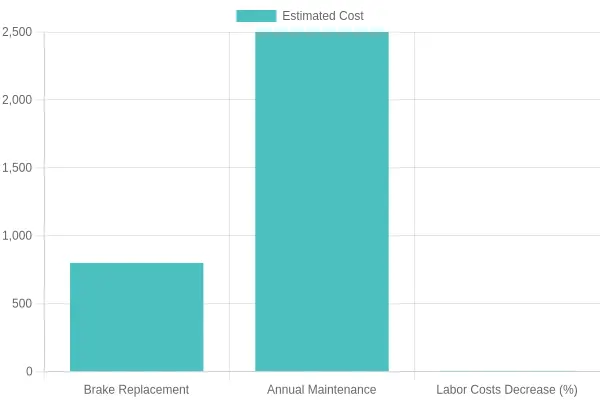
The bar chart displays a comparison of estimated costs associated with truck repairs and maintenance in 2023.
Conclusion
Understanding truck repair costs is vital for managing budgets effectively and ensuring vehicle reliability. Regular maintenance not only mitigates unexpected breakdowns but also helps in controlling overall operational costs. Fleet managers should constantly review and adjust their maintenance plans based on these insights to optimize their budgets and improve fleet performance. For more information on budgeting for routine truck maintenance, consider visiting this resource.
Common Truck Repairs and Associated Costs
Managing a fleet of trucks involves understanding the common repairs and their associated costs. Fleet managers and trucking company owners must budget appropriately to minimize disruption and maintain efficiency. Below is a detailed overview of common truck repairs along with their average costs for 2023.
Common Truck Repairs
-
Oil Change: The average cost for an oil change ranges from $100 to $200. Regular oil changes are crucial for engine maintenance.
-
Brake Replacement: This essential service typically costs between $300 and $1,000. Neglecting brake issues can lead to severe safety concerns and higher costs down the line.
-
Tire Replacement: Expect to spend approximately $400 to $1,200 on new tires. Tires are critical for safety and fuel efficiency.
-
Engine Repair: Depending on the complexity of the issue, engine repairs can range from $1,200 to $2,500. It’s vital to address engine warnings promptly to avoid larger issues.
-
Transmission Replacement: The cost for a transmission service can be significant, typically between $3,000 and $6,000. A faulty transmission can severely impact driving performance.
-
Fuel Injector Replacement: Costs for fuel injector repairs range from $250 to $1,500. Proper functioning of fuel injectors is essential for fuel efficiency and overall engine performance.
-
HVAC Repair: Repairs for the heating, ventilation, and air conditioning (HVAC) systems typically run between $200 and $800. A reliable HVAC system is important for driver comfort and safety.
Summary Table of Common Truck Repairs
| Repair Type | Average Cost Range |
|---|---|
| Oil Change | $100 – $200 |
| Brake Replacement | $300 – $1,000 |
| Tire Replacement | $400 – $1,200 |
| Engine Repair | $1,200 – $2,500 |
| Transmission Replacement | $3,000 – $6,000 |
| Fuel Injector Replacement | $250 – $1,500 |
| HVAC Repair | $200 – $800 |
Understanding these common truck repairs will help you better manage your operational costs. Investing in routine maintenance can also minimize the probability of incurring these costs, which is something fleet managers can plan for strategically. For more insights on budgeting for maintenance, learn more.
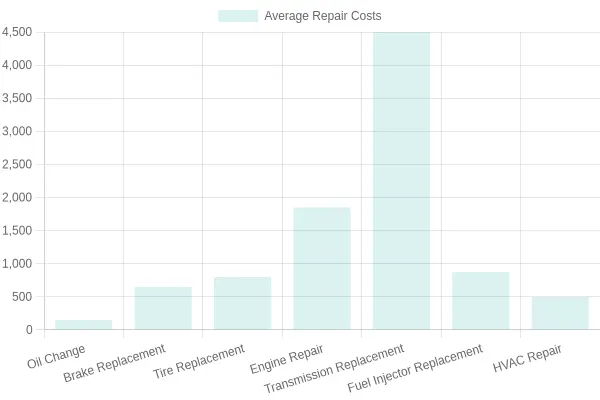
These estimates can vary based on the service provider and geographical location, so it’s beneficial to get multiple quotes when planning repairs. Keeping an eye on these common issues and their corresponding costs can significantly improve fleet management efforts.
For more detailed fleet maintenance strategies, you can explore optimization techniques
The Most Expensive Truck Repairs
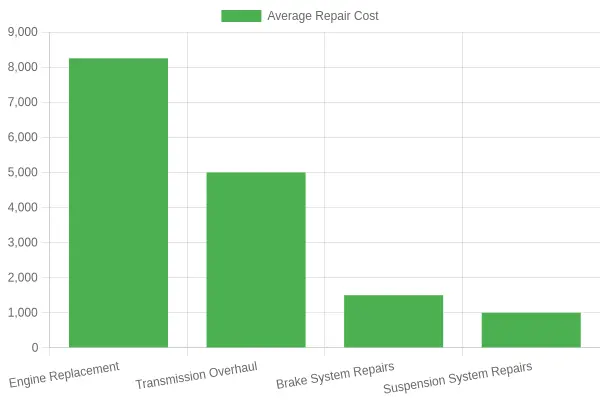
When managing a fleet of trucks or heavy-duty vehicles, understanding repair costs is crucial for budget management and efficiency. Among various maintenance issues, engine replacements are considered one of the most expensive repairs. The typical cost for an engine replacement can range from $6,500 to $10,000, with costs influenced by multiple factors such as diesel engine complexity and vehicle make and model.
Common Expensive Repairs
Here are some common truck repairs that usually incur high costs:
| Repair Type | Average Cost |
|---|---|
| Engine Replacement | $8,250 |
| Transmission Overhaul | $5,000 |
| Brake System Repairs | $1,500 |
| Suspension System Repairs | $1,000 |
-
Engine Replacement: As noted above, this repair is often at the top of the expense list for fleet managers. The financial burden stems not only from high labor costs but also from the extensive nature of the parts involved.
-
Transmission Overhaul: The most common range for these repairs is around $5,000, making it another significant budget line for trucking operations. Given the labor-intensive nature of transmission work, costs can vary with the facility’s labor rate.
-
Brake System Repairs: Brake repairs include replacing wear parts such as pads, rotors, and calipers. A complete overhaul can easily cost around $1,500 or more, depending on the severity of degradation and type of truck.
-
Suspension System Repairs: This repair is vital for safety and handling. Normally, costs start around $1,000, but extensive repairs and replacements can considerably increase total expenses.
Factors Influencing Repair Costs
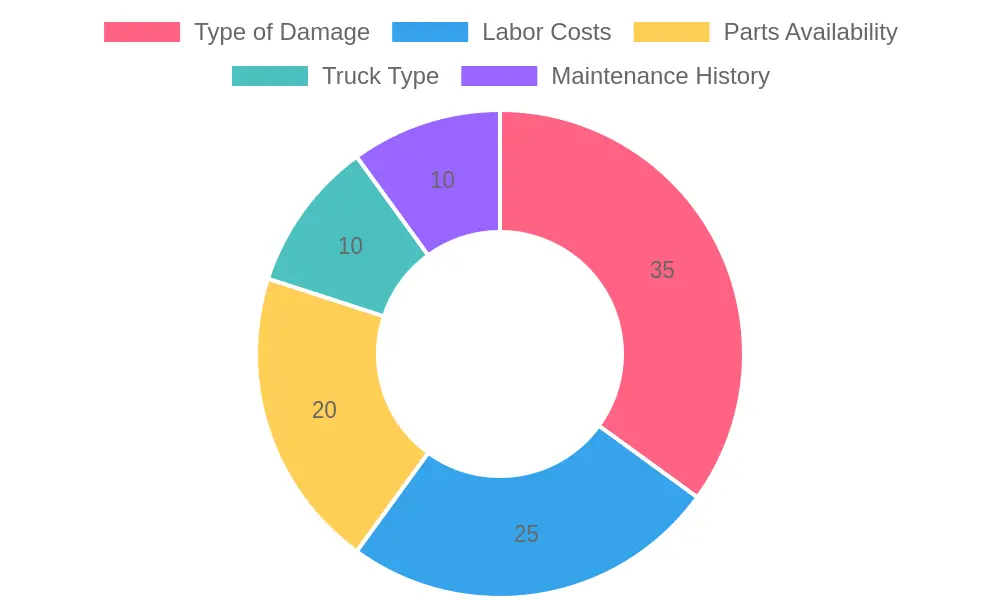
Several factors play a critical role in determining the final costs of truck repairs:
-
Type of Damage (35% influence): Different repairs carry varying costs based on the specific damage level – minor fixes versus major replacements.
-
Labor Costs (25% influence): Rates can fluctuate significantly depending on the region and the expertise of the repair shop.
-
Parts Availability (20% influence): The availability and type of parts required for repairs can drastically affect the overall costs. OEM parts tend to be more expensive than aftermarket alternatives.
-
Truck Type (10% influence): While all trucks require maintenance, heavy-duty vehicles might incur higher repair costs due to specialized equipment.
-
Maintenance History (10% influence): A truck with a record of good maintenance is less likely to encounter severe repair issues, thus saving on average repair costs across its service life.
Understanding these costs and their influencing factors is not merely academic; it allows fleet managers, construction executives, and logistics providers to plan better, ensuring operations remain efficient while minimizing unexpected expenditures. For more insights, check out budgeting for routine truck maintenance or learn about optimizing fleet size & maintenance.
Visual Aid
Comparing Truck Repair Costs
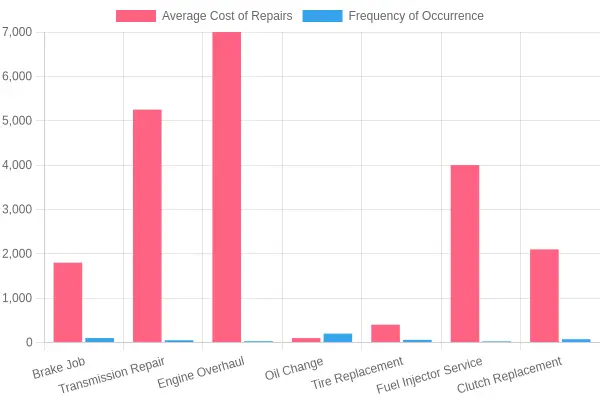
Understanding the costs associated with truck repairs is critical for fleet managers and trucking company owners as they manage budgets and prepare for future maintenance. Below is a table presenting the average costs, labor hours, and frequency of occurrence for various types of truck repairs in 2023:
| Repair Type | Average Cost ($) | Average Labor Rate ($/hour) | Estimated Labor Hours | Frequency of Occurrence (est.) | Source |
|---|---|---|---|---|---|
| Brake Job | 800 – 2,500 | 150 – 200 | 5 – 10 | Common | Skyliner Truck Center |
| Transmission Repair | 2,500 – 8,000 | 150 – 200 | 10 – 15 | Less Common | Skyliner Truck Center |
| Engine Overhaul | 4,000 – 10,000 | 150 – 200 | 15 – 30 | Less Common | Skyliner Truck Center |
| Oil Change | 50 – 150 | 75 – 120 | 1 | Very Common | Skyliner Truck Center |
| Tire Replacement | 200 – 600 | 75 – 120 | 1 – 2 | Common | Skyliner Truck Center |
| Fuel Injector Service | 1,000 – 3,500 | 150 – 200 | 4 – 10 | Less Common | Skyliner Truck Center |
| Clutch Replacement | 1,200 – 3,000 | 150 – 200 | 5 – 15 | Common | Skyliner Truck Center |
This data will help you estimate repair budgets and make informed decisions about maintenance priorities.
Conclusion
The costs associated with truck repairs can vary significantly, depending on the nature of the issue and the specificity of labor involved. Fleet managers must plan accordingly to mitigate downtime and ensure their trucks remain operational. For more information on budgeting for routine truck maintenance, check out our guide on budgeting for routine truck maintenance.
Preventative Maintenance to Avoid Costly Repairs
In the trucking industry, preventative maintenance (PM) is an essential strategy to mitigate the risk of expensive repairs and ensure the longevity of vehicles. Fleet managers and trucking company owners can implement several techniques and practices designed to maintain vehicles and reduce the likelihood of costly breakdowns.
1. Regular Inspections
Regular inspections are vital to detect potential issues before they escalate into serious problems. Schedule consistent checks at predetermined intervals-ideally every few months- to ensure that all components, such as brakes, tires, and lights, meet safety standards. This proactive approach can help identify minor repairs that can be addressed before they become expensive emergencies.
2. Scheduled Maintenance
Establishing a scheduled maintenance program based on manufacturer recommendations is crucial. By aligning maintenance tasks with mileage and service intervals, fleet managers can effectively prolong the life of their trucks. According to FleetOwner, effective PM can reduce operating costs by up to 20%.
3. Utilization of Telematics
Telematics technology allows trucking companies to monitor vehicle performance through real-time data. Implementing a data analytics system can identify trends and potential issues, enabling companies to act before breakdowns occur. For instance, tracking engine performance metrics can signal the need for maintenance actions.
4. Driver Training and Awareness
Providing training for drivers on vehicle care and operational techniques can significantly enhance vehicle longevity. When drivers are educated about the importance of PM, they are more likely to report discrepancies and perform basic maintenance checks before long trips, reducing the risk of unexpected failures.
5. Inventory Management for Parts
Stocking essential spare parts can minimize downtime during repairs. Effective inventory management ensures that commonly needed items, such as filters and hoses, are readily available, enabling quick fixes instead of delays due to parts ordering.
6. Cost Analysis
Monitoring maintenance expenditure is integral to identifying trends and making informed decisions. Regular cost analyses can uncover areas for efficiency improvements and further guide budget allocations, as seen in efforts like budgeting for routine truck maintenance.
Conclusion
Implementing a robust preventative maintenance strategy is critical for trucking companies aiming to avoid the costly repairs that can arise from neglect. By investing in regular inspections, scheduled maintenance, employee training, and technology, companies can significantly reduce their risk of expensive breakdowns and ensure a well-maintained fleet ready for the road.
Conclusion
In the complex environment of trucking and fleet management, understanding the potential costs associated with truck repairs is not merely advantageous; it is essential. As discussed, the expenses related to unforeseen repairs can have a significant impact on the overall operational budget of a trucking company. By having insight into the most expensive repairs, fleet managers and trucking company owners can make informed decisions that greatly enhance the efficiency of their operations.
Comprehending repair costs enables businesses to set aside proper budgets, thus avoiding financial strain caused by sudden breakdowns. Implementing preventive maintenance strategies, as illustrated in our discussions, not only helps mitigate unexpected repair costs but also prolongs the lifespan of the fleet. For those interested in further optimizing their budget for such maintenance requirements, you can learn more about budgeting for routine truck maintenance.
Additionally, recognizing the potential higher costs emphasizes the importance of evaluating fleet size and asset utilization. By analyzing these factors, companies can strategically maintain a fleet that is not only cost-effective but also adequately equipped to meet operational demands. To delve deeper into optimizing fleet size concerning maintenance, read our article on optimizing fleet size and maintenance for small fleets.
In summary, the knowledge of repair costs is paramount in decision-making for fleet management. It allows providers to anticipate challenges, budget accurately, and maintain a strategic advantage in the highly competitive trucking industry.
Trends in Average Truck Repair Costs (2018-2023)
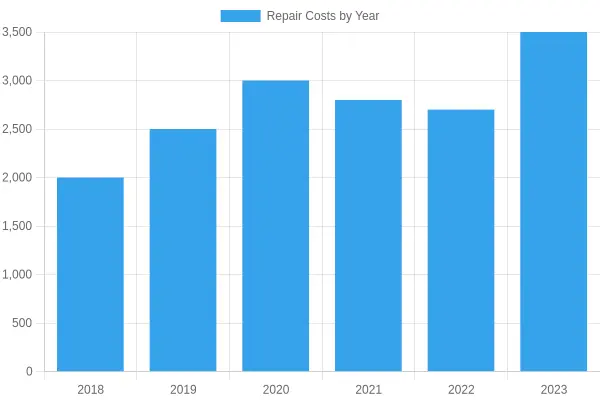
Understanding the trends in truck repair costs is crucial for fleet managers and trucking company owners. Here’s a visual representation of the average truck repair costs over the past five years, highlighting the significant increase in expenses related to repairs.
Key Insights:
- 2018: $2,000
- 2019: $2,500
- 2020: $3,000
- 2021: $2,800
- 2022: $2,700
- 2023: $3,500
This data shows a substantial increase in average truck repair costs in 2023, especially following the trends noted from previous years. Factors contributing to these costs include inflation in parts and labor, as well as increasing complexity in truck technology.
For more insights into managing these costs effectively, consider reviewing strategies for budgeting for routine truck maintenance in our detailed guide.
Conclusion
In the world of trucking, understanding the cost implications of repairs is crucial for fleet managers and owners. The most expensive repairs, often involving engine and transmission replacements, can significantly impact your bottom line. Regular maintenance and investment in quality parts can mitigate these costs effectively. For instance, proactive measures like budgeting for routine truck maintenance can save you from unexpected financial burdens in the future.
Moreover, one innovative solution that can help manage repair costs is using Summit Fairings. These fairings not only enhance aerodynamics, leading to better fuel efficiency but also contribute to a reduction in wear and tear on your truck over time. For fleet operators looking to optimize both performance and maintenance expenses, investing in Summit Fairings offers a dual benefit.
If you want to learn more about how to effectively budget for maintenance or optimize your fleet’s size, check out our guides on budgeting for routine truck maintenance and optimizing fleet size and maintenance for small fleets. By implementing these strategies and considering advanced solutions like Summit Fairings, you can significantly improve your fleet’s efficiency and reduce long-term repair costs.