
Introduction to A/C Truck Repair: Ensuring Fleet Efficiency and Driver Comfort
In the highly demanding world of trucking, operational efficiency is paramount, especially for fleet managers overseeing diverse fleets in logistics, transportation, and mining operations. One of the critical areas that often goes overlooked in truck maintenance is A/C truck repair. In extreme weather conditions, an efficient air conditioning system is not just a luxury but a necessity for ensuring the comfort and safety of drivers on long hauls. Fleet management requires a keen focus on all aspects of vehicle performance, and A/C systems significantly impact the overall functionality of trucks. An improperly functioning A/C unit can lead to driver fatigue due to heat stress, decreased alertness, and ultimately, may compromise safety on the road.
Moreover, addressing A/C repair proactively can prevent costly breakdowns during peak operational times, which is vital for maintaining delivery schedules and customer satisfaction. Investing in A/C truck repair not only enhances the longevity of the vehicle but also supports efficiencies that are crucial for trucking operations within the freight industry. Fleet managers are encouraged to prioritize A/C maintenance as part of their routine upkeep and repair strategy to optimize fleet performance and ensure seamless operations.
To explore effective strategies for optimizing fleet performance, learn more about budgeting for routine truck maintenance and how it can benefit your operations.
Common A/C Issues in Trucks
Maintaining the air conditioning system in trucks is essential for comfort and efficiency, especially for fleet managers and trucking company owners. Here’s a list of common A/C problems that you might encounter:
- Refrigerant Leaks: One of the most prevalent issues, often stemming from damaged hoses or seals, leading to inadequate cooling.
- Compressor Failures: A malfunctioning compressor can prevent the A/C from producing cold air, sometimes requiring full replacement.
- Electrical Faults: Malfunctions in wiring or connections can disrupt the A/C’s operation, leading to intermittent cooling.
- Clogged Condensers: Dirt and debris can accumulate, obstructing airflow and leading to inefficient cooling.
- Blocked Air Filters: Dirty air filters can hinder airflow, reducing the system’s ability to produce cool air effectively.
- Weak Airflow: This issue can arise from various causes, including blower motor failure or duct obstructions, resulting in inadequate cabin cooling.
- Odd Noises: Unusual sounds may indicate mechanical issues, such as a failing compressor or debris in the blower motor.
- Insufficient Cooling: A lack of cold air can be caused by numerous factors, such as low refrigerant levels or compressor issues.
Understanding these common problems allows fleet managers to quickly identify A/C issues and implement timely solutions. Regular maintenance can significantly reduce the risk of A/C failures. For more detailed guidance on routine truck maintenance, learn more about budgeting for maintenance.
Best Practices for A/C Truck Repair
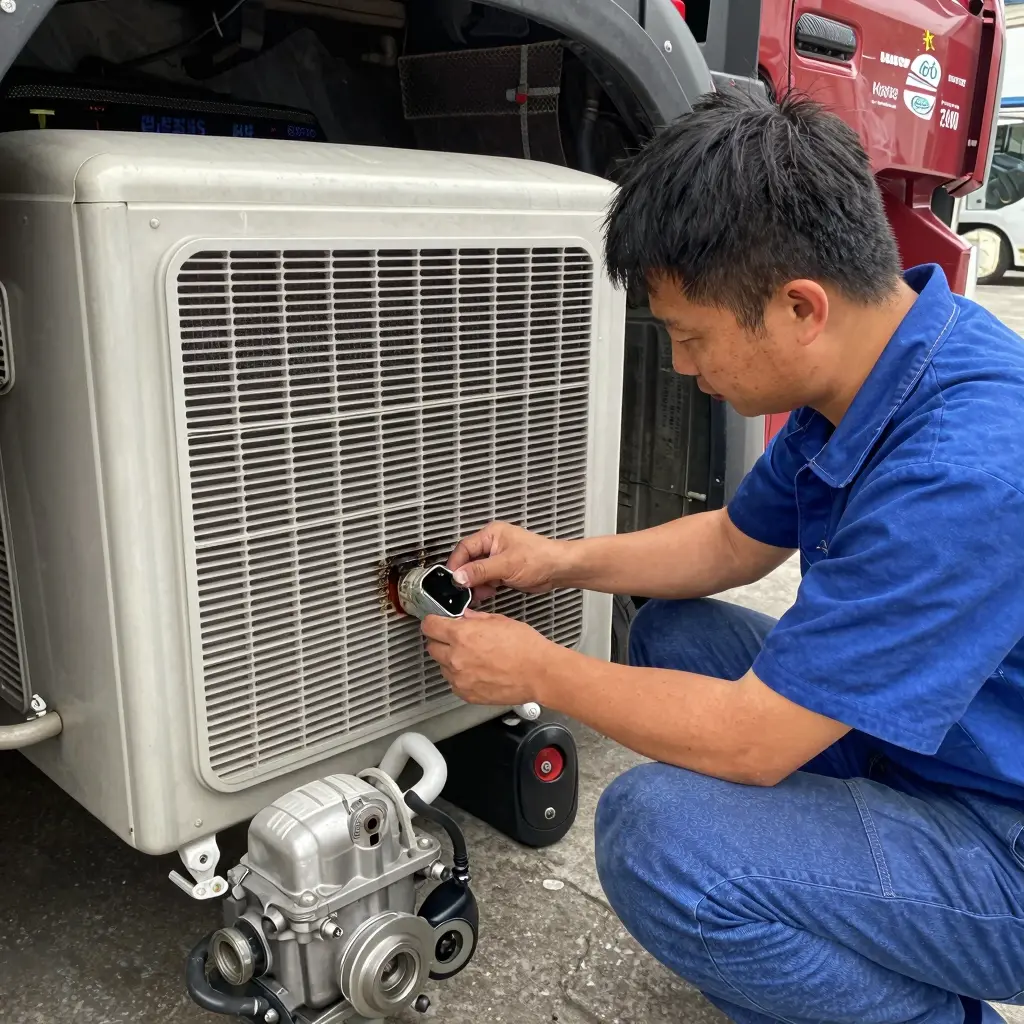
Maintaining an efficient air conditioning (A/C) system in trucks is critical for both driver comfort and operational efficiency. This comprehensive look into best practices for A/C truck repair provides fleet managers with actionable strategies to ensure their vehicles remain in optimal condition. Here are three essential best practices based on industry insights:
1. Regular Maintenance Checks
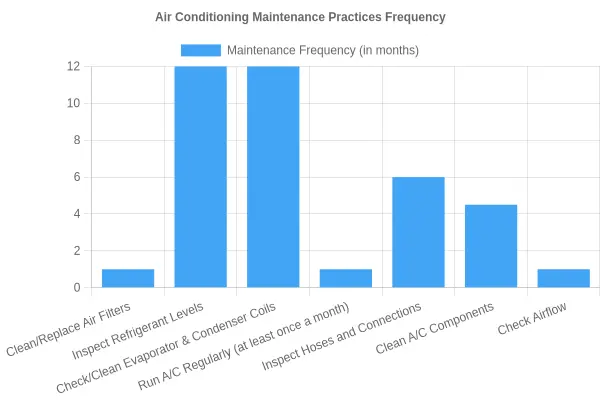
Regular inspections are crucial for the longevity and efficiency of truck A/C systems. Fleet managers should schedule the following checks:
- Clean/Replace Air Filters: Every 1-3 months
- Inspect Refrigerant Levels: At least annually
- Check/Clean Evaporator and Condenser Coils: Annually
- Inspect Hoses and Connections: Every 6 months
This proactive maintenance prevents minor issues from escalating into costly repairs.
2. Running the A/C System Frequently
To ensure that the A/C system remains lubricated and in good working order, it is recommended to run the system for about 10 minutes weekly, even during cooler months. Regular operation helps maintain refrigerant levels, keep components lubricated, and avoid larger maintenance issues down the line. This practice also maximizes the efficiency of the refrigeration cycle, ensuring that the trucks can cool down quickly in high heat situations.
3. Clean Components Regularly
Periodically cleaning the A/C components, such as the evaporator and condenser coils, is vital for maintaining airflow and cooling efficiency. Dust and debris can accumulate over time, obstructing airflow and leading to reduced cooling performance. Cleaning these components should be done at least every 3 to 6 months.
Visual Data Representation
For a better understanding of the recommended maintenance practices and their frequency, refer to the following chart:
Conclusion
Implementing these best practices for A/C truck repair not only prolongs the life of the A/C systems but also ensures operational efficiency and driver comfort. For detailed budgeting strategies for routine truck maintenance, learn more here. Furthermore, optimizing fleet size is crucial for overall maintenance efficiency; learn more about this strategy. By following these guidelines, fleet managers can ensure their trucks are always ready for the road’s demands.
Comparison Table of A/C Repair Service Providers for Trucking Companies
Below is a comparison table of notable A/C repair service providers catering to trucking companies, highlighting their services, estimated pricing, and general customer feedback. This information can assist fleet managers and trucking company owners in making informed decisions about A/C repair needs.
| A/C Repair Provider | Services Offered | Estimated Pricing (USD) | Customer Ratings & Feedback |
|---|---|---|---|
| Truck-N-Trailer | Specialized truck A/C repair, diagnostics, recharging | $150 – $300 | Reliable service; prompt and skilled mechanics; positive reviews |
| Cumberland Motor Works | Common A/C repairs, freon recharge | $100 – $250 | Known for economical pricing and quick service |
| Mobile Auto Truck Repair | Comprehensive A/C repair, diagnostics, mobile services | $120 – $280 | Good customer service; evaluation fees credited towards repairs |
| PM Truck and Trailer | Quick turnaround A/C repairs, component replacements | $150 – $300 | High-quality components; fast service delivery |
| Consolidated Truck | Specialized HVAC services for trucks | $200 – $350 | Honest and effective repairs; praised for customer service |
This table highlights the variety of services and pricing structures available in the A/C repair market for trucks, making it easier for fleet managers to evaluate their options.
For more information on how to budget for maintenance within a fleet, consider visiting Budgeting for Routine Truck Maintenance. Additionally, those looking to enhance fleet size while ensuring maintenance might find insights in Optimizing Fleet Size & Maintenance for Small Fleets.
Preventive Maintenance for A/C Systems
Routine maintenance of air conditioning (A/C) systems is critical for preventing larger issues down the line, particularly for heavy-duty applications such as those in fleets or construction operations. Regular preventive maintenance not only extends the life of the A/C units but also enhances their efficiency, translating to cost savings in the long term. Here are key strategies for effective preventive maintenance:
Regular Inspection Schedule
- Monthly Check-ups: Inspect air filters monthly, replacing them every 1-3 months depending on usage. This maintains proper airflow and efficiency, preventing unit strain.
- Quarterly Inspections: Conduct a more thorough inspection every three months. This should include checking the refrigerant levels, checking for leaks, and evaluating overall system performance.
- End-of-Season Review: Before shutting down for the season, perform a detailed inspection to identify and address any potential issues.
Cleaning Components
- Clean Air Filters: Regularly clean or replace the air filters to avoid clogs that restrict airflow.
- Clear Condenser Coils: Ensure that the condenser unit is free from dirt and debris, which can hinder heat transfer and lead to overheating issues. Vacuum the coils every few months.
- Drain Lines Maintenance: Regularly clean condensate drain lines to prevent clogs. This is crucial for preventing moisture problems and potential mold growth.
Component Checks
- Thermostat Accuracy: Regularly check and calibrate the thermostat to ensure it accurately reflects the temperature settings. A malfunctioning thermostat can lead to unnecessary cycling and increased energy costs.
- Inspect Ductwork: Look for any signs of leaks or blockages. Efficient ductwork ensures optimal airflow throughout the system.
- Electrical Components: Inspect electrical connections and tighten any loose connections to prevent electrical issues that could lead to system failures.
Additional Tips
- Document Maintenance: Keep records of all maintenance activities, which can help identify patterns and potential recurring issues.
- Professional Services: Consider scheduling annual professional maintenance checks to ensure all aspects of the A/C system are in optimal condition, especially before peak usage seasons.
By adhering to a structured preventive maintenance plan, fleet managers and trucking company owners can avoid substantial repairs later. Consistent attention to these critical areas not only preserves the functionality of A/C systems but also contributes to greater operational efficiency and reliability. For more on how to create a maintenance budget, check out our guide on budgeting for routine truck maintenance.
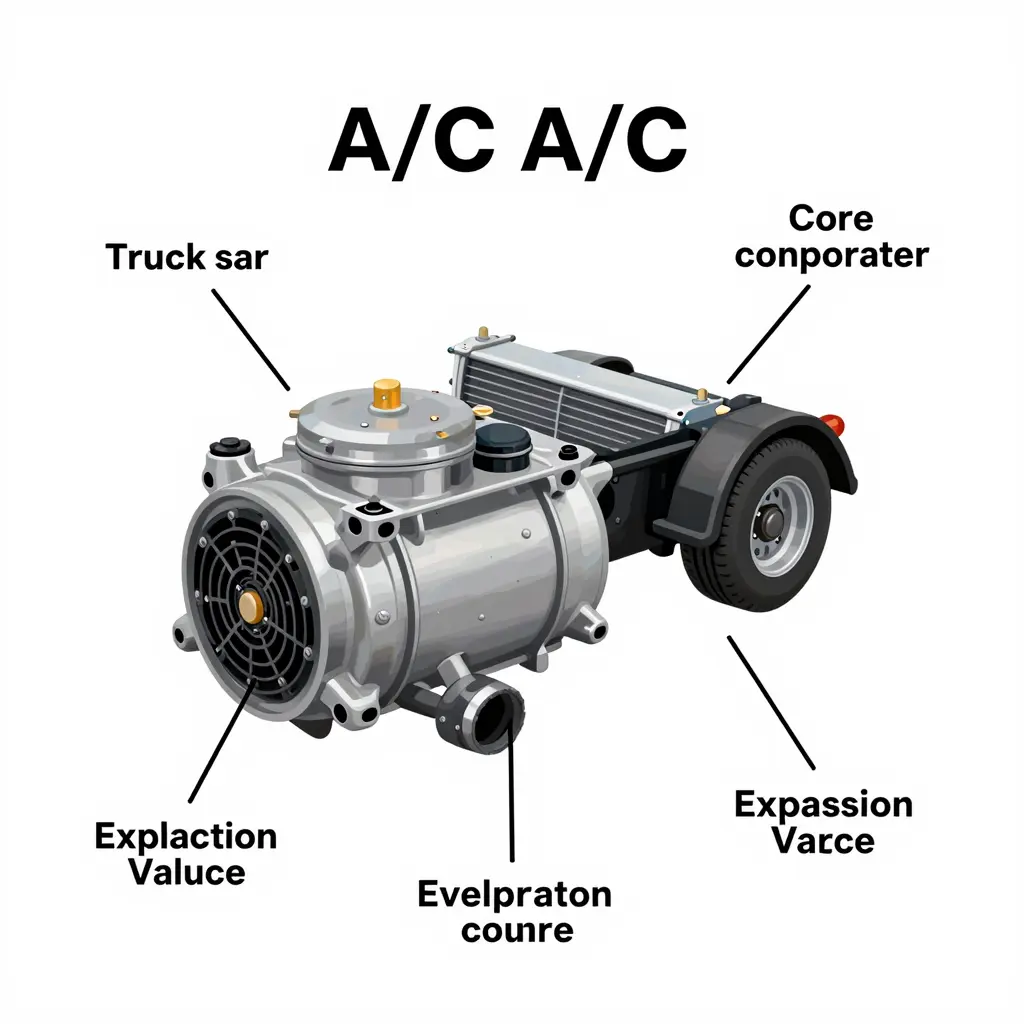
This image illustrates the core components of a truck A/C system, including the compressor, condenser, evaporator, expansion valve, and accumulator. Understanding these components is essential for effective A/C truck repair and maintenance, ensuring the comfort and efficiency of fleet operations. For more information on maintaining your fleet’s trucks, check out our guide on budgeting for routine truck maintenance and optimizing fleet size.
The Impact of Climate on A/C Performance in Trucks
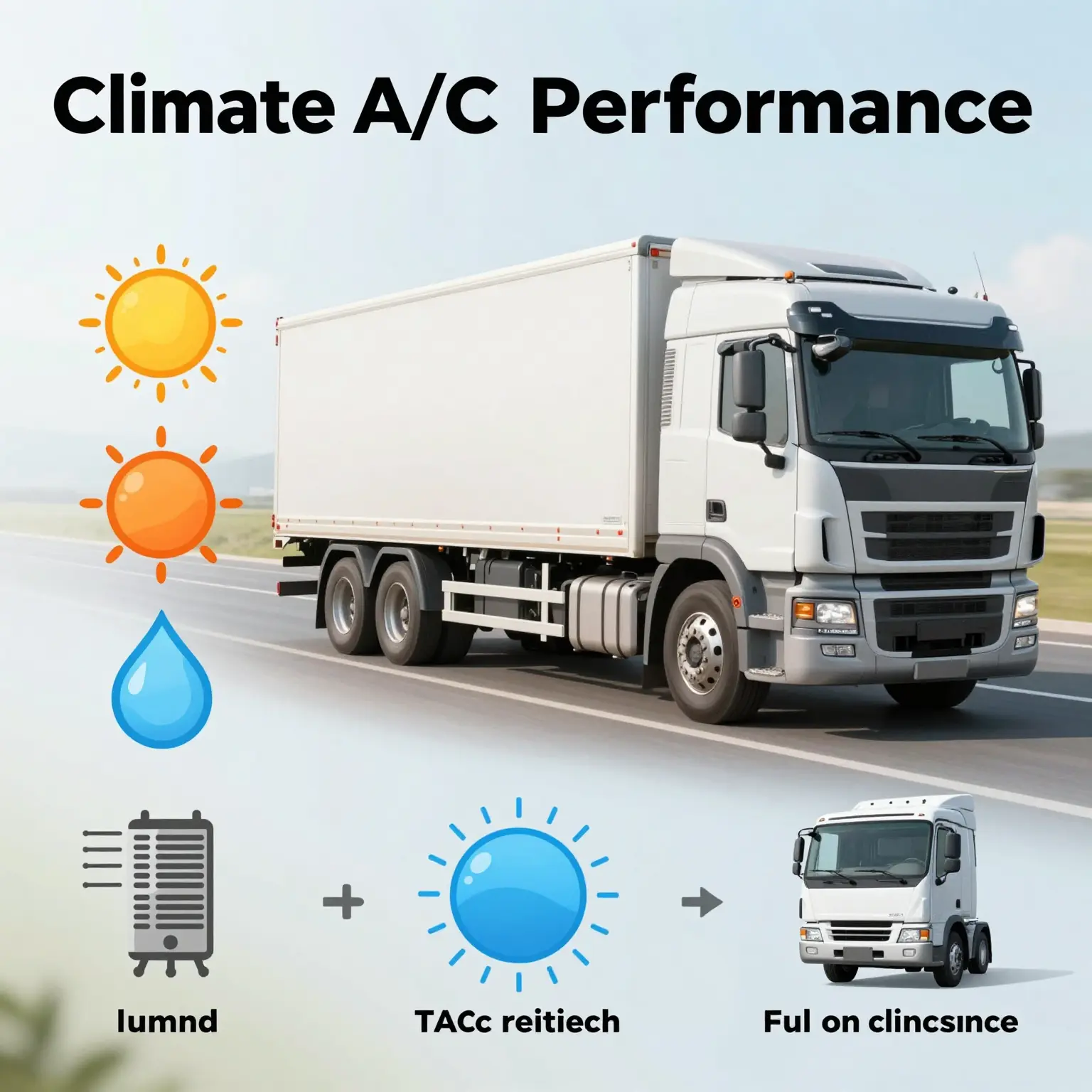
Understanding how climate affects the performance of air conditioning (A/C) systems in trucks is critical for fleet managers and trucking company owners. The efficiency of A/C systems can vary significantly based on environmental conditions like temperature and humidity, which directly influence the system’s performance and, consequently, operational costs.
Temperature Effects on A/C System Efficiency
High ambient temperatures require A/C systems to work harder to maintain a comfortable cabin environment. During extreme heat events, the A/C unit struggles to keep up with the demand, which can lead to:
- Increased energy consumption: Trucks may experience higher fuel usage, resulting in escalated operational costs.
- Reduced cooling efficiency: A compromised A/C system may fail to provide adequate cooling, impacting driver comfort and safety, particularly in on-road conditions.
- Increased wear and tear: Continuous excessive workloads on the system can lead to more frequent maintenance needs and potential system failures.
Humidity’s Role in A/C Performance
High humidity levels further complicate A/C performance. The A/C system must not only cool the air but also dehumidify it. This dual requirement can lead to:
- Increased workload: The system’s capacity is taxed more in humid conditions, reducing its ability to cool effectively.
- Potential overheating: If a system is not adequately ventilated, it can overheat, leading to potential overheating of the truck’s engine and related systems.
Actionable Insights for Fleet Managers
To optimize A/C performance and overall fleet efficiency, fleet managers can:
-
Adjust A/C settings: Tailoring settings according to the climate can help maintain efficiency. For example, in humid climates, setting the A/C to circulate air instead of full cooling can be more effective.
-
Regular maintenance checks: Keeping A/C systems well-maintained can prolong their lifespan and ensure they function optimally in varying climates. Consider planning routine checks as part of your budgeting for routine truck maintenance.
-
Educate drivers: Training drivers to manage A/C settings according to the climate-using recirculation modes on hot days or adjusting temperature settings during cooler periods-can help in improving comfort while optimizing fuel efficiency.
In conclusion, being aware of climate effects on A/C performance allows fleet managers to make informed decisions, enhancing both operational efficiency and driver satisfaction. With increasing temperatures and varying humidity levels worldwide, proactive adjustments to A/C settings can illustrate thoughtful management in optimizing fleet performance.
Further Reading
For more insights into optimizing fleet performance, check out our article on optimizing fleet size and maintenance for small fleets.
Average A/C Repair Costs by Season
Understanding the repair costs associated with A/C systems is crucial for fleet managers, especially as these costs can fluctuate significantly with seasonal changes. Here’s a summary of average A/C repair costs over recent years, highlighting the typical price range according to the season:
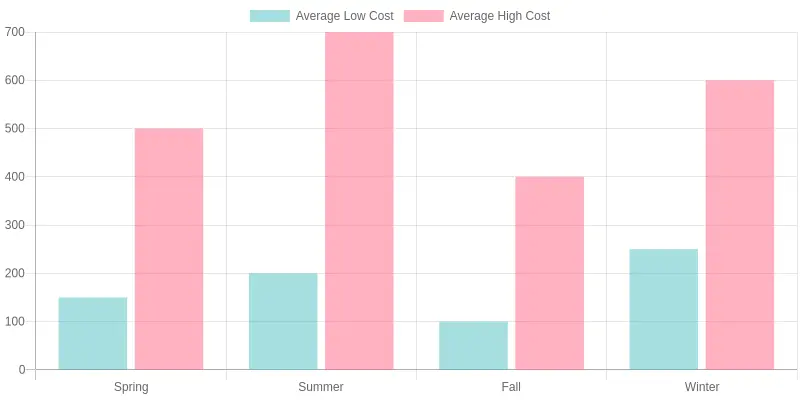
Graph illustrating seasonal cost differences can assist in budgeting effectively.
Average Seasonal Costs
| Season | Average Low Cost | Average High Cost |
|---|---|---|
| Spring | $150 | $500 |
| Summer | $200 | $700 |
| Fall | $100 | $400 |
| Winter | $250 | $600 |
As demonstrated in the chart, repair costs vary significantly across seasons due to demand and specific maintenance needs. For fleet managers, understanding these trends enables more effective budgeting for A/C repairs throughout the year. For further financial insights, consider budgeting for routine maintenance.
Stay informed about trends affecting operational costs in your fleet management strategies by regularly reviewing repair and maintenance services. Tap into resources such as optimizing fleet size and maintenance for better financial planning.
Expert Insight on A/C Truck Maintenance
Keeping the A/C system in trucks well-maintained is not just about comfort; it has significant implications for vehicle efficiency and cost management. A recognized authority in the field states:
“Simple actions like replacing the cabin air filter and checking refrigerant levels can prevent significant A/C failures and costly repairs that can exceed $1,000. Regular A/C maintenance can ensure comfortable driving, improve air quality, and extend vehicle longevity.”
This emphasizes the importance of regular A/C maintenance in trucks, particularly for fleet managers and trucking company owners, who must prioritize comfort and efficiency in their operations.
Benefits of A/C Maintenance
- Enhances Driver Comfort: A properly functioning A/C system ensures that drivers can work in a comfortable environment, leading to better productivity.
- Prevents Costly Repairs: Regular maintenance checks can uncover minor issues before they escalate into major problems, saving substantial costs.
- Improves Fuel Efficiency: Efficient A/C systems can reduce engine strain, contributing to better fuel economy, which is crucial for fleet operations.
Visual Data on A/C Maintenance Impact
Here’s a chart illustrating how regular A/C maintenance can lead to savings in both fuel efficiency and overall maintenance costs. 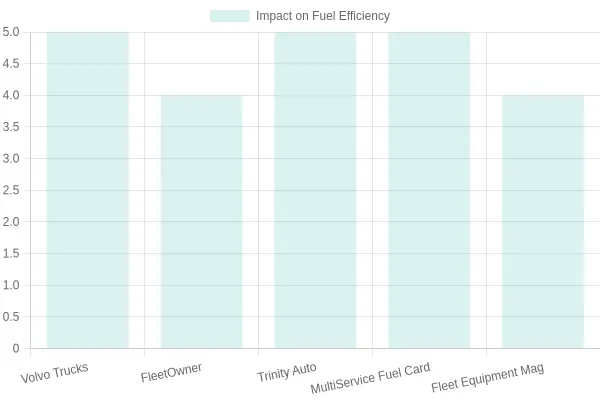
By ensuring that A/C systems are in top shape, fleet managers can effectively reduce operational costs and enhance the overall health of their trucks. Learn more about budgeting for routine truck maintenance for optimal fleet management.
Conclusion: The Importance of Regular A/C Truck Maintenance
In the fast-paced world of logistics and trucking, ensuring your vehicles are in optimal condition is not just a best practice-it’s a necessity. Regular maintenance of your truck’s air conditioning (A/C) system plays a pivotal role in securing both financial profitability and operational efficiency. When drivers are comfortable, their productivity increases, leading to better service quality and improved delivery times. A well-functioning A/C system mitigates the risks of breakdowns that can result in costly repairs and extended downtimes, allowing fleets to maintain their schedules and enhance overall operational reliability.
Moreover, regular A/C maintenance can lead to significant cost savings. Preventative measures can reveal minor issues before they escalate into major, expensive repairs. For trucking companies, operational challenges such as last-mile delivery inefficiencies caused by discomfort or vehicle malfunctions can directly impact bottom lines. Proactive maintenance ensures that these fleet operations run smoothly, reducing the likelihood of unexpected expenses that can arise from neglecting vehicle care.
As you consider the implications of inadequate maintenance, it becomes evident that a strategic approach to truck A/C upkeep is vital for sustaining business success in an increasingly competitive landscape. With numerous advantages such as improved driver morale, enhanced vehicle longevity, and reduced operational risks, regular A/C maintenance is an investment that pays off over time.
Ready to elevate your ride? Summit Fairings delivers premium truck solutions-custom-fit for your needs. Explore our offerings to ensure your fleet not only meets but exceeds operational standards for efficiency and comfort. Don’t wait-strengthen your fleet today!