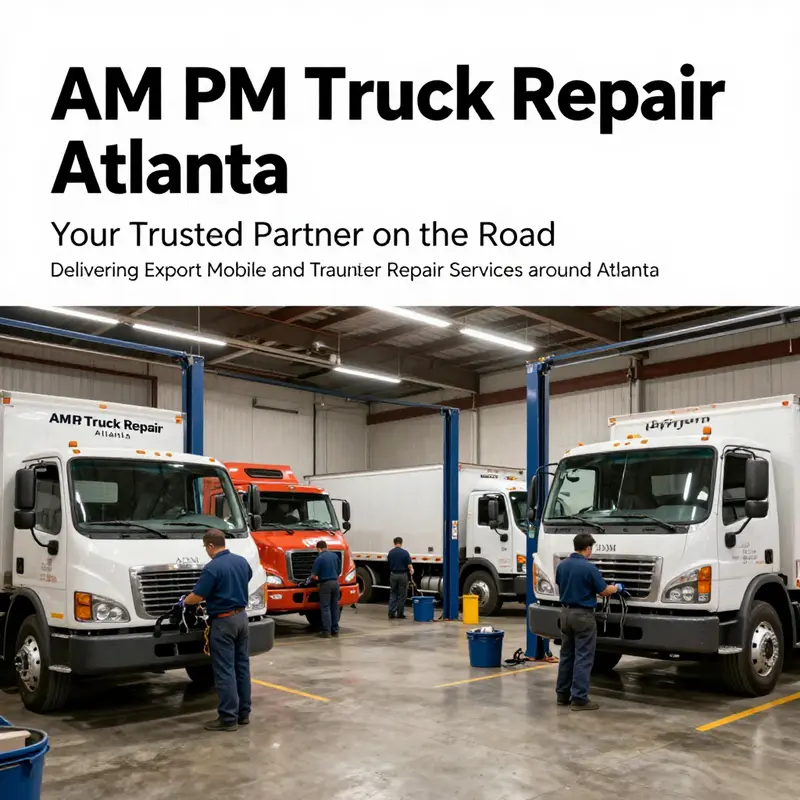
Owning a truck is a significant commitment, one that extends far beyond the initial purchase price. For many first-time truck owners, the excitement of acquiring a new vehicle can quickly turn into a daunting financial reality. With costs such as fuel, insurance, maintenance, and essential repairs often piling up unexpectedly, it’s crucial to be prepared for the financial repercussions of ownership.
An emergency repair fund serves as a financial safety net, allowing you to tackle surprise breakdowns without derailing your budget. In this article, we will delve into the various costs associated with truck ownership, the importance of budgeting for the unexpected, and practical tips to help you establish a repair fund that ensures peace of mind on the road.
Whether you are gearing up for your first long drive or simply want to protect your investment, understanding the full spectrum of truck ownership costs is an essential step in your journey.


Enhanced Costs Associated with Truck Ownership
The costs associated with truck ownership extend beyond the initial purchase price. Understanding these costs can help first-time owners prepare effectively. Below are the key categories of expenses:
Insurance
- Owner-operators pay annual premiums ranging from $14,000 to $22,000.
- It’s important to shop around for competitive rates. For example, switching providers saved me over $1,000 annually after a year of ownership.
Maintenance and Repairs
- Expected maintenance costs can average around $0.202 per mile, varying based on the truck’s age and service history.
- Regular maintenance can significantly reduce unexpected repair bills, which may range from $500 to $4,500. Many truck owners face realities of high repair costs if they ignore early warning signs.
Fuel Costs
- Truck owners typically spend about $34,100 annually on fuel.
- Utilizing fuel tracking apps can help find the cheapest stops, directly impacting your budget.
Tires
- Maintenance for tires can cost between $555 to $2,666 annually, depending on quality and replacement frequency.
- Staying diligent about tire checks can prevent costly breakdowns.
Budgeting for Unexpected Repairs
Building an emergency repair fund is essential for financial stability. Here’s how to começar:
- Start with saving one to three months of potential repair costs. A good target is $1,500 to $3,000, depending on your vehicle.
- Use the 50/30/20 rule: allocate 20% of your income towards savings in this fund.
- Financial tools, such as SoFi Relay and PayPal templates, can help in tracking your expenses and savings.
Key Quotes and Facts
Budgeting effectively for truck ownership is crucial. Here’s a roundup of essential statistics and quotes:
- Trucks over ten years old can incur repair bills that are about 28% higher than their newer counterparts, emphasizing the need for diligent budgeting.
- Preventive maintenance can potentially lower repair expenses by 34%, illustrating that proactive care not only prolongs vehicle life but also assists in budget management.
- Experts emphasize the importance of budgeting for unforeseen maintenance; it is better to prepare in advance, as unexpected repairs could occur anytime.
By understanding these financial commitments and adhering to a structured budgeting plan, first-time truck owners can better navigate the complexities of vehicle maintenance without the panic of unexpected expenses.
Comparison of Average Truck Ownership Costs
| Cost Type | Average Annual Cost |
|---|---|
| Insurance (Owner-Operators with Own Authority) | $14,000 – $22,000 |
| Insurance (Leased-On Owner-Operators) | $3,000 – $6,000 (approx.) |
| Maintenance and Repairs | $13,640 |
| Unexpected Repairs | $500 – $3,000 |
| Annual Fuel Expenses | $34,100 |
| Per Mile Fuel Cost | $0.55 – $0.64 |
| Registration and Licensing | $721 |
| Annual Tire Costs | $555 – $2,666 |
This table illustrates the various costs associated with truck ownership, providing a clear view for budgeting and financial planning. Understanding these costs can help truck owners allocate their finances more effectively and prepare for potential emergencies and necessary repairs.
Budgeting for Unexpected Repairs
Creating an emergency fund for vehicle repairs is a crucial component of financial stability for truck owners. The unexpected nature of breakdowns can lead to significant expenses; hence, having a designated fund can prevent financial strain when these situations arise.
A recommended starting point for an emergency repair fund is to save enough to cover one to three months’ worth of potential repair costs. For truck owners, this could translate into setting aside approximately $1,500 to $3,000, depending on the age and condition of the vehicle. As a general budgeting method, the 50/30/20 rule suggests that 20% of your income should be directed toward savings, which can include contributions to your emergency repair fund.Source
To help in building and managing this fund, various financial tools are available:
- SoFi Relay: This free tool allows users to connect their bank accounts, track expenses, set savings goals, and monitor credit scores. Users can also receive personalized financial advice from experts, enhancing their budgeting strategies. Source
- PayPal’s Personal Budget Template: This customizable template assists users in planning their finances by tracking expenses and setting savings goals. It’s especially helpful for organizing funds specifically for vehicle repairs. Source
- Moreover, SoFi’s Checking and Savings accounts provide features like Vaults, allowing you to earmark funds for specific goals, including your emergency repair fund. This flexibility helps you visibly manage your savings and reinforces your financial preparedness for unforeseen repair costs. Source
By leveraging these strategies and tools, truck owners can create a robust budget that includes necessary funds for unexpected repairs, ensuring they are not caught off guard when challenges arise.
Budgeting for Truck Ownership
Budgeting for truck ownership, particularly for maintenance and repair costs, is crucial to ensure operational efficiency and financial stability. Here are some key statistics, quotes, and common misconceptions that highlight the importance of proactive budgeting:
Statistics Emphasizing the Importance of Budgeting:
-
Maintenance Cost Increase with Vehicle Age: Trucks over ten years old incur repair bills approximately 28% higher than newer models. For instance, full diesel powertrain rebuilds can cost around $18,500, and rust-related frame repairs may add 12 to 19 extra labor hours per job.
[cmhtruck.com] -
Impact of Preventive Maintenance: Implementing predictive maintenance strategies can reduce repair expenses by 34% over three years. For example, a Midwest fleet operator decreased engine failures from nine to two per year and reduced unplanned downtime from 142 to 61 hours per month by prioritizing oil analysis and transmission fluid monitoring.
[cmhtruck.com] -
Cost of Deferred Maintenance: Neglecting routine maintenance can lead to emergency repairs costing between $500 and $3,000 per incident. Unplanned maintenance expenses are typically 3 to 9 times higher than scheduled preventive maintenance.
[vehvita.com]
Quotes Highlighting the Need for Budgeting:
“Always budget for some unknown maintenance, as unexpected failures can happen earlier than expected.” — Davis of PacLease
“Create an emergency fund for accidents, weather, or other unexpected events. This ensures you have the money set aside and ready to go without removing funds from elsewhere in the business.” — Joe Voors, Director of Client Partnerships for Mike Albert Fleet Solutions
Common Misconceptions Among New Truck Owners:
-
Underestimating Total Cost of Ownership: Many new truck owners focus solely on the purchase price, overlooking ongoing expenses such as fuel, maintenance, insurance, and depreciation. This narrow focus can lead to unexpected financial burdens.
[automotivequest.com] -
Assuming Uniform Operating Costs: There’s a misconception that all trucks of the same class have similar operating costs. In reality, models can vary significantly in fuel efficiency and maintenance needs, affecting long-term expenses.
[automotivequest.com] -
Believing Deferred Maintenance Saves Money: Some owners think postponing maintenance saves costs. However, neglecting routine checks can escalate minor issues into major failures, resulting in higher repair bills and increased downtime.
[vehvita.com]
By understanding these statistics, heeding expert advice, and dispelling common misconceptions, truck owners can better prepare for the financial responsibilities associated with vehicle maintenance and repairs.
Conclusion
Establishing an emergency repair fund is vital for first-time truck owners navigating the many financial responsibilities that come with ownership. As outlined throughout this article, the costs associated with truck ownership can add up quickly, often exceeding initial expectations. Insurance, maintenance, fuel expenses, and unexpected repair costs present a financial landscape that demands preparedness. By creating an emergency repair fund, you can alleviate the stress of unplanned breakdowns and ensure that your financial stability is maintained.
Understanding that the purchase price of a truck is just the beginning is crucial. Setting aside a dedicated fund—not only protects your investment but also fosters peace of mind, allowing you to focus on your driving company’s operations without the fear of unexpected expenses derailing your financial plans.
Now is the time to take action. Start budgeting today for your emergency repair fund and aim to save a minimum of $1,500 to $3,000 to cover potential repairs. Utilize budgeting tools like SoFi Relay or PayPal’s personal budget template to streamline your savings efforts. Embracing this proactive approach will empower you as a truck owner, ensuring you can weather any storms on the road ahead.
By investing in your financial preparedness now, you are making a choice that reinforces both your confidence in handling emergencies and the overall sustainability of your trucking venture. Don’t wait for a breakdown to take action—begin your budgeting journey today!
Checklist to Build Your Emergency Repair Fund
Building an emergency repair fund for your truck can provide peace of mind and financial stability. Here are actionable steps to help you establish this essential fund:
-
Assess Potential Repair Costs
- Calculate average repair expenses based on truck age and model.
- Include funds for both routine maintenance and unexpected repairs.
-
Set a Savings Target
- Aim to save enough for at least one to three months of potential repair costs.
- A suggested range is $1,500 to $3,000 depending on your vehicle’s condition.
-
Create a Separate Savings Account
- Open a dedicated savings account specifically for your emergency fund.
- This separation will help you track your savings more efficiently.
-
Automate Your Savings
- Set up automatic transfers to your emergency repair fund on a monthly basis.
- This could be a percentage of income or a fixed amount.
-
Utilize Budgeting Tools
- Leverage financial tools such as SoFi Relay or PayPal’s budgeting templates.
- These tools help track spending and monitor saving progress.
-
Adjust Your Budget Regularly
- Review your budget monthly to accommodate any changes in income or expenses.
- Ensure your contributions to the fund stay aligned with your financial goals.
-
Educate Yourself on Vehicle Maintenance
- Familiarize yourself with common maintenance practices to reduce unexpected costs.
- Knowing when and what to service can help avoid costly repairs down the line.
-
Monitor Fuel and Operating Costs
- Keep an eye on fluctuating fuel prices and adjust your budget accordingly.
- Consider strategies to improve fuel economy, further relieving potential financial stress.
-
Remember to Review and Revise
- Periodically assess and possibly increase your savings target based on any new knowledge or changing circumstances.
- Adjust your funding strategy as your truck ages or your financial situation evolves.
By following these steps, you will build a robust emergency repair fund that ensures you are prepared for any surprises on the road, helping you manage the costs associated with truck ownership effectively.
Real Testimonials from Truck Owners
To provide a more personal perspective on the financial challenges and solutions associated with truck ownership, here are some insights gathered from experienced truck owners about their repair fund experiences:
- John, a long-time owner-operator: “Initially, I never thought I needed an emergency repair fund. Then came the day my truck broke down in the middle of a job. It cost me over $2,000 for repairs, and that hit hard. Now, I save at least 10 cents per mile driven. It’s a game changer to know I won’t be scrambling for cash when something unexpected happens.”
- Lisa, who manages a small fleet: “Budgeting for maintenance and repairs used to be impossible. We were caught off guard too many times! Setting aside 15% of our monthly earnings into a dedicated maintenance fund has not only helped us prepare for the unexpected but also led to better planning for routine upkeep.”
- Michael, a new truck owner: “I read about emergency funds before buying my truck, but I never thought it would actually be necessary. After experiencing my first breakdown shortly after purchase, I realized those initial repairs ate away at my budget significantly. I now set aside $200 each month to build my emergency repair fund and recommend it to every new owner I meet.”
- Sarah, a seasoned owner-operator: “Preventive maintenance is key. I underestimated the costs at first. After a very costly engine repair that could have been avoided with regular check-ups, I made it a point to save for emergencies. Now I put aside a substantial amount every month. It’s worth sleeping easier at night.”
These testimonials highlight real-world experiences emphasizing the need for truck owners to establish an emergency repair fund, reinforcing the strategies outlined earlier to ensure preparedness for unforeseen expenses.