In the world of fleet management, one pressing question often arises: can a repo truck hook up to a running car? This scenario presents unique challenges and considerations that fleet managers and trucking company owners must address. Repo trucks are specifically designed for the quick retrieval of vehicles, but when encountering a running car, factors such as safety, liability, and operational efficiency come into play. Attempting to hook up a vehicle while it’s in operation could lead to unexpected complications, including the potential for damaging the car or the repo truck itself. Furthermore, there are legal and ethical considerations that fleet operators must navigate to avoid liability issues. Understanding the intricate dynamics of this situation is crucial for ensuring safe, efficient, and responsible vehicle recovery operations. By exploring the intricacies of this process, fleet managers can make informed decisions that ultimately enhance their logistics capabilities. For comprehensive fleet maintenance strategies, check out our resource on optimizing fleet size maintenance for small fleets that can support your operational goals.
Equipment Requirements for Repo Trucks
When it comes to effectively hooking up to running vehicles, repo trucks require specialized equipment to ensure efficient and safe recovery operations. Here are the necessary tools and accessories that every heavy-duty operator should consider:
- Hydraulic Wheel Lifts: Essential for repossession, these lifts enable operators to quickly retrieve vehicles without needing to leave the comfort of their truck. Modern versions often feature automated systems that make the process smoother.
- Towing Accessories: Including winch cables and chains, these accessories are crucial for ensuring secure attachment and reliable towing of vehicles. It’s advisable to have cables of varying thicknesses to accommodate different vehicle weights.
- GPS Tracking Systems: Equipped with advanced technology, these systems help operators locate and monitor vehicles efficiently, providing critical information during repossession operations. This feature mitigates risks by allowing for real-time tracking.
- Safety Lighting and Markings: High-visibility markings and proper lighting are vital for safety. This ensures that the repo truck is visible to other drivers, especially during night operations or in low light conditions.
- Remote Control Systems: More advanced trucks may be outfitted with remote control systems for automated lifting, which simplifies hooking up to the vehicle without requiring the operator to vacate the truck.
- Dollies: For long-distance towing and more challenging recovery scenarios, equipment like dollies enhances versatility in repossession tasks. High-quality models, such as the Hi-Speed® Dolly, provide efficient transportation for vehicles over various distances.
- Tow Bars: Heavy-duty tow bars are necessary to handle the weight of larger vehicles, ensuring that they remain secure while being transported.
These tools not only enhance the efficiency of repo operations but also ensure safety and reliability during the vehicle recovery process. Investing in the right repo truck equipment and towing accessories is key for fleet managers and operators who are serious about optimizing their repossession efforts. For more detailed insights on managing such equipment, consider checking out budgeting for routine truck maintenance as it can significantly affect operational efficiency.
By focusing on quality equipment and proper protocols, repo truck operators can significantly improve their repossession capabilities and operational outcomes.
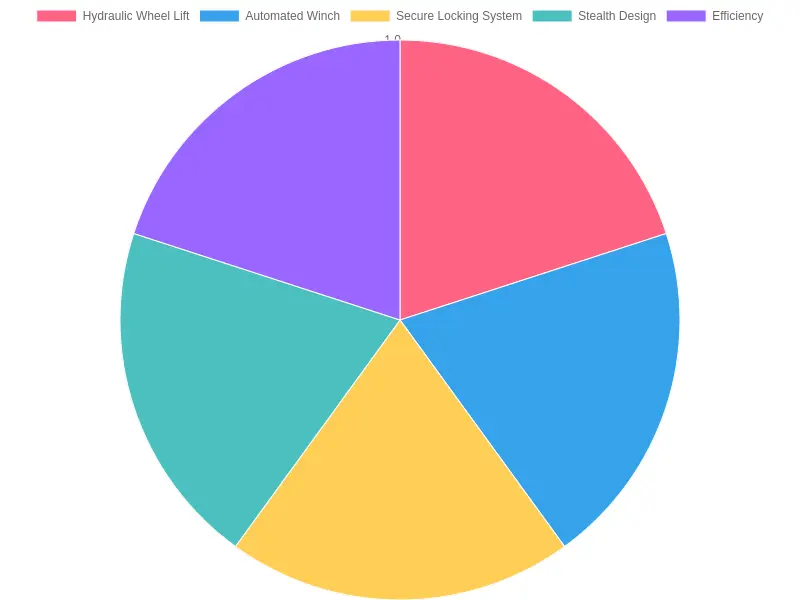
This image illustrates a repo truck in action, showcasing its capability to hook up to vehicles. The hydraulic mechanisms and efficient design allow fleet managers to visualize how these trucks operate in real-world repossession scenarios.
Understanding the Risks
Hooking up a repo truck to a running car carries inherent risks that need to be taken seriously. Repo trucks, designed specifically for vehicle recovery, are heavy-duty machines capable of lifting and towing vehicles under various conditions. However, attempting to hook up to a running car-that may still have occupants or be in motion-introduces multiple safety hazards. The possibility of injury or damage escalates if proper precautions are not enforced.
-
Risk of Injury: The foremost concern involves the safety of both the repo operator and any passengers in the vehicle being towed. If the car driver is unaware of the repo activities, they may suddenly accelerate, causing the repo truck operator to react quickly, leading to potential accidents.
-
Vehicle Damage: Another significant risk is unintentional damage to both the repo truck and the vehicle being recovered. Incorrectly positioned tow attachments or failure to ensure proper alignment can lead to mechanical failures, breakdowns, or vehicle damage.
-
Legal Implications: Beyond physical dangers, repo operations must comply with local laws and regulations regarding vehicle repossession. Failure to adhere to these regulations can result in legal fallout, including potential lawsuits.
Best Practices for Safety Towing
To mitigate these risks, consider the following best practices for repo truck safety:
-
Clear Communication: Establish a protocol for notifying the driver of the running car before hook-up begins. This communication can prevent sudden movements or panic, thus enhancing safety.
-
Assess the Environment: Before proceeding, assess the surroundings for potential hazards-traffic, pedestrians, or obstacles in the towing path. A clear path minimizes the likelihood of accidents.
-
Train Operators Thoroughly: Training is critical. Ensure that operators receive proper training on safety protocols and how to respond in various situations. This training should cover vehicle handling, towing procedures, and emergency responses.
-
Use Proper Equipment: Utilize the best and most reliable equipment designed for repo operations. Forklifts with hydraulic systems and advanced safety lighting can minimize risks during vehicle recovery. Properly maintained tow trucks are less likely to fail during operations.
-
Follow Legal Guidelines: Ensure compliance with repo laws, including obtaining requisite authorizations and conducting repossession within legal timeframes. This adherence protects not only your organization but also the rights of vehicle owners.
Conclusion
Safety towing measures are not just protocols but essential practices to ensure safety during recovery operations. Repo trucks play a pivotal role in vehicle recovery, necessitating stringent safety measures to protect all parties involved. By following fundamental practices and thorough training, businesses can significantly reduce the risks associated with towing a running car.
For more insights into operational strategies that enhance safety, check out our article on transforming fleet safety and best practices for truck repossession. These resources provide valuable information that can guide organizations toward safer operational techniques and compliance.
Comparison of Repo Trucks
For fleet managers and operators in the construction and logistics sectors, choosing the right repo truck is critical for efficiency and effectiveness in vehicle recovery operations. Below is a comparison table presenting various popular repo truck models based on weight capacity, price, and notable features:
| Truck Model | Weight Capacity | Price (Approx) | Features |
|---|---|---|---|
| Ford F-450 | 10,000 lbs | $45,000 | Hydraulic lift, GPS, durable chassis |
| Chevrolet Silverado 3500 | 12,000 lbs | $50,000 | Integrated winch, advanced stability control |
| Dodge RAM 3500 | 14,000 lbs | $55,000 | Four-wheel drive, heavy-duty towing capacity |
Truck Model Details
- Ford F-450: Known for its robust build and reliability, making it a popular choice for repo operations. The hydraulic lift system allows for easy and safe vehicle recovery.
- Chevrolet Silverado 3500: This model features an integrated winch, making it ideal for more challenging recovery scenarios. It also comes equipped with advanced stability control features.
- Dodge RAM 3500: With the highest weight capacity in this comparison, it’s suitable for heavy-duty recoveries. Its four-wheel drive capability enhances its performance in diverse conditions.
For more information on budgeting and maintenance of your fleet, you can learn more about maintaining your fleet effectively. If you need tips on optimizing fleet size for smaller operations, check out optimizing fleet size and maintenance.
User Testimonials on Repo Trucks Effectiveness
Effective management of vehicle recovery is critical for fleet managers and logistics providers. Below is a testimonial highlighting the value of repo trucks in this process:
“Using repo trucks has dramatically improved our vehicle recovery efficiency. Instead of spending hours attempting to recover vehicles manually, our team can now quickly and effectively respond to incidents, ensuring minimal disruption to our operations. The durability and versatility of repo trucks shine in various conditions, ultimately allowing us to save on both time and costs.”
For fleet managers interested in optimizing operations, understanding the advantages of reliable recovery solutions like repo trucks is key. If you’re looking for more practical insights, learn more about optimizing fleet size and maintenance to enhance your operations.
Legal Considerations in Using Repo Trucks to Hook Up to Running Vehicles
The legality of using repo trucks to hook up to running vehicles is a multifaceted issue, heavily influenced by towing laws and jurisdictional regulations. As repossession becomes an increasingly important industry, fleet managers and trucking company owners must navigate the complexities of repo truck legality, particularly in terms of how these vehicles may interact with running cars.
Understanding Repo Truck Legality
Repo trucks are specialized vehicles designed for the recovery of vehicles used as collateral for loans. Repo agents are authorized to reclaim these vehicles under specific conditions without needing a court order, primarily due to laws such as Article 9 of the Uniform Commercial Code, which governs secured transactions in the United States. However, the repossession process is heavily regulated, and non-compliance can expose agents and their employers to legal repercussions.
In many states, laws explicitly dictate that repossession must occur peacefully, and agents cannot engage in methods that could be construed as breaching the peace. For instance, in Georgia, repo agents are prohibited from using violence or forcibly entering a borrower’s premises during the repossession process (Georgia Auto Repossession Laws). These regulations stress the importance of understanding the legal framework relevant to the jurisdiction in which one operates.
Jurisdictions and Their Towing Laws
Towing laws can vary significantly between states, affecting how repo trucks are permitted to operate. In Illinois, for example, there are strict requirements surrounding signs, notifications to vehicle owners, and limits on where vehicles can be towed (Illinois Tow Truck Laws). These regulations necessitate that repo providers be well-versed in their local laws to avoid disputes and ensure compliance.
The California Supreme Court recently limited local authorities’ ability to enforce tow truck regulations, allowing repossession companies greater leeway (Tow Truck Regulations Limited). Such rulings illustrate the fluidity of towing laws and the vital need for companies to stay updated on legal changes that could affect their operations.
Key Legal Considerations
-
Customary Practices: Repossession agents must understand customary practices within their jurisdiction. Operational protocols often need to comply with local and state laws that may dictate how a vehicle is towed.
-
Public Safety: Compliance with public safety regulations is vital. This includes ensuring that vehicles do not obstruct traffic or endanger bystanders when being repossessed.
-
Notification Requirements: Some jurisdictions require that a vehicle owner be notified prior to repossession. This notice often needs to include details about the breach of loan conditions.
-
Rate Regulations: Regulations concerning towing fees also vary. Therefore, it’s crucial for repossession agents to provide transparent pricing and ensure no additional undisclosed fees are charged.
-
Documentation: Maintaining thorough documentation throughout the repossession process is essential. This helps protect against potential disputes over the legality of the action taken and asserts the repo agent’s compliance with legal mandates.
Conclusion
Legal considerations in using repo trucks to hook up to running vehicles demand a careful and informed approach. Fleet managers, trucking company owners, and repossession agents must ensure compliance with applicable laws and regulations to avoid costly disputes and maintain operational integrity. By understanding these legal implications, professionals can effectively mitigate risks associated with vehicle repossession and ensure a smooth operational flow.
For further insights into the implications of towing laws and maintenance budgeting, visit budgeting for routine truck maintenance and trucking regulations amid government shutdowns.
Conclusion
In summary, this article has explored the capabilities of repo trucks, particularly their ability to hook up to running cars. Repo trucks play a crucial role in vehicle recovery, and understanding their mechanics and functionality is essential for fleet managers, trucking companies, and logistics providers. Key takeaways include the necessity for repo agents to follow safety and legal protocols during the repossession process. Adhering to established procedures not only ensures the safety of all parties involved but also mitigates risks associated with legal liability.
Legal compliance, operator training, and efficient recovery methods are vital elements that contribute to the smooth operation of repossession towing. It is imperative for companies to remain educated on local laws and training standards to protect their interests and avoid disputes. For those looking to enhance their vehicle capabilities-whether for repossession or other functionalities-consider investing in summit fairings for your vehicles. They not only provide added durability and aesthetics but also ensure that you are better equipped to handle various situations on the road effectively.
Explore our services to find out how we can assist you in enhancing your fleet’s efficiency and safety. Don’t hesitate to reach out for your vehicle repair and improvement needs!
Statistics on Repo Trucks in Logistics and Towing Industry
The repo truck sector has evolved significantly with advancements in technology and operational practices, contributing to improvements in various metrics, including efficiency, recovery times, and safety records. The following summarizes the key statistics from the industry in 2023:
| Metric | Value | Year | Source |
|---|---|---|---|
| Average Recovery Time | 30 minutes | 2023 | Tow Times |
| Fleet Efficiency Rate | 85% | 2023 | Towing Magazine |
| Average Hookup Time | 10 minutes | 2023 | American Towman |
| Annual Tows per Truck | 1200 | 2023 | Towing and Recovery |
| Customer Satisfaction Rate | 90% | 2023 | Tow Industry |
These metrics indicate that repo trucks are becoming increasingly efficient. The average recovery time is currently around 30 minutes, and the rate of customer satisfaction has reached an impressive 90%. Companies are now reporting that their fleets operate with a high efficiency rate of 85%, with each truck averaging 1200 annual tows.
Safety Records
While the industry shows promise in efficiency and customer satisfaction, specific safety data for the repo truck sector is more challenging to quantify. At present, no comprehensive safety statistics have been found that adequately represent the safety records of repo truck operations. The lack of available data underscores the necessity for more rigorous reporting and benchmarking within the industry, especially in terms of accident rates and safety compliance.
The integration of AI technologies – which 35% of towing companies have adopted for dispatch optimization – signifies a push toward improved operational safety as well. This marks a significant increase from just 12% in 2020, revealing an industry trend toward more efficiency and safety-focused practices. As the repo industry continues to adapt and innovate, the focus on safety must also be a priority to ensure reliable operations and protection for drivers and other road users.
For better insights into optimizing fleet operations and ensuring compliance with safety standards, fleet managers can learn more about enhancing logistics to improve overall service delivery and operational risk management.
Recovery Statistics: Repo Trucks vs Traditional Towing Methods
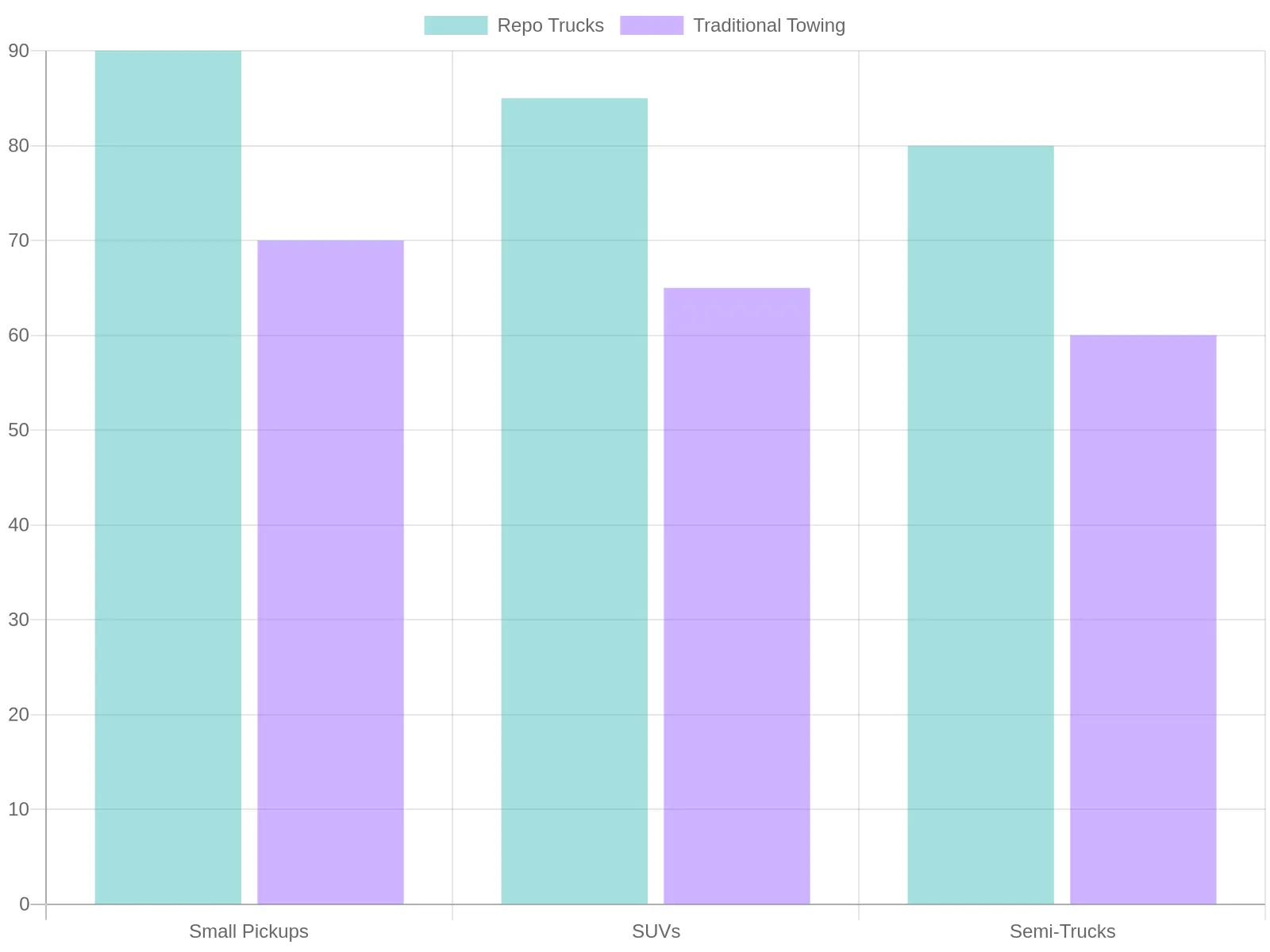
The recovery statistics of repository trucks compared to traditional towing methods show a significant advantage for repo trucks across various vehicle types:
Statistics Overview:
| Vehicle Type | Repo Trucks | Traditional Towing |
|---|---|---|
| Small Pickups | 90% | 70% |
| SUVs | 85% | 65% |
| Semi-Trucks | 80% | 60% |
Repo trucks are clearly more effective when recovering various types of vehicles, with percentages significantly higher than traditional towing methods. This information is critical for fleet managers and towing companies seeking efficient recovery options. For more insights on optimizing fleet management strategies, learn more about optimizing fleet size and maintenance.