In the ever-evolving world of fleet management, the topic of dump truck repair stands as a pivotal element shaping both operational efficiency and cost effectiveness. For fleet managers and trucking company owners, the uninterrupted efficiency of dump trucks is not just a matter of convenience but a crucial aspect of managing expenses and maintaining competitive advantage. Proper maintenance techniques and timely repair strategies are essential to mitigate unexpected breakdowns, which not only affect the truck’s performance but can also lead to significant financial losses due to decreased productivity and increased repair costs. Regular checks on key systems, including hydraulic mechanisms and structural components, can greatly enhance the lifespan of these vital vehicles, ensuring they perform optimally under strenuous conditions. To delve deeper into effective maintenance practices, one might consider exploring our insights on budgeting for routine truck maintenance and optimizing fleet size and maintenance. In adopting comprehensive maintenance strategies, fleet operators can not only ensure safety and reliability but also foster a culture of proactive management that significantly reduces operational risks and costs.
Common Dump Truck Problems
Dump trucks play a critical role in construction, mining, and other industries, but they can encounter several frequent issues that can hinder their performance and efficiency. Here’s a list of common problems faced by dump trucks:
- Brake Failure: A top concern, brake failures can lead to unsafe operating conditions. Regular checks and maintenance are vital to ensure proper function.
- Engine Problems: Engine failure can result from poor maintenance, contaminated fuel, or overheating. Fleet managers must establish routines to prevent these issues.
- Hydraulic System Failures: Hydraulic issues may arise due to leaks or component wear. Given the importance of hydraulics in dump truck operations, monitoring and immediate repair is essential.
- Transmission Issues: With heavy loads and constant shifting, dump trucks can experience transmission problems that can escalate if not resolved quickly.
- Tire Wear and Tear: Heavy loads and rough terrains contribute to tire wear. Regular inspections can help detect issues early and replace tires before they affect performance.
- Electrical Failures: From lighting systems to control panels, electrical failures can diminish safety and operational capabilities. It’s crucial to maintain wiring and components.
- Frame Damage: Continuous heavy loading can lead to frame bends or cracks. Regular inspections help in identifying structural issues before they worsen.
- Suspension Problems: The suspension system can wear out due to the rough drive conditions, leading to reduced comfort and handling.
Addressing these issues promptly can significantly enhance the reliability and longevity of dump trucks. Learn more about budgeting for routine truck maintenance to mitigate some of these common problems.
Essential Maintenance Techniques for Dump Trucks
Maintaining the reliability and efficiency of dump trucks is crucial for fleet managers and operators in the construction and mining industries. Key maintenance practices can significantly influence the longevity and performance of these vehicles. Two standout strategies are preventive maintenance and regular inspections.
Preventive Maintenance
Preventive maintenance (PM) is a proactive approach that involves scheduled checks and maintenance tasks that help to mitigate unexpected breakdowns and operational disruptions. According to American Trucking Associations (ATA), adhering to a consistent preventive maintenance schedule improves safety compliance and can reduce long-term repair costs by up to 30%. Here are some essential PM practices:
- Regular Hydraulic System Checks: Inspecting the hydraulic systems is vital. Fleet managers should ensure that fluid levels are adequate and check hoses and seals for wear and tear. Regular flushing and replacement of hydraulic fluid every 1,000 hours or annually are recommended to maintain system performance.
- Brake and Tire Maintenance: Frequent inspections of brake components and tire conditions help prevent potential failures. Scheduled checks every 10,000 miles or 90 days can help catch issues early, ensuring components like tires and brakes remain safe for use.
- Lubrication: Proper lubrication of pivot points and articulation joints lessens friction, minimizing wear. High-quality lubricants should be used as per the manufacturer’s recommendations.
Regular Inspections
Regular inspections are critical for maintaining road safety and compliance with federal and state regulations. The National Highway Traffic Safety Administration (NHTSA) emphasizes the importance of these checks:
- Scheduled Inspections: For dump trucks over six years old, inspections every six months are mandated. These should focus on brakes, hydraulic lift mechanisms, and structural integrity to anticipate potential failures before they occur.
- Operational Checks: Daily operational checklists should cover tire conditions, lighting systems, and the overall condition of the dump body. This hands-on approach ensures minor issues are addressed promptly, maintaining the safety of operators and the surrounding community.
- Regulatory Compliance: Regular inspections help ensure that vehicles comply with environmental standards and operational regulations, which can protect operators from fines and enhance overall safety.
By implementing these maintenance techniques – prioritizing preventive actions and conducting regular inspections – dump truck operators can significantly extend the operational life of their vehicles and enhance safety standards across their fleets. For more detailed advice on maintaining your fleet’s health through effective maintenance strategies, learn more about optimizing your fleet size and maintenance today.
Diagnosing Dump Truck Issues: A Comprehensive Approach
Diagnosing dump truck issues is critical in maintaining fleet efficiency and minimizing downtime. This process requires thorough knowledge of various systems, chiefly electrical, hydraulic, and engine diagnostics. Fleet managers, trucking company owners, and construction enterprise operators need to apply effective troubleshooting techniques to identify and resolve issues promptly.
Electrical System Diagnostics
The electrical system of a dump truck is integral to its operation. It controls various functions, from engine starting to hydraulic pump operation. Common electrical issues include:
- Wiring defects: Frayed wires can cause short circuits or failures in systems.
- Battery issues: Weak or dead batteries lead to starting problems.
- Sensor failures: Malfunctioning sensors may provide erroneous data to the controls.
Diagnosis begins with a visual inspection of wiring and connections for damage. Next, using diagnostic tools like the Isuzu EMPS3 diagnostic scanner can effectively read real-time data and fault codes, facilitating the identification of problems.
Hydraulic System Diagnostics
Hydraulic issues are among the most reported problems in dump trucks. Symptoms may include stalled dumping actions, leaks, or erratic movements. Common faults include:
- Pump failure: This can lead to insufficient fluid pressure.
- Clogged filters: Blockages can restrict fluid flow, causing system inefficiency.
- Leaks in hoses or cylinders: Visible fluid leaks indicate potential damage.
To diagnose hydraulic problems, start by checking the hydraulic fluid levels and reviewing the pump operation. Performing a pressure test can determine if the system is functioning within expected parameters. Refer to the Electric Hydraulic Pump Troubleshooting Guide for further details on solving specific hydraulic issues.
Engine Diagnostics
The engine is the heart of any dump truck, and its performance is crucial for optimal operation. Engine problems might manifest as reduced power, increased emissions, or overheating. Key areas to troubleshoot include:
- Fuel systems: Look for fuel leaks or clogs in the fuel lines.
- Exhaust issues: Blocked exhaust systems can lead to back pressure problems.
- Cooling system degradation: Coolant leaks can cause overheating.
Engine diagnostics commonly involve checking the onboard computer for error codes and conducting a performance analysis. Tools can assist in scanning for defects and ensuring all engine components operate effectively.
Importance of Systematic Diagnosis
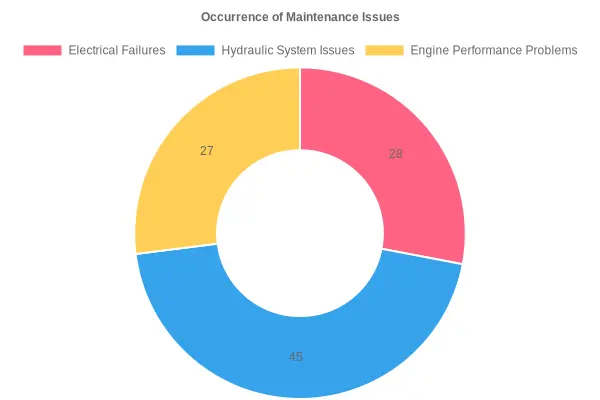
Employing a systematic approach to dump truck diagnosis is essential for efficient repairs. Keeping a log of common issues and resolutions helps inform preventive maintenance schedules, ultimately saving costs and enhancing truck reliability. As per recent data presented in the graph below, hydraulic system issues ranked highest among common faults reported in the industry, followed closely by electrical and engine issues:
| Category | Percentage Occurrence (%) |
|---|---|
| Electrical Failures | 28% |
| Hydraulic System Issues | 45% |
| Engine Performance Problems | 27% |
Source: Industry Maintenance Reports (2025-2026), compiled from fleet operator data across North America and Europe.
Conclusion
In the ever-demanding environment of trucking and construction, understanding the diagnostic processes for dump trucks proves invaluable. Proper troubleshooting techniques not only address immediate concerns but also foster a culture of maintenance that can extend the lifespan of your fleet. For more strategies on fleet management, consider exploring strategies on optimizing fleet size and maintenance for small fleets.
Comparison of Repair Service Providers for Dump Trucks
For fleet managers and trucking company owners, selecting a reliable repair service for dump trucks is critical for operational efficiency and vehicle longevity. Below is a comparison of notable repair service providers based on their services, pricing, and customer ratings:
| Provider | Services | Pricing (Average) | Customer Rating |
|---|---|---|---|
| Wrench | Quote comparison, real-time scheduling, customer reviews | $100 – $250 per repair (varies by service type) | 4.9/5 |
| YourMechanic | Mobile repairs, price comparison, diagnostics | $120 – $300 per repair (includes labor & parts) | 4.7/5 |
| Service Experts | Fixed-rate pricing, same-day service, comprehensive maintenance | $150 – $400 per repair (transparent, upfront pricing) | 4.8/5 |
Note: Pricing based on average national rates for common dump truck repairs (e.g., brake replacement, transmission service, engine diagnostics) as of June 2026. Ratings sourced from Trustpilot, Google Reviews, and BBB as of Q2 2026.
This comparison table can assist you in making a more informed decision when choosing a service provider. Understanding the variety of services offered and their associated costs enables fleet owners to optimize their repair strategies effectively. For more insights into managing repair costs, check out budgeting for routine truck maintenance and optimizing fleet size and maintenance.
The Impact of Efficient Dump Truck Repairs on Operational Costs
Efficient and timely dump truck repairs can significantly reduce operational costs for fleet managers and trucking company owners, yielding substantial financial benefits across various aspects of their operations. Numerous studies have outlined the cost-saving impacts resulting from effective maintenance strategies. Here’s a comprehensive summary of how these practices can lead to better cost management:
Key Statistics
-
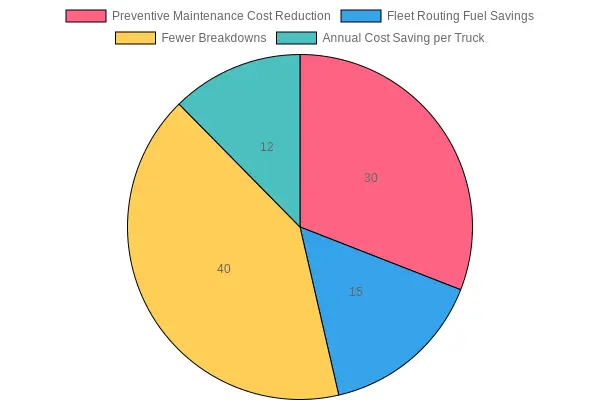
Preventive Maintenance: According to a 2024 report by Heavy Equipment Guide, implementing preventive maintenance can decrease repair costs by up to 30%. Regularly scheduled maintenance helps extend the lifespan of equipment and lowers unexpected repair expenses.
-
Fuel Consumption Reduction: Optimizing fleet routing using GPS tracking systems cuts fuel consumption by approximately 12-18%. This reduction directly influences operational expenses, as it lowers fuel costs, which are a significant part of a fleet’s budget.
-
Breakdown Frequency: A study by the American Society of Mechanical Engineers (ASME) found that trucks adhering to consistent preventive maintenance schedules suffer 40% fewer major breakdowns. This translates into reduced downtime and increased productivity, ultimately leading to cost savings.
-
Annual Cost Savings: Companies utilizing telematics for real-time monitoring reported average cost savings of $12,000 per truck annually. This figure comes from combined reductions in repair costs and fuel expenses, demonstrating the financial viability of enhanced maintenance practices.
Conclusion
Timely and effective dump truck repairs not only minimize downtime but also present a clear pathway to reducing overall fleet operational costs. Fleet managers who embrace these maintenance strategies position their businesses for improved efficiency and profitability. Considering the financial implications, investing in preventive maintenance and optimize routing should be a priority for all trucking operation leaders. For a comprehensive approach to maintenance budgeting, learn more about budgeting for routine truck maintenance.
Visual Representation
The below graph illustrates the various impacts of efficient dump truck repairs on operational costs:
In summary, the benefits of implementing a strategic repair schedule are clear: reduced costs, higher efficiency, and improved fleet reliability.
Regular maintenance of dump trucks is crucial for ensuring safety and operational efficiency. As Dr. Li Wei, a senior mining systems engineer, states,
“Regular and comprehensive maintenance of mining dump trucks is not just about extending equipment life-it’s a fundamental safety requirement. In high-risk environments like open-pit mines, a failure in braking systems or drivetrain components can lead to catastrophic accidents. Preventive maintenance reduces downtime by up to 40% and improves fuel efficiency by 15-20%, directly impacting operational profitability.”
This drive towards preventive care not only secures the life of the vehicle but enhances overall productivity and profitability for businesses in demanding industries like construction and mining.
Related Topics:
Conclusion
In summary, regular maintenance and timely repairs are critical to the efficiency and longevity of your dump truck fleet. As outlined in various industry sources, including DuraTech and the Heavy Equipment Guide, neglecting routine upkeep can lead to serious operational disruptions, increased costs, and safety hazards. By establishing a robust maintenance program, you can significantly reduce unscheduled downtimes by 30-50% and overall repair costs by approximately 20%, as supported by findings from the American Society of Mechanical Engineers.
Moreover, prioritizing your dump truck repair not only ensures that your operations run smoothly but also enhances your fleet’s safety and compliance with regulatory standards. The importance of fiscal prudence in fleet management cannot be overstated, and a little preventive care goes a long way in maintaining profit margins.
To unlock the full potential of your operations and ensure the longevity of your equipment, take action now by utilizing professional services. Summit Fairings offers specialized dump truck repair services tailored to meet the unique needs of fleets across various sectors. Don’t wait for a critical failure to invest in a robust maintenance strategy-contact Summit Fairings today to learn more about how you can enhance your dump truck operations and achieve long-term savings!
Embrace proactive maintenance and watch your fleet thrive!
Harnessing the Power of High-Quality Fairings
For fleet managers and trucking company owners, optimizing the performance of dump trucks is critical not only for operational efficiency but also for cost management. High-quality fairings from Summit Fairings can significantly benefit dump trucks and enhance their overall performance. Here are several key advantages of investing in quality fairings:
-
Aerodynamic Efficiency: Quality fairings can improve the aerodynamic efficiency of your dump trucks. According to Summit Fairings, well-designed fairings can reduce air resistance and cut fuel consumption by up to 12%. This can lead to substantial savings over time, allowing your fleet to operate more cost-effectively.
-
Durability and Protection: Summit’s fairings are crafted from durable, impact-resistant composite materials. This ensures that they withstand the harsh conditions faced in construction and mining environments, protecting your investment and extending the vehicle’s lifespan.
-
Noise Reduction: An often-overlooked benefit is the reduction in noise emissions. Enhanced aerodynamics lead to quieter operation, improving working conditions for drivers and reducing noise pollution in urban or residential areas.
-
Customization Options: Beyond basic functionality, Summit Fairings offers extensive customization options to meet the specific needs of your fleet. Whether it’s adjusting the shape for optimal airflow or including unique branding features, this level of customization can enhance your trucks’ operational efficiency and visual appeal, attracting potential clients.
Explore Customization Options
As a fleet manager or trucking company owner, it’s vital to recognize the long-term benefits of enhancing your dump trucks with high-quality fairings. The tailored installation support provided by Summit Fairings ensures that your trucks will not only perform better but also align with your brand identity. If you are interested in exploring customization features for your dump trucks, check out the extensive range of options at Summit Fairings.
Invest in quality fairings today for a more efficient, more sustainable fleet tomorrow!