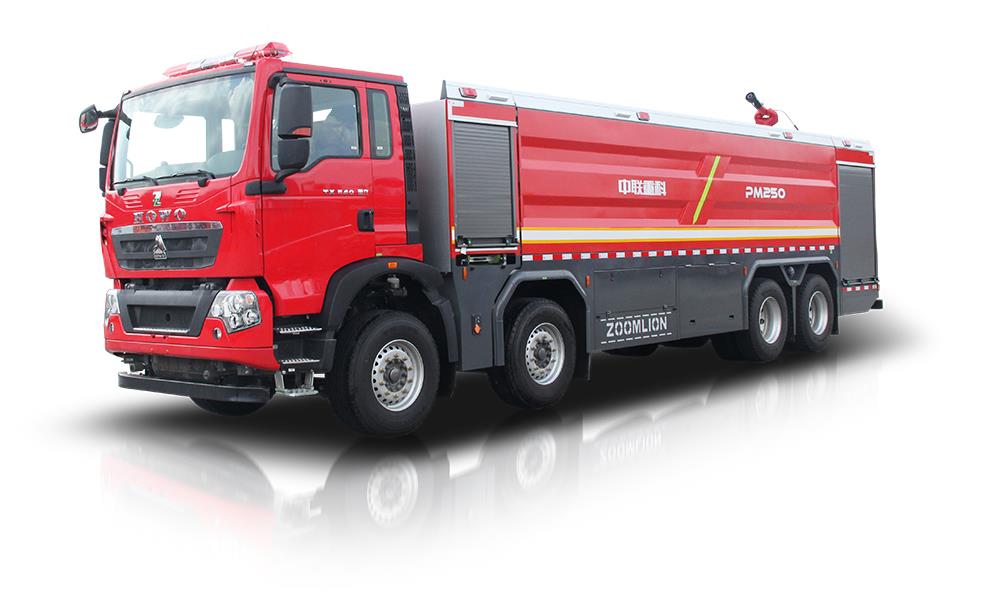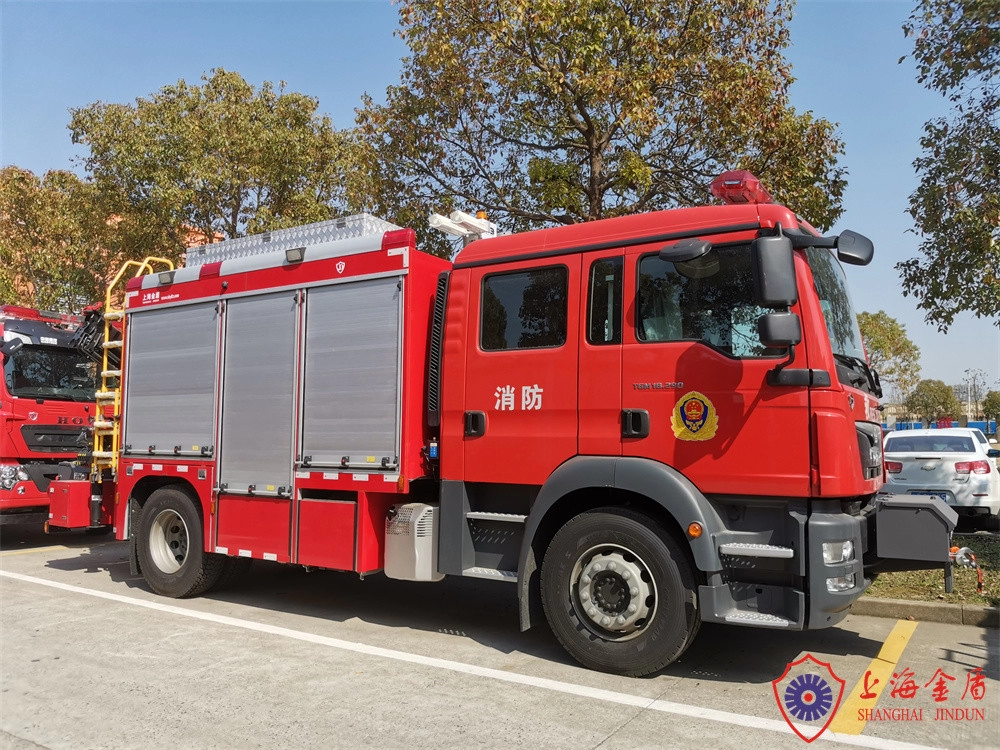
Introduction to Fire Engine Rescue Trucks
When the alarm rings, every second counts. Fire engine rescue trucks are the unsung heroes of emergency services, playing a crucial role in protecting lives and property. Equipped with advanced rescue equipment and ingenious technology, these vehicles have evolved significantly over the years to enhance their emergency response capabilities. From the initial basic models to today’s high-tech platforms, the integration of features like compressed air foam systems (CAFS), real-time monitoring, and intelligent command systems has revolutionized the way firefighters tackle emergencies. This evolution is not just a testament to technological advancements but also a direct answer to the growing demands of urbanization and increased fire safety regulations. As business owners keen on safety and preparedness, understanding the significance and the latest innovations in fire engine rescue trucks can make all the difference in effective fire risk management. Explore fire rescue equipment and discover how these life-saving machines are more than mere transportation – they are lifelines in crisis, equipped to face every challenge with unparalleled resilience and efficiency.
The History of Fire Engine Rescue Trucks
The evolution of fire engine rescue trucks is a compelling journey that traces the progression from rudimentary hand-pumped models to sophisticated, multifunctional vehicles integral to modern emergency services. Fire truck innovation has been pivotal in shaping the landscape of rescue operations, making them faster, safer, and more effective than ever before.
Early Innovations in Fire Engine Design
The history of fire engines began in 1518 with the creation of the first hand-pump fire engine in Augsburg, Germany. This model required manual effort to pump water, demonstrating the strenuous labor firefighters had to endure. As society evolved, so did firefighting technology. The Great Fire of London in 1666 ushered in an era of change, leading to the introduction of hand-cranked pumpers in the 17th century. These innovations allowed for more efficient water delivery thanks to improved hose systems. In the 19th century, steam-powered fire engines made their debut, dramatically increasing response times and water delivery capabilities.
A significant milestone occurred in 1905 with the introduction of the first gasoline-powered fire truck in the United States. This advancement marked the beginning of motorization, replacing horse-drawn carriages and enhancing operational efficiency. The 1930s saw the development of the first standardized fire trucks, equipped with built-in ladders and hose connections, although they still lacked onboard water tanks. By the mid-20th century, the advent of dedicated water tank fire engines revolutionized firefighting, allowing for more immediate responses in emergencies.
Modern Designs and Multifunctionality
Today, fire engine rescue trucks incorporate advanced technologies like hydraulic ladders, thermal imaging cameras to locate victims, and even drones for aerial reconnaissance. Modern designs emphasize not just fire suppression capabilities but also emergency medical response and hazardous materials management. Vehicles now come equipped with self-contained breathing apparatus (SCBA), hydraulic extrication tools, and integrated smart monitoring systems that enhance operational effectiveness.
The latest innovations also emphasize safety, offering features such as improved visibility colors (lime-yellow is becoming popular) and reinforced structural elements aimed at protecting firefighters during operations.
The evolution of fire engine rescue trucks is a testament to the progress in emergency services and firefighting techniques. As technology continues to advance, the role of fire rescue trucks expands, addressing a wider array of emergencies, including medical responses and structural rescues. The integrated functionality of modern fire engines signifies a shift towards a comprehensive emergency response approach, enhancing the efficiency and effectiveness of rescue operations.
In conclusion, the journey from early hand-pumped designs to the sophisticated fire engine rescue trucks we see today underscores the remarkable growth in rescue history. Each milestone has built upon previous innovations to create vehicles that not only fight fires but also save lives in various emergency situations. To explore our range of specialized vehicles, visit our fire rescue category.
By understanding the historical context of fire engine rescue trucks, business owners can appreciate the importance of investing in advanced emergency equipment that meets the evolving needs of today’s communities.
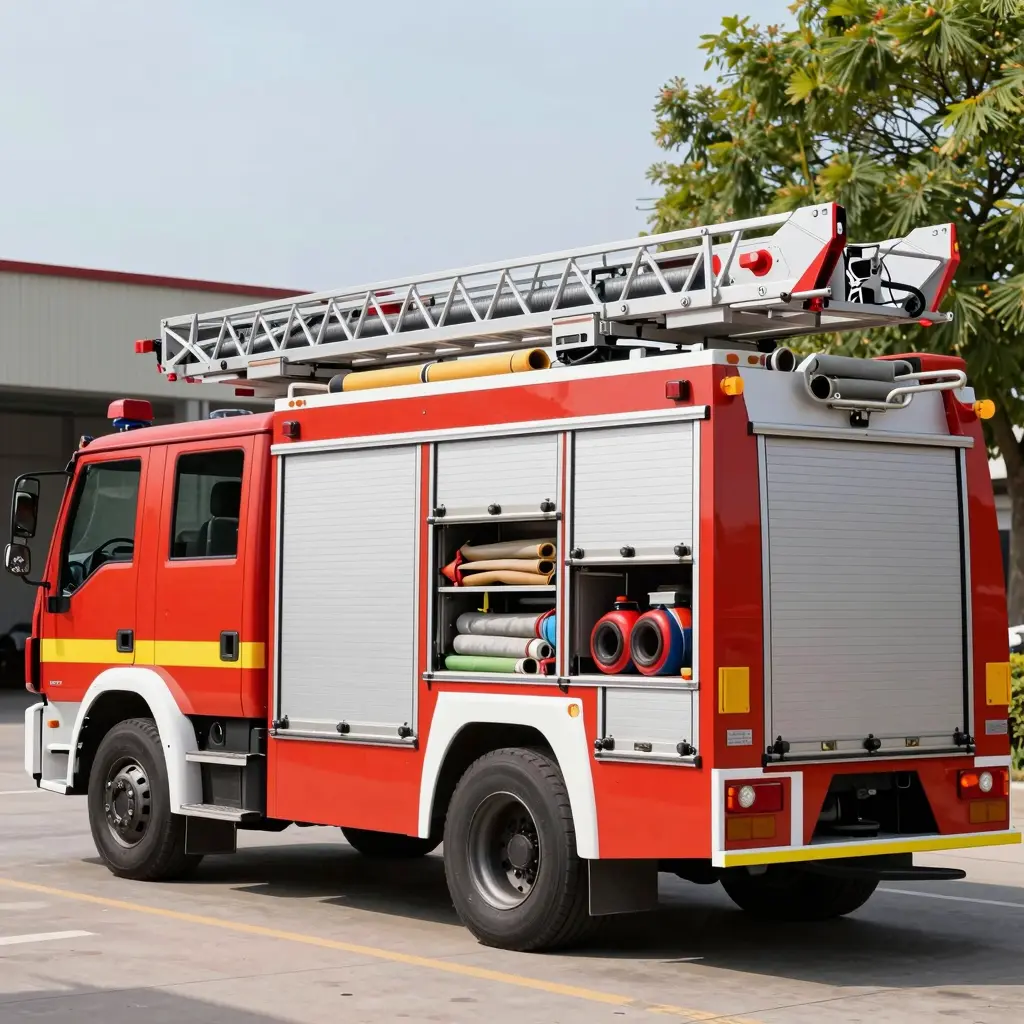
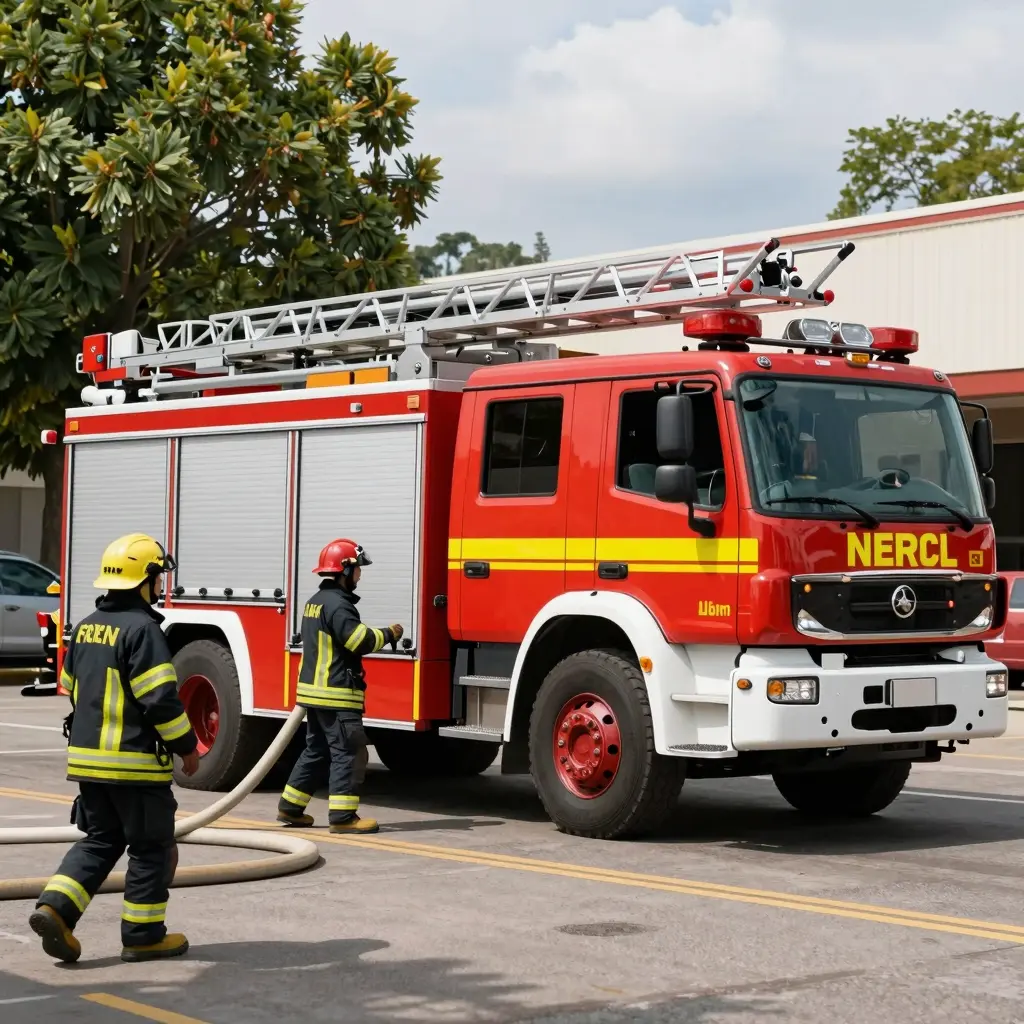
This image showcases a modern fire engine rescue truck in action, highlighting its essential features such as ladders, water hoses, and equipment compartments. Fire engine rescue trucks play a crucial role in emergency services, ensuring rapid response during fires and rescue operations.
For more information on various fire and rescue vehicles, feel free to explore our fire rescue vehicles category.
Comparing Traditional and Modern Fire Engine Technologies
When it comes to fire engines, there has been a significant evolution from traditional designs to modern technology-driven models. This comparison highlights key differences in safety, efficiency, functionality, and technology advancements that appeal to contemporary business owners and fire departments alike.
Safety Improvements
Traditional fire engines lacked many safety features that we take for granted today. Firefighters often stood on the vehicle during operations, leaving them exposed to hazards, and there were no seat belts or enclosed cabs. In contrast, modern fire engines prioritize safety with enclosed cabs, seat belts for all personnel, and integrated emergency lighting systems. They also come with GPS tracking, providing safer response routes and better logistical planning during emergencies.
Efficiency Gains
Efficiency has transformed dramatically with modern fire engines. Traditional models required manual operation and were often slow to deliver water, relying heavily on human power and gravity. This limited their operational capacity and responsiveness. Today’s fire engines boast high-capacity pumps that can deliver up to 1,000-2,000 gallons per minute (GPM) with onboard tanks holding 500-1,000+ gallons of water. Furthermore, the automation of various systems results in a faster response time, ensuring that firefighters are at the scene efficiently and effectively.
Enhanced Functionality
The transformation in functionality is perhaps the most dramatic. Traditional fire engines were primarily equipped with basic water hoses and ladders but had no dedicated rescue tools. Modern fire engines, however, are multi-functional. They include specialized rescue tools, foam systems for fighting specific types of fires, thermal imaging cameras for locating hotspots, and even triage setups for medical emergencies. As a testament to their versatility, modern designs often incorporate command centers to assist in larger operations.
Technological Advances
Technology in fire engines has truly revolutionized firefighting. Traditional models featured hand-cranked pumps and simple engine mechanisms, leading to slower operations with limited capabilities. Modern fire engines utilize computerized control panels to manage everything from pump rates to diagnostics. They may also be equipped with innovative features such as remote-controlled firefighting systems, integrated communications platforms, and smart monitoring systems, allowing for real-time updates on engine status and environmental conditions.
Design and Mobility
The design of fire engines has evolved significantly to enhance mobility and adaptability. Traditional fire engines, often horse-drawn or early motorized designs, were typically heavy, resulting in lower maneuverability. Modern models feature rugged chassis designs with advanced suspension and four-wheel drive capabilities, making them suitable for a range of environments-from urban streets to rough terrains in rural areas.
Chart: Fire Engine Comparison
Below is a chart that visually compares the key features of traditional and modern fire engines:
| Feature Category | Traditional Fire Engine (Pre-20th Century – Early 20th Century) | Modern Fire Engine (21st Century) |
|---|---|---|
| Safety | Limited safety features; firefighters stood on the vehicle during operations, exposed to hazards. No seat belts or enclosed cabs. | Advanced safety with enclosed cabs, seat belts for all personnel, roll-over protection, and emergency lighting systems. Integrated communication and GPS for safer response routes. |
| Efficiency | Manual operation (hand-pumped or horse-drawn); slow water delivery and limited pumping capacity. Water supply dependent on nearby sources. | High-capacity pumps (1,000-2,000 GPM), onboard water tanks (500-1,000+ gallons), rapid deployment of hoses, and automated systems for faster response. |
| Functionality | Primarily equipped with water hoses and ladders; no dedicated rescue or specialized tools. Limited to basic firefighting. | Multi-functional: includes pumpers, aerial ladders, foam systems, rescue tools, lighting, and command centers. Designed for fire suppression, rescue, hazardous materials response, and command coordination. |
| Technology | Hand-cranked pumps, steam-powered engines (1867-1930s), later internal combustion engines (1930s onward). Basic ladder mechanisms. | Computerized control panels, compressed air foam systems (CAFS), thermal imaging cameras, onboard diagnostics, remote-controlled platforms, integrated radio and GPS systems, and smart monitoring. |
| Design & Mobility | Horse-drawn carriages or early motorized vehicles with simple chassis. Limited maneuverability and stability. | Rugged, high-clearance chassis with advanced suspension, four-wheel drive, and stability control for complex terrain and urban environments. |
In summary, the evolution from traditional to modern fire engines reveals remarkable advancements in safety, efficiency, functionality, and technology. These improvements are critical for ensuring that firefighting professionals can respond effectively in crisis situations. For business owners looking to invest in municipal fire rescue services, understanding these differences is essential in choosing the right equipment for their needs. To explore high-quality fire rescue solutions, check out CRRC Vehicles.
For additional insights into municipal vehicle options, visit our municipal product category.
The Effectiveness of Fire Engine Rescue Trucks in Emergency Situations
Fire engine rescue trucks play a critical role in emergency response scenarios, demonstrating remarkable effectiveness in saving lives and minimizing property damage. Recent statistics and case studies have shed light on their operational impact and technological advancements that enhance their capabilities.
Key Statistics
According to the 2023 National Fire Protection Association (NFPA) Fire Department Profile Report, fire engines (pumpers) are dispatched in approximately 85% of all emergency incidents. The timely arrival of these trucks within six minutes of a structural fire is crucial, as it correlates with a 40% reduction in property loss and a 35% improvement in life safety outcomes.
A notable case study from urban departments in Chicago and Los Angeles revealed that specialized rescue trucks equipped with advanced hydraulic tools, such as the Jaws of Life, reduced vehicle extrication times by an average of 52%. This efficiency directly contributes to improved survival rates in motor vehicle accidents
Moreover, departments that maintain well-staffed and equipped rescue units report a 28% higher success rate in complex confined space rescues compared to those lacking these resources.
Innovative Case Study
An insightful case study from the California Department of Forestry and Fire Protection (CAL FIRE) during the Lone Pine Fire in August 2023 highlighted the advantages of multi-functional fire engines. The unit was equipped with a 1,000-gallon water tank, a 1,500 GPM pump, and integrated rescue tools. The fire truck’s deployment resulted in a 60% faster initial containment time and a 100% survival rate among twelve trapped hikers, showcasing the lifesaving potential of modern fire engine designs.
Advancements in Pump Technology
The U.S. Fire Administration has also explored how advancements in fire engine technology significantly enhance the operational capacity of these units. In a 2023 field trial, engines equipped with variable-speed pumps exhibited a 22% improvement in water delivery efficiency and a 15% reduction in fuel consumption. This innovation allows for sustained pressure during multiple hose deployments, leading to 30% faster extinguishment times under high-pressure scenarios.
Conclusion
The effectiveness of fire engine rescue trucks cannot be overstated. As evidenced by the recent statistics and case studies, the integration of modern technology and responsive strategies results in significantly improved emergency outcomes. Investing in state-of-the-art fire engine rescue trucks ensures that communities can rely on faster, more effective responses in times of crisis. For more information on advancing your fleet with modern fire rescue options, visit our fire rescue products page.
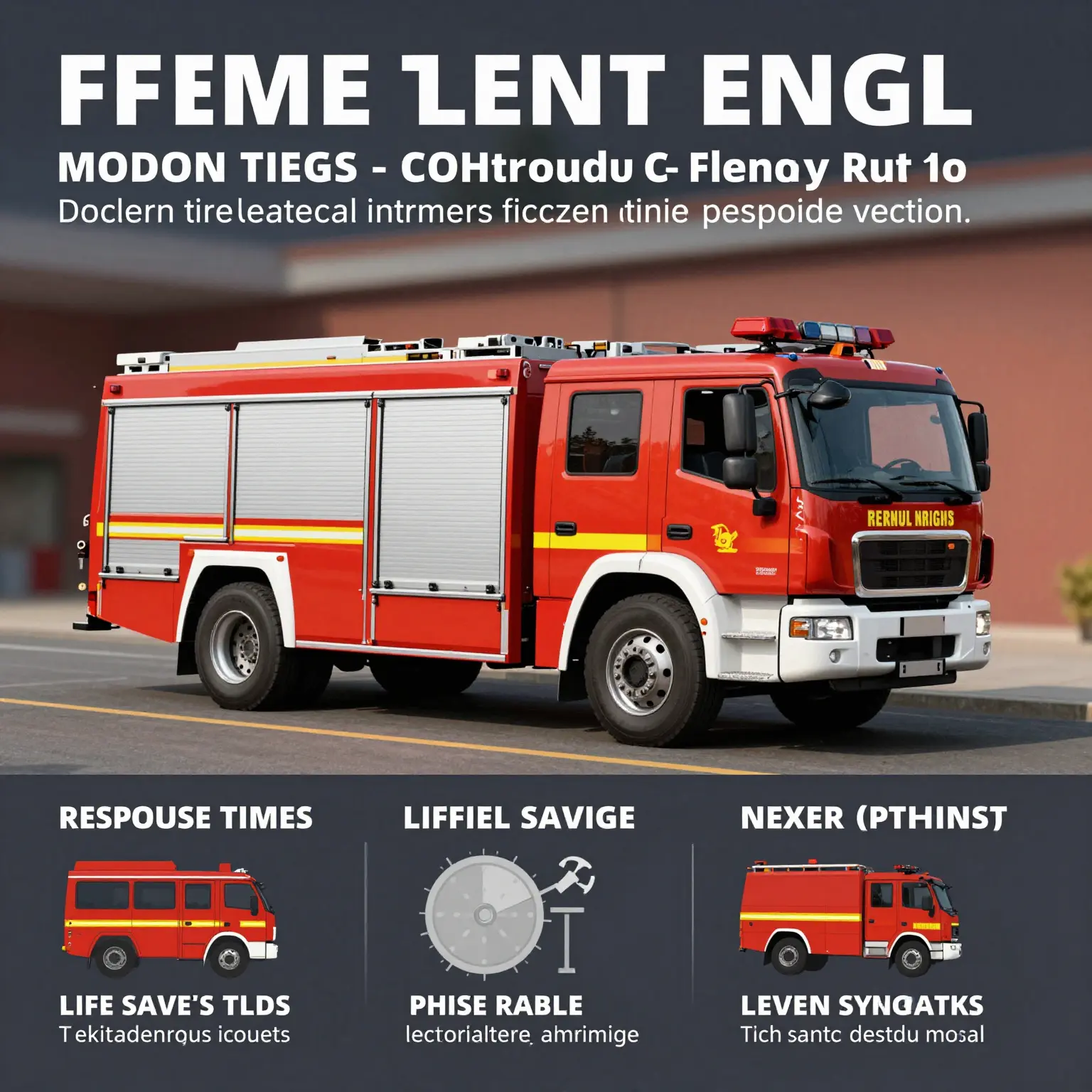
Performance Metrics Chart
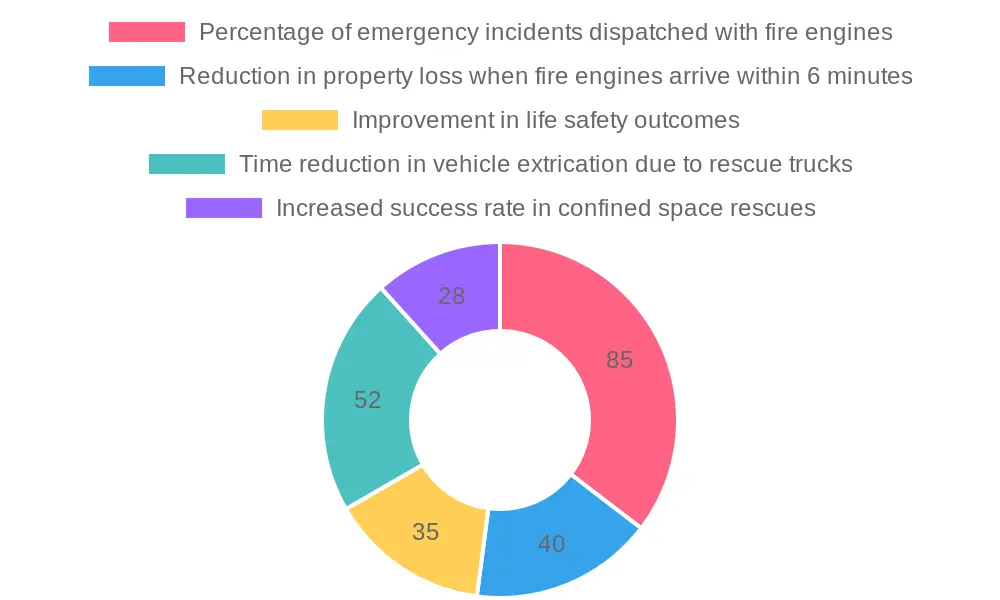
A visual representation of the performance metrics highlights the tangible impact of fire engine rescue trucks in emergency scenarios:
| Metric | Statistic | Source |
|---|---|---|
| Percentage of emergency incidents dispatched with fire engines | 85% | NFPA 2023 Fire Department Profile Report |
| Reduction in property loss when fire engines arrive within 6 minutes | 40% | NFPA 2023 Fire Department Profile Report |
| Improvement in life safety outcomes | 35% | NFPA 2023 Fire Department Profile Report |
| Time reduction in vehicle extrication due to rescue trucks | 52% | NFPA 2023 Fire Department Profile Report |
| Increased success rate in confined space rescues | 28% | NFPA 2023 Fire Department Profile Report |
This information underscores the vital role of fire engine rescue trucks not only in fire suppression but also in life-saving rescue operations during emergencies.
Essential Features of Modern Fire Engine Rescue Trucks
When it comes to emergency response, modern fire engine rescue trucks are equipped with features that enhance their effectiveness and operational efficiency. Below is a list of essential features that these vehicles must have to meet the demands of today’s rescue missions:
- Advanced Pump Systems: High-capacity pumps that deliver water at pressures exceeding 1,000 psi are crucial. Many modern trucks are equipped with multi-stage pumps and large water tanks (ranging from 500 to 20,000 liters).
- Hydraulic Rescue Tools: Tools such as hydraulic spreaders and cutters are essential for rescue operations, allowing firefighters to access trapped individuals quickly and safely.
- Integrated Safety Gear: Self-contained breathing apparatus (SCBA), along with personal alert safety systems (PASS), ensure firefighters’ safety during high-risk rescues.
- Thermal Imaging Cameras: These devices help locate victims in smoke-filled areas and identify hotspots in fire situations, enhancing situational awareness.
- GPS Navigation and Tracking: Real-time GPS tracking improves response efficiency by providing accurate location data for dispatch centers.
- Communication Systems: Integrated communication tools facilitate coordination among emergency responders, ensuring effective incident management in chaotic situations.
- Modular Design and Equipment Bays: Modern trucks feature optimized storage for quick access to necessary rescue tools, making deployment faster and more efficient.
- Auxiliary Power Units: These are used for powering tools and equipment without the need for the main engine running, improving fuel efficiency and reducing noise during operations.
- Rescue Platforms and Ropes: Many emergency vehicles now carry high-strength ropes and collapsible rescue platforms for high-angle rescues.
- Smart Technology: Emerging features include remote-controlled drone systems for reconnaissance and AI-powered decision support tools to assist in fire strategy planning.
These features not only enhance the operational capability of fire engine rescue trucks but also ensure the safety of both the emergency responders and those they are rescuing. For more information on modern fire rescue vehicles, you can explore our fire rescue category.
In today’s challenging environments, having the right combination of equipment and technology is essential for effective emergency response. Businesses involved in emergency services should ensure their fleet is equipped with these crucial tools to provide optimal care during emergencies and rescue operations.
Comparison of Leading Fire Engine Manufacturers
Knowing the top manufacturers of fire engines is essential for business owners in the firefighting industry. Here’s a table that compares some of the leading manufacturers based on their technology, key products, innovations, and market share.
| Manufacturer Name | Key Products | Innovations | Technology | Market Share |
|---|---|---|---|---|
| Oshkosh Corporation | Fire apparatus (e.g., Pierce and Oshkosh brands), airport crash rescue vehicles (Striker series), urban and specialty fire trucks | 2010: Introduction of the Striker family of fire engines; Integration of advanced safety systems, autonomous driving features in defense vehicles; Development of electrified and connected emergency response platforms | Advanced driver assistance systems (ADAS), smart vehicle connectivity, electric drivetrains, AI-powered fleet management integration | Global market leader in tactical and airport fire apparatus; Significant presence in U.S. municipal and military markets; Estimated ~25% share in North American fire truck market (2024) |
| Rosenbauer | Firefighting vehicles (e.g., Panther, Firecoach, Tornado), aerial platforms, pumpers, command units | Introduced the first fully electric firefighting vehicle (Rosenbauer eFire); Developed modular fire engine platforms with rapid reconfiguration capabilities; Pioneered lightweight composite materials for chassis | Electric powertrains, digital twin simulation for design optimization, real-time monitoring via IoT sensors, AI-based incident response planning tools | Leading European manufacturer; Holds ~20% share in global fire apparatus market; Strong foothold in Germany, Austria, and expanding in Asia-Pacific |
| REV Group | Spartan Emergency Vehicles, E-One, Ferrara, Spartan Chassis, Custom Fire Apparatus | Launch of the E-One Titan Series with enhanced durability and modular design; Integration of hybrid-electric technology in certain models; Adoption of predictive maintenance analytics | Hybrid propulsion systems, cloud-based diagnostics, onboard video recording systems, GPS tracking and telematics | Second-largest U.S.-based fire apparatus manufacturer; ~18% market share in North America; Major supplier to U.S. municipal and volunteer departments |
| Morita | Fire engines (e.g., Morita Vortex series), mobile command centers, specialized rescue vehicles | Focus on compact, high-mobility designs for urban environments; Development of ruggedized vehicles for extreme terrain; Emphasis on fuel efficiency and low emissions | Lightweight aluminum chassis, diesel-electric hybrid drivetrains, integrated communication systems | Primarily active in Japan and Southeast Asia; ~6% market share in Asian fire apparatus market; Growing interest in export markets |
| Zhongji Tian Da | Fire trucks (including aerial ladder, foam, and pumper types), rescue vehicles, custom-built emergency response units | Rapid expansion into international markets; Investment in R&D for high-altitude firefighting vehicles; Localization of production facilities in multiple countries | Use of modern CAD/CAM design tools, adoption of Chinese-made electric drivetrains, integration of local language interfaces | Fast-growing Chinese manufacturer; Estimated ~12% share in China’s domestic fire truck market; Expanding presence in Africa, Middle East, and Latin America |
Insights on Market Share
The fire engine market is competitive, with key players holding substantial shares. According to the latest insights, here are the market shares for the top manufacturers:

For more on fire rescue vehicles, visit our section on fire rescue trucks. This could help businesses make informed decisions on purchasing the right equipment for their needs.
The Role of Fire Engine Rescue Trucks in Urban Planning
Fire engine rescue trucks are not just vehicles; they are a critical component of urban planning and public safety infrastructure. As cities grow and evolve, the integration of effective emergency response systems, including fire rescue trucks, directly influences the safety and security of urban environments in numerous ways.
Influencing Urban Planning Strategies
- Placement and Accessibility
Urban planners must consider where fire engine rescue trucks will be stationed. Their locations are vital for ensuring rapid response times during emergencies.
- Traffic Patterns: Understanding urban traffic flow is crucial. Fire stations must be strategically situated to minimize response times, ensuring trucks can reach incidents without delay.
- Building Density: In areas with high-rise buildings or densely populated regions, having aerial fire trucks for high-level access becomes a necessity. These vehicles are specifically designed to rescue individuals and combat fires in vertical structures, maintaining the integrity of urban safety.
- Infrastructure Development: New developments must be evaluated for their ability to accommodate emergency vehicle access. This includes designing wide streets and ensuring that there are no obstructions, allowing for effective deployment.
- Emergency Response Planning
Fire engine rescue trucks play a pivotal role in response strategy development. Their capacity and type can influence the urgency and method of deployment during emergencies:
- Types of Fire Trucks: Urban areas often require different types of trucks, such as pumpers, aerials, and rescue vehicles. Each type is designed for specific scenarios, from fire suppression to technical rescues. Understanding these needs helps city planners allocate resources effectively.
- Resource Allocation: Planning for multiple types of incidents, including fires, chemical spills, and natural disasters, necessitates a diverse fleet of fire engine rescue trucks. Effective resource allocation can significantly improve response times and outcomes during emergencies.
Importance in Public Safety
The integration of fire engine rescue trucks into urban planning is essential for maintaining public safety. Here are several significant points illustrating their importance:
- Community Safety: The presence of well-equipped fire trucks ensures that communities can respond quickly to emergencies, reducing the potential for loss of life and property.
- Public Health: Fire engine rescue trucks that are properly maintained contribute to a healthier urban environment by minimizing risks related to fire hazards and ensuring rapid medical assistance through rescue services.
- Economic Implications: Efficient emergency response systems enhance public confidence, which can result in increased business investments in urban areas. Businesses thrive in safe environments, making fire rescue trucks crucial to economic development.
Infrastructure Considerations
Fire rescue trucks must also influence urban infrastructure projects:
- Road Design and Maintenance: Well-developed roads that can support heavy vehicles are essential. Regular maintenance plans should consider fire trucks’ needs, ensuring roads remain accessible and functional.
- Hydrants and Water Supply: Adequate water supply infrastructure is critical for fire response and planning efforts. The placement of fire hydrants must be coordinated with the expected routes for fire engine rescue trucks to ensure immediate access to water during emergencies.
- Smart City Integrations: Modern urban planning increasingly involves integrating smart technologies with fire responses, such as automated emergency alert systems that coordinate with fire trucks to optimize response strategies.
In conclusion, the role of fire engine rescue trucks is multifaceted in urban planning and public safety strategy development. Through thoughtful integration into city infrastructure, along with continuous evaluation of city dynamics, emergency response capabilities improve significantly, creating safer and more resilient urban environments. By considering the implications of these vehicles in planning, city officials can enhance public safety, health, and economic stability-making them indispensable in contemporary urban planning frameworks. For detailed vehicles tailored for these needs, visit our fire rescue vehicles catalog.
Future Trends in Fire Engine Rescue Trucks
As we progress into 2024 and beyond, fire engine rescue trucks are undergoing a revolutionary transformation driven by technological advancements and innovative designs. This evolution focuses not only on operational efficiency but also on enhancing safety during emergency responses. Here are several trends to consider:
1. AI-Powered Technologies
Emerging fire truck innovation trends include the integration of artificial intelligence (AI) in firefighting and rescue operations. Systems that utilize AI for fire detection and analysis are making responses more accurate and quicker. For instance, Tongji University’s intelligent tunnel fire control system integrates AI-driven smoke flow analysis and dynamic evacuation guidance. This technology significantly boosts the response effectiveness of fire rescue teams, particularly in confined and high-risk environments like long tunnels. You can read about this groundbreaking system here.
2. Sustainable Fire Engines
The future of emergency response is also leaning towards sustainable technologies, with electric and hybrid fire trucks being introduced to reduce environmental impact while maintaining performance. These new vehicles come equipped with intelligent charging systems that enhance operational readiness and efficiency. This trend highlights a commitment to eco-friendly solutions within the fire rescue sector.
3. Modular and Multi-Functional Designs
Fire engine rescue trucks are now being designed with modular components to allow adaptability to various emergency scenarios. The multifunctional cloud ladders showcased by Xingxing Jihua Group feature dual-channel systems that enable simultaneous firefighting and victim rescue, increasing overall effectiveness. This innovative design also allows for swift deployment enabling first responders to manage situations with agility and precision. Learn more about these modern fire trucks here.
4. Enhanced Communication Systems
Real-time data communication is now a standard feature in fire rescue technology. These advancements allow teams to receive live updates from the field, coordinate responses more effectively, and utilize data analytics to assess and strategize based on the evolving emergency conditions. This integration of technology allows for more informed decision-making, ensuring rescues and firefighting efforts are conducted both safely and efficiently.
Conclusion
The fire engine rescue truck of the future will be a complex amalgamation of technology, sustainability efforts, and innovative design. By embracing these advancements, fire departments can enhance their emergency response capabilities and better serve their communities. As we continue to witness developments in rescue technology advancement, it is clear that the focus on safety, efficiency, and sustainability will shape the future of fire rescue vehicles dramatically.
For further insights into specific models and technologies, visit our fire rescue products page.
Conclusion and Call to Action
Fire engine rescue trucks are indispensable assets in emergency response, significantly enhancing the capabilities of first responders. As highlighted in various studies, these emergency vehicles are equipped with cutting-edge technology and specialized equipment that allow firefighters to address emergencies quickly and efficiently. For instance, they not only transport personnel but also carry high-capacity water tanks, powerful pumps, and life-saving rescue tools. The adoption of advanced communication systems enables real-time coordination of efforts, which is crucial during high-pressure incidents, such as fires or natural disasters. The National Fire Protection Association notes that having well-equipped fire engines increases survival rates and reduces overall casualties in emergency situations.
In light of the growing need for innovative solutions in fire service technology, we invite business owners to explore partnership opportunities with CCIG. Collaborating with us can pave the way for groundbreaking advancements in emergency response equipment and strategies. By working together, we can revolutionize the way fire services operate, ensuring safety and efficiency for communities everywhere. To learn more about potential collaboration, please visit our municipal and fire rescue product categories and connect with us for more information.
Join us in our mission to enhance emergency response capabilities and save lives. Contact us today to discuss how we can work together to bring technological innovations to the fire service!
Image Alt Text: Fire engine rescue truck in action during an emergency response with firefighters.