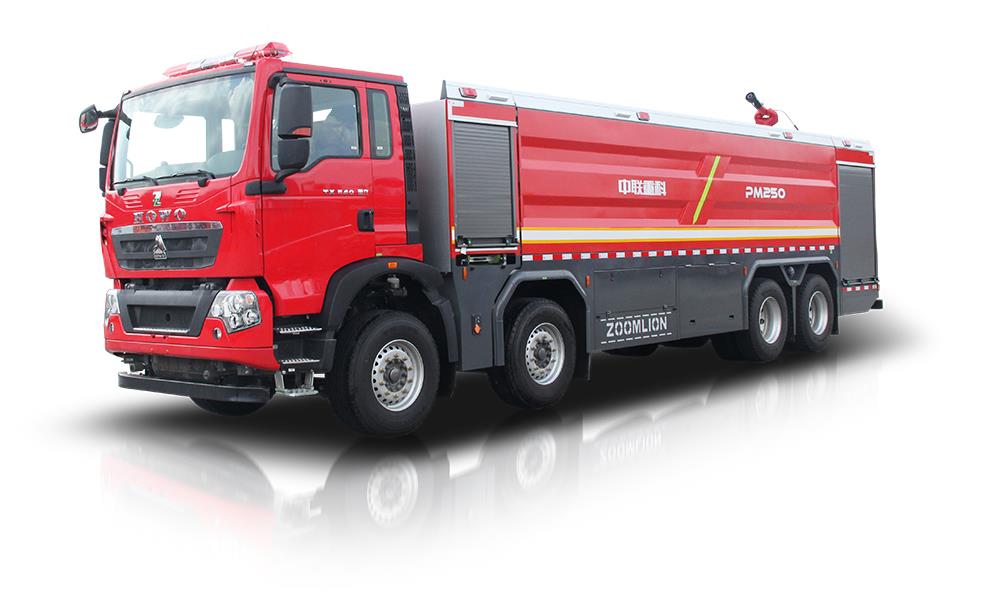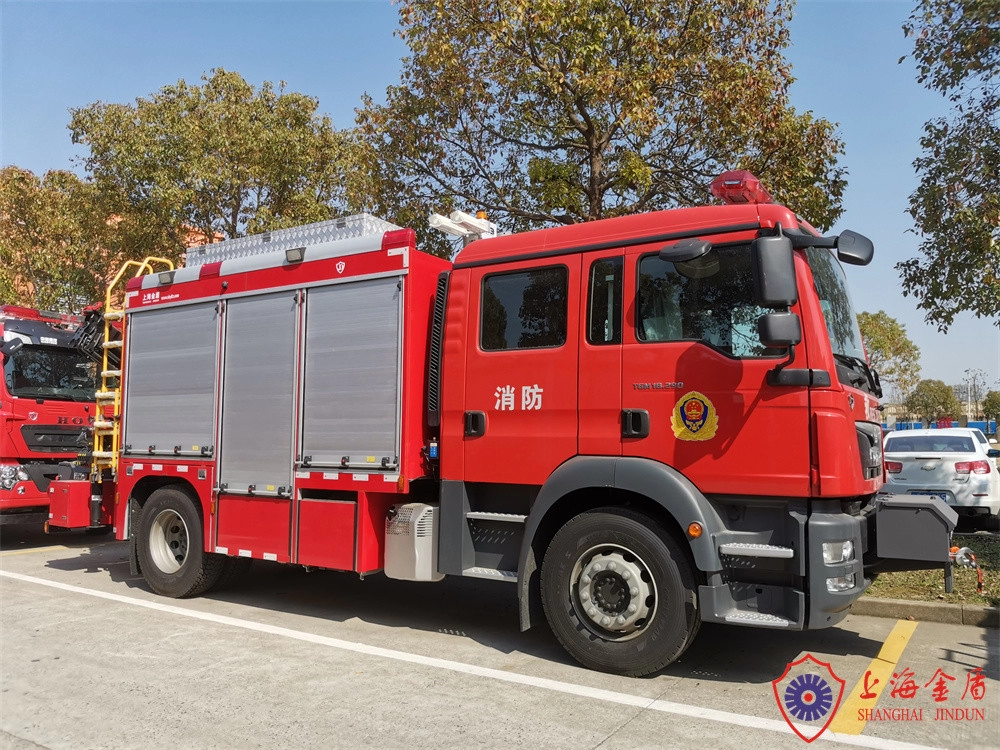
Revolutionizing Emergency Response: The Essential Role of Fire Trucks in Modern Firefighting
In recent years, the global firefighting landscape has undergone significant transformations. As urban environments become increasingly dense and the unpredictability of natural disasters escalates, the need for efficient and reliable emergency services has never been more pressing. Fire trucks, including specialized vehicles like ladder fire trucks and ARFF (Aircraft Rescue and Firefighting) trucks, are at the forefront of this evolution, redefining how rescue operations are conducted.
The Integral Role of Fire Trucks in Emergency Situations
Fire trucks are not merely vehicles for transporting firefighters to the scene of a blaze; they are mobile command centers equipped with state-of-the-art technology and tools essential for life-saving operations. Here’s how they enhance rescue efforts:
1. Improved Access and Mobility
The design and functionality of modern fire trucks allow them to access difficult terrains and urban landscapes that are often congested. For instance, ladder fire trucks are specifically crafted to extend reach, enabling responders to tackle high-rise fires effectively. Equipped with adjustable ladders and aerial equipment, these trucks ensure that firefighters can rescue trapped individuals and extinguish flames from elevated positions.
2. Sophisticated Equipment for Efficiency
Today’s fire trucks, such as platform fire trucks, come outfitted with advanced firefighting technologies. These include high-capacity pumps, tanks for foam and water, and thermal imaging cameras to locate hotspots. By utilizing such innovative equipment, fire crews can work more efficiently, significantly reducing the time it takes to bring a fire under control.
3. Enhanced Coordination and Communication
Modern fire trucks serve as command hubs that facilitate communication among emergency personnel. With integrated communication systems, firefighters can coordinate their efforts effectively, ensuring that everyone is on the same page during a rescue operation. This collaborative approach is crucial when dealing with complex emergencies where timing and accuracy can mean the difference between life and death.
Maintenance: The Key to Lifesaving Efficiency
While the features of fire trucks contribute to their effectiveness during emergencies, proper maintenance is equally essential. Regular inspections and upkeep ensure that these critical vehicles operate at peak performance and can respond promptly when necessary.
1. Routine Checks
Vehicle inspections should include checking the integrity of pumps, hoses, and ladders, along with the functionality of onboard communication devices. This proactive approach helps to prevent mechanical failures during critical moments.
2. Training and Familiarization
Firefighters must be trained to handle specific types of fire trucks, such as gas supply fire trucks and crane-lifting inspections. Understanding how to utilize all available resources maximizes the utility of the equipment and enhances the overall response time.
Safety First: Protecting Lives through Preparedness
The safety of firefighters and victims alike hinges on the capability of fire trucks and the training of personal. Implementing safety protocols, using advanced firefighting technology, and ensuring regular maintenance checks can significantly mitigate risks.
1. Training with Technology
Firefighters equipped with the latest tech can respond to fires more intelligently. Technology such as drones for aerial oversight and heat mapping systems can help in recognizing hot spots, offering valuable information that can save lives.
2. Safety Equipment on Board
Modern fire trucks are designed with safety gear readily available, ranging from personal protective equipment to rescue tools. By integrating efficient storage solutions, firefighters can access critical gear without delay or confusion.
The Future of Firefighting
As we look to the future, it’s clear that the evolution of fire trucks will continue to be influenced by advances in technology and changing environmental conditions. Smart manufacturing processes focus on improving the efficiency and capabilities of these vehicles. Emerging trends highlight the importance of sustainable practices and the integration of electric and hybrid fire trucks into fleets worldwide.
While this shift is pivotal, it also underscores the importance of continuous training and adaptation among firefighting teams. Investing in advanced equipment and maintaining a fleet of versatile fire trucks will position rescue departments to tackle the challenges of tomorrow.
Conclusion: The Call for Preparedness
In conclusion, fire trucks play a vital role in emergency response, enhancing the effectiveness, safety, and coordination of fire services across the globe. Keeping these vehicles well-maintained and equipped can greatly impact the success of rescue attempts during a fire.
To learn more about our range of firefighting vehicles, including specialized options like foam-water fire trucks and ARFF trucks tailored for unique challenges, visit our product categories here, here, and here. By investing in the right fire truck for your operations, we can work together to ensure that our response to emergencies is efficient, effective, and ultimately life-saving.
As we advance, let us keep our focus on enhancing the capabilities of our firefighting equipment to protect lives and property in the face of any disaster.