
Understanding Truck Repair Building Costs: A Key to Maximizing Your Business Success
In the competitive landscape of fleet management and trucking services, understanding the truck repair building cost is paramount for operators and owners alike. The costs associated with constructing a specialized truck repair facility can significantly impact your bottom line, influencing everything from operational efficiency to service delivery. By investing strategically in a repair building, fleet managers can ensure quicker turnaround times for vehicle maintenance and repairs, subsequently minimizing downtime and enhancing fleet productivity. This careful planning not only leads to streamlined operations but can foster improved client satisfaction and retention. Further, as businesses within the construction, mining, and logistics sectors navigate an ever-evolving market, analyzing costs tied to these facilities can empower them to make informed decisions that align with long-term objectives. For additional insights on prudent budgeting strategies, feel free to learn more about routine maintenance costs and how they influence overall operational efficiency.
Factors Impacting Truck Repair Building Costs
When planning the construction of a truck repair facility, several key factors can significantly influence the overall costs. Understanding these factors will help fleet managers, trucking company owners, and construction operators make informed budgeting decisions. Here are the primary elements to consider:
-
Location: The geographic position of the facility affects cost due to land prices, labor availability, and local regulations. Areas with higher property values naturally lead to increased investment expenses.
-
Size and Layout: The dimensions and design of the facility play a crucial role in the total construction costs. A larger workshop may require more materials and labor, thus increasing expenses.
-
Materials: The choice of materials used for construction can vary dramatically in price. High-quality, durable materials are generally more expensive but may offer long-term savings through reduced maintenance.
-
Labor Costs: Labor rates can fluctuate based on regional market conditions and the availability of skilled workers. Hiring local contractors with appropriate experience can mitigate some costs.
-
Permitting and Regulations: Regulatory requirements can add to construction costs. It is essential to factor in the expenses related to obtaining the necessary permits and complying with local building codes.
-
Specialized Equipment and Features: Incorporating advanced technology or specialized equipment, like diagnostic machines and hydraulic lifts, can raise initial costs but improve operational efficiency over time.
-
Design Preferences: Custom designs tailored to specific operations (e.g., eco-friendly or advanced workflow setups) can increase costs compared to standard layout options.
For more insights into budgeting effectively for truck maintenance, check out our guide on budgeting for routine truck maintenance or explore maintenance tips for optimizing fleet size and ensuring that your new facility operates at peak efficiency.
Average Costs of Building Truck Repair Facilities
Understanding the average costs associated with truck repair building costs is essential for fleet managers, trucking company owners, and logistics providers. In 2023, the average costs for building truck repair facilities vary significantly based on region and facility type.
Regional Cost Breakdown
Costs to build truck repair facilities can fluctuate greatly across different regions in the U.S. Below is a summarized insight into the average costs per square foot depending on regional specifications and facility types:
| Region | Type of Facility | Cost per Square Foot |
|---|---|---|
| Northeast | Heavy-Duty Truck Repair | $150 – $250 |
| Midwest | General Truck Repair | $120 – $200 |
| South | Light-Duty Truck Repair | $100 – $180 |
| West | Specialized Repair Shop | $160 – $300 |
Distribution of Truck Repair Building Costs
From the chart, we can easily observe that the Northeast has the highest building costs, especially for heavy-duty truck repair facilities, whereas the South reflects more economical rates for light-duty facilities. This cost disparity could affect strategic decisions for truck fleet maintenance and necessitate careful planning of capital expenses associated with these facilities.
Importance of Expense Management
As truck repair building costs impact the overall financial health of a trucking operation, a thorough budgeting plan should be employed. Companies looking to understand better the intricacies of managing these costs should consider examining comprehensive budgeting methods that can guide their decision-making processes. For deeper insights on managing routine maintenance budgets, you can learn more about budgeting for routine truck maintenance.
Additionally, optimizing facility sizes based on operational demand can lead to more cost-effective strategies. Understanding when and how to scale facilities can significantly lessen unnecessary overhead. You might find it valuable to discover fleet size optimization strategies that align with these costs.
Table Comparing Truck Repair Building Construction Costs
| Building Type | Estimated Cost per Square Foot | Region | Year |
|---|---|---|---|
| Truck Repair Facility | $100 – $150 | Northeast USA | 2023 |
| Truck Maintenance Shop | $120 – $160 | Southeast USA | 2023 |
| Heavy-Duty Truck Garage | $110 – $140 | Midwest USA | 2023 |
| Fleet Service Center | $95 – $135 | West Coast USA | 2023 |
| Mobile Repair Unit | $80 – $120 | Southwest USA | 2023 |
For more insights on budgeting for truck maintenance, consider reading our article on budgeting for routine truck maintenance.
Estimated Costs Overview
You can also visualize the estimated costs associated with building a truck repair facility:
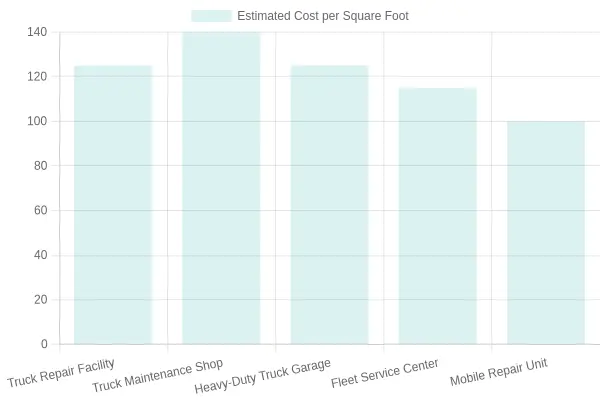
This chart illustrates the estimated construction costs per square foot for various truck service facilities across different regions. The construction costs can vary significantly based on the type and regional specifications.
Financing Options for Building a Truck Repair Facility
When planning the construction of a truck repair facility, fleet managers and logistics providers often face substantial financial hurdles. Fortunately, several financing options can ease the financial burden and enhance the ability to manage costs effectively. Below is an exploration of loans, grants, and other financial aids pertinent to this endeavor.
1. Loans
Loans are a primary financing option for many fleet managers. Financial institutions offer various loan types, including:
- Term Loans: Provide a lump sum with a fixed repayment schedule, useful for large construction projects.
- SBA Loans: These are government-backed loans with comparatively lower interest rates, designed to assist small businesses.
Interest Rates: Typically vary depending on the lender, but they can range from 5% to 10%.
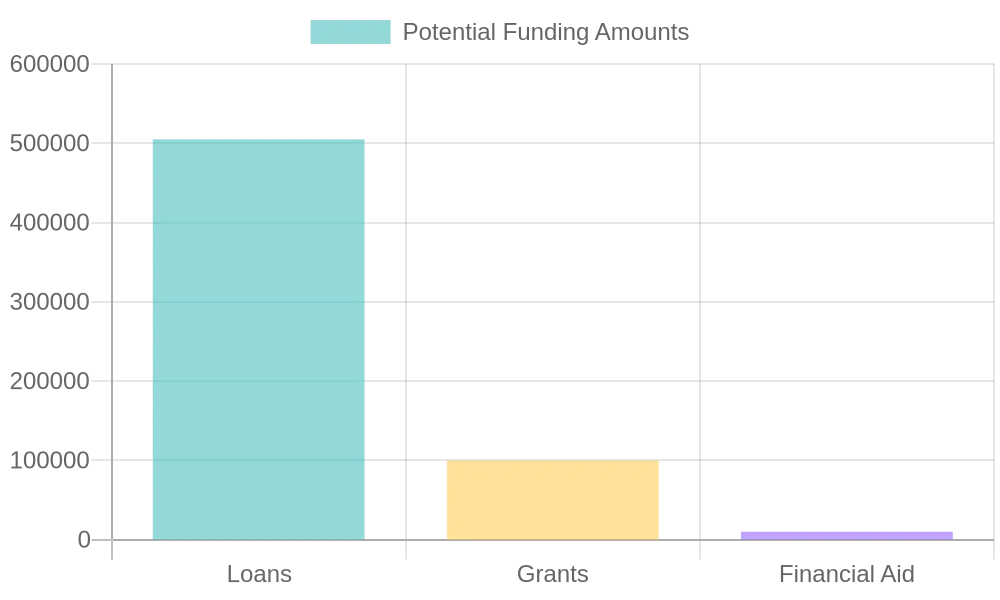
Potential Funding Amounts: $10,000 to $500,000+.
2. Grants
Grants are an excellent resource as they do not require repayment. Various federal and state programs provide grants to support the construction of truck repair facilities, especially within underserved areas or for environmentally sustainable projects.
- Eligibility Criteria: Often requires applicants to meet specific criteria, such as nonprofit status or community impact.
Potential Funding Amounts: Generally range from $1,000 to $100,000+. More details can be found at Grants.gov.
3. Financial Aid
Financial aid options may include state-funded programs aimed at enhancing vocational training facilities and can sometimes cover construction costs directly.
- Eligibility: Typically based on financial need.
- Application Process: Usually requires completion of forms like the FAFSA for federal aid. Funding amounts can vary, with typical support ranging from $500 to $10,000+.
Additionally, understanding these financing options, along with accurate budgeting for routine truck maintenance, can significantly improve financial planning (learn more about budgeting for routine truck maintenance).
| Financing Option | Interest Rates | Eligibility Criteria | Application Process | Potential Funding Amounts |
|---|---|---|---|---|
| Loans | Varies by lender | Generally requires credit check and proof of income | Apply through bank/financial institution | $10,000 – $500,000+ |
| Grants | No interest | Must meet specific criteria (e.g., nonprofit status) | Application through government or private entities | Varies widely, $1,000 – $100,000+ |
| Financial Aid | Typically none | Based on financial need and other factors | Complete FAFSA for federal aid | $500 – $10,000+ based on need |
Understanding these financing avenues can bolster your position as a fleet manager or logistics provider, enabling the successful establishment of a truck repair facility that meets operational needs and adheres to budget constraints.


The chart above illustrates the regional variations in truck repair building costs across various states in the U.S. It highlights the differences in average labor costs, material costs, and overall expenses as they relate to truck repair operations. As fleet managers and trucking company owners make decisions regarding repairs and maintenance, understanding these regional cost variations can be crucial for budgeting and financial planning.
Conclusion
In conclusion, understanding the costs associated with building a truck repair facility is crucial for fleet managers, trucking company owners, and operators across construction and logistics industries. Recent trends indicate a decrease in some maintenance costs, such as parts and components, yet inflation remains a significant factor affecting overall expenses. For instance, the U.S. auto repair industry revenue reached $77.5 billion in 2023, reflecting a 5.1% increase due to aging fleets and rising repair costs. Consequently, strategic financial planning is imperative.
Financing options vary from traditional loans to government grants, each with its advantages and disadvantages. Fleet operators should assess these options to determine the best fit for their specific needs and operational goals. By leveraging this knowledge effectively in business planning, companies can enhance their fiscal health and operational efficiency. Learn more about budgeting for routine truck maintenance and explore financing strategies tailored to your operational needs.
Insights on Truck Repair Building Investments
Investing in truck repair buildings has become a critical consideration for many fleet managers and trucking company owners. These facilities not only cater to immediate maintenance needs but also serve as pivotal hubs for strategic investment in fleet reliability.
“Quality repair facilities are not just expenses; they are essential investments that ensure longevity and operational efficiency in the trucking industry.” – Anonymous Industry Expert
This quote underscores the fundamental importance of viewing repair infrastructures as long-term investments. Fleet managers need to recognize that every dollar spent on efficient and effective repair facilities ultimately saves more through reduced downtime and enhanced service capacity.
Key Considerations for Investments:
- Cost Efficiency: Balancing initial investment costs with long-term savings through reduced repairs.
- Facility Location: Proximity to operational hubs to minimize travel for trucks requiring service.
- Technology Integration: Utilizing advanced diagnostic equipment to enhance repair efficiency.
For more information on budgeting for routine maintenance, learn more here.
By understanding the financial implications and benefits of investing in robust truck repair buildings, fleet managers can make informed decisions that drive their businesses forward.
Elevate Your Fleet with Summit Fairings
In the competitive world of logistics and transportation, ensuring your fleet remains in top shape is crucial to your operational success. That’s why investing in premium motorcycle fairings from Summit Fairings can be a game-changer for your business. Their selection of high-quality fairings not only enhances the aesthetics of your motorcycles but also significantly improves performance and durability.
Why Choose Summit Fairings?
- Enhanced Aerodynamics: Designed to reduce wind resistance, these fairings boost speed and fuel efficiency, which is essential for cutting operational costs.
- Robust Durability: Made from premium materials, Summit Fairings offers superior protection against wear and tear, ensuring your fleet maintains an immaculate appearance and performance over time.
- Customization Options: Tailor your fairings to fit your specific models and branding, making your fleet not only functional but also visually appealing.
Act Now!
Don’t wait – the benefits of upgrading your fleet with Summit Fairings are too great to ignore. Click here to explore more about optimizing your fleet size and enhancing your vehicle maintenance strategies. Enhance your fleet today with Summit Fairings and stay ahead of the competition!