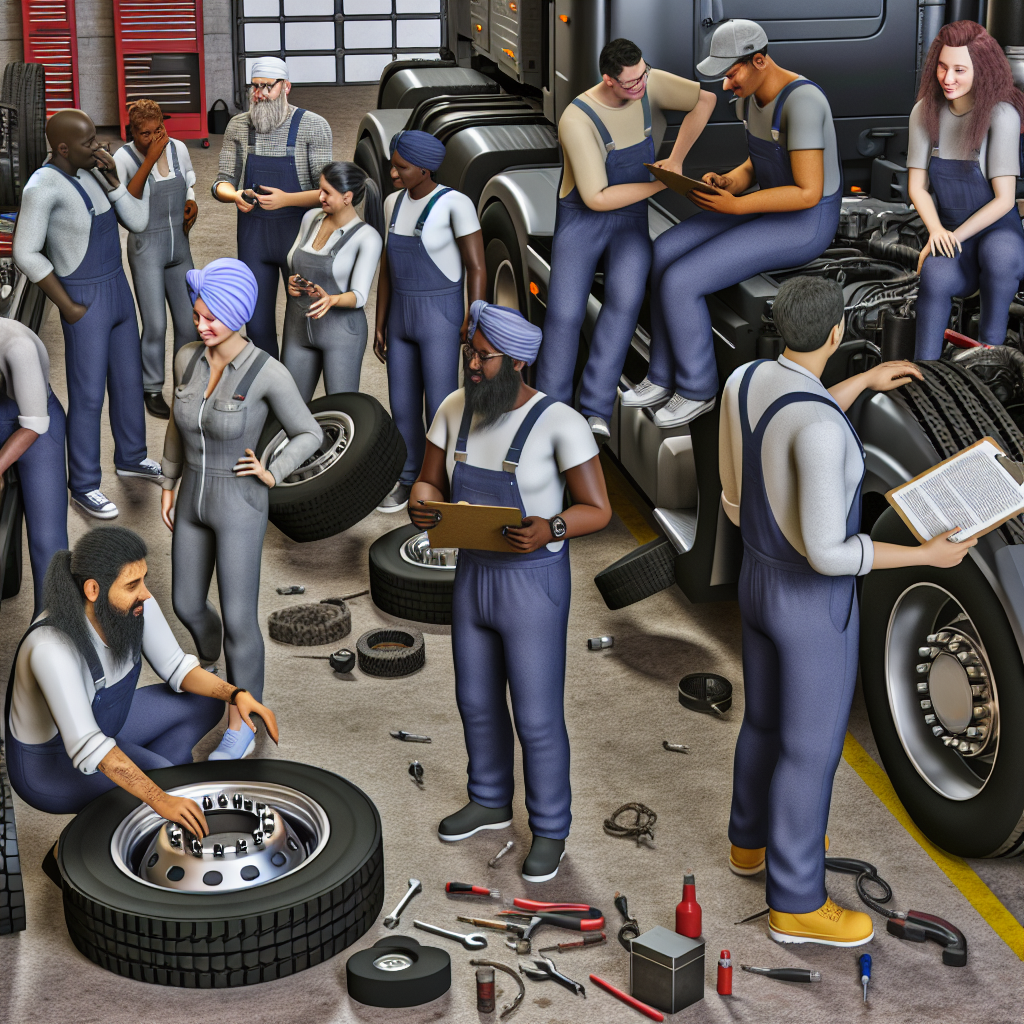
## Why Service Trucks Don’t Repair Each Other: A Crucial Issue for Fleet Managers
In today’s fast-paced trucking industry, the efficiency of service trucks is paramount. However, a perplexing issue arises: why don’t service trucks repair each other? This question is significant for fleet managers and trucking company owners as it directly impacts operational efficiency, repair costs, and ultimately, profitability. The inability of service trucks to assist one another creates delays in response times and elevated repair expenses, which can cripple small to mid-sized fleets. Understanding this dynamic is crucial, as fleet managers must recognize that optimizing repair capabilities can lead to significant operational advantages.
This article delves into the factors behind the reluctance for service trucks to engage in mutual repairs, including logistical challenges, communication barriers, and resource allocation inefficiencies. By examining these issues, we aim to highlight actionable solutions and strategies that trucking companies can implement to foster a collaborative repair environment. Not only does effective inter-truck assistance promote fleet reliability, but it also minimizes downtime and reduces repair costs. Fleet managers who grasp the importance of enabling service trucks to repair each other can optimize their strategies for maintenance and repair, ensuring a smoother operational flow. For a deeper dive into optimizing fleet maintenance practices, consider budgeting for routine truck maintenance.
In essence, addressing the question of why service trucks don’t repair each other could be the key to enhancing service capabilities and ensuring robust operations in today’s competitive market.
Current State of Service Truck Repairs
Service trucks play a crucial role in various industries including construction, logistics, and emergency services. These specialized vehicles are designed to provide on-site repairs and maintenance for other vehicles or equipment, thereby enhancing operational efficiency. However, their reliability can often depend on a multitude of factors, including common repair issues and structural limitations that hinder inter-service repairs.
Common Repairs in Service Trucks
The landscape of service truck repairs today showcases several common issues that fleet managers must be aware of. According to the latest industry data:
- Engine System Failures: This accounts for approximately 32% of repairs and includes problems related to fuel systems, ignition issues, and emissions controls.
- Brake System Repairs: Making up 25% of common repairs, issues often arise from worn-out brake pads, leaking brake fluid, and faults in the Anti-lock Braking System (ABS).
- Electrical and Electronic System Failures: Encompassing 18% of repairs, these issues can involve failing sensors, wiring degradation, or problems with the onboard computer systems.
- Transmission and Drivetrain: Accounting for 15% of repairs, this often includes shifting difficulties and fluid leaks.
- Suspension and Steering System: Representing 10% of repairs, it frequently involves shocks, steering linkage failures, and alignment issues.
This breakdown emphasizes the need for service truck efficiency, particularly in preventing these common failures through regular maintenance and preemptive repairs.
Why Inter-Service Truck Repairs Are Rare
Despite the ability of service trucks to repair each other, inter-service repairs remain infrequent. There are several reasons contributing to this:
-
Limited Availability of Specialized Technicians: With the transition towards hybrid and electric service trucks, there is an increasing demand for technicians specialized in high-voltage systems. Currently, the industry faces a significant shortage of qualified personnel, with estimates suggesting a gap of 28,000 technicians needed to meet market demands by 2025.
-
Proprietary Diagnostic Tools: Many service trucks use proprietary diagnostic tools and software, which can lock out independent repair shops from accessing critical repair data, thus restricting preemptive or ongoing maintenance efforts.
-
Extended Downtime: Often, the time taken for a service truck to be operational again can be extended by parts shortages and supply chain delays. This could lead to a lack of available resources to perform repairs on-site.
-
High Complexity of Repairs: As newer technologies are integrated into service trucks (i.e., electric components), the complexity of repairs increases, making them often best suited to dedicated workshops rather than inter-service repairs.
Economic Implications and Future Growth
From an economic perspective, the service truck industry is projected to witness profound growth. Reports indicate that the U.S. commercial vehicle service market could see a CAGR of 4.5% from 2024 to 2030, driven by an increase in fleet sizes and operational demands. Additionally, maintenance costs have seen fluctuations but were noted to decrease by 20% in 2023 as fleet management practices evolve and digital solutions become more common.
Improving service truck efficiency hinges on leveraging technologies that facilitate better diagnostics and predictive maintenance. Technologies such as AI-driven maintenance tools and integrated fleet management systems have gained traction, promoting a more proactive approach to vehicle care.
Conclusion
Fleet managers and owners must keep abreast of these trends to optimize maintenance strategies. Understanding the common repairs and the reasons inter-service truck repairs are limited can aid in formulating effective maintenance solutions. As the industry moves towards a more technologically integrated future, investing in training for technicians and deploying digital tools will be essential in overcoming the existing repair limitations.
For more insights on optimizing fleet maintenance, check out our article on budgeting for routine truck maintenance.
| Service Truck Model | Key Features | Repair Capabilities | Strengths | Weaknesses |
|---|---|---|---|---|
| Ford F-750 | 6.7L Power Stroke Diesel, up to 37,000 lbs GVWR | Excellent for heavy-duty repair tasks | Strong payload capacity, versatile applications | Higher fuel consumption in heavier loads |
| Freightliner M2 106 | 6.7L Cummins ISB, available in multiple configurations | Adaptable for various service needs | Good maneuverability, reliable performance | Load capacity can limit some heavy-duty applications |
| International MV Series | 6.6L Duramax Diesel, advanced safety features | Strong ability to handle road repairs and maintenance | Great visibility and driver comfort | Maintenance can be costly if not properly managed |
| Kenworth T370 | PACCAR PX-7 engines, customizable body options | Suitable for mobile repair and logistics support | High durability, strong reputation | Might have higher initial acquisition costs |
| Peterbilt 337 | 8.9L PACCAR PX-9 engine, various bed options | Excellent load handling and storage for repair supplies | High level of driver comfort, style | Limited engine choices compared to competitors |
This table highlights only a selection of popular service trucks, allowing fleet managers and logistics operators to make informed decisions based on their specific repair and operational needs. For further insights on managing your fleet’s maintenance, you can learn more about budgeting for routine truck maintenance or strategies for optimizing fleet size and maintenance.
The practice of service trucks providing mutual repairs may seem feasible, however, there are several interwoven technical, economic, and logistical challenges that hinder this ability. Fleet managers and trucking company owners must understand these complexities to effectively manage their operations and strategize repairs within their fleets.
Technical Challenges
-
Specialization of Skills: Service trucks often require specialized repairs that involve a deep understanding of the specific vehicle’s systems, such as engine, transmission, or electronic controls. Without the appropriate technical expertise, there could be increased risks of ineffective repairs.
-
Compatibility Concerns: Different truck models utilize a variety of parts and technology. For example, an engine diagnostic tool suited for one model may not accurately diagnose issues on another. This variation in equipment can limit the ability to conduct repairs across different brands or types of trucks.
Economic Factors
-
Cost of Repairs: The financial implications are significant. The average cost for major repairs in trucks can range widely, with estimates from $3,000 to $18,000 for engine repairs and $2,500 to $9,000 for transmission services, as noted by Heavy Duty Journal. Fleet managers must weigh these potential long-term costs against the immediate expense of sharing resources.
-
Budget Constraints: Fleet managers need to have a sustainable repair budget. Discussions in various forums suggest that effective budgeting for truck repairs should range from $10,000 to $15,000 annually for a single vehicle, emphasizing that lower amounts are often inadequate for maintaining fleet efficiency. Thus, the cost-benefit analysis for mutual repairs becomes critical.
Logistical Challenges
-
Downtime: High operational efficiency is vital in fleet management. If one service truck undertakes repairs on another, it may lead to extended downtime. This downtime can negatively affect overall fleet productivity, especially if the primary vehicles involved in the daily operations are grounded for repairs.
-
Parts Availability: Access to necessary replacement parts can be an issue when multiple service trucks are unavailable for mutual repairs. Delays in sourcing parts can exacerbate repair times, which puts even more pressure on fleet schedules.
-
Regulatory Compliance: Each service truck is subject to specific regulations pertaining to safety and emissions. Mutual repairs may inadvertently bypass these regulations if not properly managed, leading to possible legal repercussions. This concern highlights the need for strict compliance checks that can complicate inter-service repairs.
Impacts on Fleet Management
The combination of technical, economic, and logistical factors creates a multi-faceted challenge for fleet managers. To optimize fleet operations, they thereby need to develop effective strategies that account for these hurdles. Investing in comprehensive maintenance training and utilizing in-house truck maintenance teams, as demonstrated in practices like Turnage & Sons, may provide a more reliable solution rather than relying on mutual repairs.
Ultimately, while the idea of service trucks repairing each other may sound appealing, it is clear that the inherent systemic challenges make it a more complex proposition than it appears. Fleet managers must adopt strategic maintenance practices to ensure their trucks remain operational while minimizing repair-related disruptions.
By addressing both technical and logistical challenges, and carefully considering the costs, they can better navigate the intricate landscape of fleet management and improve overall efficiency.
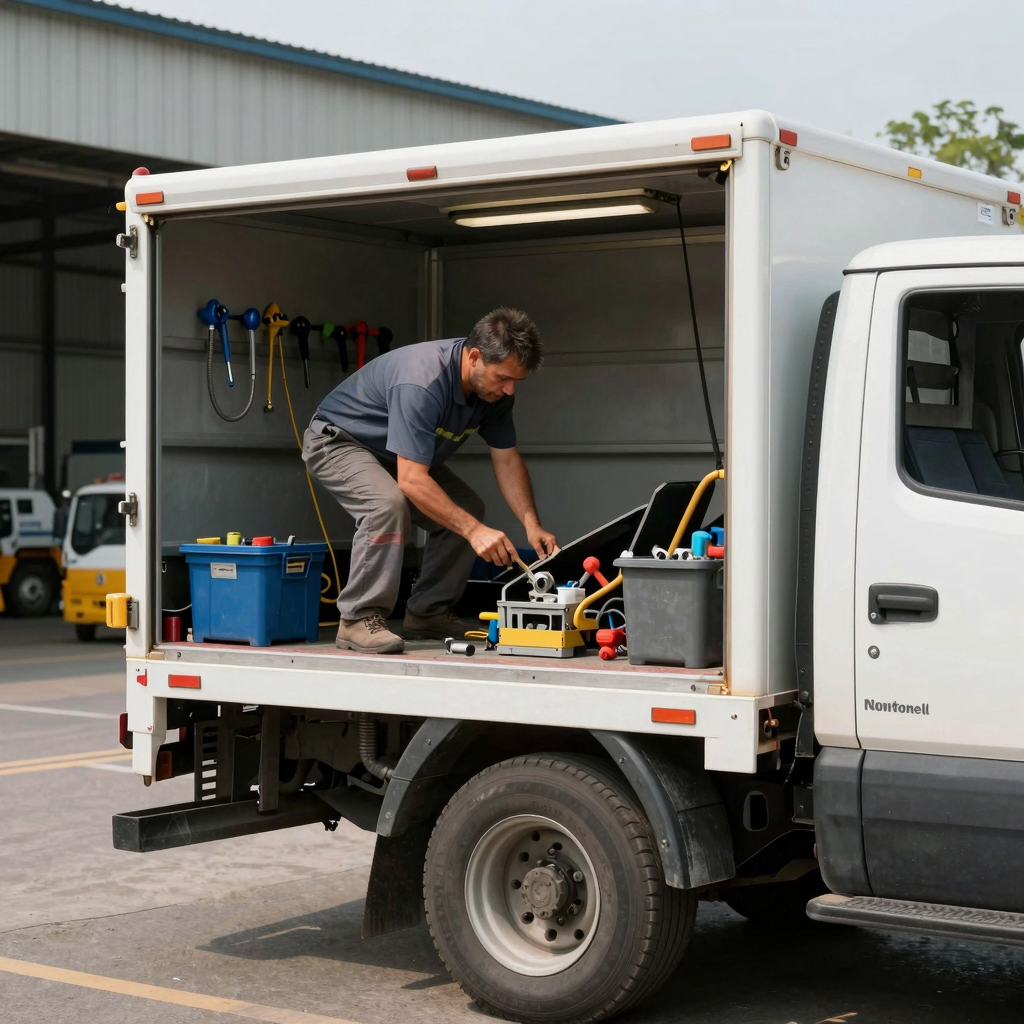
Analyzing the Impact of Not Repairing Service Trucks
In the logistics and freight services industry, the failure to repair service trucks can lead to a cascade of negative effects, significantly jeopardizing operational efficiency, financial stability, and overall productivity. Service trucks play a crucial role in ensuring timely deliveries and reliable service. However, inadequate maintenance and the reluctance to invest in repairs can have grave consequences.
Financial Implications
One of the most immediate impacts of failing to repair service trucks is financial loss. According to the Trucking Research Institute, inefficiencies caused by service interruptions, such as maintenance delays, can lead to substantial financial ramifications. For instance, it was reported that driver detention costs the industry approximately $11.5 billion in lost productivity annually. In today’s competitive market, this translates to higher operational costs and diminished profit margins.
Additionally, companies may face increased repair costs over time if minor issues are ignored. A case study from FleetRabbit revealed that one trucking company managed to reduce maintenance costs by 28% simply by adopting proactive maintenance strategies. Delayed repairs not only escalate repair expenses but also affect the entire fleet’s reliability, forcing companies to allocate more resources to emergencies rather than routine operations.
Downtime and Lost Productivity
When service trucks are not in optimal condition, the risk of breakdowns increases, resulting in extended downtime. Research highlighted in Supply Chain Brain noted that unnoticed mechanical flaws could lead to productivity losses of up to 100 minutes per incident. This hidden cost, stemming from unplanned service interruptions, severely undermines logistics performance and could disrupt delivery schedules, affecting customer satisfaction.
Furthermore, downtime leads to a ripple effect across the supply chain. If one truck is out of commission, adjacent trucks may have to reroute or delay their schedules, further compounding productivity losses. The relationship between timely maintenance and operational uptime cannot be overstated; effective fleet management is essential for maintaining high service levels in logistics.
Real-World Examples
- A logistics firm highlighted in a PVA case study showcased that implementing regular maintenance checks significantly optimized their fleet’s performance, aligning with their delivery timelines and enhancing overall efficiency. Conversely, those who lacked rigorous maintenance protocols faced consistent disruptions and dissatisfied customers.
- An international analysis published on ScienceDirect indicated that maintenance strategies have direct implications on operational cost-effectiveness, underscoring that companies failing to prioritize repairs may suffer in both their service quality and financial health.
Conclusion
In conclusion, neglecting the repair of service trucks is not merely an operational oversight; it is a strategic blunder with wide-ranging consequences. The combination of financial losses, increased downtime, and diminished productivity reveals the clear necessity for regular maintenance and timely repairs. Fleet managers and trucking company owners must grasp the vital link between maintenance practices and overall logistics success. Investing in preventive maintenance strategies ensures sustained productivity and fosters a reliable service reputation. For more assistance on maintenance planning and budgeting, learn more about budgeting for routine truck maintenance.
By committing to the upkeep of service trucks, logistics professionals can maximize their operational efficiency and mitigate the risks associated with service failings, thereby securing their place in a highly competitive industry.
Potential Solutions to Enhance Cooperation Among Service Trucks
In the competitive landscape of the trucking and logistics industry, the notion of service trucks assisting each other in repairs remains an underutilized strategy. Enhancing cooperation among service trucks can lead to reduced downtime, improved operational efficiency, and heightened service reliability. Here are some viable strategies that fleet managers and trucking company owners can implement to foster this kind of collaboration:
1. Implement Collaborative Repair Solutions
The utilization of collaborative repair solutions is critical. Platforms that allow service trucks to share resources, tools, and mechanics can be developed. For instance, by deploying a central management software that connects various service units, fleets can better coordinate repair efforts and processes. A recent article from Heavy Duty Trucking discussed how fleet management software enhances collaboration, indicating the value of such digital solutions in the trucking industry.
2. Organize Joint Maintenance Programs
Setting up joint maintenance programs can also strengthen inter-truck collaboration. Fleet managers could organize workshops or training sessions to educate drivers and mechanics on shared repair practices and tools. This will not only enhance skillsets but can also foster a culture of support and teamwork among different service trucks.
3. Establish Incentive Programs
Incentivizing cooperative tasks can encourage service trucks to assist one another. Fleet managers could introduce rewards for teams that facilitate effective repairs for other trucks. This could be in the form of bonuses, recognition, or additional resources for successful collaboration.
4. Develop Strategic Partnerships
Forming partnerships between different trucking companies can allow access to shared repair facilities and expertise. These relationships could lead to improved resource allocation and support, making it easier for service trucks to assist each other during emergencies or in routine repairs.
5. Leverage Technology for Communication
Utilizing communication technology, like mobile apps or team chat platforms, can significantly enhance coordination. Real-time communication allows service trucks to notify one another about repair capabilities and availability, promoting a seamless collaborative effort.
6. Conduct Regular Review Meetings
Regular review meetings among fleet managers can foster a collaborative environment. Discussing the challenges faced and sharing successful strategies can lead to a community-driven approach that encourages further collaboration among service trucks.
In conclusion, by adopting these strategies, trucking companies can create a more collaborative environment among service trucks, enhancing their efficiency and effectiveness. To learn more about optimizing maintenance strategies for fleets, check our article on budgeting for routine truck maintenance.
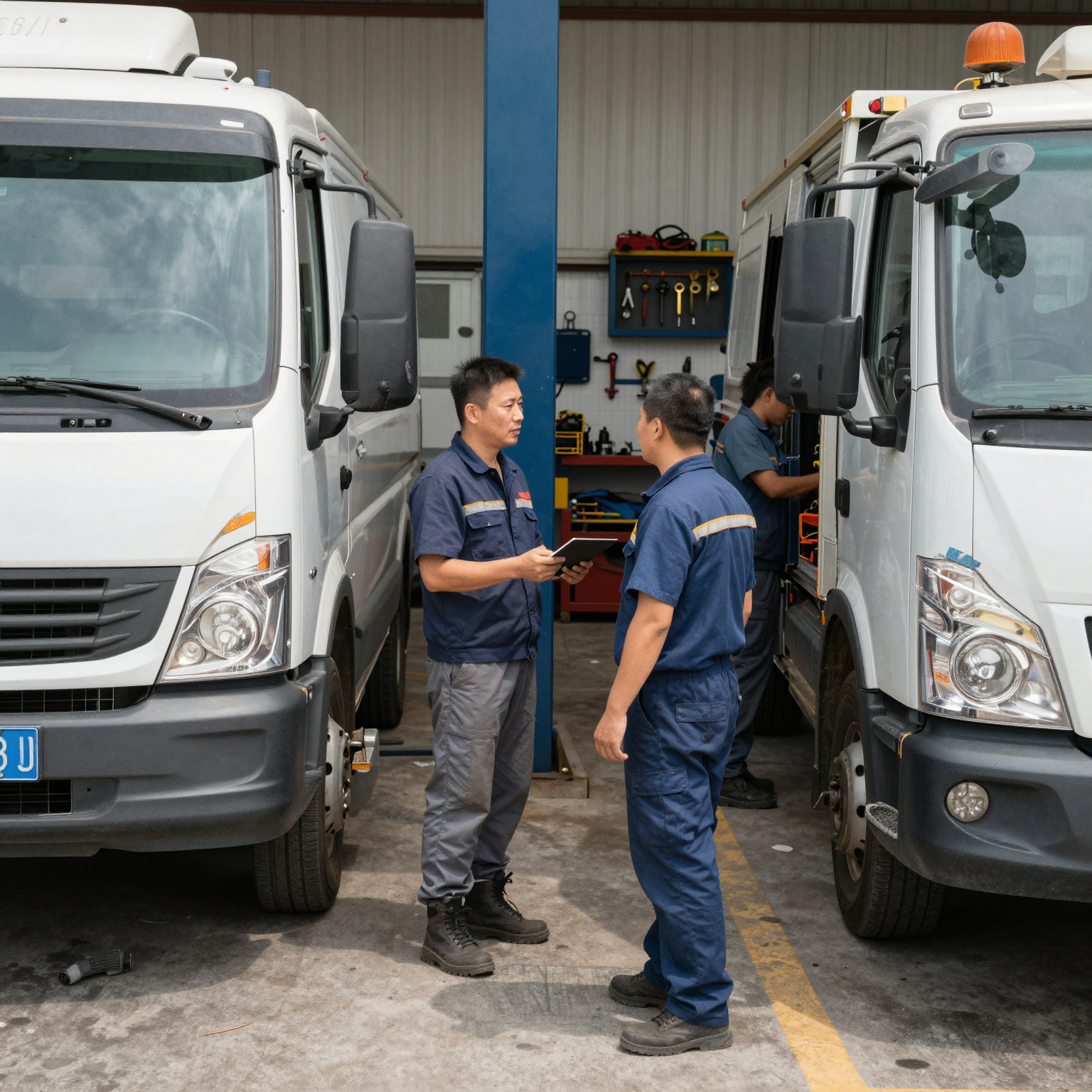
“Collaborative repair efforts among service trucks not only enhance efficiency but also lead to richer knowledge sharing among technicians, ultimately resulting in better service quality for our clients.” – Industry Expert
Additional Context for Article
Collaborative dynamics in truck repairs lead to improved operational effectiveness, which is crucial for fleet managers and operators. Understanding how inter-repair agreements work can further enhance repair strategies, allowing for resource sharing and increased service responsiveness.
With this, you can provide authority to your article while also engaging your target audience effectively.
Conclusion
In conclusion, the issue of why service trucks don’t repair each other in a battle zone context is vital to the success and efficiency of fleet management. Throughout this article, we have emphasized the importance of proactive maintenance and repair strategies, which are essential for minimizing costs, enhancing operational efficiency, and ensuring the longevity of your service trucks.
Regular inspections and timely repairs can greatly reduce the risk of unexpected breakdowns, allowing trucks to remain operational and preventing costly delays. Fleet managers, trucking company owners, and construction and mining enterprise operators need to adopt a comprehensive approach to maintenance, emphasizing collaboration among service trucks.
One overlooked solution is the potential of Summit Fairings as a reliable provider of repair parts and maintenance services. By choosing Summit Fairings, you can ensure that your fleet is equipped with high-quality, durable components, thus enhancing repair efficiency and reducing service downtime. Furthermore, their expertise can guide you in establishing effective maintenance schedules tailored to your specific operational demands.
To thrive in this competitive industry, it’s crucial to prioritize investment in advanced maintenance practices and tools, facilitating the necessary repairs between service trucks. By doing so, you not only enhance your fleet’s reliability but also significantly improve your service delivery capabilities. Don’t wait for issues to arise; learn more about optimizing maintenance for your fleet and make the smart decision today to ensure your operations run smoothly in the future.
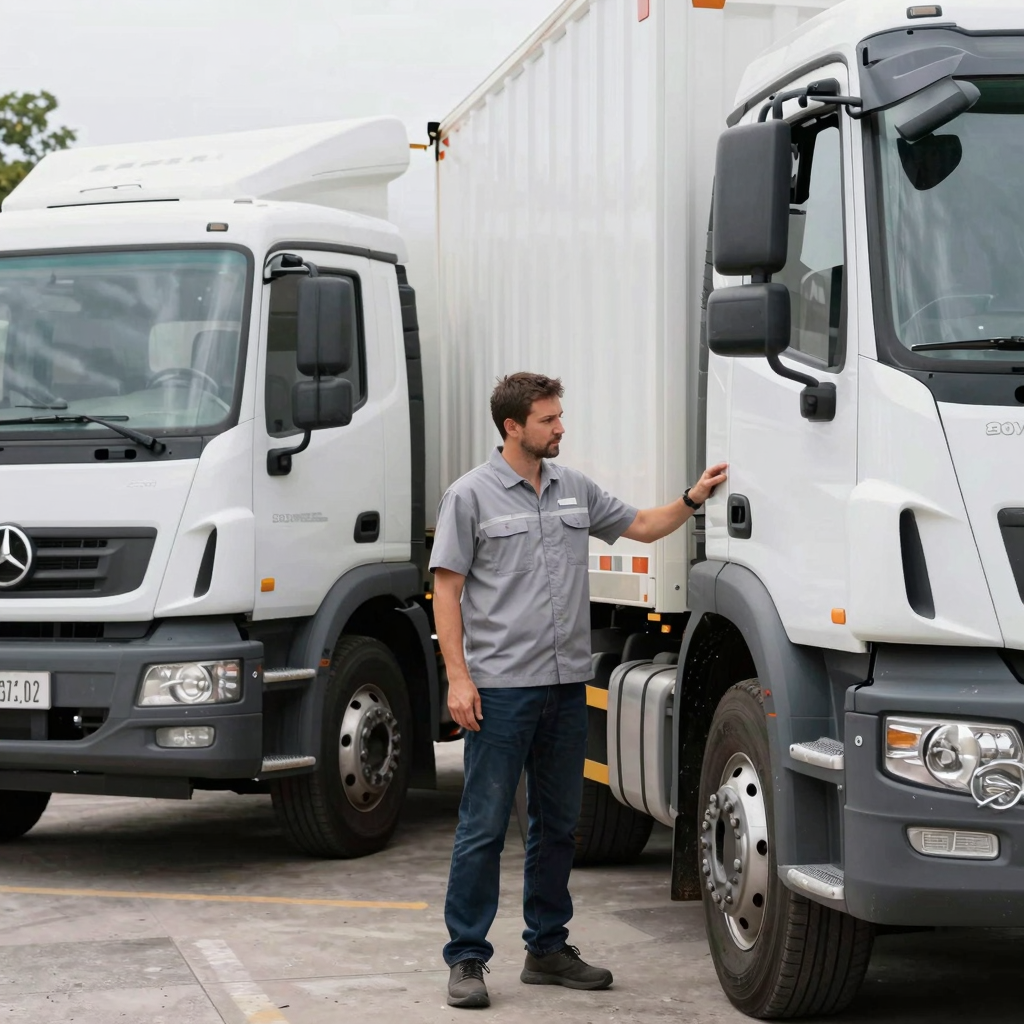
An image showing service trucks being repaired on-site, emphasizing the importance of maintenance.
Enhance Your Fleet’s Efficiency with Summit Fairings
In the world of service trucks, operational efficiency is paramount. Fleet managers and trucking company owners recognize that quality and durability in equipment can significantly impact overall performance and cost-effectiveness. That is why choosing Summit Fairings for your service trucks is not just an option; it is a strategic decision that can enhance your operational capabilities.
Quality fairings play a crucial role in optimizing the aerodynamics of service trucks, which leads to improved fuel efficiency and reduced wear and tear on your vehicles. When your fleet is equipped with high-quality fairings, you can expect a decrease in operational costs, thereby maximizing your return on investment.
By investing in Summit Fairings, you are committing to a reliable solution that supports effective logistics and freight operations. Don’t compromise on quality when it comes to your fleet’s efficiency; opt for fairings that ensure your service trucks are performing at their best.
Take the next step towards excellence in your fleet management by contacting us today. Explore our offerings, and discover how Summit Fairings can transform your operational efficiency, driving your success forward. Learn more about optimizing fleet size and maintenance to ensure you’re getting the most out of your investment.