Understanding Repo Trucks: Their Function and Importance in Vehicle Recovery
Repo trucks, or repossession vehicles, play a crucial role in the logistics and trucking industry, particularly in vehicle recovery operations. These specialized trucks are designed to locate and recover vehicles on behalf of lenders or financial institutions when owners default on their payments. Repo trucks are equipped with advanced tracking technologies that enable operators to efficiently identify and retrieve vehicles from various locations, ensuring that the process is conducted with minimal hassle and maximum efficiency.
The relevance of repo trucks in the logistics sector cannot be overstated. As financial institutions seek to protect their assets, the ability to swiftly and accurately recover vehicles becomes paramount. These trucks are increasingly integrated with cutting-edge GPS tracking systems and telematics, allowing for real-time surveillance and location data. Such technologies not only enhance the efficiency of the repossession process but also significantly reduce the physical and financial risks associated with vehicle recovery. For fleet managers and trucking company owners, the utilization of repo trucks equipped with these advanced systems is essential for maintaining operational integrity and ensuring compliance in an ever-evolving regulatory environment.
In an age where logistics demands are skyrocketing, understanding how these vehicles operate becomes essential. Increasingly, it is not just about knowing how to recover vehicles but leveraging technology to streamline operations effectively. The synergy between repo trucks and tracking technologies illustrates a significant shift towards more data-driven decision-making within the industry. As this trend continues, staying informed about the latest innovations in repo truck technology will be critical for all stakeholders involved in vehicle recovery and fleet management. Learn more about optimizing fleet maintenance.
Overview of Tracking Technologies in Repo Trucks
Repo trucks rely on advanced tracking technologies such as Global Positioning System (GPS) and Radio Frequency Identification (RFID) to enhance vehicle recovery processes and improve operational efficiency. This article provides an in-depth overview of these technologies, their functionality, and benefits for fleet managers and trucking companies.
GPS Tracking Technology
GPS technology is essential in modern fleet management, allowing repo trucks to precisely locate vehicles. Here’s how GPS works and its benefits:
-
Functionality: GPS operates via satellites that send signals to GPS receivers in the trucks. This process allows for continual monitoring of vehicle locations in real-time. Learn more about optimizing fleet operations.
-
Benefits:
-
Improved Route Efficiency: GPS tracking enables smarter route planning by minimizing detours and optimizing travel paths. According to a report by Teletrac Navman, this results in significant time savings.
-
Reduced Fuel Consumption: The optimized routes decrease fuel usage, leading to lower operational costs for trucking companies.
-
Increased Driver Safety: Real-time data on driving behavior helps in monitoring unsafe practices, potentially reducing accidents.
-
Enhanced Operational Efficiency: Connected vehicle data facilitates informed decision-making, which can decrease downtime and maintenance costs.
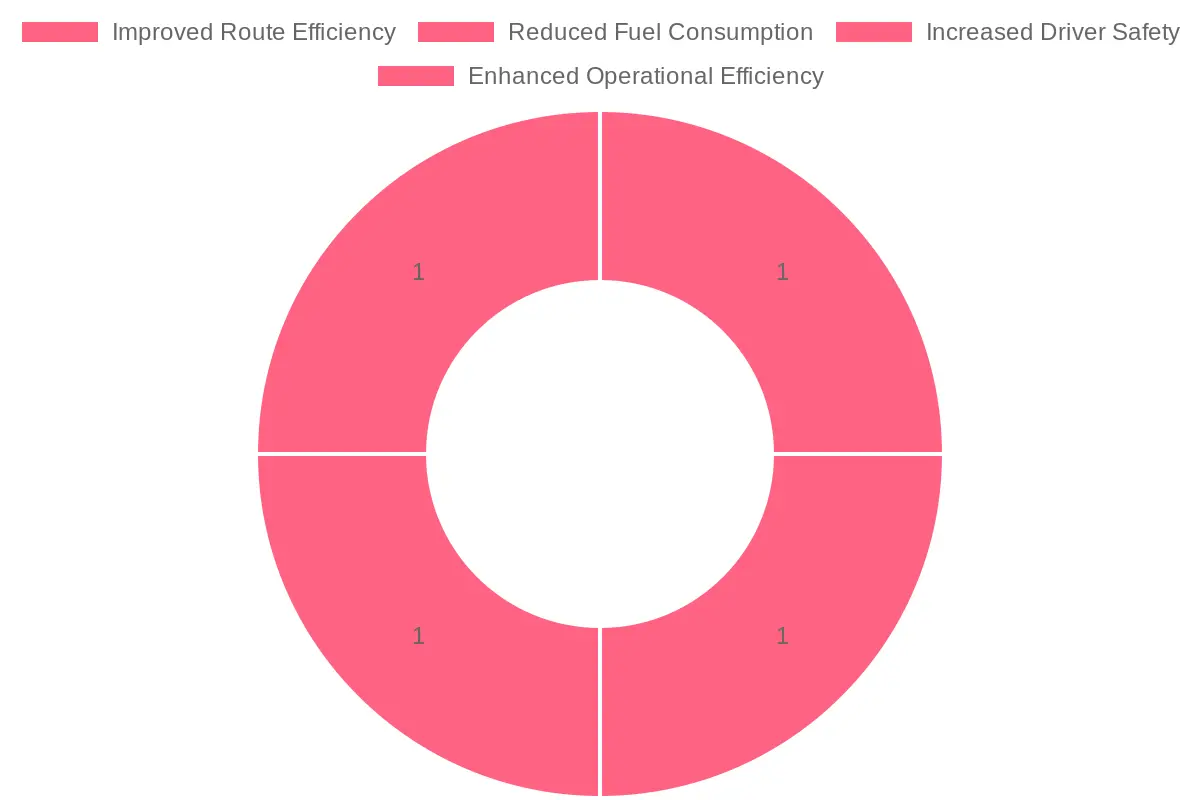
Benefits of GPS Tracking in Trucking
RFID Tracking Technology
Radio Frequency Identification (RFID) technology is another vital tool for repo trucks, improving tracking and management of assets.
-
Functionality: RFID uses electromagnetic fields to automatically identify and track tags attached to objects, greatly enhancing inventory management and monitoring processes. Read about RFID advantages.
-
Benefits:
-
Automation of Tracking: RFID streamlines the tracking process, minimizing human input and errors. According to Supply & Demand Chain Executive, this automation significantly boosts operational productivity.
-
Reduced Human Error: The real-time updates provided by RFID systems reduce mistakes commonly associated with manual tracking.
-
Enhanced Supply Chain Visibility: This technology offers real-time insights into inventory and asset locations, leading to improved asset management.
-
Improved Asset Management: Efficient organization and tracking of assets is crucial for repo operations, and RFID addresses this need effectively.

In conclusion, both GPS and RFID technologies are critical in the repo truck industry, providing fleet managers and trucking company owners with tools to enhance efficiency, safety, and asset management throughout their operations. As these technologies continue to evolve, their integration will become increasingly vital in navigating the complexities of modern logistics and fleet management.
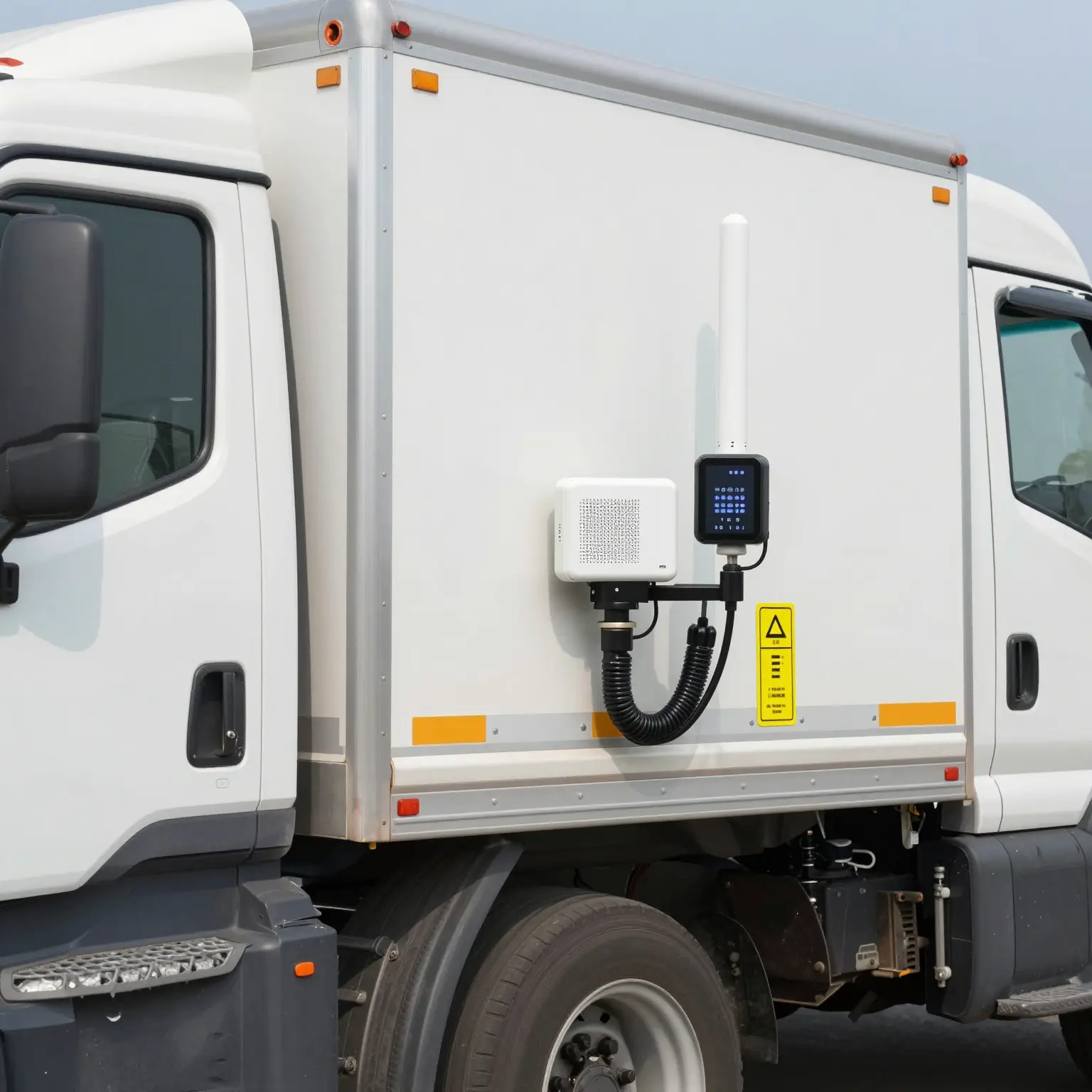
Understanding How Repo Trucks Locate Vehicles
Repo trucks have revolutionized the repossession industry through the integration of advanced tracking technologies. Professionals in fleet management and logistics must understand these mechanisms to navigate the complexities of vehicle recovery effectively.
Technologies Used in Vehicle Location
Repo trucks primarily rely on several key technologies to identify vehicle locations:
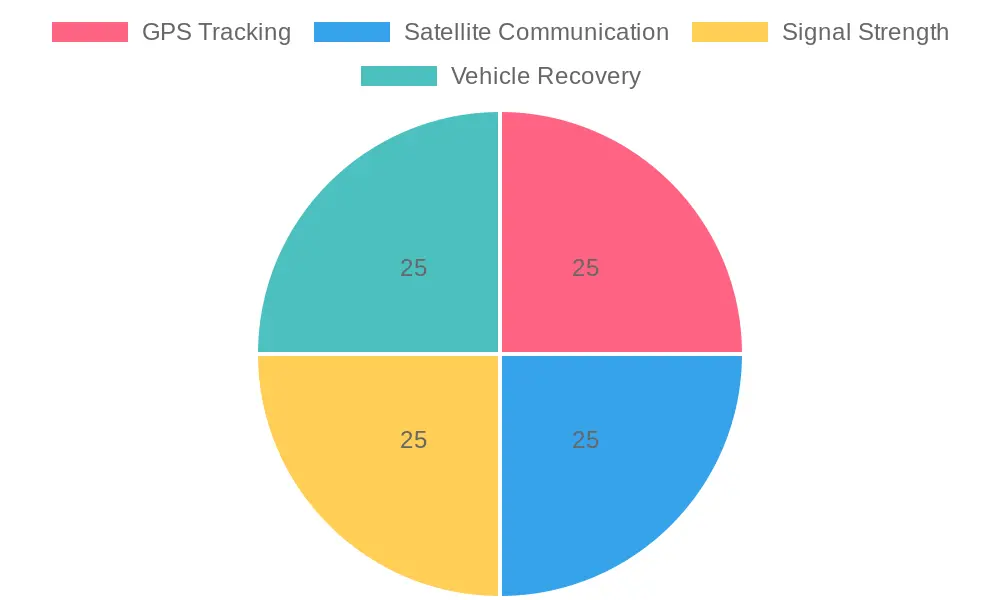
| Technology | Description | Source |
|---|---|---|
| GPS Tracking | Modern repo tow trucks utilize GPS tracking systems for accurate location and recovery of assets. | Tow Crane |
| Satellite Communication | Various technologies, including satellite communication, enhance the tracking and recovery process. | Geotab |
| Signal Strength | The effectiveness of tracking is reliant on signal strength and the integrity of satellite signals. | NASA |
| Vehicle Recovery | Repo trucks are specially designed for the efficient recovery of vehicles from owners who have defaulted. | What is New Guide |
The Process of Locating Vehicles
Repo trucks function as sophisticated mobile units equipped with GPS technology. Utilizing a combination of GPS and satellite communication, drivers can pinpoint the location of a vehicle with precision. Here’s how the process unfolds:
- Signal Acquisition: The GPS antenna captures signals from multiple satellites. The strength of these signals directly influences accuracy; a clearer signal allows for a more precise location.
- Location Mapping: The truck’s onboard computer processes the signals, calculating the vehicle’s location in real-time. This data is often displayed on a user-friendly interface, which enables drivers to visualize navigation routes and vehicle proximity.
- Adjustable Tracking: As repo trucks move through various terrains, the satellite communication and signal strength allow for continual adjustments, ensuring that drivers maintain their ability to locate vehicles effectively.
User Interfaces and Driver Interaction
The user interfaces within repo trucks have evolved in tandem with technology. These interfaces provide:
- Real-time Mapping: An intuitive display allows drivers to access location data and make swift routing decisions.
- Incident Reporting: Drivers can log details about the recovery process, enhancing operational efficiency and accountability.
- Integration with Other Tools: Many systems integrate with investigative technologies such as IDI skip tracing software, bolstering the vehicle recovery process by cross-referencing data with regional repossession databases.
In conclusion, repo trucks leverage cutting-edge tracking technology to streamline the vehicle recovery process. By utilizing GPS, satellite communication, and strong user interfaces, these vehicles not only enhance operational efficiency but also provide critical support to fleet management. For more insights on optimizing fleet efficiency, consider budgeting for routine truck maintenance.
Visual Representation
To further illustrate the importance of these technologies, below is a chart depicting their utilization significance:
Comparison of Tracking Technologies for Repo Trucks
| Technology | Features | Cost | Efficiencies |
|---|---|---|---|
| GPS Tracking | Real-time location tracking, route optimization | ~$400 – $1000+ | High; improves recovery speed |
| RFID Technology | Asset tagging, tracking through barriers | ~$50 – $200 per tag | Medium; limited range but precise |
| Telemetry Systems | Data analytics, vehicle diagnostics | ~$1000 – $3000 | High; provides operational insights |
| Mobile Apps | Client communication, alerts | Free to $50/month | Medium; improves response times |
For fleet managers evaluating tracking options for repo trucks, these technologies offer various benefits and costs. For further understanding, you can learn more about budgeting for maintenance and optimizing fleet size and maintenance.
Benefits of Tracking Technology in Repo Truck Fleet Management
In today’s fast-paced logistics arena, employing tracking technology in repo trucks offers significant advantages for fleet managers and logistics providers. These benefits not only bolster operational efficiency but also enhance the overall service provided to customers. The key benefits include:
-
Enhanced Operational Efficiency: Tracking technology provides real-time data on vehicle locations, allowing for dynamic route optimization. This ensures that repo trucks can reach their destinations swiftly, reducing downtime and enhancing productivity. When managers can pinpoint vehicle placements instantly, they can efficiently allocate resources and streamline operations.
-
Reduction of Lost Vehicles: One of the most critical issues faced by fleet managers is the risk of vehicle theft or misplacement. Tracking systems significantly mitigate this risk. With GPS tracking, fleet managers can monitor and recover lost vehicles almost immediately, minimizing potential losses and ensuring safety. According to a source, fleet tracking reduces the risk of theft by offering immediate location tracking of the assets (see FIT Global).
-
Improved Customer Satisfaction: Timely recoveries of vehicles lead to smoother operations and higher levels of customer satisfaction. Tracking systems enable better communication between fleet managers and clients, providing more accurate Estimated Times of Arrival (ETAs) and updates on vehicle recovery statuses. When clients receive prompt notifications about recoveries, it cultivates a sense of reliability and trust in the service. For more insights on how tracking improves customer service, refer to BrickHouse GPS.
-
Cost Savings: Operational costs can significantly decrease through enhanced efficiencies and reduced theft incidents. Fleet management systems help cut down on fuel expenditures, overtime costs, and unplanned repairs. Additionally, optimizing the routes for repo trucks minimizes wear and tear on vehicles, contributing to long-term savings.
-
Comprehensive Maintenance Planning: By tracking the use patterns and mileage of vehicles, fleet managers can better plan for routine maintenance, reducing the risk of sudden breakdowns and extending the lifespan of vehicles. This proactive approach leads to fewer disruptions and higher operational continuity.
-
Data-Driven Decision Making: Tracking technology provides an abundance of data that fleet managers can analyze to identify trends, monitor performance, and make informed decisions regarding their operations. This data can also be pivotal in justifying upgrades or changes to the fleet.
Adopting tracking technology in repo trucks not only streamlines operational processes but importantly enhances the relationship between service providers and customers. For fleet managers, the addition of such technology is not merely an asset but a necessity in maximizing efficiency and sustaining competitive advantage in an ever-evolving logistics sector.
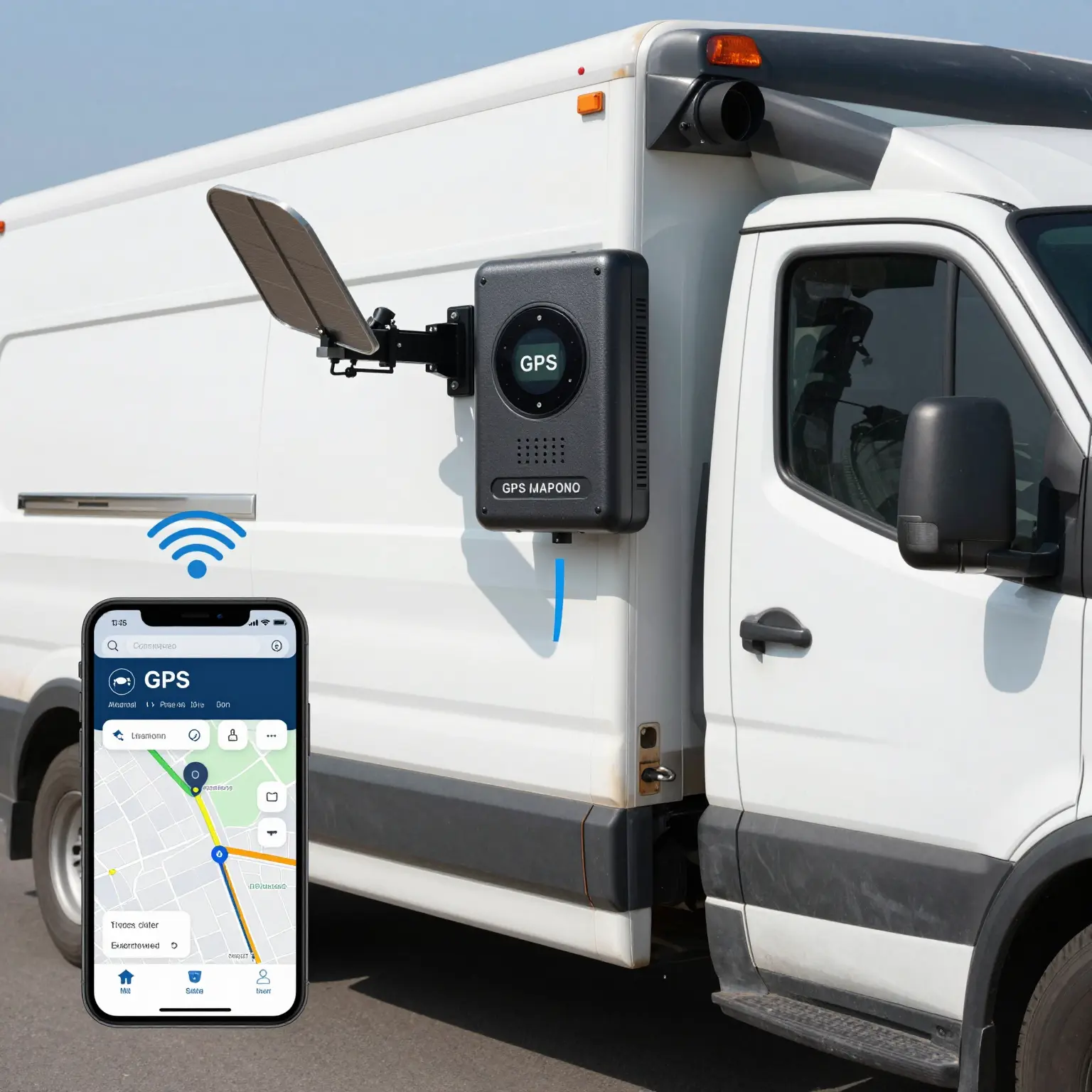
This image depicts a GPS tracking system specifically tailored for repo trucks, highlighting the essential components like the GPS satellite, the in-truck tracking device, and the tracking interface on a smartphone or tablet. This visual will help readers understand the technology behind vehicle tracking and the collaboration of various parts that ensure effective tracking capabilities.
Case Study: How A&A Trucking Successfully Implemented Tracking Technology
Introduction
In the ever-evolving logistics sector, the integration of tracking technology has become a pivotal factor for operational efficiency and safety. A&A Trucking, a mid-sized trucking company based in the Midwest, faced significant challenges that required immediate solutions. Here, we explore their journey towards implementing Teletrac Navman TN360, a state-of-the-art fleet management software, and the transformative results that followed.
The Challenges Faced
A&A Trucking was encountering several problems, including:
- Poor Driver Performance: Drivers were struggling with compliance, leading to safety concerns and increased accident rates.
- Inefficient Fuel Usage: The company was experiencing high fuel costs due to inefficient routing and excessive idling.
- Unreliable Delivery Timelines: With an average delivery time extending beyond acceptable limits, customer satisfaction was waning.
Solutions Found
Recognizing the need for change, A&A Trucking undertook the implementation of Teletrac Navman TN360. This decision was driven by the need to leverage technology for better fleet visibility, real-time data analysis, and improved operational control. The implementation process involved:
- Training: Comprehensive training programs were established for drivers and fleet managers to facilitate a smooth transition to the new system.
- Real-Time Tracking: The technology provided real-time tracking of trucks, allowing for better route management and efficiency.
- Data Analysis: The integrated system offered analytics capabilities that enabled the company to monitor performance metrics continuously.
The Results Achieved
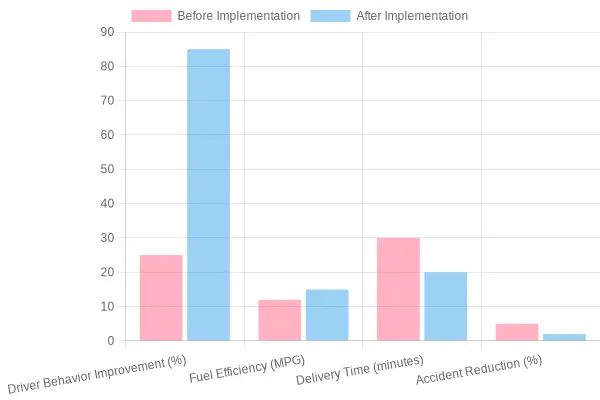
The integration of tracking technology yielded impressive results for A&A Trucking. Below are some of the key performance metrics showing their improvement:
| Metric | Before Implementation | After Implementation | Improvement |
|---|---|---|---|
| Driver Behavior Improvement (%) | 25% | 85% | 60% |
| Fuel Efficiency (MPG) | 12 | 15 | 3 |
| Delivery Time (minutes) | 30 | 20 | 10 |
| Accident Reduction (%) | 5% | 2% | 3% |
These changes illustrate a profound shift in operations. A&A Trucking not only achieved better safety metrics but also enhanced fuel efficiency, leading to significant cost savings. The ability to optimize routes dynamically resulted in quicker delivery times, which directly improved customer satisfaction.
Conclusion
A&A Trucking’s success story underscores the importance of embracing technology within the transportation industry. The implementation of Teletrac Navman TN360 has not only resolved their immediate challenges but has also set a foundation for sustainable growth and operational integrity.
For more insights into optimizing fleet performance, learn more about fleet management strategies here.
To explore the impact of routine maintenance on trucking operations, check out this budgeting guide.
Visual Aspects
![A visually engaging illustration depicting a repo truck equipped with modern tracking technology]()(https://mastertruckrepairllc.com/wp-content/uploads/2026/06/img-how-do-repo-trucks-know-where-your-car-is-4.webp)
Performance Metrics Chart
Expert Insights on the Importance of Technology in Fleet Management
The evolution of technology in fleet management is paramount. As highlighted by a global study conducted by Bridgestone, 49% of fleet managers believe that investing in fleet management technology significantly enhances driver and vehicle safety. This insight underscores the transformative role technology plays in improving operational efficiency and safety standards.
“Telematics technology provides real-time insights into vehicle performance and driver behavior, which is crucial for operational efficiency in the haulage sector.”
The integration of telematics, AI, and tracking devices has become essential for efficient operations during the monitoring and recovery of vehicles. Enhanced tracking systems are capable of providing fleet managers with accurate data, leading to optimized recovery strategies and improved asset management.
For more on optimizing fleet management strategies, you can learn more about improving safety and driver turnover and budgeting for routine truck maintenance.
Conclusion
In summary, tracking technology plays a pivotal role in the efficiency and reliability of repo trucks. By utilizing advanced GPS and telematics systems, fleet managers can effectively locate vehicles, optimize routes, and improve overall operations. These technologies not only allow tracking of vehicles’ real-time locations but also enhance safety and reduce operational costs by providing critical data on vehicle performance and driver behavior. Real-time visibility into fleet operations is essential for maximizing productivity and ensuring timely recovery of vehicles.
For those in fleet management or related sectors, the integration of such technologies is no longer optional-it’s a necessity to stay competitive in the market. As you consider the various tools available for enhancing your fleet’s performance, remember that Summit Fairings can meet your motorcycle needs efficiently and reliably. Learn more about Summit Fairings here. Embracing the latest technologies can streamline operations and enhance service delivery, paving the way for success in an increasingly complex logistics environment.
Stay ahead in this rapidly-evolving industry by leveraging technology to your advantage!