
Understanding Repo Trucks Cost: An Essential Insight for Fleet Managers
In the ever-evolving landscape of the trucking industry, repo trucks cost has become a pivotal consideration for fleet managers, trucking company owners, and operators within sectors such as construction and mining. Repo trucks, or repossessed vehicles, offer a cost-effective solution for businesses looking to expand their fleet without incurring the high expenses associated with new vehicles. However, understanding the costs involved-from purchase to maintenance-is crucial for making informed decisions that will impact the financial health of your operations.
This guide will delve into the various cost factors associated with repo trucks, including initial purchasing prices, ongoing maintenance costs, and resale value. By equipping yourself with this knowledge, you can navigate the complexities of the repo truck market more effectively, ultimately leading to smarter investments that enhance your fleet’s efficiency and reliability. For further insights on budget-friendly fleet strategies, consider exploring our guide on budgeting for routine truck maintenance to ensure your repo trucks provide optimal performance over time.
Understanding repo trucks and their costs is not just prudent; it is essential for anyone involved in managing a fleet. As the demand for reliable vehicles grows, making informed choices becomes increasingly vital for operational success.
Factors Affecting Repo Truck Costs
The cost of repo trucks can vary significantly based on several key factors. Understanding these variables is crucial for fleet managers, trucking company owners, and logistics providers when making investment decisions. Here’s a detailed look at the primary factors contributing to repo truck costs:
-
Age of the Truck
Older trucks generally cost less than newer models due to depreciation. However, the age can come with increased maintenance needs and a higher likelihood of breakdowns. Therefore, while the initial purchase price may be lower, ongoing maintenance costs must be considered. -
Brand and Model
Different brands come with varying reputations for reliability and longevity. Well-known brands like Ford or Kenworth might command higher prices due to their durability and lower maintenance issues. Additionally, models with high resale value can lead to a better return on investment for companies. -
Condition
The physical and mechanical condition of a repo truck plays a significant role in its pricing. Trucks that have been well-maintained, with a solid maintenance history, are generally more valuable. Buyers should consider a thorough inspection to assess the vehicle’s condition before purchase. -
Market Trends
The current market demand for trucks significantly affects their prices. Factors driving demand include industry growth, economic conditions, and changes in regulations. For example, a rise in construction and logistics activities can increase the demand for repo trucks, driving up prices accordingly. -
Market Location
Costs can also vary based on the geographical location of purchase. Areas with a higher demand for repo trucks can see inflated prices, while less populated areas might offer more competitive pricing. -
Vehicle Specifications
Features such as engine size, fuel efficiency, and technology (like GPS and telematics) can also impact costs. Trucks equipped with modern technology typically have higher resale values due to their increased productivity and operational efficiency.
Understanding these factors can aid decision-makers in budgeting for their fleet and optimizing their purchasing strategies. For more information on budgeting for truck maintenance, check out our guide on budgeting for routine truck maintenance.
Conclusion
Repo truck costs stem from a complex interplay of age, brand, condition, market trends, and more. Fleet managers and operators are encouraged to stay informed and consider these factors to make educated purchasing decisions. Additionally, keeping abreast of market conditions can further enhance these decisions to ensure operational efficiency and cost-effectiveness in fleet management. For insights on optimizing fleet size and maintenance, visit our resource on optimizing fleet size and maintenance for small fleets.
Comparison of Repo Truck Costs
Below is a comprehensive table comparing the average costs, models, ages, and key features of various repo trucks from different brands. This information is crucial for fleet managers and trucking company owners to make informed purchasing decisions for their operations.
| Brand | Model | Age (Years) | Average Market Price | Key Features |
|---|---|---|---|---|
| Ford | F-350 Super Duty | 1-2 | $45,000 – $85,000 | Powerful diesel engine, Reliable towing capacity |
| Chevrolet | Silverado 3500HD | 1-2 | $50,000 – $80,000 | High payload capacity, Advanced tech integration |
| RAM | 3500 | 1-3 | $55,000 – $90,000 | Durable, Strong suspension for towing |
| International | MV Series | 3-5 | $90,000 – $120,000 | Advanced safety features, Commercial-grade design |
| Hino | 195 | 4-6 | $45,000 – $75,000 | Compact, strong payload, Efficient fuel economy |
| Isuzu | NPR | 4-7 | $40,000 – $60,000 | Agile maneuverability, Cost-effective operation |
Insights for Fleet Managers
- Cost Variation: New repo trucks generally range from $45,000 to over $90,000, depending on the model and features. Used repo trucks can be significantly cheaper, often ranging from $28,000 to $40,000.
- Selecting the Right Model: It’s essential to consider the key features that align with operational requirements. Models with advanced technology and strong towing capabilities often come at a premium but may save costs in other areas like maintenance and fuel.
For more information on budgeting for truck maintenance and optimizing fleet operations, visit our resources.
Financing Options for Repo Trucks
Purchasing repo trucks can be an advantageous decision for fleet managers and construction operators looking to expand or upgrade their fleet at a lower cost. One of the most accessible financing options is dealer financing, where truck dealerships often partner with banks to provide customized loan choices that fit various credit profiles. If you possess good credit, bank loans are typically available, offering lower interest rates and longer repayment terms that can aid in budget management. For those with a membership, credit unions are known for offering favorable terms and lower interest rates, making them an excellent choice for managing loan repayments without financial strain.
Another option is equipment financing, which allows buyers to secure loans based on the truck itself as collateral. This avenue may be beneficial for fleet managers with less-than-perfect credit histories. Choosing to lease a truck can also be a compelling alternative; while this method typically involves lower monthly payments, it’s essential to remember that the vehicle must be returned at lease end, which could pose challenges for growing fleets. Understanding these financing alternatives, including terms, rates, and conditions, can empower fleet managers and construction operators to make informed decisions that fit their operational needs and financial strategies. For more comprehensive insights on managing truck financing alongside maintenance plans, consider exploring budgeting for routine truck maintenance and optimizing fleet size.

Understanding the Impact of Repo Truck Condition on Pricing
Repo trucks, or repossessed vehicles, can present a unique pricing landscape influenced heavily by their condition. Fleet managers and trucking company owners must consider multiple factors relating to the state of these vehicles when assessing their market value and potential repair costs.
Key Factors Influencing Pricing
-
Overall Condition: The condition of a repo truck is the primary determinant of its price. Trucks in better mechanical and aesthetic condition attract higher bids from potential buyers. Critical components such as the engine, transmission, and chassis integrity need to be evaluated, as repairs on these parts can be costly.
-
Repairs and Maintenance History: Understanding the truck’s maintenance history can provide invaluable insight. Well-maintained trucks may require less immediate investment in repairs, thus justifying a higher price. Conversely, a truck that requires significant repairs can lead to steep discounts, affecting the overall pricing strategy. Significant repairs can include:
- Engine Overhaul
- Transmission Replacement
- Brake System Repairs
-
Age and Mileage: These two factors significantly affect pricing. Generally, older trucks with higher mileage may be priced lower, especially if they display signs of wear and tear. Conversely, newer models or those with better mileage records might command a premium price.
-
Market Demand: The broader market conditions and trends in the trucking industry can influence the price of repo trucks. In tight markets where demand exceeds supply, prices for repo trucks may increase despite their condition. Conversely, in a saturated market, even well-maintained repo trucks may see reduced prices.
Importance of Repairs and Maintenance
Buyers should factor in the costs associated with repairs and maintenance when evaluating repo trucks. For instance:
- Budgeting for Routine Maintenance: Fleet owners need a solid understanding of the ongoing costs associated with maintenance. Potential repair costs can be assessed by reviewing auction listings and repair estimates from trusted sources. For an in-depth overview, budgeting for routine truck maintenance is recommended.
- Vendor Relationships: Establishing strong ties with reliable repair services can facilitate more favorable repair pricing and ensure the fleet manager is prepared for any near-term maintenance needs.
Conclusion
In conclusion, understanding the condition of repo trucks is essential for proper pricing strategies. Fleet managers and trucking company owners should conduct thorough inspections, review maintenance history, and be aware of current market trends to make informed purchasing decisions. This level of diligence not only ensures wise investments but can also lead to substantial savings on repairs and maintenance down the road.
Average Maintenance Costs of Repo Trucks
Maintaining a repo truck involves various expenses that fleet managers and trucking company owners must anticipate to ensure operational efficiency and safety. These costs can vary based on several factors, including the model, age of the truck, usage frequency, and local service prices. Below, we outline the typical maintenance costs associated with repo trucks:
Regular Maintenance and Repairs
-
Oil Changes: Frequent oil changes are essential for keeping the engine running smoothly. Expect to spend between $100 to $150 every 5,000 to 7,500 miles, depending on oil type and local labor rates.
-
Tire Maintenance: Tire costs can be significant, with an average replacement cost of $300 to $500 per tire. A repo truck may need new tires every 40,000 to 70,000 miles, particularly if it frequently operates in rugged conditions.
-
Brakes and Suspension: Maintaining the braking system and suspension is critical for safety. Brake pads and rotors can cost around $400 to $700 to replace. Suspension repairs can vary widely but typically range from $300 to $1,500 depending on the extent of the repairs needed.
-
Fluids and Filters: Routine checks and replacements for various fluids (transmission, coolant, brake fluid) and filters (fuel, air, oil) generally incur costs of $200 to $400 annually.
Annual Maintenance Costs
When estimating annual maintenance costs for repo trucks, averaging expenses provides a clearer picture:
| Maintenance Item | Average Cost Per Year |
|---|---|
| Oil Changes | $600 |
| Tire Replacement (2) | $800 |
| Brake Maintenance | $600 |
| Fluids and Filters | $300 |
| Total Estimated | $2,300 |
Additional Considerations
-
Unexpected Repairs: It’s prudent to budget for unforeseen repairs, which can arise from the demands of repossession work. Setting aside an emergency fund of about 15-20% of annual maintenance costs can help mitigate these risks.
-
Service Provider Costs: Costs can vary by service provider and geographic location. Establishing a long-term relationship with a reliable mechanic can often lead to better pricing and service quality.
-
Fleet Efficiency: To optimize maintenance and reduce costs, fleet managers should consider following structured maintenance schedules and utilizing software for maintenance tracking. For more insights, you can learn more about budgeting for routine truck maintenance.
With these factors in mind, trucking company owners and fleet managers can better prepare for the financial responsibilities associated with maintaining repo trucks, ensuring their fleet operates safely and efficiently.
Trends in Repo Truck Prices Over the Past Five Years
Understanding the fluctuations in repo truck prices is critical for fleet managers and trucking company owners. Prices have shown a notable trend upward over the past five years, influenced by various economic factors and demand shifts.
Average Used Truck Prices Over Years
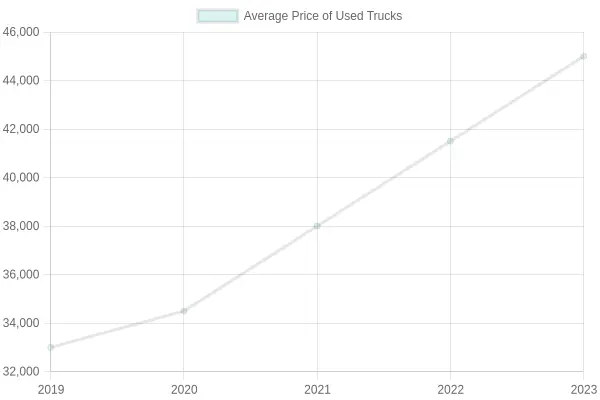
The following table outlines the average price of used trucks each year along with key factors affecting these price changes:
| Year | Average Price (Used Trucks) | Key Factors Affecting Prices | Region |
|---|---|---|---|
| 2019 | $33,000 | Stable demand, low new truck inventory | United States |
| 2020 | $34,500 | Increased demand due to COVID-19 | United States |
| 2021 | $38,000 | Supply chain issues, persistent demand | United States |
| 2022 | $41,500 | High inflation, continued supply constraints | United States |
| 2023 | $45,000 | Price stabilization, improving inventory | United States |
Key Insights:
- Fluctuating Prices: Prices have been on the rise primarily due to high demand and supply chain disruptions.
- Increased Demand: Economic factors, including inflation and the pandemic, have significantly influenced consumer behavior towards used trucks.
- Regional Variations: Prices are typically higher in urban areas, reflecting greater demand for transportation services.
For a thorough understanding of budgeting for routine truck maintenance, learn more.
Top 5 Considerations When Buying Repo Trucks
Fleet managers looking to invest in repo trucks should consider the following critical factors:
- Type of Repo Truck: Identify the specific needs based on the types of vehicles you will be repossessing. Different jobs may require different types of trucks, such as flatbeds or tow trucks.
- Payload Capacity: Ensure the truck can handle the weight and size of the vehicles typically being repossessed. This is essential for safe and efficient operations.
- Durability: Repo work can be demanding. Therefore, selecting trucks built to withstand rigorous use and harsh conditions is vital.
- Mileage and Maintenance: Assess fuel efficiency and the maintenance history of the truck. Vehicles that have been well cared for will incur lower long-term operational costs.
- Safety Features: Evaluate the truck’s safety features, which not only protect the driver but also safeguard the repossessed vehicle during transportation.
By carefully considering these aspects, fleet managers can make informed decisions that align with their operational requirements and budgets. For additional insights on related topics, learn about budgeting for routine truck maintenance and optimizing fleet size and maintenance.
In conclusion, understanding the costs associated with repo trucks is essential for fleet managers, trucking company owners, and operators in construction, mining, logistics, and freight services. Throughout this article, we discussed various factors influencing the pricing of repo trucks, including market conditions, age, and type of vehicle. It’s clear that investing in repossession vehicles can be a strategic move for many businesses, potentially offering significant savings compared to conventional truck purchasing.
While the precise prices of repo trucks can fluctuate and should be sourced from reliable market data, knowing how to navigate these costs effectively can greatly enhance the decision-making process for fleet expansion or upgrades.
Moreover, maintaining your fleet’s integrity and performance is crucial, and one way to achieve this is through premium fairings. Fairings contribute considerably to the aerodynamic efficiency of trucks, which in turn can lead to reduced fuel consumption, improved handling, and overall better performance.
Summit Fairings offers a variety of premium fairings designed specifically for the needs of trucking professionals. These enhancements not only improve the aesthetics of your fleet but are also a smart investment in efficiency and driver safety. If you’re looking to elevate your fleet’s capabilities and ensure a robust return on investment, consider exploring the options available through Summit Fairings. Explore premium fairings here.
By incorporating these advanced solutions into your fleet management strategy, you can ensure that your operations are not only efficient but also competitive in the ever-evolving trucking industry. Embrace the elements that can propel your business forward and take your fleet to the next level.