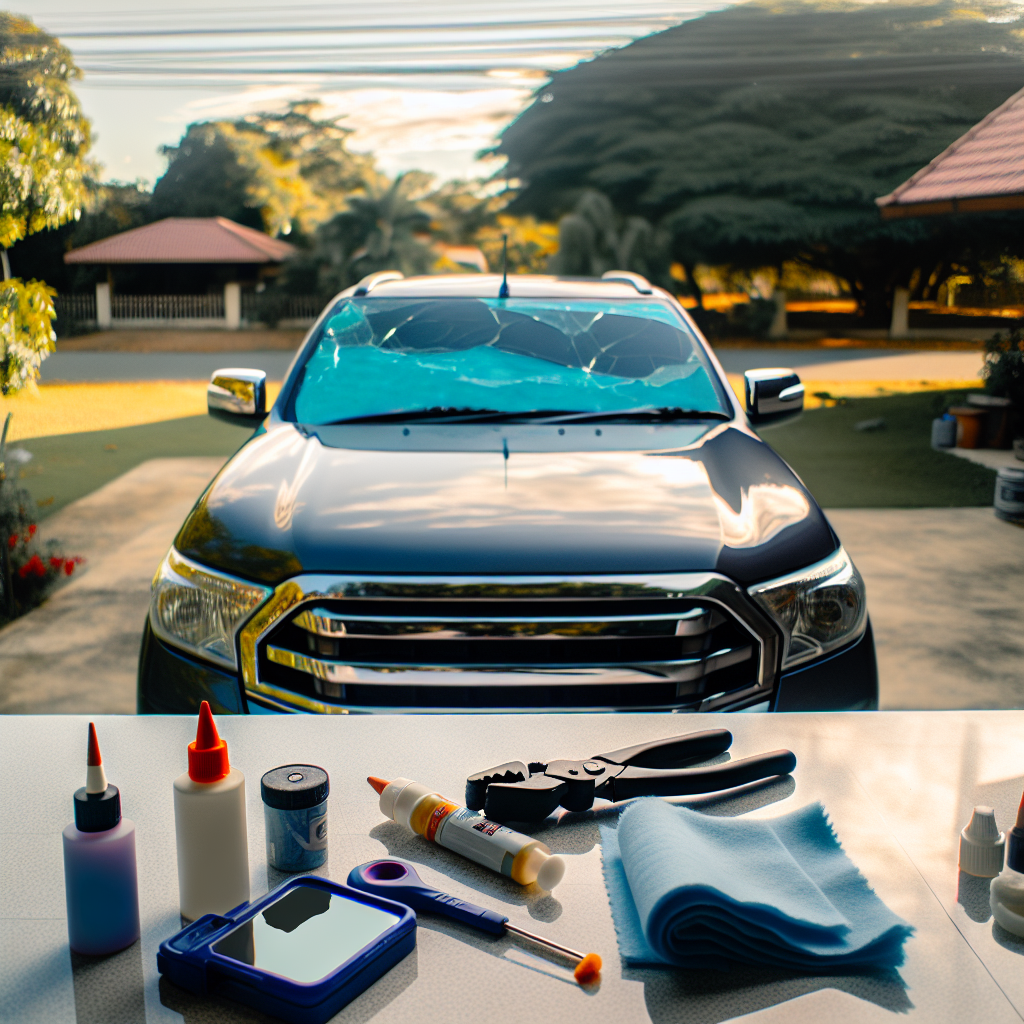
As the backbone of logistics and construction operations, the truck bed plays a pivotal role in ensuring efficiency and reliability. However, many fleet managers and truck owners often underestimate the significance of maintaining a truck bed floor. A damaged or deteriorating truck bed can not only jeopardize the durability and safety of the vehicle but can also lead to increased costs and logistical setbacks. To effectively repair a truck bed floor, it is crucial to recognize the impact of timely truck maintenance on overall fleet management. Ignoring minor damages can escalate into serious problems, affecting productivity and increasing operational costs. In industries where time is money, operational efficiency hinges not just on the powerful engines of the trucks but also on their physical integrity and capacity to handle loads safely. Furthermore, fleet managers must prioritize regular inspections and repairs to avoid downtime and ensure smooth operations. Failure to address these maintenance needs could hinder the ability to meet tight schedules and customer demands, ultimately affecting competitiveness in the marketplace. In this compelling guide, we will explore practical strategies and insights on how to effectively maintain and repair truck bed floors, ensuring that your fleet remains durable, efficient, and ready for any challenge. Learn more about budgeting for routine truck maintenance to keep your vehicles in top condition and prevent costly repairs down the road.
Common Issues with Truck Bed Floors in Fleets and Construction Environments
Truck bed floors are integral to the functionality and performance of trucks, especially in fleets and construction environments. However, they face numerous issues that can compromise their integrity and usability. Below are some of the key problems typically encountered:
-
Rust and Corrosion: The exposure to moisture, chemicals, and road salt leads to rust formation, which can significantly weaken the truck bed structure. Regular maintenance is crucial to prevent and address rust damage. For more information on how to prevent rust, check out this guide.
-
Wear and Tear: Trucks used in construction sites undergo heavy use, which can result in dents, scratches, and general wear. This physical degradation may not only affect aesthetics but also reduce load-bearing capacity over time.
-
Delamination of Bed Liners: Improper installation or low-quality liners can lead to peeling or delamination, which exposes the bed to damage. Investing in high-quality bed liners can provide better protection.
-
Structural Damage: Heavy loads and impacts can cause bent or broken structural supports. This may lead to uneven loading capabilities and increase the risk of accidents.
-
Material Contamination: Accumulation of dirt, debris, and chemicals on the truck bed floor can lead to quicker deterioration and corrosion. Regular cleaning is vital to mitigate this issue.
-
Poor Drainage: Truck bed designs that do not incorporate adequate drainage can trap water and debris, accelerating rust formation. Ensuring proper drainage systems are in place can help maintain the integrity of the bed.
-
Impact Damage: In construction fleets, truck beds encounter heavy equipment, tools, and materials that can inflict significant damage. This impact can create dents and increase the risk of structural breaches.
Understanding these common problems is the first step in developing effective repair solutions. To learn more about managing routine maintenance costs for your fleet, visit this resource.
Materials and Tools Needed for Truck Bed Floor Repair
When it comes to repairing a truck bed floor, proper preparation is essential. Below is a detailed list of materials and tools you will need, tailored for different budgets and preferences.
| Material/Tool | Description | Price Range | Source |
|---|---|---|---|
| Truck Bed Floor Patch Panel | Steel panel designed to repair truck bed floors for various models. | $50 – $150 | eBay |
| Bed Floor Repair Panel | Specifically designed for 1973-79 Ford F100, F150 & F250 models. | $60 – $120 | Raybuck |
| Truck Bed Floor Assembly | A comprehensive structure that includes components for truck bed flooring. | $200 – $400 | Rollers Auto Parts |
| Rust Repair Kits | Kits containing materials and tools needed to fix rusted truck bed floors. | $40 – $80 | Bryan’s Garage |
| Truck Bed Liners | Protective liners designed to fit truck beds, preventing damage from cargo. | $100 – $500 | NAPA |
| Welding Machines | Needed for welding repair panels to the existing truck bed. | $300 – $600 | Auto Parts |
| Paint and Sealants | Materials for protecting repaired areas and preventing rust. | $15 – $50 | Amazon |
Tools Required
- Electric Drill: For drilling holes to secure panels. Price: $50 – $200 – DeWalt
- Angle Grinder: Essential for cutting old metal. Price: $40 – $150 – Makita.
- Wrenches and Sockets: For loosening and securing bolts affecting the truck bed. Set Price: $30 – $150 – Husky.
Chart of Price Distribution for Truck Bed Repair Products

This chart illustrates the variety of price ranges you can expect for truck bed repair products, aiding in budget planning.
Before beginning any truck bed repair project, ensure you have gathered all necessary materials and tools. With careful preparation, you’ll set yourself or your team up for successful repairs.
For fleet management strategies and maintaining your vehicle assets, learn more about budgeting for routine truck maintenance and optimizing your fleet size here.
Comparing Repair Techniques for Truck Bed Floors
Repairing truck bed floors is essential for maintaining the functionality and safety of your trucks. Here’s a comparison of various repair techniques, including their pros, cons, and estimated costs, to aid in decision-making for fleet managers and trucking company owners.
| Repair Technique | Pros | Cons | Estimated Cost |
|---|---|---|---|
| Spray-On Bed Liner | – Durable and resistant to wear – Protects against rust and corrosion |
– Requires professional application – Can be costly compared to other methods |
$550 |
| Bed Mat Installation | – Lower installation cost – Easy to apply and remove |
– Less protection compared to liners – May not hold up well against heavy loads |
$175 |
| Welding | – Strong repair for larger damages – Long-lasting solution |
– Requires skilled labor – Potentially more time-consuming |
Varies based on extent of damage |
| Epoxy Resin | – Good for small holes and rust spots – Provides a tough finish |
– Not suitable for extensive damage – Time-consuming curing process |
$300 (for materials) |
Summary
Each repair technique has its own merits and drawbacks, making it essential to weigh factors such as cost-effectiveness and durability based on the specific condition of the truck bed. For comprehensive advice on budgeting for repairs, you may want to learn more about budgeting for routine truck maintenance and management practices that enhance fleet reliability.
Conducting regular inspections and timely repairs ensures operational efficiency and the longevity of your fleet’s assets.
DIY Repair Steps for Truck Bed Floor
Repairing a truck bed floor can seem daunting, but with the right steps and materials, fleet managers can tackle this project themselves, saving time and money. This guide provides a comprehensive overview of the DIY repair process, ensuring a durable and effective solution for truck bed restoration.
Step 1: Gather Necessary Tools and Materials
Before starting the repair, ensure you have the following tools and materials:
- Spray-on bedliner or protective coating
- Rust converter or rust remover
- Sandpaper or a power sander
- Metal patching kit or sheet metal
- Measuring tape
- Drill and metal screws (if patching required)
- Protective gloves, goggles, and dust mask
Step 2: Assess the Damage
- Inspect the Truck Bed: Check for rust, dents, or any existing damages. Determining the extent of the damage will guide whether you need patch panels or simply surface treatment.
- Test for Weak Spots: Gently tap areas with a hammer to identify soft or thin spots that might need more robust repair.
Step 3: Clean the Area
- Remove Loose Debris: Sweep and clean the truck bed. A detailed cleaning helps in effective rust treatment and ensures a good bond when applying new material.
- Use a Degreaser: For any oil or grease stains, use a degreasing agent. Rinse thoroughly and allow it to dry completely before proceeding.
Step 4: Remove Rust
- Sand or Scrape Off Rust: Use sandpaper or a power sander to remove visible rust. Ensure you wear a dust mask and protective goggles during this step.
- For extensive rust, consider using a rust converter to treat the affected areas. This will convert rust into a stable compound and prevent further corrosion.
Step 5: Patch Damaged Sections
- Apply Metal Patches: If there are holes or significant rust damage in the truck bed, measure and cut metal patches from the sheet metal to cover these areas. Adhere patches using metal screws or weld them in place if necessary. Ensure it’s securely fastened and watertight.
- For a more robust repair, consider sourcing dedicated patch panel kits specifically designed for your truck model, available here.
Step 6: Apply Protective Coating
- Spray-on Bedliner: Once the repairs are made and the surface is clean, apply a coat of spray-on bedliner to protect against future rust and scratches. Follow the manufacturer’s instructions for drying time.
- Consider using either a DIY spray-on or a roll-on liner for added durability. For tips on this process, refer to this guide.
Step 7: Additional Treatments
- Seal Edges and Joints: For added security, use silicone adhesive or sealant around the edges of the patches and any joints that could trap moisture.
- Final Inspection: Ensure that all patches are peeking out of the coating and check for any missed areas. Touch up if necessary.
Step 8: Routine Maintenance
- Regular Cleaning: To maintain the integrity of your repair, regularly clean the truck bed to avoid any build-up of debris.
- Reapply Protective Coating: Consider applying a new coat of protective sealant every couple of years to extend the life of the repair.
- For ongoing vehicle maintenance strategies, fleet managers can find more useful tips in our article on budgeting for routine truck maintenance.
By following these steps, fleet managers can effectively repair their truck bed floors, ensuring the longevity and reliability of their vehicles. Proper maintenance and timely repairs can lead to significant improvements in operational efficiency.
When to Seek Professional Help for Truck Bed Floor Repairs
Repairing a truck bed floor is essential for maintaining the integrity and functionality of the vehicle. While many truck owners may feel inclined to handle these repairs themselves, there are crucial scenarios where enlisting the help of a professional truck repair service is not only advisable, but necessary.
Signs of Extensive Damage
Recognizing the signs of significant damage is the first step in determining whether to seek professional intervention. Here are some indicators:
- Cracks or Bends: If you observe cracks or bends in the truck bed, particularly around reinforcements, this may suggest structural issues that could compromise the bed’s integrity. According to BS Auto Supplies, such damages can worsen over time, straining other components and leading to more extensive repairs.
- Signs of Water Damage: If there’s visible staining on the truck bed floor or if the flooring feels squishy, this is a clear indication of water damage. Severe cases may require complete replacement of flooring or structural elements. It’s crucial to act quickly before the damage becomes irreversible, as noted in various sources, including Restorerz.
- Deep Creases from Collisions: If your truck bed has deep creases or folding due to collisions, DIY repairs may not restore the vehicle’s structural integrity. Professional body repair services possess the necessary expertise to address these complex issues correctly, ensuring safety and longevity.
Benefits of Seeking Expert Help
When it comes to extensive truck bed floor repairs, the benefits of seeking professional help are significant:
- Expertise and Experience: Professional truck repair technicians have specialized training and the experience necessary to handle various types of damage effectively. They can provide solutions that might not be evident to a casual observer.
- Prevent Future Issues: Utilizing professional services for truck maintenance helps to prevent additional damage that may arise from inadequate repairs. Temporary fixes can lead to worsening conditions and higher costs in the long run, as emphasized by America’s Truck and Trailer Repair.
- Enhanced Vehicle Performance and Lifespan: Regular professional maintenance not only addresses current issues but also improves overall vehicle performance and extends its lifespan. This preventative approach is especially critical for fleets where vehicle reliability is paramount, as highlighted in literature from Today Thoughts.
In conclusion, while minor truck bed floor repairs may be suitable for DIY efforts, signs of extensive damage should always prompt a call to professionals. Remember that when it comes to ensuring the longevity, reliability, and safety of your vehicles, investing in professional truck repair and expert maintenance is essential.
“Proper maintenance of truck beds is crucial, as it prevents rust and corrosion that can significantly affect the longevity and value of the vehicle. A protective liner or coating is essential to keep moisture at bay and ensure structural integrity.” – Source: Must Car Beast
This statement highlights that maintaining a truck bed floor is essential for protecting your investment, which resonates well with fleet managers and trucking company owners who seek long-term durability in their vehicles.
Conclusion
For fleet managers, maintaining truck beds effectively reduces overall repair costs and extends the life of the vehicle. For more strategies on managing routine maintenance, you can learn more about budgeting for routine truck maintenance.
Best Practices for Maintaining a Repaired Truck Bed Floor
Maintaining a repaired truck bed floor is crucial for extending its life and ensuring the truck remains operational in demanding fleet environments. Here are actionable maintenance tips that fleet managers, trucking company owners, and operators in construction, mining, logistics, and freight industries should consider:
1. Regular Cleaning
Keeping the truck bed clean is the first step in its maintenance. Debris, dirt, and chemicals can cause wear and tear, leading to deterioration. Here are some cleaning tips:
- Wash Frequently: Utilize mild soap and water to clean the truck bed after every use. If the bed is subjected to harsh materials, such as concrete or asphalt, cleaning should occur immediately.
- Avoid Harsh Chemicals: Steer clear of abrasive cleaners that may strip off protective coatings or finishes on the repaired areas.
- Dry Thoroughly: After washing, ensure the bed is dried completely to prevent rust or corrosion from moisture buildup.
2. Apply Protective Coatings
After repairs, applying a protective coating can significantly prolong the truck bed’s life. Consider the following:
- Bed Liners: Use high-density polyethylene (HDPE) sheets or spray-on liners that provide an added layer of protection against impacts, scratches, and corrosive substances. This investment can save repair costs in the long term. Learn more about how HDPE sheets increase longevity.
- Rust Inhibitors: For metal truck beds, applying rust inhibitors can prevent oxidation, particularly in moist environments. Regular inspections should check for any signs of rust and treat them immediately.
3. Monitor Load Management
Fleet managers must consider how loads are managed within the truck bed. Overloading and improper weight distribution can lead to additional stress on the truck bed:
- Educate Drivers: Ensure drivers are trained in load management. They should understand the maximum load capacity and balance loads evenly across the bed.
- Check Load Regularly: Perform routine checks to ensure loads are within limits and properly secured to minimize movement that could scratch or dent the bed.
4. Conduct Regular Inspections
Proactively inspect the truck bed for any arising issues:
- Establish a Maintenance Schedule: Include truck bed inspections in regular maintenance schedules, similar to checking other vehicle components. This could involve routine inspections every month or after every heavy use.
- Document Findings: Keep a log of inspections and repairs, enabling trend analysis for preventive maintenance.
5. Address Repairs Promptly
Timely repairs on wear and tear prevent minor issues from escalating:
- Set Quick Response Protocols: Develop procedures for identifying and addressing damage. This may involve having repair kits ready or contracted services on standby.
- Involve Professionals: For significant damage or wear, consider engaging specialists. Learn more about budgeting for routine truck maintenance.
Conclusion
Implementing these maintenance tips will enhance truck longevity and ensure the truck bed remains functional and in top condition. By prioritizing cleaning, applying protective measures, effectively managing loads, conducting regular inspections, and promptly addressing repairs, fleet managers and operators can maximize the lifespan of their truck bed floors-ultimately leading to fewer operational disruptions and maintenance costs.
Conclusion: The Critical Role of Truck Bed Durability and Maintenance
As the backbone of any transportation operation, the durability of your truck bed directly influences the effectiveness and reliability of your fleet. Regular maintenance and timely repair of truck bed floors are paramount, not only to prolong the lifespan of the vehicle but also to ensure that it can withstand the rigors of daily use. Environmental factors such as rain, snow, and UV exposure can lead to significant wear and corrosion, compromising the structural integrity of the truck bed. High-quality truck bed liners and protective coatings serve as essential shields against these damaging elements, making it crucial for fleet managers to prioritize these repairs.Learn more about budgeting for routine truck maintenance.
Proper repair not only enhances safety and operational efficiency but also plays a vital role in enhancing fleet reliability. A well-maintained truck bed minimizes the risk of unexpected breakdowns, ultimately leading to smoother operations and lower operational costs. Upgrading to premium fairings from Summit Fairings can further assist in maximizing your fleet’s performance by improving aerodynamics and fuel efficiency.
In conclusion, maintaining and repairing truck bed floors should be an integral part of your fleet management strategy. By investing in quality repairs and superior products such as fairings, you are not just preserving the vehicle; you are ensuring the efficiency and safety of your entire operation. Keep your fleet running smoothly and efficiently by prioritizing truck bed durability and consider upgrading with premium fairings today!