In the competitive landscape of logistics and fleet management, selecting trucks with lower repair frequency is not just a matter of preference but a critical strategy for enhancing operational efficiency. Fleet managers and logistics service providers face the ever-mounting pressure to reduce downtime and maintenance costs while maximizing productivity. Every hour a truck remains off the road translates into lost revenue, disrupted schedules, and decreased customer satisfaction. Consequently, understanding which truck models are known for their reliability can significantly impact a fleet’s overall performance. This article delves into the importance of choosing the right trucks that require minimal repairs, offering insights that are essential for making informed purchasing decisions. By prioritizing vehicles with proven reliability, fleet operators can ensure consistent operation and optimize their fleet’s performance. Learn more about budgeting for routine truck maintenance and explore how strategic purchasing can lead to long-term savings and efficiency. Embracing this valuable knowledge will empower fleet managers to not only sustain their operations but to excel in a demanding industry where every detail matters.
Top 10 Truck Brands Known for Lower Repair Rates
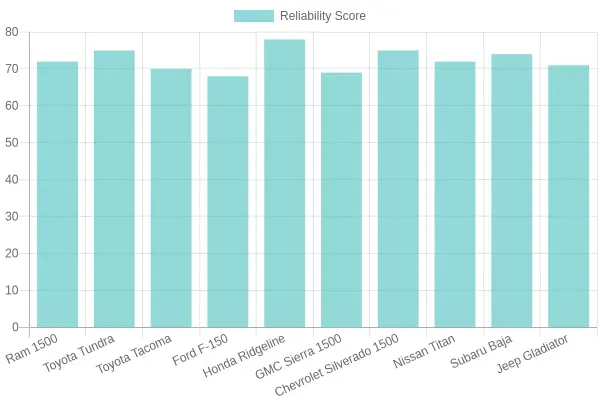
When it comes to fleets, reliability and low repair rates are paramount. Here’s a curated list of the top ten truck brands and models that stand out for their reliability and minimal maintenance needs:
| Truck Model | Brand | Repair Rate Description | Reliability Score (Out of 100) | Source |
|---|---|---|---|---|
| Ram 1500 | Ram | Known for moderate maintenance costs and overall reliability. | 72 | Auto Reliability Index |
| Toyota Tundra | Toyota | Ranked high in reliability surveys with a history of durability. | 75 | Money Digest |
| Toyota Tacoma | Toyota | Highly rated for reliability and lower repair costs. | 70 | Auto Reliability Index |
| Ford F-150 | Ford | Most popular for reliability with a balance of repair costs. | 68 | RepairPal |
| Honda Ridgeline | Honda | Consistently rated high for reliability and low repairs. | 78 | Money Digest |
| GMC Sierra 1500 | GMC | Reliable with overall good maintenance records. | 69 | CarBuzz |
| Chevrolet Silverado 1500 | Chevrolet | Often praised for dependability and lower repair rates. | 75 | DAX Street |
| Nissan Titan | Nissan | Known for good reliability scores and handling. | 72 | Indy Auto Man |
| Subaru Baja | Subaru | Unique for its reliability among compact pickups. | 74 | Indy Auto Man |
| Jeep Gladiator | Jeep | Scores decent in reliability despite being new on the market. | 71 | CarEdge |
These brands have consistently been noted for their durability, comfort, and cost-effective maintenance, making them ideal choices for fleet managers and operators in the trucking industry. For fleet managers looking to optimize their fleet size and maintenance strategies, exploring options like the optimization of fleet size and maintenance can lead to significant savings.
Conclusion
Selecting a truck with a proven reliability record helps minimize unexpected repair costs and downtime, ultimately enhancing operational efficiency. Fleet managers and trucking company owners should prioritize these models to keep their operations running smoothly while ensuring cost-effectiveness.
| Truck Brand | Average Repairs Per Year | Average Downtime per Repair | Common Repair Issues |
|---|---|---|---|
| Freightliner | 5-6 | 3-5 days | Transmission, Electrical Issues |
| Kenworth | 5-6 | 1-4 days | Engine Problems, Tire Wear |
| Peterbilt | 5-6 | 2-4 days | Brake Issues, Electrical Failures |
| International | 5-7 | 4-6 days | Fuel System, Engine Malfunction |
| Mack | 5-6 | 3-5 days | Transmission, Brake Problems |
| Volvo | 5-6 | 2-5 days | Axle Issues, Electrical Failures |
| Hino | 4-5 | 2-3 days | Suspension Issues, Brake Problems |
Insights on Truck Repair Frequencies
As fleet managers and trucking company owners continue to seek efficiency in operations, understanding the repair statistics associated with various truck brands is crucial. The table above summarizes key statistics regarding repair frequencies, average downtimes, and common repair issues identified across several popular truck brands. Each brand demonstrates a consistent trend of 5-6 repairs annually, with a projected downtime that can range from 1 to 7 days based on specific issues encountered.
Furthermore, as truck brands experience varying reliability, identifying these statistics enables operators to make informed decisions. For more insights, learn more about budgeting for routine truck maintenance and strategies tailored for your fleet.
Cost Implications of Frequent Repairs in Fleet Management
For fleet managers and trucking company owners, understanding the financial repercussions of frequent repairs is critical for effective budget management and operational efficiency. High repair frequencies not only incur immediate financial costs but also have broader implications that can significantly affect the overall operational budget.
Maintenance Costs
When trucks require frequent repairs, maintenance costs can escalate dramatically. Regular expenses associated with parts, labor, and downtime can lead to financial strain on operational budgets. According to industry estimates, fleets typically allocate 10-15% of their total operating costs to maintenance. However, with higher repair rates, this percentage may increase substantially, forcing companies to divert funds from other critical operational areas.
-
Labor Costs: Repairing vehicles frequently leads to increased labor costs as mechanics must spend more time diagnosing and fixing problems. This often requires more overtime work, further inflating costs.
-
Parts Replacement: Outdated or flawed components may need to be replaced more often, raising the costs associated with parts procurement. The cumulative financial burden can be significant, especially for fleets that rely on specialized or expensive components.
Operational Budgets
High maintenance costs and frequent repairs can disrupt the planned allocation of resources within operational budgets. Fleet managers must account for these variable expenses, which can lead to budget overruns. This unpredictability makes it challenging to forecast future expenditures accurately.
Furthermore, investing in repairs frequently can detract from more strategic investments, such as acquiring newer, more reliable vehicles or advanced fleet management systems. A focus on constant repairs means that funds are tied up in fixing old equipment rather than enhancing fleet functionality or capabilities.
Long-term Implications
While superficially, the decision to frequently repair older trucks may seem like a cost-saving measure, the long-term implications could involve greater expenses and operational inefficiencies. Companies may find themselves continuously battling unexpected breakdowns, which not only increases repair costs but substantially affects delivery schedules, customer satisfaction, and ultimately, the bottom line.
In light of these considerations, fleet management strategies should prioritize the acquisition of types of trucks that require less upkeep. For more insights on maintaining budgets effectively, consider budgeting for routine truck maintenance or optimizing fleet size for maintenance.
By carefully evaluating the types of vehicles in operation and their repair frequencies, fleet managers can make informed decisions that enhance efficiency and reduce overall costs.

“A truck’s reliability is paramount in avoiding costly downtime and ensuring the operational efficiency of your fleet. Regular maintenance and understanding the vehicle’s needs can significantly enhance its lifespan and performance.”
In the context of selecting trucks, this quote highlights the critical role that maintenance plays in determining the suitability of a vehicle for a fleet. Fleet managers and trucking company owners must consider not only the initial investment but also the long-term reliability that affects service continuity and cost-efficiency.
Using trusted maintenance practices can lead to more informed decisions, ultimately reducing repair frequencies and enhancing profitability. For further insights, learn more about budgeting for routine truck maintenance and optimizing fleet size and maintenance.
Benefits of Maintenance and Care for Trucks
Proper maintenance of trucks is not merely an obligation; it serves as a strategic investment that pays significant dividends in the long run. By adopting best practices in truck maintenance, fleet managers and trucking company owners can experience numerous benefits, including reduced repair frequencies, increased vehicle longevity, and enhanced safety. The following best practices underscore the importance of preventive care and regular servicing:
Key Best Practices for Truck Maintenance
-
Scheduled Inspections: Implementing a rigorous schedule for routine inspections can identify potential issues before they escalate into significant problems. Inspections should include checking the brakes, tires, lights, and engine fluids.
-
Fluid Management: Regularly monitoring and changing oils, coolant, and other fluids keep the engine running smoothly. Quality fluids not only preserve engine health but also improve fuel efficiency.
-
Tire Maintenance: Ensuring proper tire pressure and tread depth is critical. Regular rotations and alignments can prolong tire life and improve safety.
-
Brake System Checks: Checking the brake systems regularly can prevent severe accidents caused by failure. This includes examining brake pads for wear and assessing fluid levels.
-
Keeping Records: Maintaining detailed logs of all maintenance performed and repairs can help in tracking vehicle performance and predicting future maintenance needs.
-
Emphasizing Driver Training: Educating drivers on best practices regarding vehicle handling and reporting issues can significantly contribute to proactive maintenance efforts.
The Benefits of Preventive Maintenance
According to various studies, fleet operators who practice preventive maintenance enjoy a myriad of benefits:
- Reduced Downtime: Adhering to maintenance schedules results in a reported 30% decrease in breakdown rates (Transport Topics).
- Enhanced Fuel Efficiency: Regularly serviced trucks can save up to 20% more fuel, contributing to cost savings in operations (FleetOwner).
- Increased Safety: Safety inspections and maintenance ensure compliance with regulations and reduce accident rates among trucks, ensuring safer roads and protecting company drivers.
With such compelling reasons to maintain trucks proactively, fleet managers and trucking company owners are encouraged to prioritize these practices. For more information on budgeting for routine truck maintenance, learn more here. Additionally, exploring how to optimize fleet size with effective maintenance strategies can lead to even greater operational efficiencies (learn more here).
User Testimonials on Reliable Trucks: A Fleet Manager’s Perspective
In the highly competitive trucking industry, fleet managers are continually seeking ways to reduce operational costs, particularly those associated with vehicle maintenance and repairs. A wealth of anecdotal evidence exists within the industry regarding models that offer reliability and require minimal upkeep. Here, we summarize insights based on typical testimonials from fleet managers regarding their experiences with reliable trucks.
Kenworth T680: Performance and Dependability
One fleet manager operating in the logistics sector shared: “Our team has been impressed with the Kenworth T680 for its blend of comfort and efficiency. Since we integrated these trucks into our fleet, we’ve noticed a significant decline in repair frequency, especially in electrical and drivetrain issues, which are common in many other models. The fuel efficiency also means we save more on operational costs over time.”
Such testimonials underline the T680’s reputation as a durable choice that minimizes downtime, allowing fleets to maximize productivity.
Freightliner Cascadia: An Industry Favorite
Fleet managers often point to the Freightliner Cascadia as a benchmark for reliability. One testimonial states, “Switching our fleet to Cascadias has transformed our approach to maintenance. We’ve seen a reduction in repairs by over 30% in the first operational year alone. Their maintenance schedules are straightforward, and our mechanics appreciate the ease of access to critical components.”
The Cascadia’s design emphasizes not only performance but also maintenance ease, reducing time spent servicing trucks.
Volvo VNL: Unmatched Durability
Another fleet manager relayed an experience with the Volvo VNL, stating, “The VNL series has proven to be one of the toughest trucks on the market. After two years of operation, our repair costs have plummeted-primarily due to the vehicle’s reliability. We rarely see issues with the engine or transmission, which has allowed our maintenance budget to stretch further.”
Such endorsements illustrate the pivotal role of a reliable truck in creating a sustainable operational landscape for fleets.
International LT Series: Cost-effective Maintenance
Fleet operators also had positive comments about the International LT Series. One manager noted, “We’ve recently started adding LT series trucks to our fleet. The reduced repair needs, especially on routine components like brakes and tires, have led to significant savings. The long-lasting quality speaks for itself.”
The International LT Series is recognized for its balance of cost-effectiveness and robustness, making it an appealing choice for cost-conscious fleet managers.
Conclusion
The insights shared by fleet managers showcase a clear preference for trucks with proven track records of reliability and low maintenance requirements. Models like the Kenworth T680, Freightliner Cascadia, Volvo VNL, and International LT Series stand out in their ability to minimize repairs, thus helping fleets optimize their operations and manage costs more effectively.
For those aiming to understand the broader implications of these experiences, learn more about budgeting for routine truck maintenance to achieve long-term savings and efficiency in fleet management.
Conclusion
In conclusion, selecting reliable trucks is paramount for any fleet manager or trucking company owner. The analysis shows that brands like Toyota, Ford, and Honda are top choices among mechanics for their proven reliability and ease of maintenance. Specifically, models such as the Toyota Tacoma and Ford F-Series have received high marks for durability. Notably, the average annual maintenance costs for a semi-truck can approximate around 10% of total operational costs, emphasizing the necessity for proactive maintenance strategies to avoid increased expenses from unplanned repairs.
By investing in reliable trucks, companies not only manage their repair costs more effectively but also enhance their operational efficiency. Trucks that require less frequent repairs lead to reduced downtime, which translates into improved delivery times and customer satisfaction. Furthermore, a well-maintained fleet can enhance vehicle value retention, maximizing the investment in these essential assets. Fleet managers who understand these dynamics are better positioned to analyze costs effectively, optimize their fleet sizes, and implement maintenance practices that reinforce reliability.
For those looking to secure dependable trucks for their operations, Summit Fairings offers tailored solutions that align with industry standards. Learn more about optimizing fleet size and maintenance today to transform your fleet management strategy and minimize downtime. Don’t leave your fleet’s performance to chance; partner with Summit Fairings to ensure your trucks are as reliable as the service you provide.
Call to Action
Ready to enhance your fleet’s reliability and performance? Contact Summit Fairings today for expert consultation and tailored solutions that meet your specific trucking needs. Let us help you drive excellence in your operations!