
Introduction to Electrical Repair Trucks
In the fast-paced sectors of fleet management and construction, one unsung hero that often plays a pivotal role is the electrical repair truck. These specialized vehicles stand at the forefront of operational efficiency, designed to address electrical issues quickly and effectively in the field. Imagine a fleet manager attempting to minimize downtimes amid a tight schedule or a construction operator needing immediate electrical support on-site; the presence of an electrical repair truck ensures that these challenges are met head-on.
Equipped with advanced tools and technology, electrical repair trucks provide essential services that enhance productivity while reducing logistical complexities. Their ability to perform on-the-spot repairs not only saves time but also helps in maintaining the overall health of a company’s equipment. As industries continue to evolve, recognizing the importance of reliable maintenance solutions like electrical repair trucks becomes increasingly crucial for staying competitive. For fleet managers and trucking company owners looking to optimize their operations, investing in such resources can prove transformative. Learn more about effective fleet management solutions and ensure your vehicles are always mission-ready.
What is an Electrical Repair Truck?
An electrical repair truck is a specialized vehicle designed for electrical service tasks, particularly in the fields of construction, utility maintenance, and telecommunications. These trucks are equipped to facilitate the transportation of equipment and tools necessary for various electrical repairs and installations, ensuring efficiency and safety in completing electrical jobs.
Key Features of an Electrical Repair Truck
-
Elevating Platform: One of the hallmark features of an electrical repair truck is its elevating platform or boom lift, which allows technicians to reach high installations or repairs, such as power lines or overhead lighting. The height can vary based on the application, with some models extending to over 60 feet.
-
Tool Storage: These trucks often come equipped with secure storage compartments for tools and equipment, including ladders, safety gear, and electrical testing instruments. This organization minimizes downtime and ensures that operators have quick access to necessary tools.
-
Power Source: Many electrical repair trucks include onboard generators or battery systems to power tools and instruments on-site, which is crucial when working in remote areas without access to external power sources.
-
Safety Features: Safety is paramount in the design of electrical repair trucks. Features may include outriggers to stabilize the vehicle during operation, emergency stop mechanisms on the lift, and safety harness points for technicians.
-
Material Handling Facilities: Some trucks include features for transporting and lifting heavy electrical components, like transformers and circuit breakers, which are essential for field repairs and installations.
Components of an Electrical Repair Truck
- Chassis and Engine: Typically built on a heavy-duty truck chassis to support weight and provide durability while ensuring high horsepower for towing requirements.
- Boom/Lift Mechanism: A hydraulic lift that can extend vertically or horizontally to accommodate varying job requirements.
- Storage Compartments: Various sizes of drawers and cabinets to securely store tools and materials.
- Lighting and Marking: Equipped with high-intensity lights for nighttime operations and reflective markings for visibility to increase safety on the job.
Applications in Fleet Management and Construction
Electrical repair trucks play a vital role in fleet management for electrical companies and construction enterprises. They enhance operational efficiency by allowing for the rapid mobilization of technicians equipped with the necessary tools to handle repairs promptly. These trucks are indispensable in emergency response situations, such as power outages or service disruptions, as they facilitate quick access to infrastructure that requires immediate attention.
For more insights on managing your fleet, consider optimizing fleet size to ensure efficiency and cost-effectiveness.
With the combination of advanced features and essential safety components, electrical repair trucks not only streamline the maintenance process but also contribute to safer working environments for technicians.
Applications of Electrical Repair Trucks
-
Construction Sites:
-
On-Site Repairs: Electrical repair trucks are essential for conducting immediate repairs of heavy machinery and tools used in construction.
-
Power Supply for Tools: Equipped with generators, these trucks can provide power to tools and equipment, ensuring productivity on site.
-
Lighting Solutions: They often come with lighting systems that can illuminate job sites during nighttime operations.
-
Mining Operations:
-
Equipment Maintenance: Electrical repair trucks are used for the maintenance and repair of heavy mining equipment like drills and loaders.
-
Remote Locations: Their ability to operate in rugged environments makes them crucial for maintaining operations in remote mining sites where traditional repair services are unavailable.
-
Hazardous Material Handling: Many of these trucks are designed to handle hazardous materials involved in mining operations, ensuring compliance with safety regulations.
-
Logistics and Freight Services:
-
Roadside Assistance: In logistics, these trucks provide vital roadside assistance, minimizing downtime for freight vehicles by offering on-the-spot electrical repairs.
-
Battery Jump-Starting: Electrical repair trucks help in jump-starting vehicles that have battery issues, keeping fleets moving without delays.
-
Telematics and Diagnostics: Many are equipped with advanced diagnostic tools to assess vehicle issues quickly, crucial for logistics management.
-
Telecommunications:
-
Network Equipment Repair: They repair and maintain electrical equipment used in telecommunications, ensuring constant connectivity and service.
-
Emergency Response: During outages, electrical repair trucks provide quick repairs to restore service, often mobilizing in response to emergencies.
-
Energy Sector:
-
Utility Maintenance: Utilities utilize electrical repair trucks for maintaining power lines and transformers, allowing for swift response to outages and repairs.
-
Renewable Energy Support: These trucks may also service wind turbines and solar installations, ensuring the reliability of renewable energy sources.
In summary, electrical repair trucks play a crucial role across various industries by enhancing productivity, ensuring safety, and enabling quick repairs, which keeps operations running smoothly. Fleet managers and operators in construction, mining, and logistics can greatly benefit from understanding these applications for effective vehicle maintenance strategies. For more information on truck maintenance budgets, consider reading about budgeting for routine truck maintenance.
| Model | Capacity | Price Range | Special Functionalities |
|---|---|---|---|
| Ford F-550 Super Duty | Up to 19,500 lbs | $50,000 – $65,000 | Versatile service body, hydraulic lift system |
| Ram 5500 Chassis | Up to 22,000 lbs | $55,000 – $70,000 | Customized tool storage, workbench functionality |
| Chevrolet Silverado 3500HD | Up to 20,000 lbs | $50,000 – $60,000 | Advanced towing capabilities, all-terrain tires |
Benefits of Using Electrical Repair Trucks
1. Efficiency
Electrical repair trucks offer significant efficiency improvements over traditional repair methods. They are equipped with advanced technology that allows for:
- Faster Response Times: Electric trucks can often reach job sites faster due to their optimized routing capabilities. This is particularly important in industries like logistics, where time is money.
- Reduced Downtime: With less maintenance required for electric vehicles, companies experience less downtime. This translates into a more productive workforce.
- Quieter Operation: The quiet operation of electric repair trucks allows for repairs to be conducted in noise-sensitive areas without disturbing the surrounding environment.
2. Cost-Effectiveness
Switching to electric repair trucks can lead to significant cost savings, which is crucial for fleet managers and business operators. The primary areas of cost-effectiveness include:
- Lower Fuel Costs: Electric vehicles typically have a lower cost per mile compared to diesel or gasoline vehicles, especially with the rising prices of fossil fuels.
- Reduced Maintenance Costs: Electric trucks have fewer moving parts, which typically leads to lower maintenance expenses. This also means fewer breakdowns and extended vehicle life.
- Tax Incentives and Rebates: Many governments offer financial incentives for using electric vehicles, which can further enhance cost savings. Learn more about budgeting for routine truck maintenance.
3. Versatility
Electric repair trucks are versatile and can be utilized in various sectors including:
- Construction and Mining: They can be employed for on-site repairs without the need for a traditional power source, contributing to efficient project management.
- Logistics and Freight Services: Electric trucks can handle various carrier needs, from local deliveries to long-haul logistics, making them suitable for multiple kinds of operations.
- Emergency Services: Their silent operation and low emissions make them ideal for emergency repairs in urban areas where noise and air pollution regulations are stringent.
Conclusion
In conclusion, electric repair trucks present a compelling alternative to traditional repair methods across various industries. Their efficiency, cost-effectiveness, and versatility cater to the evolving demands of fleet management and operation. As businesses continue to embrace sustainability, investing in electric repair trucks can also contribute to a greener future while achieving operational excellence. For fleet operators interested in reducing their carbon footprint, it is essential to explore options that enhance both performance and sustainability. For further insights on optimizing fleet size and maintenance, check out this resource.
Safety Regulations for Electrical Repair Trucks
Electrical repair trucks, also known as service or utility trucks, must adhere to various safety regulations to ensure the safety of operators and the public. The following key regulations and standards are generally applicable:
1. Occupational Safety and Health Administration (OSHA)
- OSHA sets standards that apply to all employers in the construction industry, including those that operate electrical repair trucks.
- Workers must be trained in the hazards associated with electricity and the proper use of personal protective equipment (PPE).
- Maintenance of electrical equipment must comply with OSHA regulations to avoid accidents, injuries, or damages.
2. National Electric Code (NEC)
- The NEC provides guidelines for the safe installation of electrical wiring and equipment, including mobile units like electrical repair trucks.
- It includes requirements for grounding, overcurrent protection, and wiring methods.
3. ANSI Standards
- The American National Standards Institute (ANSI) establishes performance standards that equipment such as aerial lifts and cranes (often present in electrical repair trucks) must meet.
- Compliance with ANSI standards helps ensure operators are safely using lifting equipment when performing repairs or inspections at heights.
4. Federal Motor Carrier Safety Administration (FMCSA)
- FMCSA regulations govern the operation of all commercial vehicles, including electrical repair trucks.
- This includes adherence to driving regulations, vehicle maintenance, and safety inspections.
5. State Regulations
- States may impose additional requirements, including specific vehicle inspection protocols, licensing for operators, and safety gear mandates.
- Local regulations may also dictate certain requirements for electric utility vehicles.
Conclusion
Maintaining compliance with these regulations is paramount for electrical repair truck operators. Fleet managers and trucking company owners should invest in training, regular safety audits, and maintenance schedules for their electrical service vehicles. This not only promotes safety but also enhances operational efficiency and mitigates risks associated with electrical repair operations.
For further insights on fleet management practices and maintenance strategies, consider reading optimizing fleet size for small fleets or exploring budgeting for routine truck maintenance.
What is an Electrical Repair Truck Called?
An electrical repair truck, often referred to as an utility truck or service truck, is a specialized vehicle used by utility companies and electrical contractors to provide on-site support for electrical repairs and maintenance. These trucks are designed with specific features to facilitate tasks such as power line repairs, maintenance of electrical systems, and urgent electrical services.
Key Features of Electrical Repair Trucks:
- Equipment Storage: Utility trucks are equipped with compartments to store essential tools, wires, and equipment for repairs.
- Elevating Platforms: Many of these trucks include aerial work platforms, allowing technicians to reach high power lines safely and efficiently.
- Power Generation: Some models come with generators to provide power for tools and lighting while working in remote areas.
Importance in the Industry
Electrical repair trucks play a critical role in maintaining the power infrastructure. They help ensure that electrical services are delivered promptly, minimizing downtime and enhancing public safety. Fleet managers and trucking company owners focusing on utility services must take into consideration the type of truck suitable for their needs. Investing in quality electrical repair trucks can significantly improve operational efficiency.
For fleet managers looking to optimize their resources, optimizing fleet size maintenance for small fleets can be an effective strategy.
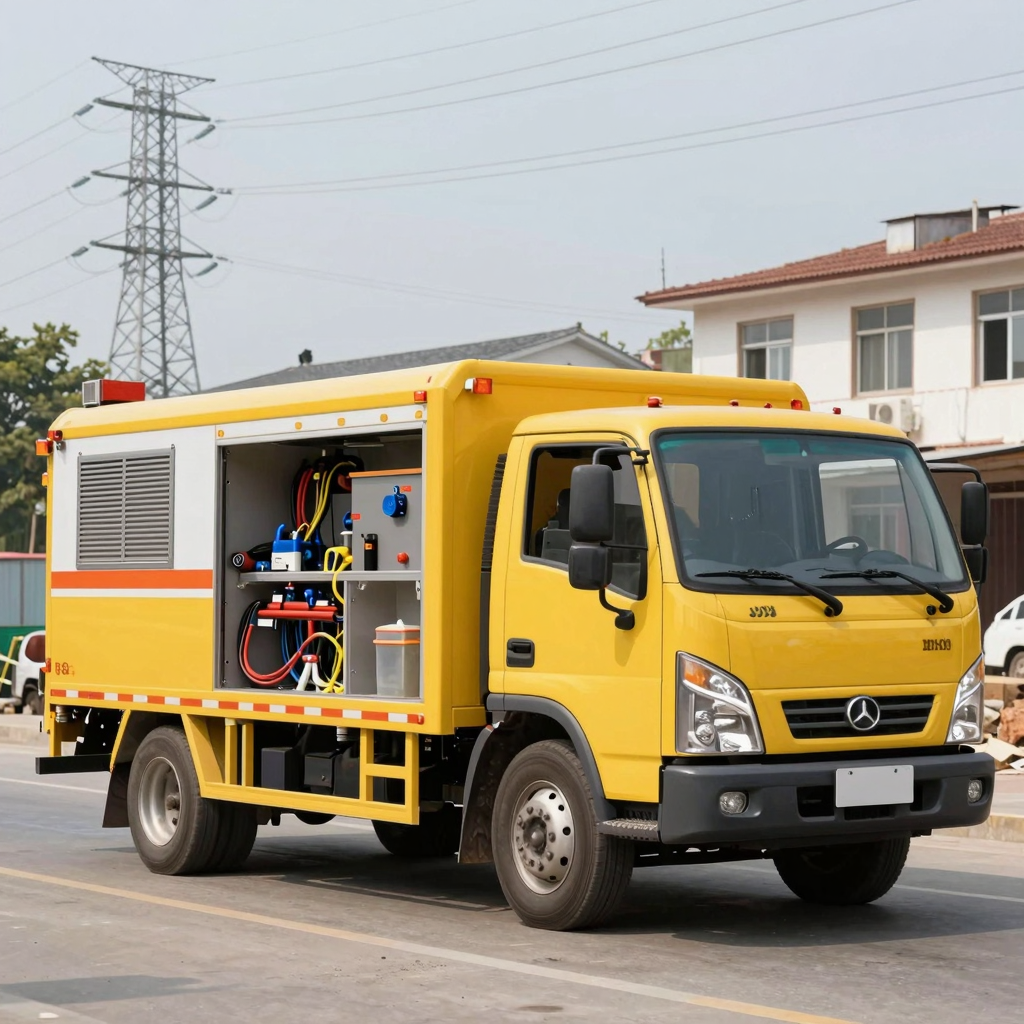
An example of an electrical repair truck in action, showcasing its features in a formal work environment.
Understanding Electrical Repair Trucks
Electrical repair trucks are specialized vehicles designed to facilitate the maintenance and repair of electrical systems in various settings, including commercial fleets, utility services, and construction environments. These trucks typically come equipped with tools, supplies, and access to electrical systems, allowing technicians to perform their tasks efficiently and safely.
The Importance of Electrical Repair Trucks
The significance of these vehicles cannot be understated. They provide a mobile workshop capable of reaching remote locations, ensuring continuity of operations, especially in industries that rely heavily on electrical systems, such as logistics, construction, and mining. The right equipment and maintenance resources directly impact the reliability and efficiency of an entire fleet.
“Having the right equipment on hand lets us respond to electrical issues without delay, ensuring that our operations remain uninterrupted. Electrical repair trucks are pivotal in maintaining fleet functionality.” – Industry Expert
Benefits of Utilizing Electrical Repair Trucks
- Increased Efficiency: These trucks allow technicians to have all necessary tools and parts readily available, reducing downtime during repairs.
- Safety: Equipped with safety equipment, these vehicles help reduce the risk of accidents while working on electrical repairs.
- Cost-Effectiveness: By managing electrical repairs on-site, companies can save on labor and transportation costs, enhancing overall budget efficiency.
For fleet managers and trucking company owners, investing in specialized electrical repair trucks can significantly improve operational efficiency and fleet management. Regular maintenance of your electrical repair trucks ensures their reliability and ready availability. To ensure optimal performance, learn more about budgeting for routine truck maintenance.
In summary, electrical repair trucks play a crucial role in maintaining efficient fleet operations, minimizing downtime, and ensuring safety. These specialized vehicles are indispensable assets in the modern-day fleet management landscape.