In the competitive landscape of trucking and logistics, the significance of maintaining and repairing truck beds cannot be overstated. For fleet managers and trucking company owners, the integrity of truck beds directly influences operational efficiency and safety. A well-maintained truck bed not only ensures secure transportation of goods but also minimizes the risk of costly accidents caused by equipment failure. Regular inspection and timely repairs are essential practices that contribute to minimizing downtime, reducing maintenance costs, and prolonging the lifespan of the trucks. By prioritizing the upkeep of truck beds, businesses can enhance productivity and avoid disruptions in their services, ultimately leading to satisfied customers and improved profitability. Furthermore, failing to repair a truck bed can lead to hazardous conditions for both drivers and other road users, emphasizing the importance of adhering to stringent maintenance protocols. In this guide, we will explore various techniques and insights on how to repair a truck bed effectively, ensuring that your fleet remains operational and your business stays competitive. Learn more about budgeting for routine truck maintenance and optimize your fleet’s performance with thorough preventative strategies.
As fleet managers, addressing truck bed repair issues effectively is crucial for maintaining operational efficiency. Here are some of the most frequent problems encountered with truck beds:
- Rust: Exposure to moisture and harsh conditions leads to rust formation, compromising the integrity of the bed.
- Dents and Dings: Accidents or impacts from loading and unloading materials can cause unsightly dents that may affect functionality.
- Cracks in the Bed: Heavy loads and prolonged use can lead to structural cracks, necessitating immediate repairs to avoid safety hazards.
- Loss of Functionality: Mechanical components that secure the bed or aid in loading/unloading may fail, leading to loss of functionality.
- Surface Abrasions: Prolonged exposure to abrasive materials can wear down the surface, requiring repair to prevent further damage.
- Protective Coating Failure: The failure or peeling of protective coatings can expose the bed to environmental damage.
- Poor Alignment: Misalignment due to heavy usage can lead to various other problems, including poor handling and more severe structural damage.
Recognizing these issues early can allow fleet managers to implement preventive maintenance strategies. For more information on keeping your fleet in optimal condition, consider reviewing our guide on budgeting for routine truck maintenance and how to optimize fleet size maintenance for small fleets.
Implementing timely repairs and maintenance practices can significantly reduce downtime and repair expenses, ensuring your fleet remains reliable and efficient.
Comprehensive Truck Bed Repair Techniques
Repairing a truck bed is crucial not only for maintaining the vehicle’s appearance but also for ensuring its functionality and durability. The following sections detail common problems such as rust, dents, and structural damage, with practical step-by-step solutions tailored for fleet managers, trucking company owners, and construction service providers.
1. Repairing Rust Damage in Truck Beds
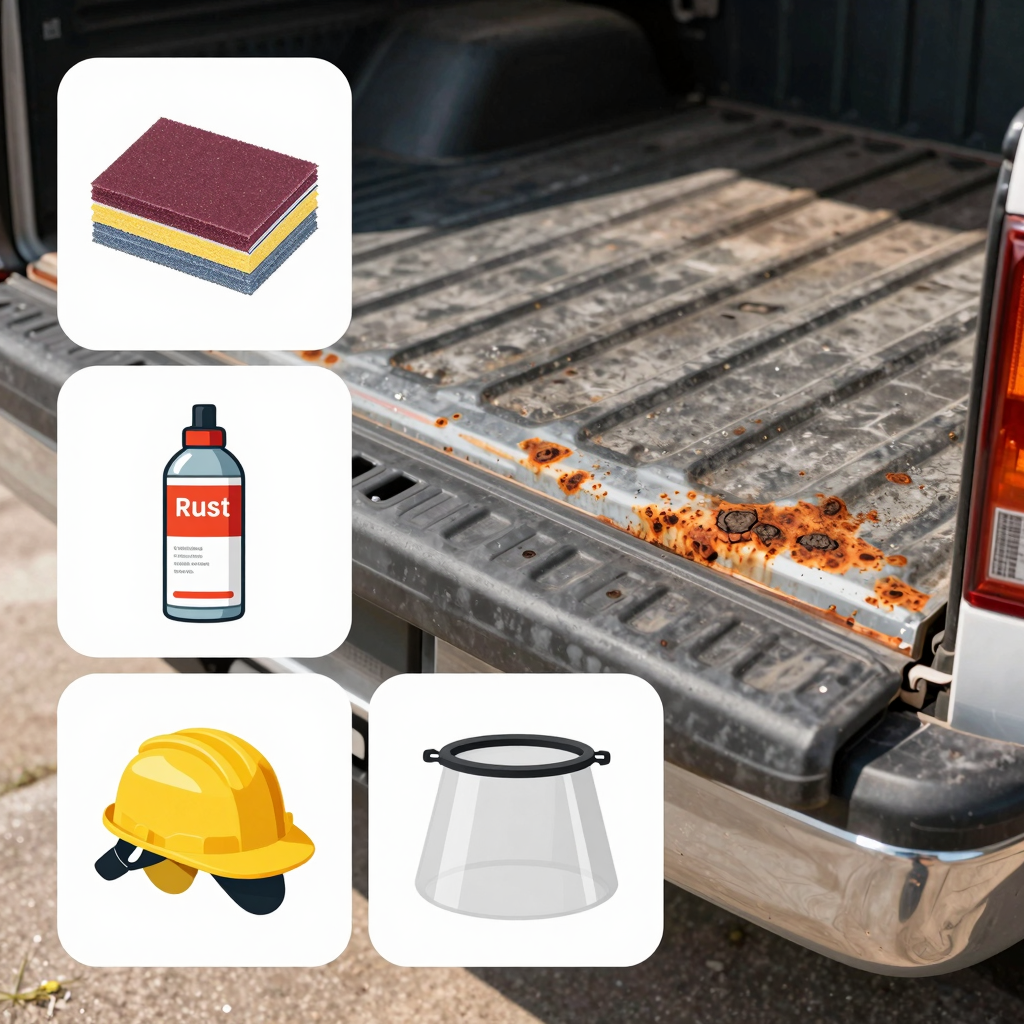
Rust is a prevalent issue that can compromise the integrity of a truck bed. Here’s how to tackle it effectively:
Tools and Materials Needed:
- Angle Grinder
- Rust Converter
- Body Filler (Bondo)
- Sandpaper (various grits)
- Paint and Primer
- Protective Gloves and Goggles
Steps:
-
Assess the Damage: Inspect the truck bed for rust spots and assess whether they penetrate deeper layers. For severe rust, partial replacement may be necessary.
-
Remove the Rust: Use an angle grinder to eliminate rust back to bare metal. Ensure you wear protective gear to avoid fine particles and dust.
-
Apply Rust Converter: Once cleaned, apply a rust converter to chemically neutralize any remaining rust and prevent future corrosion. Allow it to dry as per the manufacturer’s instructions.
-
Fill the Area: For pits or holes, use body filler to create a smooth surface. Follow the instructions carefully for curing time.
-
Sand and Paint: After the filler has cured, sand it down to a smooth finish. Then, apply primer followed by paint to provide a protective layer against moisture.
For more detailed tools and techniques on rust repair, refer to the Norstar Company’s expert guide.
2. Fixing Dents in Truck Beds
Dents can detract from a truck’s appearance and can potentially lead to rust accumulation if left untreated.
Tools and Materials Needed:
- Suction Dents Puller
- Heat Gun or Hair Dryer
- Gloves
- Paintless Dent Repair Tools (if necessary)
Steps:
-
Assess the Dent: Evaluate whether the dent is suitable for the paintless dent repair method or needs more invasive techniques.
-
Heat the Area: Use a heat gun or hair dryer to gently heat the area around the dent for a few minutes. This can make the material more pliable.
-
Pull the Dent: If a suction puller is being used, attach it to the center of the dent and pull gently until the dent pops back into place. For larger, more stubborn dents, different methods such as using PDR tools may be required.
-
Smooth Out the Surface: For areas that still look uneven post-repair, additional sanding may be required, followed by touch-up painting.
For comprehensive dent removal techniques, read more from Fat Boys Off Road.
3. Addressing Structural Damage in Truck Beds
More serious structural issues can arise from accidents or overloading. Here’s how to manage that:
Tools and Materials Needed:
- MIG Welder
- Replacement Panels
- Angle Grinder
- Safety Gear
- Drill and Rivets/Auto Body Screws
Steps:
-
Identify Damage: Inspect the truck bed for significant cracks or bent frames. Document areas needing attention.
-
Cut Out Damaged Sections: Use an angle grinder to carefully cut out the damaged portions of the truck bed. Be cautious not to damage surrounding structures.
-
Prepare Replacement Panels: Fit new panels and secure them using a MIG welder. Ensure proper alignment is maintained throughout the process.
-
Reinforce Vulnerable Areas: Post-repair, consider applying additional support or protective coatings to prevent future damage.
-
Paint and Seal: Always finish the repair with a sealing coat of paint to prevent moisture ingress.
For further reading on effective structural damage repairs, check out the Fast Action Body Repair.
Conclusion
Understanding and implementing these repair techniques can extend the lifespan of your truck beds and boost their resilience against common wear and tear. Proper care not only maintains appearance but also enhances safety and operational efficiency within your fleet. For ongoing maintenance strategies, consider reviewing budgeting for routine truck maintenance or optimizing fleet size and maintenance to ensure your fleet remains in top condition.
| Material Type | Cost | Durability | Ease of Application |
|---|---|---|---|
| Spray-On Bed Liners | $100 – $880 | High | Moderate to difficult |
| Patch Kits | $50 – $100 | Moderate | Easy |
| Welding Supplies | $200 – $500 | Very High | Difficult |
User-Reported Truck Bed Repair Challenges
Repairing truck beds presents numerous challenges, especially for fleet managers and construction operators who rely heavily on these vehicles for daily operations. From user-reported experiences, critical insights include:
1. High Repair Costs
Fleet managers frequently encounter high repair costs associated with truck bed damages. Repairs can escalate quickly due to factors like wear and tear from heavy loads, exposure to harsh environments, and frequent usage. Operators are often caught between maintaining operational efficiency and budgeting for inevitable repairs. As discussed in a recent industry report, the costs can constitute a significant portion of fleet expenses.
2. Equipment Failures
Equipment failures, particularly involving components such as hydraulic systems and lining materials, pose substantial challenges. For instance, users have reported sudden breakdowns leading to downtime, affecting productivity. A report indicates that many trucking companies face chronic issues with truck bed components yielding under stress, thus demanding effective monitoring and timely interventions (source).
3. Maintenance Scheduling Difficulties
Another prevalent issue is the challenge of maintaining a consistent repair schedule due to unpredictable downtime. This is often exacerbated by a lack of real-time diagnostics and trouble sourcing necessary parts (source). Fleet managers have emphasized the need for better planning tools to ensure maintenance doesn’t disrupt operations, highlighting the importance of proactive strategies in keeping truck beds in optimal condition.
Solutions and Strategies
To mitigate these challenges, operators are recommended to implement preventive maintenance schedules, invest in quality materials for repairs, and adopt advanced diagnostics tools that can anticipate potential failures before they disrupt service. As highlighted in various resources, enhancing fleet management practices is crucial to overcoming these prevalent issues. For further insights into managing fleet budgets, consider this budgeting guide.
Key Challenges Impact Overview
A bar graph illustrating these challenges is available to visualize the major issues faced by truck operators. 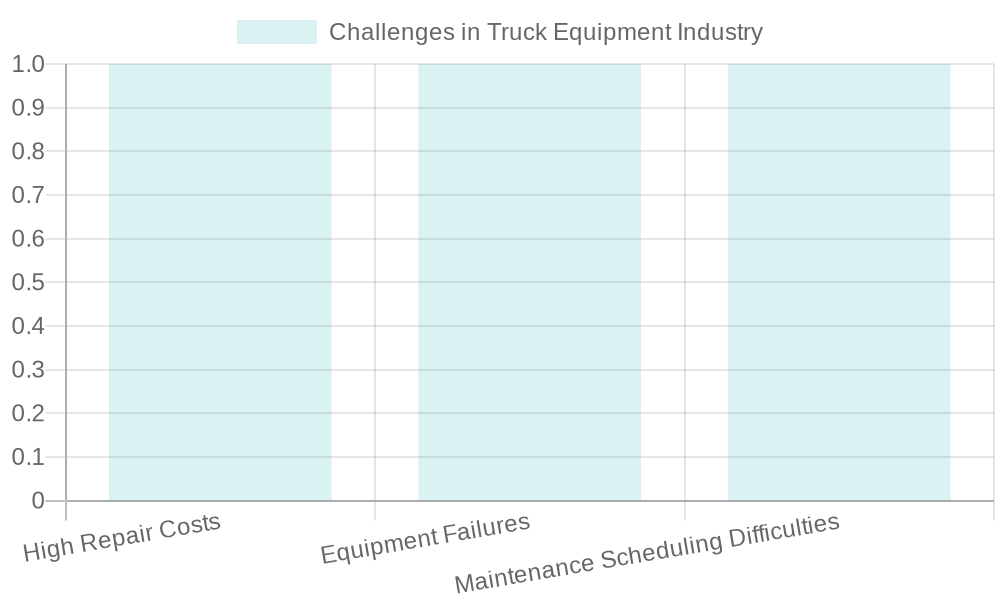
In conclusion, understanding these user-reported challenges can assist fleet managers and construction operators in devising effective strategies for truck bed maintenance and repairs, thereby reducing costs and increasing operational efficiency.
When it comes to maintaining and repairing a truck bed, sometimes the best course of action is to seek professional assistance. Understanding when to hire an expert versus tackling repairs as a do-it-yourself (DIY) project is crucial, especially for fleet managers, trucking company owners, and construction operators. Below are several key factors to consider when deciding on professional help for truck bed repairs.
Size and Complexity of the Repair
The scale of the damage is a significant determinant in deciding whether to hire a professional. If the repairs are minor-such as fixing small dents or scratches-that may be addressed using a DIY approach, you might only need basic tools and materials. However, larger and more complex repairs, including structural damage, extensive rust, or replacement of entire truck bed panels, often require specialized skills and knowledge that professionals possess.
For instance, repairing significant rust damage is not just a surface fix; it often involves assessing the underlying structure of the truck bed. According to a post by Shred Truck Repair, indicators for professional help include serious signs such as visible corrosion extending below the surface, which could compromise the entire vehicle’s integrity.
Conversely, if you’re dealing with minimal damage and a straightforward repair, DIY could be an acceptable option. Assessing the problem correctly helps ensure that small issues do not escalate due to negligence.
Equipment and Tools Required
Another crucial factor is the equipment required for the repair. Professionals typically have access to specialized tools and technology that may not be available to the average truck owner. This includes heavy-duty welding equipment, paint sprayers for a more polished finish, and diagnostic tools to properly evaluate issues beyond visual inspection.
DIY repairs might seem cost-effective upfront; however, acquiring the necessary tools and equipment can quickly escalate costs. For example, projects that require welding or specific alignment tools can become challenging and costly when attempted without the right professional-grade tools.
Cost-Benefit Analysis
While DIY repairs may appear to save money in the short term, a detailed cost-benefit analysis is essential for informed decision-making. A Cost Analysis from Considerable indicates that while initial savings might be substantial, hidden costs can emerge over time if repairs are not executed correctly. These costs could include:
- Returning to the shop for rework: Sometimes, amateur repairs fail, requiring professional intervention afterward.
- Downtime: Incorrect repairs can lead to longer downtime if the truck is later out of commission to rectify issues.
- Safety and compliance risks: Hiring professionals ensures adherence to safety regulations and compliance with industry standards.
Therefore, even if DIY repairs seem economically preferable, involving professionals who guarantee quality workmanship and timely service can be more effective in the long run.
Conclusion
In deciding whether to seek professional help, consider the size of the repair, the tools required, and conduct a thorough cost-benefit analysis. Professional truck bed repairs not only ensure safety and compliance but can also save time and money in the long term by preventing further complications. Remember, investing in quality repairs enhances vehicle reliability, ultimately benefiting your fleet’s operational efficiency. If you’re considering maintenance budgeting, explore our budgeting for routine truck maintenance resources for guidance.
In summary, understanding when to seek professional assistance for truck bed repairs can facilitate safer, more efficient fleet management while protecting your investment.
Preventive Maintenance Tips to Prolong Truck Bed Life
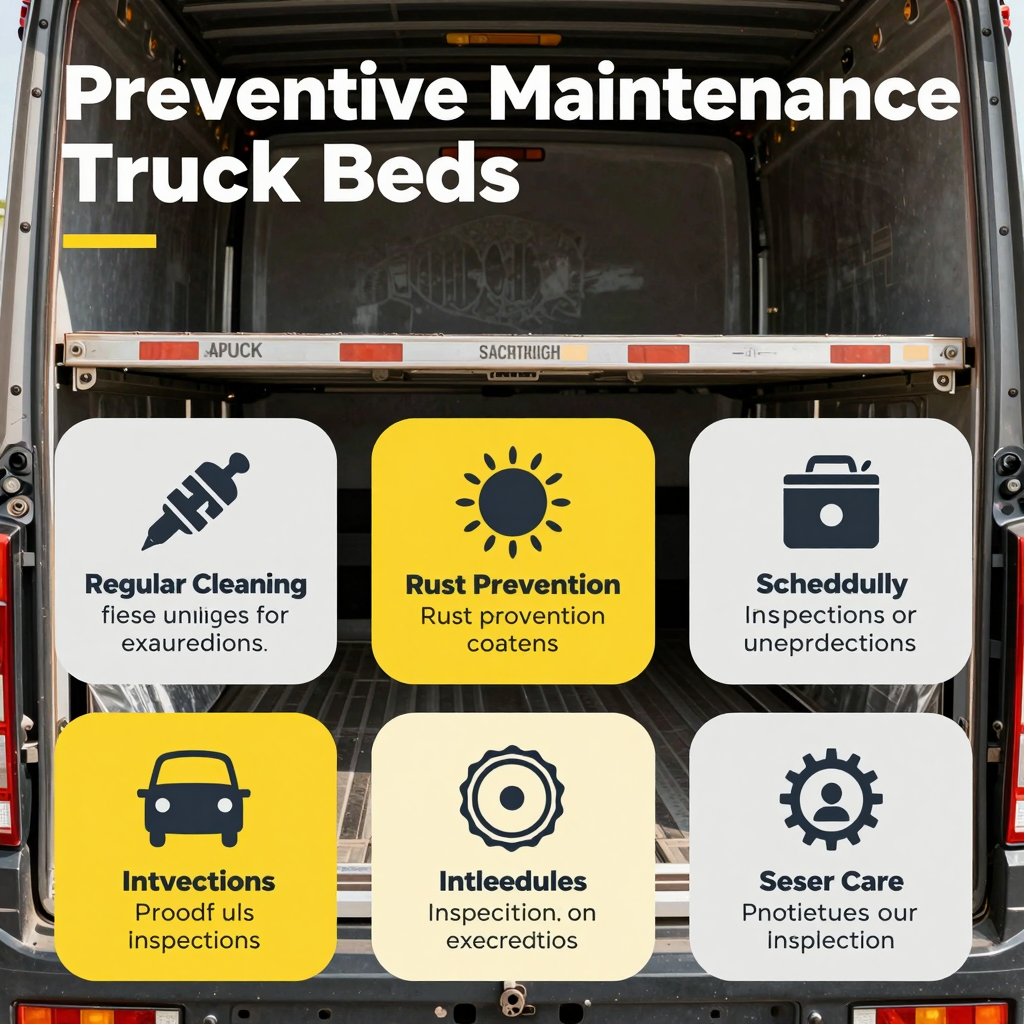
Preventive maintenance is crucial for ensuring the longevity and reliability of truck beds, particularly in fleet management and heavy-use scenarios. By implementing a proactive maintenance strategy, fleet managers can avoid costly repairs, extend the life of their equipment, and ensure operational efficiency. Here are key strategies and actionable tips for maintaining truck beds effectively:
1. Regular Cleaning
Maintaining cleanliness is fundamental to prolonging the life of your truck bed. Regular cleaning helps to remove dirt, debris, and corrosive substances that can result in rust and deterioration:
- Frequency: Clean truck beds after every use, especially in harsh environments (e.g., salt, sand, moisture).
- Tools Required: Hose, mild detergent, and a soft brush. Avoid abrasive cleaners that can scratch the surface.
2. Rust Prevention
Rust can be a significant detriment to the truck bed’s integrity. Implementing rust prevention practices is essential:
- Use Protective Coatings: Apply rust-resistant paint or bed liners that can provide a barrier against moisture and abrasives. Products like Rhino Linings or Line-X are popular choices.
- Inspect for Damage: Regularly check for existing rust spots and treat them immediately with rust-inhibiting products.
3. Seasonal Care Strategies
Weather changes can adversely affect truck beds; therefore, a seasonal maintenance routine is imperative:
- Winter Preparations: In cold climates, remove snow and ice build-up after each use to prevent moisture traps. Consider applying a silicone spray or wax to protect the surface.
- Summer Inspections: During hotter months, check for heat-related stresses and ensure that protective coatings remain intact. Reapply if necessary.
4. Routine Inspections
Establishing a schedule for routine inspections helps to identify potential issues before they escalate:
- Monthly Checks: Inspect for any signs of physical wear and tear, including dents, scratches, or loose fittings.
- Documentation: Keep a maintenance log to record inspection dates, findings, and any remedial actions taken.
- Utilize Checklists: Create a preventive maintenance checklist, which could include points such as examining hinges, lifting mechanisms, and seals.
5. Best Practices for Load Management
Proper load management can significantly reduce wear and tear on the truck bed:
- Avoid Overloading: Stay within the manufacturer’s weight limits to prevent structural stress on the truck bed.
- Secure Loads: Use appropriate tie-downs and maintain even weight distribution to minimize shifting and movement that can cause damage.
6. Engage Professional Services
For extensive maintenance tasks or issues beyond basic care, consider professional services:
- Routine Professional Inspections: Schedule inspections with professionals who specialize in fleet maintenance. Refer to resources such as Fleetio’s preventive maintenance guide for establishing effective maintenance plans.
- Training for Drivers: Ensure drivers are educated on how to handle and maintain the cargo bed correctly to mitigate unnecessary wear.
Conclusion
By adopting these preventive maintenance strategies, fleet managers can ensure the durability and functionality of their truck beds, ultimately leading to reduced downtime and repair costs. Implementing a robust maintenance schedule and committing to regular inspections will significantly contribute to prolonging the life of truck beds in demanding operating environments.
For further reading on budget considerations in routine maintenance, check out this insightful guide on budgeting for routine truck maintenance.
Implementing these practices will not only extend the life of your truck beds but also enhance overall fleet performance.
Additional Resources
For more information on optimizing fleet size and maintenance strategies, visit our article on optimizing fleet size for small fleets.
“Regular inspections and maintenance of your truck bed are crucial in preventing costly repairs. A well-maintained truck bed not only enhances the lifespan of the vehicle but also ensures optimal performance in demanding work environments.”
- Expert Insights on Truck Bed Maintenance
In summation, the maintenance and repair of truck beds are critical for ensuring the longevity and functionality of your fleet. As the backbone of any hauling operation, a well-maintained truck bed significantly influences load capacity, safety, and overall operational efficiency. Ignoring minor damages can escalate into major issues, leading to costly repairs and decreased reliability. Regular inspections and timely repairs not only extend the lifespan of truck beds but also contribute to reduced fuel costs and improved performance, thereby enhancing your bottom line.
The different types of truck bed materials, such as aluminum, steel, and composite, each come with their own benefits and drawbacks. Understanding these properties allows fleet managers and operators to choose the right material that aligns with their operational needs and budget constraints. Moreover, integrating premium truck bed solutions can mitigate the risks associated with wear and tear, offering better protection and functionality compared to standard options.
As a final thought, proactive maintenance has proven to be an invaluable strategy for fleet managers. To further enhance operational success, consider investing in premium truck bed solutions that are durable, cost-effective, and tailored to your specific requirements. Learn more about budgeting for routine truck maintenance and how these investments can lead to significant long-term savings. By prioritizing maintenance and upgrading to high-quality truck bed solutions, you not only ensure your trucks are in top condition but also secure the efficiency and safety of your workforce. Embrace the opportunity to enhance your operations today!