
Introduction to Fixed Asset Repairs in Trucking
In the ever-evolving landscape of the trucking industry, fixed asset repairs stand as a crucial pillar for fleet management that directly influences your bottom line. For fleet managers and trucking company owners, understanding fixed asset repairs transcends mere maintenance; it’s a strategic imperative vital for sustaining operations and enhancing profitability. These repairs involve maintaining and restoring assets-such as trucks, trailers, and specialized loading equipment-to ensure they operate efficiently without fundamentally altering their structure or value.
The importance of fixed asset repair cannot be overstated. According to a report by the American Trucking Associations, repairs such as engine overhauls and brake system repairs not only maintain operational efficiency but also serve to improve safety and compliance with federal regulations. Moreover, fleets that adopt structured preventive repair programs see up to 30% fewer unplanned breakdowns and a 20% reduction in average repair costs per vehicle. Such results highlight the significance of proactive asset management in minimizing downtime and costs, which are paramount in the competitive trucking sector.
As operational needs evolve, the effectiveness of fixed asset management systems becomes increasingly apparent. Data from industry publications reveal that integrating digital asset management can optimize repair scheduling and enhance accountability, allowing fleets to respond swiftly to repairs before they escalate into significant issues. In an industry where every minute counts, efficient and documented repairs can prevent accidents, reduce legal liabilities, and ultimately drive profitability. Fleet managers looking to maintain a competitive edge must prioritize their fixed asset repair strategies to ensure their trucks remain on the road and productive. Learn more about the impact of effective truck maintenance to further strengthen your operations.
Understanding Fixed Asset Repairs on Trucks
Fixed asset repairs are crucial for maintaining the operational integrity of trucks, particularly in the context of fleet management for trucking companies, construction, and mining enterprises. These repairs not only impact the performance of trucks but also affect their overall financial status, particularly regarding asset depreciation and cost implications.
Definition of Fixed Asset Repairs
Fixed asset repairs refer to significant maintenance actions undertaken to restore a truck to its normal working condition, impacting its lifespan and productivity. These repairs are distinct from routine maintenance tasks, such as oil changes and tire rotations, which do not generally extend the vehicle’s useful life but rather maintain it. Learn more about budgeting for routine truck maintenance.
Common Repairs Under Fixed Asset Repairs
-
Engine Repairs
Engine repairs are among the most significant types of fixed asset repairs. Major engine work, such as the replacement of an entire engine or significant components (like the crankshaft or cylinder head), is classified as a capital expense. When these repairs are performed, they often aim to extend the engine’s life significantly, typically beyond a standard overhaul. Capitalizing on these repairs can positively affect asset depreciation, allowing businesses to spread the financial outlay over the engine’s remaining useful life. -
Transmission Work
Transmission issues, such as replacing the transmission or conducting extensive repairs, can be costly. Like engine repairs, transmission work is capitalized because it often enhances performance and extends the truck’s useful life. This involves considerations for depreciating these assets over their adjusted lifespan, which is critical for fleet managers and owners in optimizing their financial statements.Deloitte Insights confirm that such capitalizing affects how assets are perceived financially and can have implications for future depreciation and profit margins. -
Structural Repairs
Structural repairs involve fixing major chassis or body components, such as repairing damages from accidents or corrosion. Significant structural repairs can enhance the truck’s overall integrity and extend its operational life. It is essential to differentiate between minor bodywork (which is instead classified as maintenance) and substantial repairs that add value to the asset. Analysis on heavy truck maintenance issues highlights that effective structural repairs can lead to reduced operational costs in the long term.
Financial Implications of Fixed Asset Repairs
The non-regular expenses that arise from fixed asset repairs can create substantial financial implications. Capitalizing on these repairs affects how expenses are recorded in financial statements.
Key points include:
-
Asset Depreciation: By capitalizing the costs of major repairs, businesses can adjust the depreciation schedules of their trucks accordingly. This can lead to smoother expense allocations over time, which can improve firms’ profitability in the short run but potentially increase expenditures later as the asset’s total value may increase due to repairs.
-
Cost Implications: Routine evaluations and timely capital expenditures for repair work can save trucking companies money in the long run. When repairs are made to extend the life and performance of trucks rather than opting to replace aging assets, fleet managers can maximize their return on investment. A detailed analysis of repair versus replacement can often highlight when it makes economic sense to invest in repairs rather than purchasing new trucks altogether.
In conclusion, understanding what constitutes fixed asset repairs on trucks is essential for optimal fleet management and maximizing financial outcomes. Considering the implications of such repairs aids fleet managers, trucking company owners, and operators in strategic decision-making, ultimately promoting better asset management and operational efficiency.
| Repair Type | Estimated Repair Cost | Estimated Replacement Cost | Potential Downtime Costs |
|---|---|---|---|
| Engine Replacement | $3,000 – $5,000 | $25,000 | $500 – $1,000 per day |
| Transmission Repair | $2,500 – $4,000 | $20,000 | $400 – $800 per day |
| Brake System Repair | $300 – $800 | $2,000 | $200 – $400 per day |
| AC System Repair | $600 – $1,200 | $3,500 | $300 – $600 per day |
| Suspension System Repair | $800 – $1,500 | $4,000 | $350 – $700 per day |
| Fuel System Repair | $400 – $1,000 | $5,000 | $300 – $600 per day |
| Wheel Alignment Repair | $100 – $200 | $1,500 | $100 – $200 per day |
| Tire Replacement | $100 – $200 each | $1,000 | $200 – $400 per day |
Best Practices for Handling Fixed Asset Repairs on Trucks
Managing fixed asset repairs on trucks is essential for maintaining fleet efficiency and ensuring the longevity of these crucial assets. Here is a list of best practices that fleet managers should adopt:
-
Conduct Regular Inspections: It’s crucial to perform routine inspections of trucks every 5,000 miles or three months. This proactive approach enables early identification of potential issues before they escalate into costly repairs. Learn more about scheduling routine truck maintenance.
-
Budget for Repairs: Allocate a repair budget based on historical data and future forecasts. Understanding typical repair costs can significantly enhance asset management and ensure funds are available when unexpected repairs arise.
-
Choose Qualified Repair Services: Opt for certified and qualified technicians who specialize in truck repairs. Utilizing reputable services can reduce the risk of substandard work and enhance safety and reliability.
-
Maintain Thorough Records: Keep detailed records of all repairs, including dates, costs, and the nature of repairs. This not only aids in budgeting and planning but also supports compliance with financial regulations. Advanced asset management systems often integrate record-keeping with financial data, which can improve accuracy and streamline audits.
-
Implement a Digital Maintenance Management System: Investing in a digital platform that tracks repair history and parts usage in real-time can lead to better decision-making and efficient asset management. This system can also help prioritize repairs, ensuring that critical maintenance issues are addressed promptly.
-
Utilize Predictive Maintenance: Incorporate IoT sensors and software to monitor truck health. This technology allows for a shift from reactive to predictive maintenance, identifying problems before they lead to breakdowns.
By following these best practices, fleet managers can enhance asset management, improve overall fleet efficiency, and minimize downtime, ensuring trucks remain reliable and safe on the road.
Real-World Case Studies: Fixed Asset Repairs in Trucking and Logistics
In the trucking and logistics industry, fixed asset repairs encompass a wide range of activities aimed at maintaining trucks’ operational efficiency and asset value. Proper repairs can lead to significant cost savings and improvements in operational efficiency. Here, we delve into two pertinent case studies demonstrating how effective fixed asset repairs have benefitted trucking companies.
Case Study 1: J.B. Hunt
J.B. Hunt, one of the largest logistics service providers in the U.S., implemented an integrated fleet management system that led to substantial operational savings. By centralizing data regarding vehicle condition and repair histories across its expansive fleet of over 25,000 trucks, the company achieved a noteworthy 30% reduction in average repair costs per truck over three years. Key strategies included:
- Standardized Maintenance Protocols: These protocols facilitated efficient scheduling that minimized downtime.
- Digital Twin Technology: This technology enabled J.B. Hunt to simulate asset performance, aiding in decision-making for repair priorities.
- Lifecycle Data Analytics: Understanding when a vehicle would require repairs based on its replacement and utilization timelines helped extend the useful life of its trucks by up to 18 months.
As a result, J.B. Hunt enhanced its profitability while significantly boosting its fleet’s efficiency, demonstrating how proactive fixed asset management contributes to longevity and reliability in a competitive market. Learn more about improving operational efficiency.
Case Study 2: Predictive Maintenance Implementation in a Regional Trucking Company
Another exemplary case is a mid-sized regional trucking firm that embraced predictive maintenance technologies, achieving outstanding results in cost savings and vehicle reliability. The firm utilized telematics and AI-driven analytics to monitor critical vehicle performance variables. Over an 18-month period, the company reported:
- Reduction in Unscheduled Breakdowns by 40%: This was largely due to the early detection of mechanical issues.
- Overall Fixed Asset Repair Costs Decreased by 25%: By anticipating repairs instead of reacting to failures, the company optimized its maintenance operations.
Early interventions in repairs allowed for better performance scheduling during planned downtimes, illustrating that advanced predictive maintenance solutions can significantly enhance operational efficiency and asset value. These results underscore the critical role of timely fixed asset repairs in preventing loss of revenues due to equipment failure.
Lessons Learned
Both of these case studies illustrate several valuable lessons:
- Invest in Technology: Implementing integrated maintenance systems and predictive analytics can lead to significant reductions in operational costs and repairs.
- Prioritize Proactive Maintenance: Moving from reactionary maintenance strategies to proactive approaches can mitigate the risks associated with equipment failures, enhancing reliability.
- Data-Driven Decision Making: Utilizing data analytics in asset management aids in understanding usage patterns and optimizing maintenance schedules, thereby improving overall asset performance.
Conclusion
The effective management of fixed asset repairs transcends conventional maintenance practices, turning them into strategic advantages for trucking companies. As illustrated by J.B. Hunt and the regional trucking firm, systematic and data-driven approaches not only lower costs associated with unscheduled repairs but also enhance the performance and lifespan of critical assets. Fleet managers and logistics operators should prioritize investing in improved maintenance strategies to maximize asset value and operational efficacy. Learn more about asset management in trucking.
Conclusion
Understanding the nuances of fixed asset repairs on trucks is imperative for effective fleet management. As fleet managers and trucking company owners, the focus should be on incorporating proactive strategies that extend vehicle lifespans and optimize performance. The benefits of managing fixed assets extend beyond mere maintenance; they encompass substantial cost-saving strategies that can enhance operational efficiency.
By implementing systems that enable real-time data tracking and predictive maintenance, fleets can significantly reduce unexpected breakdowns and unplanned repairs. For example, research from the American Transportation Research Institute indicates that fleets using integrated fixed asset management systems can reduce maintenance costs by as much as 27% and improve asset utilization by up to 34%. These statistics reflect the impact of data-driven approaches, which not only minimize repair costs but also facilitate better resource allocation and enhanced driver performance.
Moreover, strategic asset management empowers companies to centralize information, promoting efficient use of resources and minimizing risks associated with compliance. Those who adopt such proactive approaches witness an average total cost of ownership (TCO) reduction of roughly 29% over three years.
In conclusion, to optimize your fleet’s potential, it’s essential to embrace proactive asset management. Investing in these practices today will lead to significant long-term savings, better performance metrics, and increased profitability. Fleet managers are encouraged to take actionable steps by refining their asset management strategies. For further insights on optimizing your fleet size or budgeting for routine maintenance, check out our resources and learn how to optimize fleet size.
User Adoption Data for Fleet Management Software
In the rapidly evolving landscape of the trucking industry, fleet management software has become a crucial tool for enhancing efficiency and reducing operational costs, particularly in the realm of fixed asset repairs. Recent trends indicate a significant uptick in user adoption among trucking companies, driven by the need for better asset management and compliance with rigorous regulatory standards.
Growth Trends in Fleet Management Software Adoption
The global fleet management software market was valued at approximately USD 23.69 billion in 2023, and it is projected to grow at a Compound Annual Growth Rate (CAGR) of 4.3% through 2033, according to a report by Grand View Research. This growth is largely attributed to factors such as:
- The need for real-time tracking and monitoring of vehicle health
- Increasing regulatory compliance requirements, particularly in North America and Europe
- A shift towards integrated solutions that combine predictive maintenance, repair monitoring capabilities, and asset tracking.
A recent survey highlighted that over 65% of medium-to-large trucking fleets have adopted advanced fleet management systems, a noticeable increase from 48% in 2023. This reflects a robust trend towards digital transformation within the sector, with many companies investing in technology that enhances operational efficiency and reduces downtime. Learn more about the trends in trucking software adoption.
Benefits of Fleet Management Software in Fixed Asset Repair Tracking
The integration of fleet management software leads to numerous benefits that notably impact the management of fixed asset repairs. Here are some key advantages:
- Proactive Maintenance Scheduling: Automated scheduling of maintenance tasks prevents unexpected breakdowns. Companies that actively use such software report approximately 20% reductions in unplanned downtime.
- Improved Fuel Efficiency: Fleet managers have observed reductions of up to 15% in fuel costs due to enhanced route planning and behavior monitoring of drivers.
- Data Analytics and Reporting: Advanced fleet systems provide comprehensive data analytics that aid in decision-making related to maintenance and repairs. This ability to forecast potential issues is critical for maintaining asset integrity.
- Compliance and Safety: Fleet management tools help ensure compliance with regulations such as electronic logging device (ELD) mandates, thereby mitigating risks associated with regulatory penalties.
In addition, software features such as real-time monitoring of vehicle health via Diagnostic Trouble Code (DTC) alerts allow fleet managers to identify issues before they escalate, thus contributing to a more efficient asset management strategy. As identified in a report from Fleetio, these practices not only enhance operational performance but also extend the lifespan of vehicles through timely interventions. Explore the benefits of fleet management software.
Industry Trends and Future Directions
As the trucking industry continues to evolve, the adoption of fleet management software is expected to increase further. Key drivers for this growth include:
- The push towards smart fleet management, leveraging AI and machine learning for decision support.
- Enhanced integration of telecommunication technologies, which facilitate seamless communication between devices and centralized management systems.
- Greater emphasis on sustainability, where digital tools help monitor the carbon footprint and optimize fuel usage.
The increasing integration of technology in trucking demonstrates a clear trend towards improved efficiency, lower operational costs, and enhanced asset management capabilities. In conclusion, investing in fleet management software is not merely a trend but a strategic necessity for trucking companies aiming for sustainable growth and competitiveness in a technology-driven market. By utilizing these tools, stakeholders can ensure that their fleet operations not only meet regulatory standards but are also positioned to thrive in the future of logistics.
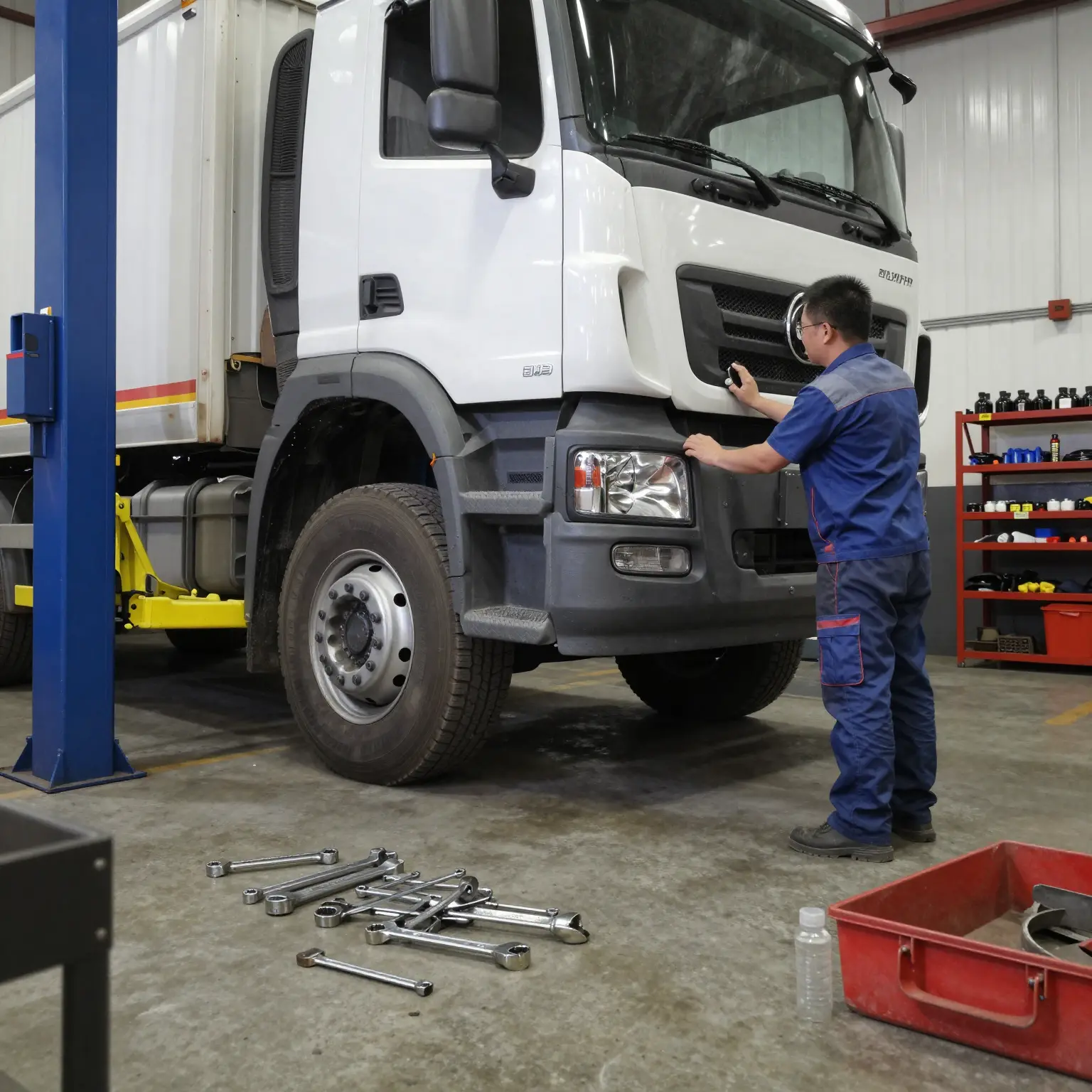
Reinforcing the Importance of Fixed Asset Repairs
To emphasize the critical nature of proactive truck maintenance and the impact of fixed asset repairs, consider the words of Dr. Elena Rodriguez, a transportation systems analyst at the University of Michigan:
“The importance of fixed asset repairs in the trucking industry cannot be overstated. Trucks represent a massive capital investment-often 40% of a fleet’s total value. Without consistent repair and maintenance, this investment depreciates rapidly, leading to higher total cost of ownership. Moreover, neglected repairs increase the risk of accidents, which can result in catastrophic financial and reputational damage for a company.”
This reinforces the idea that maintenance is not merely a cost, but an essential investment in the longevity and profitability of your fleet. Additionally, according to John Miller, Chief Operations Officer at National Freight Solutions:
“Preventive maintenance and timely repairs are not just about avoiding breakdowns; they are fundamental to safety, compliance, and profitability.”
These expert opinions highlight the substantial benefits that come from prioritizing fixed asset repairs.
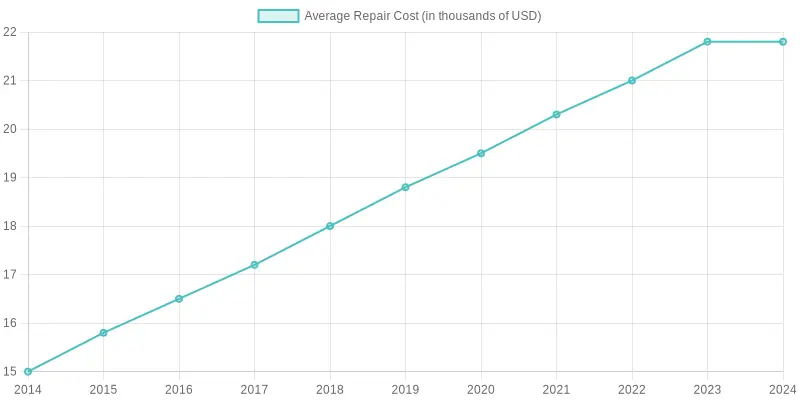
Key Insights from the Chart:
- Average Repair Cost: Increased from $15,000 in 2014 to $21,800 in 2024, reflecting a 35% rise.
- Repair Frequency: Stability with approximately one major repair every 3-5 years per truck (0.20 repairs annually).
- Technological Advancements: Adoption of predictive maintenance and advanced diagnostics has reduced unscheduled repairs by 25% and major repair incidents by 30%.
These trends highlight the importance of investment in repair technologies and proactive maintenance strategies for fleet management.