
Introduction
In today’s competitive transport landscape, fleet managers and truck owners are increasingly feeling the strain of rising maintenance costs associated with newer diesel trucks. These vehicles, while built for enhanced performance and fuel efficiency, often come with a steep price tag when it comes to repairs, leaving operators to grapple with unexpected expenses. Understanding diesel truck repair costs is essential not only for maintaining fleet reliability but also for effective budgeting. As outlined in various studies, the typical cost of maintenance can vary dramatically based on factors such as engine technology and the frequency of servicing required. By thoroughly grasping these repair expenses, fleet managers can better anticipate future costs and allocate resources wisely, ensuring smooth operations. Properly budgeting for diesel truck repairs prevents unanticipated downtime and enhances the overall efficiency of logistics and freight services. Fleet operators must be proactive in understanding these costs to navigate the complexities of maintenance in the modern trucking industry-taking a strategic approach can lead to significant savings and improved service delivery. Learn more about budgeting for routine truck maintenance.
Overview of Average Repair Costs for Newer Diesel Trucks
In recent years, the demand for newer diesel trucks has increased due to their performance and reliability. However, understanding the average repair costs associated with these vehicles is crucial for fleet managers and trucking company owners. Based on current industry data, the following summarizes the average repair costs for common issues found in newer diesel trucks, specifically focusing on the engine, transmission, and electrical systems.
Engine Repair Costs
Recent reports indicate that the average repair costs for engine issues in 2023 diesel trucks can range significantly depending on the specific problems encountered:
- Common Rail Injector Failure: Repairs can cost approximately $4,500 to $8,000.
- Turbocharger Replacement: If replacement is necessary, the cost ranges from $7,000 to $12,000.
- Engine Control Unit (ECU) Repair or Replacement: This critical component can cost between $3,000 and $6,000 to replace.
Transmission Repair Costs
Transmission issues can also result in substantial expenses:
- Automatic Transmission Torque Converter Repair: This can average around $5,000 to $9,000.
- Transmission Oil Pump Failure: Replacement costs range from $4,000 to $7,000.
- Complete Transmission Replacement Due to Internal Wear: This major repair can exceed $15,000 to $25,000 and significantly impact operational budgets.
Electrical System Repair Costs
Electrical issues, although often less expensive, can still add up:
- Sensor Signal Issues or Wiring Short: Labor costs for diagnostics can range from $500 to $1,500.
- Vehicle Control System Failures: Repairs, including software upgrades or module replacements, can cost between $2,000 and $4,000.
Overall Implications
The overall average repair costs for newer diesel trucks often exceed $5,000 for moderate faults, and it’s important to note that service center prices (4S dealerships) can be 20% to 30% higher than local repair shops. While newer diesel trucks demonstrate a reduction in failure rates (down to 135 failures per 100 trucks for major components), the costs associated with critical repairs remain high. Thus, fleet managers are advised to invest in extended warranties to mitigate the financial risks associated with severe repair needs.
For fleet managers and truck operators, maintaining a budget for routine maintenance is vital. Effective budgeting strategies can help in managing these repair costs efficiently. Learn more about budgeting for routine truck maintenance.
Choosing proper maintenance practices and using high-quality parts can drastically enhance the longevity and reliability of newer diesel trucks, ensuring that their operational costs remain manageable without compromising on service quality. Implementing preventative maintenance strategies can significantly reduce the chances of costly repairs in the long run. Find out more about optimizing fleet size and maintenance strategies here.
Factors Influencing Repair Costs for Newer Diesel Trucks
Understanding the factors that contribute to repair costs is crucial for fleet managers aiming to manage their budgets effectively. Several key elements impact these expenses:
-
Truck Age: Newer diesel trucks generally come with advanced technology and emission control systems, which can significantly affect repair costs compared to older models. Components such as turbochargers and diesel particulate filters (DPFs) are more sophisticated and costly to replace or repair.
-
Mileage: The mileage of a truck is directly related to wear and tear. Higher mileage often results in increased maintenance and repair needs, contributing to higher overall costs. Tracking mileage trends can help forecast potential repair needs.
-
Parts Availability: For newer models, particularly those that are less common or have recently undergone design changes, the availability of parts can be a critical factor. An extended wait time for specialized parts can increase downtime and associated costs. Fleet managers should consider the reliability of parts supply when acquiring new trucks.
-
Labor Costs: The skill level required for repairs on newer diesel engines, which are often equipped with complex electronic and mechanical systems, is higher than for older models. Average labor rates can range from $95 to $125 per hour, with specialized jobs exceeding $200. This can significantly elevate the total repair costs over time. For a detailed breakdown of labor costs based on repair type and region, see the chart below.
-
Complexity of Systems: Many of today’s diesel trucks include sophisticated software and emission control systems. The complexity of these systems not only requires skilled technicians, which drives up labor costs, but also increases the likelihood of needing specialized diagnostic and repair tools.
-
Warranty and Maintenance Plans: Trucks still under warranty or those with extended maintenance plans can see a reduction in out-of-pocket repair expenses. It is beneficial for fleet managers to understand the nuances of warranty coverage concerning various components.
By prioritizing proactive maintenance and understanding these factors, fleet managers can enhance budgeting accuracy for repairs and minimize unexpected costs associated with fleet operations.
Learn more about budgeting for routine truck maintenance to help improve your cost management strategies.
| — | 平均维修成本(2023年) | 说明与来源 |
|---|---|---|
| 发动机系统 | $8,750 | 根据ATA报告,较为复杂的维修成本也可能高达$12,500。 |
| 传动系统(Transmission) | $6,400 | 包括传动器或变速器的部分维修成本。 |
| 排气后处理系统 | $4,200 | 涉及DPF和SCR等核心组件,维修成本显著。 |
| 燃油喷射系统 | $2,900 | 包括喷油嘴和其他相关维修费用。 |
数据来源:
整体来看,柴油卡车的维修成本较之前有明显增加,而排气后处理系统的故障率上升也是导致维修费用增加的重要因素。
Common Repairs for Newer Diesel Trucks
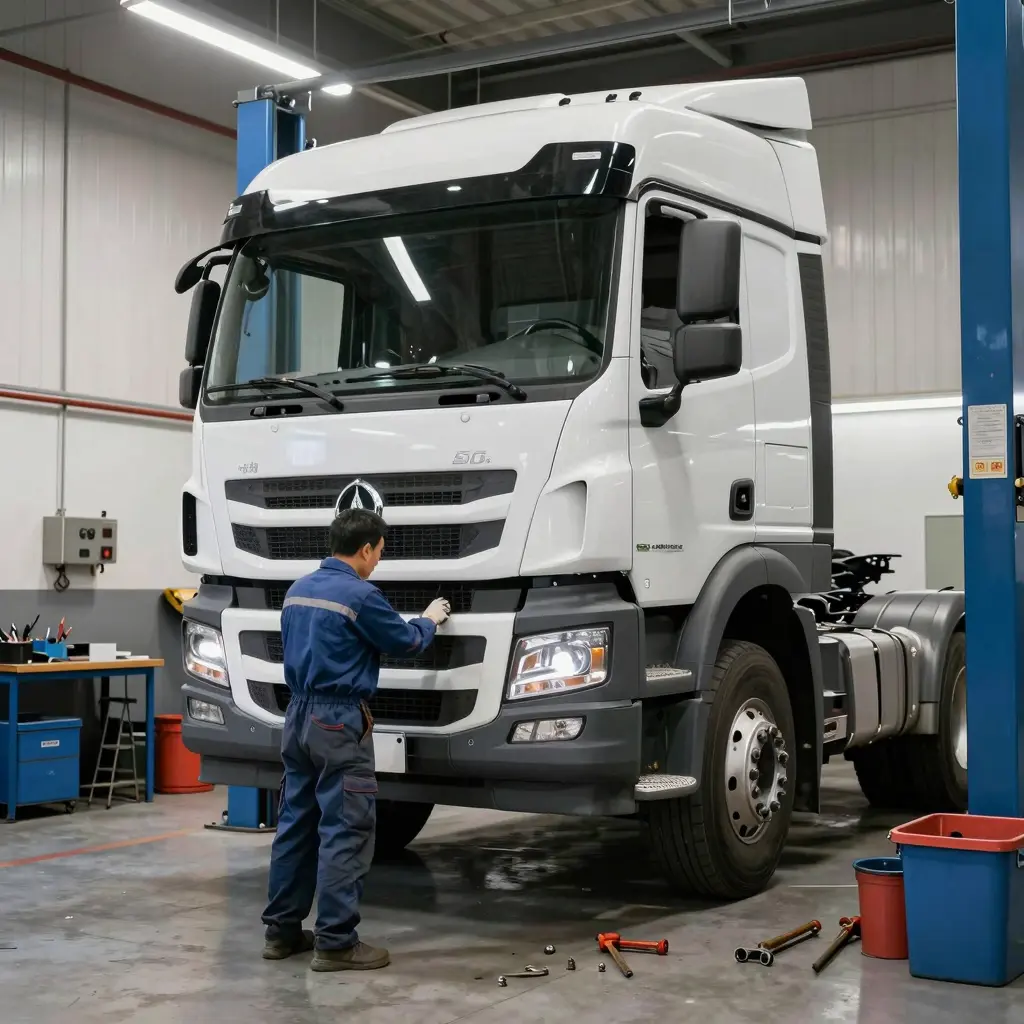
Newer diesel trucks have become increasingly sophisticated due to advancements in diesel technology, engine efficiency, and emission controls. However, these innovative features also come with specific repair needs that fleet managers, trucking company owners, and operators in construction or logistics should be aware of. Below, we discuss some of the most common repairs required for newer diesel trucks, the reasons behind these issues, and potential solutions.
1. Diesel Particulate Filter (DPF) Issues
- Overview: One of the most prevalent repairs stems from failures in the Diesel Particulate Filter (DPF) system. This component is essential for controlling emissions and can become clogged, especially in trucks that frequently make short trips without allowing the DPF to regenerate.
- Solutions: Regular maintenance, including timely DPF regenerations, ensures that the filter remains efficient. Operators should also avoid short-distance driving to prevent clogging.
- Cost Implications: Replacing a failed DPF can cost upwards of $5,000, making proactive maintenance crucial to avoid such expenses.
2. Exhaust Gas Recirculation (EGR) Valve Problems
- Overview: Issues with the EGR valve are common among newer diesel models. A failing EGR can lead to performance reductions and increase emissions, as it recycles exhaust gases back into the engine to reduce NOx emissions.
- Solutions: Regular cleaning is recommended as preventative maintenance, along with timely diagnostics to address any warning signals early.
3. Turbocharger Failures
- Overview: Many newer diesel engines utilize turbochargers to improve performance and efficiency. High mileage or improper maintenance can lead to turbocharger failures.
- Solutions: Regular inspections and maintenance of the engine cooling systems can mitigate turbo issues. Following manufacturer guidelines for oil changes and using quality lubricants can extend turbo life.
4. Selective Catalytic Reduction (SCR) System Issues
- Overview: The SCR system, responsible for reducing nitrogen oxide (NOx) emissions, can encounter failures such as clogged injectors and failed pumps, often indicated by dashboard alerts.
- Solutions: Regular checks of the SCR system, ensuring proper levels of diesel exhaust fluid (DEF), and using appropriate fuels can prevent major repairs.
5. Electrical System Faults
- Overview: Newer trucks are heavily reliant on electronic controls, leading to common issues such as sensor failures or electrical harness breakdowns due to exposure to heat and vibration.
- Solutions: Routine diagnostic checks and firmware updates are essential for maintaining optimal performance and avoiding potential breakdowns.
Conclusion
Understanding these common repairs and their underlying causes can help fleet managers and operators prevent costly downtime and extend the lifespan of their vehicles. Investing in regular maintenance and high-quality parts can significantly reduce overall repair needs. For a deeper dive into budgeting for routine truck maintenance, explore our guide. Additionally, optimizing your fleet with appropriate maintenance strategies can further enhance reliability; learn more here.
Preventative Maintenance Strategies for Newer Diesel Trucks
Preventative maintenance plays a crucial role in prolonging the life of newer diesel trucks while minimizing long-term repair costs. For fleet managers and trucking company owners, implementing effective maintenance strategies can lead to significant savings and improved vehicle performance. Below are actionable strategies supported by recent findings:
Key Strategies and Their Implementation
| Strategy | Key Practice | Implementation Frequency | Expected Cost Reduction (%) |
|---|---|---|---|
| Regular Oil Changes | Use manufacturer-recommended oil type and viscosity; check oil level and condition during inspections. | Every 15,000 to 25,000 miles (or as per OEM guidelines). | 15% – 25% over 3-5 years |
| Additive Use for Fuel Systems | Apply high-quality fuel additives to prevent injector coking, reduce particulate matter, and improve combustion efficiency. | With every fuel fill-up or every 5,000 miles. | 8% – 12% in fuel consumption and component wear |
| Ensuring Cleanliness of Mechanical Components | Perform regular cleaning of air intake systems, coolant systems, and exhaust aftertreatment systems; inspect and clean filters. | Air intake & filters: Every 10,000 miles; Coolant system: Annually; DPF/SCR: As needed. | 10% – 18% in engine-related repair costs and downtime |
Detailed Insights into Each Strategy
- Regular Oil Changes: It is essential to follow the oil change intervals specified by the manufacturer. Utilizing high-quality synthetic oils can further extend the intervals between changes, where applicable.
- For instance, you can maximize intervals to 25,000 miles if recommended.
- Additive Use for Fuel Systems: Regularly incorporating additives can significantly reduce carbon deposits, leading to improved fuel efficiency and reduced wear on engine components.
- Fleet operators should budget for these additives, particularly during regular fuel purchases.
- Ensuring Cleanliness of Mechanical Components: Ensuring all systems, particularly the air intake and cooling systems, are kept clean is vital. Regular inspections can help catch potential issues early before they escalate into costly repairs.
- Scheduling these cleanings in sync with routine maintenance will streamline both time and labor costs.
Conclusion
By adopting these preventative maintenance strategies, fleet managers and trucking company owners can maintain their newer diesel trucks more efficiently, directly contributing to lower long-term repair costs. Enhancing your maintenance practices is a proactive way to guard against unexpected repair bills and downtime. Learn more about budgeting for routine truck maintenance and explore fleet maintenance tips.
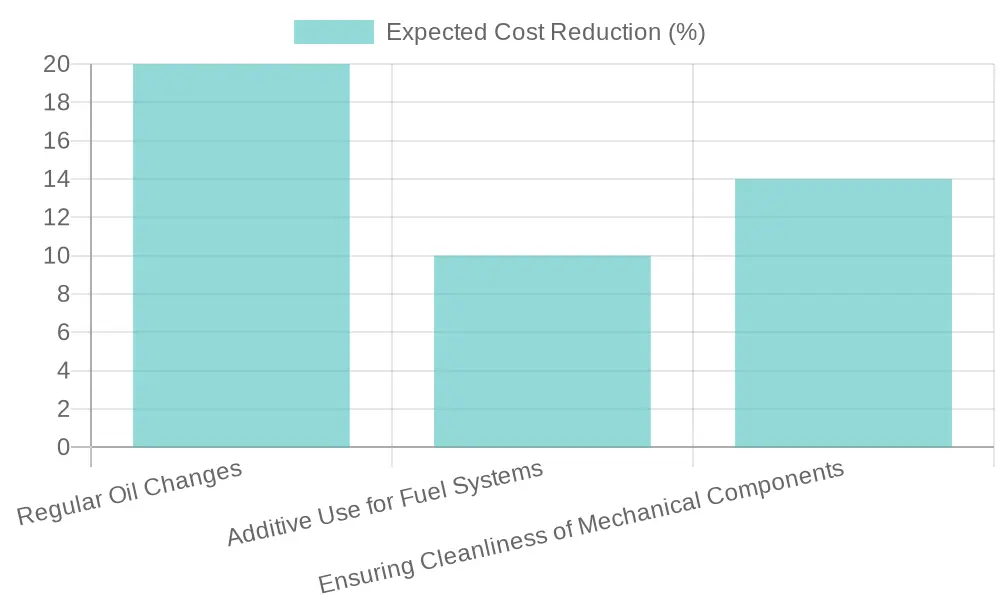
Visual Representation of Cost Reduction Strategies
Implementing these strategies not only ensures better vehicle performance but also enhances the overall efficiency of fleet operations.
Trends in Diesel Truck Repair Costs
Understanding the trends in diesel truck repair costs is crucial for fleet managers and trucking company owners. Over the last five years, the average maintenance cost for diesel trucks has seen a significant increase. This trend emphasizes the growing need for budgeting and effective maintenance strategies.
Average Maintenance Costs (USD)
| Year | Average Maintenance Cost (USD) |
|---|---|
| 2021 | $5,000 |
| 2022 | $5,400 |
| 2023 | $6,000 |
| 2024 | $6,500 |
| 2025 | $6,800 |
Notable Repair Cost Components:
- Diesel Particulate Filter (DPF) Cleaning: $3,000 – $8,000
- Turbocharger Repairs: Over $5,000
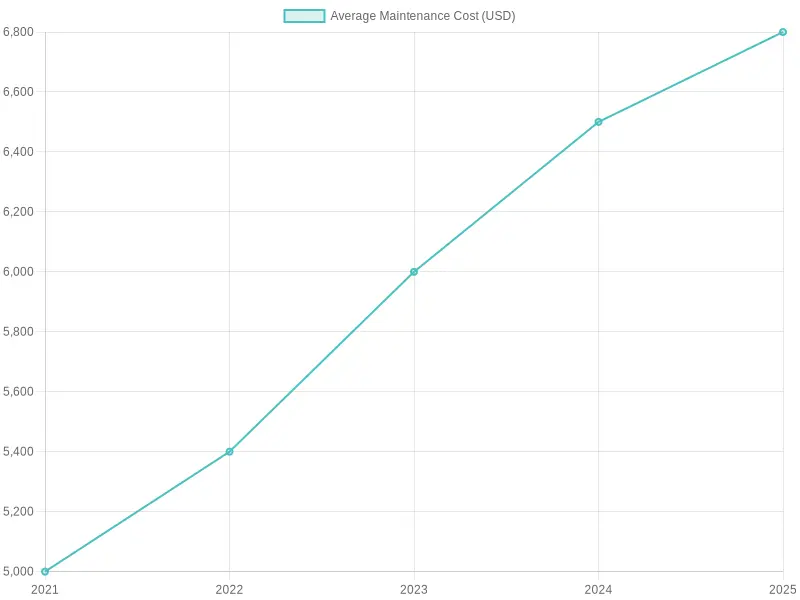
This chart clearly shows the upward trend in repair costs, indicating that as diesel technology evolves, so does the complexity and consequently, the costs associated with maintenance. Fleet operators must stay informed and consider these trends for effective financial planning. To dig deeper into budgeting strategies, check out Budgeting for Routine Truck Maintenance.
“Understanding repair costs is crucial for accurate fleet budgeting, as unexpected maintenance expenses can significantly impact operational profitability. Proactive cost management through preventive maintenance and strategic part sourcing helps fleets control long-term expenses and maintain vehicle reliability.”
This quote emphasizes the critical nature of being informed about diesel truck repair costs. For fleet managers and trucking company owners, understanding these costs is essential for effective financial planning and maintaining a reliable fleet. It’s not just about the immediate expenses; rather, it’s about strategic budgeting that considers long-term impacts. Proper budgeting helps in planning for unexpected repairs, ensuring operational efficiency and profitability.
Conclusion
In the complex world of diesel trucking, proactive management of repair costs and prioritizing preventative maintenance are not just advisable-they are essential for fleet sustainability and bottom-line health. Regular inspections and maintenance can prevent unexpected breakdowns that are often costly and disruptive. According to numerous industry sources, structured preventive maintenance programs can lead to significant savings, with reductions of up to 30% in unscheduled downtimes and 25% in overall repair costs. Moreover, adopting best practices for maintaining diesel engines ensures longevity and cost-effectiveness by addressing potential issues before they escalate into severe problems, thereby protecting your investment.
As you strategize for the future, consider enhancing your fleet’s performance through tailored solutions like custom-fit fairings from Summit Fairings. These fairings not only improve aerodynamics, reducing wind resistance significantly, but also enhance rider comfort and boost engine cooling. Choosing custom-fit fairings means investing in quality and precision that integrates seamlessly with your vehicles without the need for extensive modifications. Such proactive solutions are crucial in navigating the unique challenges of the trucking industry, ensuring your operations run smoothly while maintaining high performance.
In doing so, fleet managers and trucking company owners will not only protect their assets but also enhance operational efficiency, ultimately leading to sustained profitability in a competitive landscape. Start today by reviewing your maintenance strategies and considering innovative solutions like Summit Fairings to elevate your fleet’s performance.