Introduction
In the fast-paced world of logistics and transportation, effective auto and truck repair services are pivotal for fleet managers and trucking company owners. Maintaining a fleet isn’t merely about keeping vehicles operational; it encompasses a vital strategy to achieve fleet efficiency and long-term cost savings. Regular and thorough maintenance not only helps minimize unexpected breakdowns but also plays a significant role in improving fuel efficiency and extending the lifespan of vehicles. In fact, research shows that fleets with structured maintenance programs can experience up to 30% fewer breakdowns and reduce their overall maintenance expenses by as much as 20%[^1^]. This underscores the fact that proactive maintenance is key to maximizing return on investment in fleet management.
Moreover, adopting a proactive approach to truck repair not only saves costs associated with emergency repairs but also supports the overall operational efficiency of a fleet. According to insights from McKinsey & Company, fleets that invest in preventive maintenance strategies can see a remarkable 15-25% improvement in vehicle uptime while reducing the necessity for premature replacements[^2^]. Fleet maintenance also serves to maintain the resale value of the vehicles, as well as ensuring compliance with safety regulations, further solidifying the business’s reputation and reliability in the marketplace. As fleet managers navigate the complexities of logistics, understanding the importance of comprehensive truck repair services will provide them with the necessary tools to optimize their operations and achieve sustained cost efficiency.
Learn more about budgeting for routine truck maintenance and optimizing fleet size for small fleets.

Common Auto and Truck Repair Challenges Faced by Fleet Managers
Fleet managers play a pivotal role in maintaining the efficiency of vehicle operations, yet they often encounter a myriad of challenges in auto and truck repairs. Understanding these challenges is critical for optimizing fleet performance and minimizing costs. Here are the top issues:
1. Vehicle Downtime
- Unplanned Breakdowns: About 78% of fleet managers report that unexpected breakdowns are their primary concern, often leading to extended vehicle downtime that disrupts schedules and reduces operational efficiency. (Source: Transportation Today)
- Average Downtime: Research indicates that the average vehicle in a fleet experiences about 14.3 days of downtime annually, which directly impacts productivity.
2. Cost Management
- Rising Repair Costs: On average, fleets spend around $4,850 per vehicle each year on maintenance and repairs. With rising costs, managing these expenses effectively is increasingly vital. (Source: Fleet Maintenance Benchmark Report 2024)
- Preventive Maintenance Savings: Implementing scheduled maintenance can reduce repair costs by up to 42% and downtime by 38%. This strategic approach not only saves money but also enhances vehicle longevity.
3. Parts Availability
- Supply Chain Disruptions: Accessing necessary parts has become a major bottleneck, especially for newer or specialized vehicles. Delays in receiving parts can exacerbate vehicle downtime, leading to increased costs and lost revenue.
- Reliance on Suppliers: Building reliable relationships with parts suppliers is crucial for minimizing delays and ensuring that necessary parts are available when needed.
4. Data Management and Predictive Maintenance
- Adopting Technology: Poor data management often leads to inefficient maintenance scheduling. Utilizing telematics and diagnostic tools can help predict failures and optimize repair workflows, thus improving reliability and uptime. (Source: LinkedIn Industry Insights)
These challenges underscore the importance of adopting comprehensive strategies for fleet management. By focusing on preventive maintenance and improving relationships with parts suppliers, fleet managers can significantly reduce downtime and repair costs, thereby enhancing overall operational efficiency.
| Service Type | Average Cost (USD) | Turnaround Time | Customer Ratings (Out of 5) |
|---|---|---|---|
| Oil Change & Filter Replacement (Passenger Car) | $50 – $80 | 15 – 30 minutes | 4.7 |
| Brake Pad Replacement (Front, Passenger Car) | $150 – $300 | 1 – 2 hours | 4.6 |
| Tire Rotation & Balance (Passenger Car) | $50 – $100 | 30 – 60 minutes | 4.5 |
| Battery Replacement (Passenger Car) | $120 – $250 | 30 – 60 minutes | 4.4 |
| Spark Plug Replacement (Passenger Car) | $100 – $200 | 1 – 2 hours | 4.3 |
| Transmission Flush (Passenger Car) | $150 – $300 | 2 – 3 hours | 4.5 |
| AC System Recharge (Passenger Car) | $100 – $200 | 1 – 2 hours | 4.2 |
| Engine Diagnostic Scan (Passenger Car) | $50 – $150 | 30 – 60 minutes | 4.6 |
| Air Filter Replacement (Passenger Car) | $50 – $100 | 15 – 30 minutes | 4.4 |
| Windshield Repair (Minor Crack, Passenger Car) | $100 – $200 | 1 – 2 hours | 4.5 |
| Oil Change & Filter Replacement (Truck – Heavy Duty) | $120 – $200 | 1 – 2 hours | 4.5 |
| Brake Job (Truck – Front Axle) | $400 – $800 | 3 – 6 hours | 4.3 |
| Tire Rotation & Balance (Truck – Commercial) | $100 – $200 | 2 – 4 hours | 4.4 |
| Battery Replacement (Truck – Diesel) | $200 – $400 | 1 – 2 hours | 4.3 |
| Air Filter & Cabin Filter Replacement (Truck) | $100 – $200 | 1 – 2 hours | 4.4 |
| Transmission Fluid Change (Truck – Heavy Duty) | $300 – $600 | 3 – 5 hours | 4.2 |
| Differential Service (Truck – Rear Axle) | $200 – $400 | 2 – 4 hours | 4.3 |
| Cooling System Flush (Truck) | $250 – $500 | 3 – 5 hours | 4.4 |
| Diesel Injector Cleaning (Truck) | $300 – $600 | 2 – 4 hours | 4.5 |
| Suspension Component Inspection & Repair (Truck) | $200 – $500 | 3 – 6 hours | 4.2 |
Benefits of Regular Maintenance for Trucks and Autos
Regular maintenance for trucks and automobiles is a crucial practice that significantly impacts their lifespan, reliability, and safety. For fleet managers, trucking company owners, and construction operators, understanding these benefits can lead to more informed maintenance strategies and operational efficiencies.
Increased Lifespan
Research shows that vehicles receiving consistent manufacturer-recommended maintenance can last, on average, 3.2 years longer than those neglected. According to a 2025 study by the AAA Foundation for Traffic Safety, timely servicing of critical systems such as the engine, brakes, and cooling systems can extend a vehicle’s usable life substantially. Furthermore, the same study found that vehicles with regular maintenance are 47% less likely to face major mechanical failures compared to those that do not adhere to a maintenance schedule.
Improved Safety
Safety is paramount in transportation. The National Highway Traffic Safety Administration (NHTSA) points out that poorly maintained vehicles are considerably more likely to be involved in accidents. Regular inspections-covering brakes, lights, and tires-are essential for reducing risks. Preventive maintenance helps catch minor issues before they escalate into potentially dangerous failures, ensuring employee and public safety.
Reduced Breakdowns
Regular maintenance can significantly reduce the frequency of vehicle breakdowns. According to FleetOwner, fleets that adhere to a strict preventive maintenance schedule see an impressive reduction in vehicle failures by up to 50%. This proactive approach not only minimizes the risk of unplanned downtime but also avoids the high costs associated with emergency repairs, which can rise significantly during critical operations.
Financial Benefits
The financial implications of regular maintenance extend beyond immediate savings. The American Trucking Associations (ATA) indicates that around 70% of major truck breakdowns are attributed to neglected maintenance. By investing in preventive measures, fleet operators can save an average of $1,800 annually per vehicle in repair and downtime costs, as cited by Transport Topics.
Moreover, vehicles with comprehensive maintenance records command a resale value of up to 15% more than those without. This demonstrates not only the importance of maintenance for functionality but also its impact on long-term financial health.
In conclusion, embracing a robust preventive maintenance plan offers numerous benefits, including increased vehicle longevity, enhanced safety, reduced unscheduled breakdowns, and substantial cost savings. Therefore, it is essential for industry operators to prioritize consistent maintenance schedules for their fleets.
Optimizing Repair Schedules
Effective repair scheduling is essential for fleet managers to minimize downtime and maintain smooth fleet operations. An optimized repair schedule not only increases vehicle availability but also reduces unexpected failures and associated costs. Here are several strategies, tools, and best practices to enhance your fleet’s repair scheduling process.
Best Practices
-
Implement Preventive Maintenance: Prioritize preventive maintenance over reactive repairs to anticipate failures before they occur. According to the Fleet Scheduled Maintenance Best Practices Guide, establishing standardized maintenance schedules based on vehicle usage can significantly reduce unexpected breakdowns.
-
Use Real-time Data: Leverage real-time data from onboard diagnostics and sensors to track vehicle health. This data can inform maintenance intervals and necessary repairs. As highlighted by ABI Research, mixing historical repair data with current readings allows for better forecasting of potential failures, thus aiding in more effective scheduling.
-
Centralized Software Solutions: Utilize fleet management software such as Rapid Fleet to streamline maintenance operations. Software solutions can help manage work orders, schedule preventive maintenance, and ensure compliance, all in one platform. These systems facilitate communication between technicians, helping to quickly resolve issues, which in turn reduces vehicle downtime.
-
Training and Development: Invest in training for staff on the technologies and best practices for fleet maintenance. Ensuring that technicians are up-to-date with the latest tools and procedures can improve repair accuracy and efficiency.
-
Utilize Resource Programs: Take advantage of vendor support and resource programs. These can provide additional insights into best practices and help fleet managers implement tailored strategies for their unique operational needs.
By implementing these strategies and utilizing advanced tools, fleet managers can optimize repair schedules, leading to enhanced fleet reliability and operational efficiency. For more on effective maintenance practices, you may want to learn about budgeting for routine truck maintenance.
Regular maintenance is crucial for ensuring the longevity and reliability of trucking operations. As stated by the American Trucking Associations,
“Regular maintenance is not just a best practice-it’s a safety imperative. Vehicles that undergo consistent preventive maintenance are up to 70% less likely to experience a breakdown on the road, significantly reducing downtime and enhancing driver safety.”
This reinforces the connection between scheduled repairs and operational reliability in the trucking industry. For fleet managers and logistics providers, adhering to routine maintenance schedules not only enhances safety but also improves overall efficiency. To learn more about the importance of routine maintenance, consider the long-term benefits it brings.
Choosing the Right Auto and Truck Repair Service
Selecting a reliable auto or truck repair service is essential for ensuring the longevity and performance of your fleet vehicles. When considering choosing repair services, several factors come into play, including reputation, service quality, and cost transparency.
1. Reputation
Start by researching the repair shop’s reputation. Look for online reviews and ratings on platforms like Google, Yelp, or industry-specific websites. A reputable service provider should have consistently positive feedback and a transparent track record. As noted by the Truck Maintenance & Repair Association, long-term customer satisfaction is indicative of a dependable service provider.
2. Service Quality
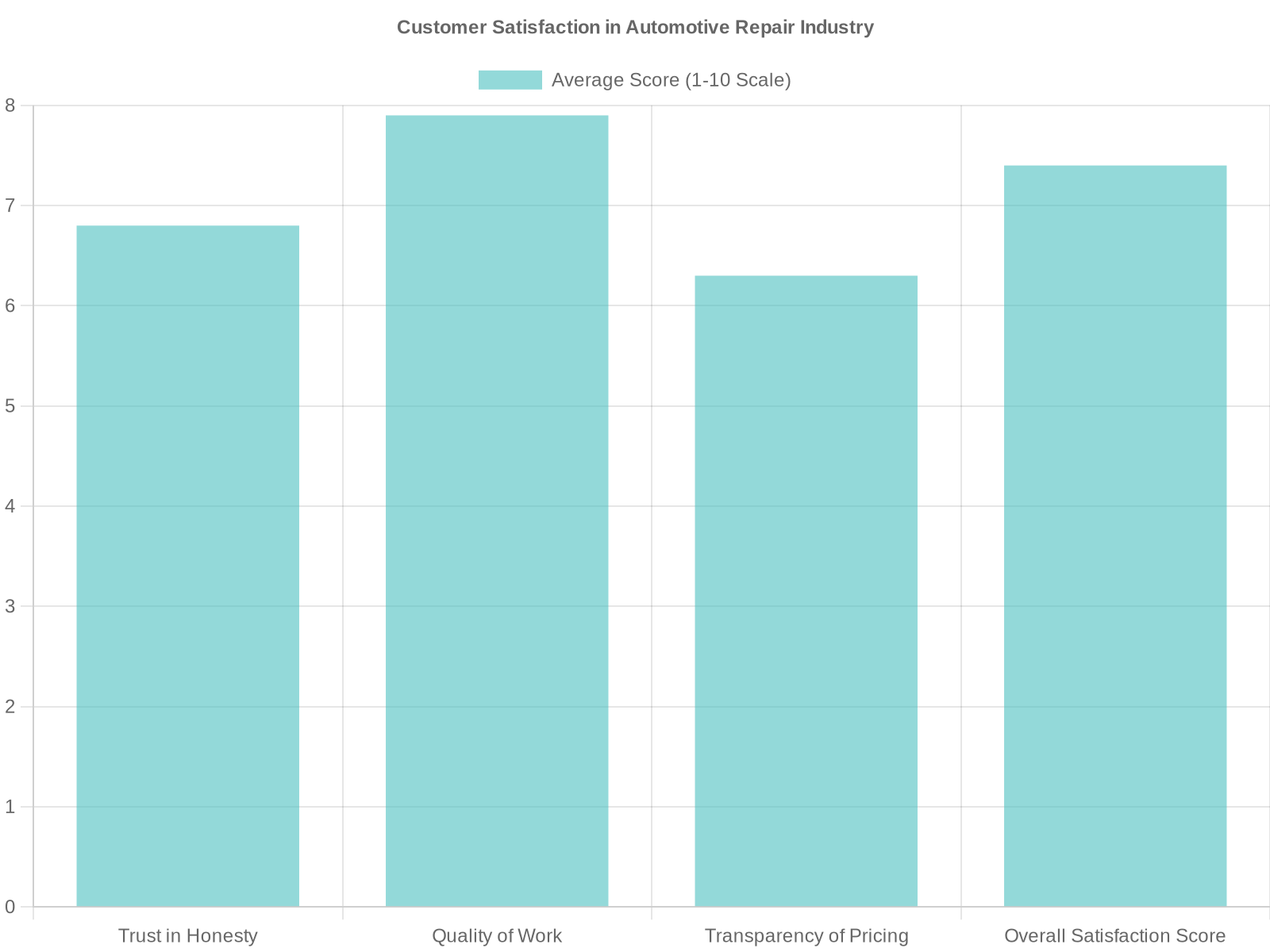
Service quality is paramount. This doesn’t just include the technical skills of the mechanics but also how the shop prioritizes customer service. Observations about staff professionalism, shop cleanliness, and the use of quality parts are important. According to J.D. Power’s 2025 U.S. Automotive Aftermarket Study, service quality directly correlates with customer satisfaction, reporting an average satisfaction score of 7.4 out of 10. Factors like trust, transparency, and work quality were identified as critical components driving these scores.
3. Transparency and Cost
Cost is another crucial consideration. A trustworthy repair shop will provide a detailed estimate before commencing any work, helping customers avoid unexpected charges. The same study highlights that a 6.3 out of 10 average score for pricing transparency indicates room for improvement. Always ask for a detailed breakdown of labor and parts, and don’t hesitate to compare prices with other providers.
Customer Testimonials
Real customer experiences can provide insights that go beyond reviews. For instance, one logistics manager shared, “The transparency and quality at Fast Lane Truck Repair gave us confidence during our breakdowns. They kept us informed every step of the way, which made a stressful situation manageable.”
By focusing on these key areas-reputation, service quality, and cost transparency-you’ll be better equipped to select a repair service that meets your needs and ensures that your fleet remains in top condition.
Maintenance Costs vs. Preventive Savings
Investing in regular maintenance and repairs can significantly impact long-term costs for fleet managers and trucking company owners. A recent analysis shows that the average annual maintenance and repair cost for vehicles in the United States is approximately $1,000, increasing to over $1,500 for vehicles older than 10 years. In contrast, those who engage in preventive measures can save 30% to 50% on major repair costs-highlighting the value of consistent upkeep.
The following chart illustrates the yearly maintenance costs against potential savings from preventive measures:
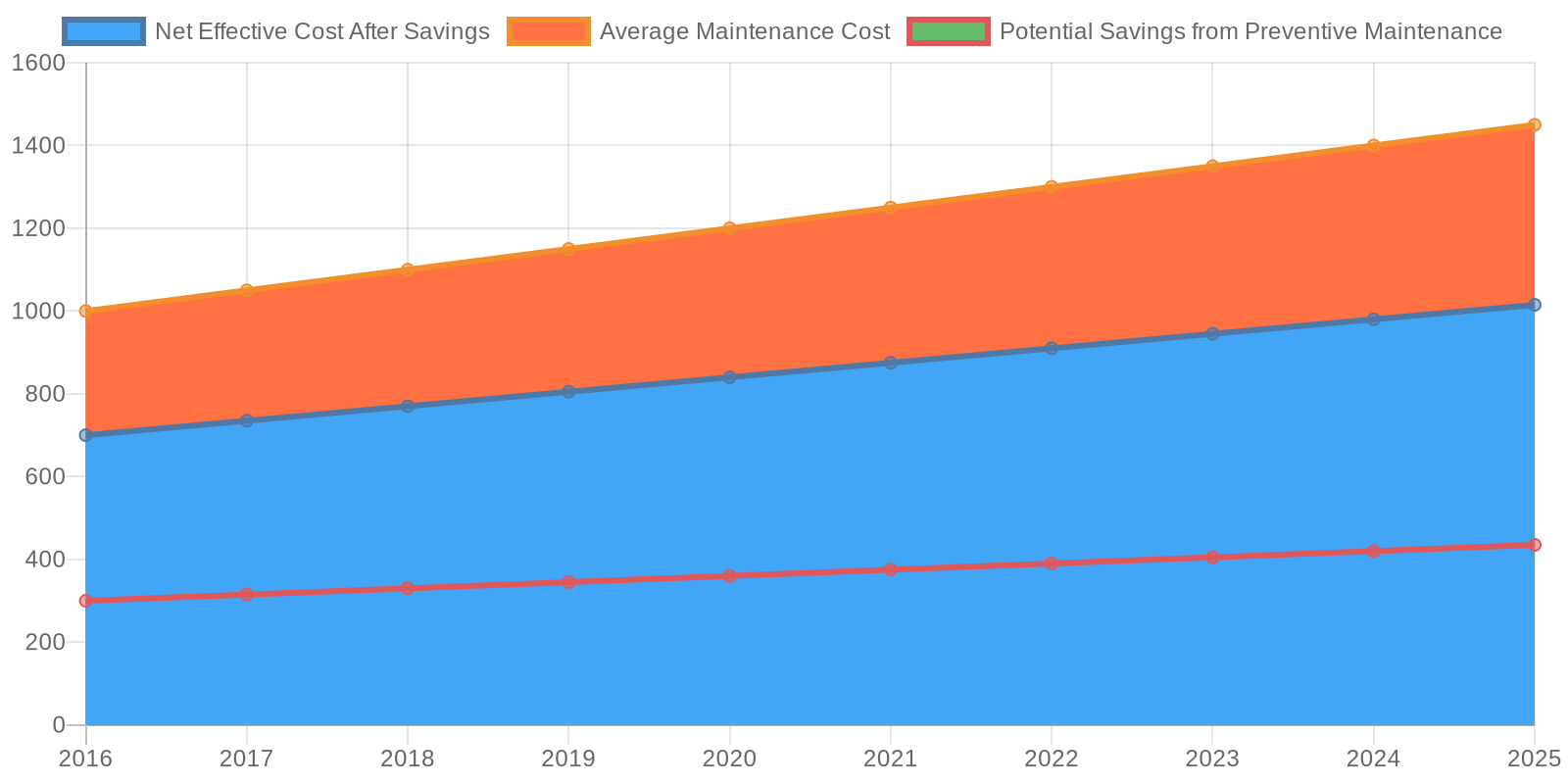
| Year | Average Maintenance Cost (Vehicles >10 Years) | Potential Savings from Preventive Maintenance | Net Effective Cost After Savings |
|---|---|---|---|
| 2016 | $1,000 | $300 | $700 |
| 2017 | $1,050 | $315 | $735 |
| 2018 | $1,100 | $330 | $770 |
| 2019 | $1,150 | $345 | $805 |
| 2020 | $1,200 | $360 | $840 |
| 2021 | $1,250 | $375 | $875 |
| 2022 | $1,300 | $390 | $910 |
| 2023 | $1,350 | $405 | $945 |
| 2024 | $1,400 | $420 | $980 |
| 2025 | $1,450 | $435 | $1,015 |
By understanding and analyzing these costs, fleet managers can make informed decisions that enhance operational efficiency and minimize unexpected expenses. Investing in preventive maintenance not only saves money but also prolongs the lifespan of vehicles.
For more detailed budgeting strategies, learn more about budgeting for routine truck maintenance and consider optimizing your fleet size and maintenance.
Conclusion
In the realm of fleet management, fleet managers must acknowledge the critical role that high-quality components play in ensuring operational efficiency and safety. This article has underscored the importance of using premium fairings for motorcycle repairs, as they significantly enhance durability, aerodynamics, and overall performance. Unlike generic alternatives, premium fairings provide a tailored fit that meets OEM specifications, thus preserving not only the aesthetics but also the functionality of the vehicle. Moreover, utilizing superior auto repair solutions limits long-term costs by reducing the frequency of repairs. Fleet operations can achieve remarkable cost efficiency through routine maintenance and by transitioning to high-quality parts that mitigate unnecessary downtime.
Now is the time to take action. By choosing Summit Fairings for your motorcycle fairing needs, you invest in longevity and safety for your fleet, ensuring vehicles remain in peak condition while enhancing their resale value. Consider embracing these premium auto repair solutions, equipping your fleet with the quality it deserves. Your investment in premium fairings will not only streamline your operations but will also contribute to the long-term success and reliability of your fleet.