Introduction: Transformations in the Fire Safety Industry
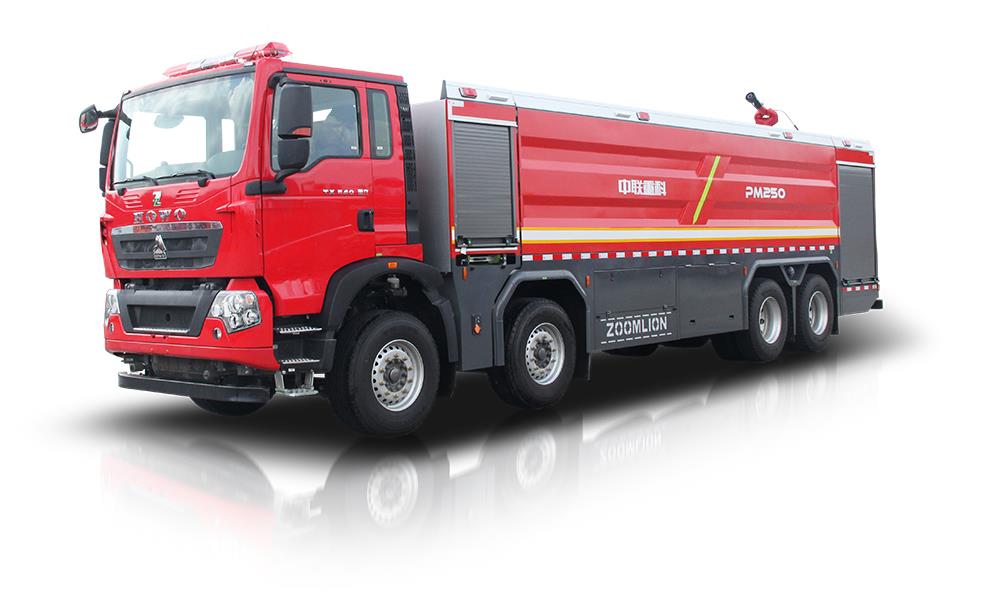
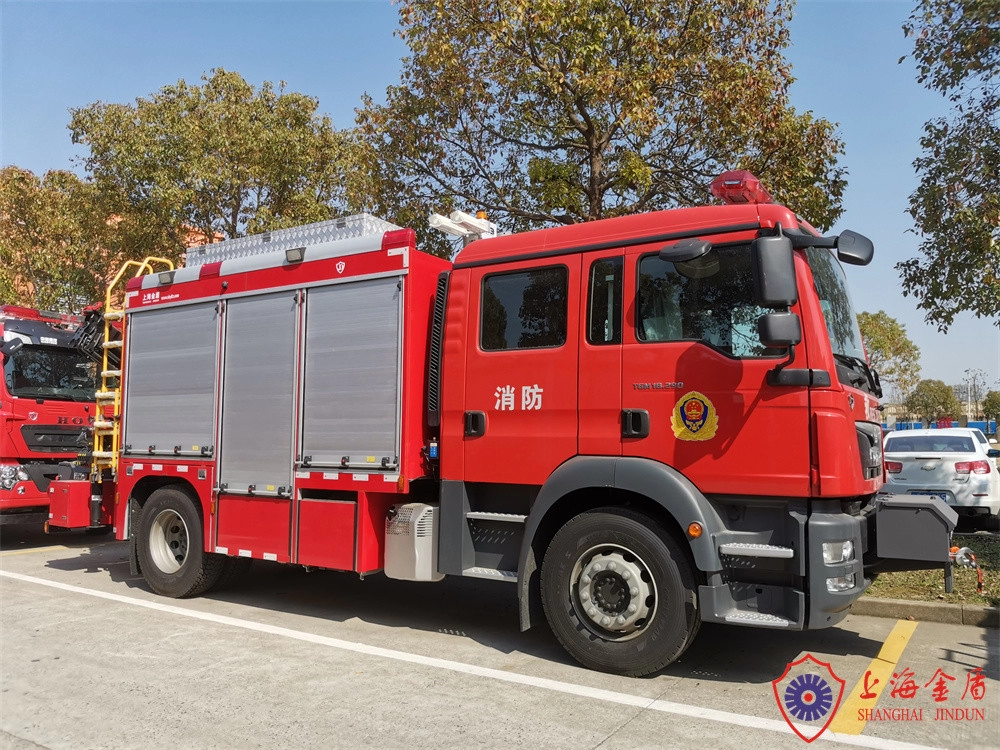
In recent years, the global fire safety industry has undergone significant changes. From advanced technology integration to improved safety standards, emergency response has evolved to meet the increasing demands of urbanization and natural disasters. In this rapidly changing landscape, fire trucks are more than just vehicles; they are essential lifelines in saving lives and protecting property. This article explores how fire trucks enhance rescue efficiency and the factors that contribute to their effectiveness in firefighting operations.
The Core Value of Fire Trucks in Rescue Operations
Fire trucks serve multiple purposes during emergencies, significantly impacting the outcome of rescue operations. Below are key areas where fire trucks play an invaluable role:
1. Enhanced Mobility and Access
Modern ladder fire trucks, equipped with state-of-the-art elevating platforms, allow firefighters to access high-rise buildings effectively. The capacity to navigate through narrow streets and reach elevated areas quickly directly influences the time taken to reach victims, ultimately saving lives.
2. Advanced Technology and Equipment Integration
Today’s platform fire trucks are not only designed for transporting personnel and equipment but also come with cutting-edge technology. These include thermal imaging cameras, advanced communication systems, and GPS navigation. Such integration enables real-time decision-making and resource allocation, making every second count in emergencies.
3. Versatile Applications Beyond Fires
While fire trucks are synonymous with firefighting, their capabilities extend to other rescue applications. For instance, arff trucks are specifically designed for airport emergencies, capable of responding to aircraft incidents, while also serving as a critical support during industrial fires and hazardous material spills.
Importance of Fire Truck Maintenance and Safety
Maintaining fire trucks is crucial to ensure reliability during emergencies. Here’s why:
1. Regular Maintenance Protocols
Routine inspections, servicing, and repairs of fire trucks can prevent breakdowns when they are needed most. Emergency services should adopt a proactive maintenance culture to prolong the life of their vehicles and ensure they function optimally. This includes checking the hydraulics, tires, and safety gear before every use.
2. Training and Preparedness
Equipping firefighters with the knowledge to operate various types of fire trucks is essential. Regular drills and training sessions should cover the operation of ladder fire trucks and platform fire trucks, ensuring that no time is lost during emergencies. A well-prepared team coupled with well-maintained vehicles can substantially enhance rescue efficiency.
3. Safety Considerations
Fire trucks must comply with safety standards to protect not only the crew but also civilians during operations. Fire departments should invest in safety features such as stabilizer systems on ladder trucks and ensure all equipment is correctly secured to prevent accidents during transit.
Emphasizing the Future of Fire Trucks in Emergency Response
As urban centers grow, the demand for efficient firefighting solutions continues to rise. The integration of smart technologies in fire trucks is paving the way for future advancements. Here are some trends worth noting:
1. Adoption of Smart Technologies
Technology is continually evolving, and fire trucks are a part of this revolution. The incorporation of AI, drones for aerial surveillance, and automated fire suppression systems are just the beginning. These innovations will change how firefighters respond to emergencies and manage resources.
2. Environmental Considerations
With an increasing emphasis on sustainability, manufacturers are beginning to develop eco-friendly fire trucks. These vehicles are designed to reduce emissions while maintaining high performance, aligning with global efforts to combat climate change.
3. Collaboration and Data Sharing
The future of fire response also lies in inter-agency collaboration. Enhanced data sharing between departments can streamline operations, improve response times, and facilitate overall efficiency during firefighting efforts.
Conclusion: The Call to Action
As the fire safety landscape evolves, so should our investment in the tools that protect our communities. Fire trucks are indispensable for effective emergency response, and their role is only going to expand with emerging technologies and commitment to efficiency. We urge fire departments, procurement units, and maintenance personnel to explore the latest fire truck offerings and ensure they are equipped for the challenges ahead.
To view our innovative range of fire trucks and advanced firefighting solutions, visit our product category page for urban combat fire trucks or explore our cutting-edge fire extinguishing robots at CIMC Fire Truck. For those seeking specialized vehicles, check out our LPG tank trucks at CRRC Vehicles. Together, we can enhance rescue efficiency and save more lives in the face of adversity.