Introduction
Rust holes in truck beds are not merely cosmetic blemishes; they pose a significant threat to your vehicle’s integrity and longevity. Addressing the issue promptly is crucial for maintaining the functionality of your truck and protecting your investment. Neglecting to repair rust holes not only diminishes the aesthetic value of the truck but can also result in severe structural damage over time. In the competitive fields of logistics and construction, where truck reliability is paramount, any compromise could lead to costly downtime and repairs. Regular truck maintenance is key to preventing rust and ensuring your vehicle lasts. Implementing rust prevention strategies can save fleet managers and trucking company owners from larger problems down the road, ultimately safeguarding the longevity of their vehicles. Therefore, understanding how to repair rust holes in truck beds effectively is an essential skill for anyone looking to maintain the performance of their fleet.
Common Causes of Rust Holes in Truck Beds
Understanding the common causes of rust holes in truck beds is crucial for effective truck maintenance. Here are some top factors contributing to this issue:
- Exposure to Salt: Road salt, commonly used in winter, can accelerate rusting, especially in regions with heavy snowfall.
- Trapped Moisture: Water can become trapped in the truck bed due to poor drainage or accumulated debris, leading to corrosion.
- Coating Failure: Protective coatings may wear off over time, exposing the metal to moisture and air, which are essential for rust formation.
- Scratch and Wear: Dents, scratches, and general wear and tear can expose bare metal, making it susceptible to rusting.
- Environmental Factors: Humidity, rainfall, and exposure to industrial pollutants can significantly worsen rusting conditions.
Implementing proactive truck maintenance can help mitigate these issues. Regular inspections, protective coatings, and immediate repairs can preserve the integrity of truck beds. For further guidance on managing routines in fleet maintenance, you can learn more about budgeting for routine truck maintenance.
Taking preventive measures will not only enhance the lifespan of truck beds but also improve overall fleet reliability.
Assessing the Damage from a Rust Hole in a Truck Bed
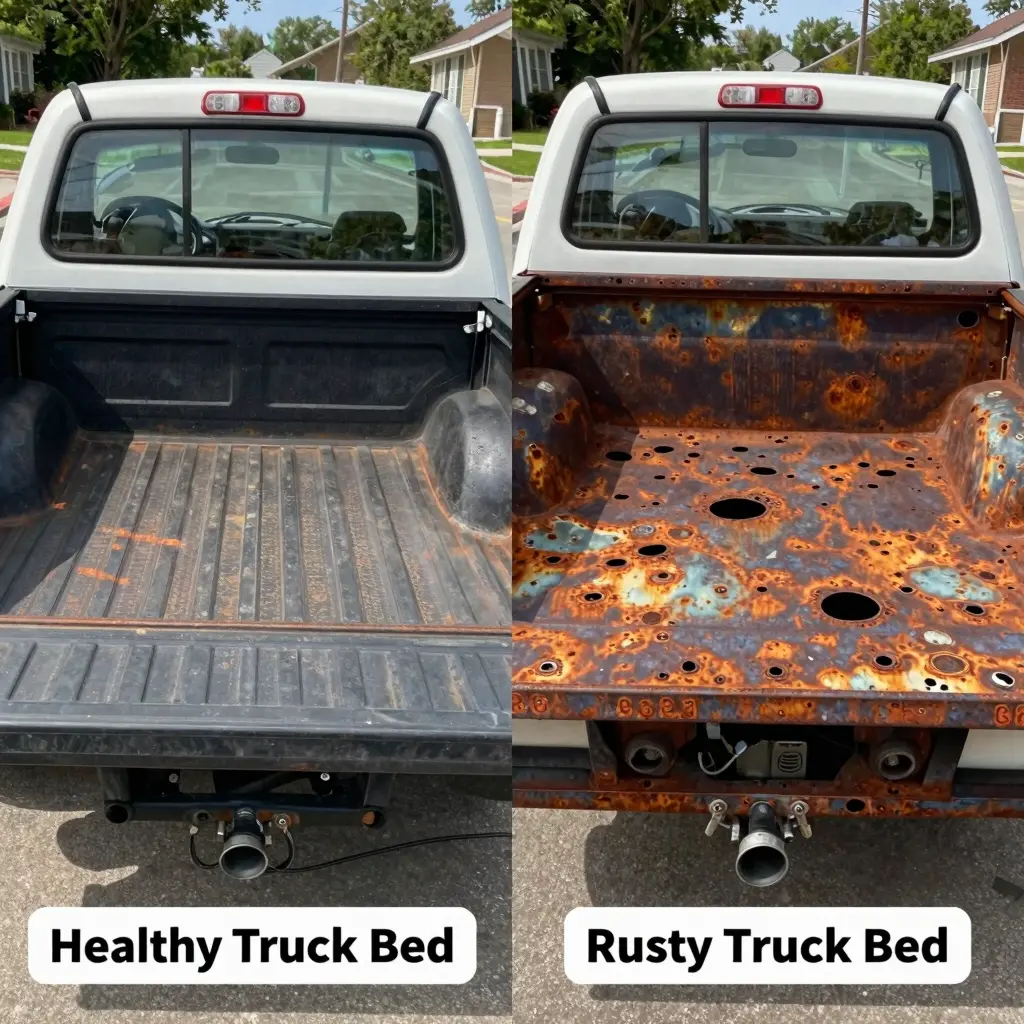
Assessing the extent of damage caused by a rust hole in a truck bed is a critical task for maintaining the integrity and functionality of the vehicle. Begin the inspection by visually examining the truck bed for any signs of rust, discoloration, or structural weakness. Pay specific attention to areas where moisture and debris are likely to accumulate, as these spots are more prone to rust development. Gently tap the rusted area with a hammer; if the sound is dull, it may indicate significant corrosion beneath the surface. Next, using wire brushes or sandpaper, carefully remove any loose rust to reveal the true size and severity of the damage. Measure the dimensions of the rust hole or affected area to assess whether it can be repaired or if more extensive actions are needed. Documenting the size and location of the damage can help in planning the repair process effectively. When diagnosing the severity, consider the depth of the rust; if it has penetrated through the metal, a patch kit or replacement panel may be necessary. Regular inspections can help fleet managers and trucking company owners mitigate further corrosion, ultimately leading to informed decisions about how to repair rust holes in truck beds and maintain their fleet’s long-term reliability. For additional guidance on maintenance strategies, learn more about effective fleet management practices.
“Rust can silently degrade a truck bed, leading to structural issues and costly repairs. Regular maintenance and protective measures, like using bed liners, are essential to prolong the lifespan of the vehicle and prevent future rust damage.”
- Expert from Norstar Company
This expert opinion emphasizes the need for proactive maintenance to avoid rust and its associated problems, which is crucial for fleet managers, trucking company owners, and operators in the construction and mining industries.
Comprehensive Repair Methods for Rust Holes in Truck Beds
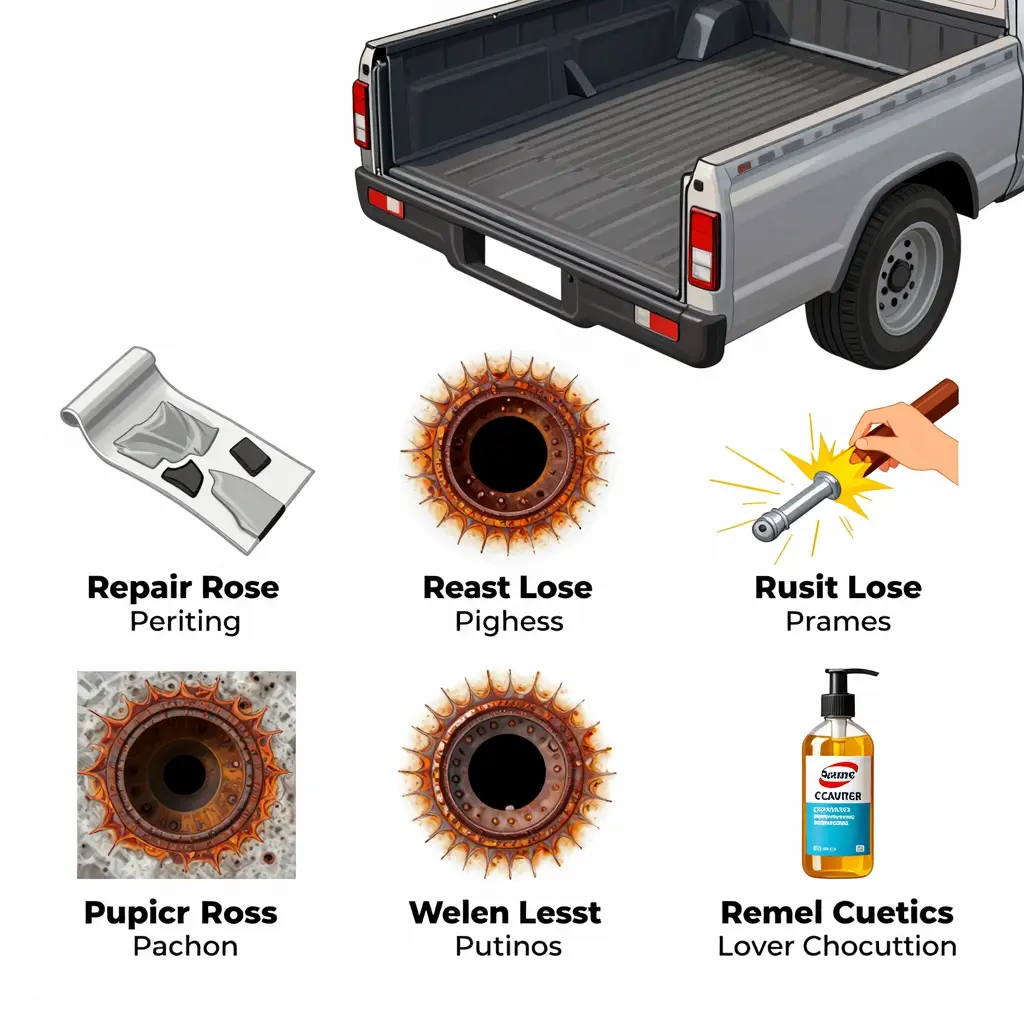
Rust holes in truck beds can severely affect the functionality and aesthetics of vehicles, especially for enterprises managing fleets. Repairing rust holes is essential to extending a truck’s lifespan and maintaining its value. Here, we explore three effective methods for repairing rust holes: patching with fiberglass, welding, and using rust converter solutions. Each method has its own pros and cons, making it crucial for fleet managers and trucking company owners to understand these options.
1. Patching with Fiberglass
Patching rust holes with fiberglass is a practical, budget-friendly option often favored for its simplicity and durability.
Pros:
- Cost-Effective: Typically cheaper than welding and does not require specialized skills.
- Easy Application: Can be done without heavy machinery or advanced training; suitable for DIY enthusiasts.
- Flexibility: Ideal for filling irregularly shaped holes and can be applied in layers for added strength.
Cons:
- Longevity Concerns: While fiberglass repairs can last, they may not be as permanent as welding solutions.
- Requires Drying Time: The curing process can add time to the repair, necessitating downtime for the truck.
For more in-depth guidance, check out this comprehensive tutorial.
2. Welding
Welding is a more permanent solution for rust holes and is often recommended for severe damages that compromises structural integrity.
Pros:
- Durable Repair: Welding provides a solid bond, making it one of the most reliable repair methods.
- Restores Structural Integrity: Ensures that the truck bed maintains its strength and usability.
Cons:
- High Skill Requirement: Requires professionals trained in welding to ensure safety and effectiveness.
- Costly: Generally more expensive than other methods, especially if performed by a skilled tradesperson.
To understand more about this method, read further here.
3. Rust Converter Solutions
Rust converters are chemical treatments that can be applied directly to the rusted areas, converting rust into a stable surface.
Pros:
- Preventative Measure: Can stop rust from spreading further and protect surrounding metal.
- Ease of Use: Simple application process-just brush or spray onto affected areas.
Cons:
- Temporary Fix: Does not fill holes; rather, it stops further corrosion, meaning it is best used in conjunction with other repair methods.
- Limited Aesthetic Appeal: May require additional paint or covering to ensure a finished look.
Conclusion
Each method for repairing rust holes in truck beds offers unique advantages and disadvantages. For fleet managers and trucking company owners, the choice of approach may depend on budget constraints, the severity of the damage, and the required longevity of the repair. It’s advisable to assess the rust damage thoroughly and consider both immediate needs and long-term maintenance costs.
For routine maintenance tips and budgeting strategies, check our article on budgeting for routine truck maintenance.
Recommended Rust Repair Products for Truck Beds
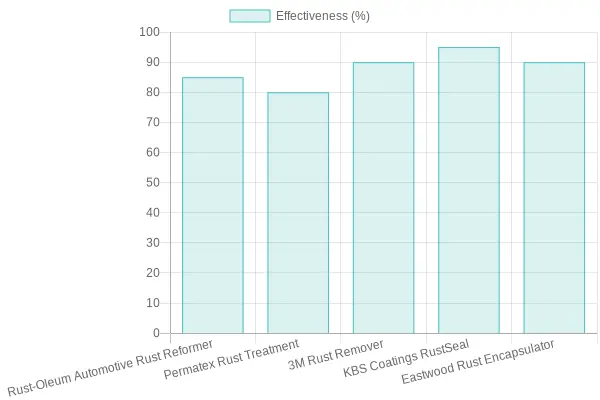
When managing a fleet or operating heavy-duty vehicles, maintaining the integrity of truck beds is crucial. Rust repair products can save costs and prolong the lifespan of vehicles. Below is a comprehensive comparison table of various rust repair products available on the market:
| Product Name | Price ($) | Effectiveness (%) | Application Method |
|---|---|---|---|
| Rust-Oleum Automotive Rust Reformer | 15.00 | 85 | Spray |
| Permatex Rust Treatment | 13.95 | 80 | Brush |
| 3M Rust Remover | 18.99 | 90 | Spray |
| KBS Coatings RustSeal | 25.99 | 95 | Brush |
| Eastwood Rust Encapsulator | 22.00 | 90 | Spray |
These products come in various forms, such as spray and brush application methods, which suit different preferences and repair scenarios.
Analysis of Rust Repair Products
- Rust-Oleum Automotive Rust Reformer: A reliable budget option, known for its spray application making it easy to cover larger areas quickly.
- Permatex Rust Treatment: Offers a somewhat lower effectiveness but is ideal for tighter spaces due to its brush application.
- 3M Rust Remover: High effectiveness with a convenient spray form suitable for extensive rust patches.
- KBS Coatings RustSeal: While more expensive, it boasts the highest effectiveness, making it a preferred choice for demanding repairs.
- Eastwood Rust Encapsulator: Balances effectiveness and price, making it suitable for regular maintenance.
These products allow fleet managers and operators to choose rust repair solutions that best fit their needs while considering routine truck maintenance to prevent future issues.
Summary of User Reviews on Rust Repair Products
Rust repair is a critical task in maintaining the durability and appearance of heavy-duty vehicles, particularly for fleet managers, trucking company owners, and construction operators. With many products available, understanding their effectiveness can help in making informed choices for repairs.
Pros and Cons of Popular Rust Repair Products
- Corroseal Rust Converter
- Pros:
- Highly praised for its effectiveness in halting rust progression.
- Acts as a primer, making it a multi-functional tool for repair and preparation for painting.
- Users report a simple application process and rapid drying time.
- Cons:
- Some users experienced issues with inconsistent results depending on surface preparation.
- The price point may be higher than some other alternatives.
- Rust-Oleum Rust Reformer
- Pros:
- Effective at converting rust into a paintable surface; ideal for aesthetic repairs.
- Users commend it for its ease of use and the fact that it requires no sanding.
- Good adhesion on various surfaces, making it versatile.
- Cons:
- Some reviews mention limited long-term effectiveness, with rust returning after a few seasons.
- Requires top coating for optimal durability.
- POR-15 Rust Preventive Coating
- Pros:
- Known for providing long-lasting protection against moisture and rust.
- Excellent for high-use areas on trucks where protective barriers are needed.
- Users appreciate the tough, weather-resistant finish it provides.
- Cons:
- Application requires thorough surface preparation, which can be time-consuming.
- More difficult to clean off skin and tools compared to other products.
User Feedback Insights
In general, reviews highlight the significance of properly preparing surfaces before application, as this is often cited as a key factor in achieving good results. Most users emphasize the need for products that provide both immediate rust prevention and long-term protection, aligning with industry demands for reliability in maintenance tasks.
According to the analysis of feedback, role-specific products such as rust converters can save considerable time and effort during the repair process. As seen in many fleet operations, employing effective rust management solutions can enhance not only the lifespan of vehicles but also maintain their resale value.
Conclusion
Selecting the right rust repair product hinges on understanding user experiences, particularly those in the heavy-duty trucking sector. For fleet managers and trucking company owners, it is prudent to invest in products proven through customer satisfaction and effectiveness to ensure long-term vehicle maintenance and operational efficiency.
For more insights on how to maintain your fleet effectively, you might consider reading about budgeting for routine truck maintenance or optimizing fleet size and maintenance for small fleets.
Average Costs for Repair Methods
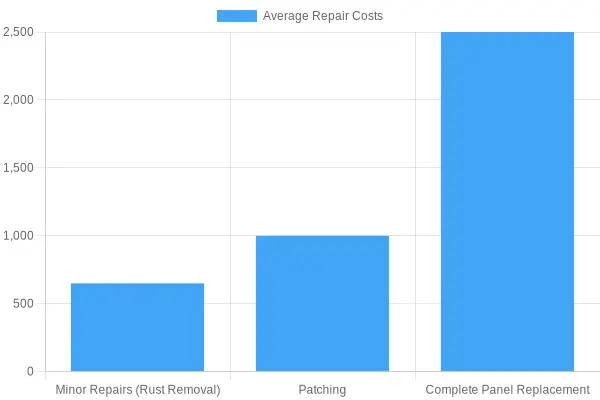
Repairing rust holes in truck beds can vary significantly in cost, depending on the repair method chosen. This bar chart demonstrates the average costs associated with different repair methods:
| Repair Method | Cost Range |
|---|---|
| Minor Repairs (Rust Removal) | $500 – $800 |
| Patching | $800 – $1,200 |
| Complete Panel Replacement | $2,000 – $3,000 |
For more in-depth knowledge on budgeting for maintenance, you can learn more about effective budgeting for routine truck maintenance.
Understanding these costs can help fleet managers and trucking company owners make informed decisions when it comes to maintaining their vehicles and avoiding further damages. Evaluate the extent of the rust damage and choose the most cost-effective solution that aligns with your operational needs.
Conclusion and Call to Action
In conclusion, addressing rust holes in your truck bed is not just an aesthetic concern; it’s a crucial aspect of maintaining your vehicle’s functionality and safety. Neglecting such repairs can lead to further deterioration, potentially compromising the structural integrity and value of your truck. As outlined in various studies, timely vehicle repairs are essential to prevent hidden damages that become costlier over time, and protect against safety hazards on the road (Estes Collision, The Auto Man).
Summit Fairings offers top-quality repair solutions designed to restore your truck’s appearance and extend its lifespan. Our expert team is equipped to handle all types of repairs efficiently, ensuring that your fleet remains operational and safe. Don’t wait for minor issues to escalate-contact us today and let us help you maintain the reliability and appearance of your trucks. Your fleet’s performance depends on it!