For fleet managers, trucking company owners, and logistics providers, securing reliable truck repair is critical to maintaining operational efficiency. The right repair shop not only ensures your fleet remains roadworthy but also contributes to minimizing downtime and costs. This article outlines effective methods to identify quality truck repair shops nearby, focusing on three critical strategies: leveraging online platforms, gathering testimonials and recommendations, and utilizing mapping apps. Each approach provides valuable insights tailored to your specific operational needs, empowering you to make informed decisions that enhance your fleet’s reliability and performance.
On the Map and Under the Hood: Finding a Truck Repair Shop Near Me Through Online Platforms
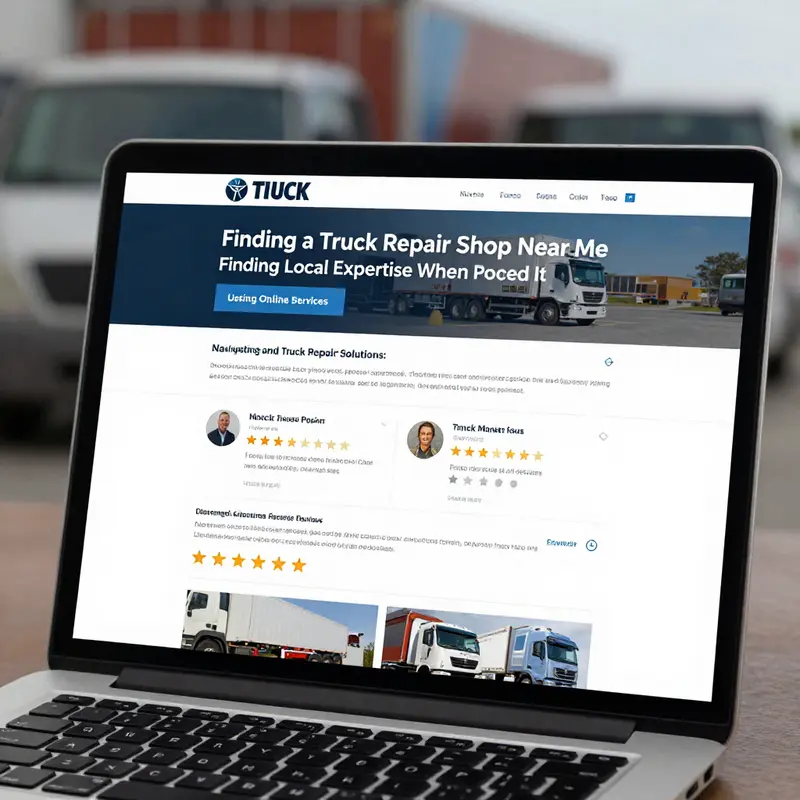
The moment the engine coughs, a trip that was already long can feel longer. A truck in need of repair sits like a stubborn mile marker on the highway, demanding not just a fix but a reliable plan. In a landscape where speed and dependability dictate profit, the choice of where to get service matters as much as the service itself. The modern trucker navigates this terrain with a blend of instinct and information, a careful balance of road sense and digital sense. The chapter begins not with a shop name or a roadside billboard but with a bigger map—an expanded map that sits in the pocket, in the cab, and in the mind. Online platforms have changed the way drivers find what they need, turning a harried search into a purposeful, data driven process that aligns with the rhythms of long hauls and tight schedules.
What makes online platforms so powerful for locating a truck repair shop near you is the way they aggregate and filter information in real time. A truck driver may start with a simple question, the kind that can decide a route or a recovery: where is the nearest shop that can handle a heavy duty engine, a brake issue, or a cooling system emergency? The answer in the digital age comes not from a single yard sign or a whispered recommendation along a line of CB chatter, but from a network that spans miles and methods. Specialized apps tailored to the needs of truck drivers connect people with certified technicians, repair facilities, and on road rescue services. These tools work by combining geolocation data, service eligibility, technician availability, and user feedback into a concise signal: where should I head now, and what are my chances of getting back on the road quickly?
The simplest advantage of online platforms is speed, but speed alone does not guarantee quality. The immediacy of a fix can tempt drivers to assume that the closest option is also the best option. Yet reliability remains a function of several layers: the knowledge base that supports technicians, the depth of the shop’s experience with heavy duty fleets, the transparency of pricing, and the consistency of communication from start to finish. A robust digital platform offers more than a directory. It provides a troubleshooting thread, an idea of what might be wrong before a technician arrives, and a history that can be consulted later for maintenance planning. A driver can post the symptoms—engine warning light, slipping transmission, brake pedal softness, overheating—that describe the fault, and receive responses from qualified professionals who can guide a preliminary assessment, propose an approach, and map out the best route to a repair site. This is not merely about locating a shop; it is about starting a repair with a plan.
Within the landscape of online tools, there are two kinds of digital assets that shape the decision process. The first are specialized platforms built for the truck community. These platforms are engineered to address issues that common consumer repair networks may overlook. They host databases of repair manuals for large models, troubleshooting pathways that can be consulted before a technician is dispatched, and interfaces that translate mechanical language into actionable steps for drivers who must decide whether to tow, to limp to the shop, or to request roadside assistance. When an issue is as specific as an air brake system fault or a turbo charger hiccup, having a ready reference can save valuable minutes and reduce the risk of misdiagnosis. The second kind of asset is the more generalized mapping and navigation layer that most drivers already rely on. Mainstream map apps and city service portals keep the route information current, supply hours of operation, and show user generated feedback that hints at the quality of service. The synergy of these tools creates a network in which a driver can move from search to triage to service with a fluidity that used to be possible only through word of mouth and field experience.
In this evolving ecosystem, a particular value emerges: the ability to prepare for repair even before the first technician arrives. The best platforms empower drivers to access a library of repair manuals, to review common failure modes by truck model, and to walk through a diagnostic sequence that narrows the field. This is the difference between a guess and a plan. It reduces the risk of miscommunication, speeds the initial assessment, and helps keep the fleet moving. A driver can compare potential workshops not only on distance and price, but on whether the shop can handle the specific make and model, whether they have the right diagnostic tools on hand, and whether they offer flexible arrangements for parts procurement and on site labor. In practice, this translates into a decision framework that balances urgency, reliability, and cost.
The experience of using online platforms often begins with a practical action: posting a request for help. A driver describes the fault, attaches brief symptom notes, and marks the location. The platform’s smart algorithm then broadcasts this request to nearby technicians who are certified to work on that class of vehicle, within a plausible response radius. The results arrive as a stream of potential responders, each with a profile that includes the scope of their credentials, the typical turnaround times, and a thread of customer feedback. Real time tracking lets the driver observe the technician and route as they close the distance, much like a ride hailing service but designed for the heavy duty world. The ability to track location, estimate arrival, and view the service history of the truck within the same system creates a sense of continuity that was often missing in the era of paper maintenance logs and ad hoc towing calls.
The value proposition does not end at the first response. A mature platform becomes a bridge between field knowledge and in shop execution. The integration of a repair manual library into the platform means a technician can pull up the precise steps recommended for a given engine model, a brake system variant, or a cooling circuit. This integration is not about replacing the technician; it is about enhancing the collaboration between driver and shop. The driver gains confidence from having a shared reference point, and the technician benefits from having immediate access to the vehicle’s history and the driver’s notes. The platform can log a detailed service history across multiple visits, creating a reliable timeline for fleet managers and owner operators who must manage wear, parts life cycles, and preventative maintenance windows. In this sense, online platforms contribute to a more predictable maintenance culture, where decisions are informed by data as much as by experience.
Beyond the specialized tools, mainstream navigation and city service platforms still play a crucial role. They provide the general orientation—the best driving routes, traffic-aware plans, and up to date hours—while the truck specific platforms supply the technical context. This layered approach mirrors how seasoned drivers work in practice: they use the map to orient themselves, the platform to identify capable repair resources, and their own knowledge to decide when a stop is necessary and which shop offers the right combination of speed, skill, and pricing. In many corridors that connect major logistics hubs, the most effective strategy is to triangulate among these sources. A driver might verify an adjacent shop using the city service auto repair search, compare the distance and the operating hours, and then consult the specialized app to confirm the shop’s readiness for a given model and fault code. The result is not a single yes or no answer but a set of options, each with its own tradeoffs, from the fastest route to the most comprehensive diagnostic capability.
In the midst of this technologically enabled search, one recurring truth anchors the decision: reliability remains the non negotiable. A platform can point to a dozen nearby shops, but only a subset will consistently deliver high quality service, fair pricing, and transparent communication. The online experience should reflect the real world, where a shop’s reputation is earned through repeated performance, not merely through marketing or proximity. Users learn to look for certain signals: how quickly the shop responds to inquiries, whether they provide a clear estimate and scope of work, whether they maintain a robust parts supply for common heavy duty models, and whether their technicians demonstrate up to date credentials and clear safety practices. The more a platform captures and presents these signals, the more it supports drivers in making choices that minimize risk and maximize uptime.
A practical, day to day approach to finding a truck repair shop near you begins with a disciplined evaluation of two questions: how soon can I get back on the road, and how likely is the shop to fix the problem right the first time. The answers are nested in the platform’s ability to match urgent need with qualified responders and in the shop’s track record for similar faults. For a driver who values a predictable repair cycle, it is wise to cross reference a few data points. Check the anticipated arrival time, the technician’s credentials and the shop’s specialization for the vehicle’s make and model, and review recent service history entries to gauge consistency. If a fault lies in a subsystem with known failure patterns, the driver may want to ask the platform for a technician with proven experience in that area and, where possible, request a diagnostic diagnostic that aligns with the symptoms. The aim is not only to repair the current fault but to establish a plan to reduce the likelihood of recurring issues during the remainder of the trip or the fleet cycle.
An equally important feature of digital platforms is the capacity to facilitate communication and follow through. A good system provides timely updates on the status of the repair, including when the technician is on site, what tasks are being performed, and what parts are being used. Transparent communication reduces uncertainty and helps drivers manage schedules that hinge on door to door service times. In practice, this can mean the platform sending a mid repair status alert, a completion estimate, and a summary of the work performed, which a fleet manager can store in the vehicle’s service history for future reference. The narrative of the repair becomes accessible to anyone who needs to know what was done, why it was done, and how the decision was reached. This level of traceability is especially valuable for fleets that must demonstrate compliance with maintenance standards or who rely on a shared pool of rigs across multiple routes.
It is also worth noting how these tools encourage proactive maintenance planning beyond the current crisis. As drivers experience the benefits of having a repair history and a predictive understanding of parts wear, they increasingly shift from reactive to preventative maintenance. The platform can surface patterns—such as recurring brake pad wear within a certain mileage range, or radiator hose degradation under a given climate—that inform more strategic decisions about scheduling inspections and stocking parts. For a fleet, this translates into cost savings, reduced downtime, and a smoother revenue cycle. The interface that stores and analyzes these patterns becomes a quiet partner in the operational discipline of trucking. A driver can look back at the last six to twelve months of service records and identify when to align preventive maintenance with upcoming routes, rather than letting a breakdown dictate the schedule. This is where the digital dimension truly adds value, by turning a one off roadside fix into a lever for ongoing reliability.
The decision to Trust an online platform does not eliminate the need for human judgement. Rather, it complements it. A seasoned driver will still perform a quick cursory inspection of the vehicle before and after any roadside repair, will verify the parts used or recommended by the technician, and will cross check the shop’s rating with newer feedback. The digital tools do not replace the physical act of verifying the repair; they augment it with data, history, and speed. In that sense, the best practice is to blend the instinct honed by years on the road with the evidence gathered by digital platforms. The road is dynamic, and the repair ecosystem is dynamic as well. The combination yields a response that is both timely and trustworthy, one that preserves the momentum of the journey and the safety of the crew.
For those navigating the network of options, one practical step is to plan ahead. Build a short list of shops that have shown consistent performance with your vehicle type and within a reasonable distance from common routes. Use the platform to read recent feedback and to confirm that the shop is equipped to handle the model and the fault. Maintain a mental or written note of the estimated turnaround times for common repair categories, so that if a stop becomes necessary, you can quickly compare options rather than negotiating in the moment under pressure. A well curated list becomes a compass, guiding decisions when the unexpected arises. It is this combination of forward thinking, data aided triage, and disciplined maintenance that makes online platforms not just a convenience but a strategic tool for the modern trucking operation.
To readers who want to cultivate a more sustainable approach to maintenance, this is a good moment to consider a practical resource for long term planning. A well designed maintenance plan can begin with a modest investment in routine upkeep and gradually evolve into a comprehensive schedule that minimizes downtime and extends the life of the vehicle. For readers who want to explore this further, the concept of budgeting for routine truck maintenance provides a concrete framework. See budgeting for routine truck maintenance for a practical entry point. The idea is simple: allocate predictable funds for scheduled inspections, parts replacement for wear items, and contingency for unexpected repairs. This planning mindset aligns with the digital toolset, making it easier to anticipate maintenance windows, track expenditures, and measure the impact of repairs on fleet performance over time.
As with any evolving field, the landscape of online platforms continues to change. New features emerge, such as more sophisticated diagnostic interfaces, better integration with fleet management systems, and partnerships that streamline parts supply and warranty management. The best platforms stay close to the realities of the road: they listen to drivers’ feedback, maintain a robust network of certified technicians, and ensure that the information presented is accurate, up to date, and useful in high pressure moments. The value lies not merely in knowing where to go, but in understanding what to expect when you get there. A well chosen online platform turns a potentially stressful breakdown into a well managed sequence of steps that preserves safety, minimizes disruption, and preserves the continuity of the journey. In the end, technology does not replace the craft of truck repair; it makes the craft more reliable by connecting the right expertise to the right job, at the right time.
The broader takeaway for anyone seeking a truck repair shop near me is that digital tools are best used as a supporting cast for good, old fashioned professional judgment. They accelerate the process, provide a breadth of options, and reveal the performance history behind each option. But the human element—experience, communication, and the practical sense of what can be fixed on the spot versus what requires a shop floor conversation—remains central. A driver who blends digital reconnaissance with on site assessment will typically find a repair experience that is faster, clearer, and more aligned with the realities of long distance operations. As routes unfold across days on the road, this combination becomes essential for reliability, accountability, and peace of mind. For fleets and owner operators alike, it is not merely about finding a shop near you; it is about connecting with a network that can respond with competence when the road demands it, and that can keep the wheels turning with honesty and efficiency.
The road never pauses for a moment, and neither does the need for trustworthy repair services. Online platforms today offer a practical pathway to that trust, guiding drivers to the right shops, the right technicians, and the right maintenance decisions. In the end, the choice of where to repair is as important as the choice of where to drive. The map is a tool, the system is a partner, and the repair shop you select becomes a component of your overall plan for uptime, safety, and efficiency. By understanding how these platforms function, how they triage problems, and how they integrate with the broader ecosystem of maps, parts, and service history, drivers can navigate with confidence. The result is not merely a fix for the moment but a sustainable approach to maintenance that supports the entire journey of a fleet and the people who keep it moving.
External resource note: For readers seeking consumer guidance on choosing auto repair services in a general sense, see a widely used consumer information resource linked here to broaden understanding of best practices and common considerations when selecting a repair partner on the road. https://www.consumer.ftc.gov/articles/0075-choosing-auto-repair-shops
Finding the Right Truck Repair Shop Nearby: A Driver’s Guide to Reliability on the Road
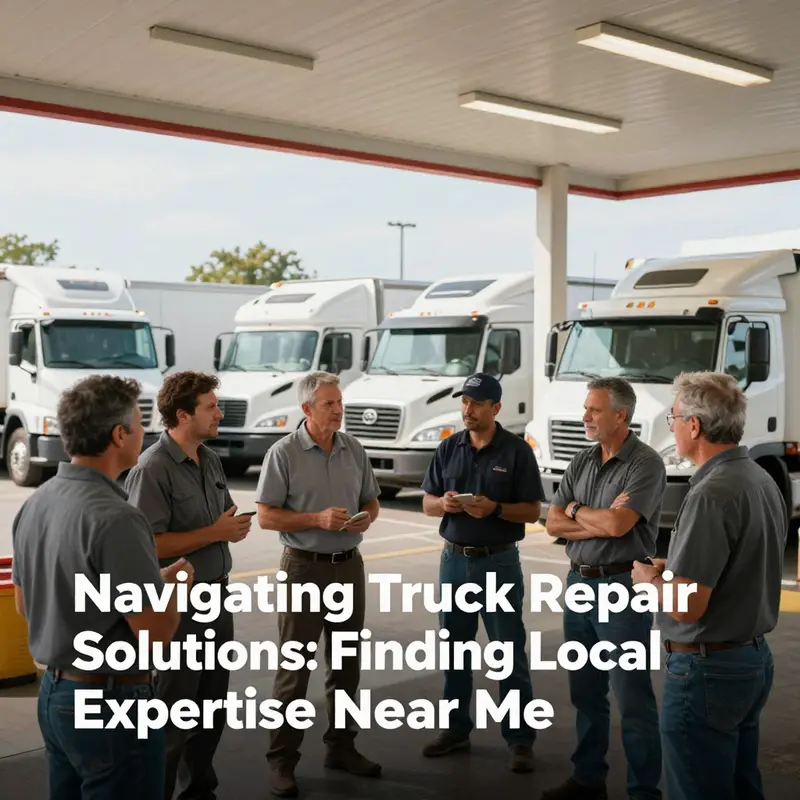
The road never asks for a delay, and neither do the trucks that carry goods across vast corridors of commerce. When a transmission hiccup, a brake warning, or a coolant leak interrupts a run, the quest for a nearby truck repair shop becomes more than a search for a quick fix. It is an exercise in trust, timing, and practical know-how. The chapter you are reading follows a driver’s journey through the practical landscape of locating a shop that can shoulder the weight of a fleet and the responsibility of keeping deliveries on track. It is about how to move from a place of immediate need to a plan for dependable service, and how to build a relationship with a workshop that can become a steady partner rather than a one time stop on a roadside emergency. Throughout the discussion, the goal is not simply to locate the closest shop but to identify a shop that aligns with the vehicle needs, the schedule pressures, and the cost realities that fleets and single operators alike face every month on the road. In other words, the aim is to combine proximity with capability, transparency, and trust so that a repair is less a gamble and more a sound investment in uptime.
The first and most visible factor in finding a nearby shop is proximity. When the engine light flickers or a tire loses air in the middle of a route, a nearby shop is not a preference but a prerequisite. Distance matters not only in miles but in the time it takes to reach a destination, the reliability of the appointment window, and the ability of a shop to accommodate an out of hours call or an urgent tow. But proximity alone does not guarantee quality. A workshop might be close to a truck stop or highway exit yet lack the diagnostic equipment, the technicians with the right certifications, or the shop floor space to handle a heavy vehicle safely and efficiently. The prudent driver or fleet manager recognizes this distinction early. A good starting point is to map out three layers: the first layer is the nearest shops that can accept a vehicle immediately; the second layer includes shops that have demonstrated competence through consistent turnaround times and transparent communication; the third layer comprises workshops that specialize in heavy duty fleets, with the capacity to perform complex repairs, maintenance, or on site preventative programs.
The second layer of the decision framework is capability. Trucks are not generic vehicles; they are tailored for a certain job, with engines and drivetrains that demand specific diagnostic tools and expertise. A shop that can diagnose a general fault but lacks the ability to handle a van chassis or a heavy duty powertrain may still be part of the equation, but only as a meeting point for transferring the job to a more capable facility. The tests of capability are practical and observable. Does the shop have the right diagnostic scanners that fit the series of engines in the fleet? Can they service the braking system on a heavy vehicle with the appropriate weight handling gear, or do they rely on a hand pushed jack and hopeful improvisation? Are their technicians familiar with the common failure modes in the vehicle families that a driver operates? It is reasonable to ask the shop about their on site capabilities, their access to parts in a reasonable time frame, and their process for returning a vehicle to the road with a clear, itemized estimate and a documented plan for the work. A shop that can show you a clear path from diagnosis to repair, and a realistic timeline for a typical job, earns more trust than one that looks busy but cannot outline the steps of the repair.
The third layer is the human layer. The relationship between a driver, a fleet manager, and a shop is built on communication, transparency, and respect. There is a certain odd truth in trucking culture: the shop that reads a route and a schedule with empathy and clarity becomes less a service provider and more a partner in keeping promises. This is not about sentiment; it is about a predictable process. A reputable shop will provide written estimates, spell out parts and labor, and offer a warranty for the workmanship. They will explain what is included and what is not, and they will keep you informed if the work scope expands or the diagnosis reveals a deeper issue. When a workshop takes time to explain and to listen, it signals a professional commitment to quality. When they are upfront about what they can and cannot do—whether a repair requires a dealer level diagnostic tool, or whether a temporary workaround is feasible—they demonstrate not only capability but a practical respect for your schedule and your business.
But how does a driver separate the signal from the noise in a landscape crowded with options? Testimonials and recommendations play a vital role. A single loud endorsement can be persuasive, but the more meaningful signal often comes from patterns across multiple sources. A shop that consistently receives praise for diesel expertise, for timely responses, and for professional conduct tends to deliver repeatable results. The value of reviews is in the aggregate: a high average rating over a span of recent months, accompanied by detailed notes about problem solving and communication, is more indicative of current performance than an isolated glowing post. In practice, this means looking for recent reviews that describe the speed of diagnosis, the clarity of the quote, and the reliability of the repair. It also means paying attention to reviews that describe the shop’s ability to handle urgent situations with calm professionalism, a trait that is crucial when a vehicle is stranded or when a delivery window is slipping.
The social dimension of finding a nearby truck repair shop also includes peer recommendations. Fellow drivers and fleet managers bring decades of on the road experience, and their endorsements carry weight because they come from lived situations. When a driver with a similar route or a similar fleet profile vouches for a shop, that recommendation often carries more trust than an anonymous online rating. The peer network can provide nuanced context: did the shop communicate clearly during the repair, or did they surprise the driver with unexpected costs at the end of the job? Was the repair completed within the promised window, or did delays cascade into missed appointments? These questions reveal not just whether a shop can fix a problem but whether they align with what you value most in a repair relationship: predictability, honesty, and accountability.
In practice, a driver will often supplement online testimonials and peer referrals with a visit or a phone call to the shop. The first contact is revealing in its own right. A shop that answers promptly, speaks with confidence about the capabilities of their technicians, and asks clarifying questions about the vehicle and the issue is already signaling a professional posture. A good sign is the willingness to offer a rough diagnostic plan and a preliminary estimate based on the information provided, without demanding an upfront payment for a complete inspection that may or may not be necessary. This is not a license to avoid formal inspection; rather, it is a sign that the shop respects your time and your need for cost visibility. It is also reasonable to request a written estimate after a quick on site check, and to ask for a defined scope of work and a defined warranty period for the repair. The more a shop can articulate a path from problem to solution with clarity and fairness, the better positioned they are to become the go to partner for ongoing maintenance and repairs.
The practical path to locating the right shop naturally extends beyond reputation and proximity. It includes how the shop handles the process from diagnosis to repair in the context of a fleet’s specific needs. For instance, if a driver operates across a network of routes with time windows and tight schedules, the ability of a shop to arrange a loaner vehicle or to expedite certain repairs during off peak hours can be a decisive factor. The question is not only whether the shop can fix the problem but whether they can fit that fix into a larger plan that minimizes downtime. A shop that offers an option for on site maintenance programs or semi portable service equipment, where feasible, can help a fleet stay productive even when a full workshop visit is necessary. This is especially valuable for regional operators who rely on consistency and regular maintenance intervals to extend the life of their equipment.
To translate these criteria into a practical workflow, many drivers begin with a local scan of nearby option sets. They identify shops within a reasonable driving distance and then filter by capabilities that matter most for their vehicle types. They look for shops that can do heavy duty diagnostics and that have a robust inventory of common parts or quick access to reliable supply channels. They seek out shops with clear communication practices and transparent pricing policies, and they verify whether the shop has a track record of completing jobs within the quoted windows. Even when an issue seems straightforward, they plan for the possibility that the diagnostic reveals a more complex root cause that will require additional time and resources. The mindset is skeptical but constructive: assume that a repair will need a detailed plan, and then look for the shop that can deliver that plan with confidence.
In this landscape of consideration, the idea of an emergency repair fund emerges as a practical tool. Many operators cultivate a reserve that can cover unexpected repairs or the costs that come with reparative work that is necessary to keep trucks in service for the long term. Building this fund, whether as a fixed monthly amount or as a contingency in the fleet budget, reduces the stress of sudden repairs and preserves the ability to act decisively when a breakdown occurs. The best shops respond not with panic but with a calm, methodical approach to solving the problem. They propose a plan, they provide a quote, and they follow through with transparency about any changes in scope or schedule. In turn, drivers feel more confident in their choice because they see a credible plan aligned with their operational realities.
As the conversation about proximity, capability, and trust deepens, it becomes clear that no single factor alone determines the right choice. It is the combination of a reasonable distance, the right technical possibilities, and a culture of clear communication that makes a shop a dependable partner. For fleets running predictable routes, a consistent partner with established processes can reduce the daily friction of maintenance, while for owner operators, a nearby shop that respects their time and explains costs in plain language can be the difference between a late delivery and a successful schedule. The test of any shop is not a one off repair but a pattern of performance over time: how well do they diagnose, how clearly do they communicate, and how consistently can they deliver on what they promise? The most resilient workshops earn that resilience by earning trust through repeated positive outcomes, not by a single successful repair or a polished marketing pitch.
With this approach in mind, a driver or fleet manager can also tap into the broader ecosystem that supports a repair decision. A well connected shop often has relationships with other service providers who understand the needs of heavy duty vehicles. They may be able to coordinate towing, pre inspection, or post repair tests that confirm the fix. They may also be able to provide guidance on preventive maintenance programs that reduce the odds of future breakdowns. Those programs can be tailored for fleets of different sizes and for different operating profiles, from long hauls to regional deliveries. A shop that can discuss a maintenance calendar, the intervals between service checks, and the anticipated life cycle of common components demonstrates not only technical competence but a forward thinking approach to reliability that is highly valued in today’s logistics environment.
In the end, the search for a truck repair shop near you is less about finding a single answer and more about building access to a reliable system. It is about knowing where to turn when the truck pulls to the shoulder and having a plan for how to get back on the road with minimal disruption. It is about gathering the signals that indicate competence and integrity, and about cultivating a network of trusted partners who understand the unique demands of trucking work. The stories behind reliable shops exist in the shared experiences of drivers, in the patterns of positive and constructive feedback, and in the quiet, consistent performance that becomes visible only after months of service. When you find that shop, you do not merely fix a problem in that moment. You gain a partner who helps you protect your schedule, safeguard your equipment, and maintain the reliability that your customers expect. If you want deeper guidance on practical strategies, you can explore resources in our broader hub, where practical maintenance topics and fleet management insights live together in a single, searchable space. mastertruckrepairllc blog
Testimonies and recommendations, when viewed through the lens of everyday use, are more than anecdotal anecdotes. They function as a map of what to expect from a shop under stress, and they shape a cautious optimism about what a good repair experience can be. A driver may read a sequence of notes about rapid diagnosis, straightforward pricing, and clear communication and feel a growing sense of confidence about the shop’s ability to handle a future issue with the same level of professionalism. Even a well informed driver will still prefer to walk the lot, watch the workflow, and ask the right questions in the moment. But the overall lens remains the same: proximity plus capability plus trust, observed through the eyes of those who rely on trucks to move goods day after day. The aim is not to be the loudest voice in the parking lot but to be the most reliable one when the clock is ticking and the route depends on getting back on track. The road is long, and every mile matters. A good repair shop near you makes that road less intimidating and more predictable, turning what could be a moment of stress into a manageable, well handled phase of the journey. In this sense, the search is less about location alone and more about building a local network that you trust to keep you moving. External validation, peer insight, and a transparent process together create a practical, durable basis for choosing a workshop that stands up to the demands of modern trucking.
For further practical guidance and to explore related resources on maintenance and repairs, consider visiting the dedicated resource hub linked in this chapter. It provides a steady stream of practical articles and checklists to help you plan maintenance, estimate costs, and think through emergency scenarios before they arise. External evaluation and local knowledge together form the backbone of a robust maintenance strategy that serves both solo operators and larger fleets. As you continue your search, keep the focus on three anchors: can the shop diagnose and repair the specific vehicle you drive, can they schedule and execute repairs within your required time frame, and can you rely on transparent communication and fair pricing throughout the process. With these anchors in place, you will be well on your way to establishing a dependable repair partnership that travels with you on every mile of the road ahead. To stay connected with these ideas and to browse related topics, visit the internal hub linked above. And when you need a broader, independent perspective on customer outcomes and industry standards, you can consult established external resources that review business practices and consumer experiences across the repair landscape. This approach keeps you informed and prepared, reducing risk and reinforcing uptime as a core operating value for your fleet or your solo trucking venture.
External resources note: for independent verification of consumer outcomes and business practices in the repair ecosystem, you may consult credible consumer review and rating platforms available online. This external reference is provided to complement the guidance in this chapter and to encourage due diligence when selecting a shop for frequent, ongoing maintenance needs. https://www.bbb.org/
Navigating the Digital Road to a Reliable Fix: A Deep Dive into Mapping Apps for Finding a Truck Repair Shop Nearby
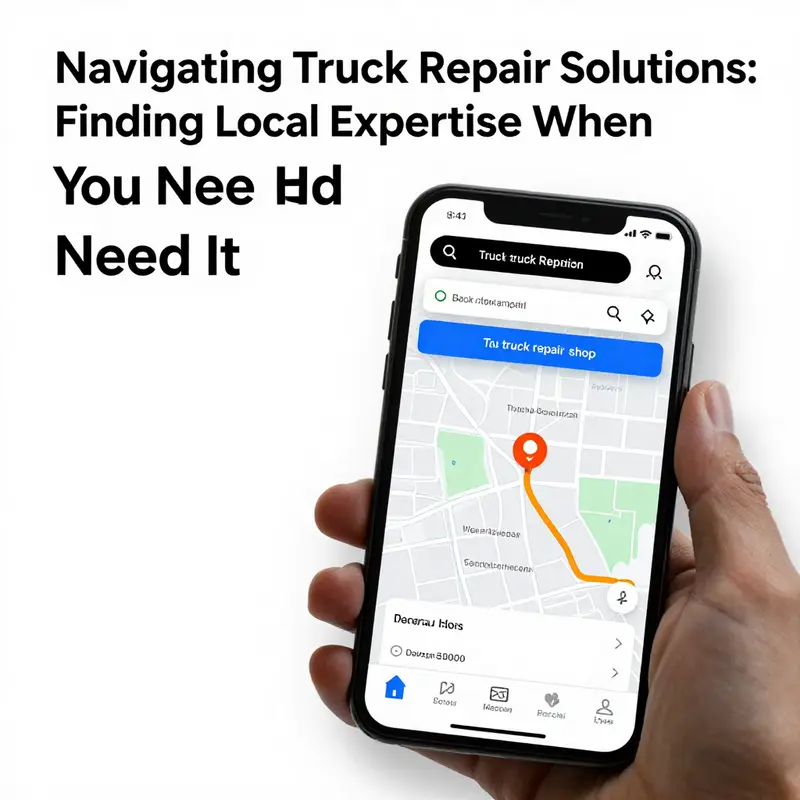
The hum of the engine, the glow of warning lights, and the sudden realization that the next 300 miles will test more than just your stamina—these are the moments when a trucker learns to trust a map more than a planned timetable. When you are under pressure on the open road, the first question is practical and urgent: where is the nearest shop that can handle a heavy-duty repair without turning your trip into a saga of delays? In those moments, mapping apps become more than digital aids; they turn into lifelines, guiding you to qualified help while you keep your wheels rolling and your schedule intact. The beauty of this approach lies in its simplicity and its immediacy. You open a map, type a few precise terms, and suddenly a slate of nearby options appears, each with distance estimates, hours of operation, and a quick snapshot of what the shop can handle. It sounds straightforward, but the details hidden in those listings are what transform a potentially stressful detour into a manageable stopover. The aim is not to pick a random repair shop off the screen but to use the app as a thoughtful filtering tool. You want a shop that can handle heavy trucks, has a track record of reliability, and can adapt to the unpredictable demands of trucking schedules. The language in your search is important—keywords such as “Truck Repair Shop,” “Heavy Truck Maintenance,” or “Commercial Vehicle Repair” signal to the app the exact kind of service you need, and the results you get are tailored to proximity, service breadth, and the shop’s demonstrated capacity to work with large vehicles. In this sense, mapping apps function like a modern version of a roadside logbook—except the entries are active, constantly updated, and interactive. They don’t just list a name; they instantly connect you to a shop’s phone line, hours, and directions, and they let you weigh the options with a few taps. The process begins in the cab with the simplest of acts: open the preferred mapping app. Baidu Maps, Amap, Apple Maps, and Google Maps all share a common core capability, yet each offers a slightly different lens on the transport landscape. The user’s choice often comes down to locale and familiarity. In regions where Baidu and Amap have the strongest coverage, drivers will naturally gravitate toward the platforms designed for those ecosystems. In other markets, Google or Apple Maps may provide the most robust cross-border versatility. Regardless of the platform, the user’s intent remains the same: translate a physical problem into a digital search that yields a practical, actionable route to repair. You begin with a concise query. A single phrase can be enough, but the more precise you are, the sharper the results. For instance, you might type “Truck Repair Shop” to surface general service providers, but you may also opt for “Heavy Truck Maintenance” or “Large Truck Repair” if you need a facility with more substantial diagnostic capabilities. The app will then present a curated lineup, typically ordered by distance from your current location. This is the moment where the numbers on the screen begin to translate into real-world decisions. A shorter drive is not always the better choice; the app’s sorting by distance must be balanced against the shop’s stated capabilities, hours, and reputation. The distance metric becomes a guide, not a rule. The next step is to read the shop’s brief listing, which carries the essentials: the business name, address, a rough distance, and a quick peek at ratings or reviews. This is where the narrative of a repair shop begins to emerge. A high rating can signal consistency in service quality, but it is equally important to look at the volume and recency of reviews. A shop with a handful of five-star notes gained recently for a simple oil change may not be the right choice if your needs include diesel diagnostics, brake work, transmission, or suspension repair. Conversely, a shop that shows a mix of positive and constructive reviews can indicate a responsive operation that acknowledges feedback and adapts accordingly. In this stage, the mapping app offers a feature that is especially valuable to heavy-duty operators: the ability to call directly from the listing. A quick tap on the phone icon can connect you to the shop’s front desk or service department, bypassing the need to jot down a number and dial manually. The instant contact is crucial when time is of the essence, such as when you’re on a tight delivery window or in a service corridor where a shop’s capacity is a function of shift changes. The information on the screen often includes business hours, which may be extended or limited by the type of service offered and the day of the week. When a truck is down, those hours matter more than most other business metrics. You might find a shop that advertises 24/7 emergency service, or you may encounter a standard schedule with a note about after-hours calls. Either scenario demands a practical approach: check the hours, call to confirm, and plan the route accordingly. The route feature in the app then takes over, translating the chosen shop’s address into a turn-by-turn path. This is where the navigation engine’s reliability shines. It must consider your current position, weather, traffic patterns, and road restrictions for heavy vehicles. It should also offer contingency routes if your path is blocked by incident, roadwork, or weight limits. In a world where a missing bolt can become a crisis, the route’s beacons—street names, exits, service roads—are not mere guidance; they are a layer of safety that helps you maneuver a large vehicle through unfamiliar terrain. The practical value of the mapping app extends beyond the moment of arrival. If your truck requires a certain diagnostic, this is where the shop’s stated capabilities become a live factor in your decision. Some listings emphasize general mechanical work; others advertise more specialized diesel systems, fuel injection servicing, brake systems, or electrical diagnostics. It’s essential to align your needs with what the shop claims to provide. You should expect to find a clear signal about whether the shop handles on-site repairs or relies on towing for more extensive work. For many fleets, an on-site capability can shave hours or even days off repair time, especially when a breakdown occurs in a heavy-traffic corridor or a construction zone. At this juncture, the app’s value truly becomes evident. It consolidates the information you need into a compact decision package: distance, hours, services, and real-world feedback, all in one glance. Yet even with this bundle, the process is not finished. The next step is to verify the one critical factor that underpins any repair decision: reliability. A quick phone call or a couple of sentences in a chat box can reveal whether the shop can accommodate your equipment, whether they have the right technicians, and whether there are constraints on parts availability. This is where a cautious driver’s habits come into play. You might ask about the shop’s capability with your engine family, the type of diagnostic equipment they use, and their approach to scheduling when demand is high. You may also ask about whether they can provide a temporary, on-site solution or a tow to a fully equipped bay. The aim is not merely to fix the immediate issue but to understand whether the shop can stand behind the repair should an unforeseen complication surface once you’re back on the road. In the same breath, you should consider the broader context of how you discovered the shop in the first place. The digital map is a reflection of the local service ecosystem. It points you toward a cluster of nearby options, often anchored by large auto parks, parts districts, or logistics hubs where repair shops congregate. The physical geography matters. In commercial corridors where trucks routinely pass through, a mapping app’s “Nearby” filter is more than convenience; it’s a doorway to a reliable support network that can respond to the unique tempo of freight transport. The best use of these tools comes from a simple, disciplined routine. Do not rely on one listing alone. Cross-check the shop’s address in the map and on the storefront sign you pass en route. If possible, compare two or three options to see who can offer the fastest diagnostic window, the most straightforward communication, and the clearest plan for the repair. The digital surface can be deceptive if you read it in isolation. Some shops may have polished online descriptions that promise rapid service, but the actual experience depends on whether they have spare parts in stock, qualified diesel technicians, and a chassis that will fit a repair schedule within your rig’s operational constraints. The tension between speed and quality is one that every driver negotiates in real time, and the mapping app helps you balance it by exposing both the promise and the caveats of each option. In moments like these, other sources of guidance may reinforce your decision. Peer recommendations, which you can solicit from other drivers in the same corridor or depot, often confirm what the map already hints at: a shop with a long-standing reputation among truckers for solid work, transparent pricing, and reliable turnarounds is worth prioritizing, even if it costs a touch more than the nearest alternative. The ecosystem around a repair shop—towing services, insurance pathways, and in-house maintenance programs—becomes legible through the app as well. You can see if the shop lists towing contact, if it participates in insurance-driven workflows, or if it operates an in-house quick-maintenance lane that can handle essential fixes without removing your trailer from service for days. Should you have an insurer’s coverage, this is a moment to consider the value of arranging repairs through a vetted workshop. Insurance providers sometimes have preferred partners or preferred-process workflows that minimize downtime and paperwork. Mapping apps help you surface those options by giving you the shop’s contact details and basic service indications, after which you can align with the insurer’s directives. The practical utility of these steps becomes even clearer when you consider the human dimension of trucking. The driver’s role in choosing a repair shop is not just about the machine; it’s about the schedule, the miles, and the responsibility to keep freight moving. The digital tools thus become an extension of the driver’s judgment—their eyes on the ground, their finger on the dial, and their sense of how long a fix will take given the truck’s current load and the day’s traffic. For a pocket decision made in a few minutes, the map delivers a surprisingly robust blend of practical details and experiential signals. It is not only about where to go but how to get there with the least disruption to the rig’s mission. In the broader arc of maintenance and reliability, this approach feeds into a culture of preparedness. A driver who habitually checks a map for the nearest qualified shop builds a mental catalog of trusted partners. They learn which neighborhoods host the best diesel-electric diagnostics teams, which bays are known for efficient alignments, and which shops demonstrate a willingness to provide candid timelines or partial repairs when necessary. It is part of a larger ethos that values speed without sacrificing safety or quality. You may even develop a personal shorthand: a note on the route with a preferred shop for certain kinds of failures, a second backup option for off-peak hours, and a standard set of questions to ask to confirm capability, parts availability, and the possibility of a quick diagnostic. As you weave through these decisions, a familiar refrain may surface: the right repair shop near you is less about proximity alone and more about the alignment of capability, communication, and reliability with your particular fleet and route. The map’s role is to surface options that fit that alignment and to present them in a way that respects your time, your constraints, and your business’s continuity. If you want to deepen the practical knowledge that underpins this approach, consider reading practical maintenance guidance available on the Master Truck Repair blog. It often offers context on evaluating service quality, budgeting for routine maintenance, and planning for unexpected breakdowns in ways that complement the immediate, map-driven decision you are making on the road. You can check it here Master Truck Repair Blog. In the end, the act of locating a truck repair shop near you via mapping apps boils down to a disciplined, human-centered workflow. It is about translating the urgency of a roadside problem into a measured set of search terms, then filtering the results through a lens of experience, reliability, and logistical practicality. It is about balancing speed with accuracy, and always with the goal of getting your fleet back on the road as quickly and as safely as possible. This is not simply a matter of technological convenience; it is a cornerstone of professional trucking today, where the road organization and the maintenance ecosystem must connect seamlessly to support the long, demanding miles that fleets cover. And because the landscape of services is continually shifting, the map remains a live tool, updating as new shops open near logistics hubs and older shops adjust their hours and capabilities. The immediate payoff is clear: you have a set of qualified options at your fingertips, each with the potential to minimize downtime and maximize throughput. The broader payoff, however, is longer-term. Each use of mapping to locate a repair shop compounds your situational awareness, expands your network of dependable partners, and builds a reservoir of experiential knowledge you can draw on in future trips. When you approach the next breakdown, you will not be scrambling for a place to go; you will already know the neighborhoods where you are most likely to find a skilled technician, the shops that welcome late-night arrivals, and the routes that keep you moving even when the clock is unfriendly. The digital road, with its maps and listings, thus becomes a compass that guides not just a single journey but a career built on reliability, efficiency, and prudent decision-making. For readers seeking further insight into how this information connects with broader maintenance strategies, the linked internal resource serves as a practical companion, offering deeper exploration into how drivers can plan for routine upkeep while maintaining readiness for unexpected events. See the Master Truck Repair blog for more on fleet maintenance budgeting and emergency repair funds. External reference for mapping app behavior and nearby services: https://map.baidu.com/#!/search/%E5%A4%A7%E8%BD%A6%E4%BF%AE%E7%90%86%E5%BA%97
Final thoughts
Finding a reliable truck repair shop involves utilizing multiple strategies to ensure operational efficiency and reduce downtime. By leveraging online platforms, seeking out testimonials from fellow professionals, and employing mapping applications, fleet managers, trucking company owners, and logistic operators can make informed decisions about repair services. Each of these methods offers distinct advantages, contributing to streamlined operations and improved resource allocation. As you implement these strategies, remember that the ultimate goal is to maintain your fleet’s integrity and performance, empowering your business to thrive in a competitive environment.