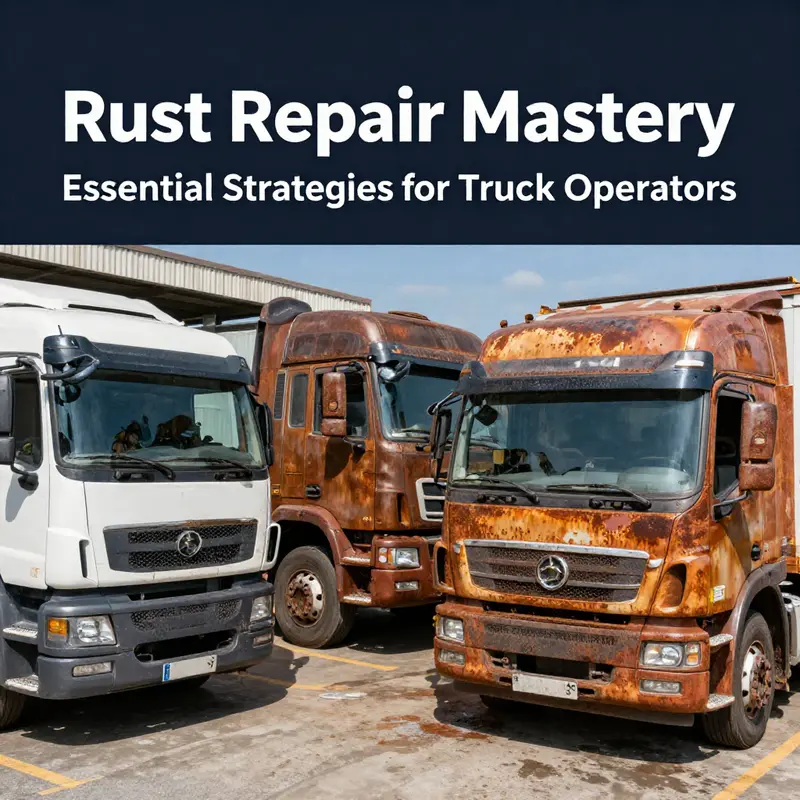
Maintaining a fleet of trucks requires vigilance against the creeping deterioration of rust, a threat to both aesthetics and structural integrity. For fleet managers and trucking company owners, understanding how to efficiently address rust damage is paramount to prolonging the service life of vehicles and minimizing operational disruptions. This article introduces a systematic approach, beginning with assessing rust damage, followed by essential preparation techniques, a detailed repair process, and concluding with proactive maintenance strategies. Together, these insights set the foundation for effective rust management in your fleet.
Mastering the Inspection: A Comprehensive Approach to Evaluating and Repairing Truck Rust Damage
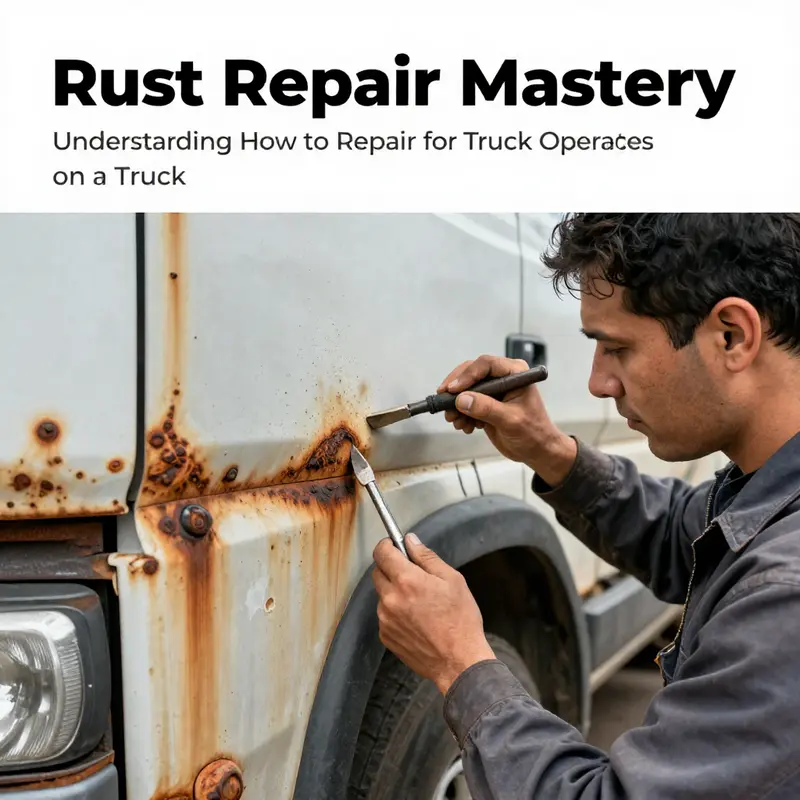
When it comes to addressing rust damage on a truck, the process begins not with hasty repairs but with a careful, methodical assessment. Rust is more than a superficial blemish—it can hide deeper, potentially dangerous degradation in the metal. In this chapter, we explore a comprehensive approach to evaluating rust damage, distinguishing between minor surface rust and severe structural corrosion, and setting the stage for effective repair techniques that protect the truck’s integrity and longevity.
The first step in this journey is a detailed, hands-on inspection of the truck. Under proper lighting and in a controlled environment, the truck’s body should be examined from every angle. The evaluation must cover not only the visible surfaces such as body panels and paint layers but also the less visible parts like the frame rails, wheel wells, door sills, and the undercarriage. These areas are prone to rust because they are continually exposed to moisture, road salt, and debris. Observing the truck, one might notice the subtle reddish-brown discoloration that is typical of surface rust, or more ominously, pitting that reveals small holes or craters in the metal. Even more importantly, one must look for signs like flaking paint and bubbling beneath the paint, which point to rust that is breaching the protective coating.
While a visual inspection is essential, the diagnosis often calls for some basic hands-on tests. Using a tool such as a body probe can help detect soft spots beneath an apparently intact surface. These soft spots may indicate that the metal has weakened, even if the rust is not immediately visible. Similarly, a magnetic thickness gauge can be instrumental in measuring the combined thickness of the paint and primer. Areas showing decreased thickness might reveal past incidents of corrosion or inadequate protection, signaling the need for closer scrutiny.
After this initial investigation, the next task is to determine the severity of the rust damage. Rust can typically be categorized into three types: surface rust, pitting or localized corrosion, and severe structural rust. Surface rust usually appears as superficial spots on the metal and may not have penetrated deeply. This type of rust can generally be remedied by cleaning the area and applying a rust converter that chemically stabilizes the oxidized metal. On the other hand, pitting or localized corrosion suggests that the rust has begun to eat away at the metal, creating small holes that compromise the integrity of the surface. Severe structural rust is the most dangerous, as it affects the core components like frames and structural members, often requiring replacement of entire sections rather than mere patch repairs.
A comprehensive assessment of the damage often benefits from a mix of visual inspections and quantitative methods. Some professionals rely on standardized evaluation systems such as BS EN ISO 4628-3:2024, which provides guidelines on assessing corrosion. Techniques like ultrasonic thickness gauging, which measures the remaining wall thickness of metal components, or even advanced imaging methods like X-ray and laser scanning microscopy, can clarify the extent of internal damage. Though these methods might not be utilized by every truck owner due to cost or accessibility, they offer invaluable insights when severe rust is suspected. For the majority of rust issues that start as surface or localized damage, basic cleaning and observation techniques are sufficient to inform the next steps in the battle against corrosion.
Once the rust has been thoroughly evaluated, the repair process diverges based on the identified severity. For surface rust, the key is to work quickly before the condition worsens. The affected area must first be cleared of loose rust and debris using tools such as wire brushes or sandpaper. In some instances, an electric grinder fitted with a grinding wheel may be employed for efficiency, especially in stubborn areas that resist manual scrubbing. After the loose rust has been removed and the bare metal is exposed, the area should be cleaned with a degreaser or rubbing alcohol. This step eliminates residual dust, grease, or contaminants that might compromise the adhesion of the subsequent protective coatings.
The next step in the repair of minor rust involves the application of a high-quality rust converter. This chemical treatment reacts with any remaining rust, converting it into a stable, inert compound that no longer poses a threat of further oxidation. Once the converter has been allowed sufficient time to dry, a primer that is specifically designed for metal—often a zinc-rich variant—is applied. This primer acts as a barrier, protecting the metal from future corrosion. Finally, the repair is completed with a topcoat of paint that matches the truck’s original color. It is advisable to apply several thin coats, rather than a single thick one, to ensure a durable, evenly distributed finish.
In instances where rust has penetrated deeper, causing pitting or localized corrosion, the repair process becomes more involved. The first step is to mechanically remove all rust products. Tools like die grinders or drills fitted with abrasive bits should be used carefully to eliminate every trace of rust, reaching down to the sound metal beneath. The ensuing challenge is to repair the compromised section. This might involve patching the affected area with a metal filler or even cutting out the rusted segment to replace it with a pre-cut metal patch. In either case, thorough preparation of the area is vital, and the repair must be executed with precision to ensure that the patch blends seamlessly with the surrounding material. After the patch has been installed, the process proceeds with the standard application of a rust converter, followed by a primer and final painting.
When rust damage is severe and affects structural components such as the frame or chassis, the stakes are considerably higher. Structural rust can compromise the safety and reliability of the vehicle, and as such, these repairs are best handled by professionals. In such cases, it might be necessary to cut out the severely corroded segments entirely. Replacement metal pieces, ideally matching the original metal’s properties and thickness, must be fitted into the void left by the removed section. Precision is critical during this process, particularly during welding. Techniques such as MIG or TIG welding are employed to ensure that the new metal is securely and smoothly integrated. The repair does not stop at welding; a meticulous grinding of the weld seam is essential to remove any irregularities. Following this, the same protective layers—a rust converter, a primer, and matching paint—are applied to secure the integrity of the repair and prevent future corrosion.
While repairing rust is a technical and often labor-intensive process, preventive maintenance is the linchpin in managing rust damage over time. One of the most effective strategies for prevention is the application of protective coatings. These treatments, which can include rubberized undercoatings or wax-based inhibitors, provide a formidable barrier between the metal and corrosive elements such as moisture and road salt. Such protective coatings are especially important for trucks that operate in harsh climates or on roads where salt is used in winter. Regular cleaning is another preventive measure that should not be overlooked. After a ride, particularly on salted highways or in rainy weather, the truck should be washed thoroughly. Emphasis must be placed on the undercarriage and wheel wells, as these areas tend to trap moisture and debris that can accelerate rust formation.
Beyond routine cleaning, regular visual inspections remain essential. Often, the earliest signs of rust are minor and easily noticed if one is vigilant. Addressing even the smallest chips or scratches in the protective paintwork can be crucial; these imperfections can allow moisture to seep into the metal, initiating the rusting process. For truck owners who manage their maintenance in-house, being proactive about these issues can save significant repair costs over time. In fact, engaging in regular maintenance checks not only safeguards the truck’s structural integrity but also supports a more efficient budgeting process for routine repairs and preventative treatments. Those interested in detailed guidance on managing maintenance expenses might consider exploring resources such as budgeting for routine truck maintenance, which offers insights into balancing cost with effective upkeep.
The process of assessing and repairing rust is not just about addressing an immediate problem; it is an investment in the long-term durability of your truck. By combining careful, ongoing inspections with precise repair methods tailored to the severity of the rust, truck owners can extend the life of their vehicles significantly. The integration of modern diagnostic techniques, like ultrasonic thickness gauging and advanced imaging, ensures that even hidden areas of corrosion are brought to light. These methods help in developing a complete picture of the truck’s condition, which is vital for planning any necessary repairs or replacements. Whether the issue is as minor as surface rust or as major as structural decay, a systematic approach ensures that every ounce of damage is addressed.
It is also important to note that while some rust repairs can be undertaken by a diligent truck owner with the right tools and a keen eye, others require the expertise of professional auto body shops. When dealing with extensive structural damage, the consequences of an improper repair can be severe, affecting the safety of the vehicle. Specialized professionals bring not only the right equipment for tasks like plasma cutting and precision welding but also the experience necessary to execute these repairs with confidence and care. In cases where doubt exists about the extent of the rust or the repair process, seeking professional advice can be the most cost-effective decision over time, preserving the truck’s value and ensuring road safety.
The significance of proper rust assessment cannot be overstated. Once rust begins to form, it is relentless, continuing to corrode the metal if left unchecked. For truck owners who rely on their vehicles for daily operations, whether it is for hauling goods or performing critical service roles, the implications of rust damage extend well beyond aesthetics. Structural integrity is fundamental to vehicle performance and safety, and even marginal rust can become a larger issue if not managed properly. Routine checks serve as both a preventative measure and an early warning system, indicating when immediate action is needed. In this context, the careful evaluation of rust damage is a critical component in an ongoing maintenance strategy.
Additionally, repairing rust is not solely about restoring appearance but also about reclaiming the lost strength of metal components. As rust corrodes the metal, it gradually chips away at the strength and reliability of essential parts like the frame, bed rails, and other structural elements. By investing time and effort into a detailed assessment, truck owners can ensure that any necessary repairs are done effectively—whether it involves mere surface treatment or comprehensive replacement of damaged parts. Each step, from the initial cleaning and removal of rust to the precise application of converters, primers, and paints, plays a pivotal role in reinforcing the metal. These measures collectively restore confidence in the vehicle’s structural soundness.
In many ways, the process of evaluating rust damage mirrors the mindset of proactive maintenance. It is an acknowledgment that a truck is more than just a tool—it is a complex machine that demands consistent care and attention. With each inspection, small signs of rust can be identified and counteracted before they evolve into more serious hazards. It is this vigilance that forms the cornerstone of effective truck maintenance, ensuring that rust, once a menacing enemy, is kept in check through comprehensive, forward-thinking care.
Ultimately, building a routine that includes periodic inspections, timely minor repairs, and, when necessary, professional interventions is vital for keeping the truck in peak condition. Truck owners are encouraged to consider not only the immediate repair costs but the broader financial benefits of a well-maintained vehicle. By avoiding the escalation of rust damage, they sidestep the more expensive repairs and replacements that arise from severe structural failures. Moreover, maintaining a rigorous inspection schedule contributes to improved safety and a longer vehicle lifespan, allowing the truck to perform optimally even under demanding conditions.
For those seeking further practical insights, a helpful external resource offers a visual demonstration of these repair techniques in a live setting. This tutorial provides detailed guidance on the sequential steps—from cleaning and rust removal to precise welding and finishing touches—ensuring that even novice repair enthusiasts can grasp the fundamentals. More information is available at this tutorial video, which underscores how detailed assessment and careful repairs can restore a truck’s former strength and beauty.
By embracing an integrated approach to rust evaluation and repair, truck owners not only resolve existing issues but also lay the groundwork for preventative strategies that keep rust at bay. In the long run, this proactive methodology reduces maintenance costs, enhances safety, and prolongs the life of a vital asset. The careful attention given to each inspection and subsequent repair reflects a broader commitment to excellence in truck maintenance—a commitment that ensures every mile on the road is backed by the confidence that comes from knowing the vehicle is in optimal condition. In essence, a systematic approach to rust assessment becomes a foundation for a resilient, well-preserved truck that can stand the test of time.
Every truck tells a story, and rust is often a chapter that, if properly addressed, can be edited out of the narrative. Through diligent inspections, understanding the nuances of corrosion, and employing the correct repair techniques, the decline wrought by rust is not irreversible. Instead, it becomes an opportunity to reinforce the strength and longevity of a machine that is central to countless journeys and heavy-duty operations. As you carefully evaluate each rusted speck and each potential weak link, you are not merely executing a repair; you are committing to a philosophy of continuous improvement and safe operation. With commitment to quality repairs and preventive measures, rust becomes a manageable obstacle, one that is systematically identified and countered before it escalates. This mindful process, when integrated with regular maintenance routines, is key to nurturing a truck’s endurance and performance over many years of service.
Mastering the Art of Preparation: Essential Techniques for Frontline Rust Repair on Trucks
When tackling the daunting task of repairing rust on a truck, the foundation of a successful restoration lies in thorough and precise preparation. This chapter delves into the meticulous processes and carefully chosen techniques that set the stage for a long-lasting, professional repair job. It is in this preparatory phase that the blend of the right tools, safety measures, and methodical work habits converge, ensuring that every subsequent step—from rust conversion to welding and final painting—will yield durable results.
A critical first step in any rust repair project is the rigorous assessment of the damage. Rust damage can manifest in several forms on a truck: from surface rust that simply mars the aesthetic by only affecting the paint, to pitting rust that begins to eat deeper into the metal, and in severe cases, structural rust that can compromise not only the looks of the vehicle but also its integrity. Recognizing the extent of the deterioration is essential. Not only does this allow the repair process to be tailored appropriately, but it also helps define the scope of the work that must be undertaken. A thorough inspection will reveal areas where rust has penetrated the underlying metal, and it often becomes apparent that even seemingly minor surface rust can hide a deeper issue if left unchecked.
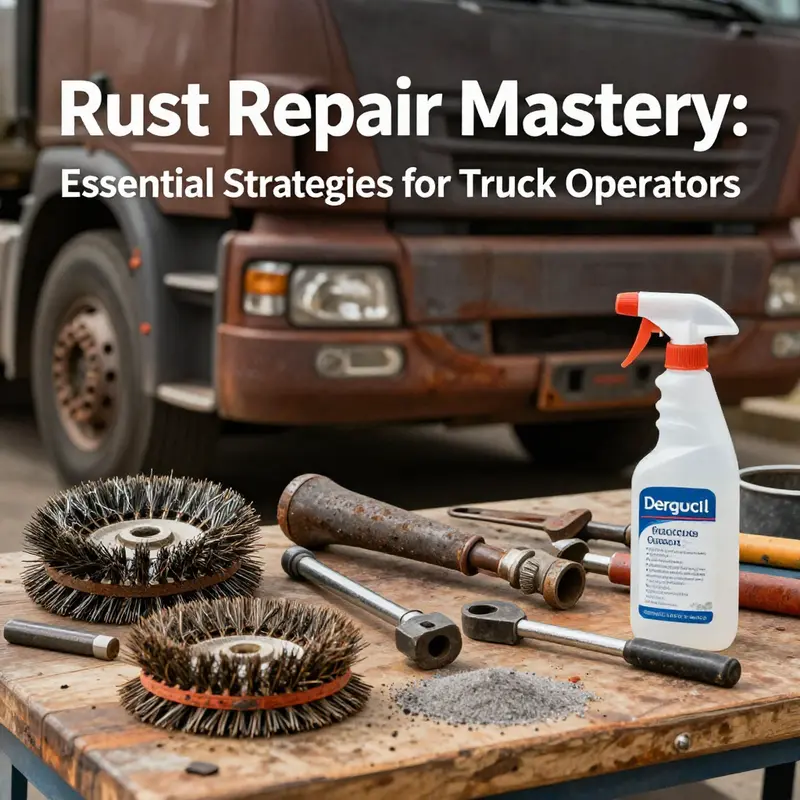
Once the assessment is complete, attention turns to the initial cleaning and rust removal techniques that serve as the bedrock for a successful repair. The process begins with the elimination of loose rust, chipped paint, and debris, a step that must not be rushed. Every flake of rust and every speck of residual paint must be removed with careful precision. At this juncture, the utilization of hand tools such as wire brushes becomes indispensable. The wire brush not only facilitates the removal of flaking material but also helps in revealing the bare metal underneath, which is crucial for ensuring that any chemical treatments can bond effectively. In addition to manual techniques, powered tools like angle grinders and electric sanders have their place in this phase. By using a coarse grit sandpaper—typically somewhere in the range of 80 to 120 grit—the metal’s surface is exposed and rendered ready for the next stage of preparation. Each tool, when employed correctly, peels back layers of degradation and clears the way for the application of rust converters.
One cannot overstate the importance of safety during these abrasive and sometimes dusty tasks. Personal protective equipment plays a pivotal role in ensuring that hobbyists and professionals alike avoid injury and respiratory complications from airborne particles. Heavy-duty gloves protect the hands from sharp edges and hot surfaces, while safety goggles shield the eyes. A high-quality respirator is also recommended, especially when the process generates fine particulates that could be hazardous if inhaled. The integration of these safety practices not only protects you in the moment but also establishes a disciplined, professional approach to car restoration that will serve well in all future projects.
After the physical removal of rust and old paint comes the critical phase of surface cleaning, which is essential for ensuring that subsequent treatments adhere properly. This involves the use of degreasers or rubbing alcohol to wipe down the freshly exposed metal. Removing any residual oil, dust, or particles is paramount because even the smallest contamination can cause adhesion problems later on. The importance of a clean surface can never be overstated—it ensures that rust converters, primers, and paint form a robust, integrated bond with the metal. In some cases, a final wipe with a lint-free cloth provides that extra level of assurance that no debris remains. This attention to detail is what separates a mediocre repair from one that truly revitalizes the truck’s durability and appearance.
With a spotlessly clean, rust-free surface, the next phase in preparation centers on chemical conversion. A highly effective approach to this step is the application of a rust converter. Unlike traditional methods that simply remove rust, a rust converter chemically reacts with the iron oxide and turns it into a more stable, inert compound, effectively neutralizing the rust and halting its progression. This conversion is not merely a temporary fix—it represents an integral part of the strategy to extend the life of the repaired section by forming a protective barrier against moisture and other corrosive agents. Adhering meticulously to the manufacturer’s instructions is crucial during this stage. The chemical treatment must be applied evenly and allowed to dry thoroughly to ensure that its protective benefits are fully realized.
Once the rust converter has done its part, the stage is set for the application of a specialized metal primer. This primer, often enriched with zinc, plays a dual role. It not only further seals the metal against moisture and corrosive agents but also provides an optimal surface for the topcoat to adhere to. Correct priming is the unsung hero of rust repair—it bridges the gap between the raw, treated metal and the final finish, ensuring that the later application of paint holds true over time. It is common practice for professionals to use more than one thin coat, rather than a single thick layer, as this method minimizes the risk of runs, drips, and uneven textures, all of which can detract from the final appearance of the repair.
Having established a firm foundation through surface cleaning, secure removal of rust, and chemical stabilization, the process may sometimes call for further structural interventions, especially when deeper forms of rust have led to pitting or holes in the metal. In such cases where simple conversion and painting are insufficient, the damaged sections must be excised and replaced with new metal. This process often involves cutting out the compromised portion with a plasma cutter or angle grinder. Accurate measurement, careful cutting, and precise welding are the hallmarks of this phase of repair. The goal here is not only to restore the structural integrity of the component but also to achieve a seamless repair that disguises any previous damage. Following this patchwork, the area is once again subjected to rigorous cleaning and preparation for rust conversion, priming, and painting. Each intervention reinforces the repaired area’s resistance to future corrosion.
Even when only surface rust is evident, the pursuit of perfection demands an unwavering commitment to process consistency. For example, many seasoned restorers advocate for a single-minded focus on proper cleaning techniques before moving on to chemical treatment. This detail-oriented approach becomes a testament to patience and the understanding that longevity in repairs is achieved not by cutting corners but by meticulously attending to every phase. The importance of consistent methodology can be likened to preparing a canvas before painting—a neglected base leads to uneven results, no matter how skillfully the final layer is applied. To grasp further insights on maintaining such consistency, consider exploring some expert advice available in trusted maintenance guides like the one found in our in-house truck maintenance guide, which provides additional context on the disciplined maintenance practices that are crucial for every truck owner.
In parallel to the mechanical and chemical efforts, there is also an element of environmental control that plays into the preparation phase. Moisture is a primary catalyst for rust formation, and thus, the truck must be kept as dry as possible once it has been cleaned. This involves not only the drying of the surface immediately after washing but also the consideration of environmental conditions such as humidity levels and exposure to rain. An optimal working environment is one where the air is dry and the space is well-ventilated. In many professional setups, work is conducted in a well-ventilated garage that’s shielded from abrupt changes in temperature and moisture. The success of the preparatory steps is measured not only by the immediate improvement in the truck’s appearance but also by its resilience in the face of environmental challenges once it returns to regular use.
Another important aspect of preparation is the selection and maintenance of the right tools. Not all wires, brushes, and grinders are created equal. The efficiency and outcome of the rust removal process depend heavily on the quality of the equipment being used. High-grade sanding tools, for instance, contribute to a more uniform removal of rust and flaking paint. Additionally, modern power tools can afford significant time savings while maintaining a high standard of work quality. Equipment maintenance itself is part of the broader preparation strategy; dull brushes, worn-out sandpaper, or miscalibrated grinders can compromise the removal process and lead to uneven results that will later be highlighted by rust or paint inconsistency. The philosophy here is one of investing in quality and ensuring that every tool is sharp, clean, and ready to perform its designated function at peak efficiency. This meticulous attention to detail underscores why preparation is so critical: a well-prepared surface not only begins the healing process but effectively guards against the corrosive forces that led to the damage in the first place.
Beyond the technical considerations, there is also an element of planning and scheduling that forms part of the preparation phase. When dealing with extensive rust repairs, time management becomes invaluable. Allowing proper drying times for each stage—whether it is the drying of the rust converter or the curing of the primer—is essential to avoid complications later on. Rushing through these interim phases may seem tempting, especially when working under the constraints of time, but experienced restorers understand that the quality of the repair is only as good as the patience invested during each step. This disciplined approach, whether undertaken by a professional or a dedicated truck enthusiast, underlines the importance of planning not only the technical aspects of the repair but also the timeline associated with each phase. In many ways, this careful planning serves as a preventative measure, reducing the likelihood of premature failure in the repaired components.
Moreover, the process of preparing for a rust repair project often benefits from a systematic checklist that ensures no step is overlooked. This checklist can include everything from the initial inspection of the rust spread, through the selection of proper cleaning materials and safety gear, and leading up to the application of rust converters and primers. Each item checked off the list reinforces confidence in the overall process and provides a roadmap that can be followed for any future rust repairs. In the realm of truck restoration, where the stakes are high due to the vehicle’s role in both personal and commercial operations, such attention to detail is critical. It reminds us that every bolt removed and every layer stripped away is a step towards rekindling the life of a truck that may otherwise be relegated to scrapped parts.
In connection with the broader maintenance agenda, the preparatory phase is not viewed as an isolated step, but part of an ongoing cycle of truck care. Regular inspections and routine maintenance play their roles in ensuring long-term performance and durability. It is advisable for truck owners to frequently monitor areas that are prone to rust, especially after exposure to aggressive weather conditions or corrosive substances such as road salt. Additionally, applying protective coatings post-repair—whether they are rubbers, undercoatings, or wax-based inhibitors—can further extend the life of the repaired surface. This holistic approach integrates preparation, repair, and preventive maintenance into a continuous loop of care that defends against the relentless march of corrosion.
The art and science of preparing for rust repair on trucks is therefore a blend of physical labor, chemical treatment, and meticulous planning that together paves the way for a future free from the specter of rust. It is this phase that demands the most respect because it lays the groundwork for every subsequent repair measure. In practice, a comprehensive preparation process achieves two main objectives. First, it neutralizes the ongoing corrosive processes by removing the active rust compound and chemically stabilizing the remaining material. Second, it creates an ideal surface for the next steps of priming and painting, ensuring that each layer adheres with maximum durability.
A clear example of the integrated preparation approach can be seen when a technician, armed with a wire brush and an angle grinder, set to work on a rust-ridden truck frame. The technician begins by scrupulously scraping and sanding off every remnant of old paint and rust, exposing a uniformly bare metal surface. Next, this surface is treated with a rust converter that arrests any further corrosion. Following the chemical reaction, the frame is primed with a high-quality metal primer designed specifically for automotive restoration. Finally, the technician allows the repair area to dry in a clean, controlled environment. This example encapsulates the blend of methodical effort, technical know-how, and adherence to safety protocols that characterize effective rust repair preparation.
Undoubtedly, the pathway to a flawless truck restoration begins long before the first coat of paint is applied. It starts with a deep understanding of the damage, followed by persistent labor to remove rust, combined with methodical cleaning and strategic application of protective chemicals. Each sub-step contributes to a concerted effort aimed at combating the relentless nature of rust. For those embarking on this journey, the preparatory steps become not just a series of instructions, but rather a philosophy of repair—a philosophy that insists on perfection in every phase, ensuring that every repair follows a standard that upholds both function and aesthetics over the long term.
For further exploration of the specialized techniques and considerations discussed in this chapter, and to better understand the intricacies of the tools and methods available for enhancing truck longevity, experts and enthusiasts are encouraged to visit additional resources. In particular, knowledgeable insights into the selection and maintenance of tools, as well as real-life accounts of restorative procedures, can be thoroughly examined in detailed guides available online. An external resource that captures the essence of these practices can be found at Popular Mechanics Work Truck Rust Repair Tools. Engaging with such comprehensive guides can not only broaden your technical repertoire but also reinforce the value of meticulous preparation as the cornerstone of every successful rust repair project.
In conclusion, the art of preparation is where the success of a truck rust repair project is cemented. Every measure taken before the application of converter, primer, and paint is an investment in the truck’s future. By respecting the detailed processes and ensuring each step is executed with precision—from removing debris to applying a meticulous chemical treatment—the repair is transformed into a lasting solution, capable of withstanding the harsh elements that trucks face daily. The detailed focus on safety, environmental control, thorough cleaning, and precise structural repair exemplifies a commitment to quality. It offers truck owners a clear roadmap to rehabilitate their vehicles not merely as a temporary fix, but as a long-term commitment to durability and performance.
This dedicated approach to preparation not only restores the truck but also breathes new life into it, reinforcing its reliability on the road. It is a testament to how meticulous planning and careful execution can transform a failing, rusted frame into a machine ready to face the challenges of the open road once more. Only by committing to these essential techniques can one truly master the art of rust repair, ensuring that each truck not only looks good on the surface but remains structurally sound and resilient in the years to come.
Mastering the Art of Reviving a Truck: A Comprehensive Journey from Rust Removal to Lasting Protection
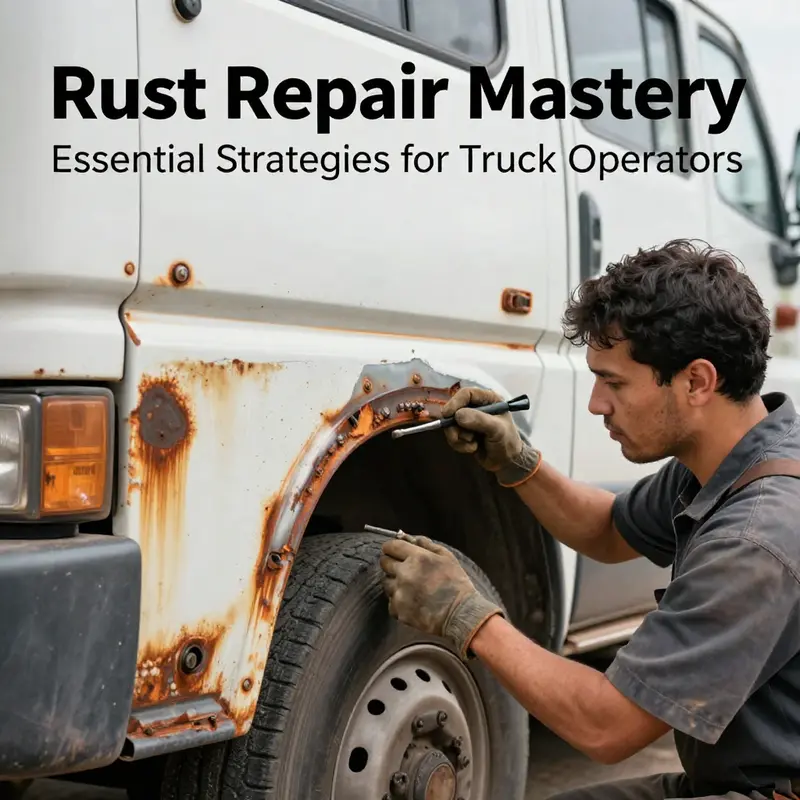
Repairing rust damage on a truck is a labor of love that tests both technical skill and patience. When you first set your eyes on the truck, you are faced with a story written in oxidation and decay. Each rust spot tells a tale of weathering, exposure, and time that has compromised both the look and strength of your vehicle. The process to restore your truck is not merely a repair job but a journey that renews its form and spirit. Standing before the challenge, you must adopt a systematic approach that honors both safety and craftsmanship.
The journey begins with a gentle, careful inspection of the truck’s body. Take time to examine each panel for signs of rust. Often, surface rust is the first indication of future issues. The rust may appear as small, orange specks or as larger patches where the paint is visibly bubbling. It is essential to assess whether the rust is superficial, pitting, or structural in nature. Superficial rust typically compromises only the protective paint layer, while pitting rust digs deeper to create small holes in the metal. Structural rust weakens the load-bearing components of the truck and can jeopardize its integrity. These are not mere aesthetic issues; they call for a measured, dedicated response.
Once you have gauged the type and severity of the damage, prepare your workspace. Safety must be your top concern, so wear gloves, safety glasses, and a mask. Ensure that the work area is well ventilated and free from distractions. A clean, organized space makes every step from cleaning to the final coating a smoother process. Early on in the process, a thorough cleaning is paramount. Washing away dirt, grease, and any residual grime from the truck sets the stage for a lasting repair. A quick rinse with soapy water followed by drying helps you see rust with greater clarity.
After you have determined the extent of the rust, the essential step of rust removal comes next. You will need a variety of tools, including a wire brush, sandpaper ranging from coarse to fine grits, and perhaps even a power tool such as an electric grinder or orbital sander for larger spots. Start with the coarser grit and methodically work over the rust until you see bare, clean metal. The process may be monotonous, but it is critical for the longevity of the repair. There is no substitute for removing all traces of rust. Even a small remnant of rust can continue to spread if left behind.
While you work on scrubbing away at the surface, maintain attention to details. Areas with surface rust require less aggressive sanding, while spots deeper into the metal need more intense preparation. For regions affected by pitting rust, consider using tools that can reach into the crevices. The use of power tools should be done with care. Each stroke must be measured and deliberate. Allow your focus to be on ensuring that every contaminated section is scrubbed out. A meticulous approach now will pay dividends in the final finish of your truck.
In instances where the rust has eaten into the metal to the point of creating holes or weak areas, the process involves cutting and patching. Use a reciprocating saw or an angle grinder to remove the damaged section completely. Precision is essential, as you want to retain as much undamaged metal as possible. After the bad metal is cut away, shape a patch that fits snugly into the area. Welding a new piece of metal over the cut-out section requires not only skill but also the right equipment. Ensure the patch is flush with the surrounding surface by carefully grinding the weld seam. The smoothness of this transition is directly proportional to the resilience of the repair and the visual outcome.
Once every rusted section has been cleaned or replaced, cleaning again is necessary. The objective is to remove any leftover dust, filings, or grease from the metal’s surface. Use a degreaser or rubbing alcohol to wipe away contaminants. Let the area dry completely. This cleaning step is crucial because primer and paint will not adhere properly if the surface retains any residue. As a final measure in the preparation, gently blow away any lingering dust with compressed air or a tack cloth.
After the metal is fully clean and dry, it is time to lock in a protective barrier against future rust. A high-quality rust conversion product serves this purpose well. When applied, the converter chemically transforms the rust into a more stable compound. Allow it to cure according to the manufacturer’s recommendations before taking further action. Following the rust conversion process, apply a primer that is designed for metal surfaces. A zinc-rich primer is highly recommended as it provides robust protection against moisture. The primer’s consistency should be smooth to ensure full coverage over the newly exposed metal.
The next phase involves repairing any imperfections in the metal itself. For small holes or even slight pitting, you may use a thin patch of metal or a zinc-rich filler to restore the integrity of the surface. In such instances, choose a filler that matches the thickness of the existing metal to maintain a level plane. Carefully tap the patch or apply the filler by following provided instructions if using a repair kit. When using any filler material, ensure that it is allowed to harden completely. Once ready, gently sand the area to make the patch blend seamlessly with the rest of the panel.
A smooth surface is not only essential for durability but also for visual consistency. Sanding both the patched area and the surrounding region helps in achieving a uniform finish. Start with a medium grit and move to a finer one, such as progressing from 120 grit up to 220 grit. Each level in this progression contributes to a refined surface that is free from the rough texture of the repair process. The attention to detail at this stage sets the groundwork for a flawless paint job.
Painting the repaired area is both an art and a science. A quality topcoat that matches the original truck color is necessary for the job. It is best to apply several thin layers rather than one thick coat. A thin layer ensures that the paint dries evenly and adheres well to the primer. Only after each coat dries completely should you apply the next. Choosing the right type of paint that is resistant to environmental wear is crucial. Even a well-repaired truck risks future corrosion if the paint fails to provide a lasting seal against moisture and oxygen.
Even if all prior steps are followed meticulously, the final step is to establish a defense against the relentless future threats of rust. After the paint cures, a clear protective coat can enhance the truck’s resistance to minor abrasions and weather exposure. This clear coat seals the paint and adds an appealing gloss to the truck’s finish. The process of buffing and polishing the newly finished area ensures that the repair is not only durable but also aesthetically pleasing. The final appearance should show no sign of where the rust repair occurred, blending seamlessly with the truck’s original design.
While the restoration is complete, long-term maintenance and prevention must be embraced as a routine process. Regular inspections are vital, especially after the truck has been exposed to harsh environmental conditions such as salted winter roads or prolonged rain. Checking locations like wheel wells, the undercarriage, and door edges can reveal early signs of rust. Addressing these signs promptly is more effective than waiting for the rust to spread. It is important to integrate these checks into your regular maintenance routine.
Prevention extends beyond mere inspections. For example, applying additional protective coatings after your repair work can significantly extend the life of your truck’s metal surfaces. Products like rubberized undercoatings or wax-based rust inhibitors add an extra layer of protection that acts as a barrier against moisture and salt. Over time, these coatings reduce the likelihood of rust reappearing. Maintaining a clean exterior is also an important practice. Routine washing and drying of the truck, particularly after exposure to salt and moisture, are effective practices in rust prevention. For those who want to learn more about managing your truck’s overall condition, consider reading an article on effective truck maintenance budgeting, which explores comprehensive approaches to upkeep.
The repair process is not simply about addressing visible rust; it is also about restoring the structural integrity of your truck. Even when rust is only moderately invasive, it might have already compromised the metal’s strength. Each section needing repair must be handled with the understanding that structural components are critical to your vehicle’s safe operation. When rust affects areas like the frame or chassis, the problem is amplified. These are the parts of the truck that support its entire body, making their repair vital for overall safety. If you ever find yourself facing extensive structural rust, the safest course of action is to enlist the help of a professional auto repair service. No DIY approach can fully guarantee the reliability of a severely compromised frame without professional tools and expertise.
In the midst of the technical details, there is also an emotional journey. Restoring a truck is a process that reconnects the owner with the machine. It rekindles an appreciation for the beauty of metalwork and the practical skills required to counter decay. Over time, each repair infuses the truck with new life, protecting it from the persistent forces of nature. This experience transforms routine maintenance into a craftsmanship project—a testament to determination and skill.
During the repair process, it is common to reflect on the importance of investing time and energy into the maintenance of your truck. This is especially so when you consider that the truck is not merely a means of transportation, but a critical asset that demands regular care. Thorough rust repair and prevention techniques become part of an ongoing dialogue between the truck and its owner. This dialogue is defined by consistent attention, careful planning, and the willingness to invest in quality repairs. Each step in the process contributes to a larger commitment to preserving not only the truck’s functionality but also its visual appeal.
As you work through the successive phases of rust repair, the essential lesson emerges: attention to detail is the key. The initial inspection, the careful removal of rust, the precise preparation of surfaces, and the steady application of primer and paint are all steps that require careful control. The process is iterative, relying on patience and a willingness to take corrective action at every stage. When done properly, the repaired section becomes indistinguishable from the undamaged parts. There is a satisfying symmetry in witnessing a once corroded area transform into a section that shines under a fresh coat of paint.
Beyond the immediate repair, preventive maintenance practices play a vital role in ensuring that rust does not return. Simple habits such as regularly washing your truck and keeping it dry help to fight against the inevitable onset of corrosion. It is essential to remember that environmental factors have a relentless impact. Even after a successful repair, exposure to moisture, salt, and debris can lead to swift deterioration if the truck is neglected. Therefore, daily or weekly cleaning routines and periodic detailed inspections are strong allies for anyone who wishes to maintain their truck in top condition.
Another essential aspect of long-term care is the use of protective treatments post-repair. Applying a durable protective coating serves as a final and crucial layer of defense. This coating works by sealing the metal, ensuring that scratches or minor abrasions do not compromise the newly applied paint. For truck owners who are serious about preservation, this step is not optional. It is frequently suggested that motorcycle or truck enthusiasts integrate a periodic application of advanced protective coatings as part of their standard maintenance routine.
Taking the time to complete every step of the repair process with precision ensures that you extend the lifespan of your truck. It is a careful balance between immediate repairs and future preparedness. While each step may seem mundane, the sum of these careful actions results in a dramatically improved appearance and boosted structural integrity. Even when the process feels repetitive, each minute detail matters. From the brushing and sanding of rust to the final buffing of a clear coat, every action contributes to a robust defense against further deterioration.
The renovation project is as much about preserving mechanical integrity as it is about reviving a cherished asset. Each truck has an inherent character that reflects years of service and countless miles on the open road. Rust repair is a way to honor that history while ensuring the vehicle remains safe and dependable. When you commit to a process that requires careful inspection, aggressive cleaning, methodical rust removal, and detailed finishing work, you are making a commitment to quality and longevity. There is an inherent satisfaction in watching a vehicle that once looked tired and worn come alive under your skilled hands.
Although the work is challenging, every step brings a sense of accomplishment. The deliberate, mindful progression from identifying rust to establishing a lasting protective layer is both empowering and transformative. Each carefully sanded surface, each precisely applied layer of primer, and every slowly built coat of paint contributes to an outcome that is not just a repair but a renewal of trust between you and your truck. Guided by each tool in your kit and every product in your arsenal, you gradually transform a rusted relic into a steadfast machine ready for many more journeys.
Maintenance is not a one-time effort but a continuous process that requires vigilance and regular attention. Integrating a schedule for preventive maintenance not only keeps rust at bay but also helps manage unexpected repairs in the future. For instance, mechanisms like budgeting for routine truck maintenance help many owners plan ahead. An effective strategy involves setting aside funds and scheduling regular inspections to catch issues early. Embracing a long-term vision for truck care builds resilience into your vehicle’s life, ensuring it remains a reliable workhorse for years to come. For further insights into maintaining financial and mechanical health, you might explore strategies detailed in an article on effective truck maintenance budgeting.
Every repair project carries its share of challenges and lessons. The process of rust removal, patching metal, applying primers, and achieving a flawless paint finish is one that not only preserves but transforms. As you reach the end of the repair process, you will find that the truck not only looks better but carries a renewed sense of strength. The care you invest today sets the stage for continued durability. This renewed condition is important because it instills confidence that the repairs will hold against the test of time and environmental wear.
In the end, addressing rust damage is a testament to the resilience of both your truck and your resolve as an owner. The meticulous work of removing rust, the thoughtful application of treatment products, and the final artistic touches of painting and buffing combine into a comprehensive restoration process. Your truck is reborn from the ravages of time, thanks to the many hours of work and the steady hand that refused to compromise on quality. When you step back and admire your efforts, you see more than just a truck; you see a symbol of dedication, proper maintenance, and lasting protection.
For anyone willing to embark on this journey, each phase reinforces the notion that the road to restoration is paved with detailed preparation and care. Whether you are removing superficial rust or undertaking major structural repairs, your work contributes to a machine that can continue serving its purpose reliably. The repair process is an evolving learning experience that strengthens your technical skills and deepens your appreciation for the intricacies of metal restoration. Every challenge you overcome reaffirms that with the right approach, even the most corroded surfaces can be transformed into beautiful, functional parts of your truck.
Maintaining your truck’s pristine condition after the repair is an ongoing commitment. Keep your truck clean by washing it regularly, particularly after exposure to salted roads and harsh weather. A thorough drying process prevents moisture from settling on vulnerable surfaces. Routine inspections are key to catching new rust spots early. If any signs of corrosion appear, address them immediately before they expand. In this way, your effort in repairing rust becomes part of a larger cycle of preventative maintenance that safeguards your truck’s longevity.
As your truck journeys through countless miles after its rust repair, it stands as a testament to your careful planning and hard work. The process of assessing, cleaning, repairing, and finally protecting the truck creates a cycle of care that ensures it remains a reliable part of your livelihood. Over time, this cycle is repeated, each session adding layers of protection that combat the inevitable wear of weather and time. For truck enthusiasts and casual drivers alike, maintaining the integrity of the vehicle is both a practical necessity and a personal mission.
For further reading on practical, step-by-step repair methods, you can consult this detailed guide available at https://www.autocar.co.uk/article/repairing-rust-on-a-truck. Embracing the principles of thorough inspection, careful cleaning, precise repairs, and ongoing maintenance ensures your truck will continue to serve you reliably for many years ahead. The process not only fixes the rust but also fortifies your truck against future challenges, ensuring safety, appearance, and performance are all maintained at the highest levels.
In summary, the journey from rusted decay to renewed strength is arduous but immensely rewarding. Each phase of the process—from assessing the initial damage to applying the final protective clear coat—is integral to achieving a long-lasting and visually appealing result. Through persistent effort and unwavering attention to detail, you can transform compromised metal into a surface that stands against time and elements. Every brush stroke, every round of sanding, and every careful application of primer and paint represents a step toward a truck that is as robust as it is beautiful. This comprehensive process is an art form in its own right, bridging the gap between functional repair and true craftsmanship.
The extensive and diligent repair work you undertake is not just a technical task; it evolves into a personal statement about the value you place on reliability, aesthetics, and safety. Embrace each step with care, and recognize that in the world of truck maintenance, every detail matters. From the initial scramble to remove the rust to the final act of polishing the clear coat, you are actively pushing back against the effects of time and wear. Your truck, revered as both a tool and a companion, demands this level of care, and in return, it offers years of durability and dependable performance. It is an ongoing partnership where preventive maintenance and timely repairs become the cornerstones of long-term success.
The rewarding experience of transforming a rust-riddled truck into a gleaming machine is about the journey as much as it is about the destination. It is an adventure measured not in miles but in the care invested in every repaired surface. As you complete each phase, you achieve a level of mastery that empowers you to handle future challenges with confidence. Remember that the process is cyclic—each repair session reinforces the importance of regular maintenance. By embracing a rigorous schedule and attending to the smallest detail, you not only save money in the long run but also maintain the integrity and legacy of your truck. Your dedication to its upkeep inevitably pays off in reliability and performance, setting an example for fellow truck owners.
In the realm of vehicle repair, combating rust is both a necessity and an art that demands perseverance, precision, and pride. Each meticulously completed step—from thorough cleaning and effective rust removal to precise metal patching and flawless painting—reinforces the truck’s readiness for the road. The journey is filled with challenges, yet also with triumphs that speak to the rewards of dedication and skilled craftsmanship. With every protective coat applied and every inspection completed, your truck stands resilient, prepared to tackle both daily demands and long-term rigors. This comprehensive approach to rust repair, when combined with regular proactive maintenance, forms the cornerstone of a truck that remains stylish, safe, and enduring.
With this renewed knowledge and a clear plan of action, you are equipped to confront rust with confidence and determination. Each measure taken not only repairs the damage of today but also prevents tomorrow’s potential failures. The story of your truck continues with this new chapter built on precision, perseverance, and pride in a job well done. Let this process remind you that quality repair work bridges the gap between imperfection and excellence, ensuring that the truck you drive remains a steadfast partner on every journey.
Securing Your Truck’s Future: Comprehensive Maintenance and Prevention Strategies After Rust Repair
When the metal on your truck has been restored from rust damage, the journey to safeguarding your vehicle’s longevity is only beginning. The process may have involved detailed cleaning, aggressive rust removal, and careful application of protective finish layers, but these efforts can be easily undermined if proper ongoing maintenance and prevention strategies are not followed. A single lapse in care can allow moisture and road salt to breach even the best repairs. With this in mind, a consistent and vigilant regimen of maintenance can ensure that your truck continues to perform optimally and maintain its structural integrity for years to come.
Immediately after rust repair, the truck’s metal is at a vulnerable state. The application of a primer, paint layers, and even undercoatings or rust inhibitors has provided a barrier. However, environmental elements such as moisture, de-icing salts, and airborne pollutants are always on the lookout. It is essential to inspect the newly repaired sections regularly. Even if the initial signs of rust have been eliminated, a thin film of moisture or a tiny chip in the coating can lead to corrosion over time. Developing a habit of visually examining high-risk areas, such as wheel wells, door sills, and the undercarriage, is a necessary part of post-repair care. The ease with which the repair can be compromised by neglect underscores the importance of routine checks. Each month, take a few minutes to examine areas that were repaired, using a flashlight to study crevices and spots that might harbor early signs of oxidation or residual weakness in the paint layer.
Beyond routine inspections, immediate post-repair protection measures are fundamental. After the repair work—whether it was a simple surface patch or a more invasive structural patch—the next step is to enhance the protection offered by the applied coatings. Applying a high-quality rust inhibitor or an undercoating designed for post-repair surfaces acts as a sealing agent against moisture. The freshly applied rust converter and primer can benefit significantly from an additional layer that repels water and prevents contaminants from reaching the metal surface. On trucks that regularly face harsh weather conditions—winter road salt, heavy rain, or coastal salty air—this extra layer of protection makes a crucial difference. Not only does it extend the life of the repair work, but it also minimizes the risk of the rust process restarting from an otherwise hidden imperfection.
Regular and gentle cleaning of the truck plays a key role in preventing the recurrence of rust. It might be tempting to use strong chemicals and power washers, especially when confronted with the stubborn debris that accumulates over time. However, harsh cleaning agents or abrasive techniques can wear away the delicate layers of primer and paint that you worked hard to secure. Instead, opt for a pH-neutral car wash solution that cleans without jeopardizing the integrity of protective coatings. Remember that each wash is an opportunity to remove accumulated grime, salt crystals, and pollutants that cling to the surface. After each cleaning, ensure that the truck is thoroughly dried, especially in areas such as crevices and joints. Leaving the truck wet, even for a short period, can provide the perfect conditions for rust to form. Part of your plan should involve using microfiber cloths, soft towels, or even compressed air to eliminate moisture from hard-to-reach places.
The protective power of coating products such as ceramic waxes and paint sealants cannot be overstated. Over the course of several months, even the best-applied finishes can lose their hydrophobic properties, letting water and chemicals slowly degrade the surfaces. Applying a premium wax or sealant every three to four months reinforces the protective barrier. These products are engineered to provide a continuous shield against UV rays, minor abrasions, and the corrosive nature of environmental contaminants. Consistent reapplication has a dual benefit: it not only preserves the aesthetic appeal of the truck but also ensures that the metal remains insulated from the aggressive effects of external factors. In this way, maintenance is not a one-time event but a recurring ritual that safeguards the vehicle’s value and usability.
Part of this preventative approach involves protecting the truck by minimizing its exposure to prolonged moisture and humidity. For instance, when parking in damp or humid conditions, it is advisable to use a breathable truck cover rather than a plastic one that can trap moisture against the surface of the truck. If the truck is stored outdoors, ensuring proper ventilation and using covers that allow moisture to escape is vital. Moreover, it is equally important to ensure that the interior of the truck remains dry. After exposure to rain or after cleaning, allow sufficient time for internal spaces such as the cab floor and interior panels to dry completely. In some cases, truck owners use desiccants or silica gel packs inside the cabin as an extra precaution to reduce internal humidity—a small step that can prevent conditional rust formation in less obvious places.
One cannot overlook the importance of undercarriage maintenance when it comes to rust prevention. The undercarriage consistently faces the harshest conditions: road salts in winter, fresh water in spring, and corrosive chemicals in summer. Every six to twelve months, depending on your local driving conditions, it is advisable to have the undercarriage professionally cleaned using a high-pressure washer. This process helps remove debris, mud, and other buildup that can lead to corrosion if left untreated. Once the area has been cleaned, a specialized underbody coating can be applied. Not only does this enhance the durability of the trucks in difficult regions, but it is also essential for those vehicles operating in coastal areas or on salted roads. Some truck owners go even further by installing plastic or steel underbody shields to deflect debris and reduce the direct impact of road hazards. This comprehensive approach means that every part of the truck, even the most concealed areas, contributes to an overall rust-free structure over time.
Even with the highest standards of cleaning and protection, accidents and minor damages are bound to occur over the truck’s lifespan. A stray pebble in the road or a minor scrape can compromise the protective finish on a repaired section of your truck. Addressing these issues immediately is crucial. Minor scrapes or chips in the paint provide openings for moisture and oxygen to reach the metal, initiating the rusting process. Keeping a touch-up kit with factory-matched paint or a dedicated repair solution in your glove compartment can be a lifesaver. The key is to tackle minor damages before they can coalesce into larger, more problematic rust spots. This proactive repair discipline is a hallmark of a well-maintained truck and demonstrates the high level of care required after extensive rust repairs. The moment you notice even the smallest hint of a scratch or chip, you should perform a touch-up repair. Consistency in these small repairs will ultimately determine the long-term durability of the overall repair work.
Beyond the routine and immediate maintenance steps, understanding the underlying conditions that lead to corrosion is equally important. Environmental factors such as temperature fluctuations, the presence of acid rain, and even local pollution levels can all contribute to the reappearance of rust. If you are in a region where road salt is used liberally during winter months, or if your truck routinely traverses industrial areas, then heightened vigilance is warranted. In such conditions, additional measures such as the application of anti-corrosion sprays or undercoating treatments might be necessary even more frequently. Preventative maintenance in these scenarios becomes a continuous process of adaptation, requiring truck owners to tailor their cleaning and protective routines based on seasonal or situational factors. This dynamic approach to truck maintenance ensures that the vehicle remains resilient, safe, and visually appealing under a range of environmental challenges.
A carefully planned maintenance schedule should also incorporate seasonal evaluations of the truck’s condition. For instance, after the harsh conditions of winter or following a period of intense use on salted roads, it is prudent to schedule a comprehensive check-up. During these evaluations, inspect not only the previously repaired areas but also the entire vehicle, as rust fissures can develop in unexpected places. The use of bright lighting and even a magnifying lens may help identify early signs of wear. These detailed inspections are critical because some parts of the truck might be more heavily exposed than others. Belaboring these regular check-ups not only prevents the formation of new rust patches but also provides peace of mind that the repair work remains intact and effective.
It is also worthwhile to address the importance of using the right cleaning products in your maintenance routine. The choice of cleaning agents on a repaired truck should not be made lightly. Harsh detergents, especially those containing bleach or acidic components, might offer effective cleaning in the short term but can strip protective coatings away from the metal over time. Automotive-specific cleaning solutions, designed with the sensitivity of newly repaired surfaces in mind, are preferable. Such products help in maintaining the delicate balance between removing accumulated impurities and preserving the protective layers that guard against corrosion. By using quality cleaning products, you ensure that each washing session contributes to the longevity of your repair and keeps your truck looking as good as new.
A strong maintenance regimen is incomplete without considering the economic aspects of truck care. Allocating a budget for routine maintenance, from regular cleaning products to professional undercarriage treatments, is an investment in your truck’s operational lifespan. Truck owners who prepare for these costs and have an emergency fund for unexpected repairs or touch-ups find that their vehicles remain in peak condition even under harsh operating conditions. Budgeting not just for repairs but also for preventive maintenance activities is a philosophy that maximizes the return on your investment in truck repair. This foresight is particularly important for those who rely on their trucks for daily operations, where financial downtime can lead to significant disruptions. For detailed insights on planning your maintenance budget and effectively managing routine truck care, you might find some helpful tips in the article on turnage sons in-house truck maintenance.
Underpinning all these practical steps is a central philosophy: prevention is far less costly and more effective than cure. The meticulous work that goes into repairing rust is only valuable if it is maintained with equal dedication. Each stage of the repair—from sandblasting the corroded metal to applying rust converters, primers, and final finish coats—is vulnerable until firmly established and continually safeguarded. The strategies of regular cleaning, prompt minor damage repair, and systematic protective layer maintenance help preserve the quality of that initial work. In places where environmental challenges are more pronounced, such as near coastal regions or areas with heavy industrial emissions, adherence to a strict maintenance routine becomes even more critical. Over time, the small daily routines and careful checks add up to a robust defense system that keeps rust at bay, ensuring that your truck remains a safe, reliable asset.
The journey towards a rust-free truck is a continuous one, one that demands both patience and discipline. The systematic process of regular inspections, prompt touch-ups, and comprehensive protective measures helps maintain the truck’s structural integrity and aesthetic appeal over many years of use. Wear and tear are inevitable in the realm of heavy vehicles, but informed and consistent maintenance practices can significantly curb the recurrence of rust damage. Investing time and small amounts of money in routine maintenance not only extends the vehicle’s lifespan but also enhances its performance on the road. Taking small precautions, such as applying a wax coat after every wash or carefully monitoring the repaired areas, creates a domino effect of benefits that prevent more serious structural issues from developing in the future.
In summary, the period following rust repair is a critical phase in ensuring the future durability of your truck. All the hard work done in the workshop must be matched by ongoing care—from using recommended cleaning products and touch-up techniques to scheduling professional undercarriage maintenance. Environmental factors, while constantly challenging, can be managed with vigilant cleaning, controlled exposure to moisture, and the timely application of protective coatings. Each maintenance activity interlocks with the others to form a comprehensive defense system against corrosion. By embracing these strategies, you not only secure the visual appeal and operational efficiency of your truck but also reinforce its mechanical and structural safety.
For those seeking an authoritative perspective on best practices in automotive aftercare, consider reviewing the guidelines provided by industry experts. Organizations like the National Institute for Automotive Service Excellence have detailed protocols that can further enhance your understanding of corrosion control and surface restoration. Their recommendations provide a solid basis for developing a maintenance schedule tailored to your truck’s specific needs. For more in-depth guidance, you can refer to the ASE guidelines available at ASE guidelines. Embracing this wealth of expertise ensures that your truck, long after rust repair, remains resilient and dependable under all operating conditions.
Final thoughts
The effective management of rust damage is not merely an aesthetic concern—it is a vital aspect of fleet longevity and operational efficiency. By following the structured approach outlined in this guide, fleet managers and trucking company owners can conserve vehicle integrity, minimize costly repairs, and ensure safety on the road. Proactive inspection, thorough repair processes, and robust maintenance strategies will protect your assets and contribute to a smooth-running operation. Embrace these practices, and stay ahead of rust-related issues that could threaten your fleet.