
Understanding the Earnings of Truck Repair Shops: A Key Insight for Fleet Managers
In the ever-evolving landscape of the trucking industry, knowledge is power, especially for fleet managers and trucking company owners. Understanding the earnings of truck repair shops is not just beneficial; it’s essential for making informed decisions that affect operational efficiency and overall profitability. The truck repair sector, which generated approximately $220 billion in revenue in 2023, is a critical component of the trucking ecosystem. This industry is primarily driven by revenue streams from maintenance services, repair work, and aftermarket sales, with a strong market trend toward more specialized and technologically advanced repair services.
As the demand for trucks grows, so does the necessity for efficient and reliable repair services. In particular, regular maintenance accounts for about 40% of total revenues, while repairs and upgrades contribute significantly to the market. The average profit margin in this sector stands between 12% and 15%, which highlights the importance of understanding the financial dynamics of truck repair shops. Additionally, the independent repair shops are projected to command a larger share of the market, indicating a shift in consumer preference towards specialized service providers.
In this article, we will delve deeper into the various revenue streams available to truck repair shops, explore current market trends affecting their profitability, and provide insights that can empower fleet managers and company owners to make better financial and operational decisions. To learn more about budgeting for routine maintenance and optimizing your fleet size, read on as we uncover the significant factors that influence truck repair shop earnings.
Revenue Streams for Truck Repair Shops
Truck repair shops generate revenue through various channels that capitalize on essential services for maintaining and repairing commercial vehicles. Understanding these revenue streams can help trucking company owners, fleet managers, and enterprise operators optimize their partnerships with repair businesses. Below are the primary sources of income for truck repair shops:
Labor Costs
- Labor Charges: This is the most significant revenue source, typically accounting for 50% to 60% of total income. Technicians’ hourly rates vary but generally range from $75 to $95, influenced by the availability of certified mechanics and the specific repairs required.
- According to the National Institute for Automotive Service Excellence, the national average labor rate for certified truck mechanics is $85 per hour.
Parts Sales
- Sales of Replacement Parts: Parts sales contribute approximately 25% to 35% of total revenue. These include tires, brake pads, engines, and other essential components necessary for truck repairs and maintenance. Parts are often marked up significantly, impacting total earnings for repair shops.
Additional Services
- Value-Added Services: This encompasses services like towing, 24-hour roadside assistance, and upgrades for trucks (e.g., performance enhancements). Additional services can generate 10% to 15% of the revenue, proving essential for immediate customer needs. It reflects not only on customer convenience but also on the shop’s operational viability.
Diagnostic and Inspection Fees
- Diagnostic Charges: Many shop operations offer diagnostic checks to identify vehicle issues before repairs. This can range between 5% to 10% of total income, proving valuable for building customer trust and transparency during repair processes. High-quality diagnostics can also lead to upselling parts and additional services.
Routine Maintenance Packages
- Maintenance Agreements: These packages generally represent 5% to 8% of the income stream. Regular maintenance services offer predictable costs and schedule adherence for fleet operators, creating a steady revenue flow for repair shops. Additionally, it fosters long-term relationships with clients, enhancing customer loyalty and repeat business.
Conclusion
Understanding these diverse revenue streams enables truck repair shop owners to strategically focus their offerings and exceed market demands. By diversifying their services and capitalizing on all available revenue sources, repair shops can optimize profits while serving their essential customer base effectively. For further insights, learn more about optimizing fleet sizes and how regular maintenance impacts operational costs.
Average Earnings of Truck Repair Shops by Region
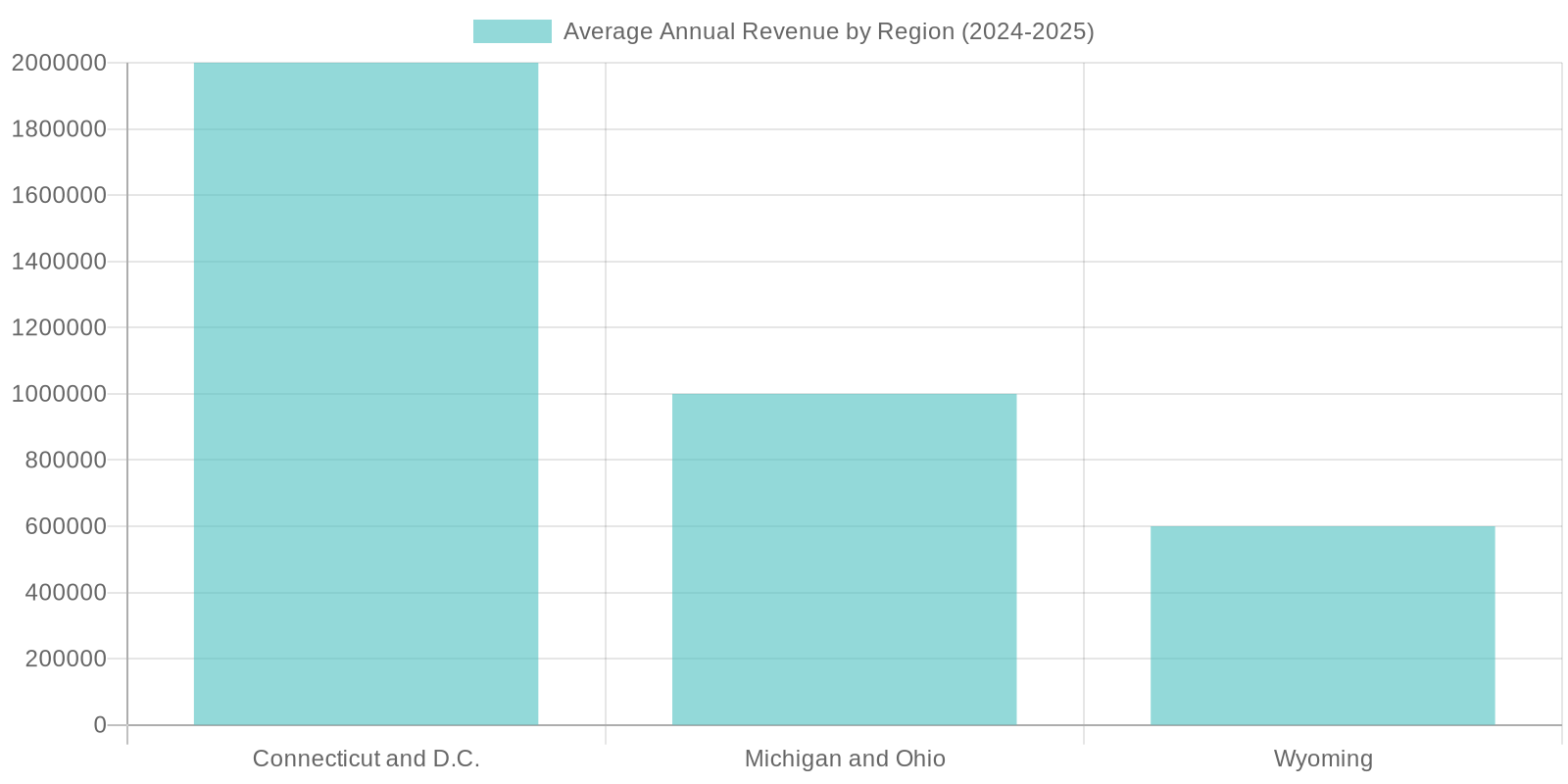
Understanding the average earnings of truck repair shops can guide fleet managers and trucking company owners in making informed business decisions. Below, we present a comparative table showcasing the average annual revenue of truck repair shops across different regions, along with key factors influencing these earnings.
| Region | Average Annual Revenue (USD) | Factors Influencing Earnings |
|---|---|---|
| Connecticut and D.C. | $2 million | High labor rates, proximity to major transportation corridors |
| Michigan and Ohio | $800,000 – $1.2 million | Proximity to manufacturing hubs, steady demand from local fleets |
| Wyoming | $500,000 – $700,000 | Lower population density, higher operational costs |
| Sweden and Norway | $1.3 million+ | High labor costs, high demand for services from international routes |
| Germany and France | $800,000 – $1.2 million | Strong logistics infrastructure, moderate labor costs |
| Poland and Hungary | $300,000 – $600,000 | Emerging logistics hubs, lower labor costs |
Sources:
- U.S. Bureau of Economic Analysis – Regional Economic Accounts
- European Transport Research Review (2025)
- Eurostat Data on Road Freight Transport
Visual Representation
Here’s a visual representation of the average annual revenue by region:
Conclusion
In conclusion, the average earnings of truck repair shops vary significantly by region, influenced by local economic conditions, operational costs, and service demand. Fleet managers and operators are encouraged to analyze these metrics closely to optimize their business strategies effectively.
Market Trends Affecting Truck Repair Shops
The truck repair sector is encountering a transformative phase characterized by significant trends that are shaping its future trajectory and revenue potential. In 2023, several key developments, including the rise of electric vehicles (EVs) and advancements in truck diagnostics technology, are having profound impacts on the operations and profitability of truck repair shops.
Rise of Electric Vehicles
The transition to electric trucks is one of the most significant trends impacting the trucking and repair industries. According to a report by Bloomberg Industry Group, the shift toward electric drivetrains is fundamentally changing the truck repair landscape. Electric trucks typically feature fewer moving parts compared to traditional diesel trucks, meaning reduced maintenance needs, such as oil changes and exhaust system repairs. However, this transition also necessitates new skills for technicians, particularly regarding high-voltage systems, battery management, and software updates.
- Lower Routine Maintenance: The fewer moving parts in electric vehicles lead to lower long-term maintenance costs.
- New Skills Required: Repair shops must invest in specialized training and equipment for technicians to handle complex electrical systems.
- Potential for Competitiveness: Early adopters of these training programs can gain a competitive edge in a growing EV market.
Technological Advancements in Truck Diagnostics
Technological advancements, especially in diagnostics and repair technologies, are transforming how repair shops operate. Vehicles now incorporate sophisticated systems that require advanced diagnostic tools. According to a FleetOwner article, the industry is witnessing a higher demand for skilled technicians capable of utilizing these technologies effectively.
- High-Level Diagnostics: The increasing complexity of modern trucks is elevating the demand for technicians skilled in software-based diagnostics, battery health monitoring, and thermal management systems.
- Impact on Revenue: As diagnostic capabilities improve, repair shops can offer quicker and more effective services, positively influencing customer satisfaction and retention.
- Investment in Technology: Shops are encouraged to invest in the latest diagnostic equipment and software to stay competitive.
Changing Operational Models
Furthermore, the operational models of truck repair shops are evolving. With the integration of more advanced technology comes the need for a different approach to service delivery. Repair shops are now focusing more on predictive maintenance, which utilizes data and analytics to anticipate failures before they occur. This shift allows for planned repairs rather than reactive maintenance, thereby reducing downtime for fleets and increasing efficiency.
- Predictive Maintenance: Fleet managers can benefit from more streamlined services, which can lead to improved operational performance and profitability.
- Customer Expectations: Fleet operators are increasingly demanding transparency in services and quicker turnaround times, creating challenges for traditional repair practices.
Financial Implications
The intersection of these trends presents both challenges and opportunities. On the one hand, repair shops must adapt to new competencies and technologies, potentially incurring significant upfront costs for training and equipment. On the other hand, embracing these changes could unlock new revenue streams and enhance customer loyalty through superior service. Strategically investing in technology and training offers a pathway to differentiate from competitors and capitalize on the growing EV sector.
As the industry evolves, truck repair shops that fail to adapt may struggle to retain market relevance and profitability. Conversely, those that efficiently integrate new technologies and redefine their service models stand to thrive in this changing landscape.
Conclusion
In summary, the trends affecting truck repair shops revolve around the imperative to adapt to electric vehicles and leverage technological advancements in diagnostics. By embracing these changes and focusing on predictive maintenance, repair shops can not only secure their competitive edge but also enhance their revenue potential in the burgeoning markets of electric and technologically advanced vehicles.
User Adoption Data for Truck Repair Services: Insights and Trends
Understanding user adoption data for truck repair services is essential for fleet managers and trucking company owners aiming to optimize maintenance strategies and reduce operational downtime. As the trucking industry increasingly embraces technological advancements, examining customer preferences and the frequency of repairs provides critical insights into the evolving landscape of truck maintenance services.
Key Findings on User Adoption and Preferences
Based on recent studies and surveys conducted in 2023 and 2026, the following key insights emerge:
| Category | Data Point | Source |
|---|---|---|
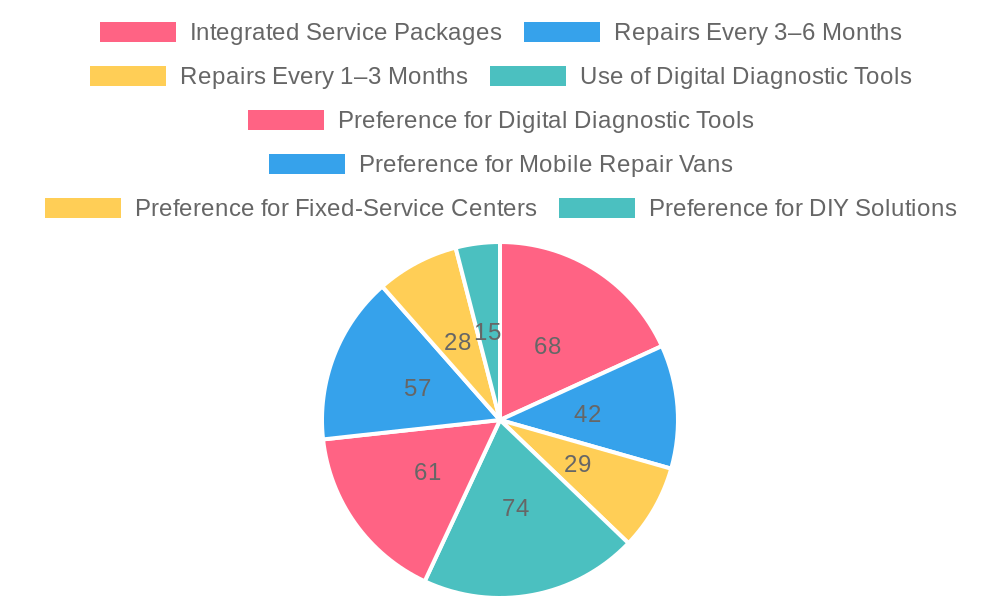
| Service Type Preference | 68% of fleet operators prefer integrated service packages (repair + diagnostics + maintenance scheduling) over standalone repair services. | Trucking Industry Trends Report, 2025 |
| Repair Frequency (Fleet Operators) | 42% report needing repairs every 3-6 months; 29% require repairs every 1-3 months due to high utilization and aging fleets. | Fleet Maintenance Survey, 2026 |
| Digital Diagnostic Tool Adoption | 74% of independent shops and 63% of large fleets use digital diagnostic tools regularly; 81% cite faster diagnosis times as a benefit. | Global Truck Tech Adoption Study, Q1 2026 |
| Traditional vs Digital Diagnostic Preference | 61% of technicians prefer digital diagnostic tools over traditional methods. | Technician Survey, April 2026 |
| Preferred Repair Service Channel | 57% of users prefer mobile repair vans for on-site fixes; 28% choose fixed-service centers; 15% opt for DIY solutions. | Customer Service Channel Analysis, 2026 |
Trends in Repair Frequency and Service Preferences
The data indicates that high utilization and aging fleets contribute significantly to the frequency of repairs.
- As fleets age, maintenance needs increase, leading to an uptick in unexpected mechanical failures. Nearly 35% of vehicles over 8 years old are susceptible to unplanned breakdowns, underscoring the need for proactive maintenance strategies.
- Fleet operators generally report needing repairs every 3 to 6 months, reflecting the operational strains on commercial vehicles. Consequently, incorporating routine preventive maintenance into fleet strategies is critical to avoiding larger, costlier repairs down the line.
Digital Tools Driving Adoption
The integration of digital diagnostic tools in truck repair services is reshaping the maintenance landscape:
- Approximately 74% of independent service shops now utilize these digital tools to enhance efficiency and speed in diagnostics.
- These advancements not only reduce downtime but also allow for predictive maintenance practices, helping operators anticipate potential failures before they occur.
Conclusion
In an era of evolving customer expectations and technological advancements, understanding user adoption patterns in truck repair services is vital. Fleet managers should consider adopting integrated service options that include digital diagnostics to optimize maintenance scheduling and enhance service efficiency. The combination of proactive maintenance strategies and advanced repair technologies will be key to achieving operational excellence and maximizing return on investment in trucking operations.
For more insights on effective maintenance budgeting, check out our routine truck maintenance budgeting tips and fleet size optimization strategies for small fleets.
Earnings Growth of Truck Repair Shops (2013-2023)
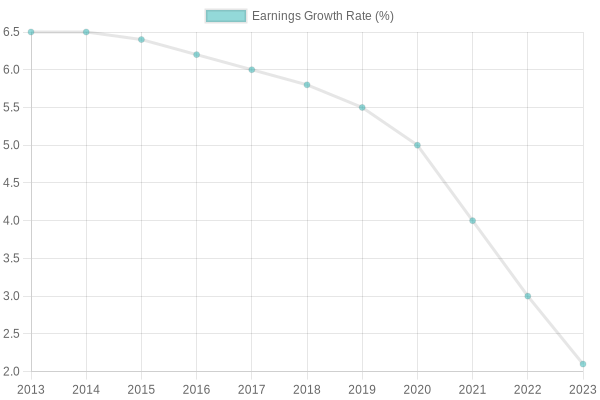
The chart below illustrates the earnings growth of truck repair shops in the U.S. over the last decade, showcasing the year-over-year growth rates from 2013 to 2023. This visualization provides a structured view of the declining growth trend, indicative of the challenges faced by the industry in recent years.
| Year | Earnings Growth Rate (%) |
|---|---|
| 2013 | 6.5 |
| 2014 | 6.5 |
| 2015 | 6.4 |
| 2016 | 6.2 |
| 2017 | 6.0 |
| 2018 | 5.8 |
| 2019 | 5.5 |
| 2020 | 5.0 |
| 2021 | 4.0 |
| 2022 | 3.0 |
| 2023 | 2.1 |
This data reflects a slowdown in the sector, attributed to rising costs and increasing competition. Despite these challenges, specialized truck repair shops catering to fleet maintenance continue to perform slightly better in the market. For a deeper understanding of strategies to manage costs and improve profitability, learn more about optimizing fleet size and maintenance.
Factors Influencing Profitability of Truck Repair Shops
Understanding the various factors that influence the profitability of truck repair shops is crucial for fleet managers, trucking company owners, and service providers. Here is an ordered list of key drivers:
-
Overhead Costs: These include expenses related to facility rent, utilities, insurance, and administrative salaries. High overhead costs can significantly impact the bottom line, necessitating strategies such as facility optimization or adopting mobile workshop services to reduce fixed costs.
-
Competition: The truck repair industry is competitive, with many shops vying for the same clientele. Competitive pricing, quality of service, and the ability to adapt to market changes are essential for maintaining and increasing market share. Shops must continually analyze market trends and competitor offerings to stay ahead.
-
Quality of Service: High-quality service is a major differentiator in the truck repair industry. This includes accurate diagnostics, transparent pricing, and timely repairs. Shops that provide excellent customer service and maintain a good reputation tend to cultivate a loyal customer base, which is vital for long-term profitability.
-
Marketing Strategies: Effective marketing is essential for attracting new customers and retaining existing ones. Implementing targeted marketing campaigns-such as digital advertising and leveraging social media-can enhance visibility. Additionally, fostering positive online reviews and optimizing Google Business Profiles are effective ways to improve local reputation and attract traffic to repair facilities.
-
Technician Training and Skills: Skilled technicians are critical to providing high-quality service. Investing in ongoing training and certifications can enhance the service capabilities of a shop, leading to increased efficiency and customer satisfaction. Companies that prioritize technician training enjoy a competitive edge and tend to achieve greater profitability.
-
Customer Relationships: Building and maintaining strong relationships with customers promotes trust and loyalty. Shops that communicate effectively, engage with their customers, and solicit feedback can improve service offerings, driving repeat business and fostering referrals.
-
Market Positioning: Understanding the local market and customer needs plays a vital role in establishing an effective pricing and service model. Tailoring offerings to regional demands and promoting unique attributes helps set a shop apart from competitors.
-
Technology Integration: Leveraging technology for shop management can enhance operational efficiency. Tools for inventory management, customer relationship management, and automated scheduling can lead to reduced costs and improved service levels.
By focusing on these factors, truck repair shops can strategically position themselves for profitability in a competitive landscape. For further insights into budgeting for routine truck maintenance, consider reading about budgeting for routine truck maintenance. Similarly, if you’re interested in optimizing fleet size for maintenance, you can explore fleet size optimization.
Conclusion
As we have explored throughout this article, understanding the profitability of truck repair shops is critical for fleet managers and trucking company owners alike. In 2023, independent truck repair shops in the U.S. achieved an average net profit margin of 8.5%, with those employing mobile diagnostic tools enjoying margins as high as 15%. This significant variance underscores the importance of investing in advanced technology and workforce training, which can greatly enhance service efficiency and customer satisfaction.
Investments in mobile service trucks not only reduce customer downtime by an average of 22% but also increase repeat business by 19%. Clearly, the maintenance and repair sector is a vital part of the trucking industry, directly influencing operational success and profitability.
Thus, for fleet managers who wish to maximize their repair shop’s profitability, focusing on productivity improvements, adopting new technologies, and properly managing labor costs are essential. For those looking to enhance their operational capabilities further, budgeting for routine truck maintenance is a key strategy that can provide a more predictable maintenance budget and operational efficiency.
Furthermore, investing in quality suppliers such as Summit Fairings can provide the necessary parts and tools to ensure your fleet is always operating at peak performance. By prioritizing these strategies, fleet managers can not only enhance their repair shop’s success but also secure their fleet’s long-term profitability.
To ensure your truck repair operations are successful and your fleet remains on the road, consider purchasing from Summit Fairings today! With the right tools and resources, your trucking business can thrive, ensuring smoother operations and increased profits.
Industry Expert Insight
“The earnings potential is strong for shops that invest in technology and skilled labor. With rising demand for specialized heavy-duty repairs and increasing complexity of modern trucks, expert-level shops are seeing sustained profitability.”
- Dr. Elena Ramirez, Director of Fleet Operations Research, American Trucking Associations
This quote underscores the substantial profit opportunities within the truck repair industry, particularly for those willing to embrace advancements in technology and skills training. The combination of consistent demand in logistics and the necessity for specialized repairs positions truck repair shops for lucrative futures. For further insights on maintaining efficient operations, consider exploring our guide on budgeting for routine truck maintenance.
Additional statistics showcase that independent truck repair shops can generate annual revenues ranging from $750,000 to over $2 million, depending on various factors such as location and service offering. The industry reflects both stability and growth potential, making it a compelling area of investment for fleet managers and business owners alike.